Realigning priorities: Egypt's strategic shift toward Qatar, Turkey, and Iran
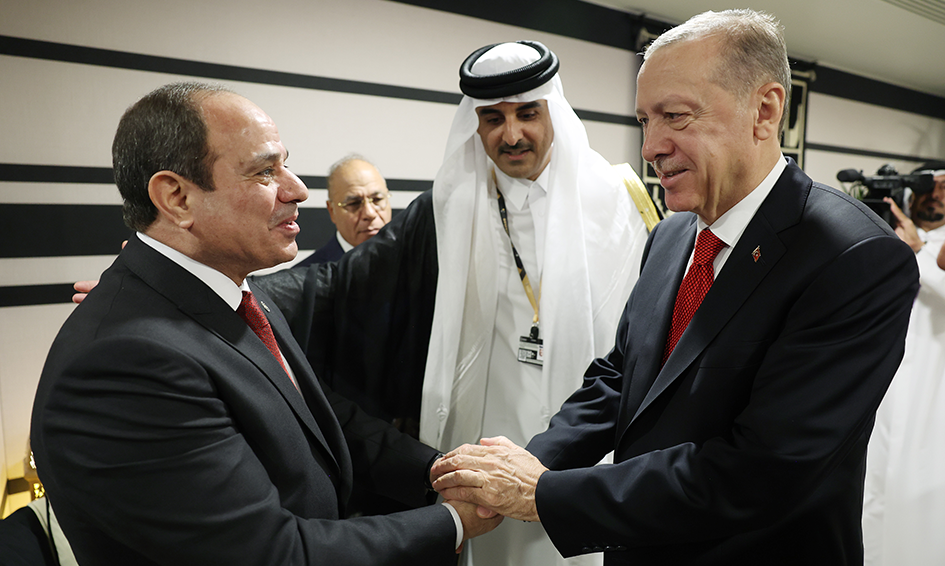
While some analysts attribute Egypt’s realignment toward Turkey, Qatar, and Iran to a change in the foreign policies of its influential allies, the UAE and Saudi Arabia, it can be argued that Egypt’s shift is primarily motivated by its domestic dynamics and its unfulfilled foreign policy objectives between 2014 and 2018. Egypt’s realignment, in that sense, seeks to achieve multiple unmet domestic and regional aims.
Turkey's role after the Black Sea grain deal collapse has become even more critical
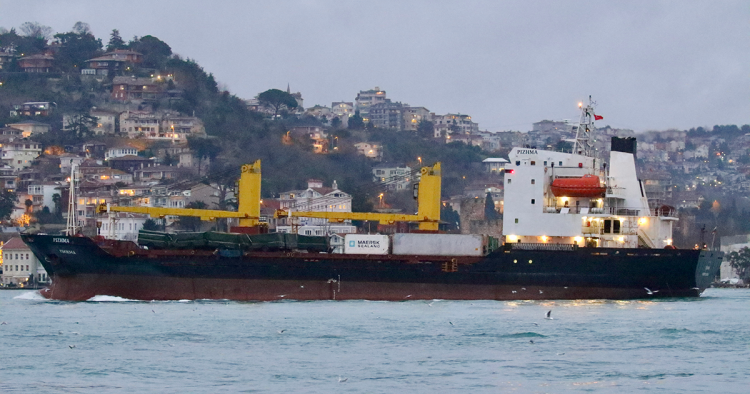
During the 500 days since Russia’s invasion of Ukraine, the Middle East avoided a catastrophic food crisis, thanks in part to the Black Sea grain initiative. Russia’s decision to cancel that agreement is raising fears that the return of supply shortages and skyrocketing wheat prices could quickly plunge the most vulnerable countries of the region into crisis.
Climate Change Threatens Turkey’s Role as a Food Supplier to Europe and the Middle East
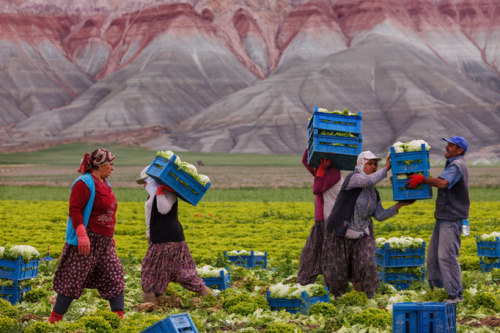
The persistence of high food inflation in Turkey belies a deeper problem. Turkish agrifood production cannot adequately cope with increasing water scarcity due to climate change. Challenging Turkey’s own food security, the growing crisis also threatens Turkey’s role as a food supplier to Europe and the Middle East. Regional food supply chain breakdowns due to a decline in Turkish production would create a debilitating economic impact on both regions.
سورية التي أسست للخلاف بين قوات فاغنر والحكومة الروسية
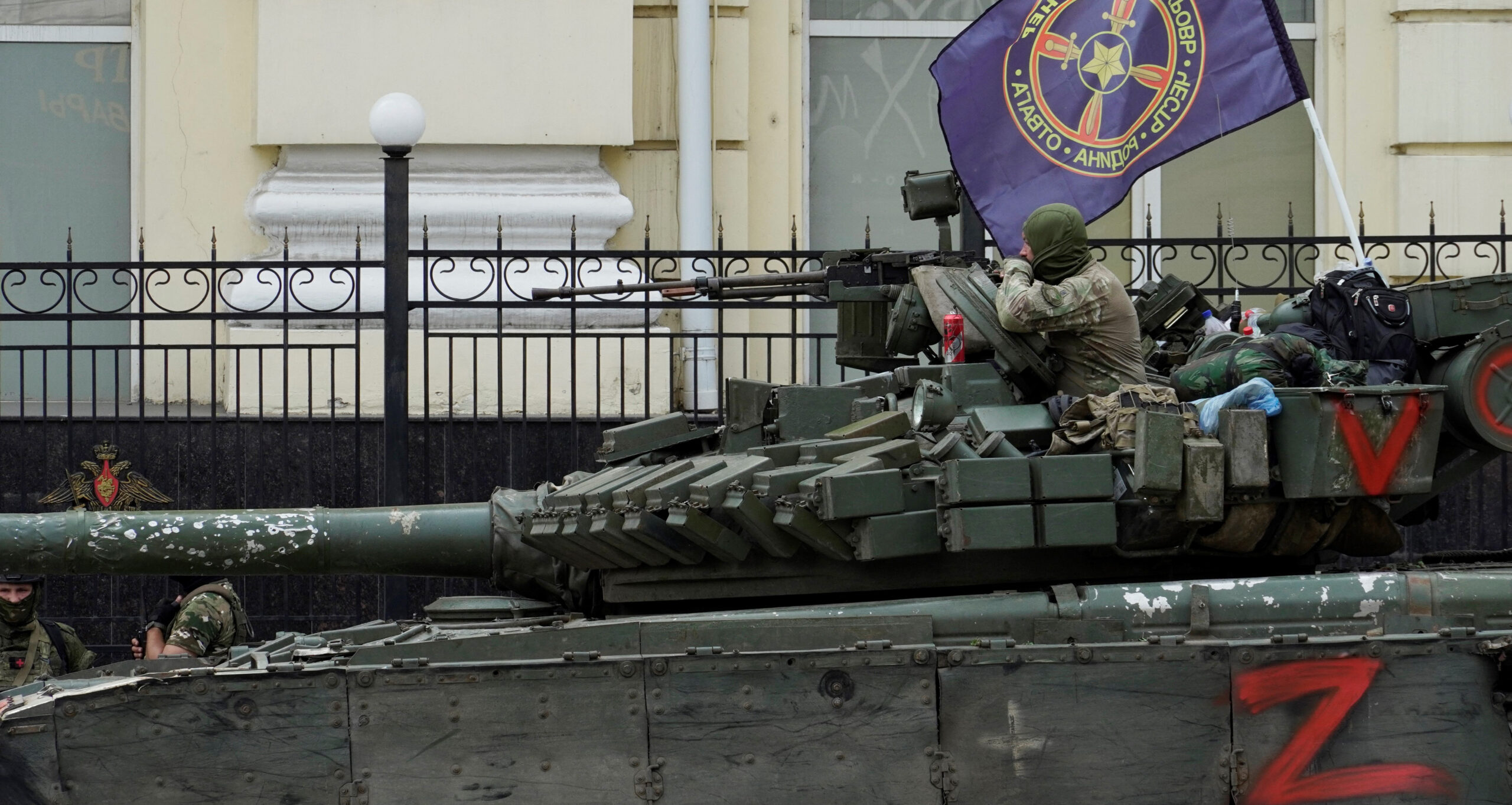
لم يكن تمرد مجموعات فاغنر العسكرية على الحكومة الروسية ووزارة الدفاع وقادتها العسكريين مفاجئاً، خاصة في الفترة الأخيرة من الحرب الروسية الأوكرانية مع الظهور المستمر لزعيم تلك القوات يفغيني بريغوجين، الذي تكرر ظهوره خلال الأشهر الماضية منتفداً تارة ومهدداً تارةً أخرى للقادة العسكريين الروس، بسبب ما قال إنه نقص في الذخيرة والمعدات المقدمة لقواته على جبهات أوكرانية وخاصة باخموت، ما تسبب بمقتل العشرات من قواته على مدار الفترة الماضية.
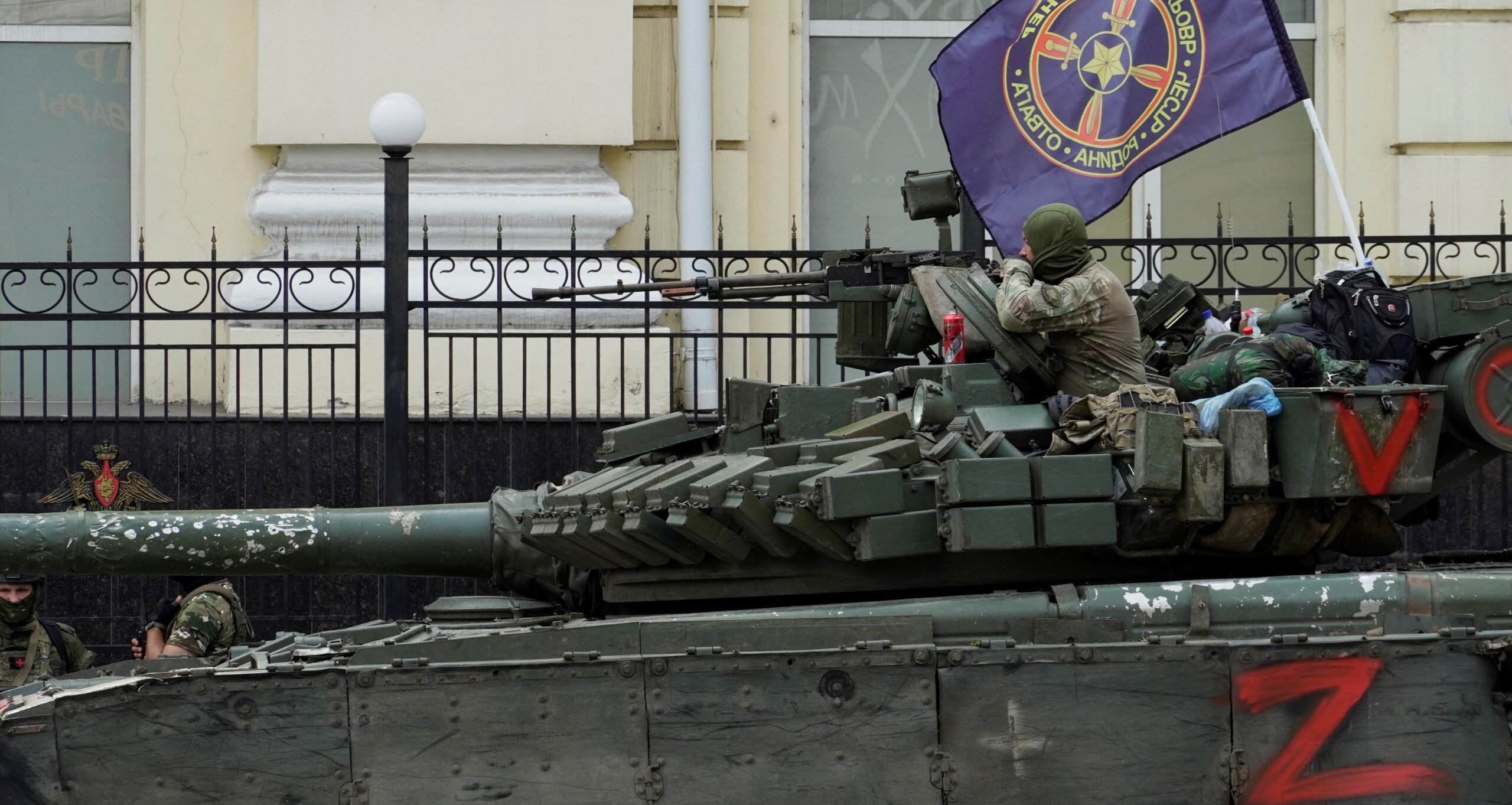
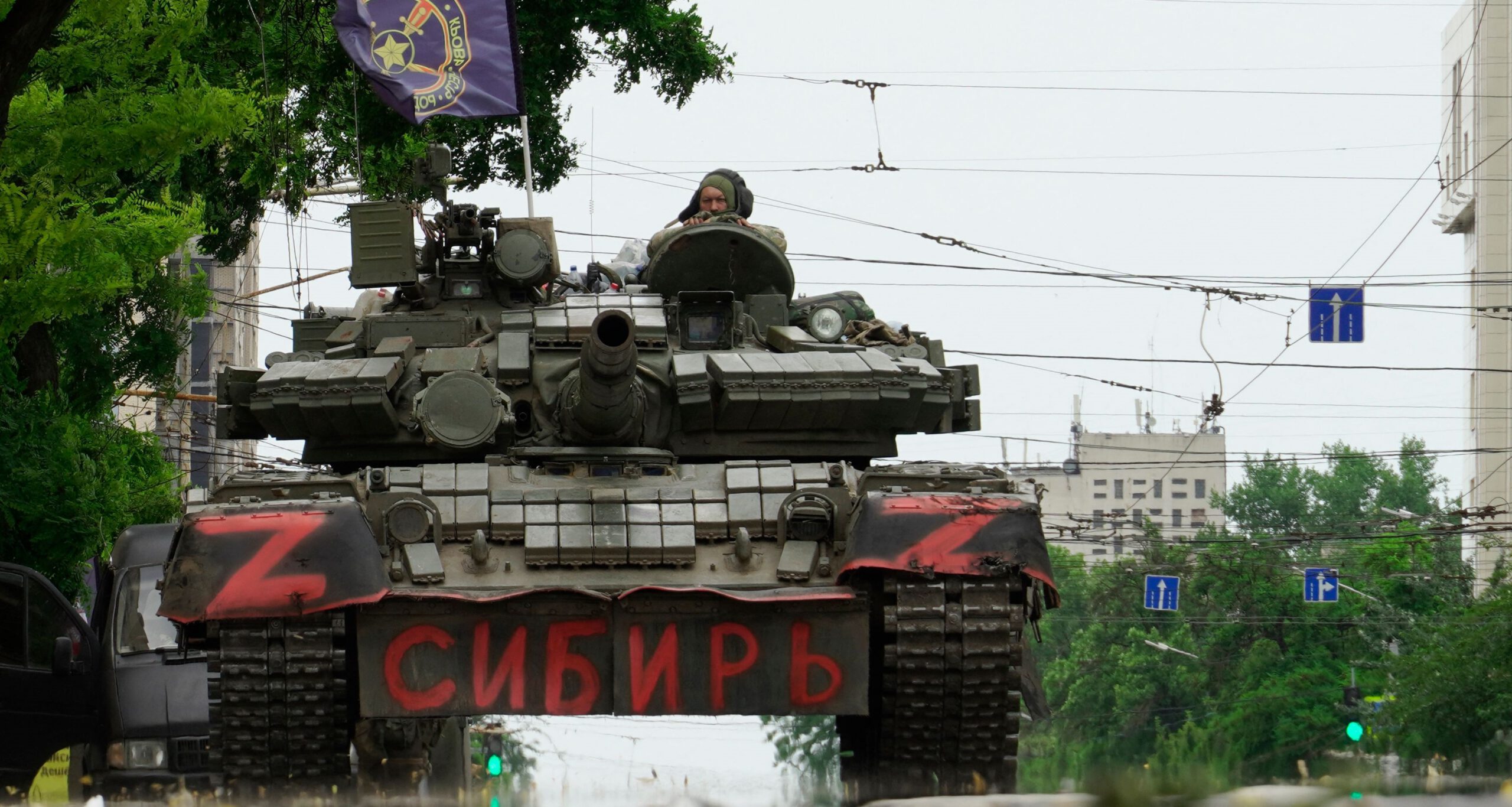
Syria is where the conflict between Wagner and the Russian government began
The conflict between the Wagner Group and the Russian government was not born out of the full-scale invasion of Ukraine, though the war there caused the rift to widen and tensions to explode publicly in the form of an armed rebellion. Instead, the discord actually started in Syria back in 2017 and has intensified since then.
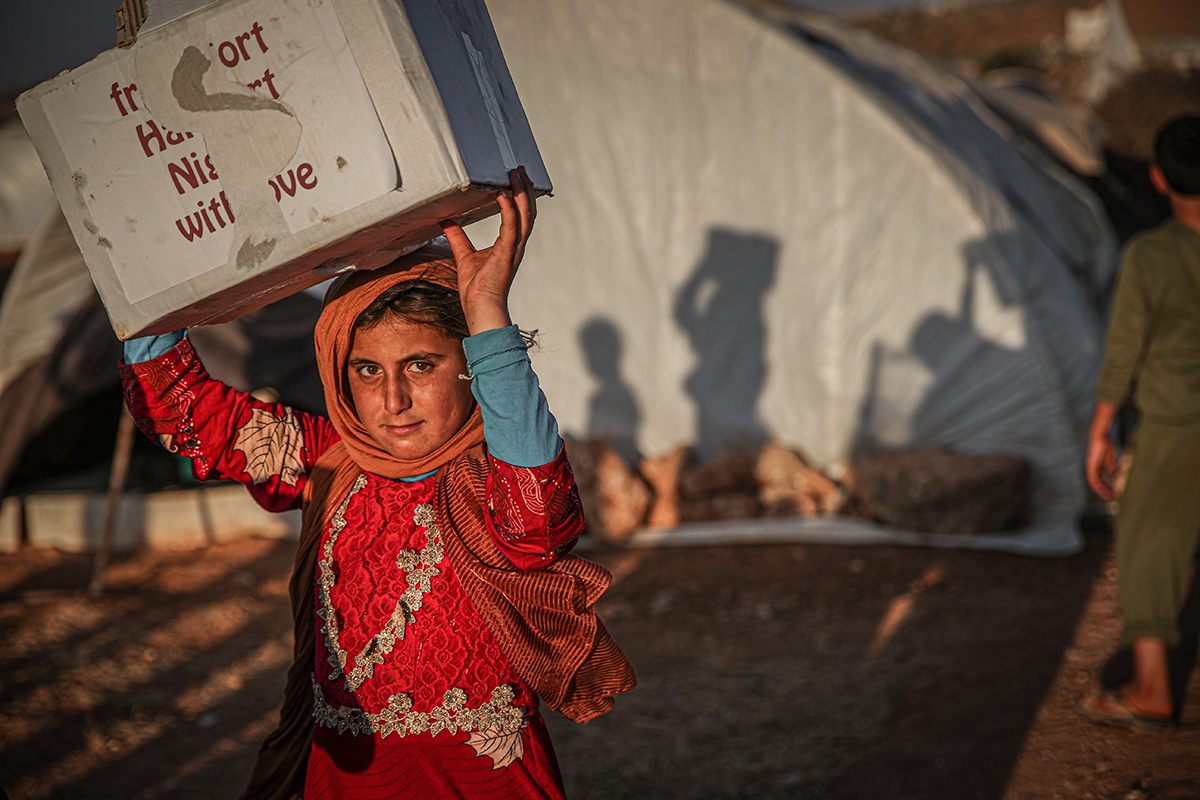
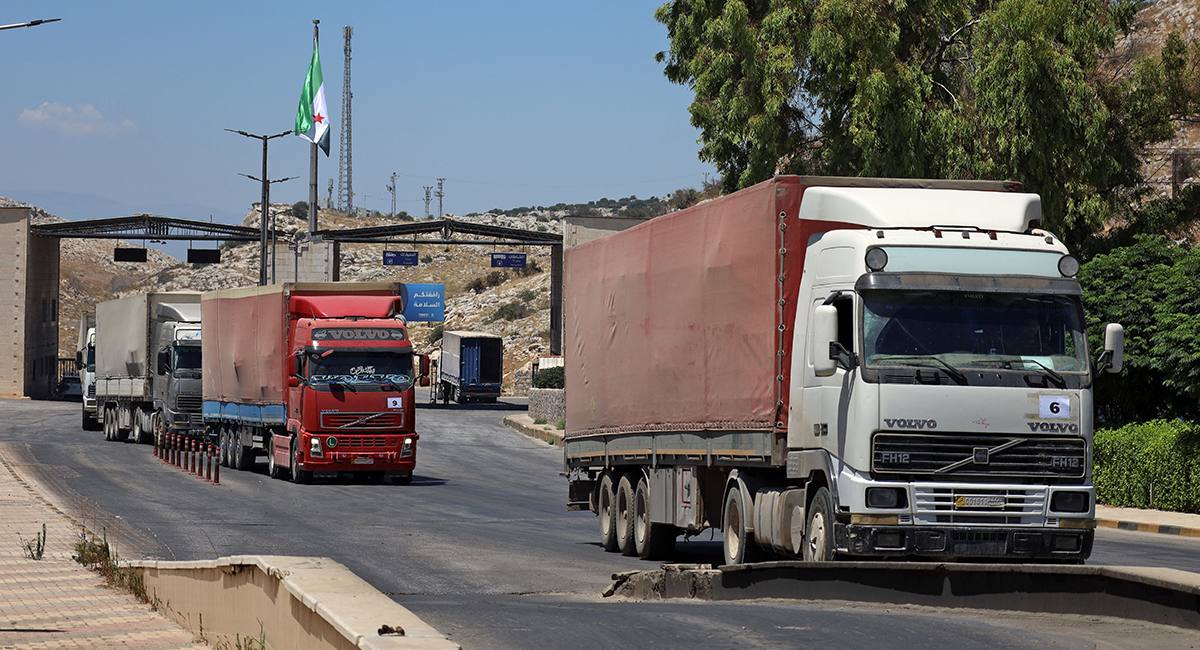
The UN Syria cross-border aid mandate is dead. What comes next could be a catastrophe
Northwestern Syria is home to the world’s most acute humanitarian crisis. The prospect of the Assad regime being able to exert all control over what aid goes into the area is unconscionable.
Regional Environmental Cooperation Between Israel and Its Neighbors
As environmental challenges become a priority for countries across the Middle East and the Mediterranean, this creates new opportunities for regional environmental cooperation, including between Israel and its neighbors. Despite being limited in scope and facing several key obstacles, regional cooperative endeavors are taking place, including on both the bilateral and multilateral levels, and efforts to sustain and expand them are underway. This new report, written under the auspices of the Israel Climate Forum, addresses the importance of regional environmental cooperation in the Middle East and Mediterranean, examines the scope of such cooperation between Israel and its neighbors, and spells out opportunities, obstacles, and recommendations for increased coordination and joint action, including the role the U.S. and Europe can play.
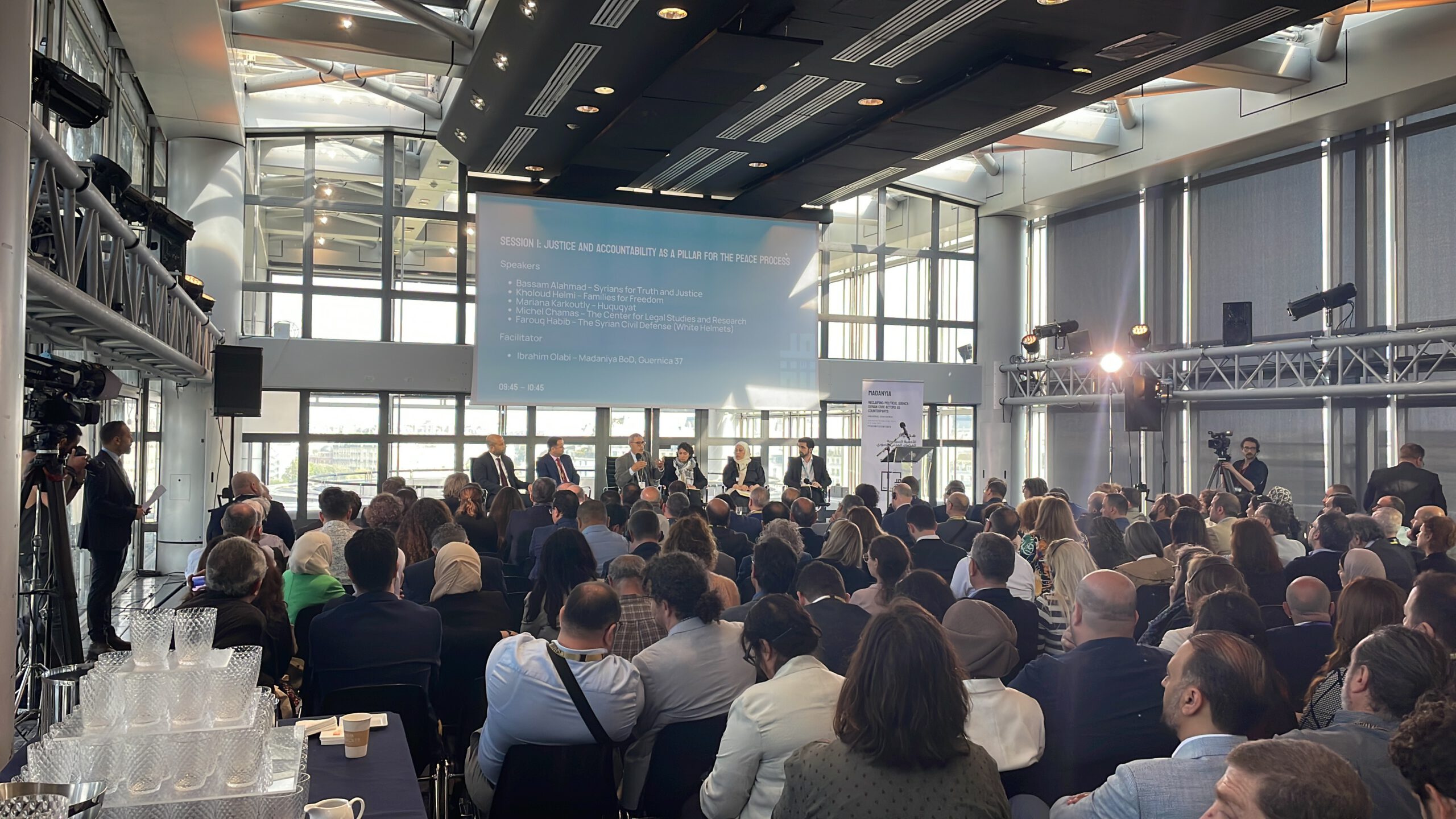
Following two years of preparation, the Syrian Madaniya (“Civil”) initiative held its inaugural conference with over 180 participating organizations. To claim a political role, Madaniya needs a program and a partner. The natural partner for this endeavor is the Syrian Negotiation Commission.
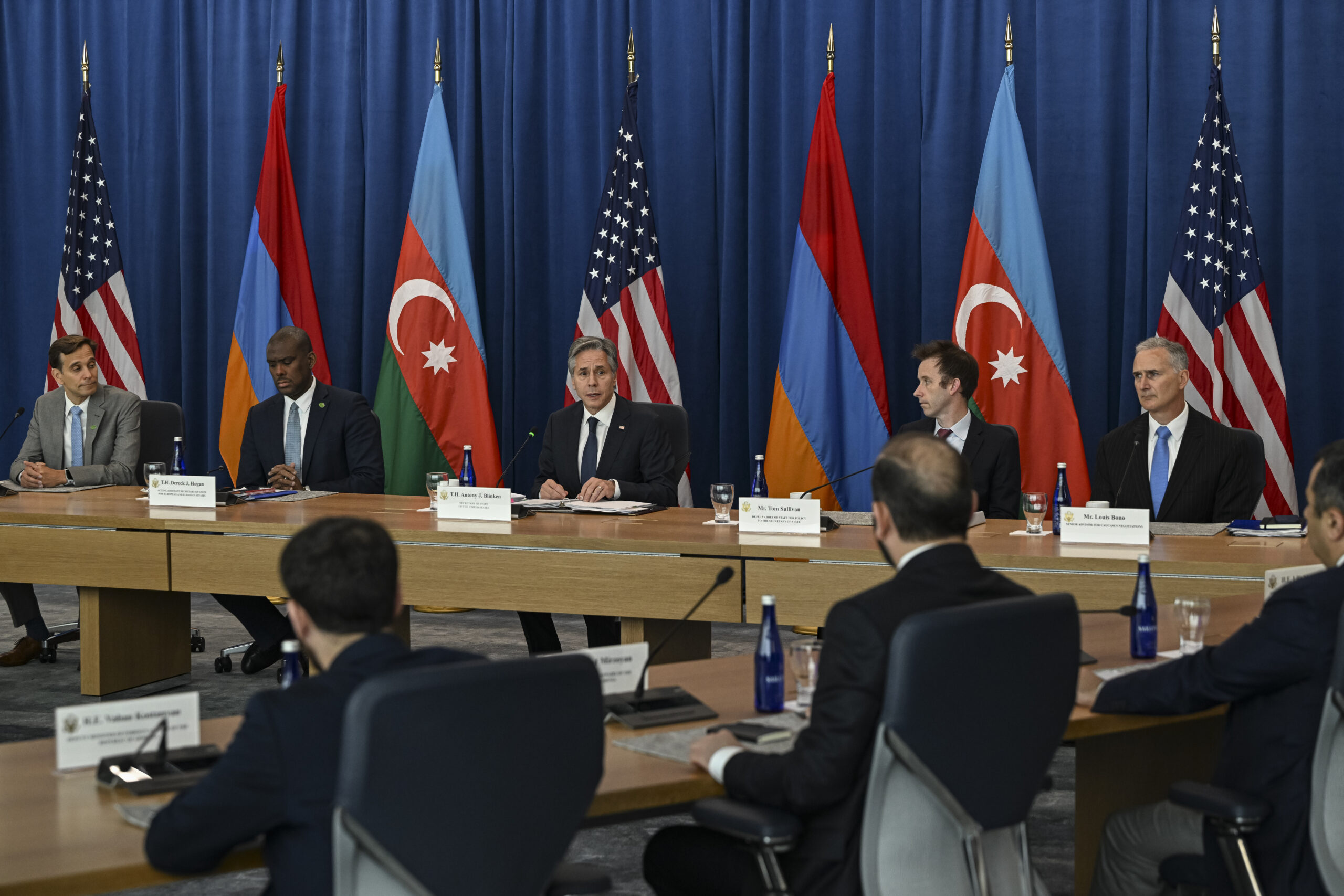
Mastering the growing crisis in the South Caucasus: A role for the West and Turkey
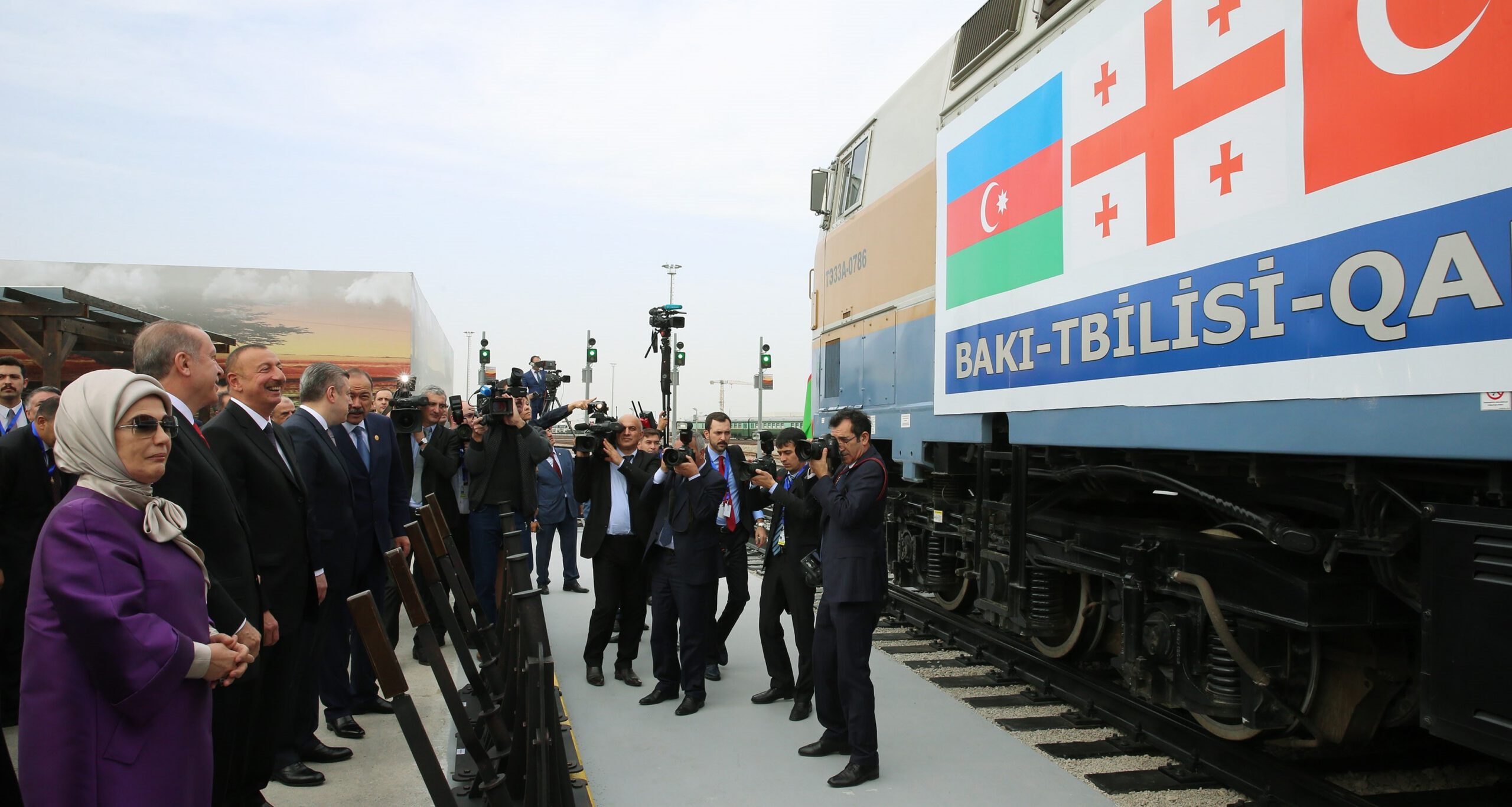
The South Caucasus region needs a clear push from the West to ensure its long-term stability and achieve a pro-Western orientation. But no lasting solutions in this space will be possible until there is an end to the war in Ukraine that fulfills the interests of both Ukraine itself and the broader West. The United States and the European Union, in cooperation with other key players — foremost Turkey — must showcase greater determination, flexibility, and coordination when it comes to their policies toward the region.
Coercive deprivation: Unraveling the Assad regime’s policy on domestic reconstruction
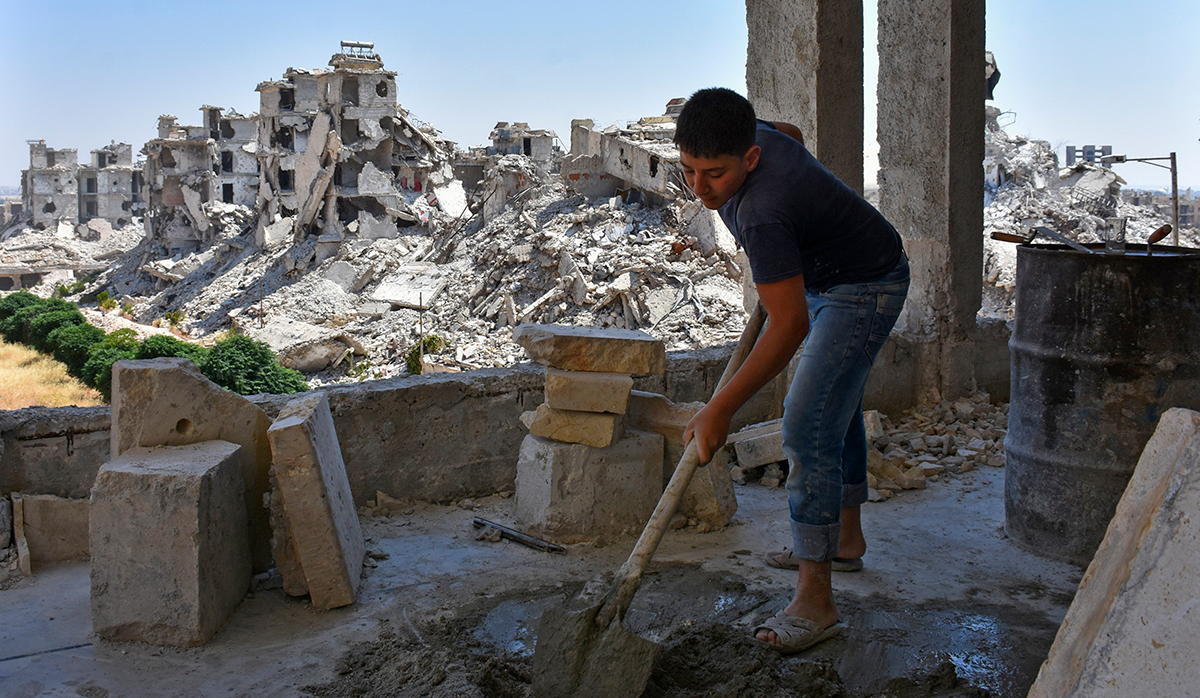
Since the early years of the Syrian conflict, the Assad regime has systematically diverted local resources dedicated for reconstruction purposes to rehabilitate facilities in areas and sectors that benefit it and its inner circle, as well as placed the burden of rehabilitating properties onto Syrians themselves. To finance this policy, the regime has exploited four key resources, including imposing multiple reconstruction taxes, diverting U.N. and INGO early recovery and rehabilitation projects, capitalizing on local-led crowdfunding campaigns, and forcing Syrians to bear the cost of repairing their own damaged properties.
Georgia the interconnector — but where’s Washington?
For the sake of safeguarding transatlantic — and thus also American — security interests in the South Caucasus, it is becoming increasingly imperative that the United States better anchor itself economically, politically, and militarily in the eastern Black Sea region, especially strategically placed Georgia.
Lessons from Syria's aid response: The case for continued cross-border operations
Another United Nations Security Council (UNSC) vote on continuing the resolution that allows Syria’s cross-border aid delivery is due in July, but the regime’s use of “consent” to allow an extra two crossings from Turkey into the area could be used to undermine the resolution’s necessity, which would risk destabilizing the conflict along with it. Twelve years of hard-won lessons show that until there is a broader political agreement with clear guardrails and guarantees, only a UNSC resolution that permits unimpeded humanitarian access to northwest Syria can secure the critical and consistent operational space required to meet the region’s growing needs as articulated by the NGOs working in the area.
How the rumble in Russia reverberates around the Middle East
It is too early to tell whether the Wagner “uprising” is a one-off or foreshadows further cracks and the eventual collapse of Putin’s presidency, but the latter outcome would have lasting consequences in the MENA region.