Skip to Content

Research & Commentary Results

Filter by
492 Results
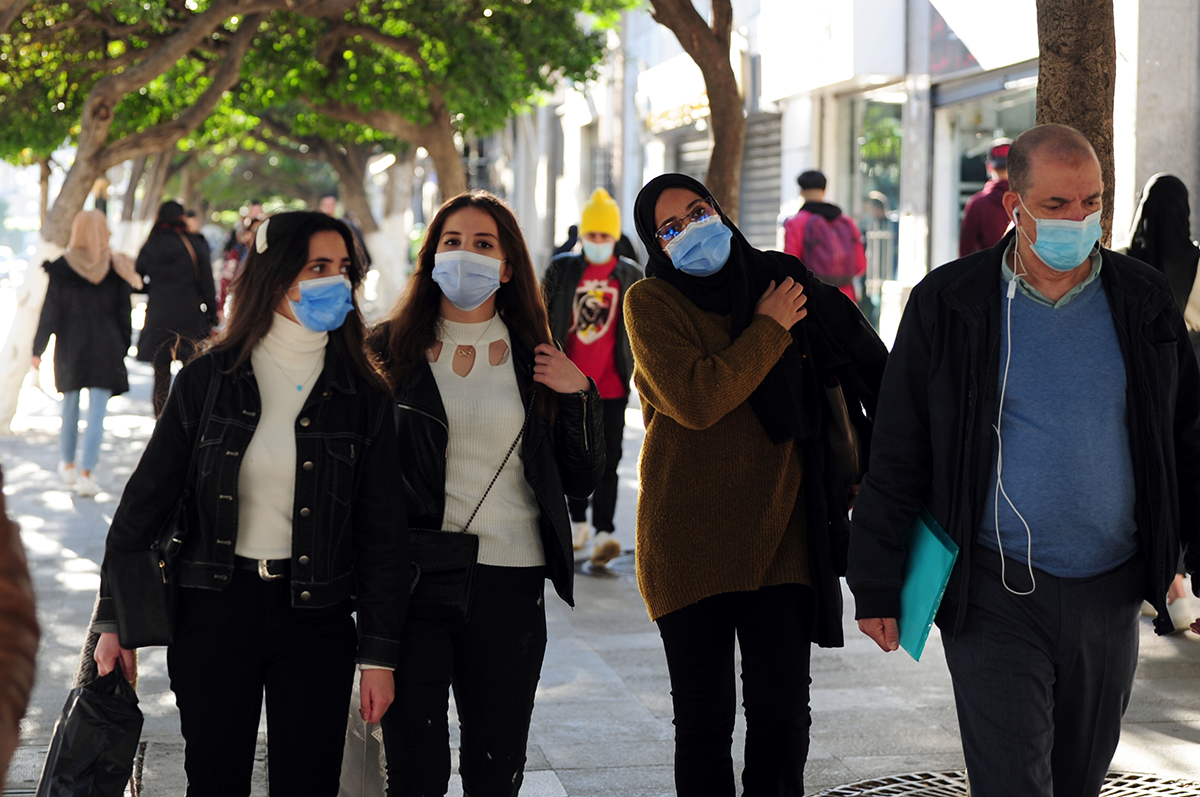
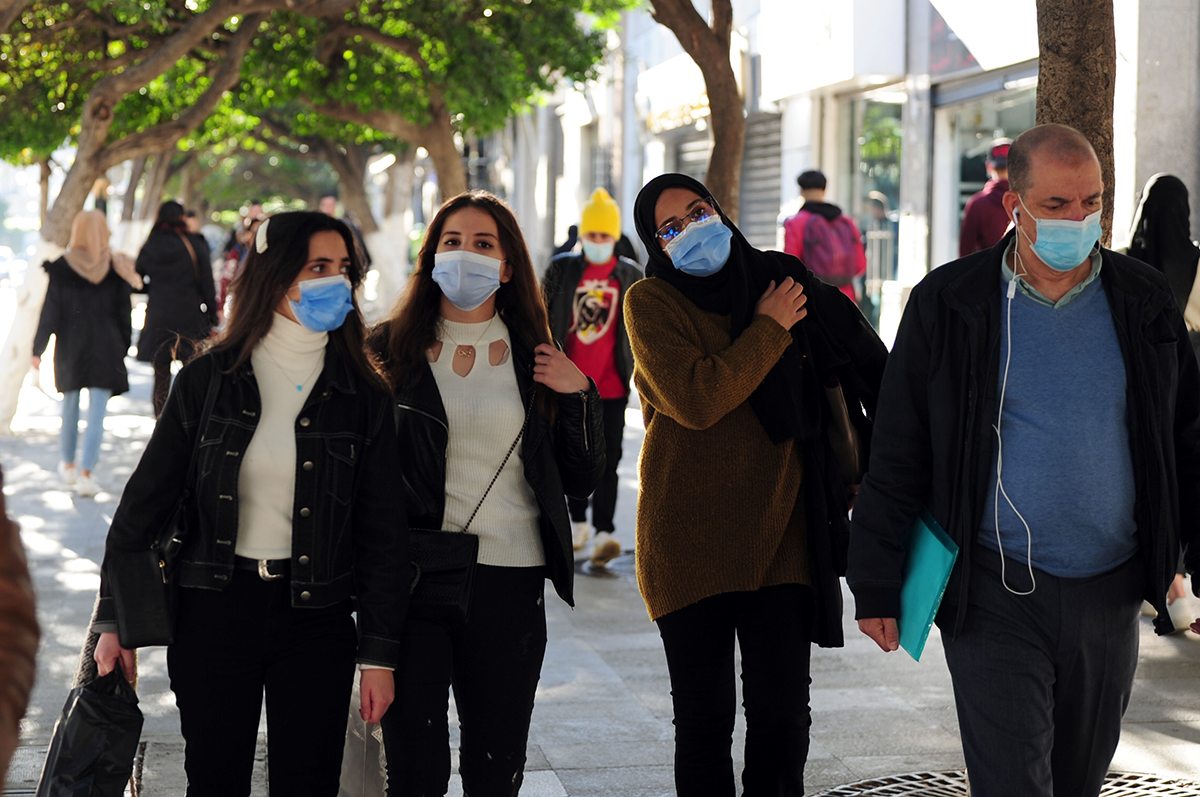
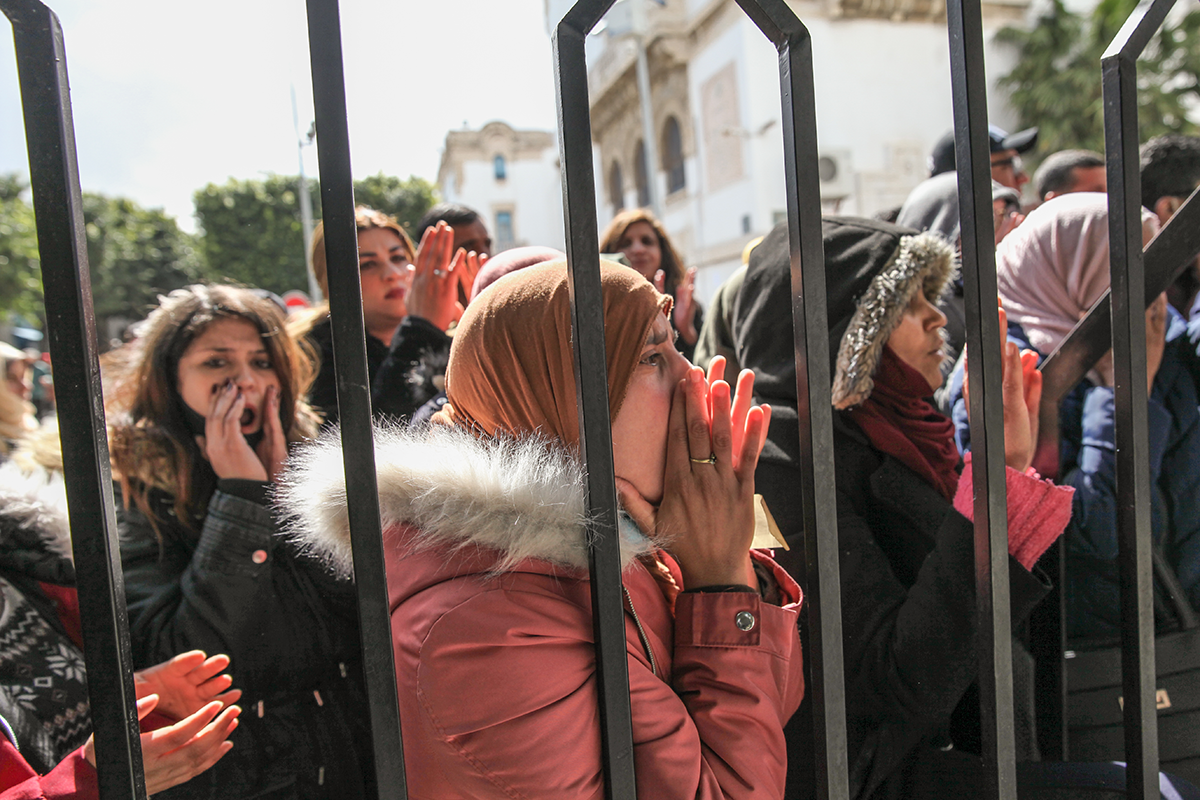
In surveys, Tunisians tell of continuous economic grievances
Photo by Chedly Ben Ibrahim/NurPhoto via Getty Images
  • Analysis
  • In surveys, Tunisians tell of continuous economic grievances

    The latest round of public opinion surveys conducted by Arab Barometer confirms that the deterioration of the economy — or more specifically a continuing collapse in living standards — has been at the forefront of people’s minds in Tunisia.

    September 27, 2021

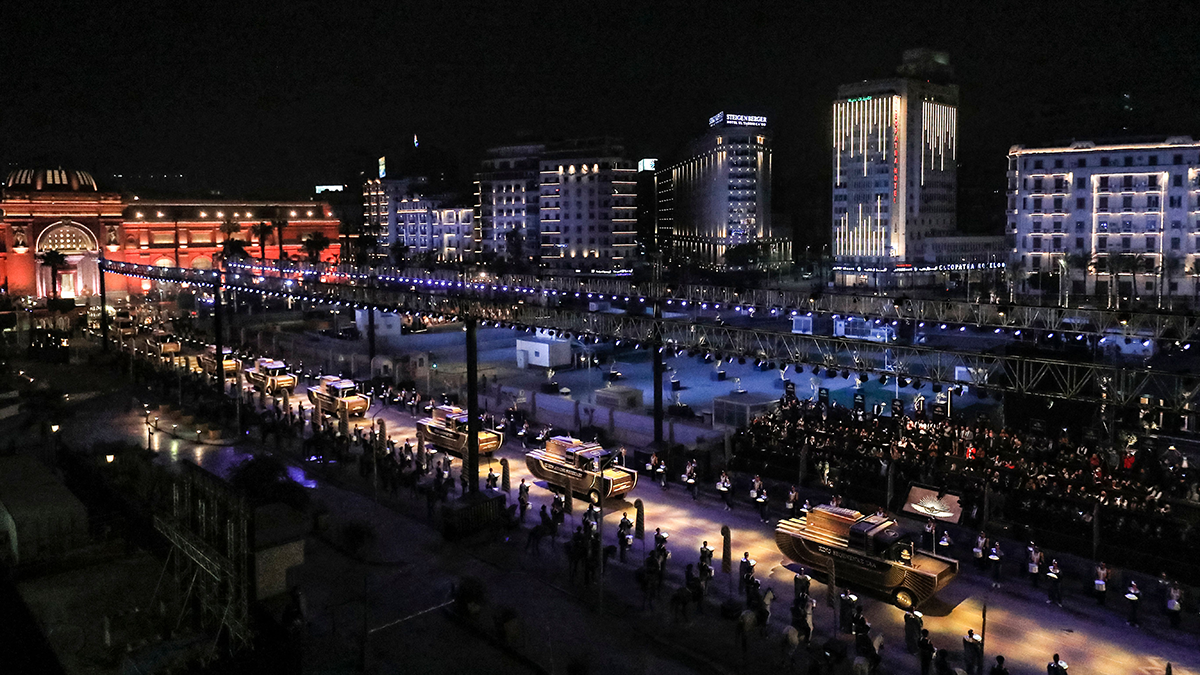
    The return of the pharaohs: The rise of Egypt’s civilization-state
    Photo by KHALED DESOUKI/AFP via Getty Images
  • Analysis
  • The return of the pharaohs: The rise of Egypt’s civilization-state

    After decades of soul searching to define itself as a state, Egypt is building its own civilization-state and seeks to join an emerging club of nations that center historical and cultural tradition in their policy and governance structures and reject the West’s cultural dominance. The civilization-state is the prism through which Western capitals should view and understand Egypt’s domestic and foreign policy moves. 

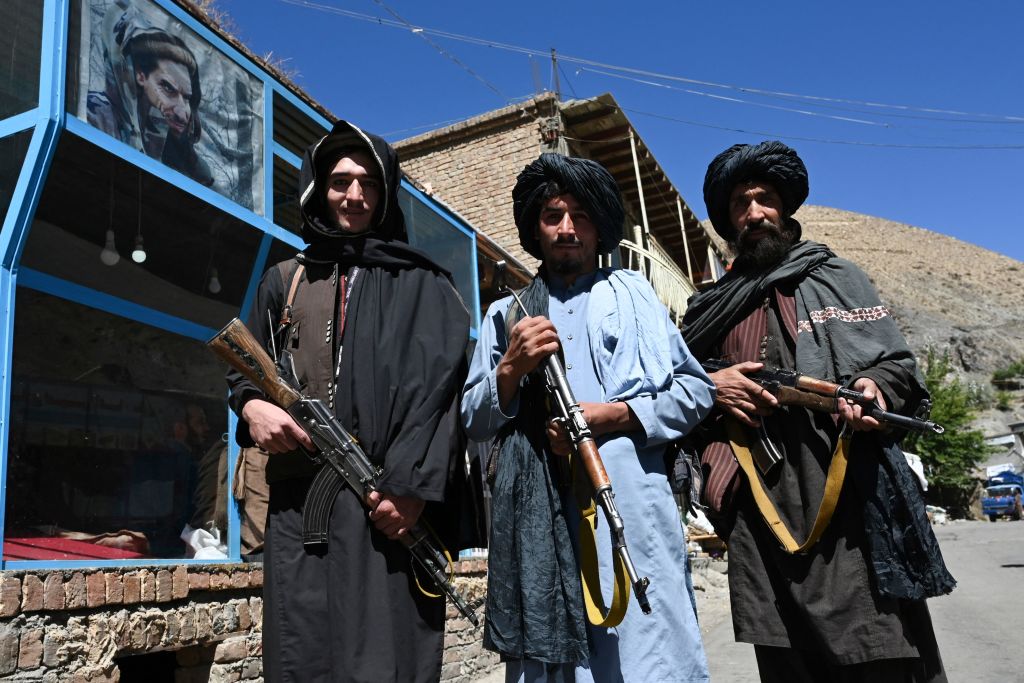
    Rida “Lenin” Cheheb Mekki: The ideologue of Tunisia’s July 25 power grab?
    Photo by FETHI BELAID/AFP via Getty Images
  • Analysis
  • Rida “Lenin” Cheheb Mekki: The ideologue of Tunisia’s July 25 power grab?

    Tunisia’s July 25 hirak was in the making since 2011, but perhaps we researchers were simply looking in the wrong place. This article presents a simplified account of the ideological roots of President Kais Saied’s July 25 power grab. Drawing on original and previously unused data as well as diverse sources, including a book recently withdrawn from stores, it offers a snapshot of the concept-map of ideas that have thus far remained hidden from the public domain.

    September 13, 2021

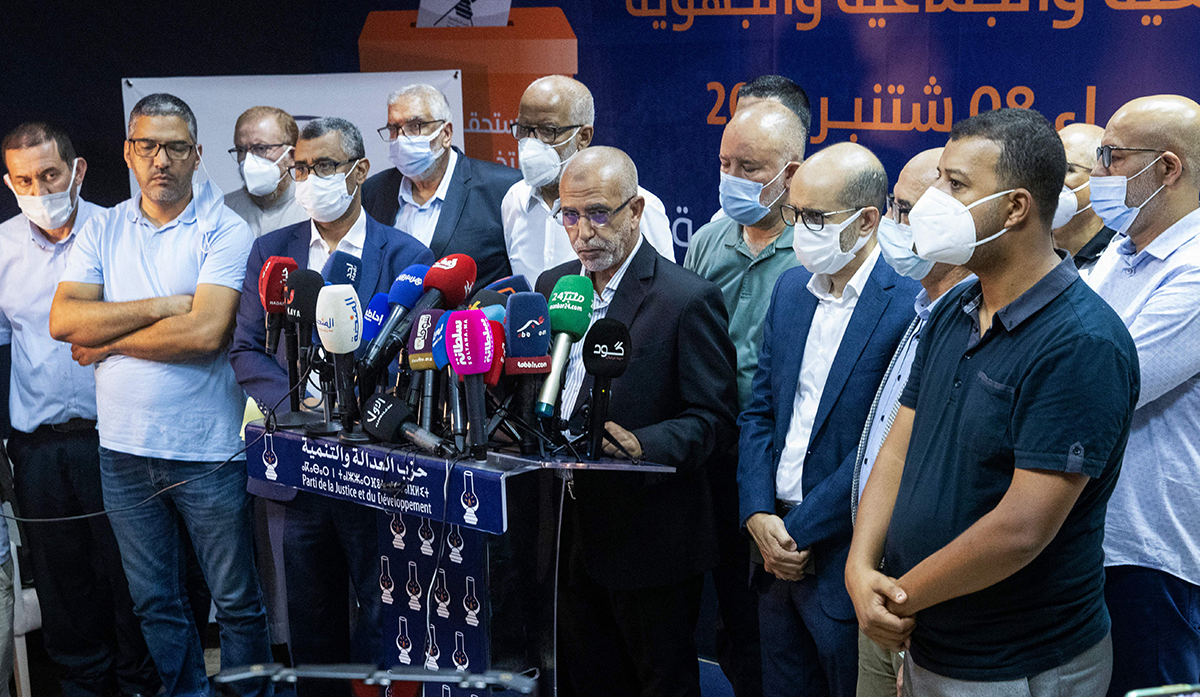
    Morocco’s elections
    Middle East Institute
  • Podcast
  • Morocco’s elections

    Maati Monjib and Rachid Aourraz join guest host Intissar Fakir to discuss the results of Morocco’s Sept. 8 general elections, their context and why they are important, and what they signal about political trends in the country moving forward.

    September 9, 2021

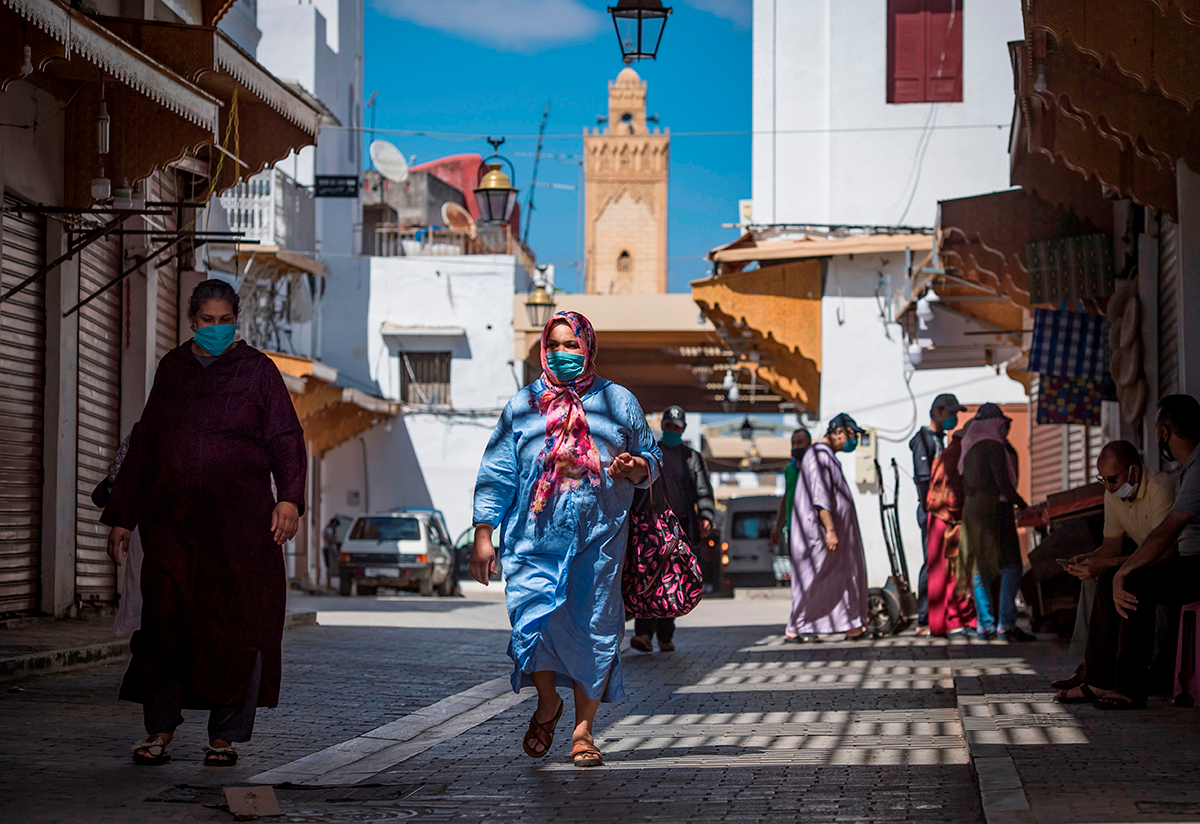
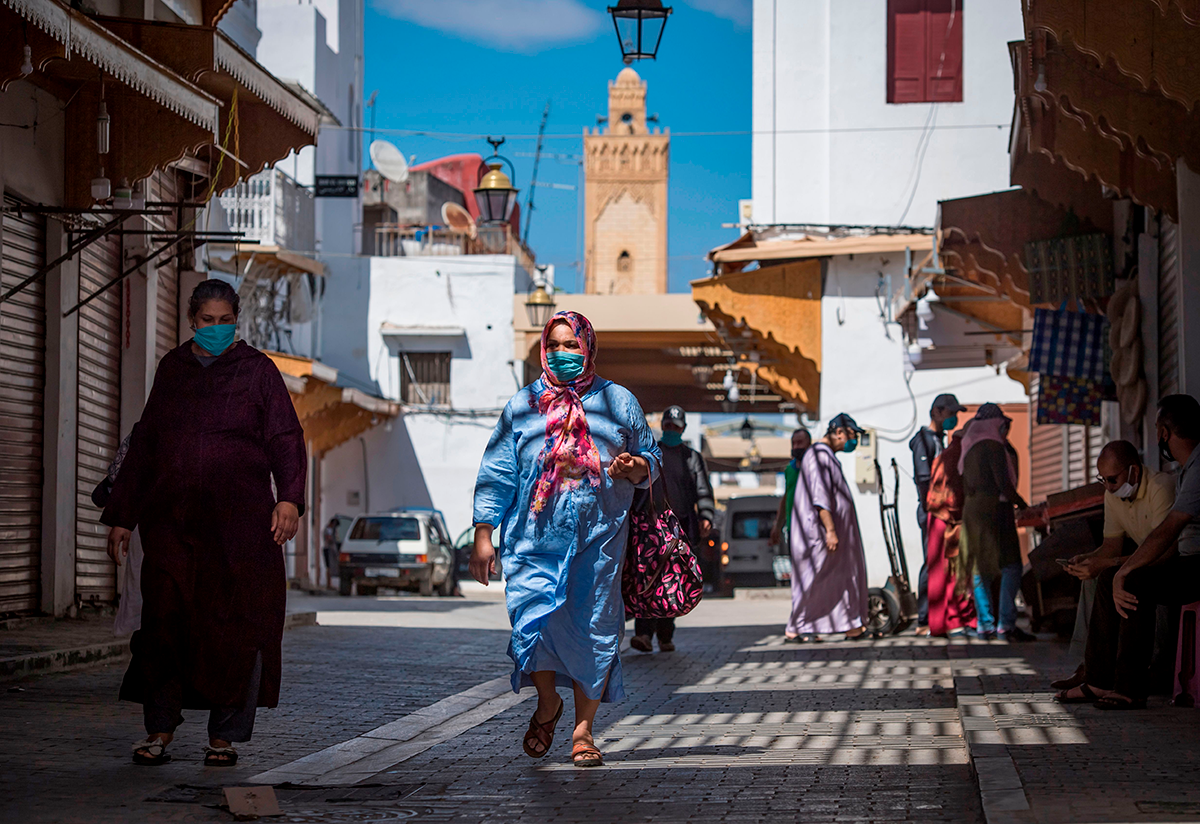
    Morocco's “first in North Africa” electric car production is a European manufacturing gain over China
    Photo by FADEL SENNA/AFP via Getty Images
  • Analysis
  • Morocco's “first in North Africa” electric car production is a European manufacturing gain over China

    In an automotive first for North Africa, German automaker Opel will soon begin producing electric cars in Morocco. Opel’s electric car manufacturing in Kénitra leapfrogs China’s plan to build electric cars in Egypt, giving Morocco’s automotive industry an important first-mover advantage. The move also represents a strategic gain for European automotive manufacturing over China. As a gateway to West Africa, Morocco provides Opel and its parent company Stellantis a nearby production base for the eventual cost-effective export of electric vehicles to rapidly expanding markets in Sub-Saharan Africa.

    What’s driving the escalating tensions between Algeria and Morocco?
    Photo by RYAD KRAMDI/AFP via Getty Images
  • Analysis
  • What’s driving the escalating tensions between Algeria and Morocco?

    On Aug. 24 Algeria broke off its already minimal bilateral relations with Morocco, declaring this was due to the kingdom’s “hostile actions” and accusing it of involvement in the wildfires that struck the Kabylia region earlier that month. The heightened tension between the two countries brings into focus regional uncertainty and may spell the end of their limited collaboration in the energy sector.

    Consistency and change: Morocco under King Mohammed VI
    Photo by Carlos Alvarez/Getty Images
  • Analysis
  • Consistency and change: Morocco under King Mohammed VI

    In July, Morocco marked the 22nd year of King Mohammed VI’s rule and 10 years under the new constitution ushered in by a popular referendum in the aftermath of the 2011 protests. The past 22 years have transformed Morocco, the region, and the world in fundamental ways, yet the country’s politics have continually snapped back to a familiar equilibrium. During these past 22 years Morocco has gone through three distinct phases in managing these internal and external dynamics.

    The race to reset the Middle East's maritime map
    Photo by Xinhua/Wu Lu via Getty Images
  • Analysis
  • The race to reset the Middle East's maritime map

    One of the most consequential changes in the Middle East’s geopolitical map is happening at the water’s edge. Along the entire eastern rim of the Mediterranean basin, global and regional actors are engaging in a spate of port capacity expansions, new private port construction, and the sell-off of major state-owned ports that will determine who sits atop the region’s global trade flows for decades to come. The international competition to rebuild Beirut’s port is one key puzzle piece in this larger process that is reconfiguring the Levant’s maritime commercial architecture and, as a consequence, the geopolitical contours of the Middle East.

    The possibility that the Lebanese government could opt for China to reconstruct Beirut’s port has raised alarm in Washington and European capitals given China’s already outsized commercial port presence in Egypt, Israel, and Greece. Increased Chinese involvement in Lebanon’s port operations could consolidate Beijing’s hold over the commercial connectivity architecture of the Levant. Re-orienting global commercial flows between Europe, the Middle East, and Asia according to Beijing’s priorities would make China’s Belt and Road Initiative a dominant organizing principle in the international relations of the Middle East. The most effective way to offset China’s ambition may be to facilitate Mediterranean rivals France and Turkey to jointly rebuild Beirut’s port.

    Russia and the GERD: An uneasy balancing act
    Photo by Russian Foreign MinistryTASS via Getty Images
  • Analysis
  • Russia and the GERD: An uneasy balancing act

    Since late June, Russia has expanded its diplomatic involvement in the Grand Ethiopian Renaissance Dam (GERD) dispute between Egypt, Sudan, and Ethiopia. While Russia has offered technical assistance to the GERD’s conflicting parties, it has refrained from inserting itself into the Nile dam dispute as a mediator and instead balanced the views of Egypt, Sudan, and Ethiopia in multilateral fora. Russia’s balancing strategy has been positively received in Sudan and Ethiopia but has created latent frictions with Egypt. Russia has persisted with this non-interference policy, as it has largely prevented a spillover of tensions over the GERD to other areas of cooperation with Egypt and believes that its position will help consolidate its partnership with Ethiopia.

    August 16, 2021

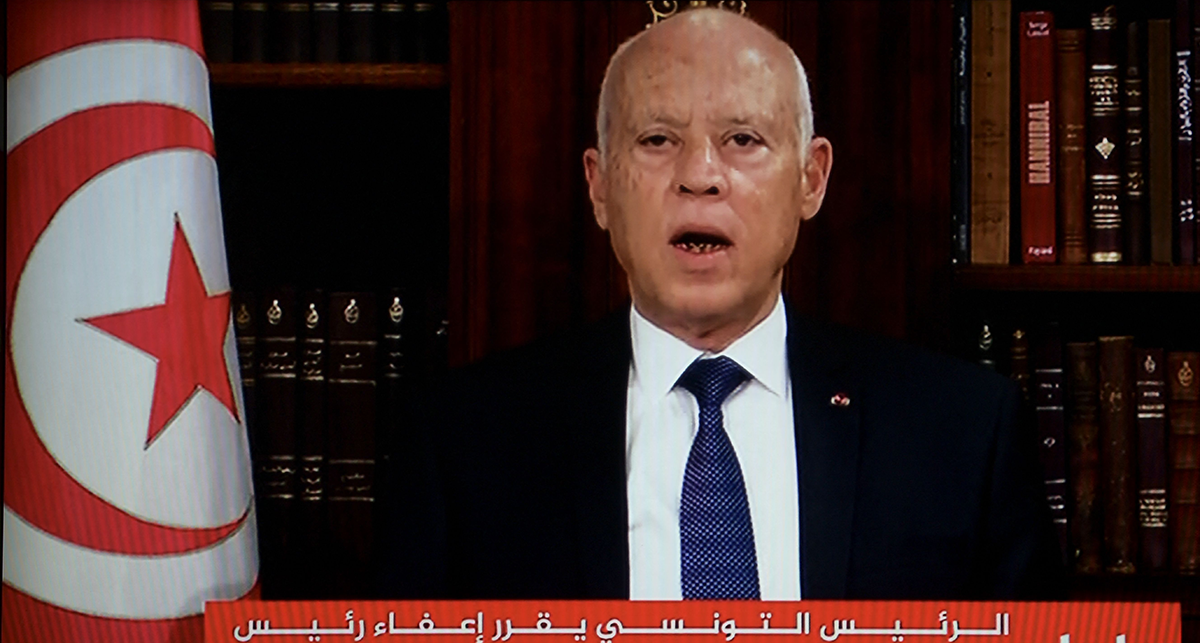
    الرصيد السياسي للرئيس التونسي محدود
  • Analysis
  • الرصيد السياسي للرئيس التونسي محدود

    يبدو أن قرارات الرئيس قيس سعيّد في 25 يوليو/تموز بتعليق عمل البرلمان والحكومة كانت تحظى بشعبية كبيرة، على الرغم من الانتقادات الحادة من أولئك الذين استنكروا هذه القرارات باعتبارها انقلابًا أو غير دستورية أو تجاوزًا خطيرًا لسلطته. لكن الاحتفالات الجماهيرية في الشوارع التي اندلعت فور إعلانه المتلفز – على الرغم من حظر التجول ليلًا – مثّلت دليلًا على شعبية تحركاته.

    August 16, 2021