India-Taliban relations: A careful balancing act, driven by pragmatism
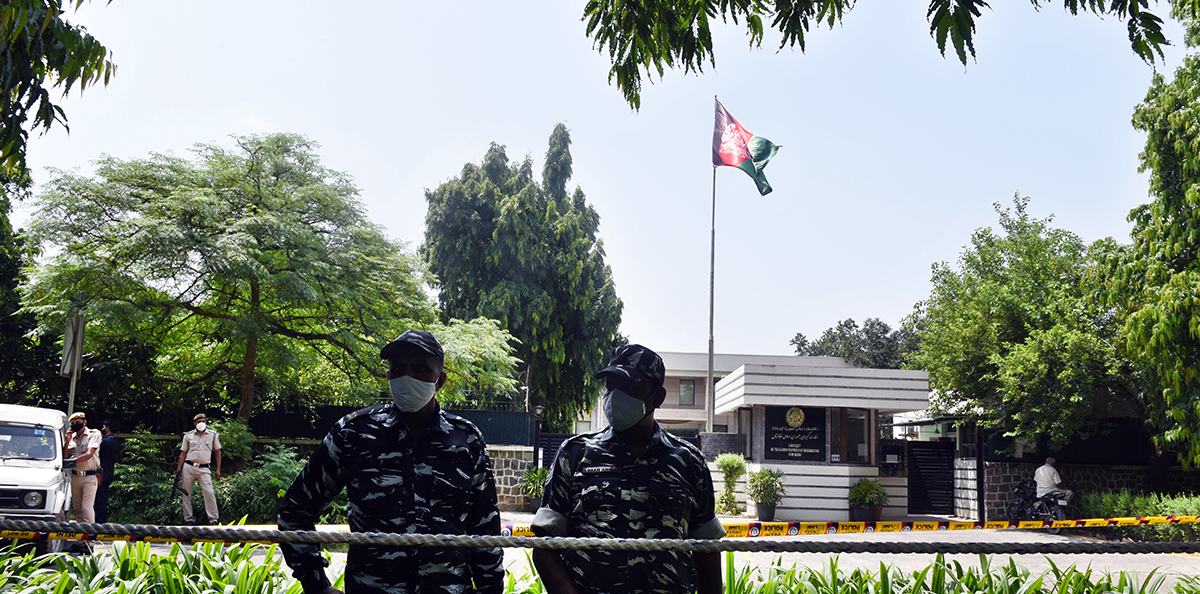
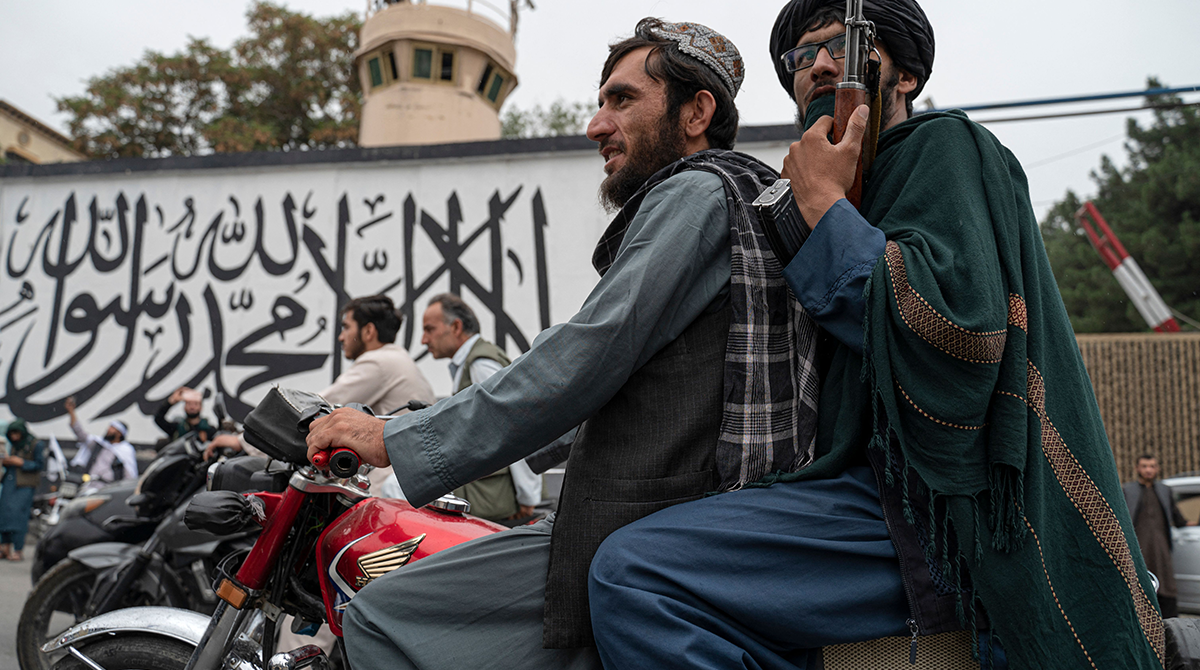
An ongoing power struggle for the position of ambassador at the Afghan embassy in New Delhi underlines India’s diplomatic quandary about the nature of its engagement with the Taliban regime in Afghanistan.
International institutions confront Taliban troubles
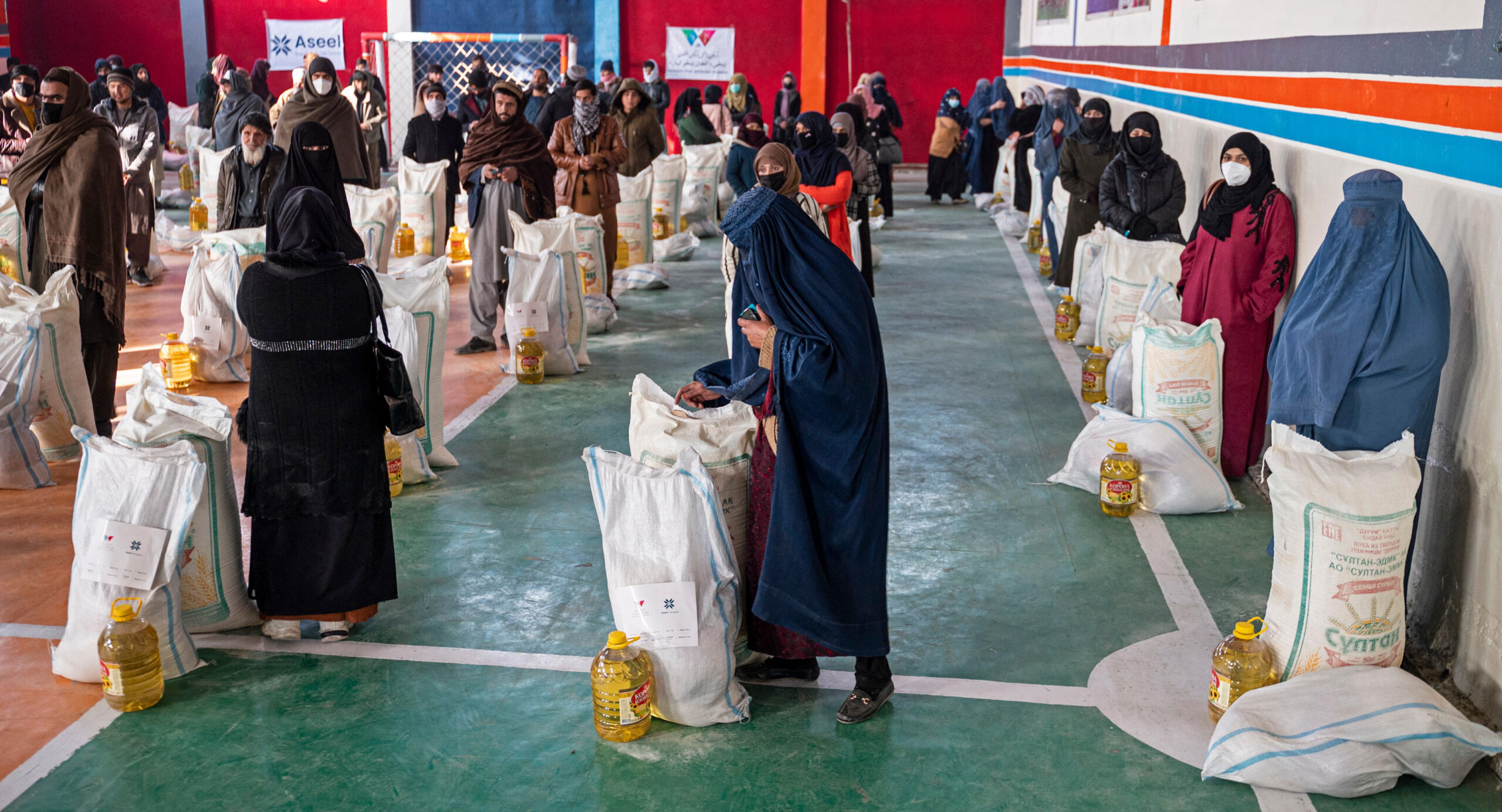
International leaders are struggling to manage a Taliban-ruled Afghanistan; they are torn between their commitment to alleviate Afghans’ suffering and their reluctance to legitimize a Taliban government that violates its people’s basic rights. Helping Afghans but not their new “de facto authorities” is a difficult balance for a diverse group of international actors with often divergent long-term interests.
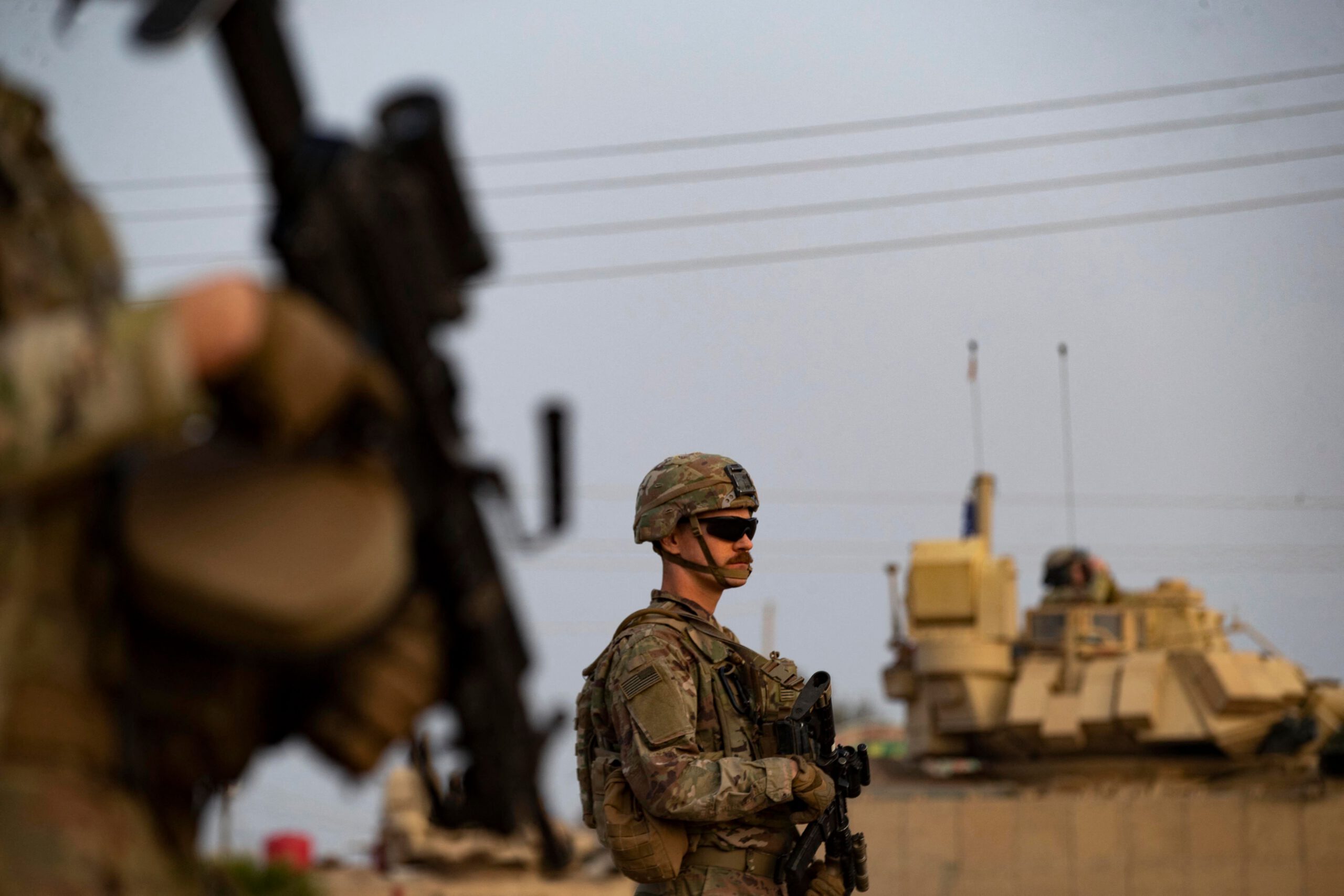
The U.S. administration is tacitly contributing to growing acceptance and re-normalization of Syrian President Bashar al-Assad, the 21st century’s most notorious war criminal, putting in jeopardy the continuation of our counter-terrorism mission in Syria. Assad is toasting his survival on the ashes of his victims — but within the small community of optimistic actors in Syria, ISIS is sitting pretty comfortably too.
The Turkish Elections and the Future of Northwest Syria: Scenarios and Policy Implications
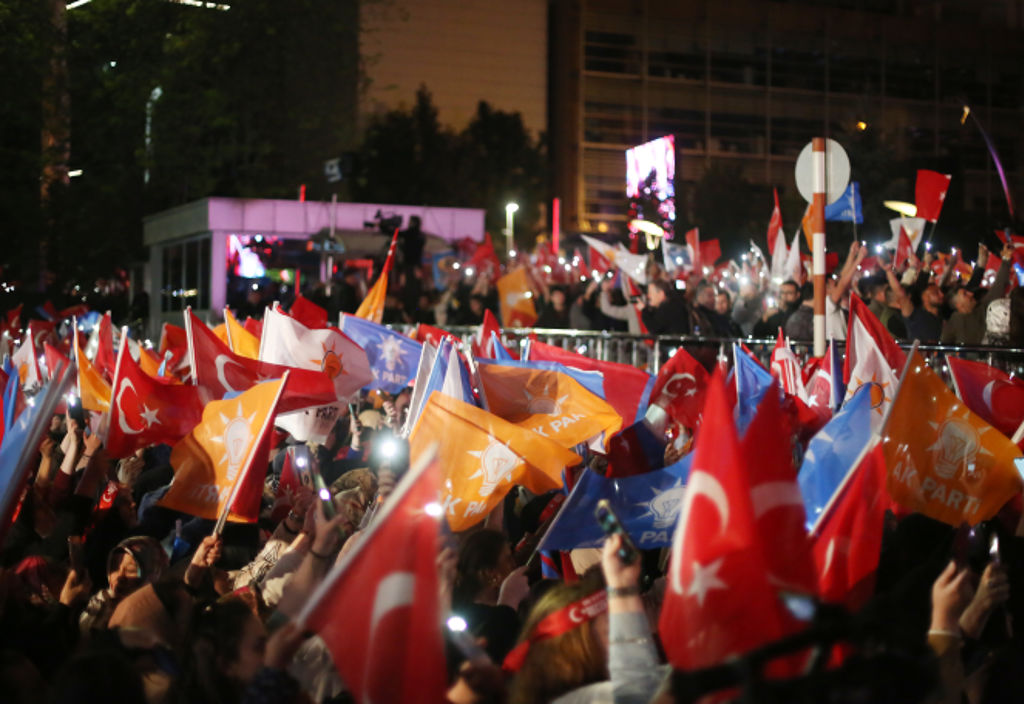
The Syrian conflict has had a major impact on Turkey’s internal political discourse, with much of the discussion centering around the conflict itself, Turkey’s role in northern Syria, and the refugee crisis. This paper employs a scenario analysis methodology to explore potential outcomes that may impact Northwestern Syria following the upcoming Turkish presidential and parliamentary elections on May 14.
A Reassessment of American Policy Toward Taliban Afghanistan
It has been long enough since the Taliban seized power in Afghanistan in August 2021 for us to reach some conclusions about how the regime intends to govern and the policy options this presents. For a variety of reasons the U.S. now finds itself drawn into several areas of policy in Afghanistan and trying to decide what form and degree of engagement with the Taliban government can best advance American interests.
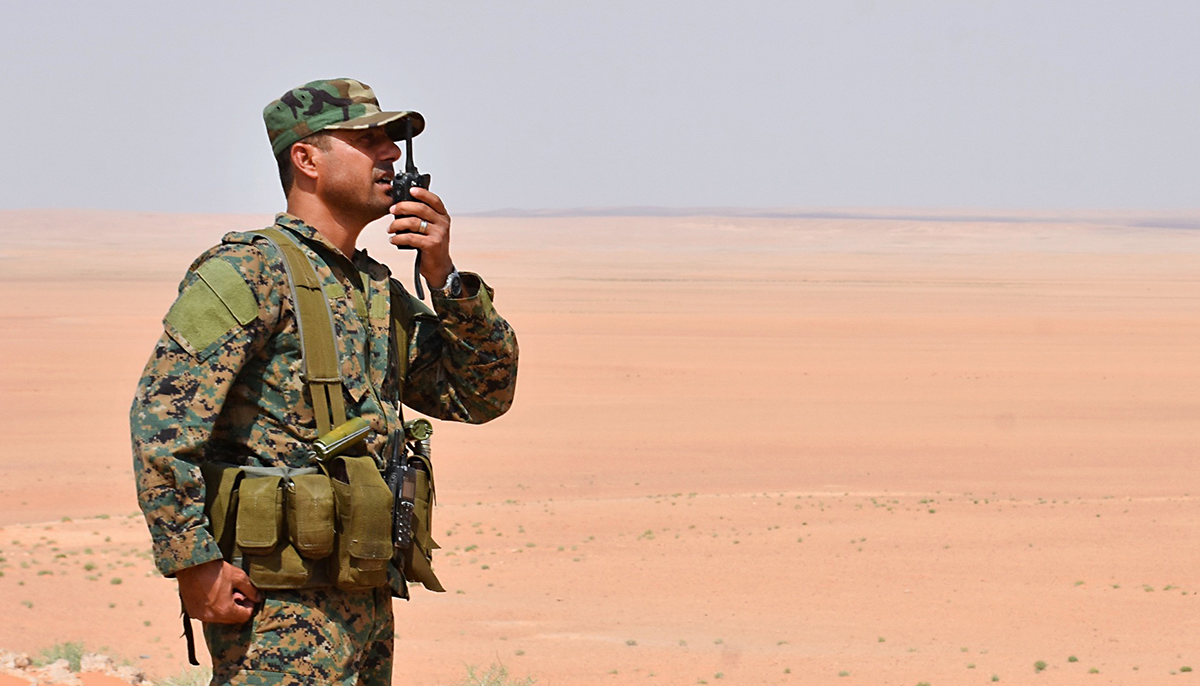
It has been an accepted fact that ISIS ceased being a territory-controlling entity in Syria after its March 2019 defeat in the town of Baghouz. Yet it is perhaps time to reevaluate this perspective on the group and its insurgent trajectory in the country. While recent massacres of civilians in central Syria have refocused some international attention on the desert region, known as the Badia, the renewed widespread battles between militants and regime security forces that have occurred in parallel to these attacks have gone unnoticed.
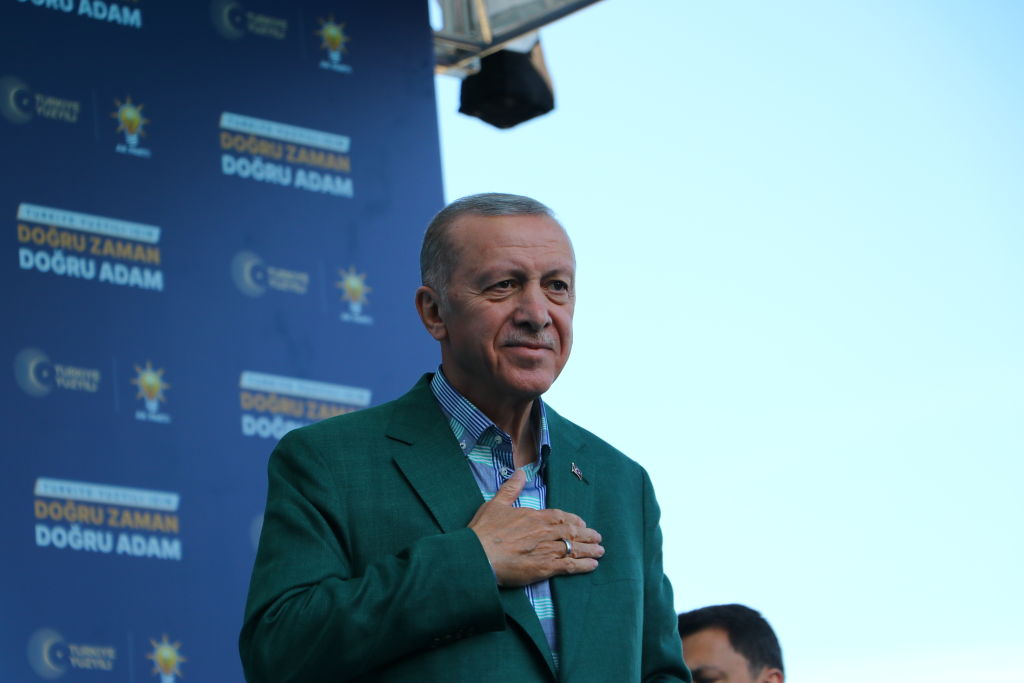
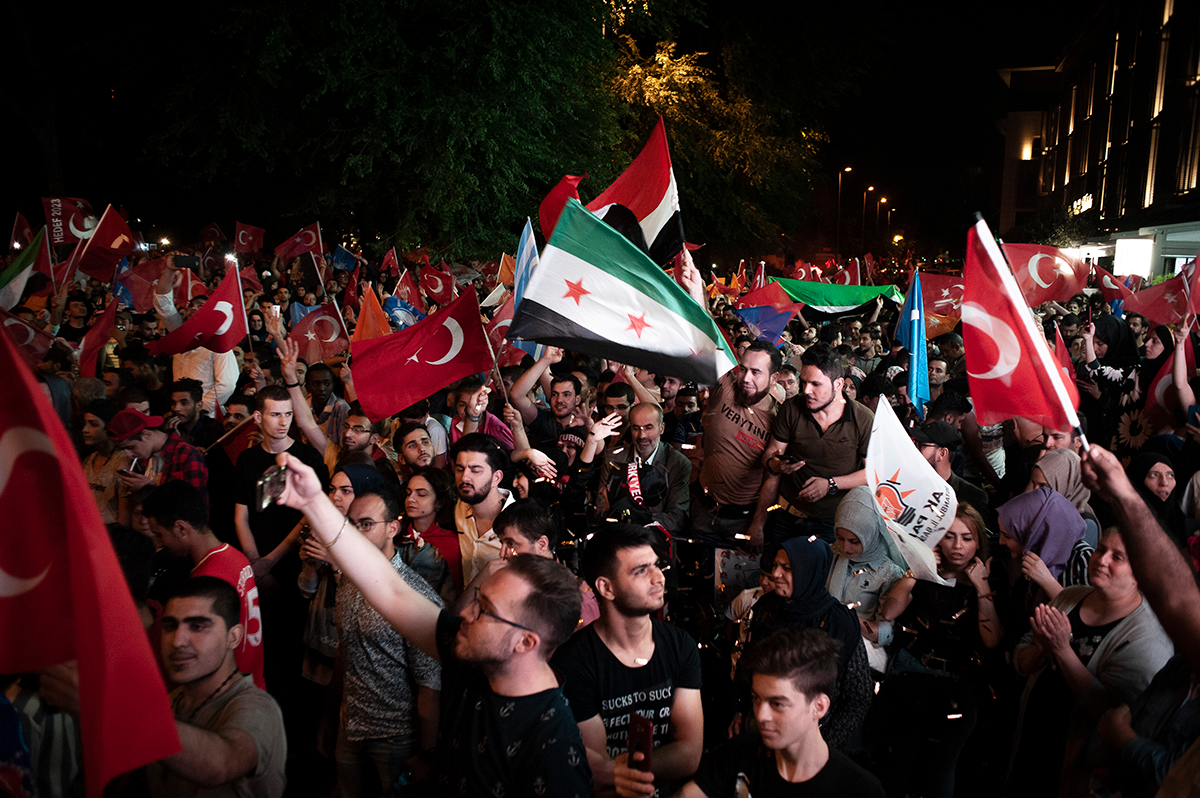
Naturalized Syrians are in the spotlight ahead of Turkey’s upcoming elections
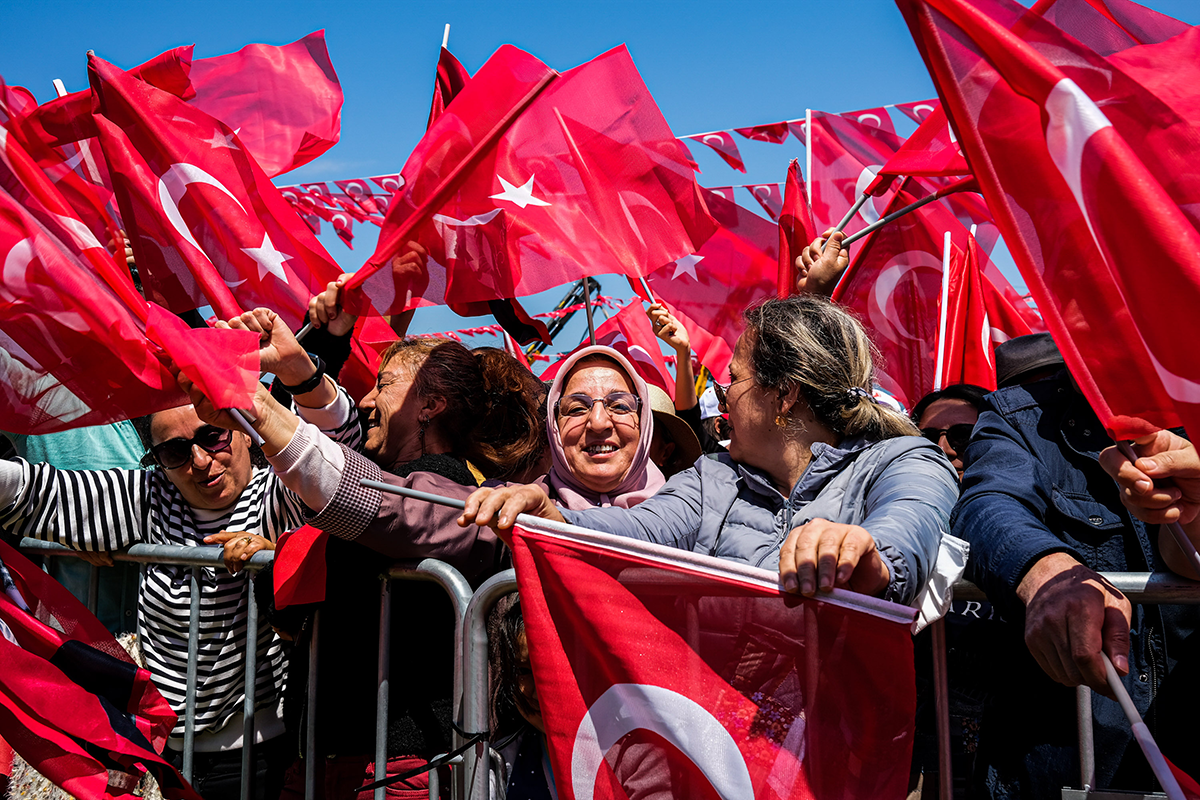
The most consequential elections in Turkey’s recent history are less than a month away, set to be held on May 14. While the more than 200,000 Syrians who have been granted Turkish citizenship since their arrival in the wake of the Syrian war will not play a significant role in determining the outcome given their numbers, migration is a top campaign issue, putting them at the heart of the vote.
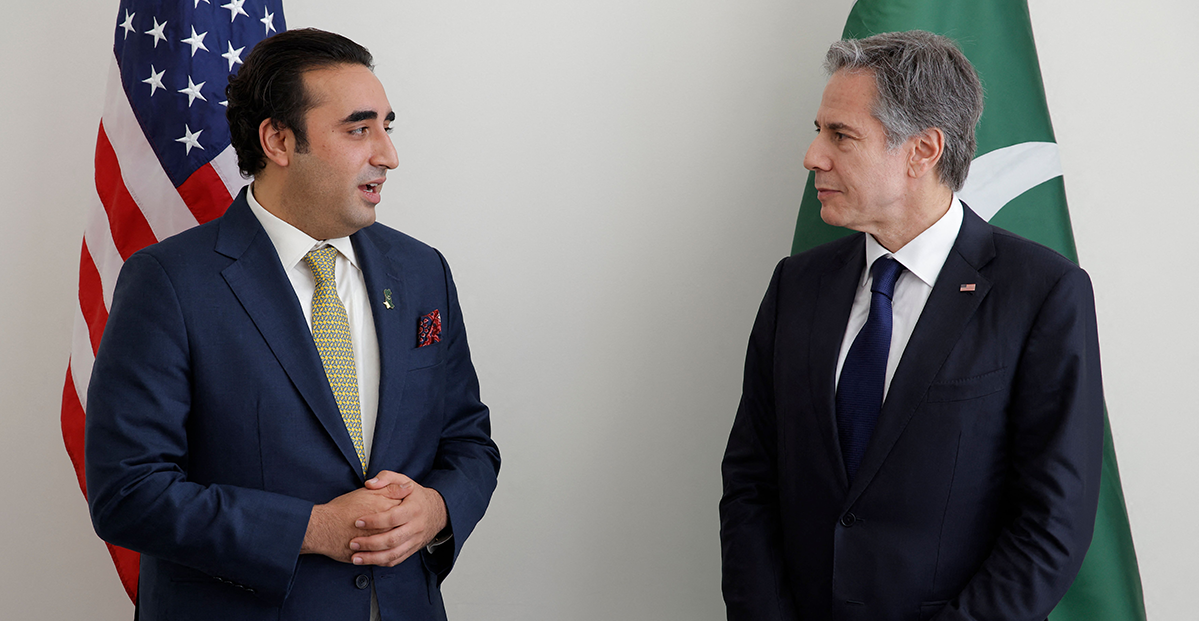
The multipolar moment has arrived in Pakistan’s backyard. Like China and India, Pakistan too is attempting its own geopolitical rebalancing. It seeks to revive ties with the United States and other Western countries. This pivot to the West comes after an earlier one to the East that began more than a decade ago. But, like the previous pivot, Pakistan’s efforts to rekindle ties with the West are unlikely to succeed unless it embraces the imperatives of economic reform and political stability.