Skip to Content

Research & Commentary Results

Filter by
1403 Results
US-Saudi accords must not remain hostage to normalization with Israel
Photo by AMER HILABI/POOL/AFP via Getty Images
  • Commentary
  • US-Saudi accords must not remain hostage to normalization with Israel

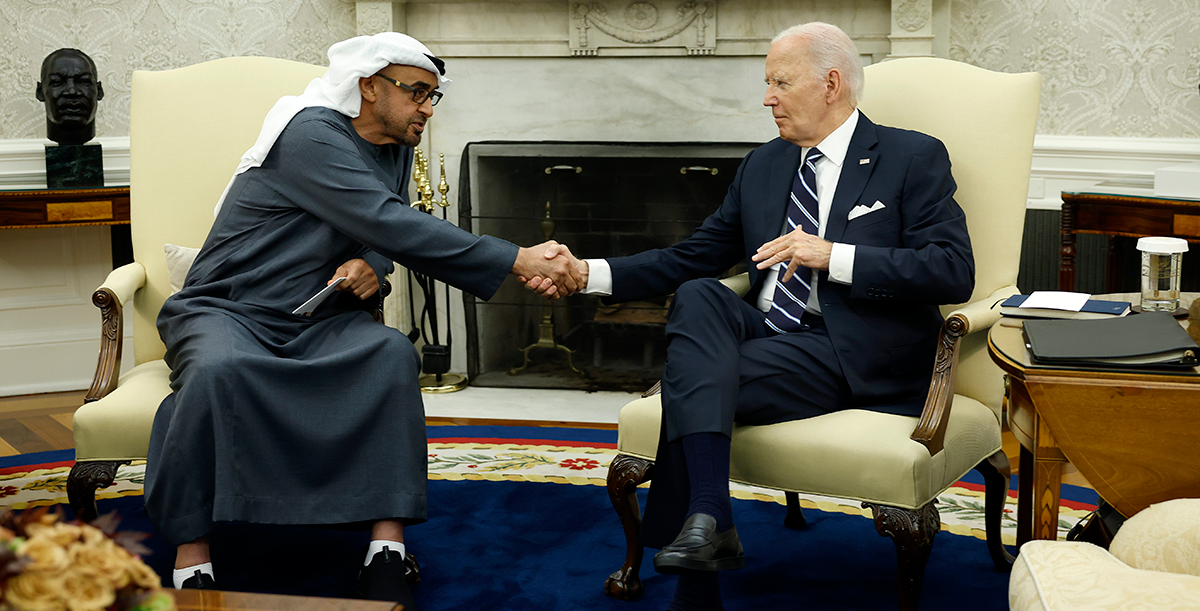
    After Hamas’s unprecedented attack against Israel on Oct. 7, the siren song of Saudi-Israeli normalization risks wrecking the US-Saudi relationship against the rocks of stubborn geopolitical realities. An interim less-for-less approach in US-Saudi negotiations that doesn’t immediately require Senate approval nor is beholden to a much less certain Israeli-Palestinian peace process could set the stage for an even more consequential “mega deal” down the line.

    “The IRGC has become a multi-headed dragon”: A conversation with Mohsen Sazegara about the IRGC’s emergence and evolution
    Photo by STRINGER/AFP/Getty Images
  • Commentary
  • “The IRGC has become a multi-headed dragon”: A conversation with Mohsen Sazegara about the IRGC’s emergence and evolution

    This month marks the 45th anniversary of the founding of Iran’s Islamic Revolutionary Guard Corps (IRGC). Mohsen Sazegara, a non-resident scholar with MEI’s Iran Program, was one of the group’s founders and a member of its first board of commanders. He later became a journalist and a reformist political activist. He was arrested and imprisoned four times before ultimately leaving Iran. He was interviewed by MEI in early May.

    May 6, 2024

    Navigating the crossroads: Actionable cooperative measures to address global development challenges
    Photo by KHALED DESOUKI/AFP via Getty Images
  • Analysis
  • Navigating the crossroads: Actionable cooperative measures to address global development challenges

    As the world faces unprecedented challenges, from climate crises to migration pressures, the need for concerted action to address financing for development has never been more urgent. Against a backdrop of resource constraints, geopolitical shifts, and faltering progress on the UN Sustainable Development Goals, it is imperative to chart a course of action that is both pragmatic and visionary. This piece outlines 10 actionable measures to tackle these multifaceted challenges and pave the way for a more sustainable and equitable future.

    May 2, 2024

    It’s time for Tehran to take a cold, hard look at its proxy strategy
    Photo by ATTA KENARE/AFP via Getty Images
  • Analysis
  • It’s time for Tehran to take a cold, hard look at its proxy strategy

    The recent blow-for-blow strikes by Iran and Israel are bound to result in some introspection in Tehran. It is the first time since the launch of the “Axis of Resistance” some 20 years ago that Tehran has to choose whether it wants to center its entire national security strategy around the conflict with Israel. Going forward, Tehran could choose to handle this conflict through political and diplomatic means rather than via the Axis of Resistance.

    Expert Views: How should we navigate the new rules of the game in the Israel-Iran conflict?
    Photo by Morteza Nikoubazl/NurPhoto via Getty Images
  • Analysis
  • Expert Views: How should we navigate the new rules of the game in the Israel-Iran conflict?

    The month of April saw a series of unprecedented escalations in the long-simmering Iranian-Israeli conflict, with both countries launching missile and drone attacks against the other’s territory for the first time in history.

    In the wake of these strikes, what will be the impact on the regional security and political environment going forward, what is needed to stabilize the new rules of the game, and how can US diplomacy help to facilitate that process? MEI has asked its experts to weigh in.

    Despite new sanctions measures, targeting Iranian oil sales is a lose-lose proposition for the US
    Photo by Ali Mohammadi/Bloomberg via Getty Images
  • Analysis
  • Despite new sanctions measures, targeting Iranian oil sales is a lose-lose proposition for the US

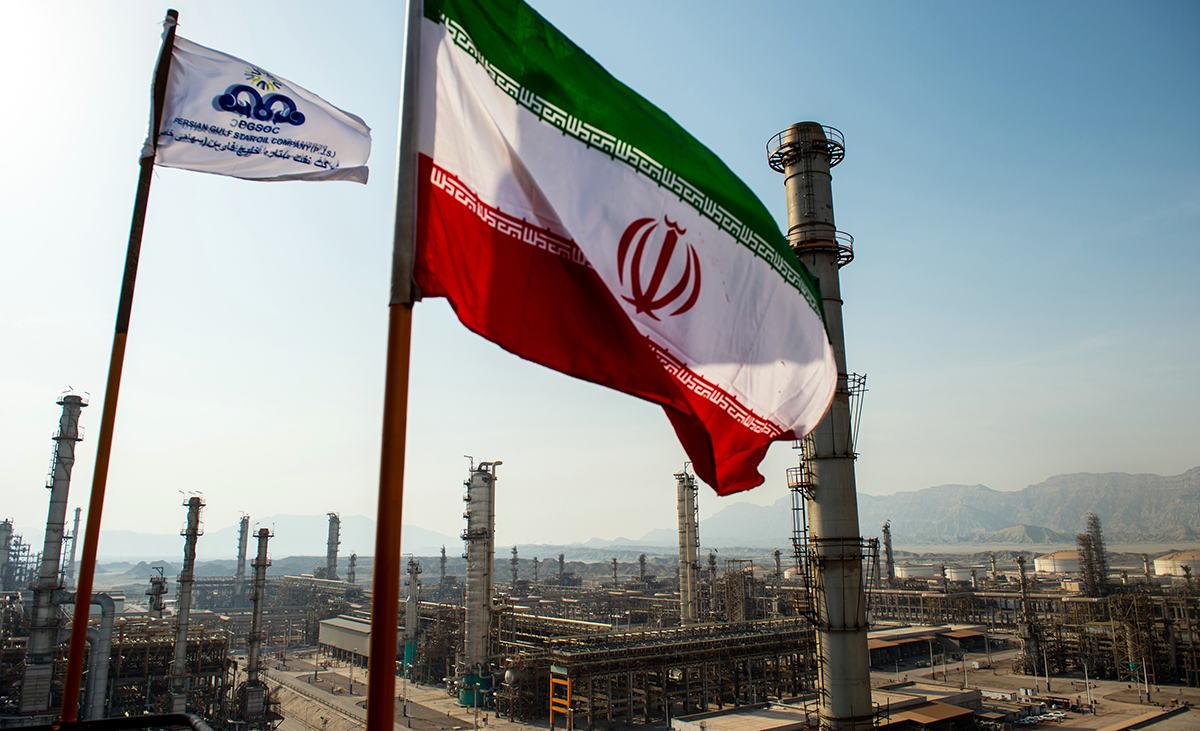
    On April 21, the US House of Representatives passed the long-awaited aid package for Israel, Ukraine, and Taiwan. The legislation contained another long-sought-after measure: authority for the US government to tighten restrictions on Iran’s oil exports. But in truth, aggressive US action remains unlikely and there are powerful operational, strategic, and political barriers preventing the US from shutting down Iran’s oil trade or hindering it in a material way.

    April 24, 2024

    The Biden Administration’s Middle East Policy at a Time of War: An Assessment of US Policy Six Months Into the Israel-Hamas War
    Photo by EVELYN HOCKSTEIN/POOL/AFP via Getty Images
  • Analysis
  • The Biden Administration’s Middle East Policy at a Time of War: An Assessment of US Policy Six Months Into the Israel-Hamas War

    The Biden administration set forth five main objectives in reaction to the Oct. 7 Hamas attack against Israel and ensuing war in the Gaza Strip. Six months into the Israel-Hamas war, the Biden administration has not achieved enough progress toward these goals, although it has avoided some of the worst-case scenarios. Success is hampered in part by tensions stemming from the fact that some of the tactics and policy approaches are at odds with each other.

    The worst forgotten conflict in the world: Sudan’s civil war one year on
    Photo by LUIS TATO/AFP via Getty Images
  • Analysis
  • The worst forgotten conflict in the world: Sudan’s civil war one year on

    This week marks one year of Sudan’s brutal civil war, when the Sudanese Armed Forces (SAF) and the paramilitary Rapid Support Forces (RSF) started battling in the capital city of Khartoum. Far from silencing their guns, the two sides continue to fight fiercely to devastating effect; and with scant global attention or outcry, the Sudanese war has quickly become the world’s worst forgotten conflict.

    After scoring important points by blocking Iran’s attack, Israel should draw the right lessons from its success
    Photo by Israeli Ministry of Defense / Handout / Anadolu via Getty Images
  • Commentary
  • After scoring important points by blocking Iran’s attack, Israel should draw the right lessons from its success

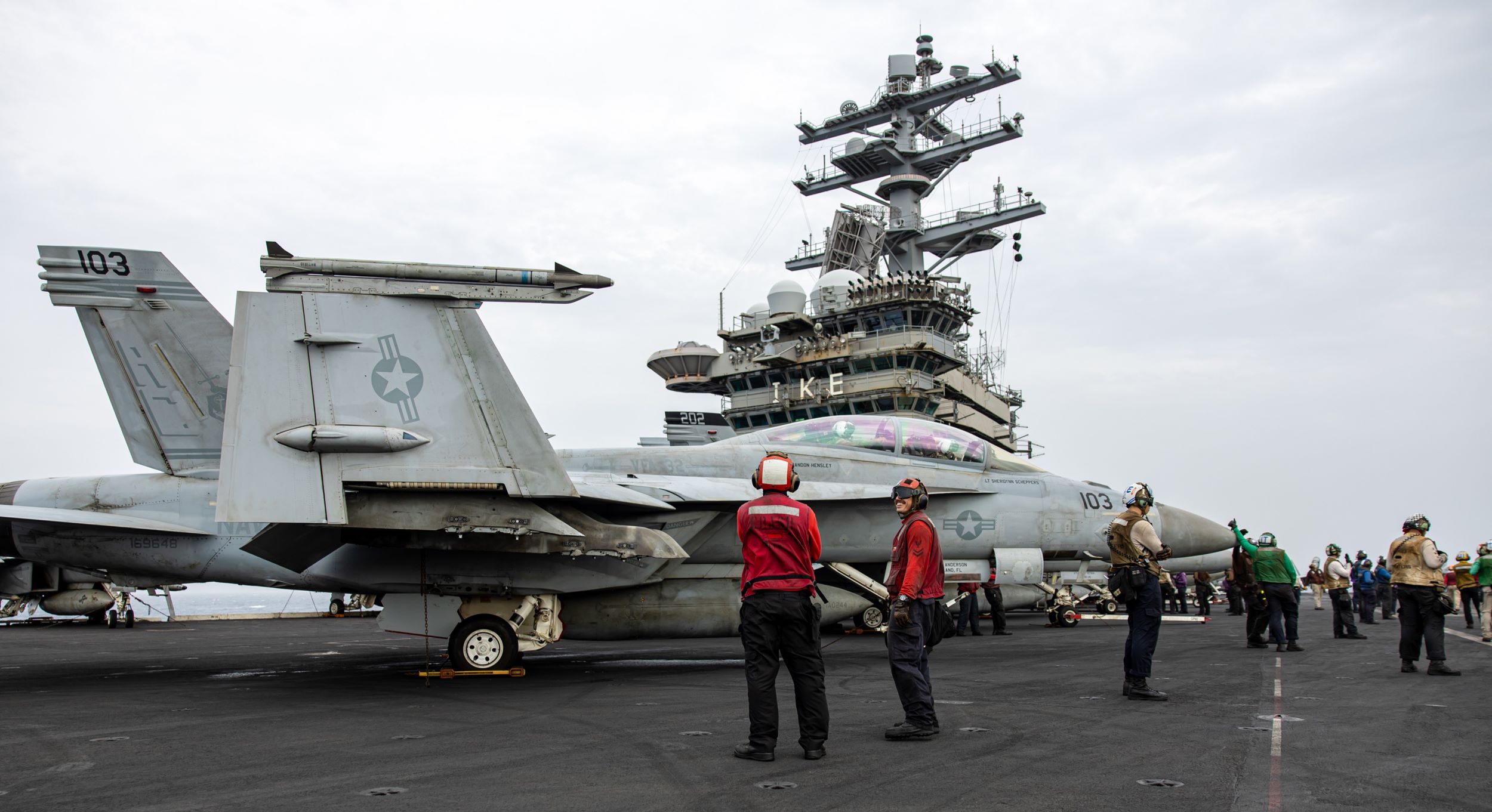
    The Iranian strike against Israel was a first of its kind. Its mere occurrence sets a precedent that will have a long-term impact and require Israel to weigh new considerations when planning future military operations against Iranian assets.

    April 14, 2024

    Iran-Taliban ties: Pragmatism over ideology
    Photo by Republic of Tatarstan Press Service/Anadolu Agency via Getty Images
  • Analysis
  • Iran-Taliban ties: Pragmatism over ideology

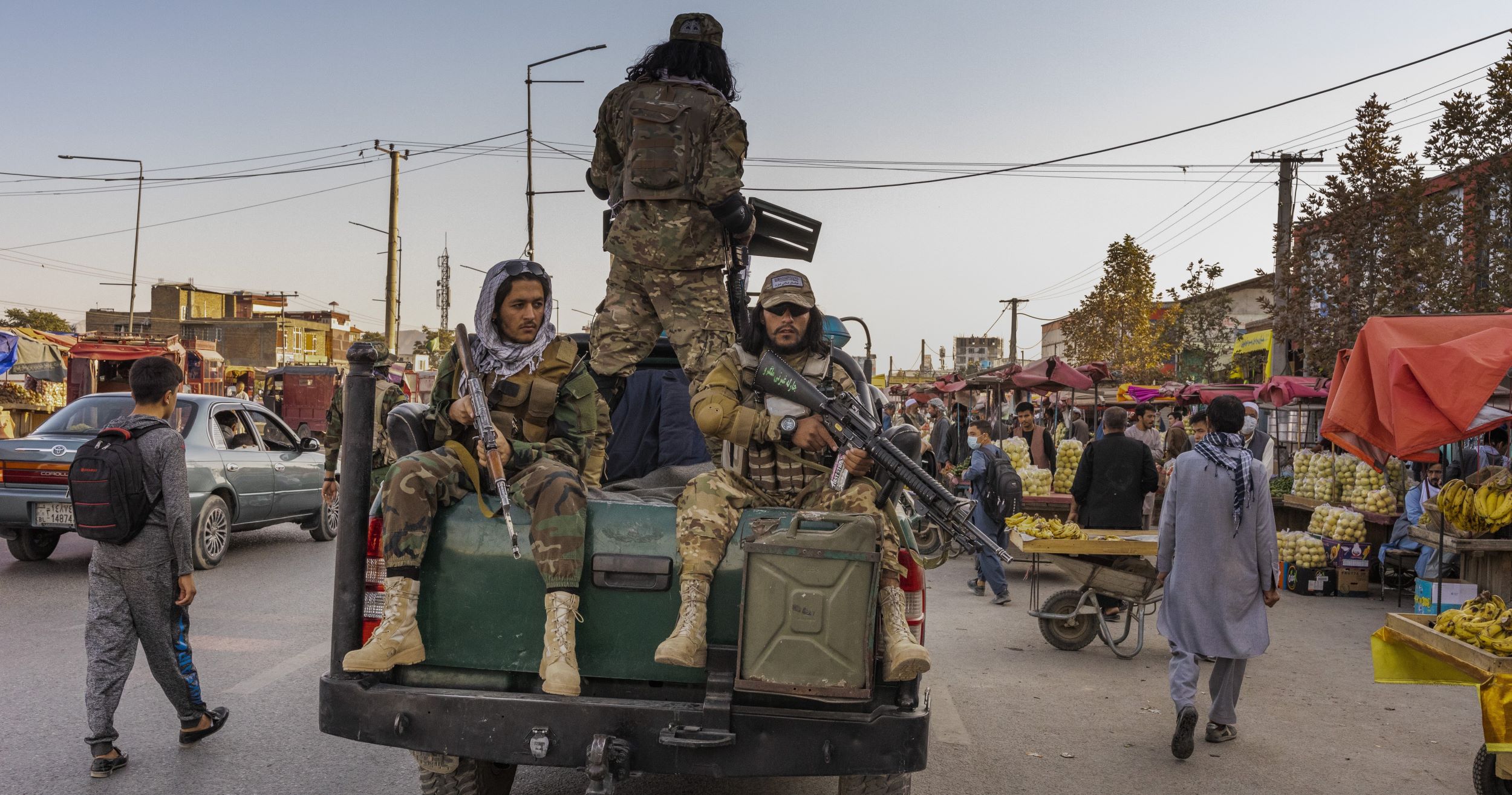
    Though Tehran continues to engage the government in Kabul in a pragmatic fashion, Iran and the Taliban are not traditional friends or allies; they share an uneasy relationship. There is a sectarian angle to their differences and a long-standing dispute over water resources. Yet Iran has sought to normalize relations due to broader geopolitical considerations, security concerns, and perceived economic opportunities.

    April 11, 2024

    Saudi-Houthi Agreement: Four Scenarios and Their Potential Impact
    Photo by Mohammed Hamoud/Getty Images.
  • Analysis
  • Saudi-Houthi Agreement: Four Scenarios and Their Potential Impact

    Less than 10 years after seizing power in Yemen, the Iran-backed Houthi militia continues to evolve — and so do the threats emanating from it. After several years of negotiations, it now seems likely that the Houthis and Saudis will reach a peace agreement, and it is worth considering how such a deal could change the group’s trajectory. This report examines a number of possible futures that could develop in Yemen over the next 1-2 years based on shifting capabilities, interests, and alliances.

    April 10, 2024

    Expert Views: What is needed to end the war in Gaza?
    Photo by Ahmad Hasaballah/Getty Images
  • Analysis
  • Expert Views: What is needed to end the war in Gaza?

    Six months since the October 7 Hamas attacks on Israel and subsequent outbreak of war in Gaza, the deadly and devastating conflict looks no closer to concluding. Is it still possible to achieve a sustainable cessation of hostilities and restart the conflict-resolution process? To get there, what are the incentives and disincentives that could be constructed for the two main combatants, Israel and Hamas?