Monday Briefing: NATO expansion and the challenge of deterrence in the Black Sea
Read MEI’s weekly briefing featuring expert analysis of key regional developments for the week ahead.
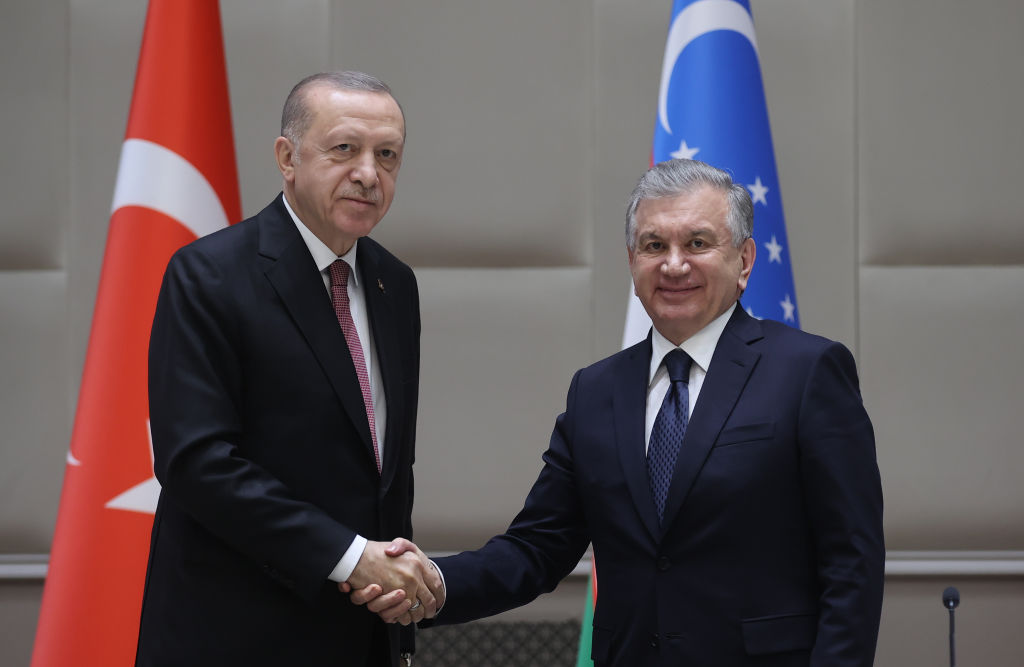
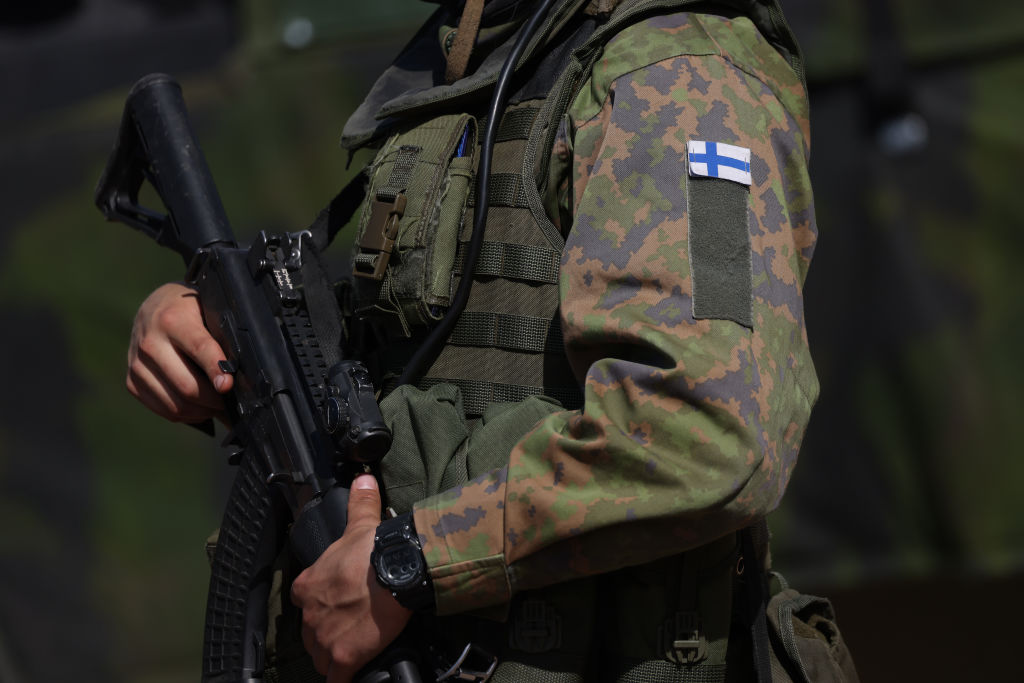
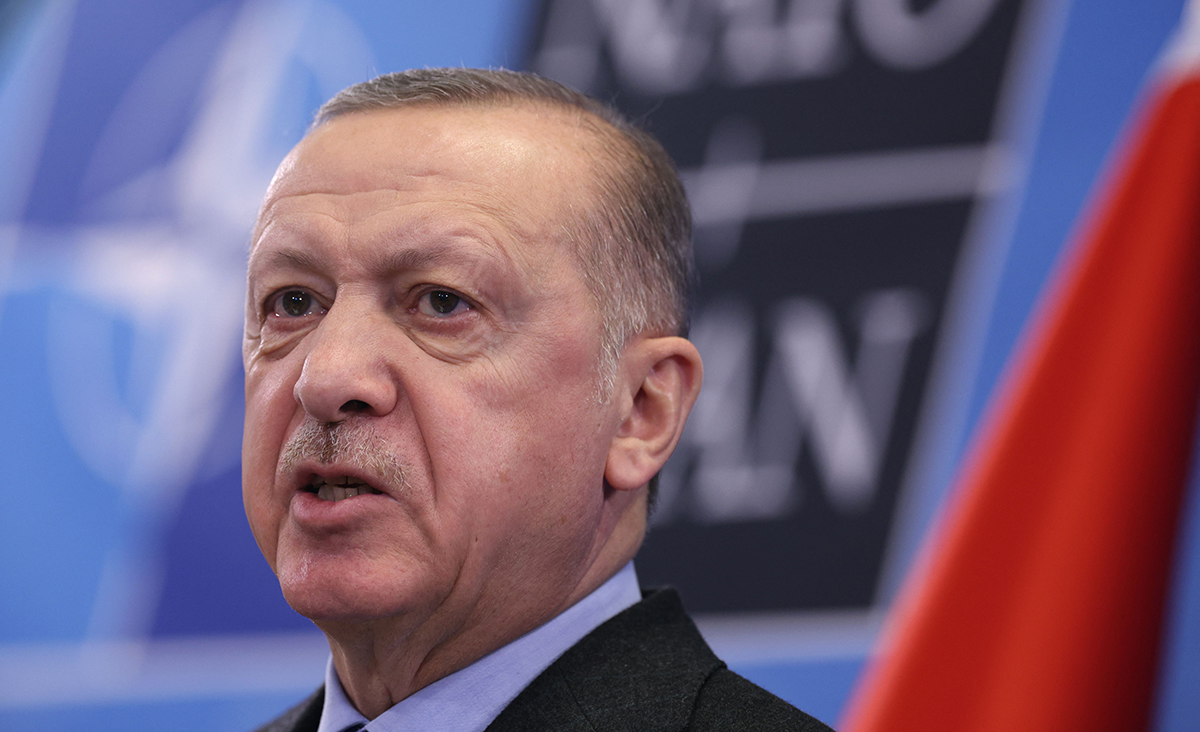
In recent months, Turkish President Recep Tayyip Erdoğan has been on a charm offensive. But that spring in Turkey’s diplomacy may now be reverting to winter as Ankara has blocked Swedish and Finnish accession to NATO even as a key arms deal is pending with Washington and U.S. relations with Greece are at a high.
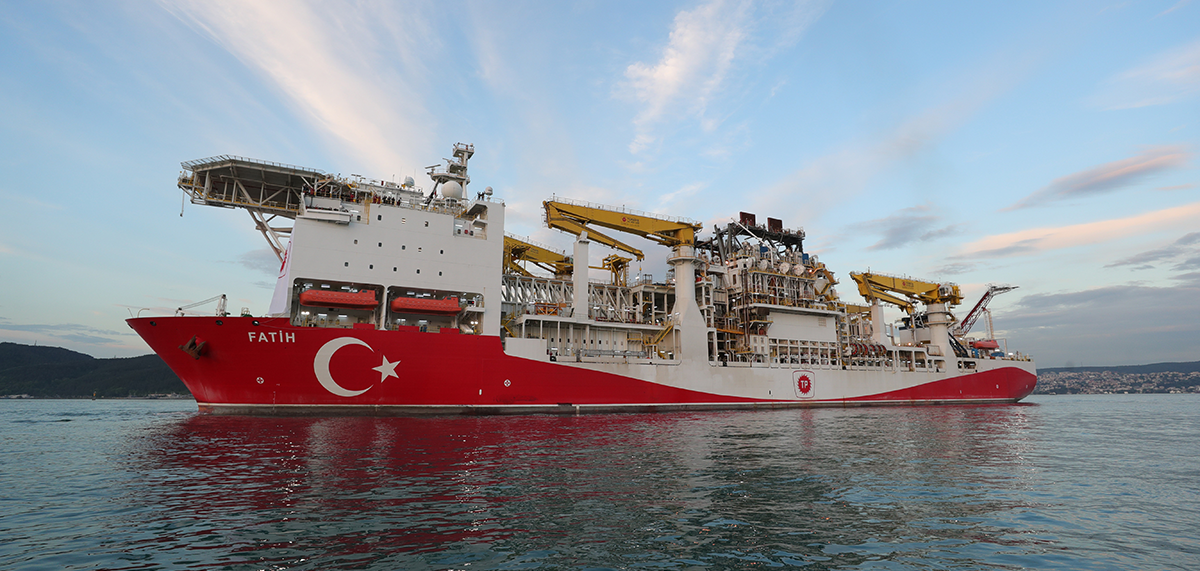
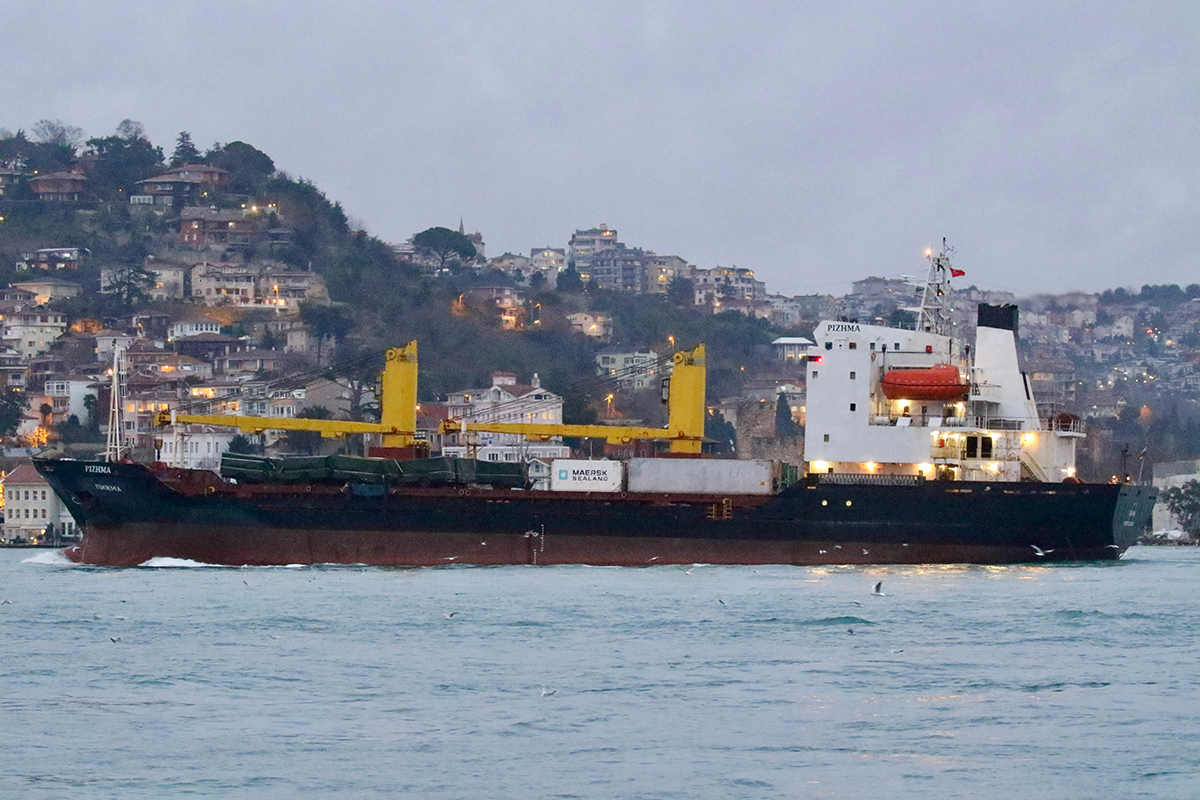
On Feb. 28, Turkey triggered the Montreux Convention, not used since World War II, and closed the Turkish Straits to military ships. This one move interrupted Russia’s maritime logistical supply line to Syria, interfered with its ability to rotate naval assets in the Mediterranean, and prevented Moscow from bringing additional warships to the Black Sea. Russia can no longer supply its Syria operation or deliver defense exports to its customers using navy ships. However, close observation of traffic through the Turkish Straits reveals that Russia is continuing its naval operations in the Mediterranean and Black seas.
Read MEI’s weekly briefing featuring expert analysis of key regional developments for the week ahead.
Efforts to restore confidence between the U.S. and the Arab Gulf states took a first step with the recent formation of a new naval task force, known as the Combined Maritime Forces-153 (CMF-153), to improve maritime security in the Red Sea, Bab el-Mandeb, and the Gulf of Aden, including the hotspot of Yemen. Established in mid-April, the new task force intends to target weapons smuggling for Ansar Allah, as the Houthi militias are officially known, as well as human trafficking and the drug trade.
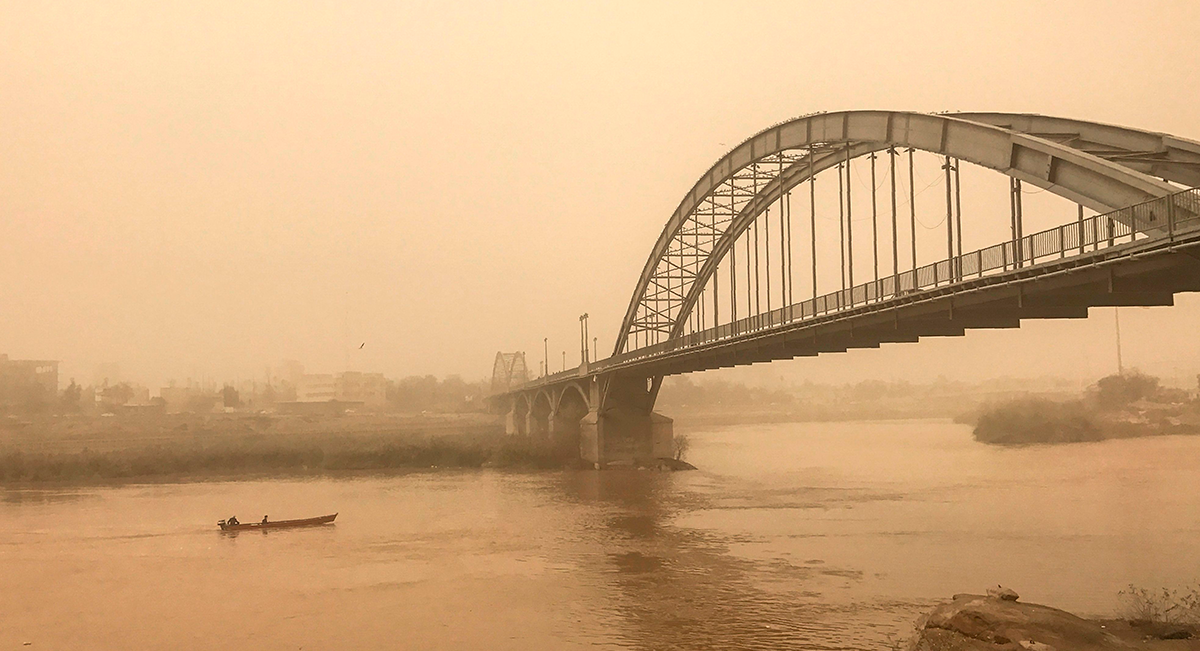
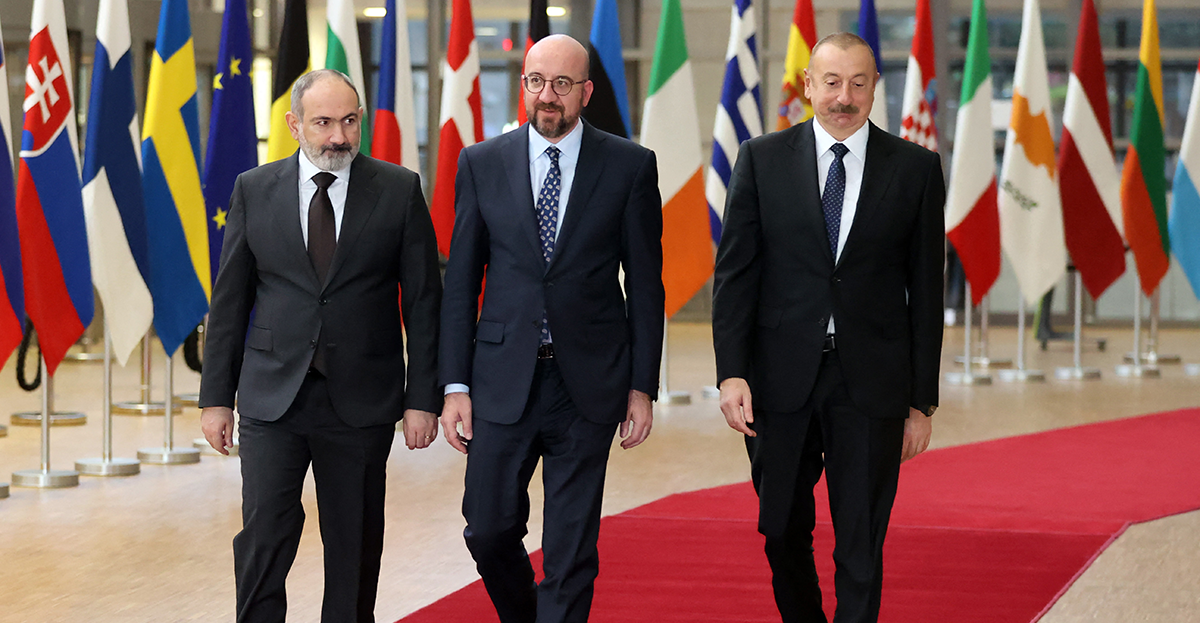
Since late September 2021, Tehran and Baku have engaged in a process of de-escalation, largely focused on economic cooperation and regional transportation links. Such efforts should be welcomed, but underlying geopolitical tensions, especially the Iranian-Turkish competition for influence in the South Caucasus, can still derail them at any moment.
Read MEI’s weekly briefing featuring expert analysis of key regional developments for the week ahead.
On March 25, 2022, President Joe Biden announced an agreement committing the U.S. LNG industry to supply an additional 15 bcm of LNG to Europe through the remainder of the year. The agreement also envisions U.S. LNG increasing supply to Europe to 50 bcm through 2030, equating to approximately one-third of the EU’s gas imports from Russia in 2021.
The global response to Russia’s invasion of Ukraine has focused new attention on friction between the United States and its traditional partners in the Gulf and reinforced skepticism regarding the United States’ status as the dominant international partner in the region. It’s time for both sides to identify a realistic way forward that sheds outdated notions of mutual obligation without becoming merely transactional.
Read MEI’s weekly briefing featuring expert analysis of key regional developments for the week ahead.
President Erdoğan, as the leader of a middle-sized power strengthening an independent role, wants to enhance the reputation and expand that role for Turkey regionally and globally by achieving a balance of Ukrainian and Russian influence in the region.
While most analyses of the war in Ukraine have tended to focus on the intra-European dimension, it is worth exploring the potential consequences of this conflict for the EU’s relations with countries further afield, especially those in the Middle East and North Africa.
The war in Ukraine couldn’t have come at a worse time for the Turkish economy. Amid the country’s ongoing economic crisis, the government has been implementing extraordinary and unconventional monetary and fiscal policies.
The Middle East is experiencing a seismic shift in its geopolitics: the dawn of the era of drones. From Syria to Libya and from Yemen to Iraq, UAVs have altered the dynamics on the battlefield. Agile and affordable, drones aren’t just a menace to remote conflict zones, but also to states far removed from theaters of war.
Read MEI’s weekly briefing featuring expert analysis of key regional developments for the week ahead.