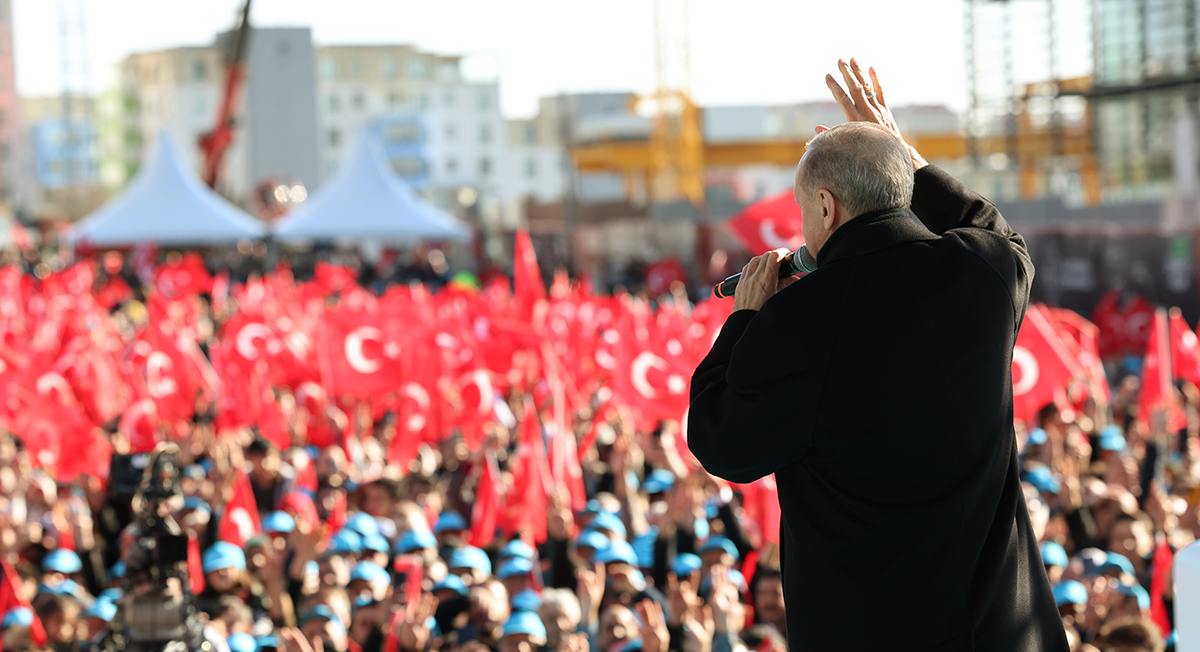
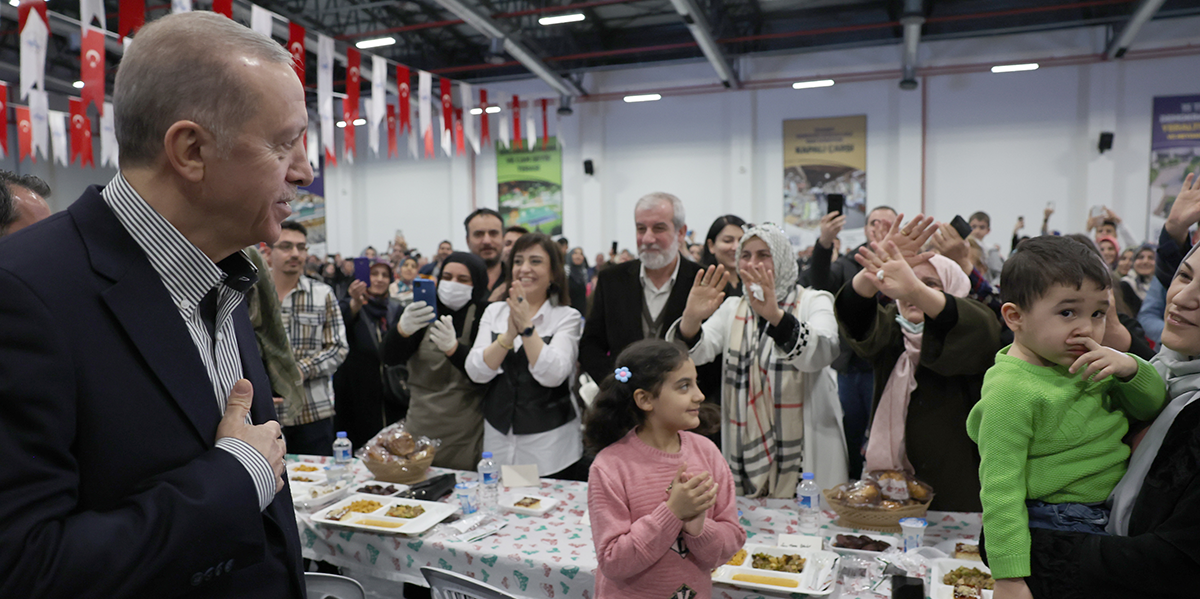
Catch up with the latest developments about Turkey’s May elections with weekly updates from MEI’s Turkey Program. In this week’s installment of Turkish Election Watch: Kiliçdaroğlu and the carpet, Erdoğan talks tough to the Americans again, attacks on opposition parties, and coalition politics and the parliamentary elections.
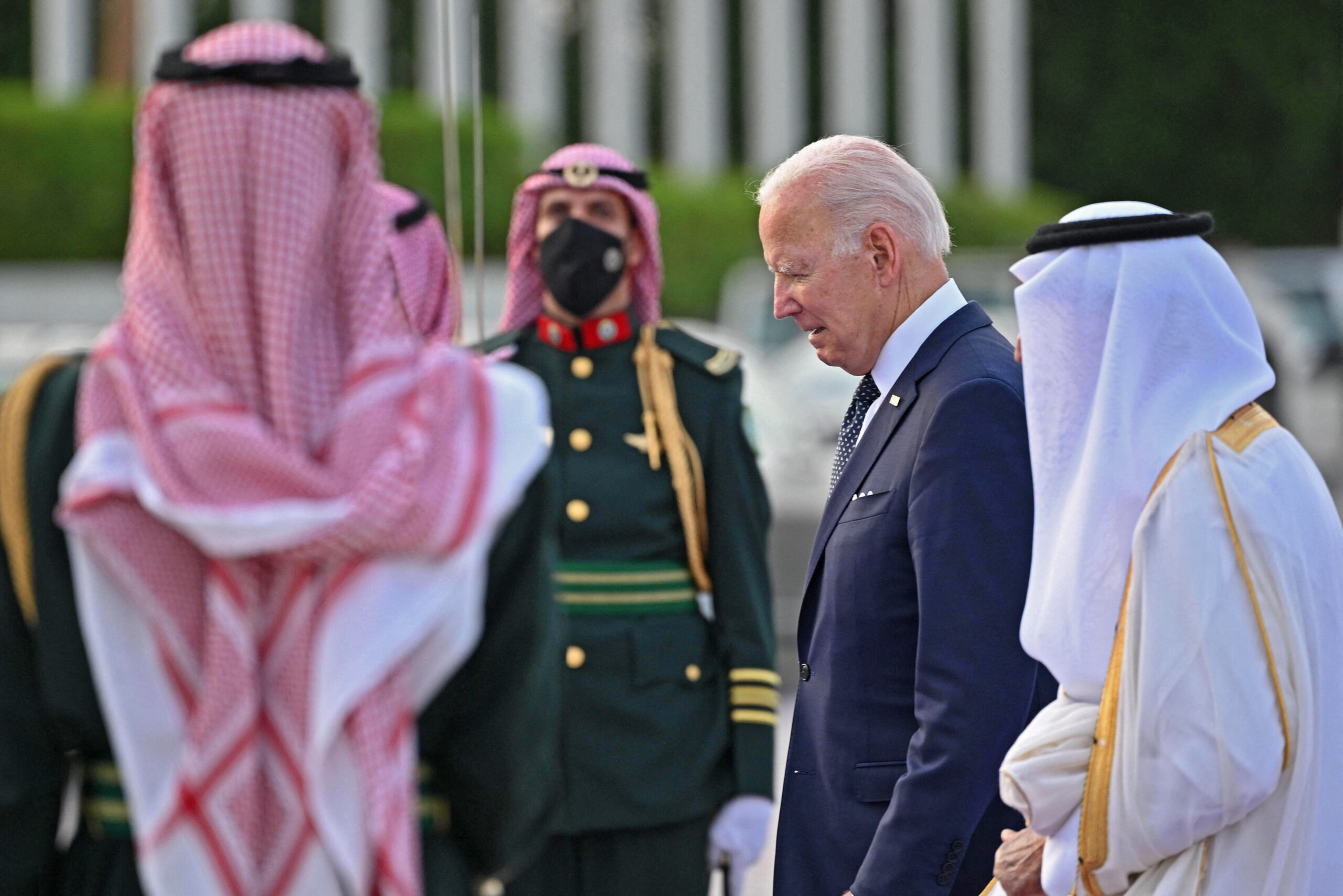
Saudi Arabia has made it clear that it wants a defense pact with the United States in return for normalizing ties with Israel. However, that isn’t a price Washington is able or willing to accept, for both political and strategic reasons. But the conversation about improved U.S.-Saudi defense cooperation shouldn’t stop here. There’s plenty of room for achieving that objective without having to upgrade the relationship to a full-fledged alliance.
China and the Saudi-Iran rapprochement: Implications for Yemen
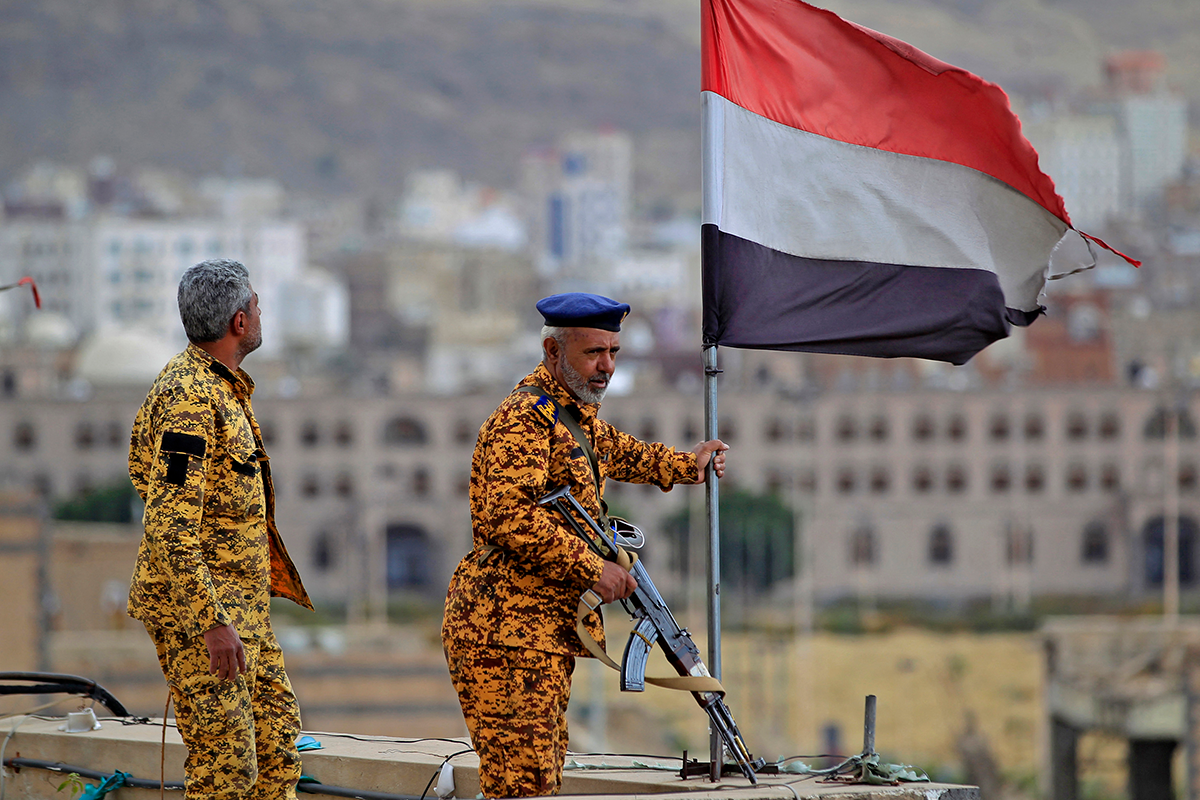
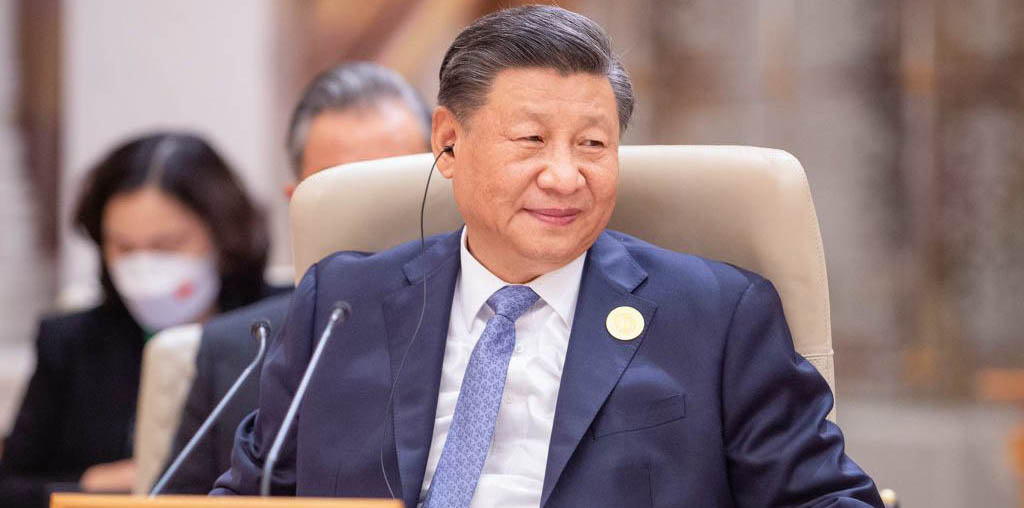
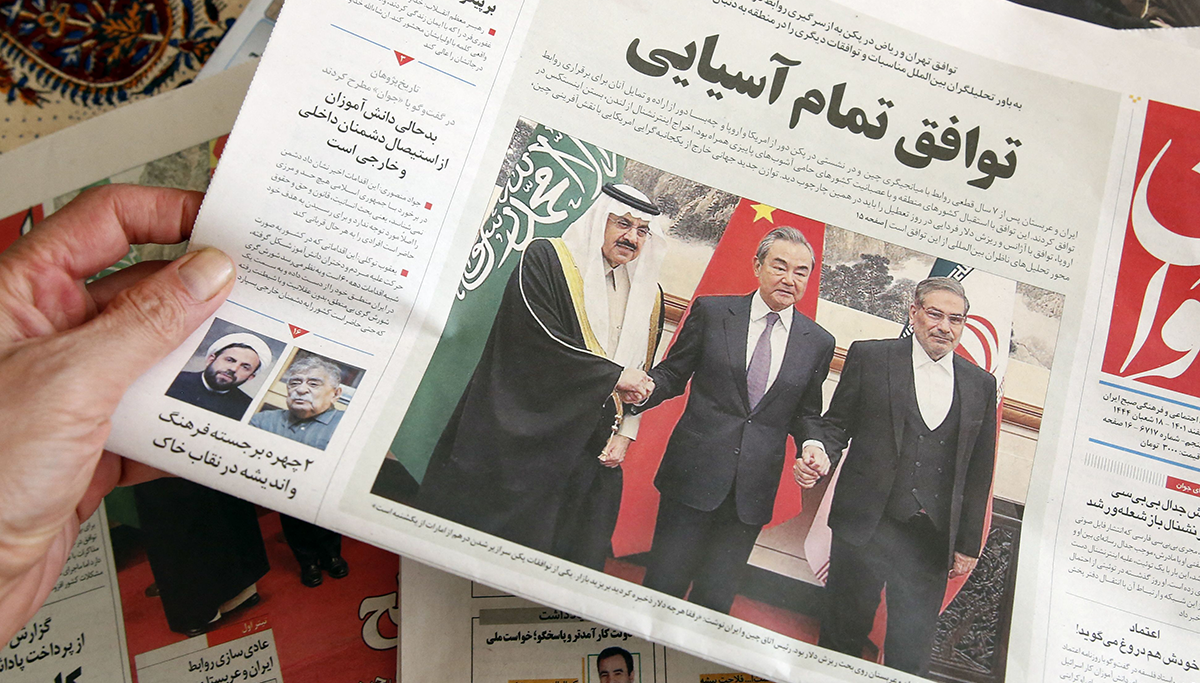
The conclusion of the China-brokered Saudi-Iranian détente on March 10, which aims to thaw long-standing enmity and manage competition between the two regional arch rivals, has multi-layered implications for Yemen.
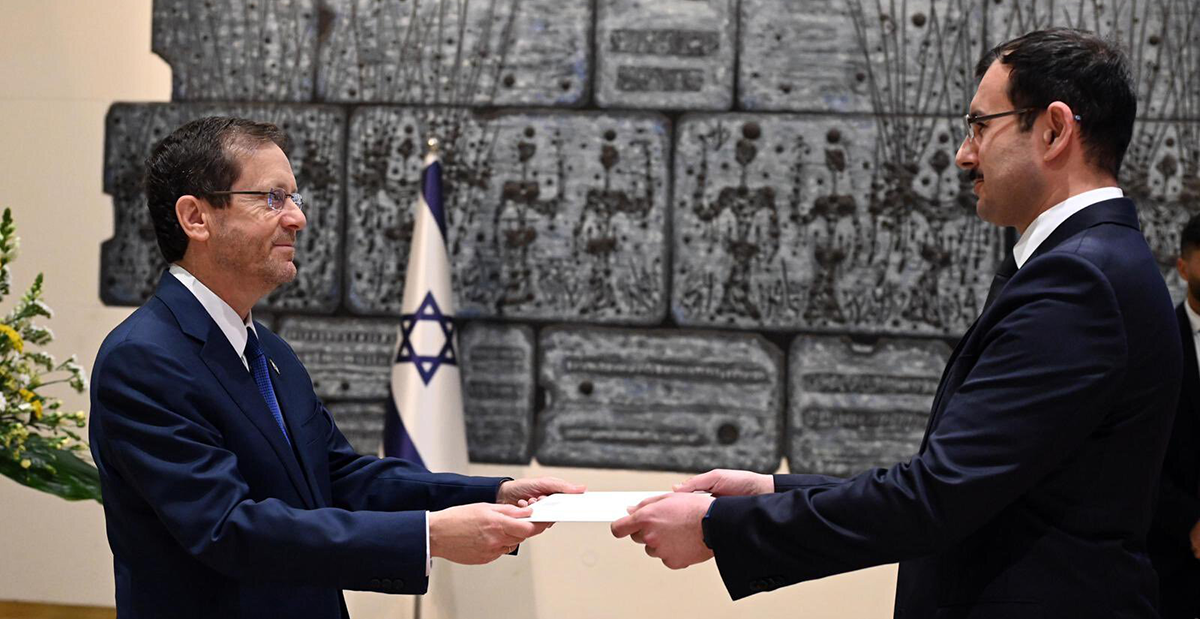
Israel and Azerbaijan: Trusted friends and reliable partners
Israeli-Azerbaijani relations are based on two main pillars: patient and cordial political relations as well as defense cooperation and arms sales. While the former reached a more intensive level this year, with the opening of an Azerbaijani embassy in Tel Aviv in late March, the latter pillar of the relationship was well developed long before, as Israel became Azerbaijan’s largest weapons supplier.
Turkish Election Watch: The Week of March 26-April 2
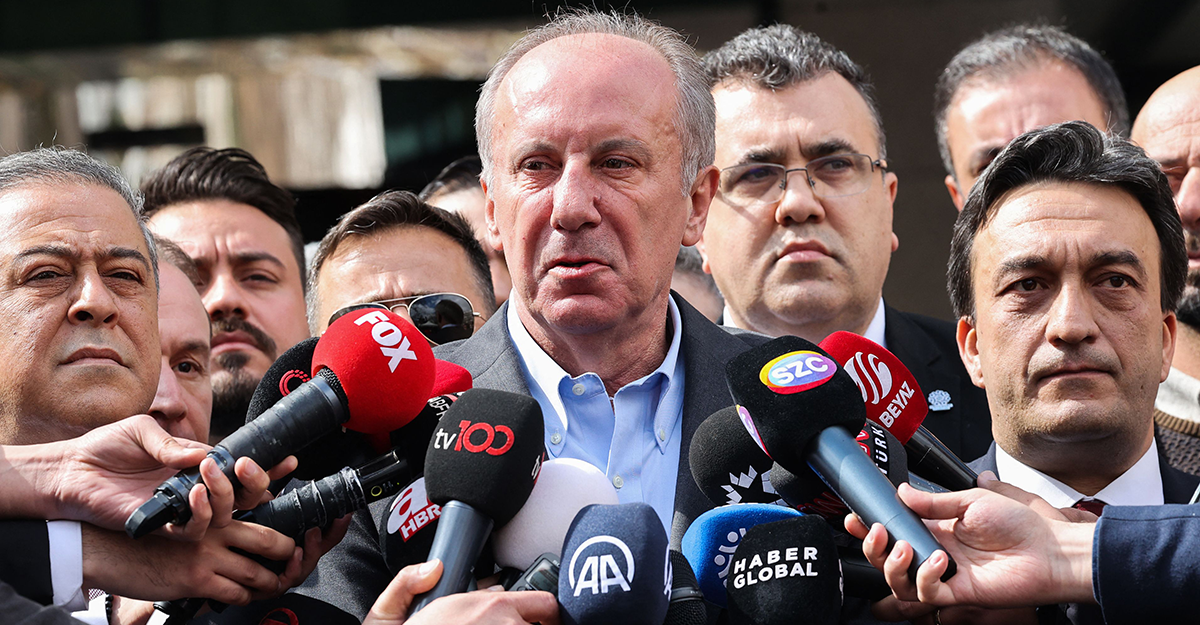
Catch up with the latest developments about Turkey’s May elections with weekly updates from MEI’s Turkey Program. In this week’s installment of Turkish Election Watch: It’s officially a four-candidate race for the presidential election, Kılıçdaroğlu meets with İnce, Kılıçdaroğlu receives a warm welcome in an Erdoğan stronghold, and Bahçeli makes an unexpected move.
Unexpected beneficiary: The implications of the China-brokered Saudi-Iran deal for Pakistan
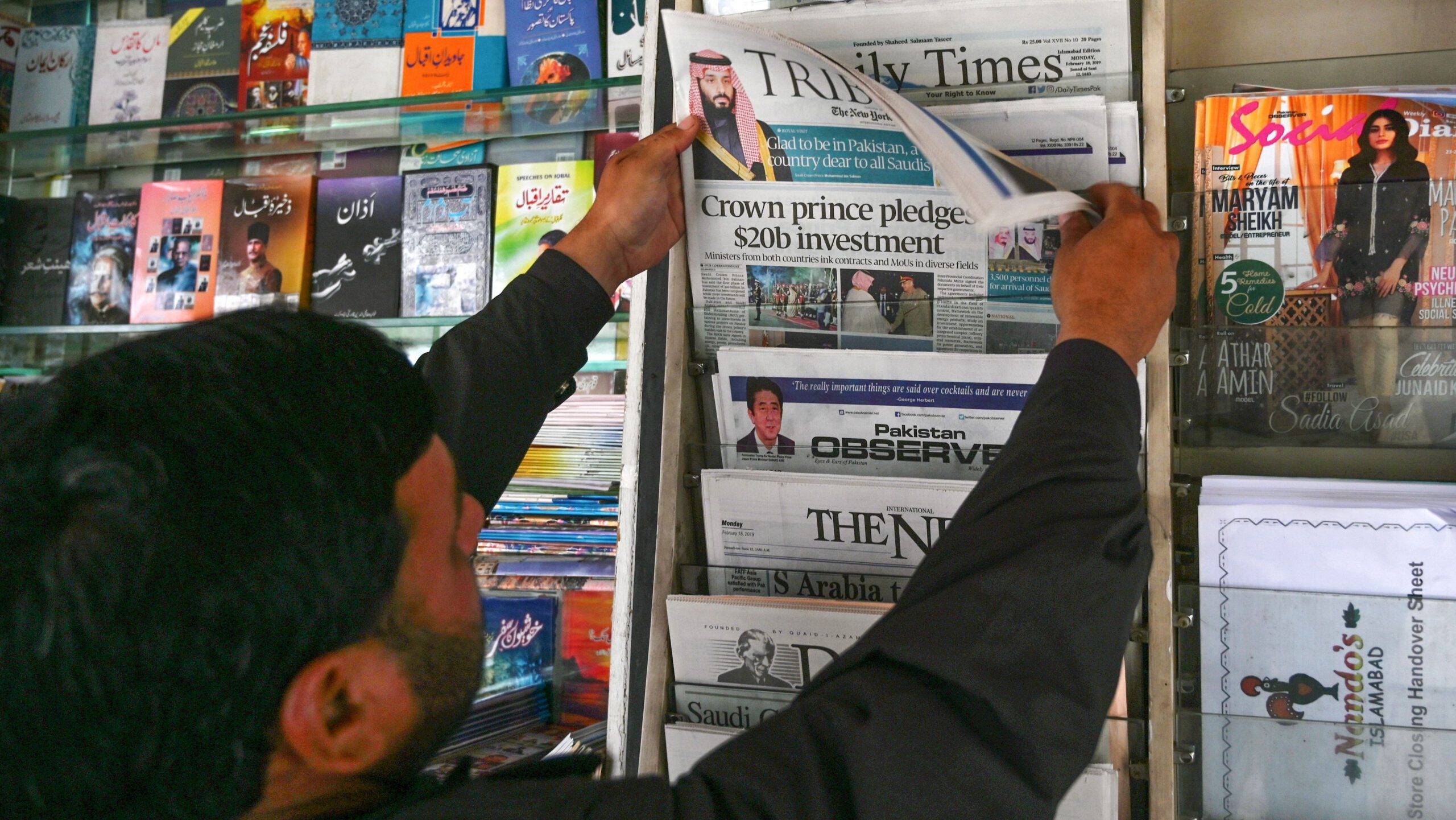
The implications of the apparent rapprochement between Saudi Arabia and Iran are likely to have significant consequences for vital neighboring regions like South Asia and other populous Muslim countries, including, notably, Pakistan.
Arab women break boundaries and stereotypes in Middle Eastern militaries
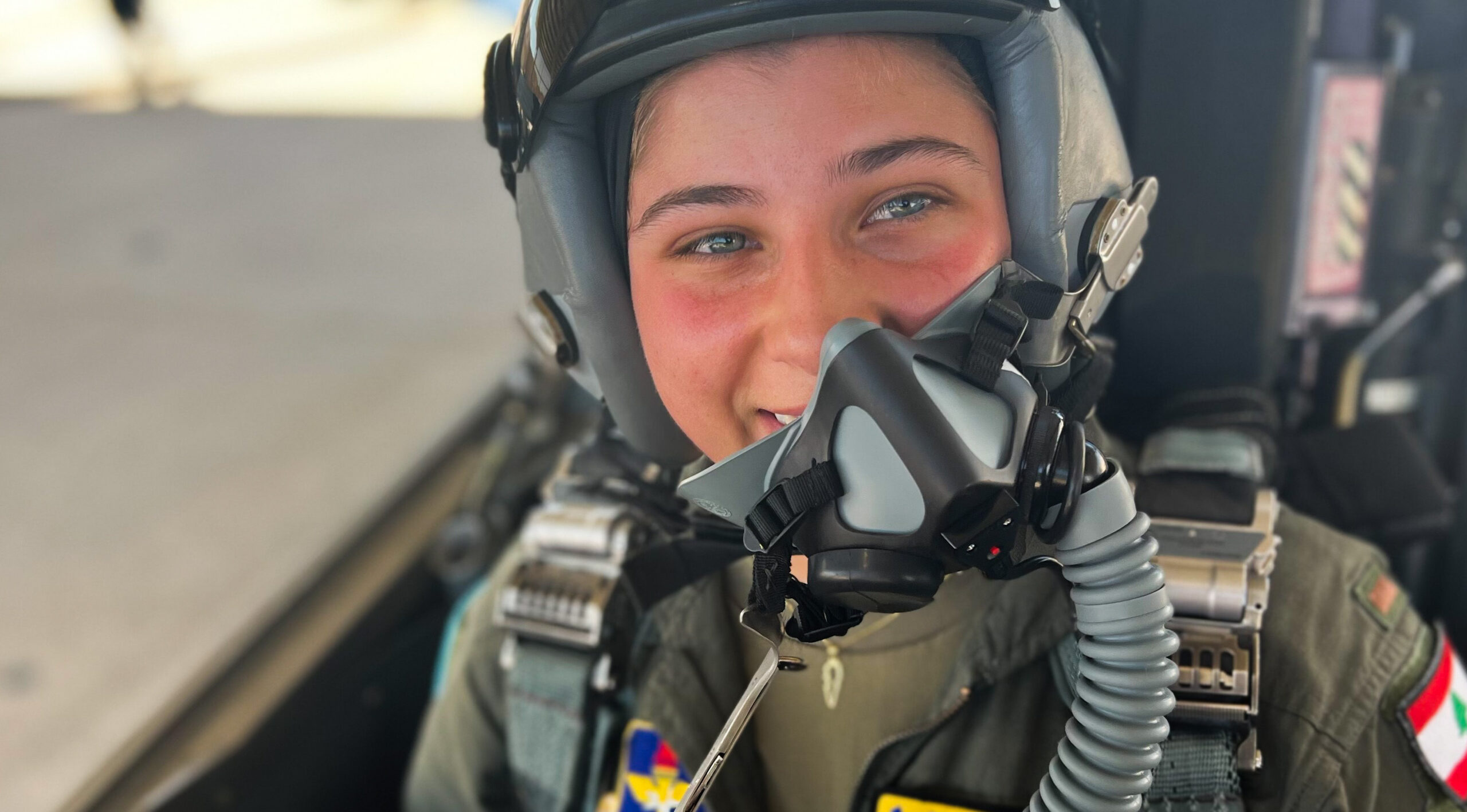
As Women’s History Month in the U.S. draws to a close, women in the armed forces of several Middle Eastern countries continue to achieve historic milestones, with many now serving as pilots, engineers, peacekeepers, and in special forces units. The role of women is steadily increasing as the result of new initiatives, policies, and gradually changing mindsets in the Middle East.
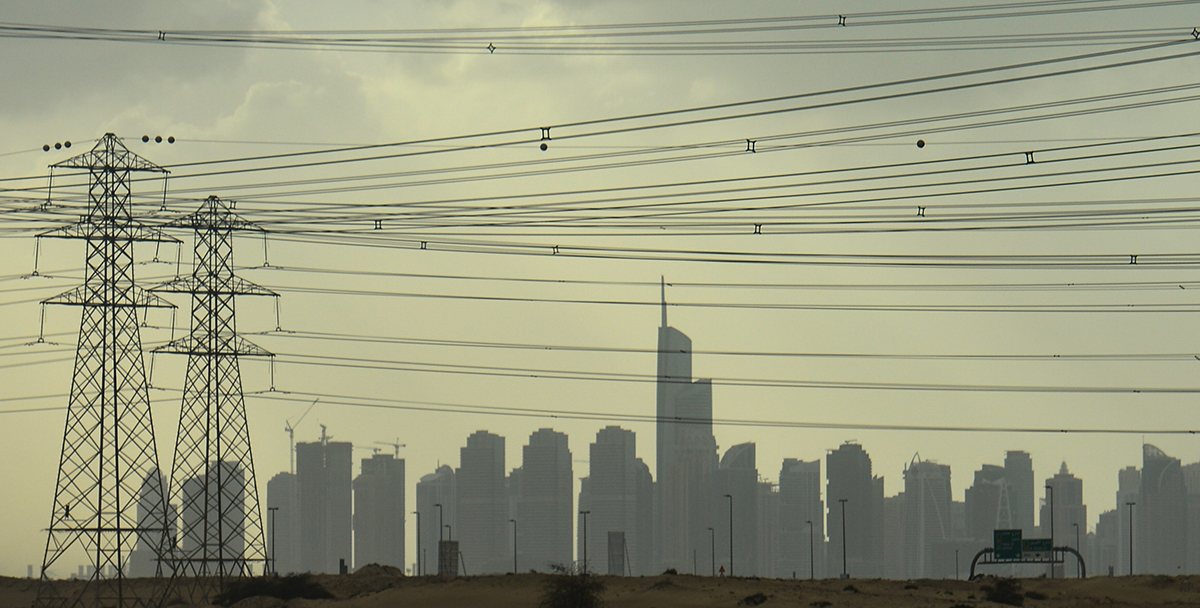
Missed opportunities: The billions sacrificed annually to generate electricity in the GCC
The GCC governments still cover over 40% of the cost of domestic electricity production. Yet, electricity subsidy bills alone do not reflect the full extent of their economic losses. Once the forgone revenues from the export of natural gas and oil used to meet rising domestic energy demand are added in, the total economic cost of the GCC’s electricity is too great to ignore.
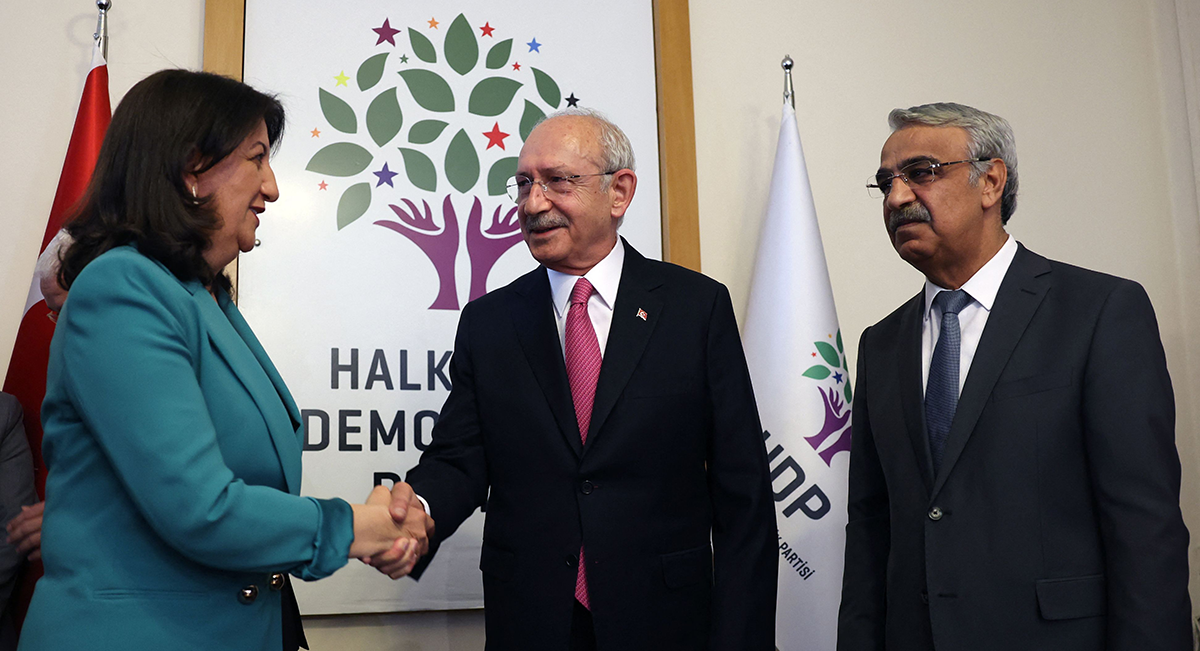
Catch up with the latest developments about Turkey’s May elections with weekly updates from MEI’s Turkey Program. In this week’s installment of Turkish Election Watch: The HDP takes sides without taking sides, the dark horse candidate Muharrem İnce, and the AKP’s “People’s Alliance” coalition.
A Saudi-Houthi deal won’t bring lasting peace in Yemen
The recent agreement to restore diplomatic relations between Saudi Arabia and Iran raised hope among Western leaders and some Yemen watchers that it could help bring an end to the war in Yemen. The international community, however, can do more harm than good if its actions are driven by hope and desperation rather than a careful reading of the reality on the ground. Yemen must not be a sacrificial lamb for improving relations between Iran and Saudi Arabia.
Two weeks ago, on March 10, Iran said it would restore diplomatic relations with Saudi Arabia after a seven-year rupture as part of a deal brokered by China. The agreement, reached in Beijing, is the result of almost a year and a half of mostly quiet talks between Iran and Saudi Arabia, facilitated by a host of countries including China, Iraq, Oman, Russia, and the United States.
Now that Saudi Crown Prince Mohammed bin Salman has clarified what he expects from Washington in return for normalizing ties with Israel—mainly U.S. security guarantees—the question is: Should U.S. decision-makers accept his price?