Why North Africa is a natural choice for Brics expansion
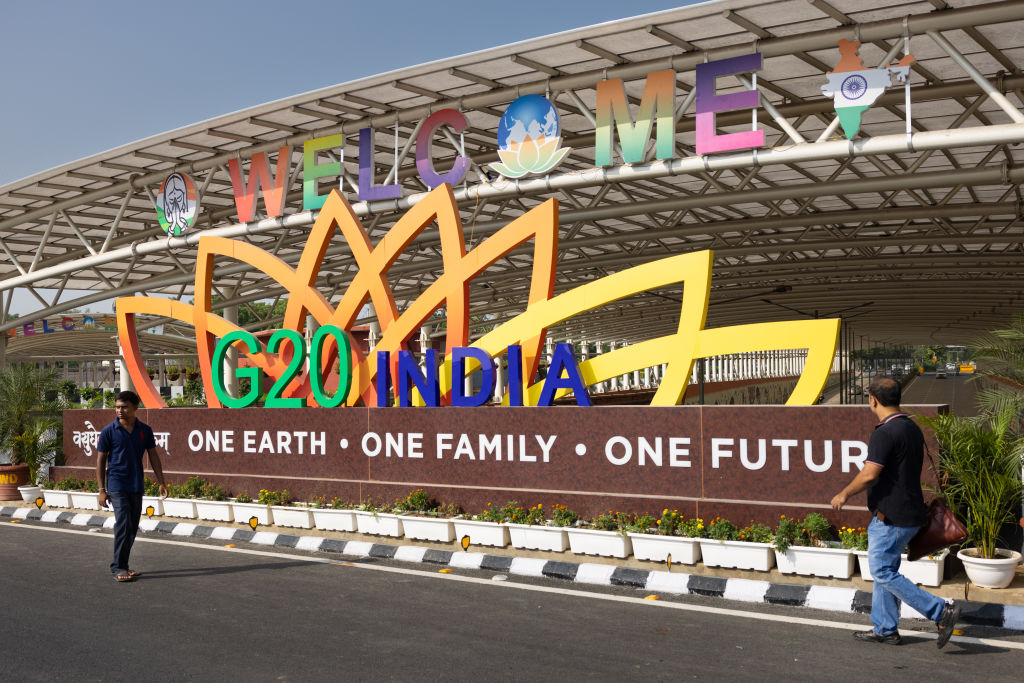
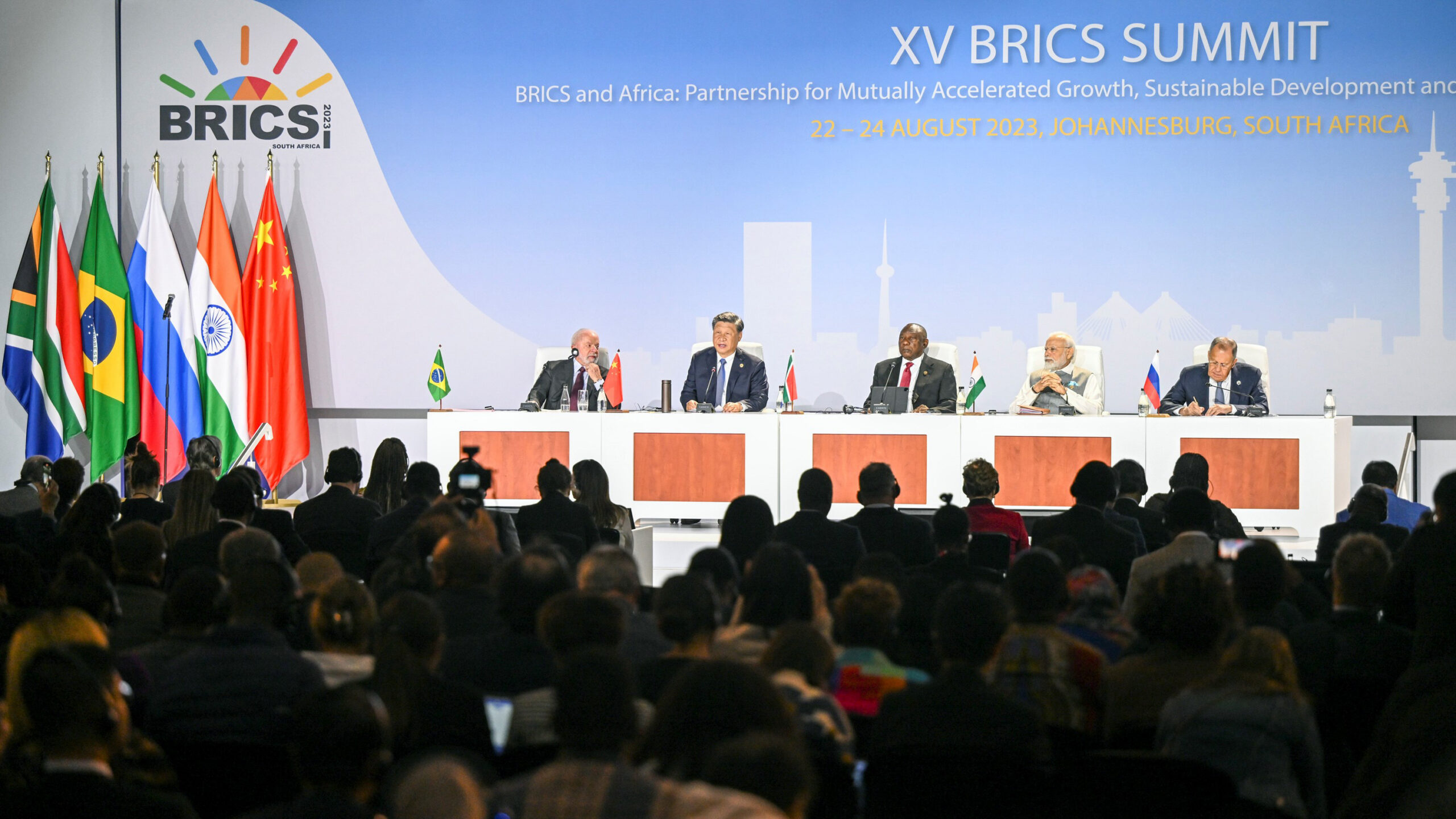
In a move of unprecedented geopolitical consequence, the Brics grouping of nations has made the landmark decision to expand beyond its five founding members. Announced on Thursday at the conclusion of the Brics summit in Johannesburg, host South Africa along with Brazil, Russia, India and China invited six nations to join the bloc – Egypt, Ethiopia, Iran, Saudi Arabia, the UAE and Argentina.
Pakistan’s interim government: A challenging road ahead
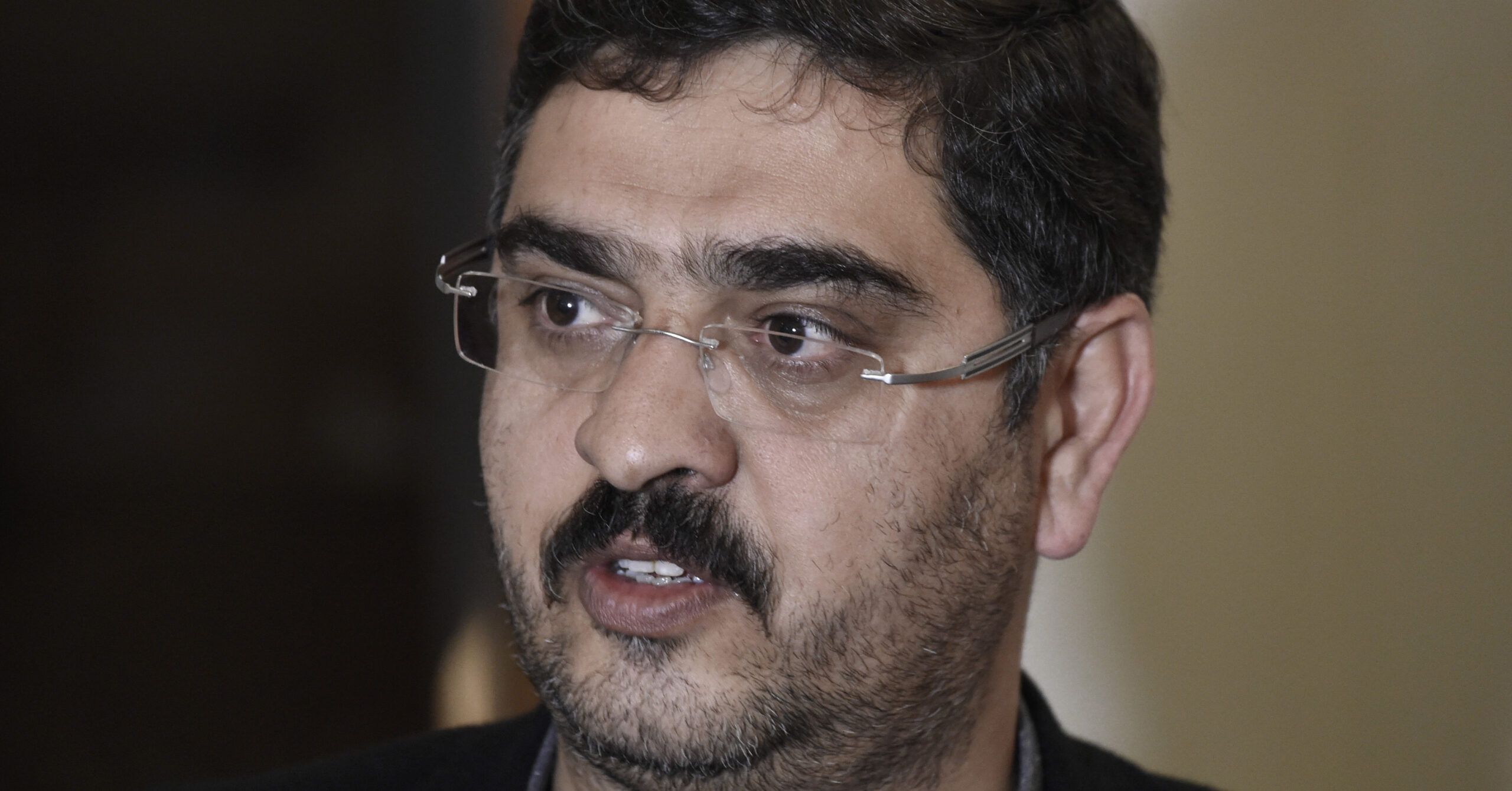
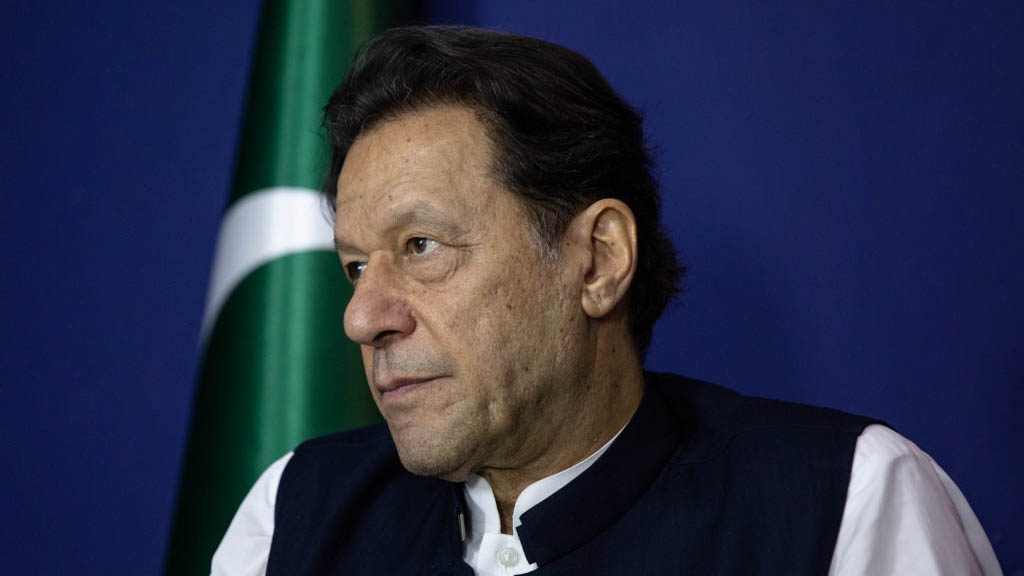
After the conclusion of the 16-month rule of the Pakistan Democratic Movement (PDM), the appointment of a new caretaker government has created uncertainty. This raises doubts about whether Pakistan will smoothly transition to another democratic government or if the caretaker setup will exceed its constitutional mandate.
Making sense of the Taliban’s counterterrorism assurances
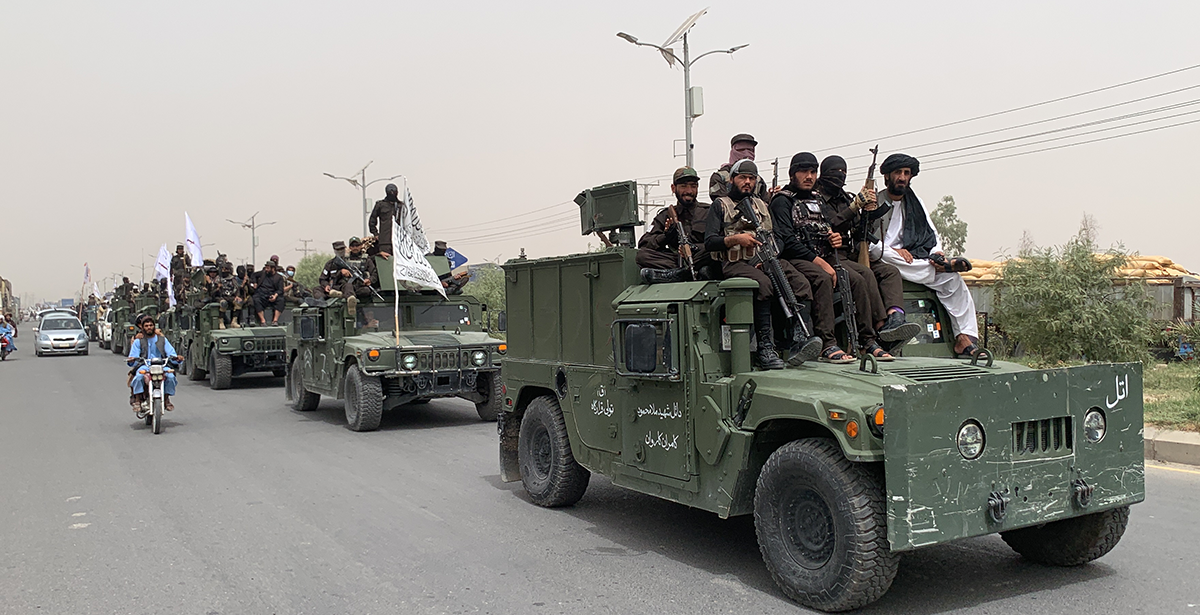
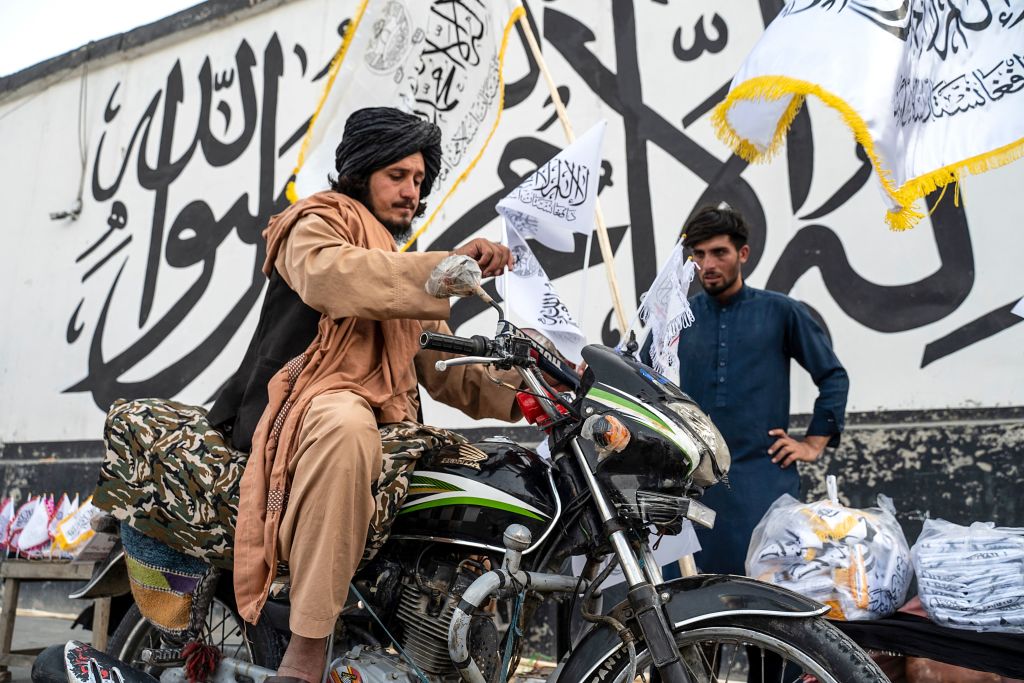
Two years on from the Taliban’s takeover of Kabul, Afghanistan’s neighbors are increasingly concerned that their return to power has emboldened terrorist groups and networks, which are using the hospitable environment to regroup, rearm, and recruit substantially. The main question now for Afghanistan’s neighbors in the region, and the international community more broadly, is just how reliable the Taliban’s counterterrorism assurances to other states really are.
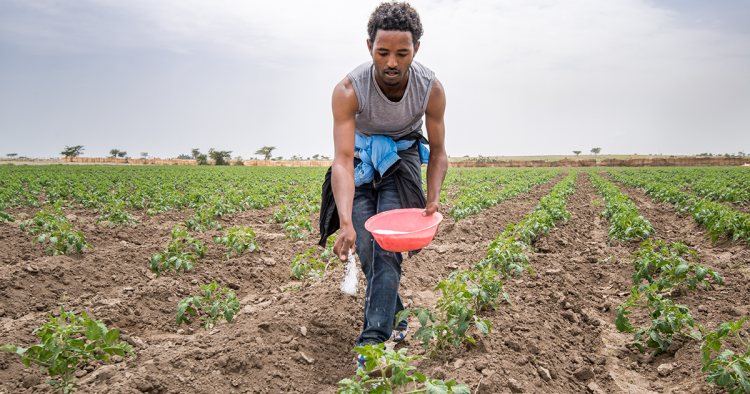
It is Niger's food crisis that requires international intervention
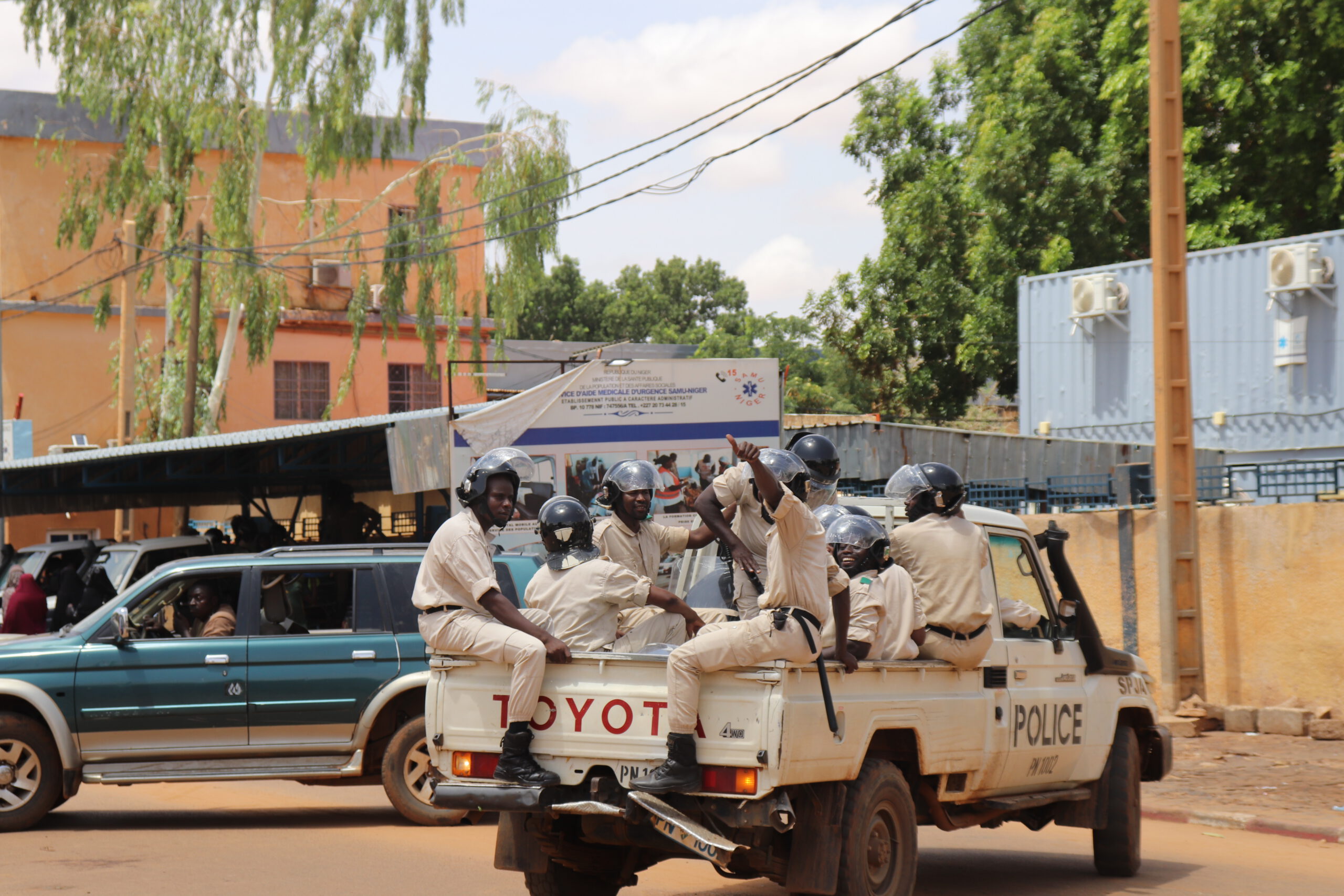
Niger’s new junta may be days away from facing an intervention force from its neighbours, as the Economic Community of West African States, or Ecowas, backed by France and other western nations, seeks to restore Niger’s ousted President, Mohamed Bazoum.
In North Africa, Startups and NGOs Drive Local Innovation. What Is Missing?
Innovation is often cited as the prerequisite for development, growth, and prosperity. New ways to improve on existing practices and approaches, curiosity, and the ability to carry that forward into new ideas, discoveries and inventions help economies thrive, populations develop, and lives prosper. In the North African context, innovation is charting an uneven course. This human ability to improve, build, and innovate is at times fed by state institutions or hindered by them.
Regional Environmental Cooperation Between Israel and Its Neighbors
As environmental challenges become a priority for countries across the Middle East and the Mediterranean, this creates new opportunities for regional environmental cooperation, including between Israel and its neighbors. Despite being limited in scope and facing several key obstacles, regional cooperative endeavors are taking place, including on both the bilateral and multilateral levels, and efforts to sustain and expand them are underway. This new report, written under the auspices of the Israel Climate Forum, addresses the importance of regional environmental cooperation in the Middle East and Mediterranean, examines the scope of such cooperation between Israel and its neighbors, and spells out opportunities, obstacles, and recommendations for increased coordination and joint action, including the role the U.S. and Europe can play.