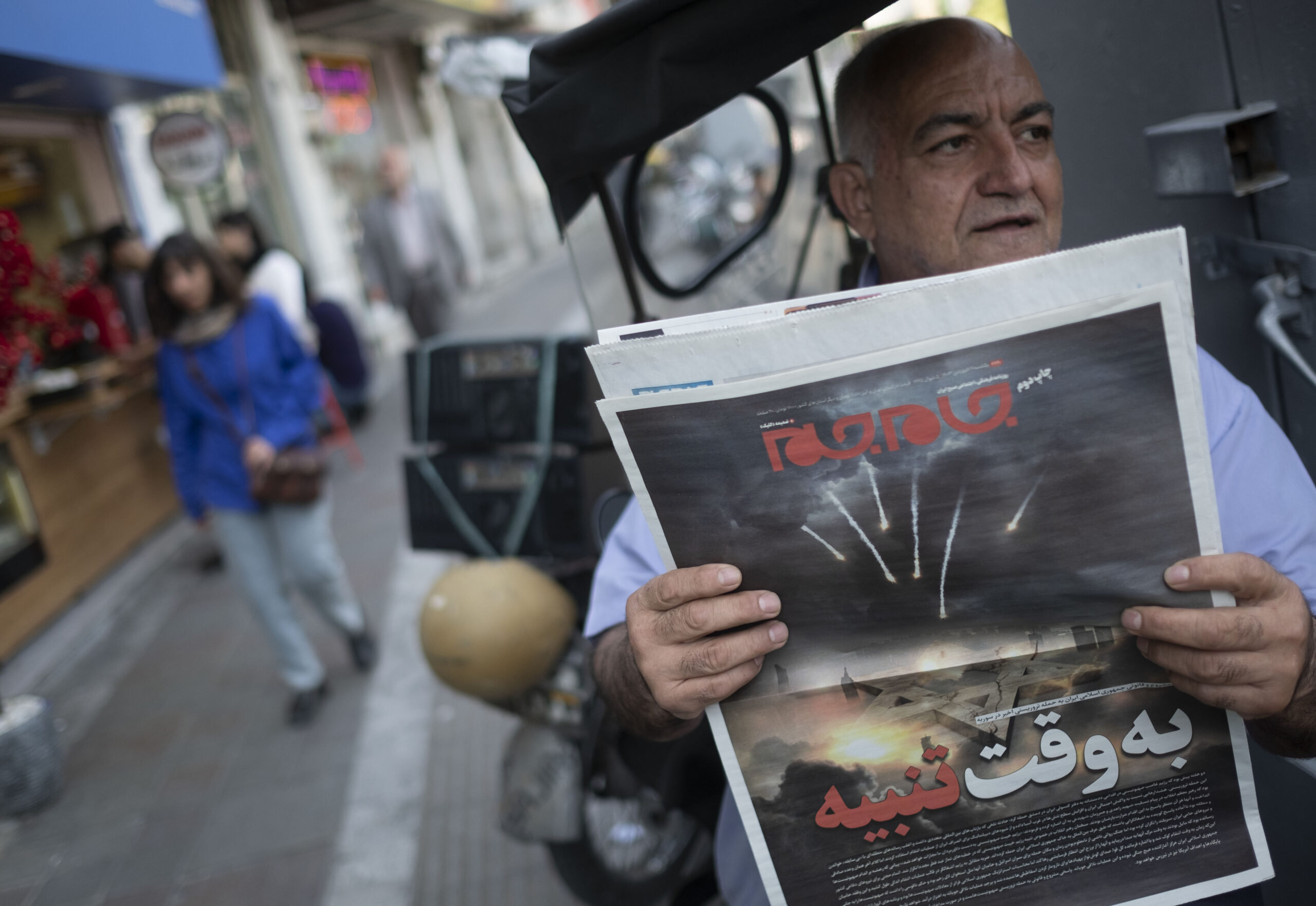
Expert Views: How should we navigate the new rules of the game in the Israel-Iran conflict?
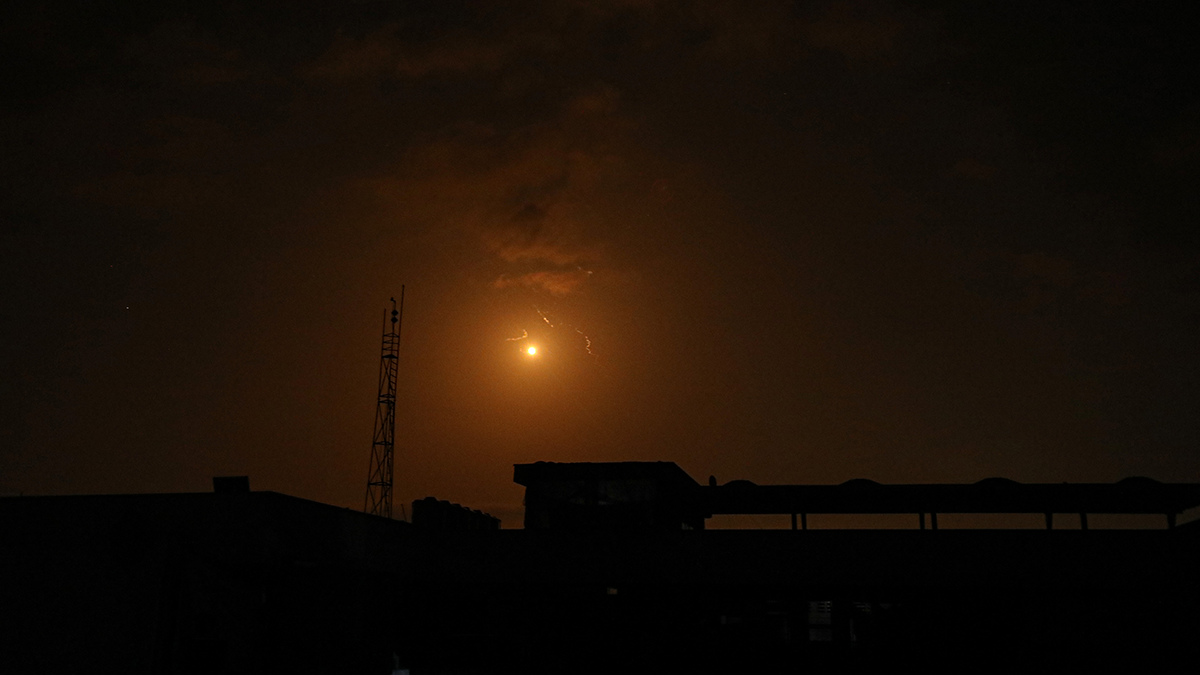
The month of April saw a series of unprecedented escalations in the long-simmering Iranian-Israeli conflict, with both countries launching missile and drone attacks against the other’s territory for the first time in history.
In the wake of these strikes, what will be the impact on the regional security and political environment going forward, what is needed to stabilize the new rules of the game, and how can US diplomacy help to facilitate that process? MEI has asked its experts to weigh in.
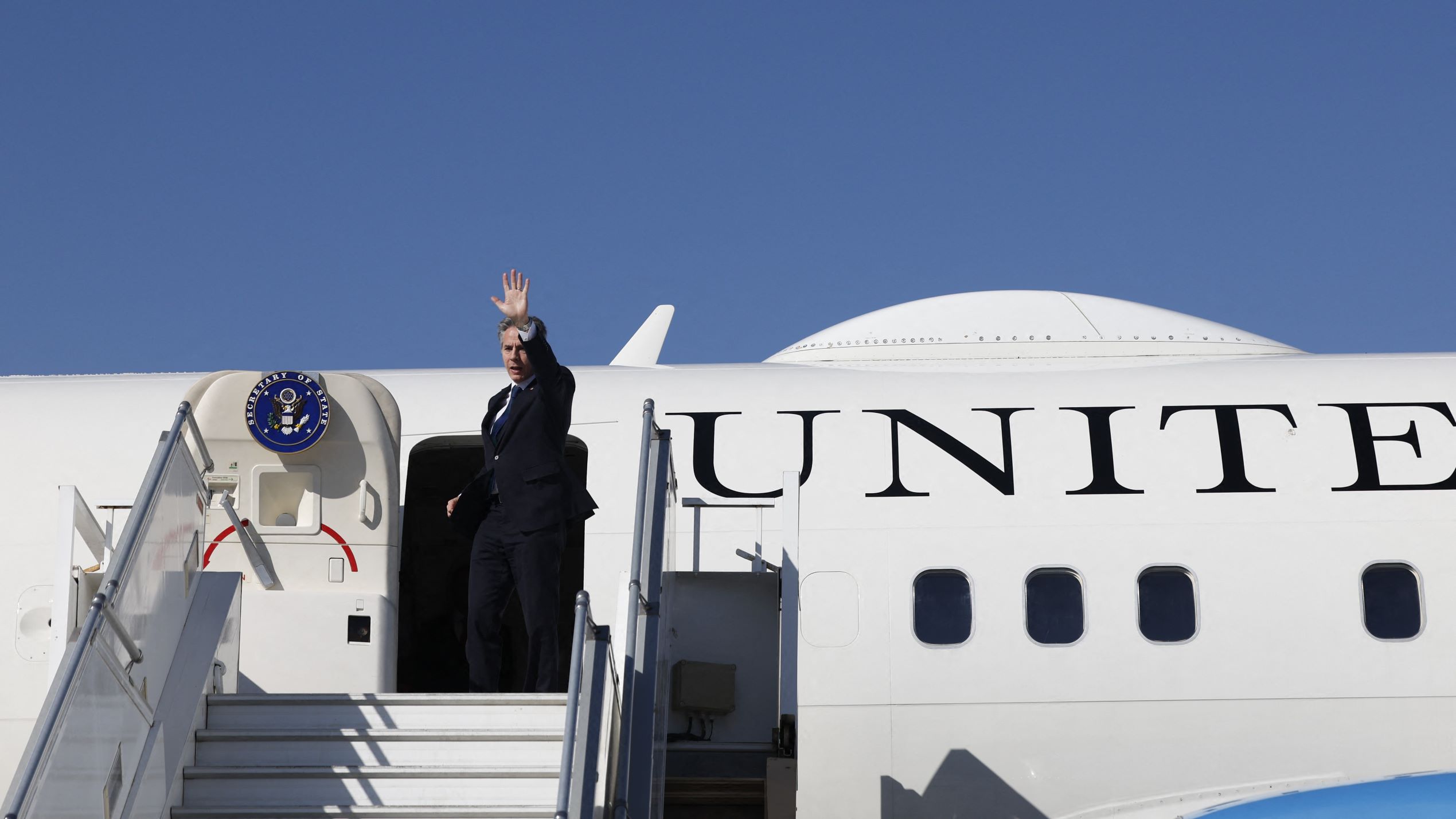
The Biden Administration’s Middle East Policy at a Time of War: An Assessment of US Policy Six Months Into the Israel-Hamas War
The Biden administration set forth five main objectives in reaction to the Oct. 7 Hamas attack against Israel and ensuing war in the Gaza Strip. Six months into the Israel-Hamas war, the Biden administration has not achieved enough progress toward these goals, although it has avoided some of the worst-case scenarios. Success is hampered in part by tensions stemming from the fact that some of the tactics and policy approaches are at odds with each other.
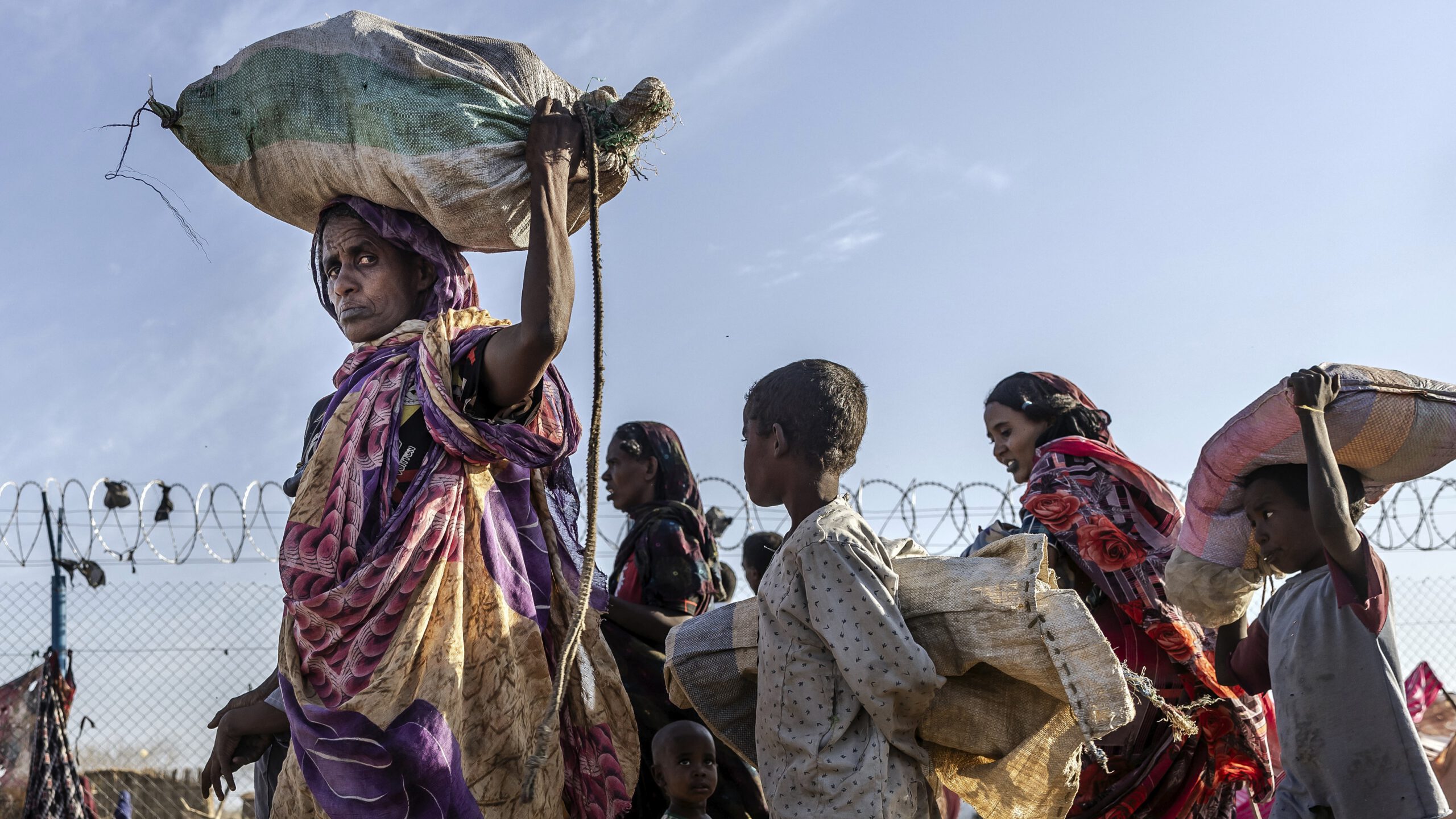
The worst forgotten conflict in the world: Sudan’s civil war one year on
This week marks one year of Sudan’s brutal civil war, when the Sudanese Armed Forces (SAF) and the paramilitary Rapid Support Forces (RSF) started battling in the capital city of Khartoum. Far from silencing their guns, the two sides continue to fight fiercely to devastating effect; and with scant global attention or outcry, the Sudanese war has quickly become the world’s worst forgotten conflict.
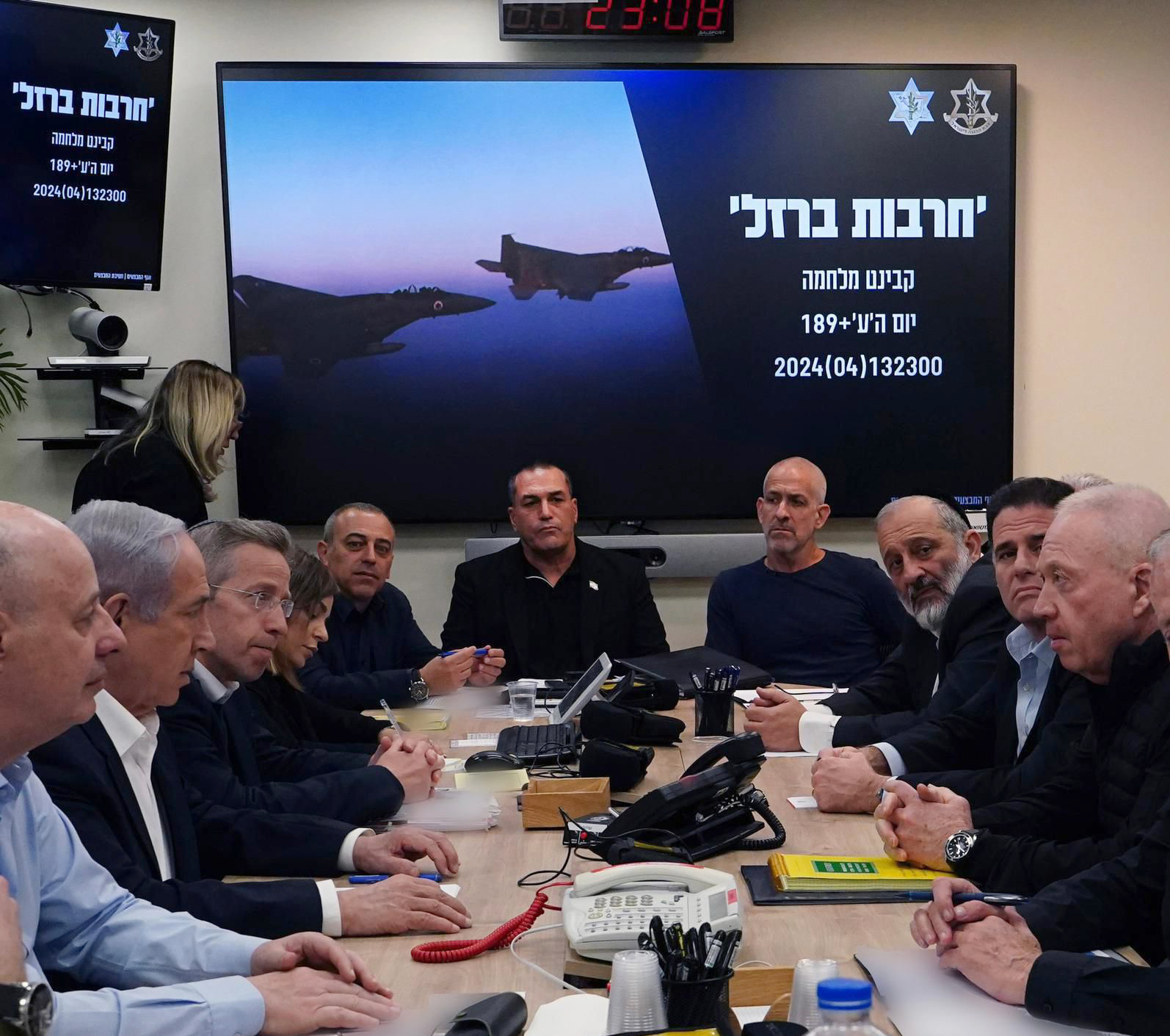
After scoring important points by blocking Iran’s attack, Israel should draw the right lessons from its success
The Iranian strike against Israel was a first of its kind. Its mere occurrence sets a precedent that will have a long-term impact and require Israel to weigh new considerations when planning future military operations against Iranian assets.
Saudi-Houthi Agreement: Four Scenarios and Their Potential Impact
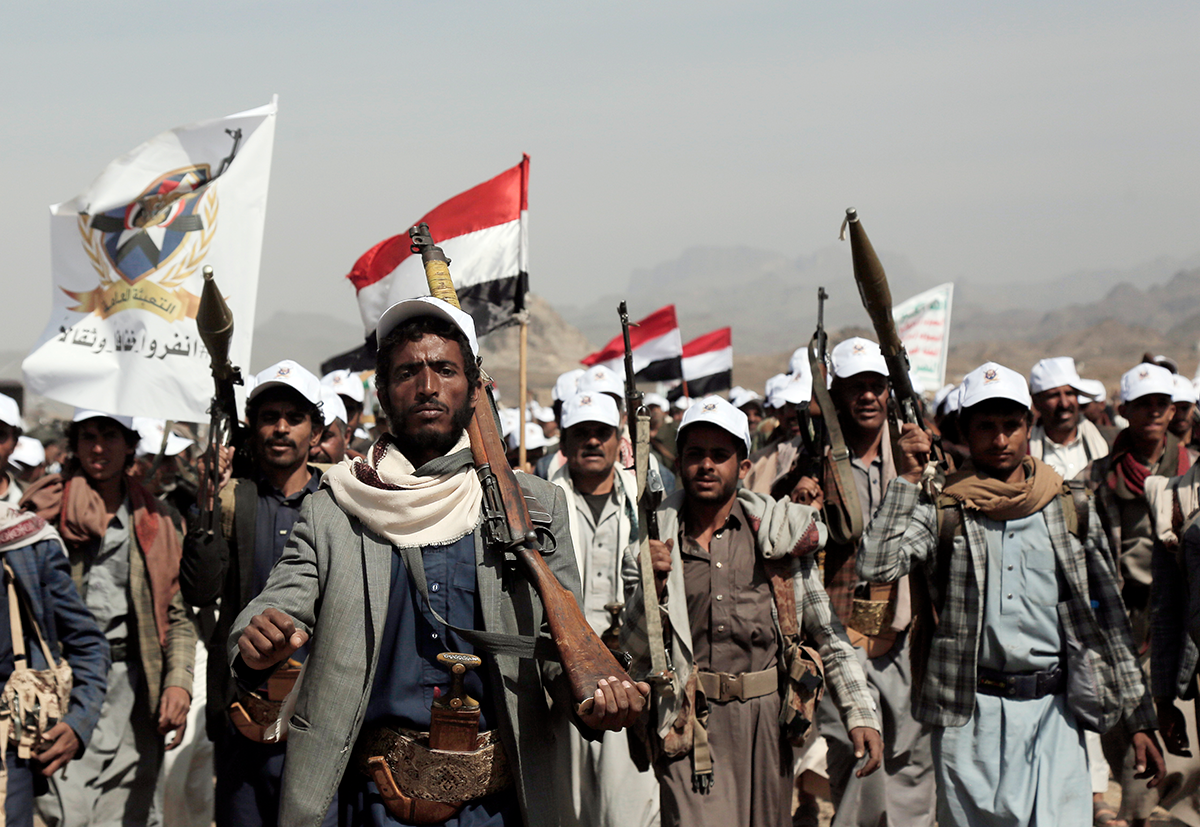
Less than 10 years after seizing power in Yemen, the Iran-backed Houthi militia continues to evolve — and so do the threats emanating from it. After several years of negotiations, it now seems likely that the Houthis and Saudis will reach a peace agreement, and it is worth considering how such a deal could change the group’s trajectory. This report examines a number of possible futures that could develop in Yemen over the next 1-2 years based on shifting capabilities, interests, and alliances.
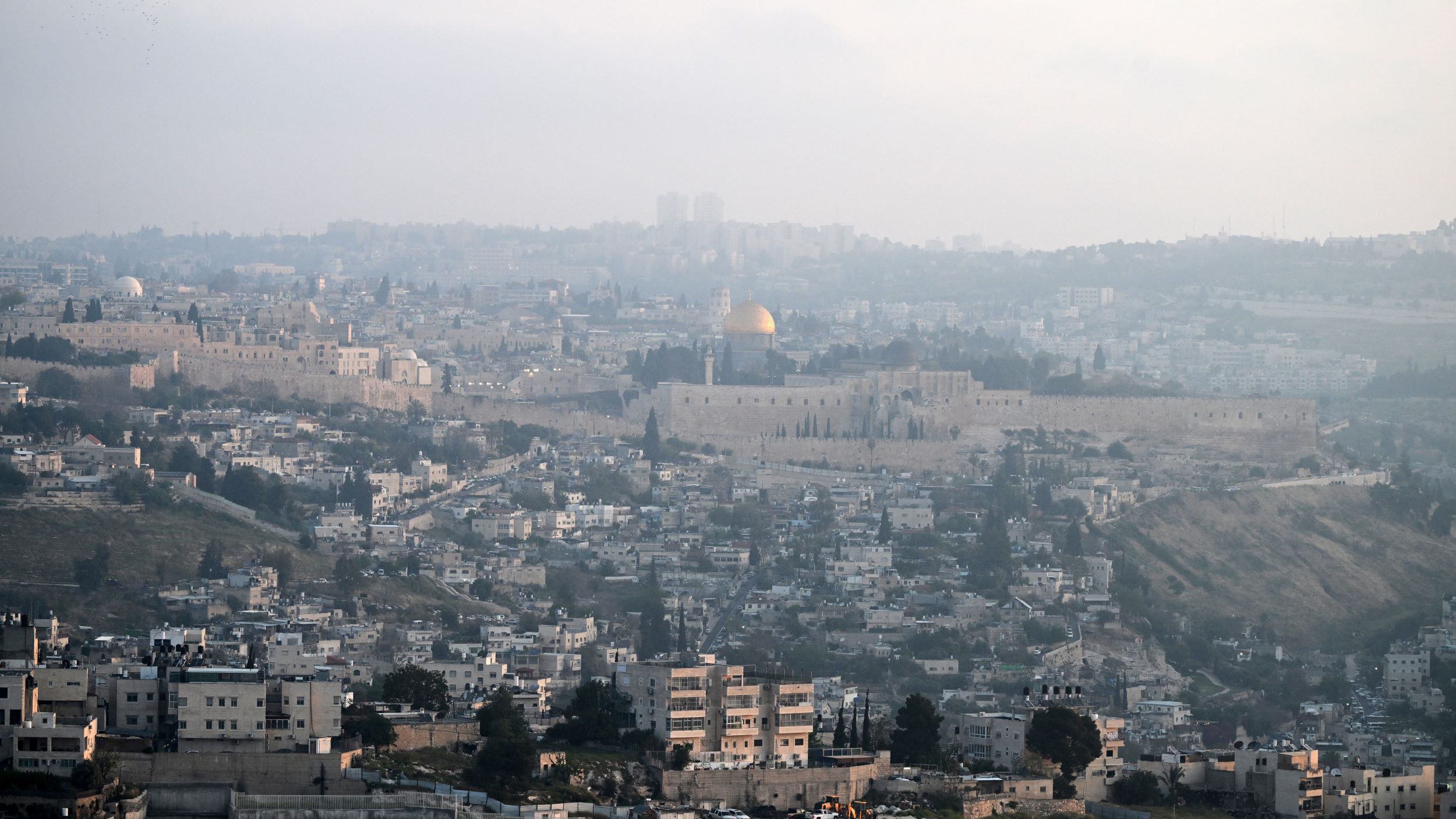
Expert Views: What is needed to end the war in Gaza?
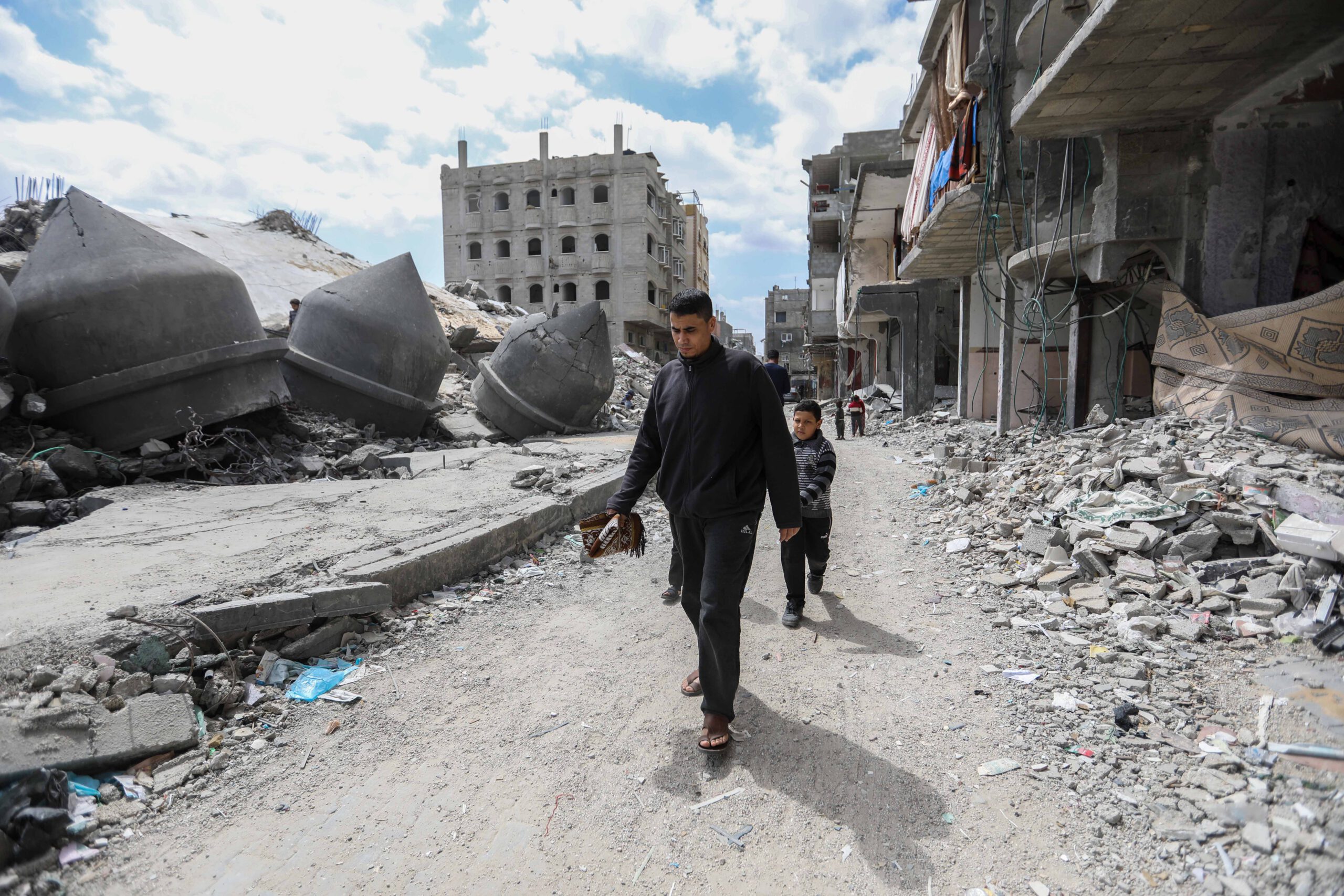
Six months since the October 7 Hamas attacks on Israel and subsequent outbreak of war in Gaza, the deadly and devastating conflict looks no closer to concluding. Is it still possible to achieve a sustainable cessation of hostilities and restart the conflict-resolution process? To get there, what are the incentives and disincentives that could be constructed for the two main combatants, Israel and Hamas?
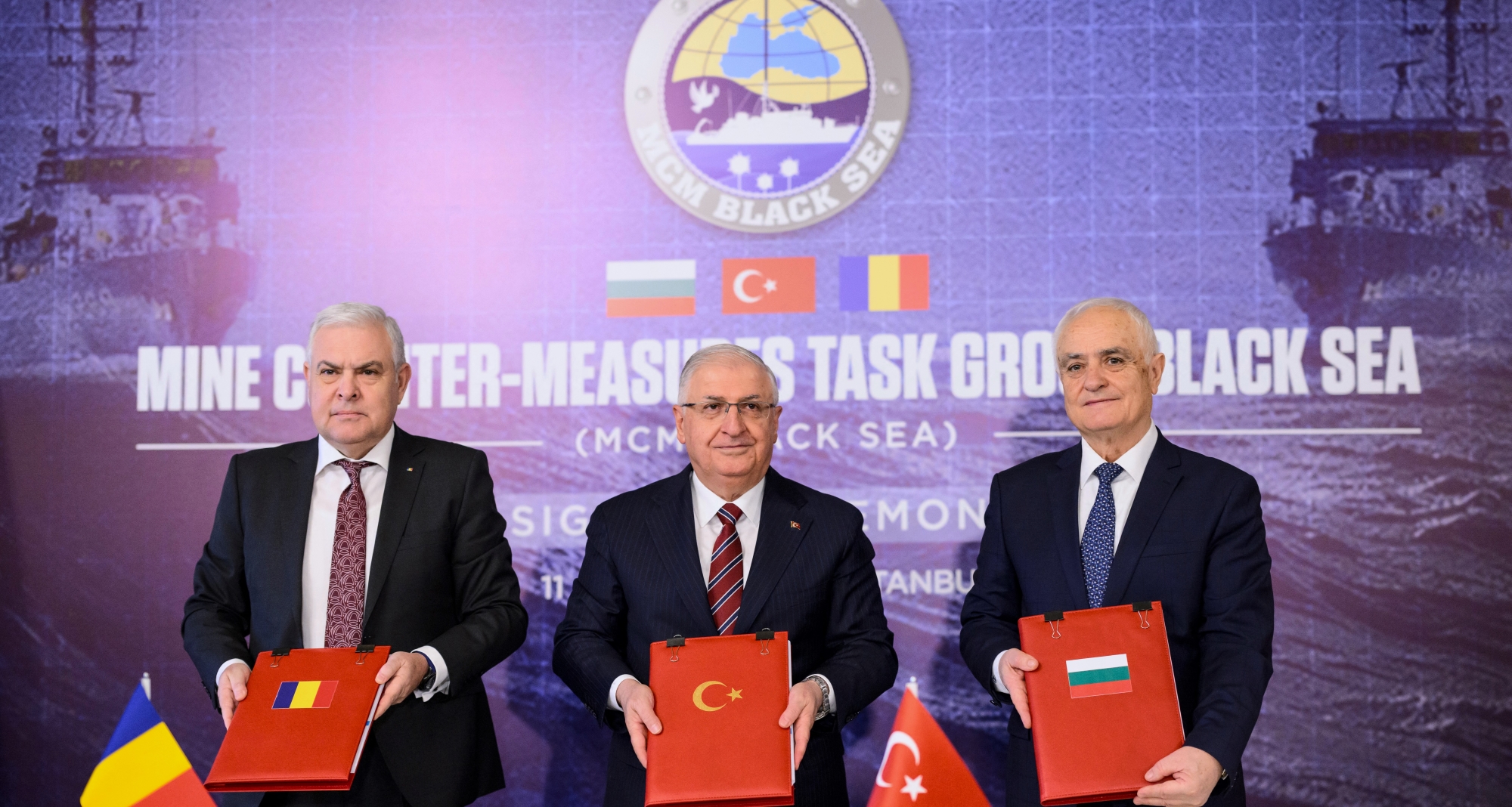
Sweeping the minefield: The case for a NATO Black Sea Fleet
Since the start of Russia’s full-scale invasion of Ukraine, the threat of sea mines to maritime traffic in the region has become exponentially more acute. The Turkish-Romanian-Bulgarian trilateral minesweeping mission is a welcome sign of regional willingness to cooperate in this space and could, with the right incentives and sufficient political will, open the door to the establishment of a NATO Black Sea Fleet.
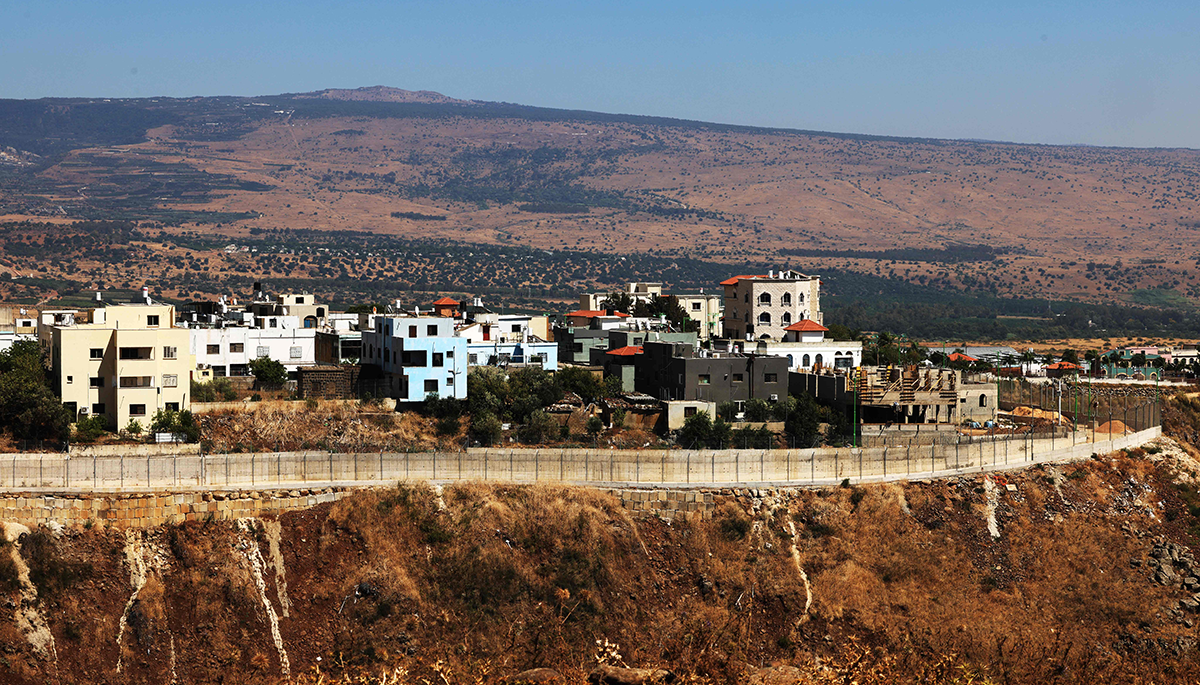
Amid war, resolving Lebanon-Israel territorial disputes unlikely
With Israel and Hezbollah on the brink of war, there have been ongoing diplomatic attempts to defuse tensions along the Israel-Lebanon border. Among the long-standing issues between the two countries are disagreements over their shared boundary. Asher Kaufman takes a closer look at these territorial disputes and how they came about, with a particular focus on the village of Ghajar at the center of the tension.
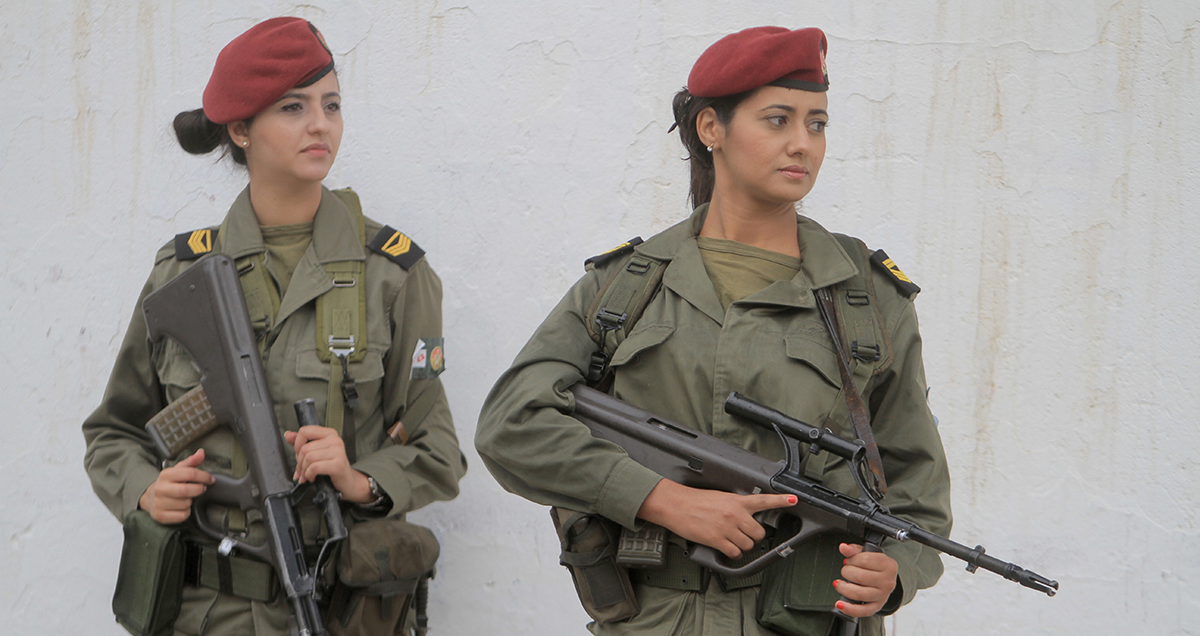
A report card on women’s integration into Arab militaries
A look at what Arab countries have done to implement the year 2000 UN Security Council resolution on women, peace, and security, especially in terms of increasing women’s presence in the armed forces.
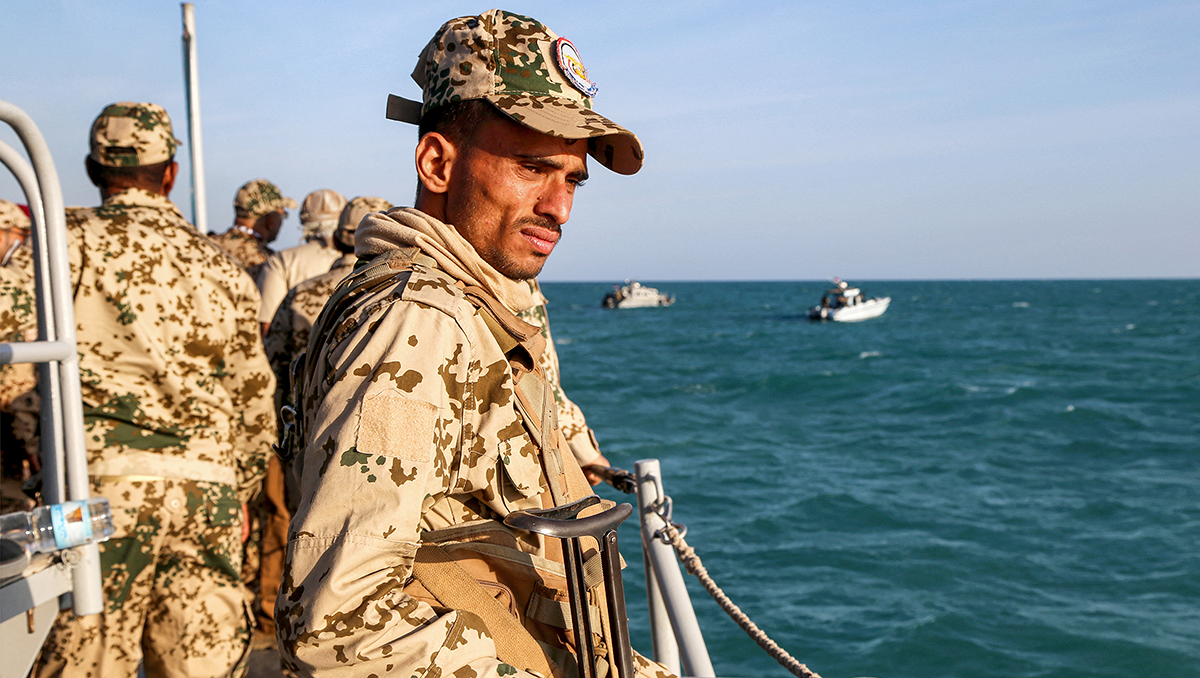
As Western options narrow, Yemen's anti-Houthi forces vie for US military support
In recent weeks, Yemen’s main anti-Houthi leaders have increasingly been sending the same message to the US, urging it to provide support in the fight against the Houthis on the ground. The provision of military assistance is still hypothetical but seems more and more plausible given developments in Yemen, triggered by the Houthis’ continuing attacks on maritime shipping in the Red Sea.
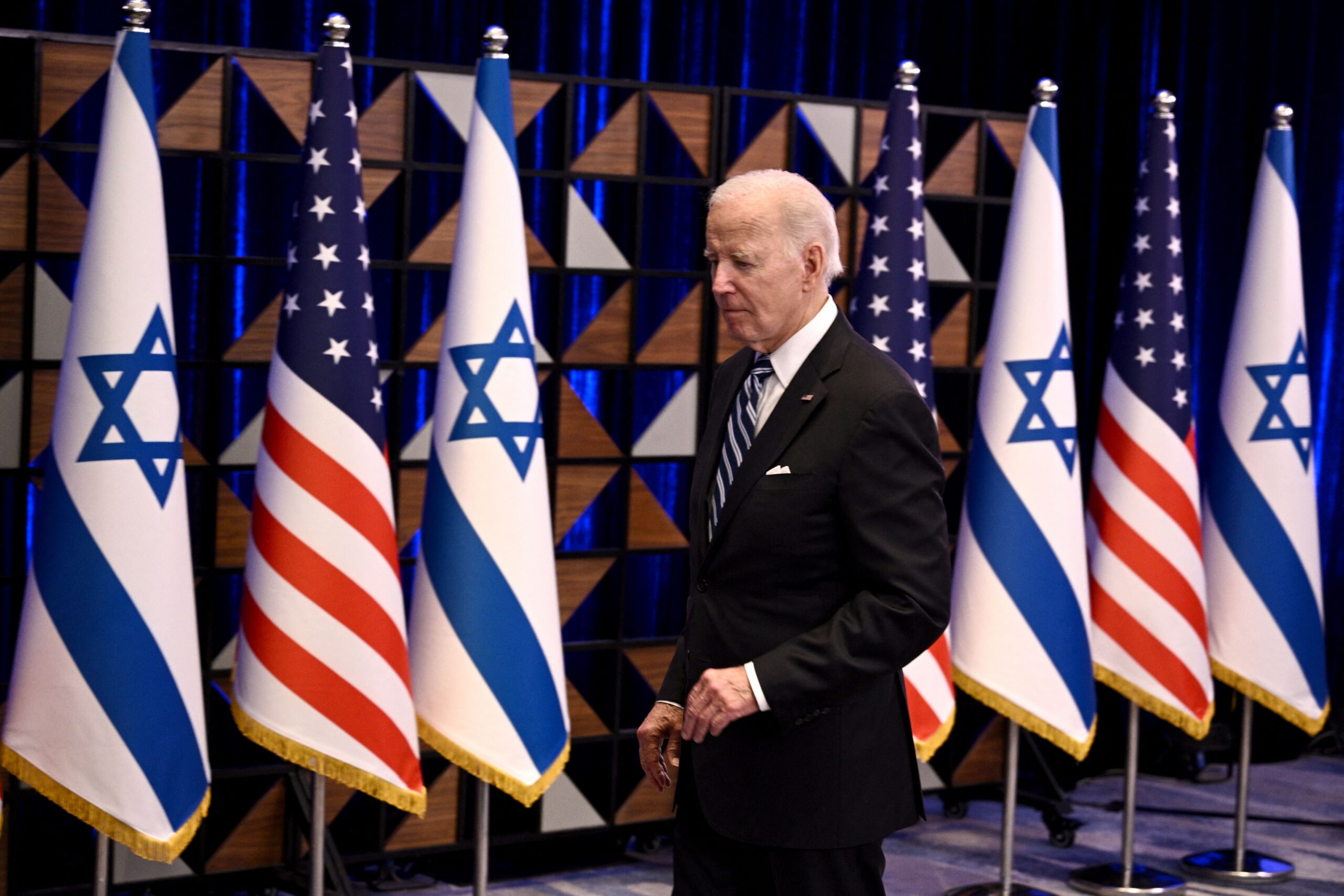
On 13 December 2023, following discussions with Israeli Prime Minister Benjamin Netanyahu on Israel’s military campaign in Gaza, US President Joe Biden rejected congressional calls to stop or condition US military assistance to the Jewish state.
“We’re not going to do a damn thing other than protect Israel in the process. Not a single thing,” he said at the time.
A month earlier, Vice President Kamala Harris said the United States “(was) not going to create any conditions on the support (it) was giving Israel to defend itself.”
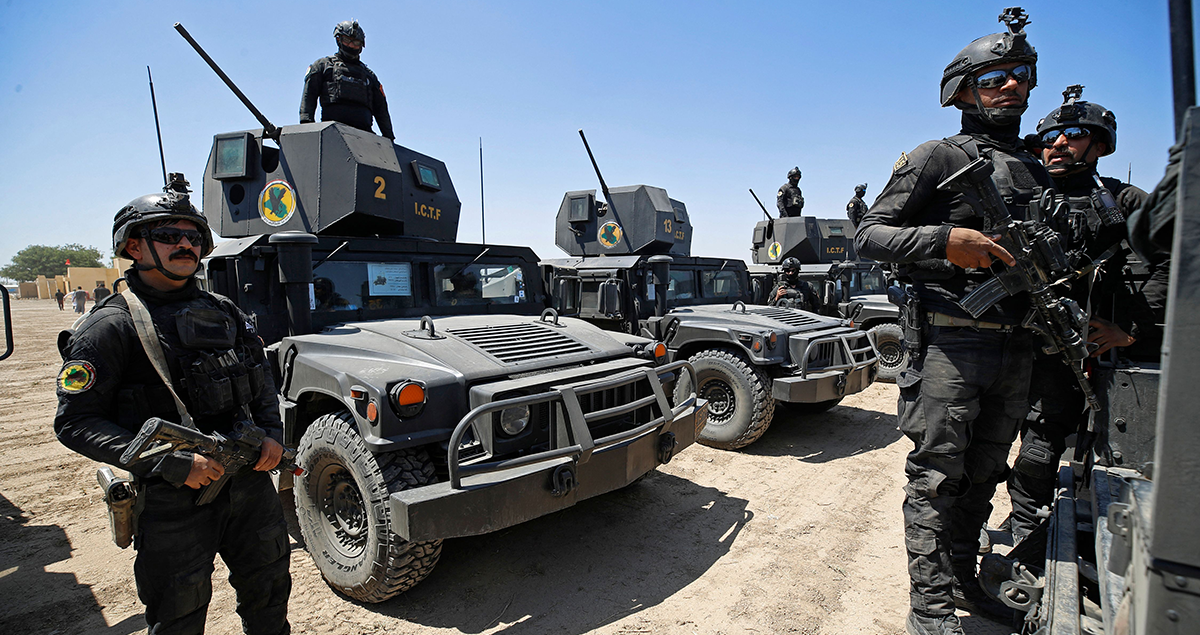
Maintaining the best thing the US built in Iraq: Continued support to the Iraqi Counterterrorism Service
As the US engages in a dialogue with the Iraqi government over the future of the coalition forces combating the Islamic State, Washington must ensure a continued relationship between the US Special Operations Forces and the Iraqi Counterterrorism Service.