Skip to Content

Research & Commentary Results

Filter by
703 Results
After last year’s crisis, Pakistan and Saudi Arabia pursue a reset
Photo by Bandar Algaloud/Saudi Kingdom Council /Handout/Anadolu Agency/Getty Images
  • Analysis
  • After last year’s crisis, Pakistan and Saudi Arabia pursue a reset

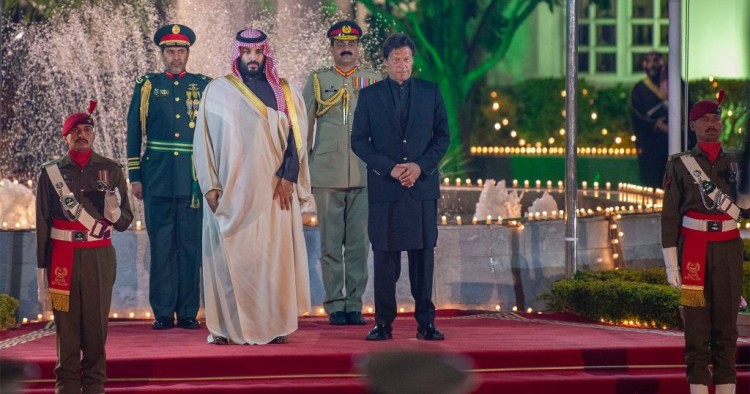
    After last year’s much-publicized spat between Pakistan and Saudi Arabia — culminating with Riyadh’s demand for early repayment of $3 billion in loans meant to shore up Islamabad’s foreign exchange reserves — tensions between the two countries have since cooled. Pakistan and Saudi Arabia appear to be in the midst of a reset of relations.

    March 11, 2021

    Kuwait’s fractious politics undermine much-needed fiscal measures
    Photo by Asad/Xinhua via Getty) (Xinhua/Asad via Getty Images
  • Analysis
  • Kuwait’s fractious politics undermine much-needed fiscal measures

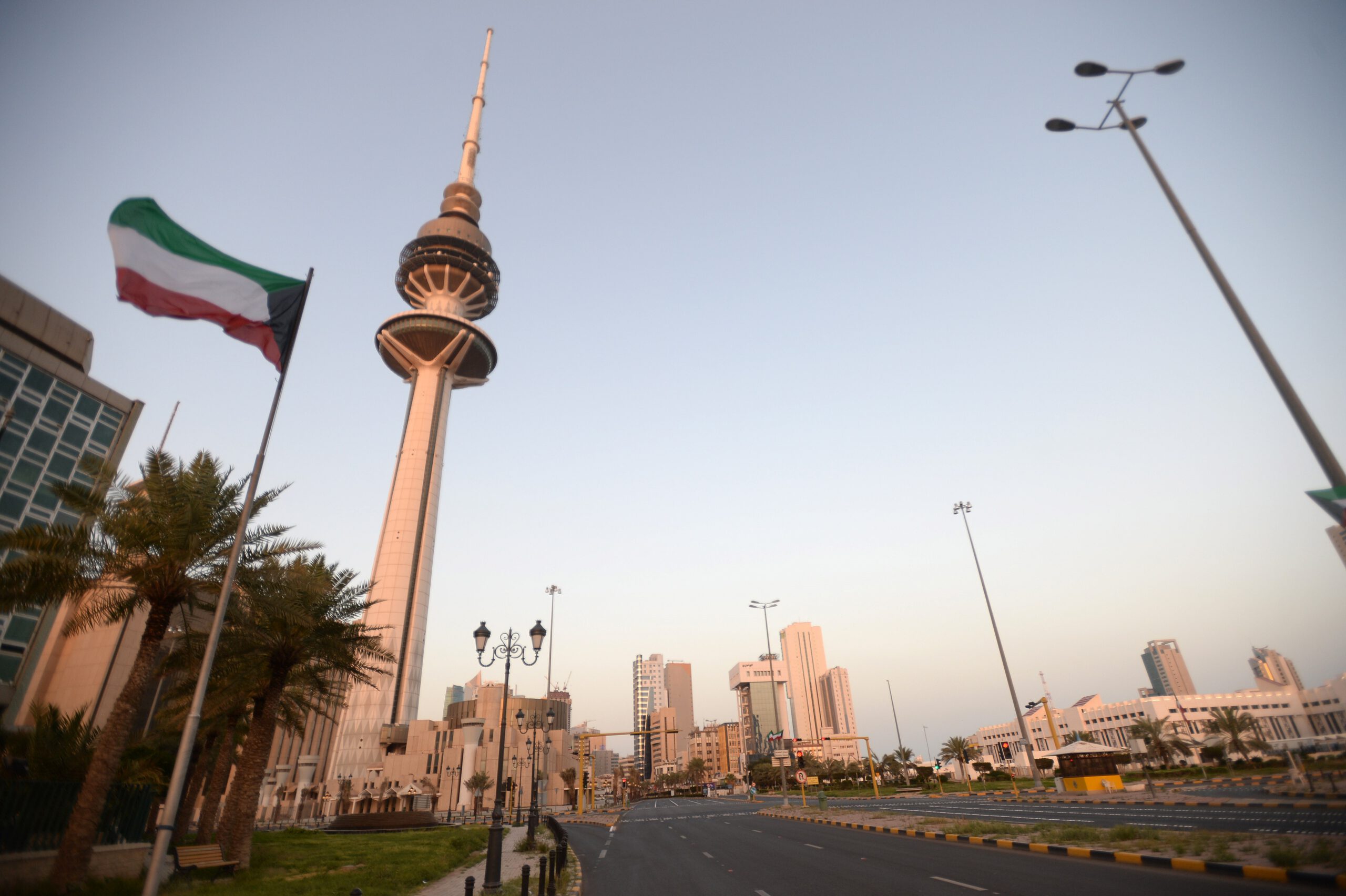
    Kuwait is stuck in a major predicament. The government continues to engage in significant deficit spending, even as its readily available funds dwindle, while political gridlock limits the government’s ability to replace those shrinking financial resources.

    March 11, 2021

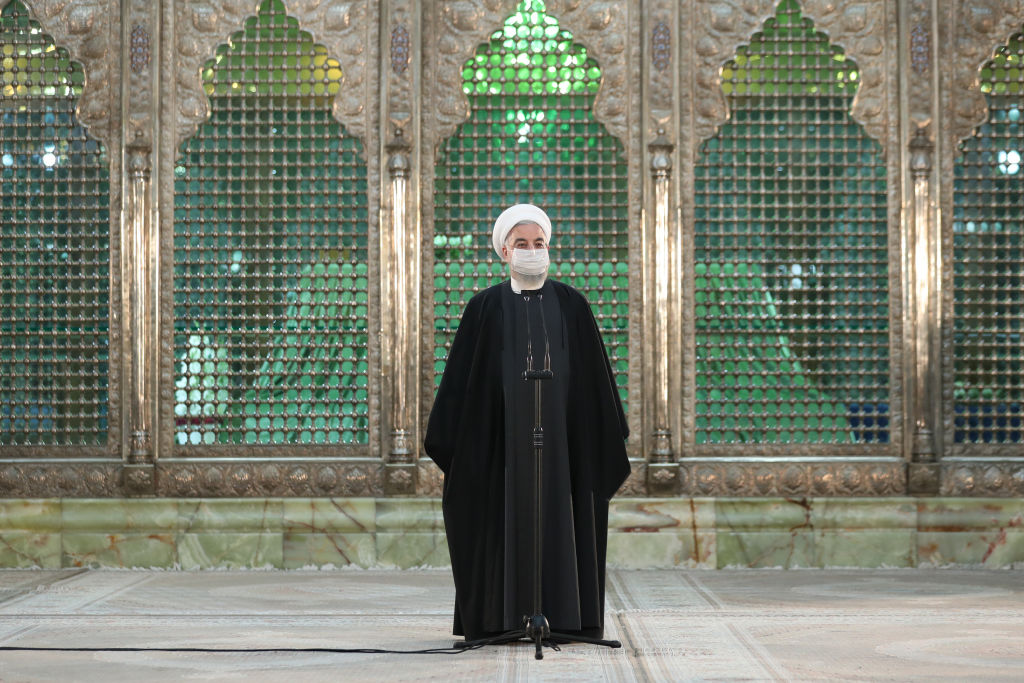
    Iranian and Saudi women: Overcoming comparative suffering?
    Photo by ATTA KENARE/AFP via Getty Images
  • Analysis
  • Iranian and Saudi women: Overcoming comparative suffering?

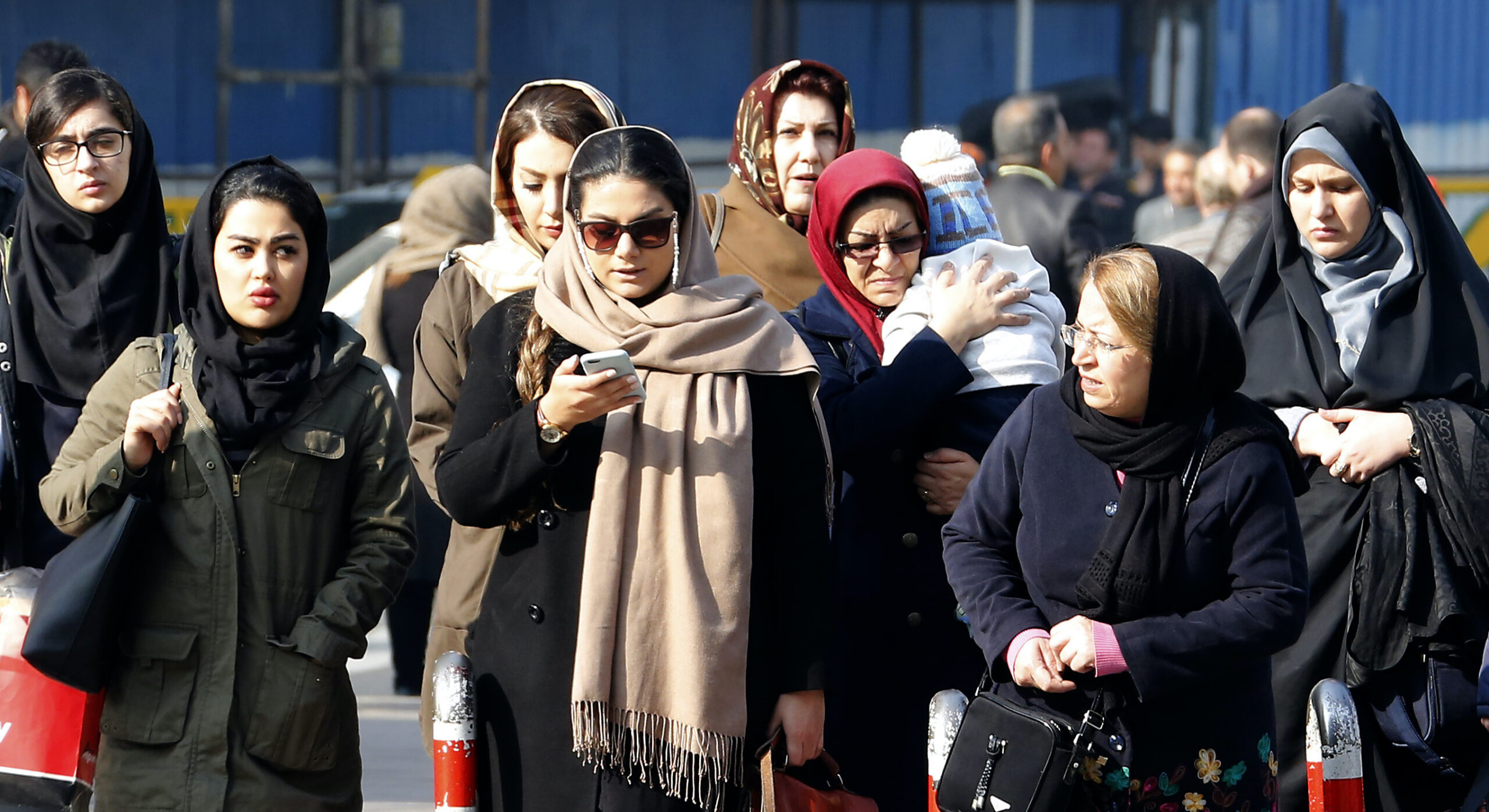
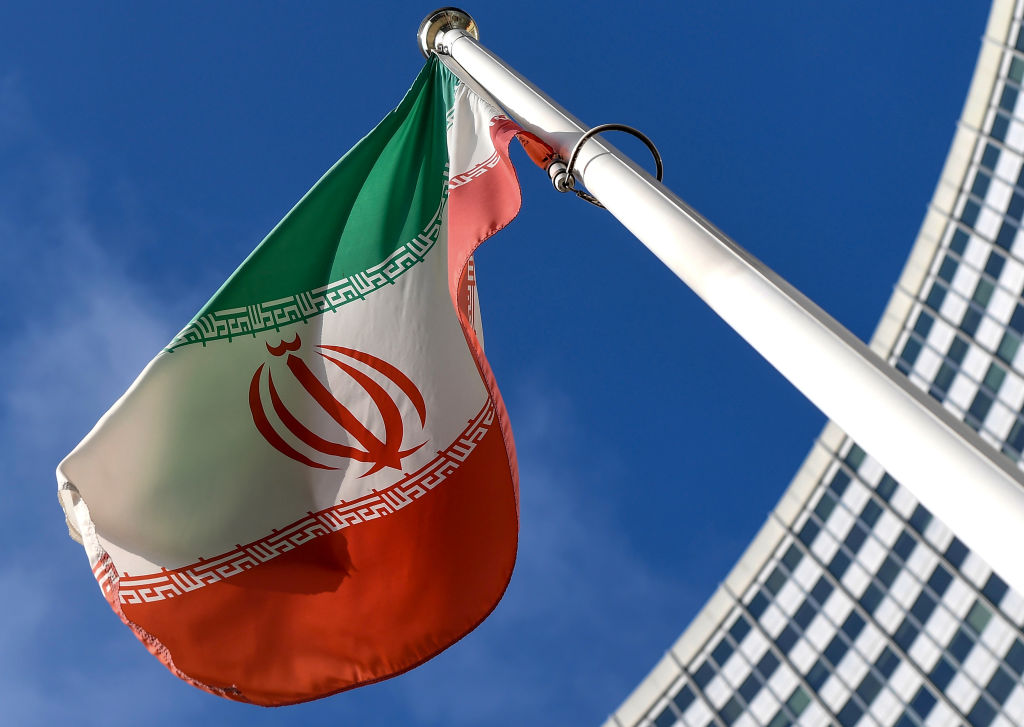
    For many decades, Iran and Saudi Arabia have been bitter rivals, but not over women. If there was a competition, it was only over whose government could impose more limitations on their female population.

    March 8, 2021

    OPEC+ extends production cuts as Riyadh and Moscow find common ground
    Photo by Omar Marques/SOPA Images/LightRocket via Getty Images
  • Analysis
  • OPEC+ extends production cuts as Riyadh and Moscow find common ground

    On March 4, OPEC+ members agreed to maintain their current production cut levels into April, and the Saudi- and Russia-led cartel’s decision further strengthened the upward trajectory of oil prices. While there were differing opinions among the OPEC+ members regarding the state of the global economy, the group’s unanimous decision reflects Riyadh’s current take on the markets, which is that the health of the world’s economy remains fragile as the recovery from the pandemic continues.

    March 8, 2021

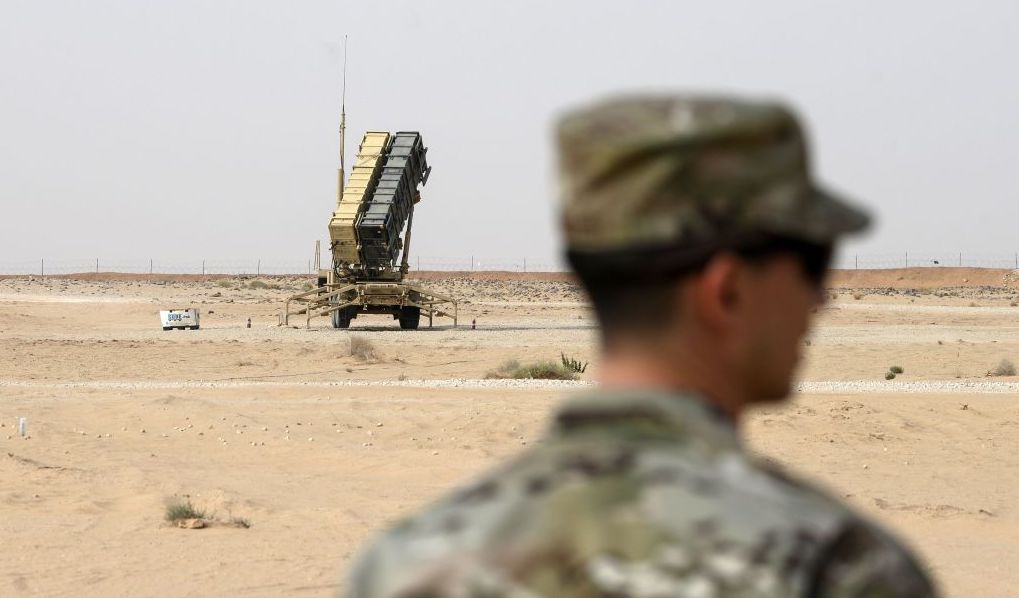
    Geo-technology trends to watch in MENA in the 2020s
    Photo by GIUSEPPE CACACE/AFP via Getty Images
  • Analysis
  • Geo-technology trends to watch in MENA in the 2020s

    Ongoing conflicts in Syria, Libya, and Yemen are expected to continue to destabilize the Middle East and North Africa (MENA) in 2021. However, technology will likely add another layer of complexity to these conflicts and reshape the region throughout the 2020s. When the Arab Spring began a decade ago, the biggest challenge facing long-standing Arab autocrats was grappling with the power of social media and the rise of online political opposition by tech-savvy millennial activists. In the 2020s, however, regional governments are now facing a new set of emerging technologies that will shape not only domestic politics but also regional geopolitical dynamics. These advancing technologies include: drone, cyber, and space technologies.
    Finding common ground: Fostering environmental cooperation in the Persian Gulf
    Photo by Eric Lafforgue/Art in All of Us/Corbis via Getty Images
  • Analysis
  • Finding common ground: Fostering environmental cooperation in the Persian Gulf

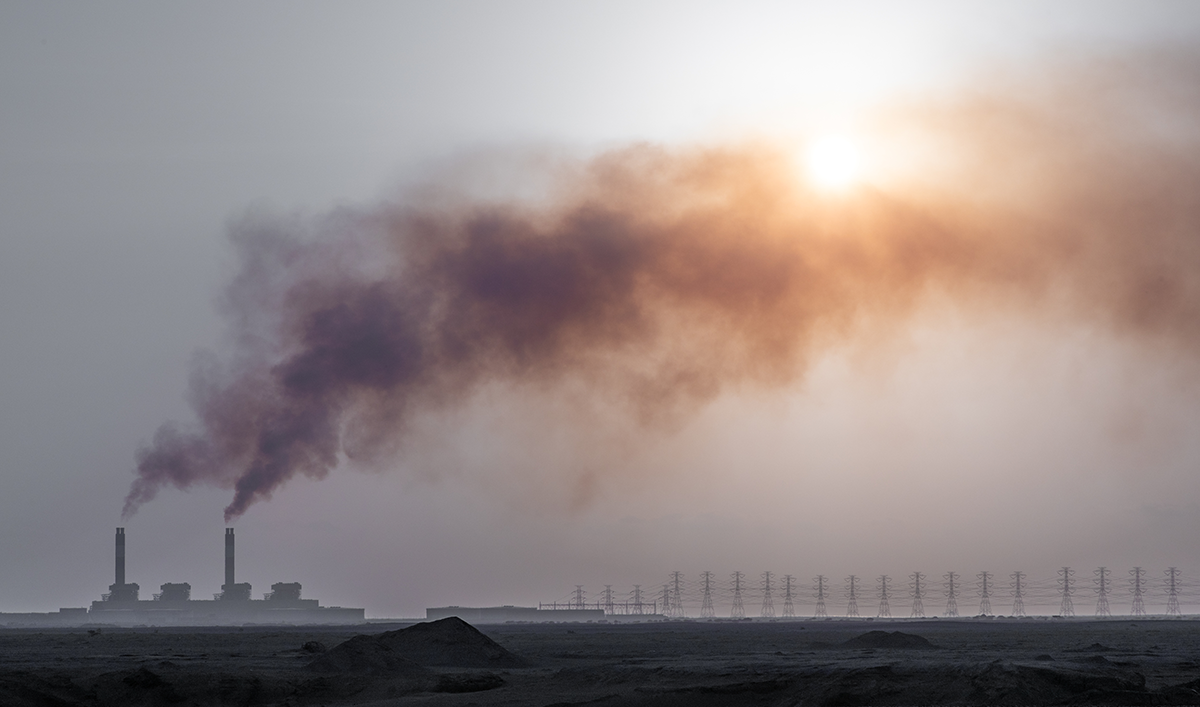
    When it comes to the Persian Gulf, saving the environment might seem like it would be the last item on the to-do lists of the region’s Iranian and Arab rivals. It is an urgent matter, however — and one that could help turn these foes into friends. The United States can play an important role in this: It has helped the region to resolve conflicts over water in the past, and it could do so again.

    February 4, 2021

    Building peace by restricting arms in Yemen
    Photo by ABDULLAH AL-QADRY/AFP via Getty Images
  • Analysis
  • Building peace by restricting arms in Yemen

    As long as weapons transfers to armed non-state actors are not adequately restricted and the monopoly of violence is not exclusively in the hands of the government, it will be impossible to build sustainable peace in Yemen.

    January 25, 2021

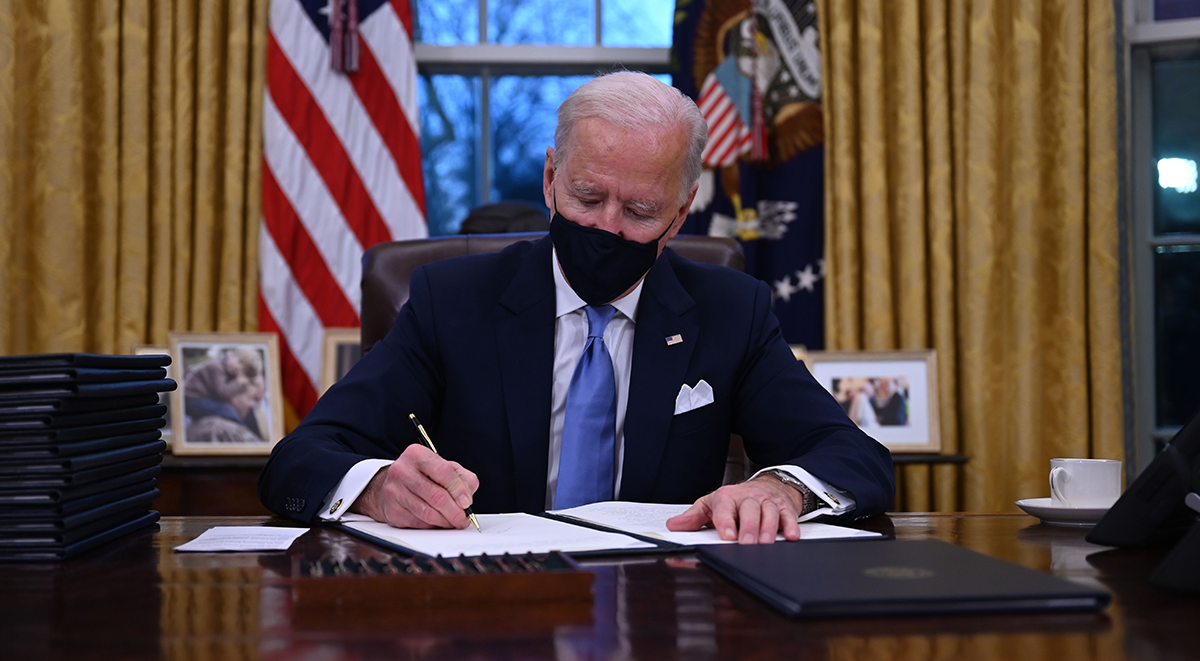
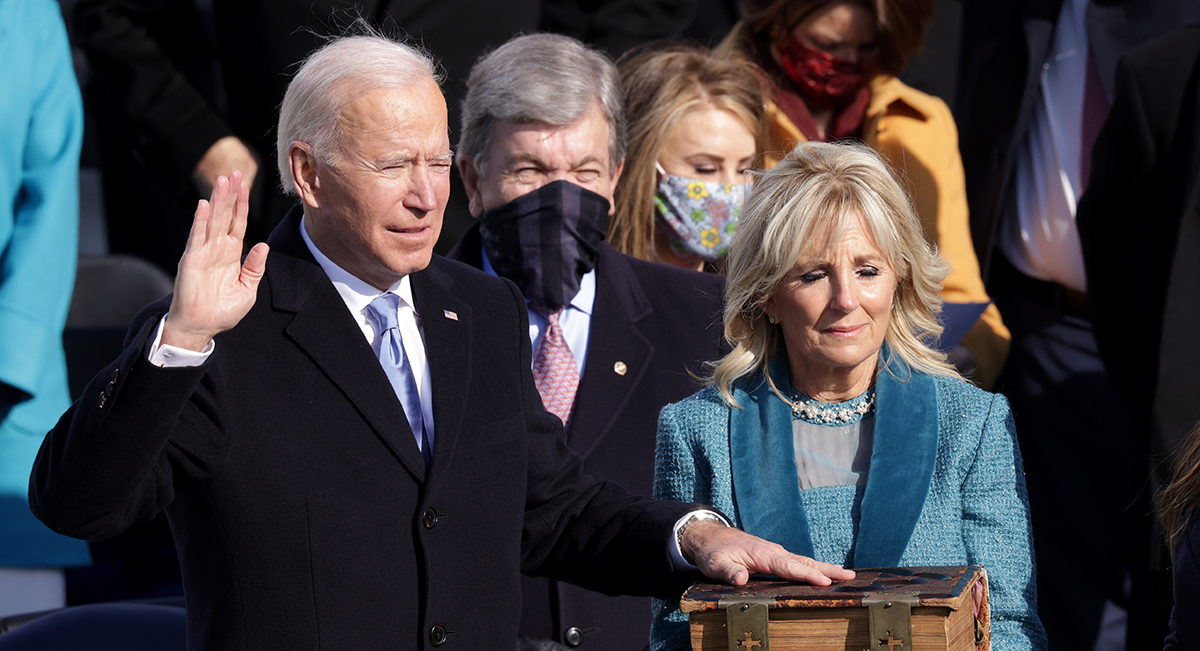
    The Biden administration and the Middle East: Regional perspectives on the first 200 days
    Photo by JIM WATSON/AFP via Getty Images
  • Analysis
  • The Biden administration and the Middle East: Regional perspectives on the first 200 days

    As the Biden administration takes office, it faces a host of challenges, both at home and abroad. Where does the Middle East fit into all of this and what should the new administration prioritize in its first 200 days? In the second part of a two-part series, we asked experts and scholars from across the region to weigh in with their thoughts. 

    January 21, 2021

    A Shift Among the Shi'a: Will a Marj'a Emerge from the Arabian Peninsula?
  • Analysis
  • A Shift Among the Shi'a: Will a Marj'a Emerge from the Arabian Peninsula?

    This paper looks at the political implications of the relationship between Shi’a in the Gulf states and Iranian marj‘as, the historical background to these ties, and Gulf states’ concerns surrounding the outflow to Iran of religious taxes. In some Gulf countries, these issues are tied to concerns about the loyalty of Shi’a to the nation. The authors argue that the emergence of a marj‘a who would be based in one of the Gulf states could quell these concerns.The authors identify potential marj‘as from the region and steps that Gulf states must take so that their Shi’a citizens will shift their allegiance from foreign-based marj‘as to domestically based ones.

    January 12, 2021