Integrated Air and Missile Defense Will Enhance Security in the Middle East
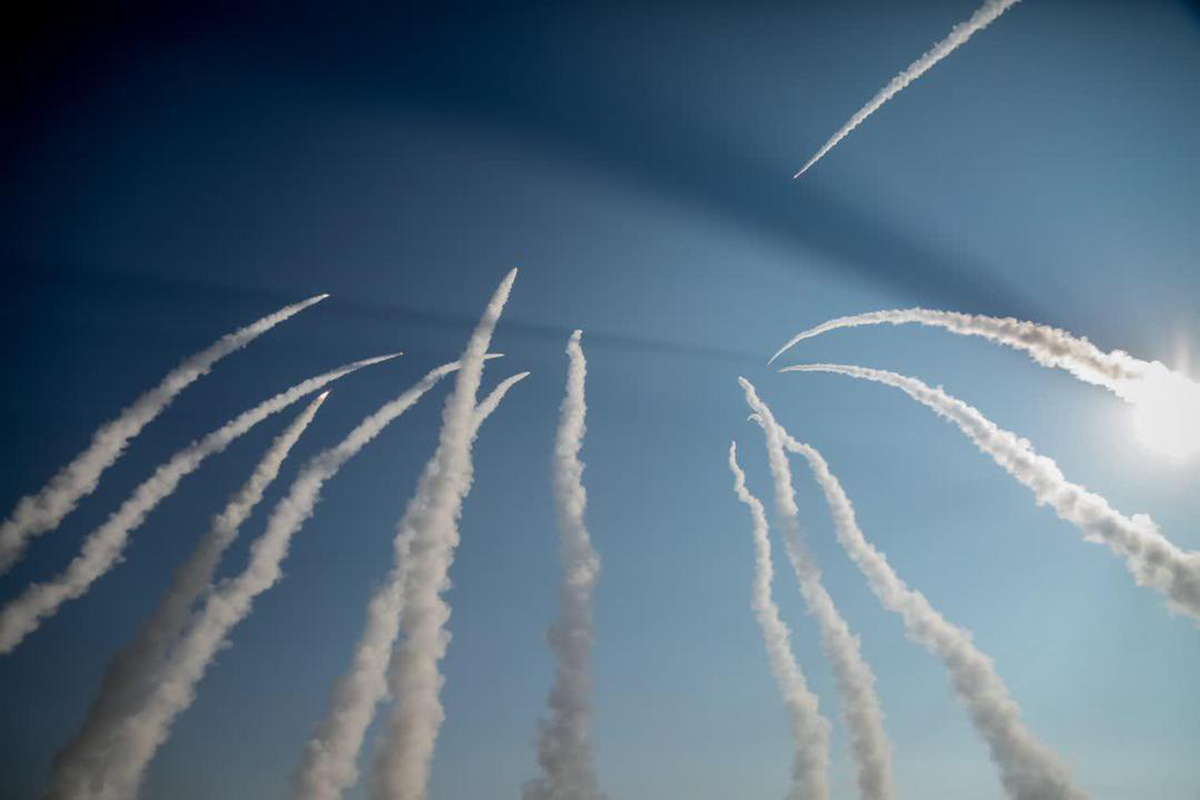
Integrated air and missile defense will make America’s partners in the Persian Gulf safer and bolster America’s policy against Iran. It’s past time to make IAMD a priority.
A storm brews over the Black Sea: Turkey’s contradictory maritime policy
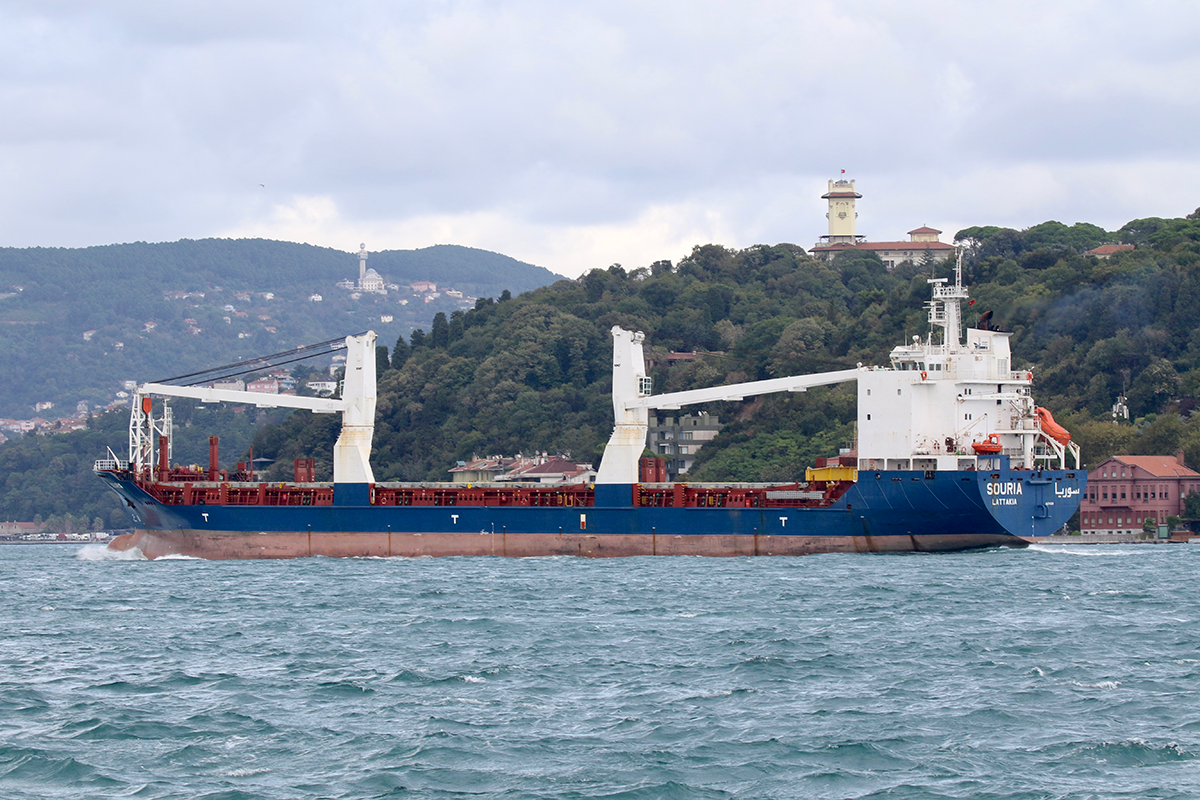
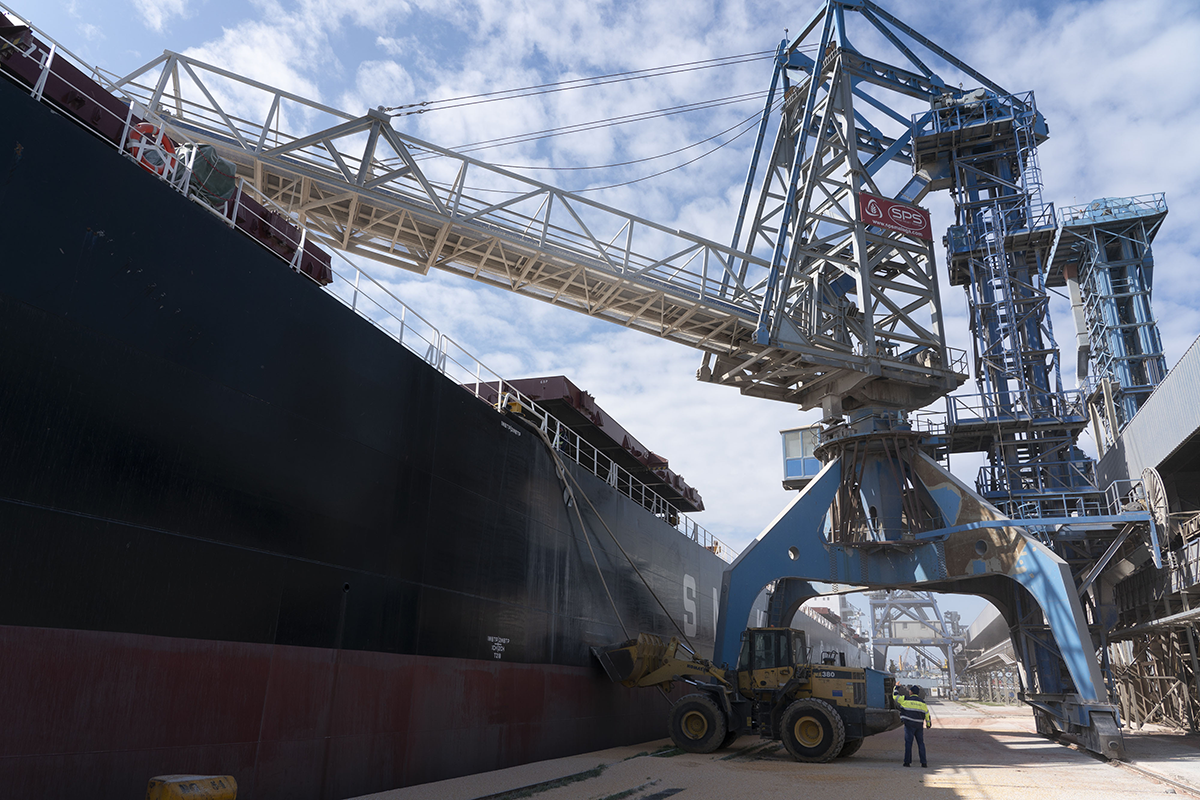
Turkey’s official policy supports the territorial integrity of Ukraine and Georgia, and it sells UAVs and ships to Ukraine. Yet, trade continues with the Russian-occupied territories of Abkhazia and Crimea. By allowing this illegal trade, Turkey undermines both its own credibility and its trading partners’ security. Shipped goods not only help connect occupied zones to Russia, but trade also brings hard currency into these zones, which are outside the international banking system.
Turkey finally ratified the Paris Agreement. Why now?
Turkey, like many countries worldwide, has recently faced severe environmental events. Suffering from floods and the worst wildfires in its history in the summer of 2021, the country finally took an important step to tackle climate change, ratifying the Paris Agreement international treaty on climate change on Oct. 6, 2021.
لقاء بايدن في البيت الأبيض مع البطريرك المسكوني يوفر فرصة فريدة
سيزور برثلماوس الأول، البطريرك المسكوني للقسطنطينية والزعيم الروحي لما يقرب من 300 مليون مسيحي أرثوذكسي على مستوى العالم، الولايات المتحدة بين 23 أكتوبر/تشرين الأول و3 نوفمبر/تشرين الثاني. وسيعلن بدء الاحتفال بالذكرى المئوية لتأسيس أبرشية الروم الأرثوذكس بأمريكا في زيارته الأولى للولايات المتحدة الأمريكية منذ 12 عامًا. ستكون المحطة الأولى للبطريرك المسكوني هي واشنطن العاصمة، حيث من المقرر أن يلتقي بالرئيس جو بايدن في البيت الأبيض.
Far from a benefactor, the Turkish government is exploiting Somalia’s fragility
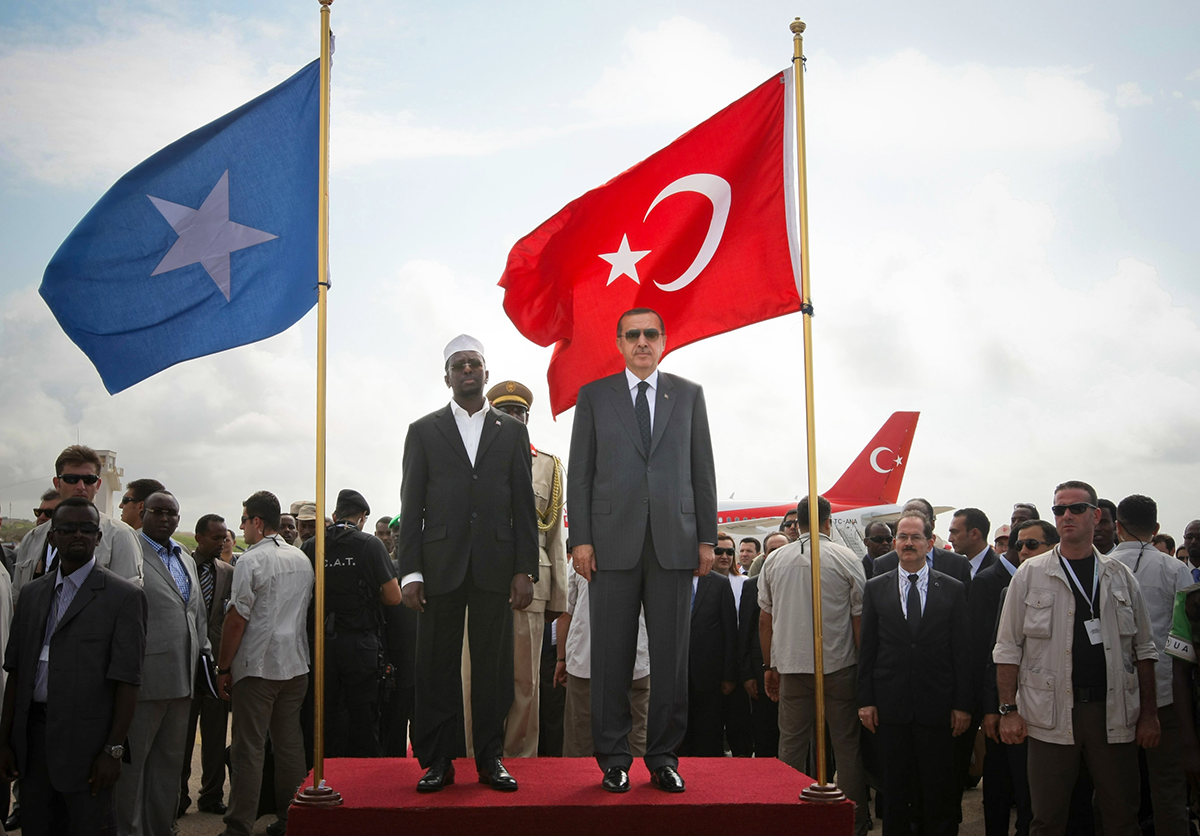
A decade has passed since Turkish President Recep Tayyip Erdoğan landed in Mogadishu at the height of one of Somalia’s worst famines, announcing grandiose projects like the launch of Turkish Airlines flights to the Somali capital, the remodeling of a hospital, and the opening of the biggest embassy in Africa, all designed to show that Turkey’s mission goes well beyond aid and that Ankara is an alternative to Somalia’s traditional donors. Erdoğan’s historic visit earned him high praise throughout Somalia. Although his trip appeared to be a heartfelt humanitarian mission, in reality it was part of a long-term, strategically planned effort. A decade on, Somalis are starting to realize that Turkey has evolved from friend to foe, trade partner to trade protectionist, state builder to outright spoiler.
Biden’s White House meeting with the Ecumenical Patriarch offers a unique opportunity
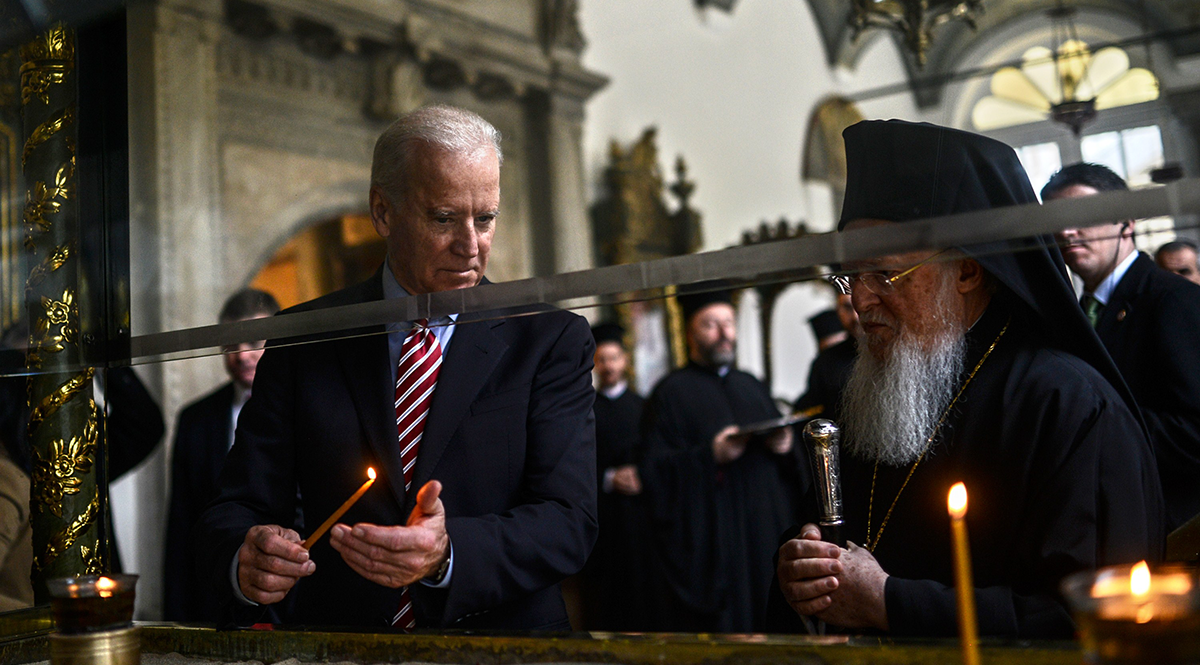
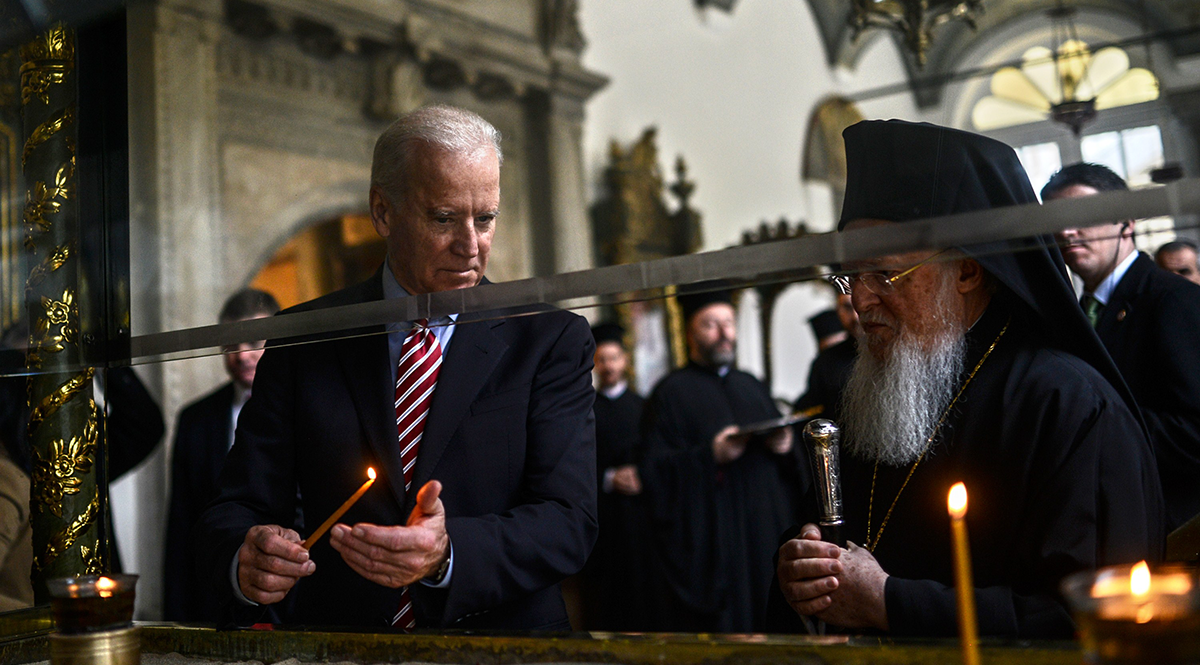
Bartholomew I, the Ecumenical Patriarch of Constantinople and spiritual leader of nearly 300 million Orthodox Christians globally, will visit the United States between Oct. 23 and Nov. 3. He will inaugurate the centennial celebration of the founding of the Greek-Orthodox Archdiocese of America in his first U.S. visit in 12 years. The Ecumenical Patriarch’s first stop will be Washington, DC, where he is due to meet with President Joe Biden at the White House. This in-person meeting provides the Biden administration a unique opportunity not only to raise human rights and religious freedom issues in Turkey but also to push back against Russian attempts to undermine the Ecumenical Patriarchate, which the Kremlin sees as a threat and targets with disinformation campaigns.
The perils of personalizing power: Erdoğan’s one-man rule has made him increasingly vulnerable
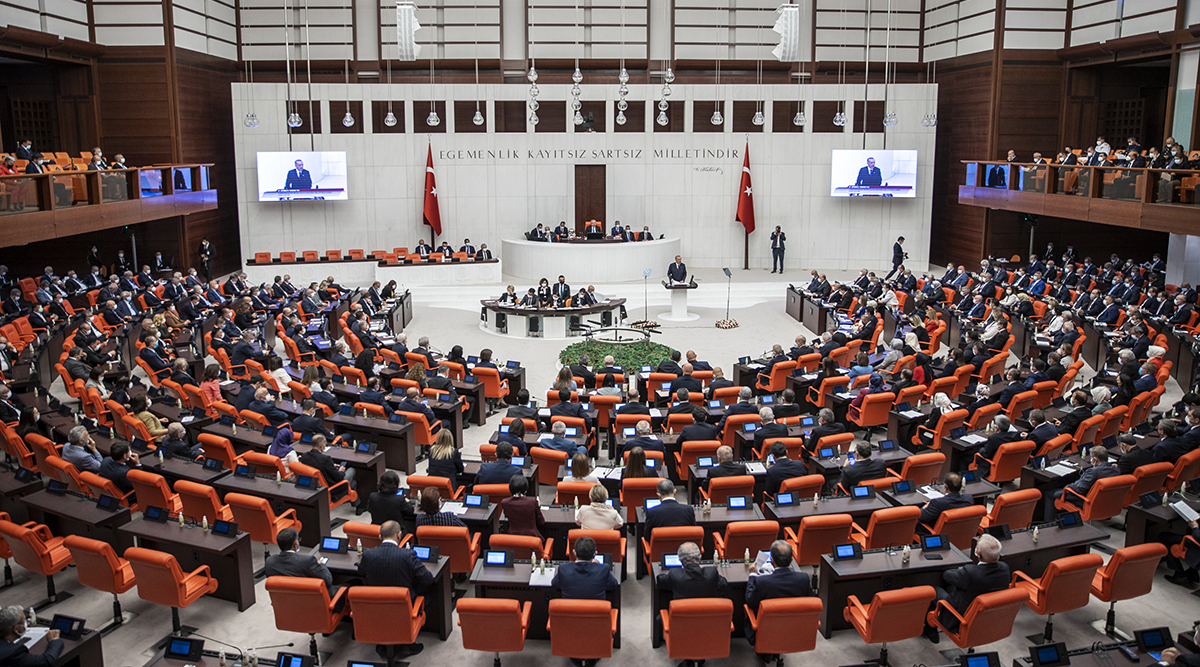
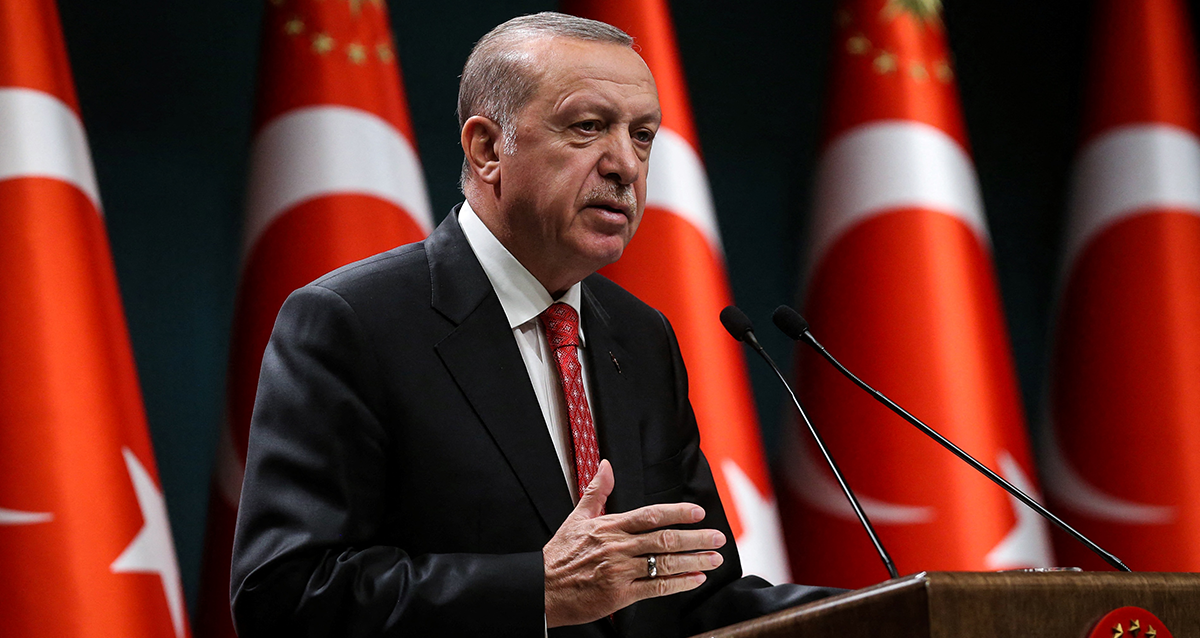
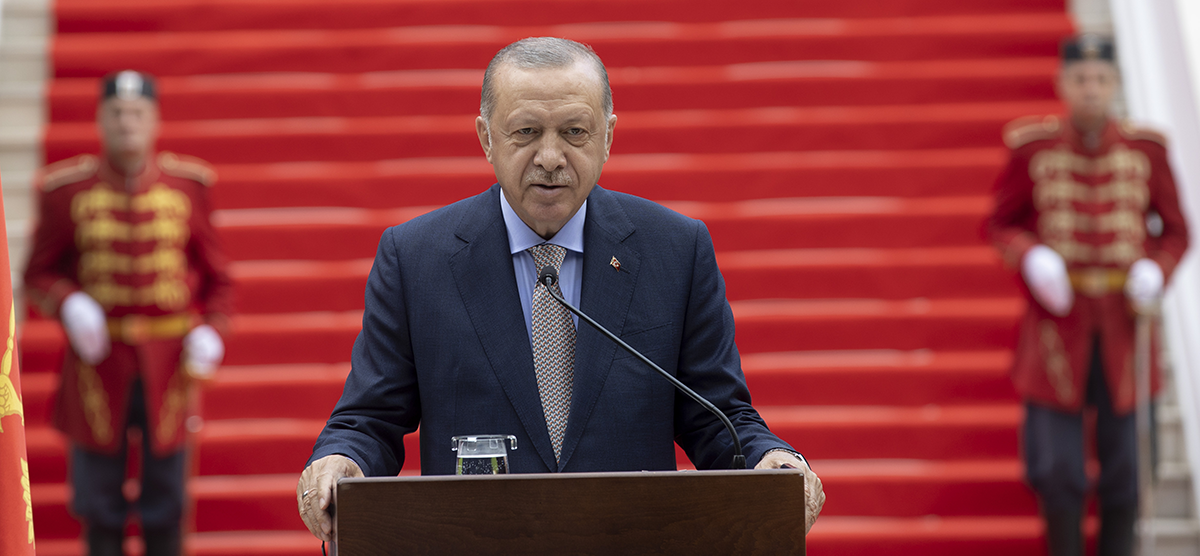
Turkish President Recep Tayyip Erdoğan long believed that establishing one-man rule would end all his headaches. Instead, the system he created has only caused him more trouble. So great is Erdoğan’s remorse that he is now said to be thinking of amending the executive presidency to strengthen the role of parliament.
Cyclone Shaheen: A reminder of the Arabian Peninsula’s vulnerability to extreme weather events
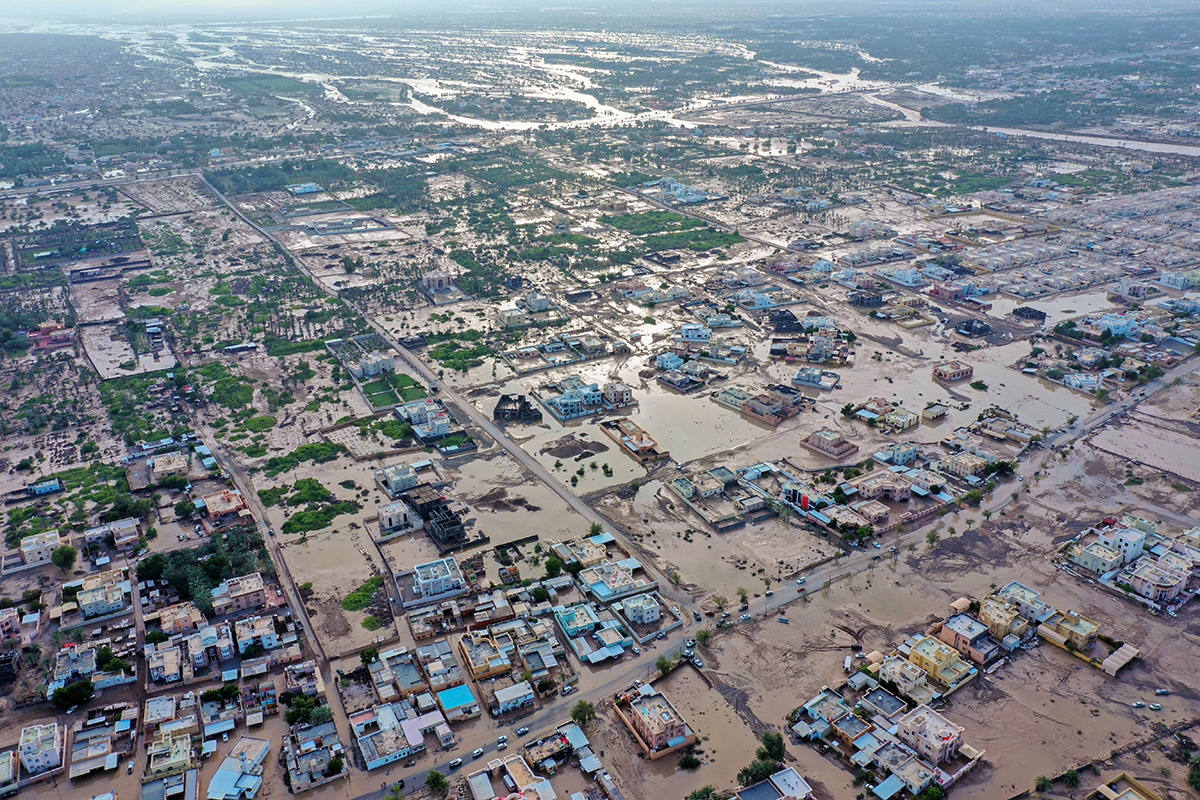
On Oct. 3 Cyclone Shaheen made landfall in Oman, near Muscat, after traveling through the Gulf of Oman from the Arabian Sea. According to the India Meteorological Department, which monitors and tracks the formation of cyclones in the North Indian Ocean, Cyclone Shaheen was categorized as a severe cyclonic storm when it made landfall with sustained winds of 70 miles per hour. Its arrival brought on heavy rainfall and excessive flooding in the many valleys that are a natural part of Oman’s topography. The high winds of the cyclone generated massive storm surges along the coast and caused serious damage to infrastructure and homes, displacing many.
What’s driving Turkey’s early easing of monetary policy?
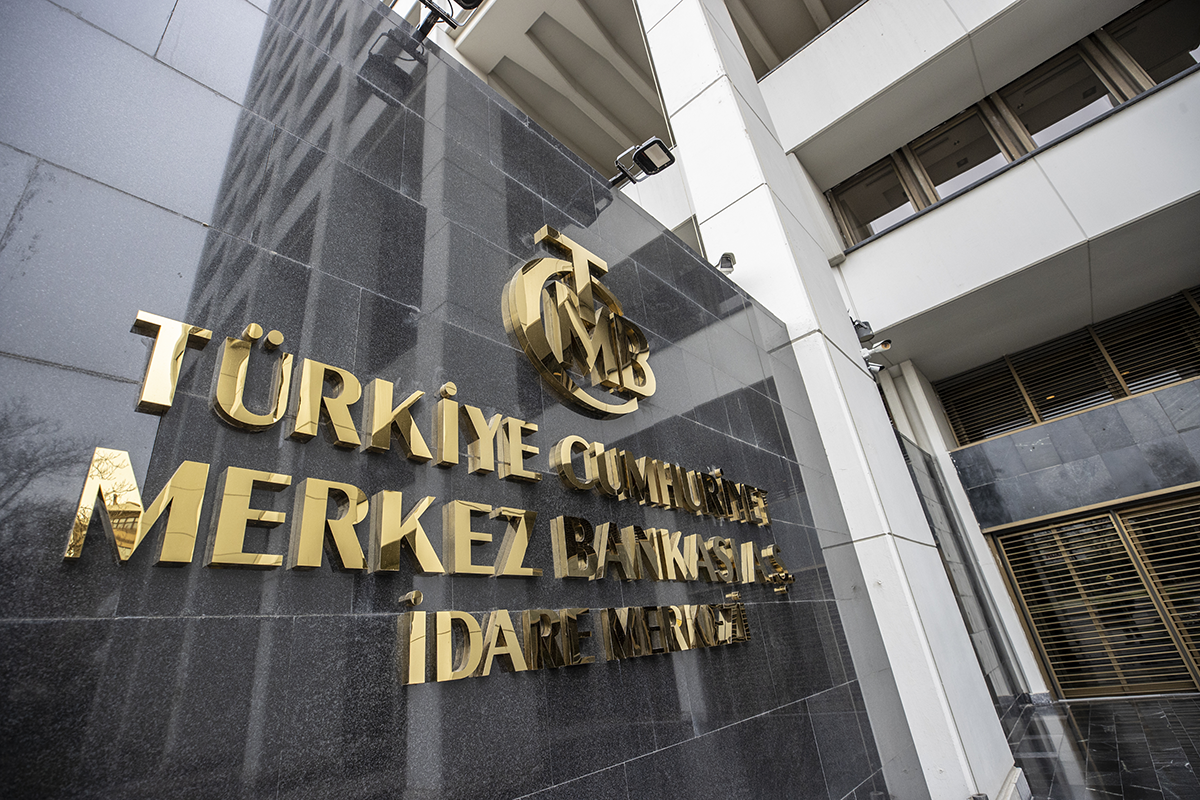
At its Sept. 23 meeting, the Central Bank of the Republic of Turkey (CBRT), in a surprise move, cut its policy rate (1-week repo rate) 100 basis points to 18.00%, while headline inflation was 19.25% (currently 19.58%). This is an interesting development as most central banks around the world have just started preparing to implement tighter policies.
Courting danger, Erdoğan ramps up reliance on China
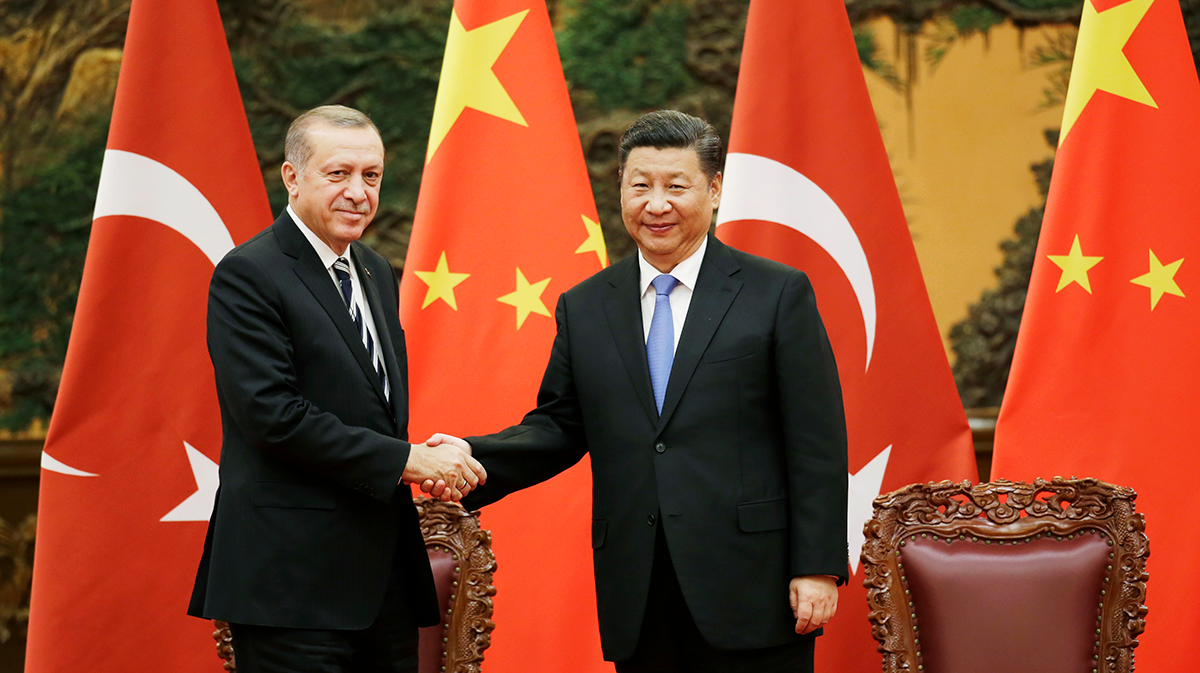
China’s recent multi-sectoral engagements in Turkey suggest that the Black Sea region’s significance is on the rise in Beijing, and under President Erdoğan, Turkey has consistently sought its favor and investment.
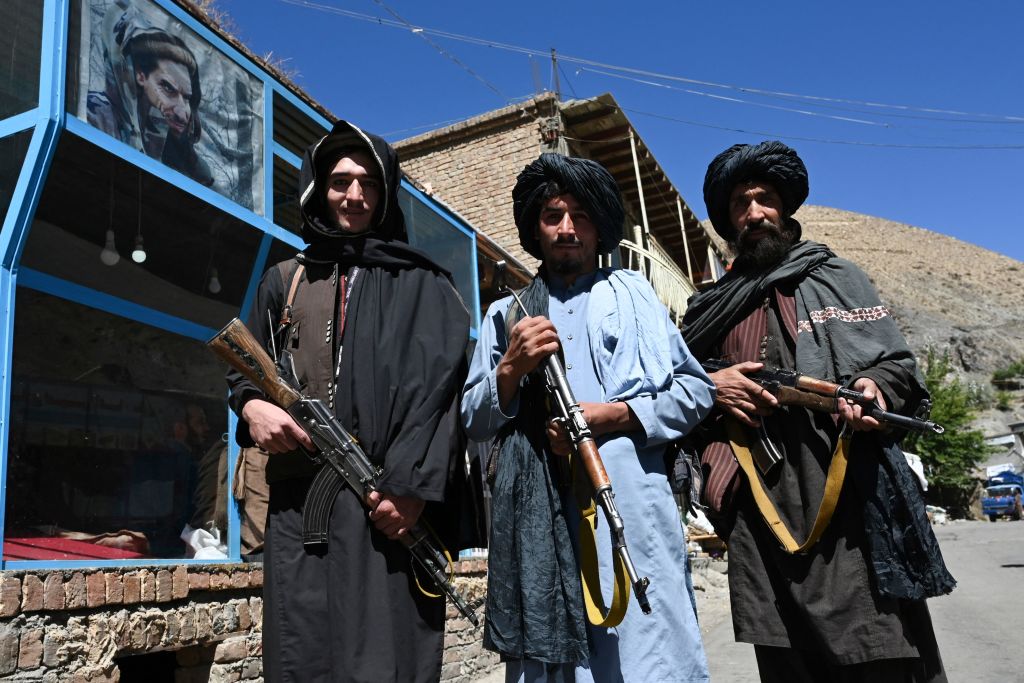
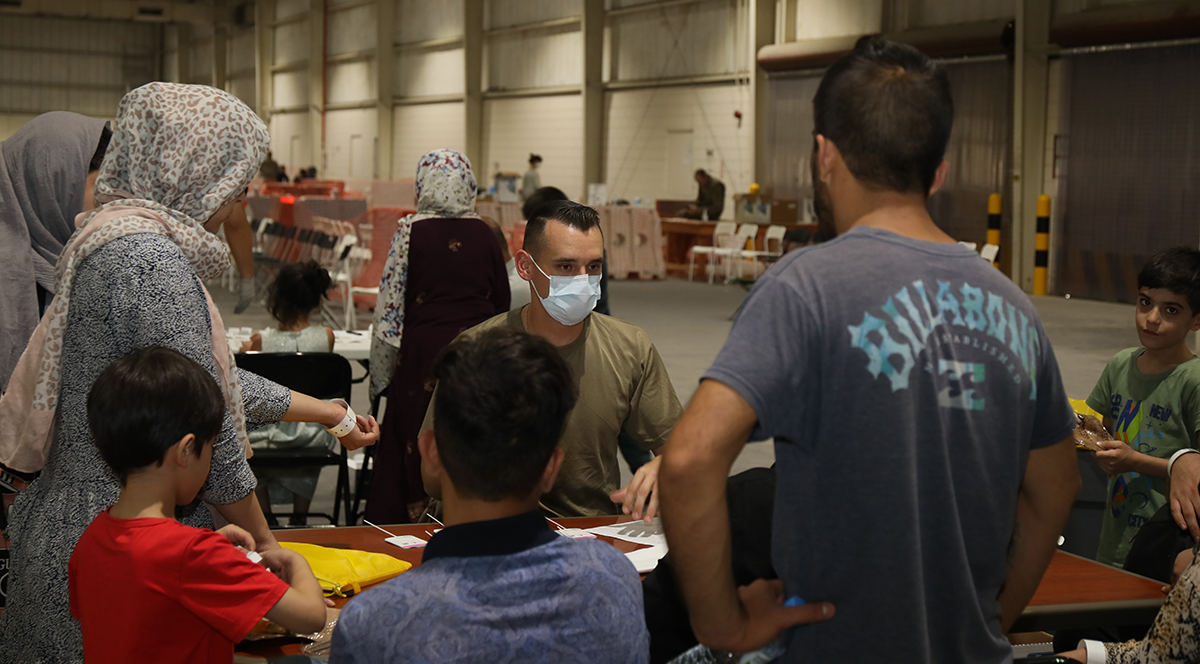
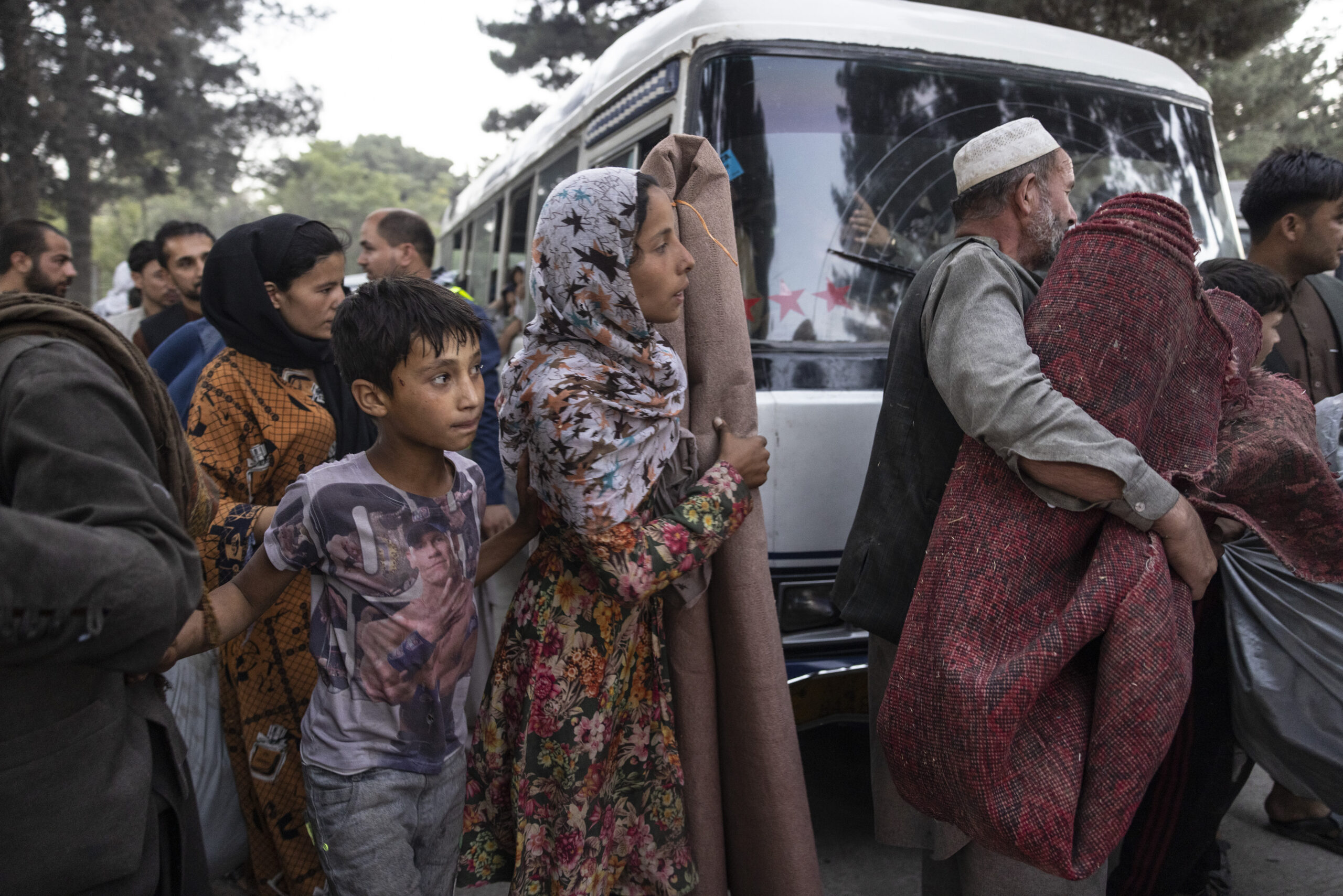
We rarely miss an opportunity to criticize our Gulf Arab partners — sometimes rightly so — for not doing enough to safeguard collective interests. But one must acknowledge that on Afghanistan, and especially our just-completed exit from the country, most of our Gulf Arab partners absolutely shined. They deserve a ton of credit for the role they played in our large, challenging, and deadly evacuation — a role which was nothing short of indispensable.
Just before visiting Turkish-occupied Northern Cyprus in late July, Turkish President Recep Tayyip Erdoğan gave Serbia an unpleasant surprise. He announced that Turkey would lobby to increase the number of countries that recognized independent Kosovo. Erdoğan stated on July 19, “Now 114 countries recognize Kosovo, and we want that number to increase. We hope that this year at the United Nations General Assembly, at the meeting I will have with [U.S. President Joe] Biden, we will discuss this topic again, that we will work together on the recognition of Kosovo.”
Building a Closer Black Sea: Promoting Trade and Economic Interdependence
While the Black Sea has historically been an area of significant geostrategic importance, this has not made it a vibrant zone of commerce, transport, energy, tourism, or cultural exchange. Rather, it has become a theater of struggle for dominance and competing geopolitical and geo-economic interests. This situation has been exacerbated by conflict between Russia and countries in the region, like Ukraine and Georgia, that have sought closer ties with the West and aspire to NATO membership and EU integration. These developments have dire consequences for regional security and stability, disrupting political and economic ties in the area and beyond. A long-term solution to the region’s security issues could be based on intensifying trade relations and increasing economic interdependence between the states. This paper identifies major barriers to closer regional trade and economic cooperation and outlines ways to overcome them.