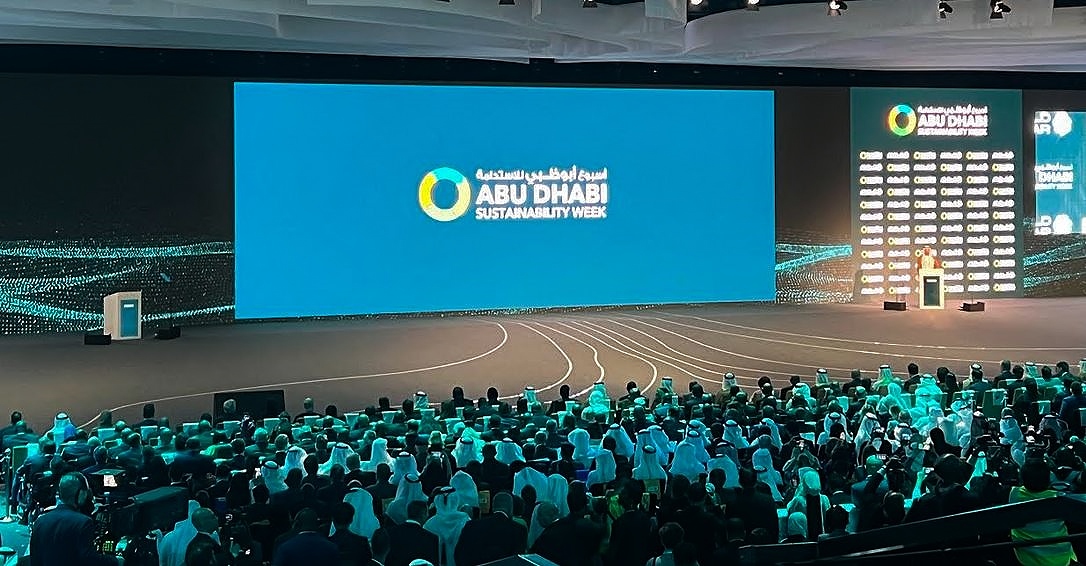
2023 ADSW: A solid start for a climate-focused year in the UAE
This year’s Abu Dhabi Sustainability Week focused on both adaptation strategies and mitigation actions. Judging by the solid foundation established at this conference, and building on the efforts the UAE launched in previous years, the upcoming COP28, which will be hosted in Dubai, appears to have all the ingredients to bring together relevant stakeholders and deliver on its promises.
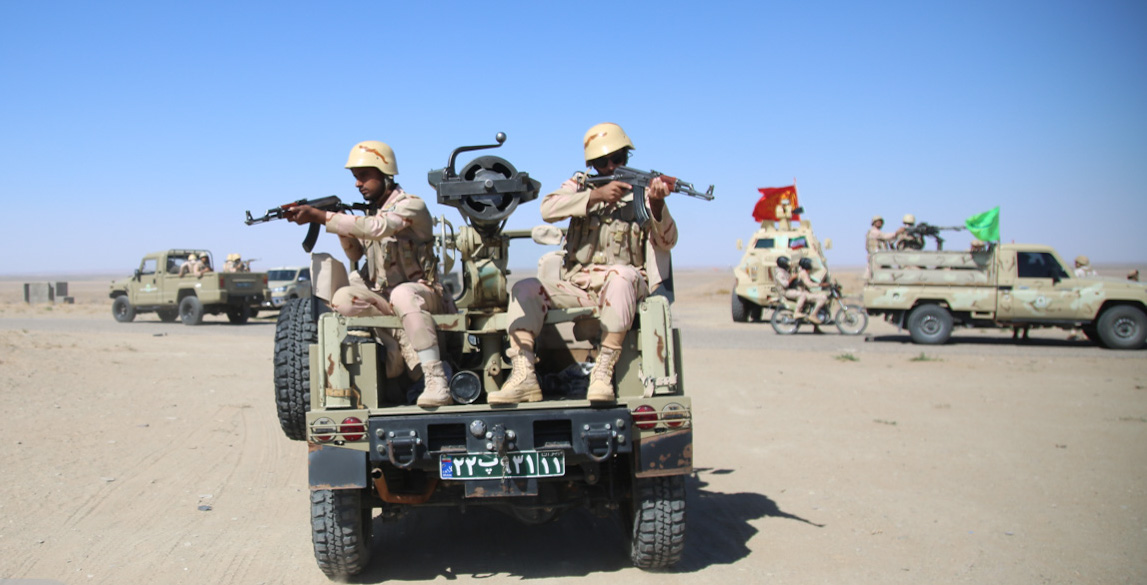
From the streets to the border: Iran’s growing paranoia toward Azerbaijan
Azerbaijani-Iranian relations have been strained since Azerbaijan’s victory in the 2020 war with Armenia. However, the situation dramatically worsened in the last few months, with Iran holding two large-scale drills near the border with Azerbaijan and accusing Baku of colluding with its enemies and interfering in its internal affairs.
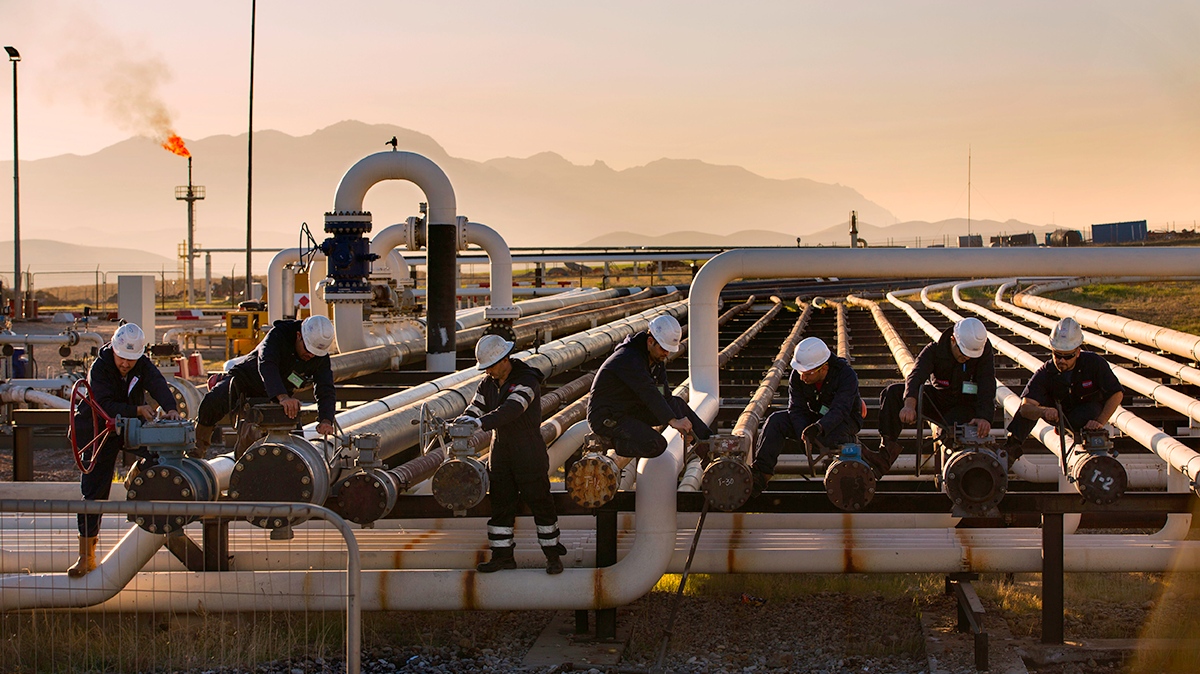
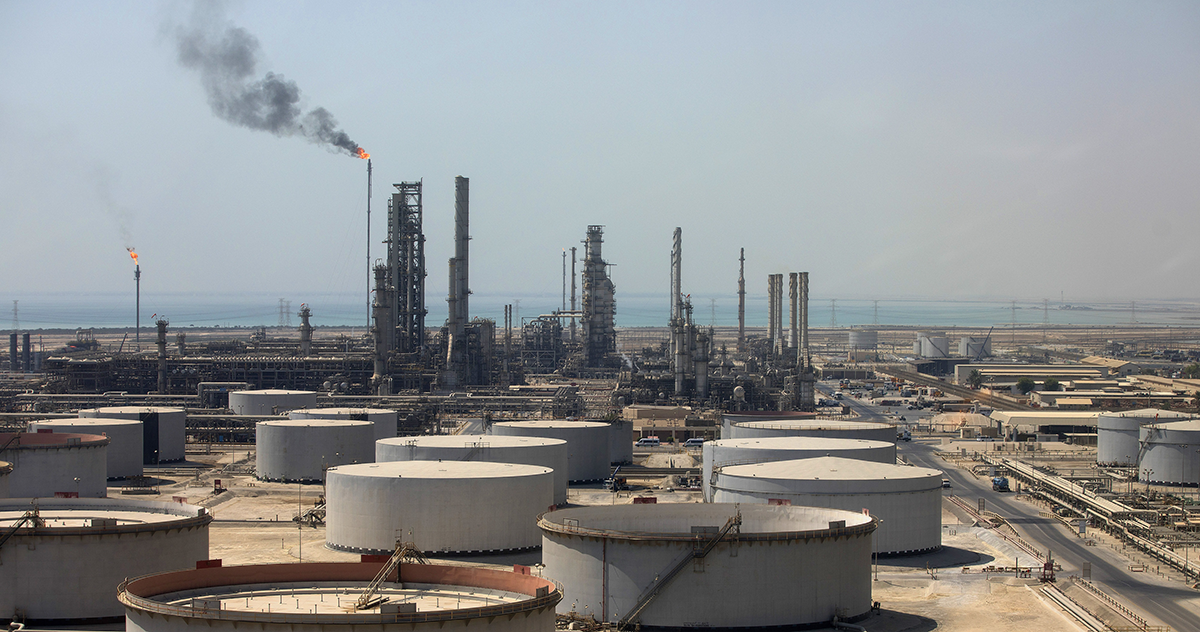
The issue of diversification is difficult but urgent, given increasingly tight global climate policies, the advances of non-fossil technologies, and the limited lifespan of the KRI’s oil resources. Harnessing the region’s natural gas productively is the first step to a cleaner and more diversified economy.
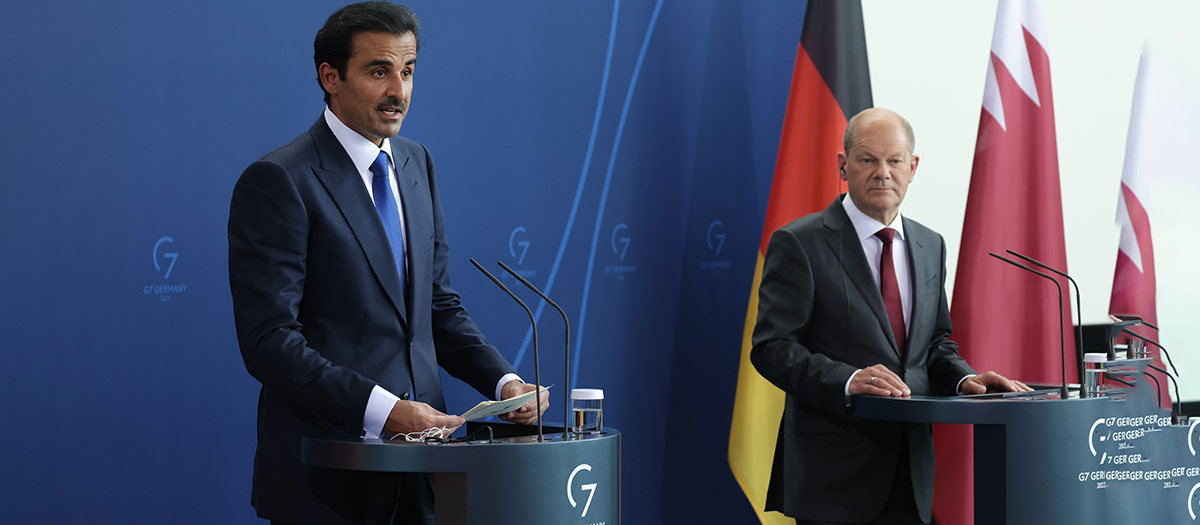
A new momentum: Recalibrating Germany's foreign policy toward the Gulf monarchies
Facing the profound challenge of trying to diversify its energy supply while a destabilizing war rages on in Ukraine, Germany has looked to several Gulf monarchies to forge new energy partnerships. Notwithstanding heated domestic debates over controversial topics such as their human rights record, Berlin should consider a more comprehensive strategic approach toward the Gulf monarchies that encompasses issues beyond energy supply, such as joint efforts in regional integration and development.
The Gulf states: Beneficiaries of the Russia-Europe energy war?
The Gulf states are often overlooked as indirect beneficiaries of the Russia-Europe energy war. In what ways and to what extent have they leveraged it? Are these benefits sustainable?
Eastern Mediterranean gas discoveries, progress, and what to watch in 2023
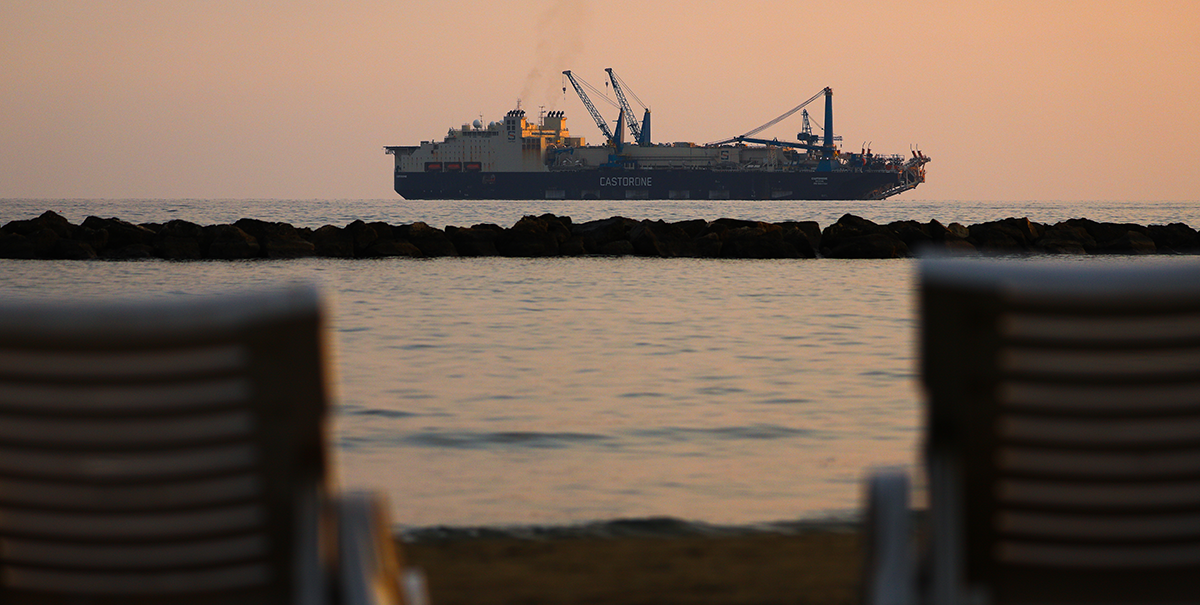
The challenge of developing export strategies for the offshore natural gas resources concentrated in the Eastern Mediterranean predates the Russo-Ukrainian war. Yet over the course of 2022, Europe’s intensifying energy crisis created a new and more immediate incentive to solve those export challenges, despite a great deal of work still to be done.
For the past ten years, Italy and Morocco have been two of the most economically dynamic countries in the Mediterranean basin. Morocco’s rise as a manufacturing and distribution hub for companies seeking to nearshore operations close to mature European end-markets, as well as emerging African end-markets, has created new potential synergies for a deeper Italy-Morocco commercial partnership.
Young Ukrainians’ evolving war-time attitudes toward Russia and the West
Listening to students and young professionals is instrumental in understanding the Ukrainian perspective. A series of interviews, conducted in summer 2022, centered around their identity as Ukrainians, how the war is impacting their lives, and how they viewed Russia and the West before and after Feb. 24, 2022. The participants in these interviews have only known an independent Ukraine, and their negative feelings toward Russia will not improve anytime soon.
Iran’s Balkan front: The roots and consequences of Iranian cyberattacks against Albania
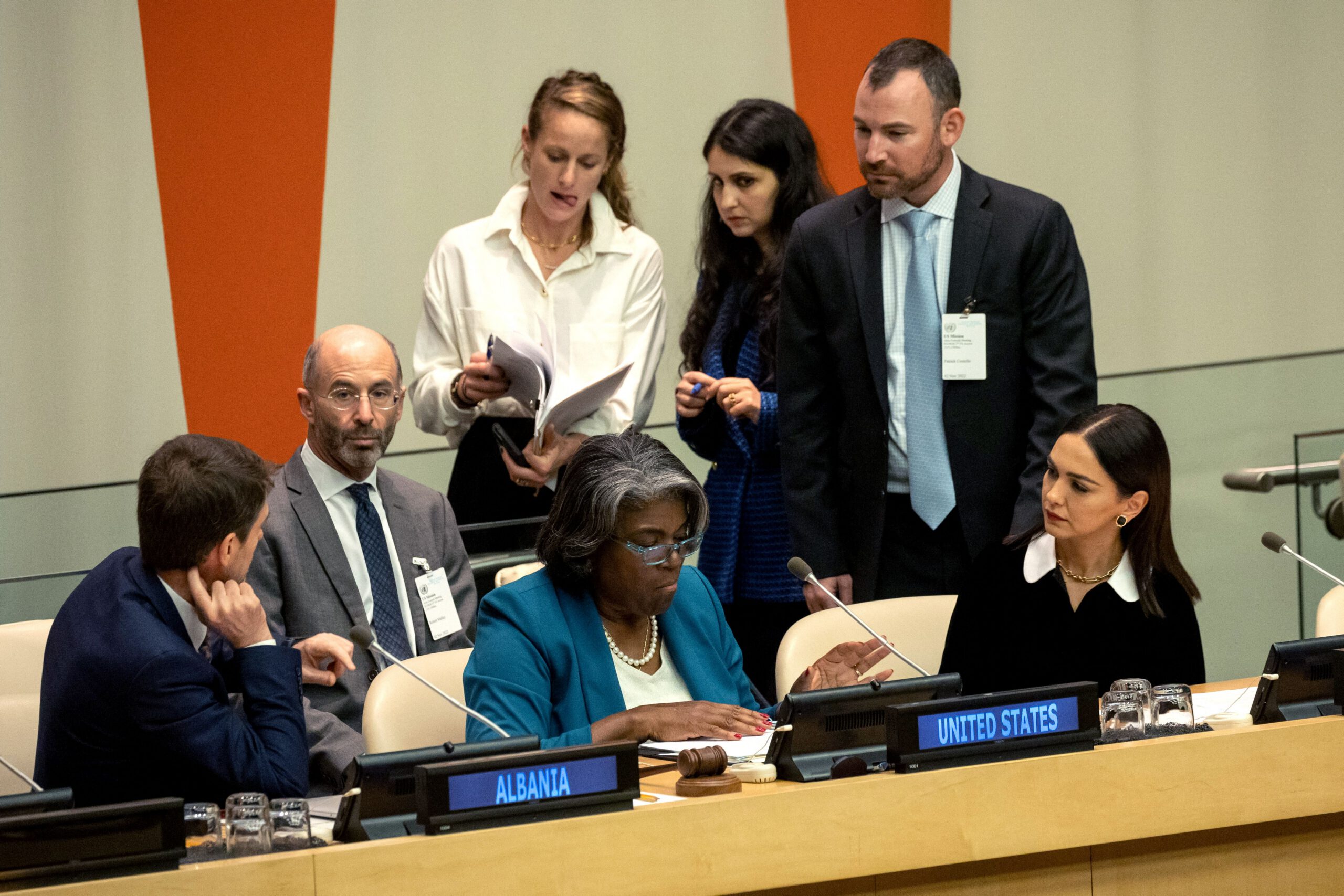
A series of damaging Iranian hacks of Albania’s critical digital infrastructure over the summer pushed Tirana to break off bilateral diplomatic relations. Iran has regularly responded to sanctions or perceived provocations through cyberattack campaigns, as was visible in the case of Albania, guilty in the Iranian authorities’ eyes for the accommodations it has given to the anti-regime group MEK .
What role will China play in Ukraine’s post-war transformation?
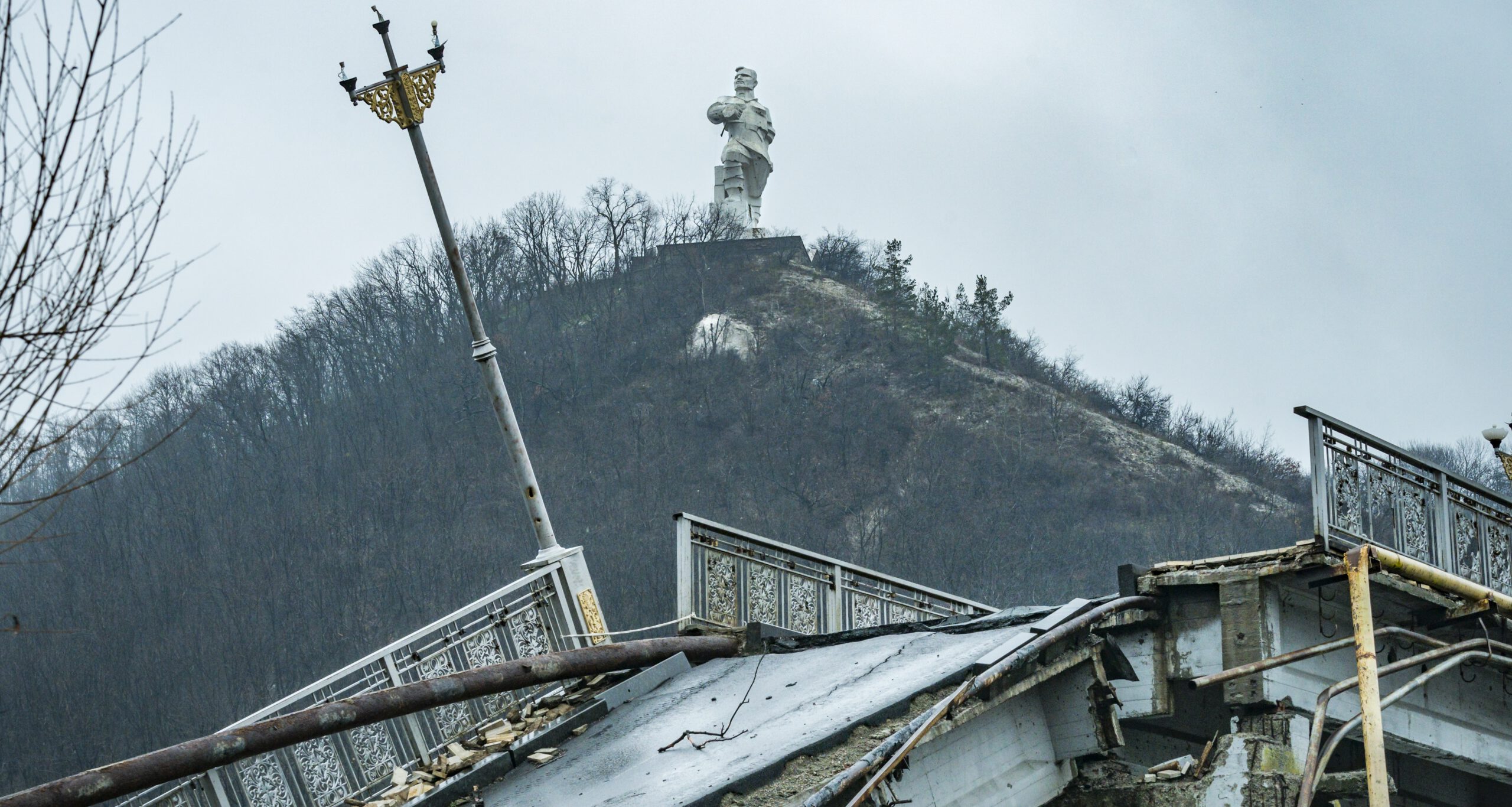
Cost estimates for Ukraine’s post-war reconstruction already exceed many hundreds of billions of dollars. Given the Western world’s slowing economic prospects, Ukrainian elites admit that China looks increasingly likely to have a role in helping finance and rebuild Ukrainian infrastructure. But Chinese involvement comes with economic and security risks.
What the United Nations’ 6th Climate Assessment tells us about the Mediterranean’s climate future
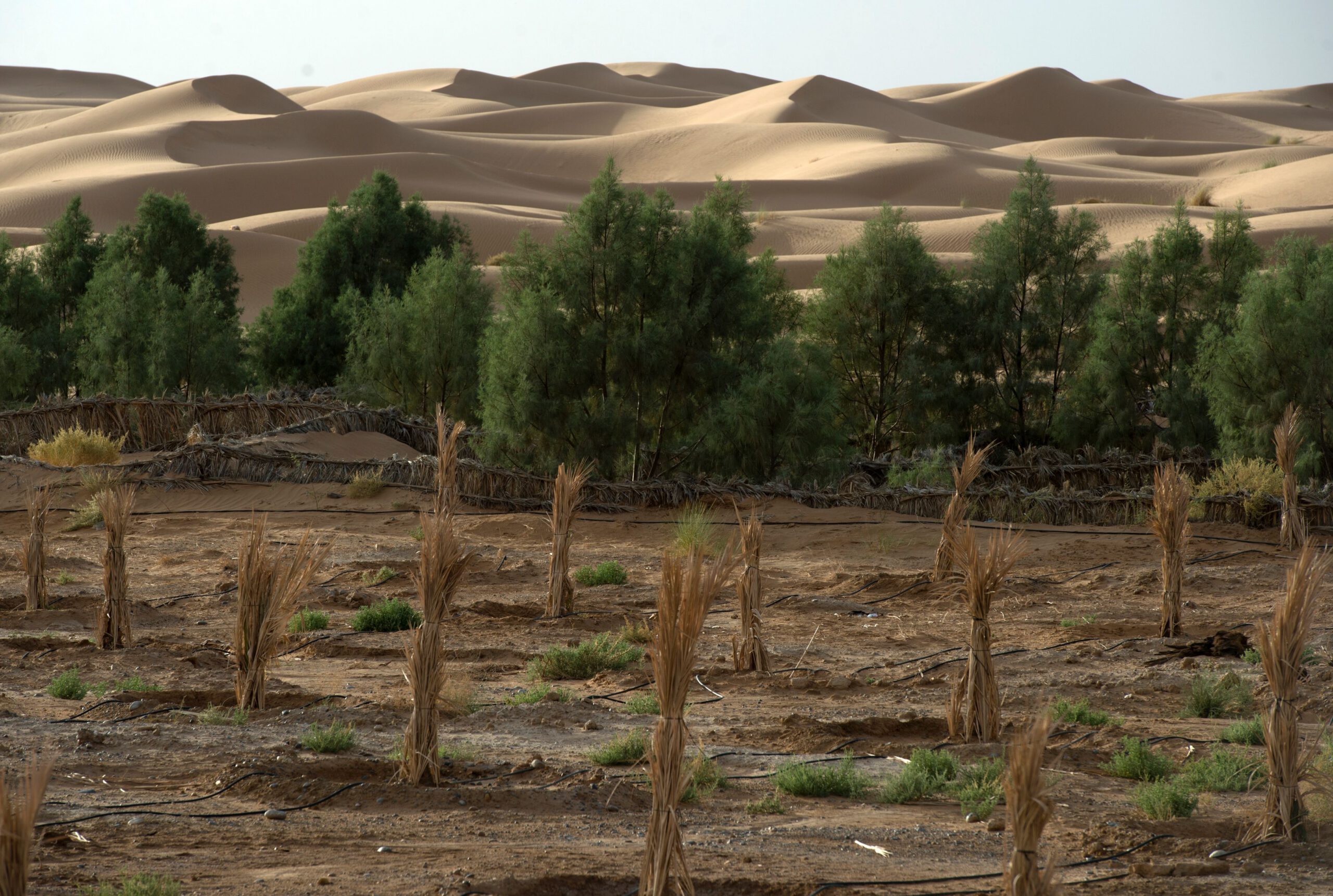
The latest U.N. IPCC report details the alarming changes that Mediterranean countries will experience in the coming decades due to climate change, highlighting three critical areas — warming and droughts, declining ecosystems, as well as socioeconomic and public health risks.
Russia’s new military: The rise of Prigozhin and the Wagner Group
Kremlin-linked oligarch Yevgeny Prigozhin, founder of the notorious Wagner Group PMC, is taking power away from the traditional Russian military establishment and fostering President Putin’s dependence on his resources and advice. This trend will undoubtedly propel the escalation of the war in Ukraine and possibly inflict irrevocable damage to the future utility of the Russian Armed Forces.
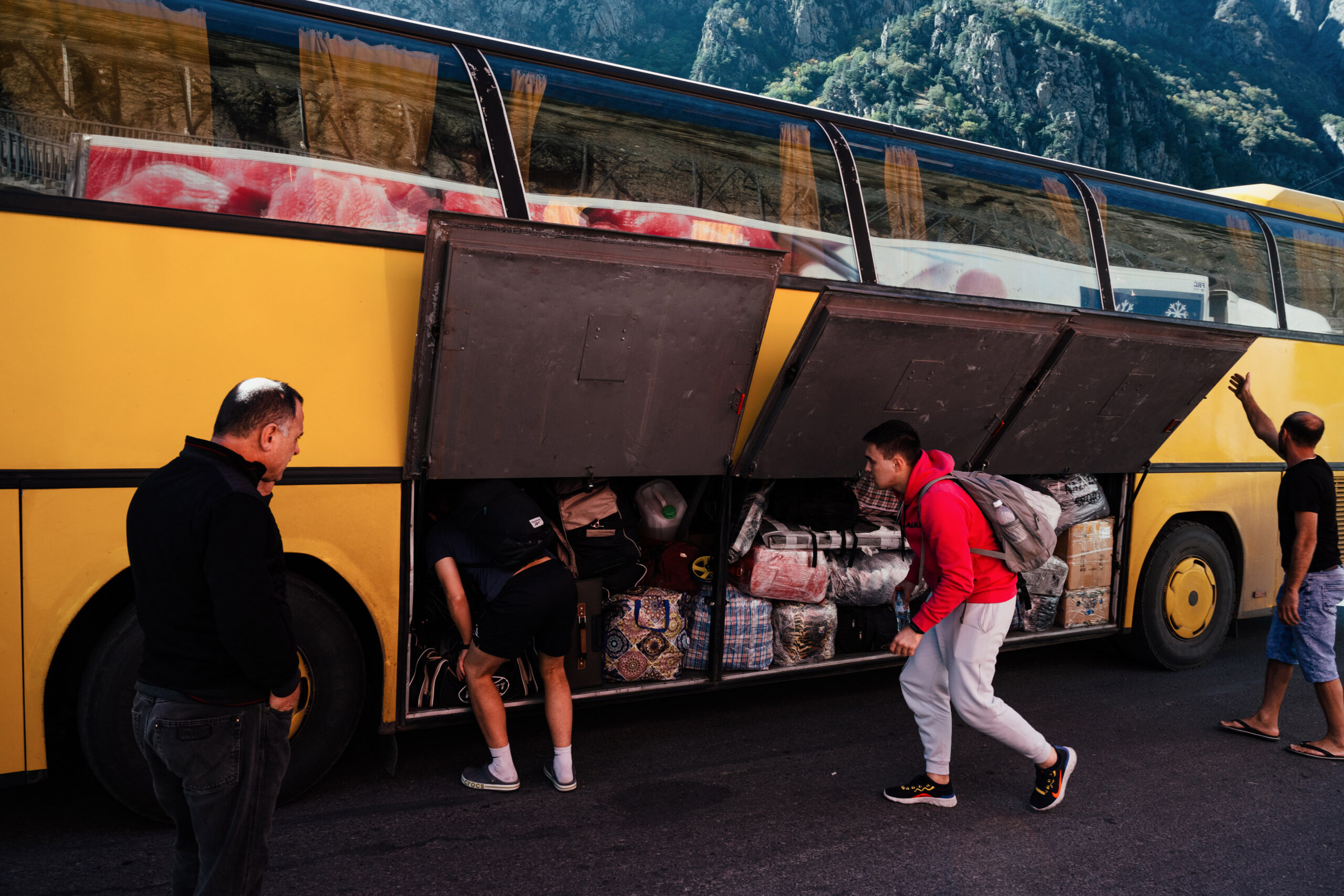
Tensions in Tbilisi: Is there a Russian migrant crisis?
Competition for jobs was high in Georgia even prior to the influx of Russians. So the arrival of tens of thousands of working-age, often high-skilled individuals from an antagonistic country could, if it has not already, lead to further frustration among Georgians.
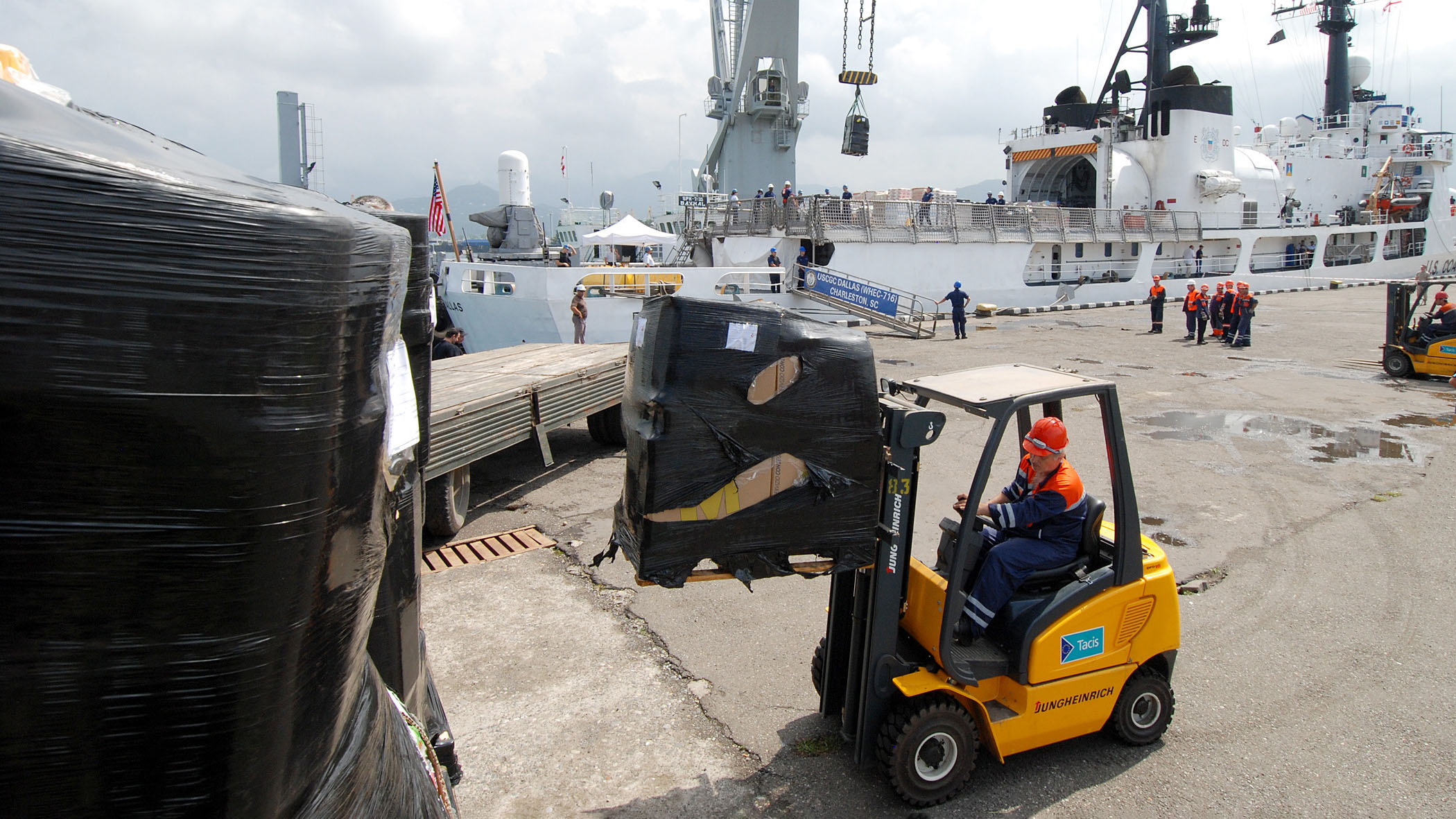
Georgia’s major seaports form a vital link in the transit of commerce via the Black Sea, but they are threatened by local and transnational involvement in illicit seaborne trade motivated by high income inequality, poverty, and population displacement. Enhancing maritime security in this geostrategic South Caucasus transit state aligns with the strategic interests of the U.S. and NATO.