Trump's Middle East Approach, the Israeli-Palestinian Conflict, and the Future of US Statecraft – with Amb. Dennis Ross
Ambassador Dennis Ross joins host Brian Katulis to break down what President Trump’s recent trip through Saudi Arabia, the UAE, and Qatar revealed about the administration’s approach to foreign policy in the Middle East—and what it means for the future of the region. They discuss the significance and substance behind the announced mega-deals, what’s really going on with Iran and the Houthi ceasefire, and how Trump is handling relations with Israel amid the ongoing war in Gaza.
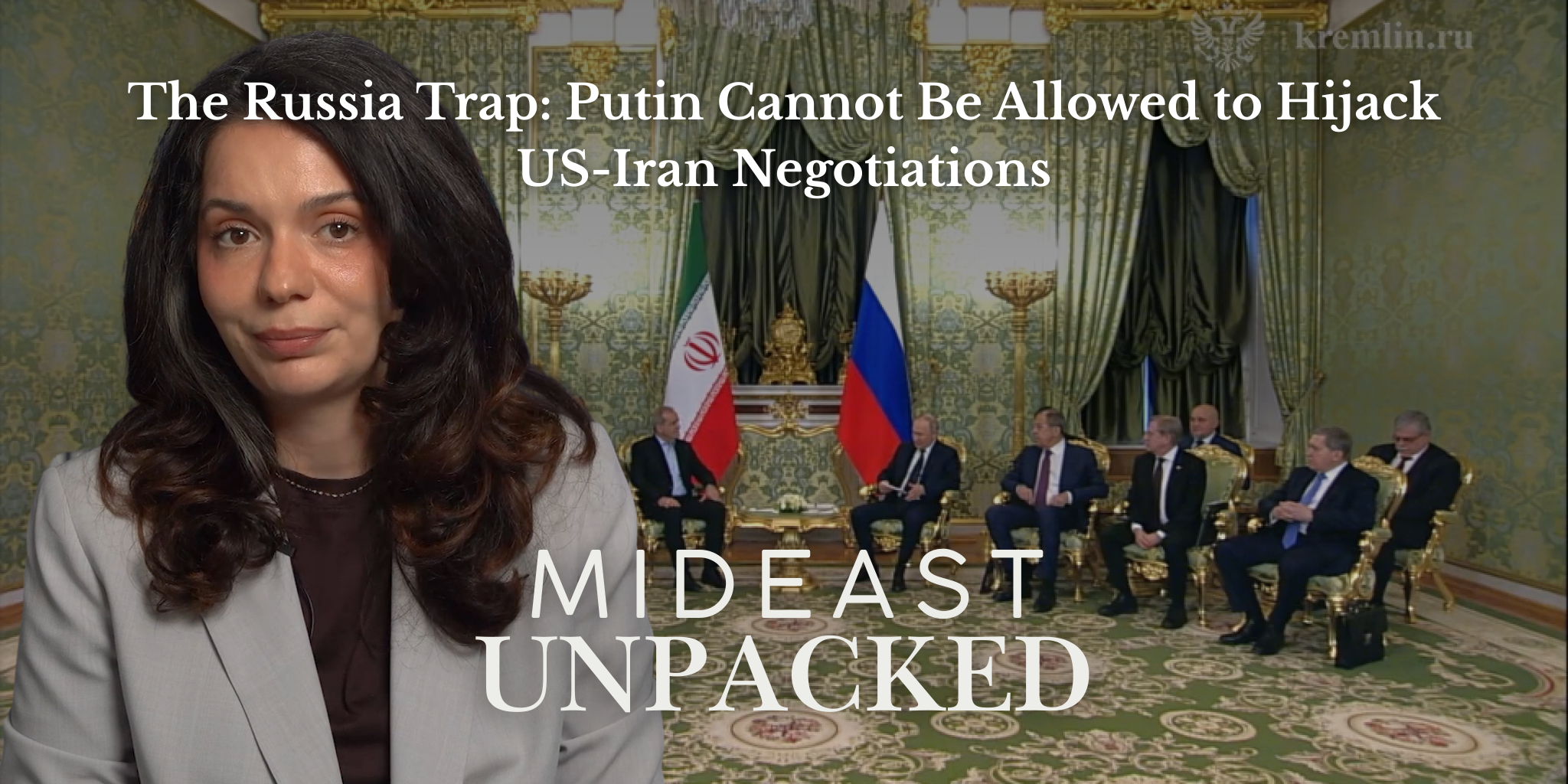
The Russia Trap: Putin Cannot Be Allowed to Hijack US-Iran Negotiations
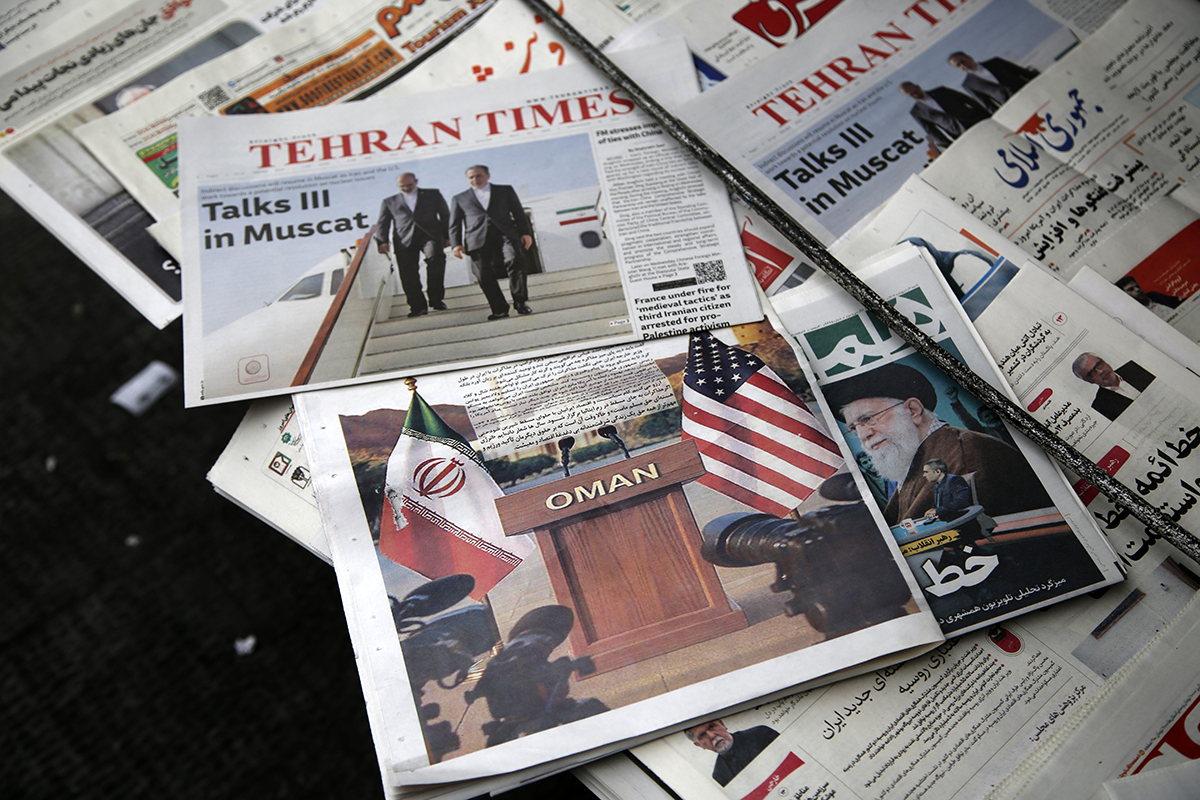
MEI Senior Fellow Iulia Joja delivers a sharp and timely warning against Russia being offered a direct role in US-Iran negotiations. Far from acting as a neutral broker, Moscow wants to leverage this moment to reshape the balance of power in the Middle East. From meetings in Muscat to tightening alliances with Tehran and Beijing, Joja unpacks how Putin’s diplomacy is less about peace — and more about building up Russian influence against the US. Washington should be paying close attention.
US-Houthi Ceasefire Deal & the Future of Red Sea Security
The sudden announcement of a US-Houthi ceasefire, brokered by Oman, has halted Washington’s air campaign in Yemen and raised urgent questions about the future of Red Sea security. What prompted the deal, and what are its implications for maritime shipping, regional alliances, and the trajectory of Yemen’s civil war? This episode explores the strategic motivations behind the ceasefire, the role of Iran and Saudi Arabia, and how the Houthis could leverage the pause to regroup and expand their influence across the Horn of Africa.
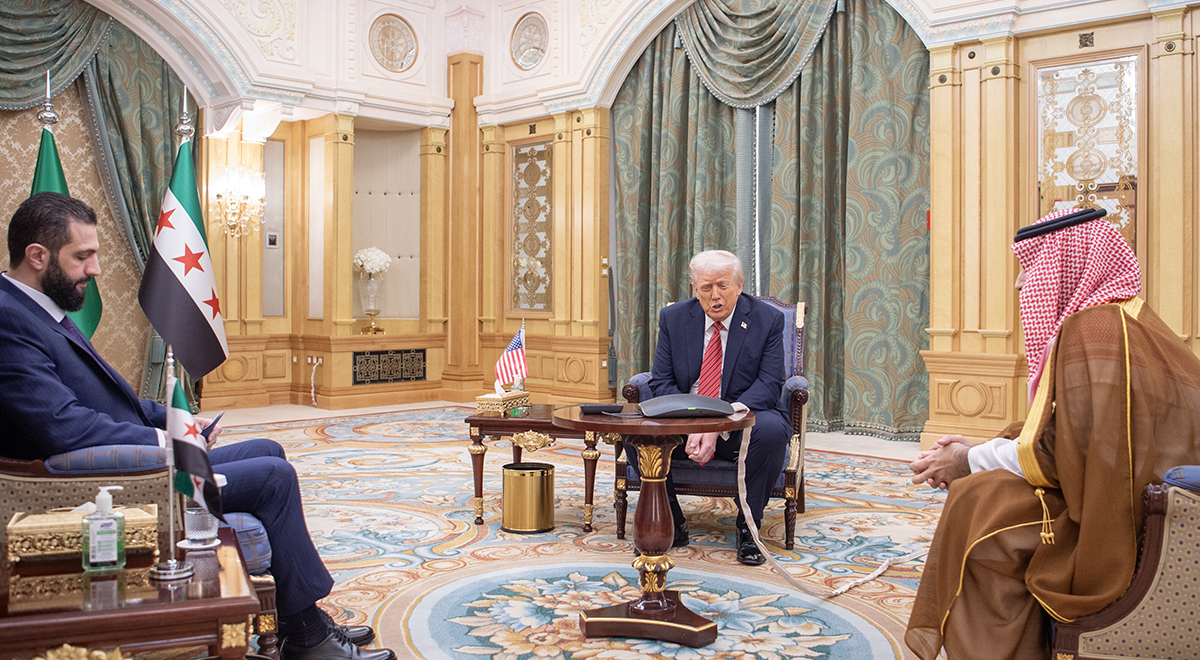
Trump should build on the momentum with Syria and help prevent a Turkey-Israel clash
Two recent developments present the new Syrian government with a critical opportunity to stabilize the country. First, US President Donald Trump announced plans to lift sanctions on Syria. Second, the Kurdistan Workers’ Party declared it would disband and dissolve itself — a move that will help Damascus to finalize a deal with the Syrian Democratic Forces and integrate it into the new Syrian national army. President Trump should build on this momentum and seize the opportunity to address one of the most complex remaining challenges facing Syria: the risk of a military confrontation between Turkey and Israel inside the country.
A midstream appraisal of Trump’s historic Middle East trip
One of the strategic thrusts of the opening months of Trump’s second terms has been aimed at deepening America’s economic engagement with the leading economies of the Gulf. Thus, the first leg of his trip to the region resulted in a template for deeper US-Saudi ties.
Illiberal Hegemony? Trump’s Foreign Policy and the GOP’s Identity Crisis – with Bill Kristol
Neoconservatives and MAGA isolationists are locked in a battle for the soul of Republican strategy. Nowhere is the split more glaring than over the Middle East: hawks view it as a proving ground for American power and allegiance to Israel, while isolationists see only endless wars that have bled America dry. Where does Trump fall in this tug-of-war?
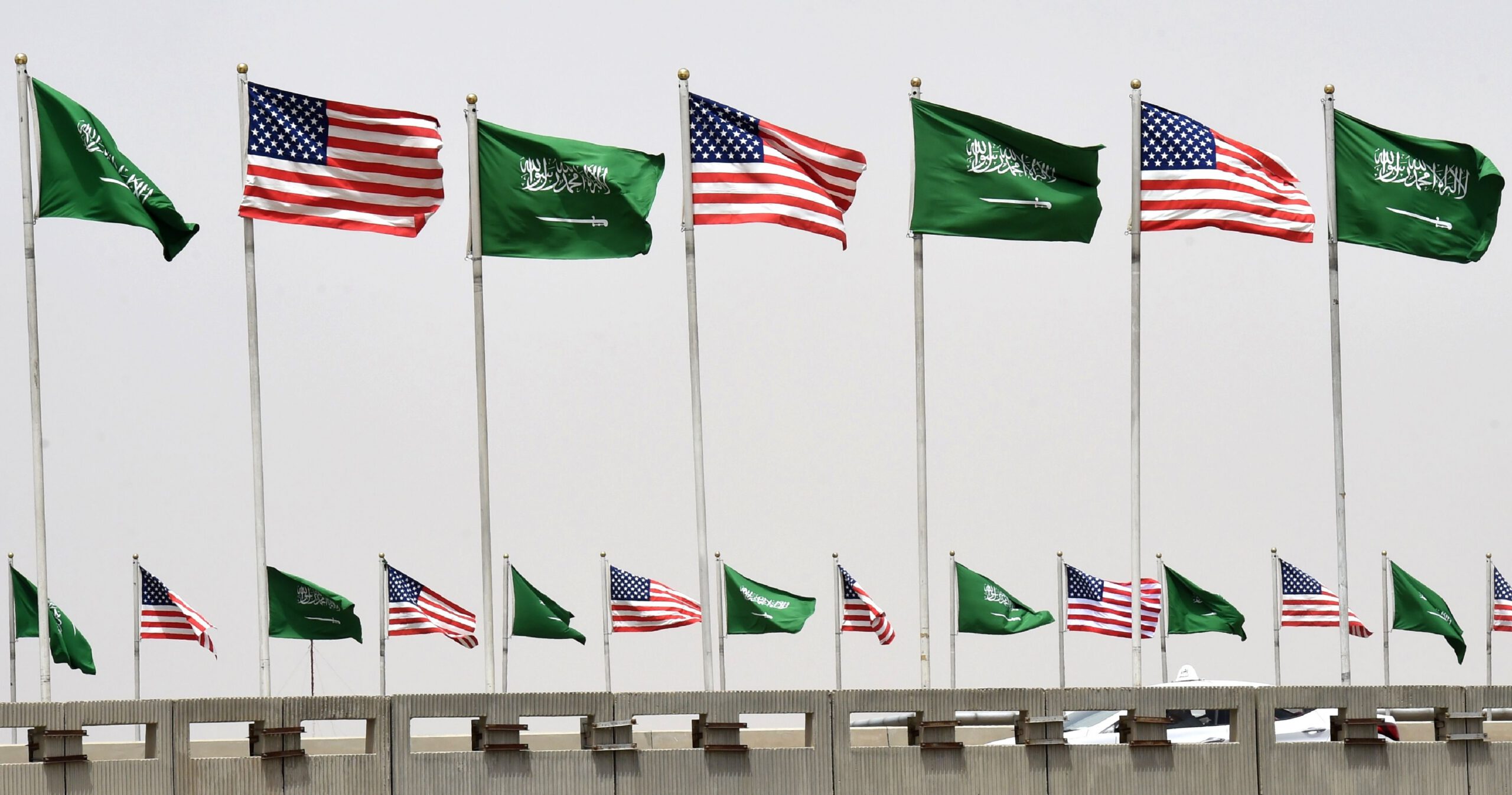
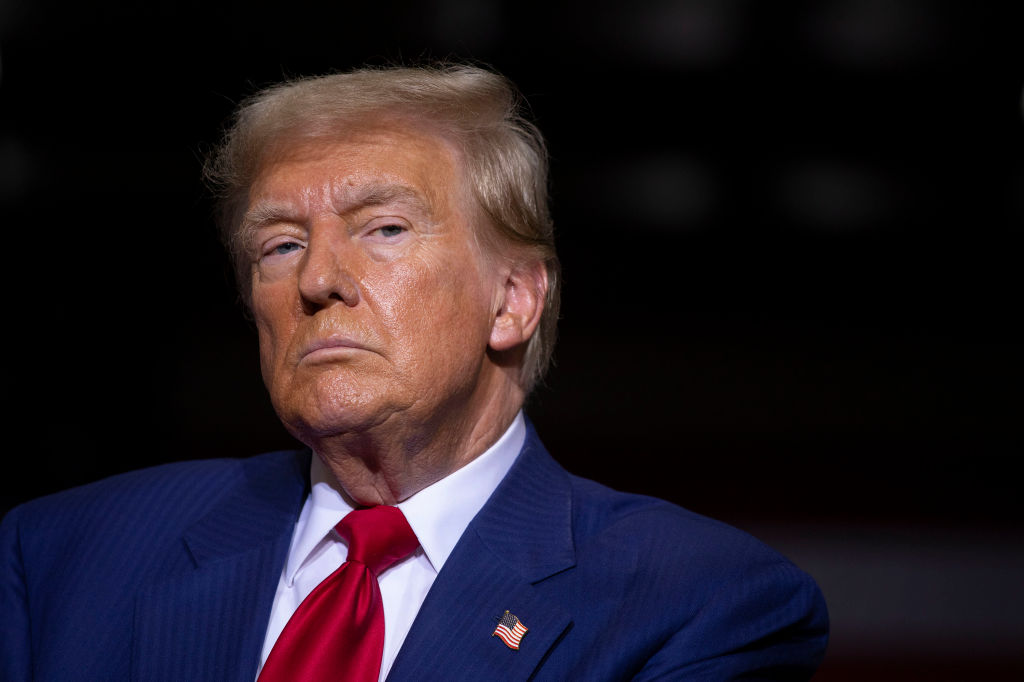
This week, US President Donald Trump makes his inaugural visit to the Middle East since the start of his second term, traveling to Saudi Arabia, Qatar, and the United Arab Emirates on May 13-16. Amid the heightened focus on US policy toward the Middle East, MEI’s experts take stock of Trump’s trip to the Gulf, how his administration has shaped its approach to the wider region in its first several months, and how regional actors are responding to the policies coming out of Washington.
Trump’s Gulf Visit: Strategic Stakes and Symbolic Optics
President Donald Trump is heading to Saudi Arabia, Qatar, and the UAE on his first foreign trip of his second term, with major investment deals, defense cooperation, and tech diplomacy on the agenda. What are the Gulf states hoping to gain, and what does the trip signal about US policy in the region? Alistair Taylor speaks with Dr. Ibrahim al-Assil, Senior Fellow at MEI, about the goals of the visit, the geopolitical and economic dynamics at play, and how regional powers are navigating a complex landscape shaped by Iran, China, AI ambitions, and the crisis in Gaza.
President Donald J. Trump’s trip to the Middle East on May 13-16 comes on the heels of more than three months of whirlwind activity in US foreign policy where the region has been a higher priority than it was in the early months of the previous US administration. The US president has gained attention by proposing some provocative ideas and his team has made some signs of progress in talks with Iran, but thus far the second Trump administration has produced very few tangible advances for stability, prosperity, and progress in the Middle East. The following report assesses the US government’s actions on Middle East policy over the past three months, from late January to late April 2025.
Trump’s Second Term and the Middle East: A Conversation with Ambassador James Jeffrey
In this wide-ranging conversation, Ambassador James Jeffrey joins host Brian Katulis to unpack the Trump administration’s early moves in its second term and what they signal for US foreign policy in the Middle East.
As Saudi Arabia accelerates its transformation into a global technology powerhouse, the United States has a pivotal opportunity to redefine its partnership with the kingdom. Moving beyond the traditional oil-for-security framework, a new partnership centered on artificial intelligence and digital infrastructure can anchor US-Saudi relations in the 21st century.
Trump’s domestic political support craters at the 100-day mark before his Middle East trip
President Donald Trump reached the 100-day mark in his second term this week seeing a sharp drop in his domestic political standing. This comes less than two weeks before Trump embarks on a key Middle East trip to the Gulf. The administration may be looking to the presidential visit as a chance to achieve some progress, but the region remains fraught with uncertainty and US policy in the Middle East rarely provides domestic political dividends.
Iran appears to be reorienting its approach to diplomatic engagement with its neighbors and the West by prioritizing the economic benefits of cooperation. A possible withdrawal of support for the Houthis is the latest significant potential outcome of Iran’s shifting stance. The following are five factors to watch for as a Tehran under duress reformulates its policies.
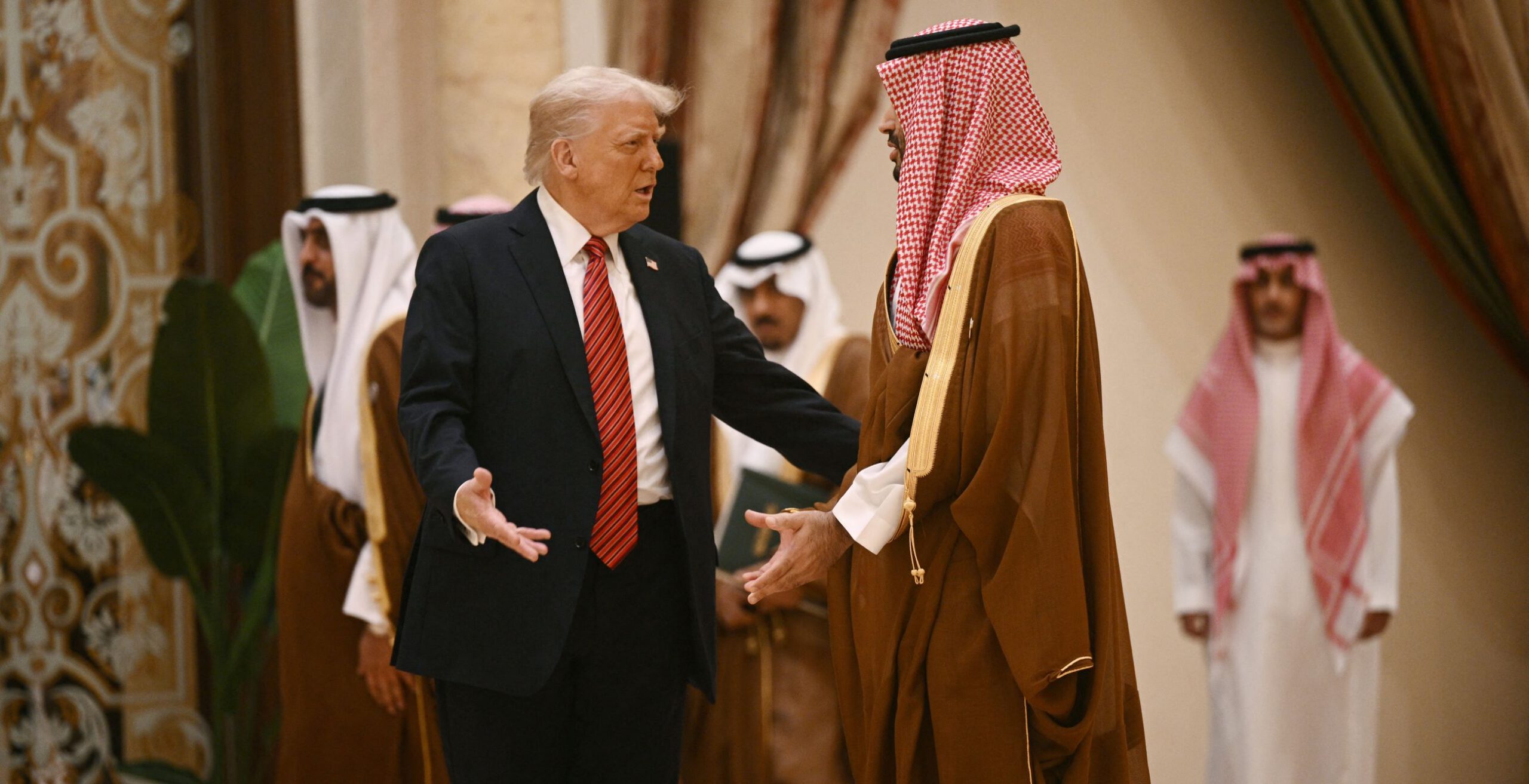
First Stop, Riyadh: Why Trump’s Saudi Visit Will Be Nothing Like the Last
As President Trump prepares for his visit to Saudi Arabia in May, MEI’s F. Gregory Gause, III unpacks the evolving Saudi-American relationship. Compared to his first term, Trump faces a more volatile Middle East and a Crown Prince Mohammed bin Salman whose calculations have fundamentally shifted. The new regional landscape has directly reshaped MBS’s priorities toward regional stability, cautious Iran relations, and economic transformation through Vision 2030. Discover what challenges await as these two leaders navigate complex dynamics, oil markets, and the fallout from the Gaza War.
Thousands of once protected Afghan refugees in the United States face deportation
The chaotic US military pullout from Afghanistan in August 2021 became a hot campaign issue in the 2024 presidential election and continues to echo today. President Donald Trump, who set the withdrawal in motion during his first term in office, repeatedly criticized President Joe Biden’s administration for leaving behind billions of dollars of military equipment. Also left behind were tens of thousands of Afghans, and their family members, who faced retribution for assisting US forces in the fight against the Taliban.