Skip to Content

Research & Commentary Results

Filter by
8735 Results
Iran’s cyber future
Photo by ATTA KENARE/AFP via Getty Images
  • Analysis
  • Iran’s cyber future

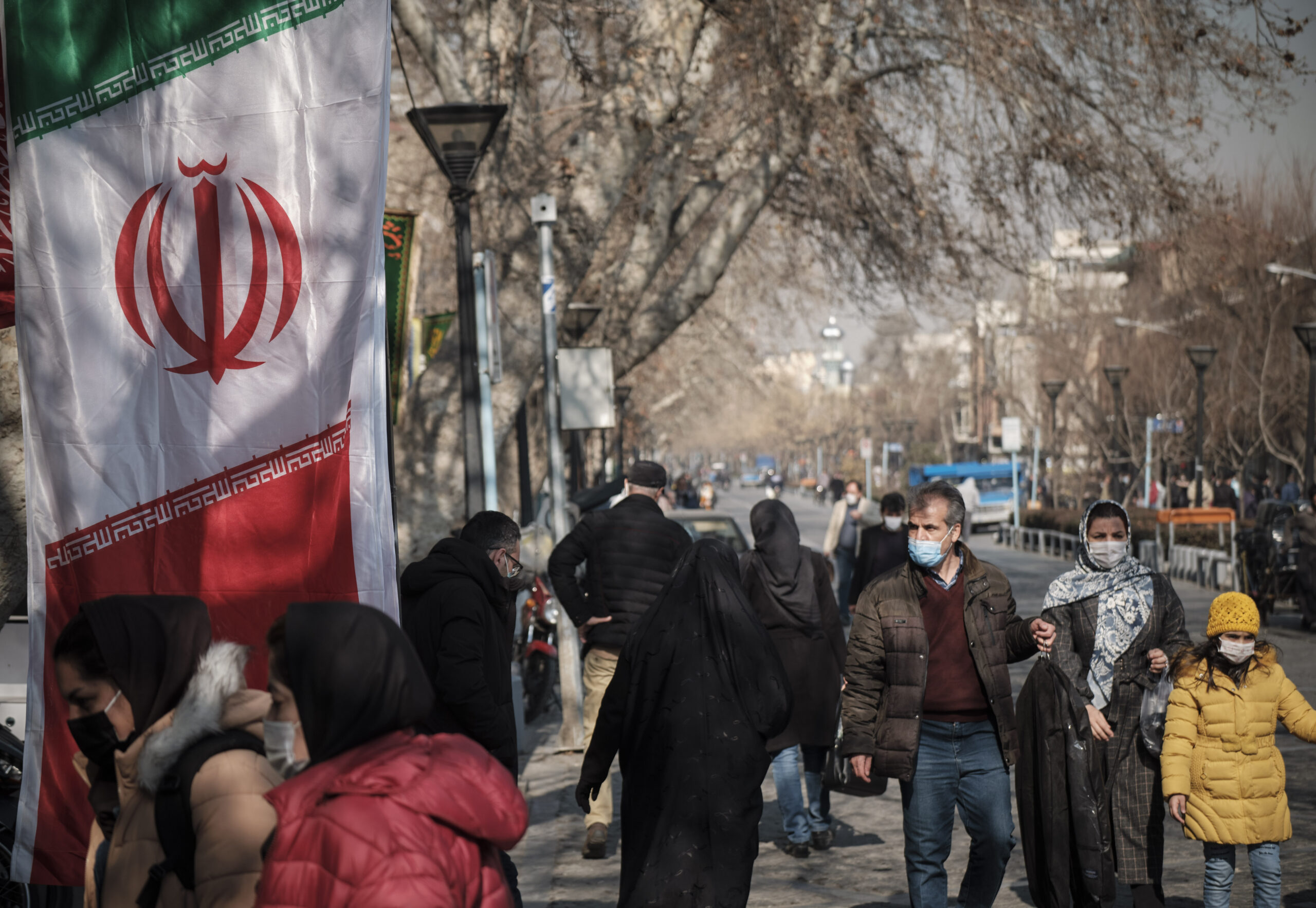
    Iran’s attempts to achieve cyber dominance both within the MENA region and around the world have been well documented, particularly its efforts to spread pro-Iranian messaging and “tell Iran’s story.” This strategy is shaped by the challenging international context facing Tehran, which is suffering economically under U.S. sanctions and largely constrained from purchasing weapons under a recently expired U.N. arms embargo.

    February 23, 2021

    Preventing the next crisis in U.S.-Israeli relations
    Photo by DEBBIE HILL/AFP via Getty Images
  • Analysis
  • Preventing the next crisis in U.S.-Israeli relations

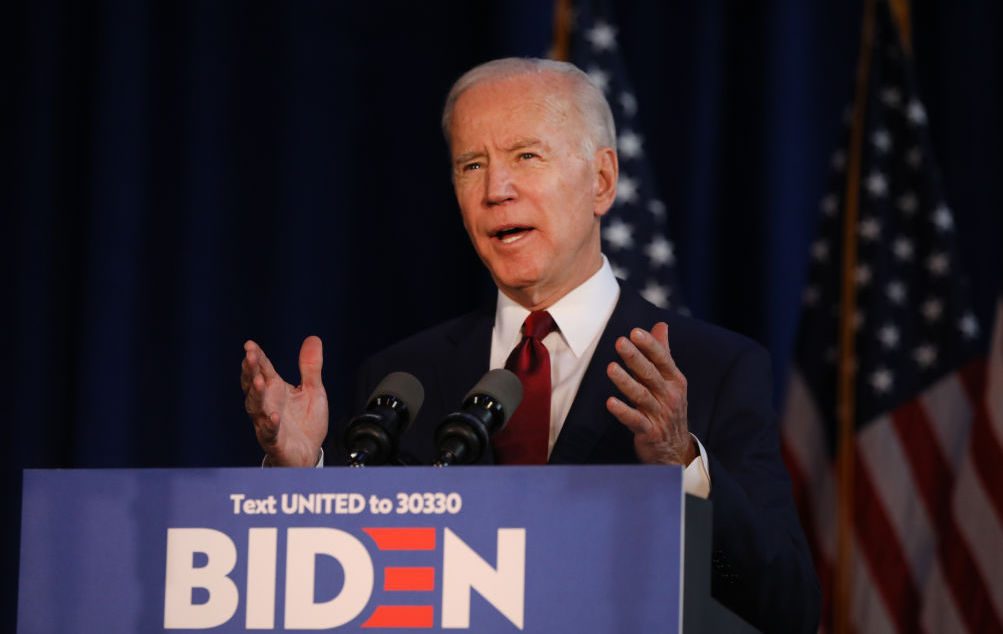
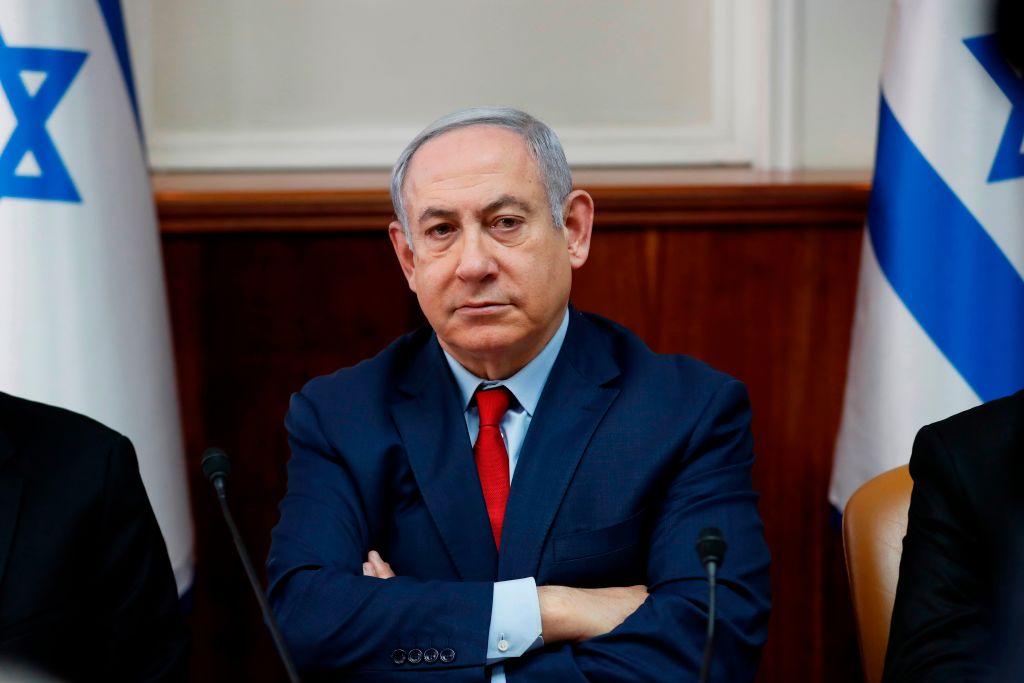
    There was little daylight between Washington and Jerusalem during the four years of Donald Trump’s presidency. The new U.S. administration under President Joe Biden appears poised — based on staffing decisions and declared policies — to revert to a U.S. policy in the Middle East that more closely resembles that of Obama. Meanwhile, Netanyahu, who fought bitterly and publicly against Obama’s policies regarding the Israeli-Palestinian conflict and the Iran nuclear issue, remains at the helm in Israel. The stage may be set for a sequel of the acrimonious relationship between Jerusalem and Washington.

    February 23, 2021

    Palestinian Refugees: Myth vs Reality
  • Analysis
  • Palestinian Refugees: Myth vs Reality

    On January 14, 2021, outgoing Secretary of State Mike Pompeo tweeted about Palestinian refugees, proclaiming “(less than) 200,000 Arabs displaced in 1948 are still alive and most others are not refugees by any rational criteria.” A month earlier, on December 11, a group of 22 Republican members of Congress sent a letter to President Trump requesting that he instruct the Bureau of Population, Refugees and Migration to declassify a report on the approximate number of Palestinian refugees, with the intention of redefining and disenfranchising millions of Palestinian refugees of their refugee status. The intent behind the request is made evident by the letter, which states, “The issue of the so-called Palestinian ‘right of return’ of 5.3 million refugees to Israel as part of any ‘peace deal’ is an unrealistic demand, and we do not believe it accurately reflects the number of actual Palestinian refugees

    February 22, 2021

    Iran plays vaccine politics as the pandemic rages
    An Iranian medical personnel fills a syringe with the Russian Sputnik-V vaccine, The first registered vaccine against COVID-19, while standing next to a portrait of Irans Supreme Leader Ayatollah Ali Khamenei during a ceremony of initiation of general vaccination against the new coronavirus disease, in a hospital in western Tehran on February 9, 2021. (Photo by Morteza Nikoubazl/NurPhoto via Getty Images)
  • Analysis
  • Iran plays vaccine politics as the pandemic rages

    Iran announced last week it had developed one of the world’s most promising COVID-19 vaccines. The news appeared to be part of Tehran’s efforts to satisfy domestic demands for a safe vaccine and to show the country is launching its vaccine rollout independently, despite the crippling economic sanctions imposed by former U.S. President Donald Trump.

    February 22, 2021

    العودة للدبلوماسية مع إيران من دون التخلي عن النفوذ الأمريكي
  • Commentary
  • العودة للدبلوماسية مع إيران من دون التخلي عن النفوذ الأمريكي

    “رغم أن الولايات المُتحدة عادت للمسار الدبلوماسي مع إيران، إلا أن إصرار طهران على انتهاك الاتفاق النووي، وتطوير قدراتها العسكرية الخطيرة، سيؤدي فقط إلى زيادة عزلة إيران”.

    Hezbollah amid Lebanese collapse
  • Commentary
  • Hezbollah amid Lebanese collapse

    The Lebanese Hezbollah has long been one of the Middle East’s most dangerous actors, and it has deeply embedded itself in Lebanon’s political system and economy. The Middle East Institute’s Bilal Saab details the different relationships the group has with various Lebanese constituencies and explains why some might begin to fray in the months to come.

    February 22, 2021

    The electoral path may not save Lebanon, but its citizens deserve the chance to walk it
    Photo by JOSEPH EID/AFP via Getty Images
  • Analysis
  • The electoral path may not save Lebanon, but its citizens deserve the chance to walk it

    With the increasingly heavy burdens of everyday life, May 2022 may feel like an eternity away in Lebanon. Next spring, however, marks a high-stakes milestone and reality check for the country’s domestic politics. Absent any major surprises, eligible Lebanese citizens at home and in the diaspora will cast their votes in the first general elections since the October 2019 uprising, the financial collapse, and the Beirut port explosion. In fact, the process has already started with the issuance of electoral rolls. But there’s a catch — Lebanese politics are full of surprises.

    February 19, 2021

    The role of US special forces in the war in Afghanistan
    Middle East Institute
  • Podcast
  • The role of US special forces in the war in Afghanistan

    Jessica Donati, foreign affairs reporter for the Wall Street Journal, joins host Alistair Taylor to discuss her new book, Eagle Down: The Last Special Forces Fighting the Forever War.

    February 19, 2021

    An integral partner: The growing ties between Amman and Moscow
    Photo by Russian Foreign Ministry/Handout/Anadolu Agency via Getty Images
  • Analysis
  • An integral partner: The growing ties between Amman and Moscow

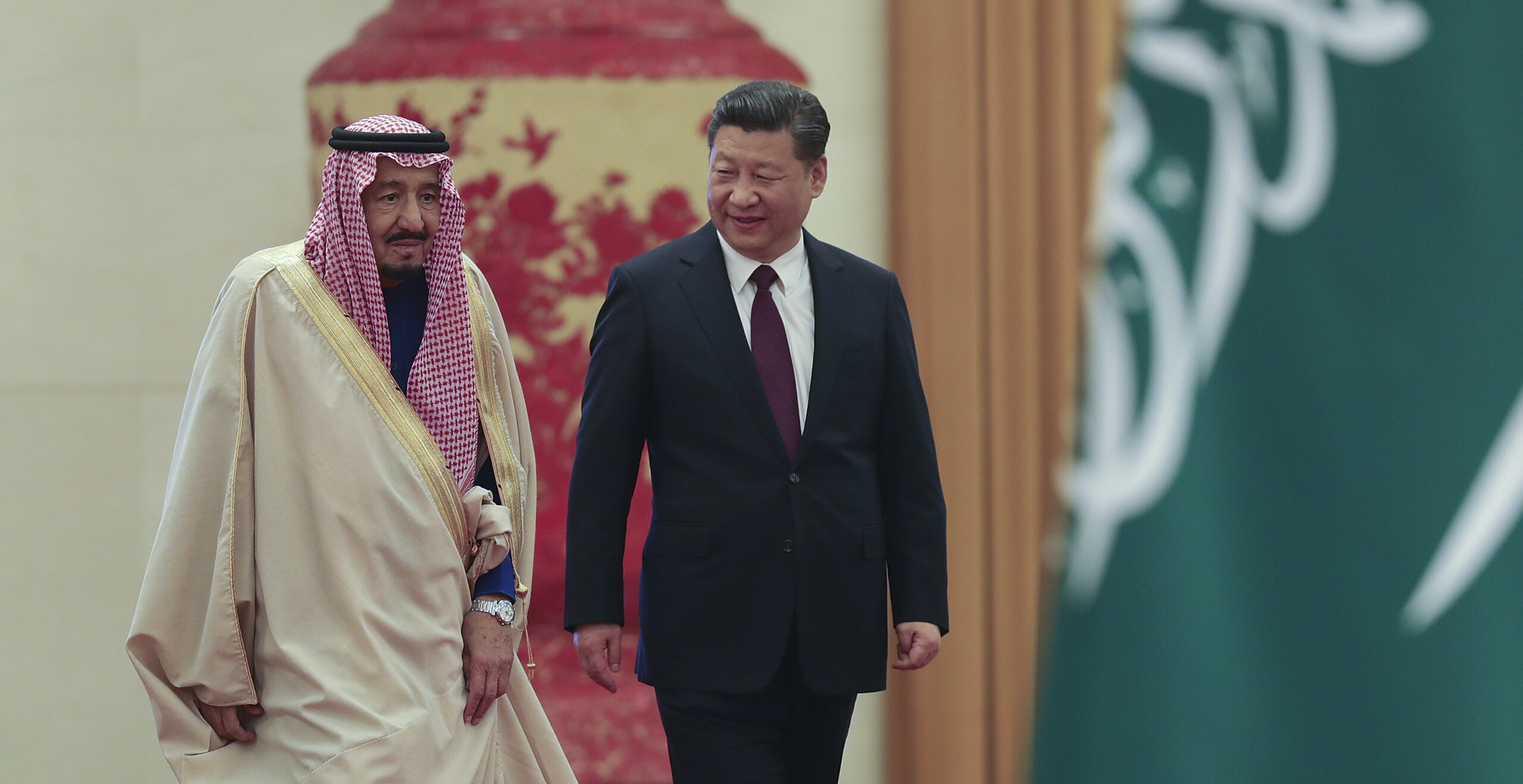
    On Feb. 3, Russian Foreign Minister Sergey Lavrov hosted his Jordanian counterpart Ayman Safadi in Moscow. After their meeting, Lavrov emphasized Russia and Jordan’s shared positions on Syria, Gulf security, and Israel-Palestine.

    February 18, 2021

    Two years after the start of Algeria’s popular uprising, the regime is far from stable
    Photo by APP/NurPhoto via Getty Images
  • Analysis
  • Two years after the start of Algeria’s popular uprising, the regime is far from stable

    Abdelmadjid Tebboune’s rise to the presidency was supposed to bring a degree of predictability to Algeria’s military rulers. But since he was pronounced the winner of the presidential election in December 2019, the regime has entered a new phase of uncertainty. The COVID-19 pandemic, continued dissent, political volatility, and deepening economic malaise have affected the ruling oligarchy’s calculations. Two years after the start of Algeria’s popular uprising, known as the Hirak movement, the country is stuck in the same impasse it has faced since 2019.

    February 17, 2021