Egypt’s path forward from the pandemic’s economic fallout
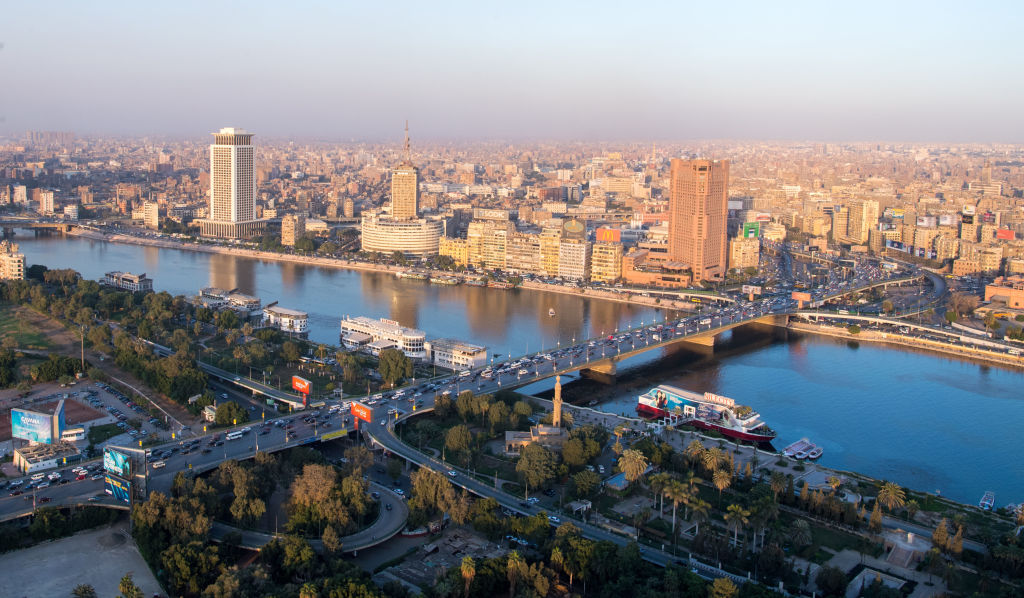
Today marks almost three months of a global shutdown to curb the spread of the COVID-19 pandemic, and the Middle East and North Africa region faces a double whammy from the resulting economic fallout and the sharp decline in oil prices this spring. While Egypt is rightly focused on its short-term response to the crisis, it should take advantage of the international and regional shock caused by the pandemic to change its growth model for the longer term and implement much-needed structural reforms on a variety of fronts.
Egypt’s sizeable informal economy complicates its pandemic response
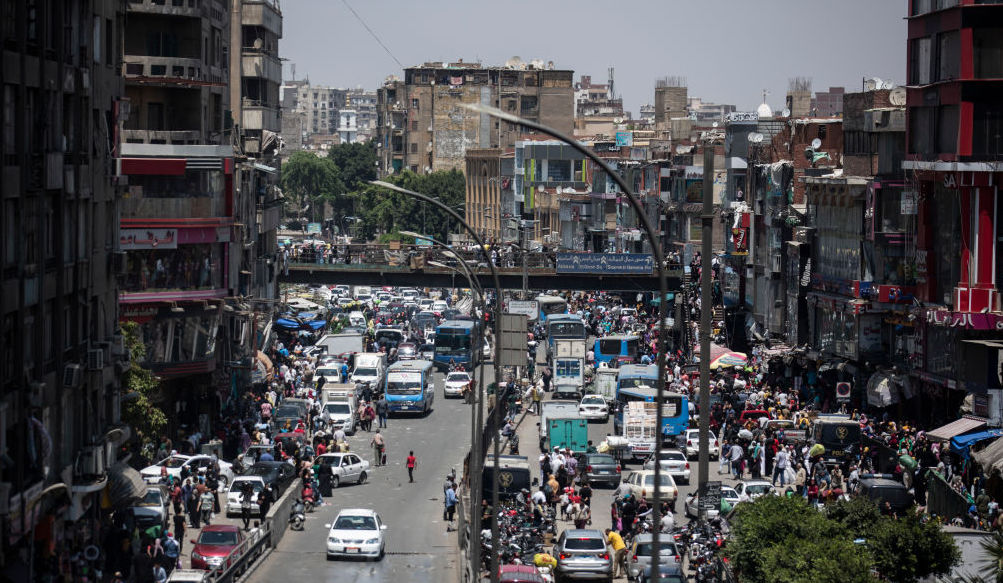
The lockdown conditions have meant that demand for the services of informal market laborers has declined, leaving them with no means of making a living and no form of insurance or savings to fall back on.
Are the foreign patrons of the Libyan war ready to end it?
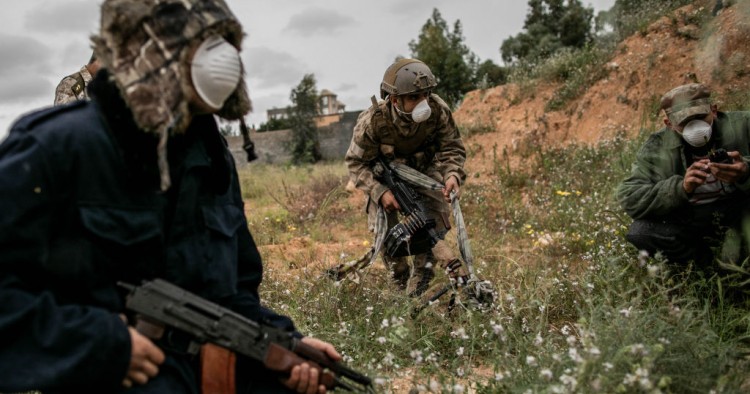
Absent major military escalation by his foreign patrons, Khalifa Hifter has now lost the war he initiated against Libya’s internationally recognized government in Tripoli. The question remains, however, of how to end Libya’s proxy war and restart the necessary political process to bring about sustained peace.
Mirette Mabrouk and Dr. Sherif Kamel join host Alistair Taylor to discuss Egypt’s economy and the role of entrepreneurship. Like countries across the Middle East and North Africa, Egypt has been hit hard by the coronavirus pandemic and the economic fallout is likely to be severe.
Egypt’s potential perfect storm: Pandemic, recession, returnees, and remittance losses
A possible influx of returnees from the Gulf swelling the ranks of the unemployed is bad enough, but it also comes with a serious complication — the possible loss of remittances.
Protracted conflict on Yemen’s island of Socotra reflects rival geopolitical ambitions
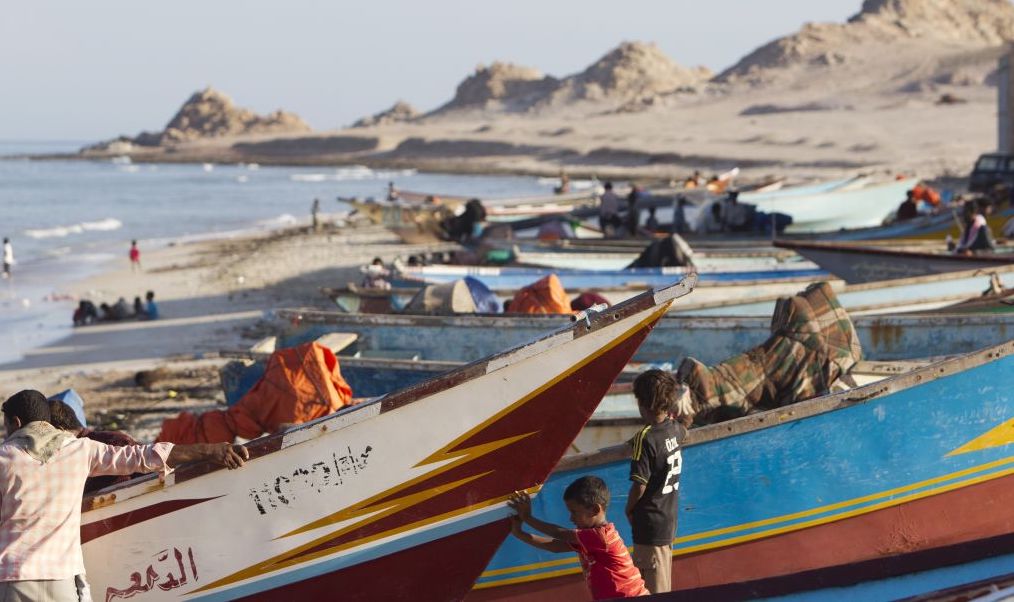
On April 30, roughly a week after the Southern Transitional Council (STC) declared self-administration in Aden, a military confrontation broke out on the remote Yemeni island of Socotra between members of the STC and government forces. After just a few days, the situation was diffused when the island’s governor and the STC asked the Saudis to intervene. Although an agreement was reached quickly, it is likely to be fragile because the causes of the conflict are not entirely local. The island of Socotra is simply too important to multiple international players that are not willing to let it easily slip outside their sphere of influence.
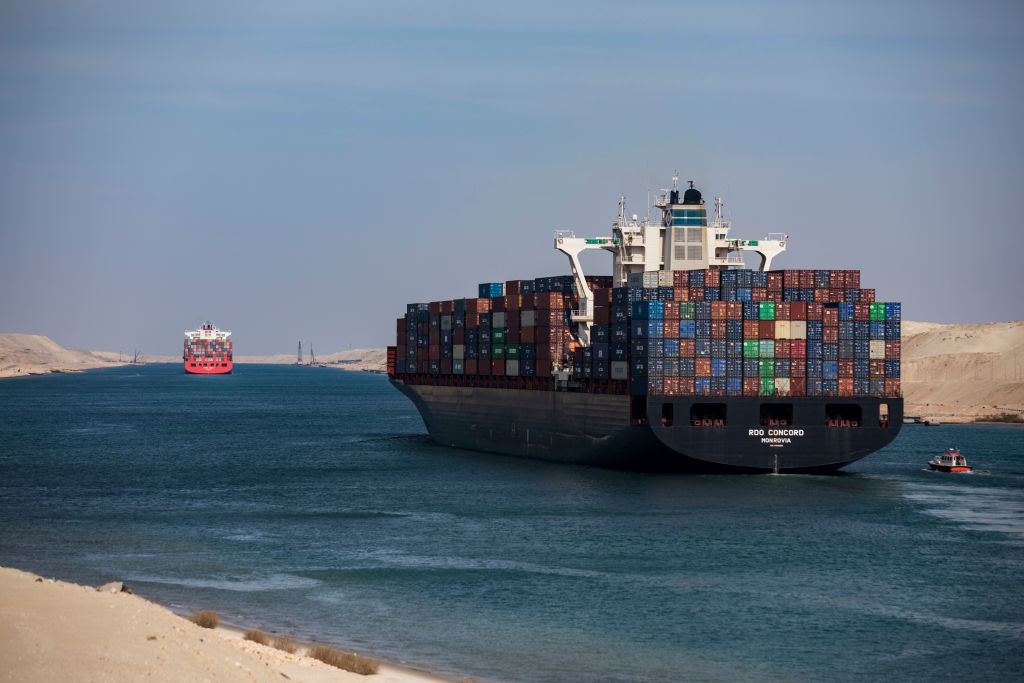
Egypt’s Suez Canal: A ray of light amid the economic gloom
It’s difficult to overstate the importance of the Canal to the international shipping trade, but it’s importance to Egypt economy is even greater still.
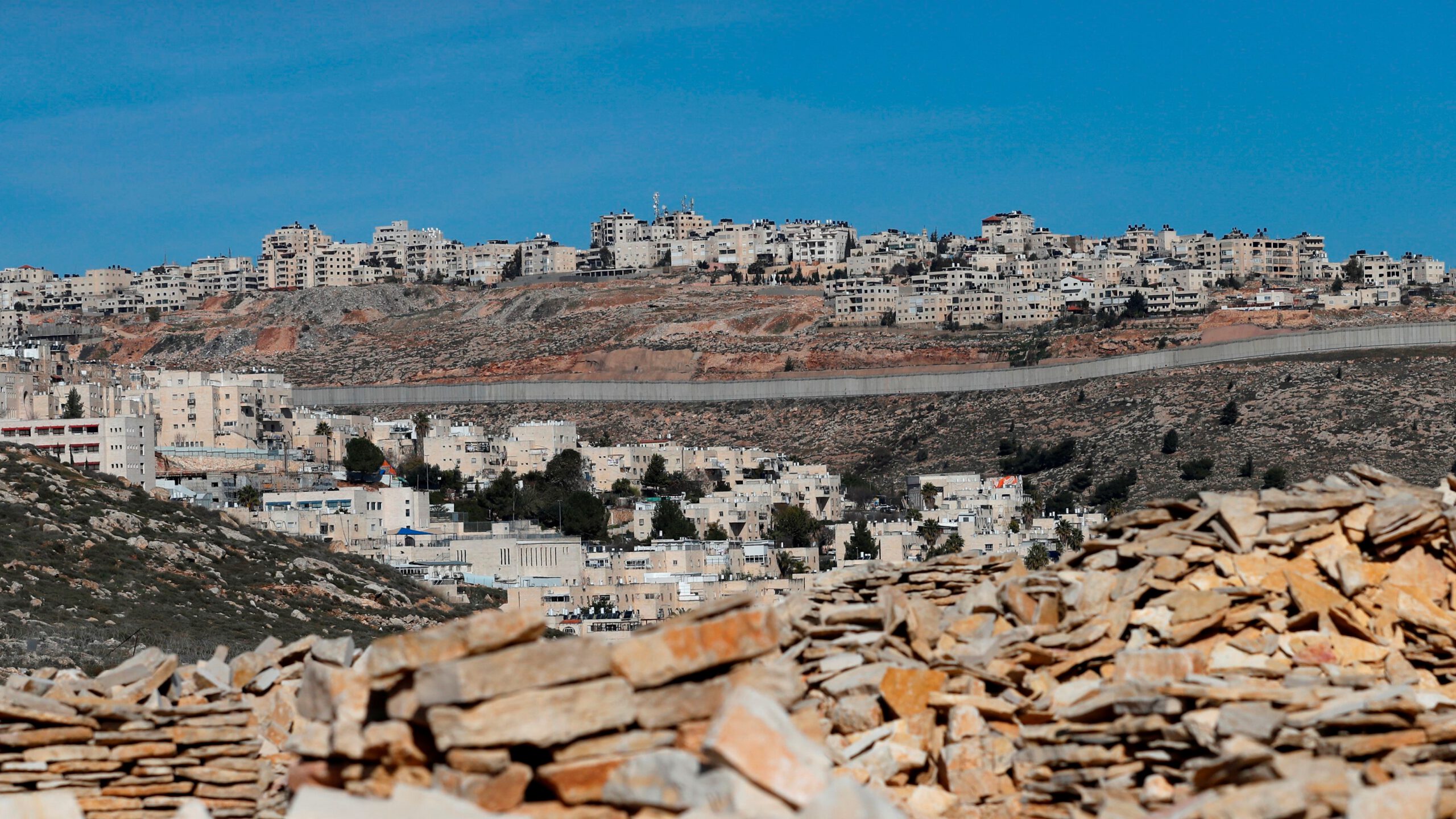
Gantz leaves the door open for Arab states to counter annexation
The April 20 Netanyahu-Gantz agreement legitimized the possibility of an Israeli law that will act as a unilateral annexation of parts of the West Bank to start as early as July 1, based on the controversial Trump Middle East plan. Articles 28 and 29 of the deal condition such annexation on the “consent of the Trump administration” and note that such a move would only be possible if the annexation preserves “the security and strategic interests of the state of Israel including the need to keep regional stability, keep existing peace agreements, and pursue future peace agreements.”
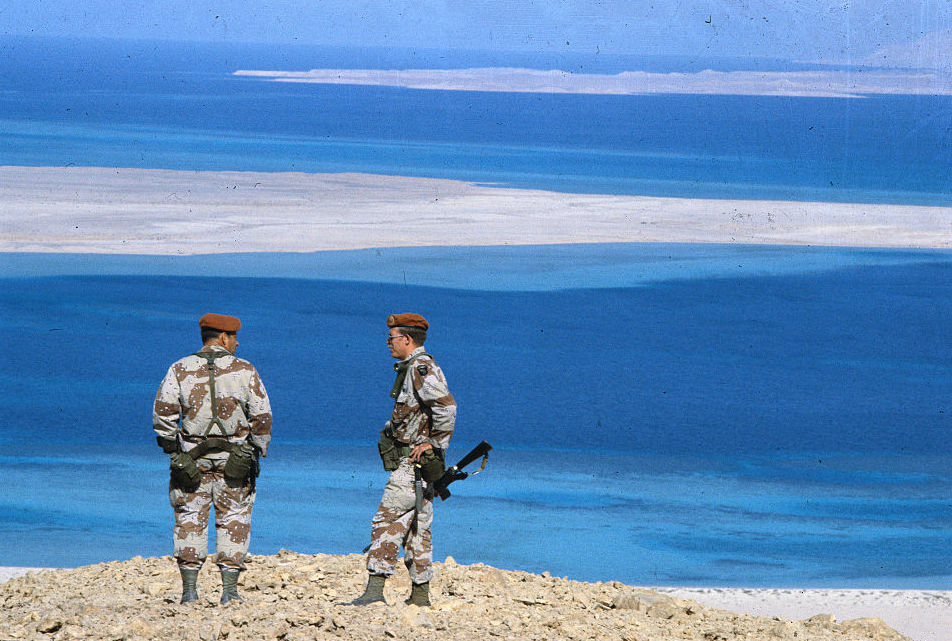
The times have changed, but the need for a US-led MFO hasn’t
This is not the time to hang out the “Mission Accomplished” banner for the MFO. At a nominal cost to the U.S. in money and manpower, for nearly 40 years, the mission has been a phenomenal success. At a time when the U.S. commitment to the region is being viewed with increasing skepticism, the MFO is a prime example of U.S. capacity to organize and lead a multinational effort to support regional security and stability.
In an effort to boost its economic competitiveness, Qatar is hedging its bets on emerging technologies. The Gulf sheikhdom, eager to diversify its gas-dependent economy, is cultivating various technological areas, notably artificial intelligence (AI).