Shifting sentiments in the Sahel: Anti-France or pro-Russia?
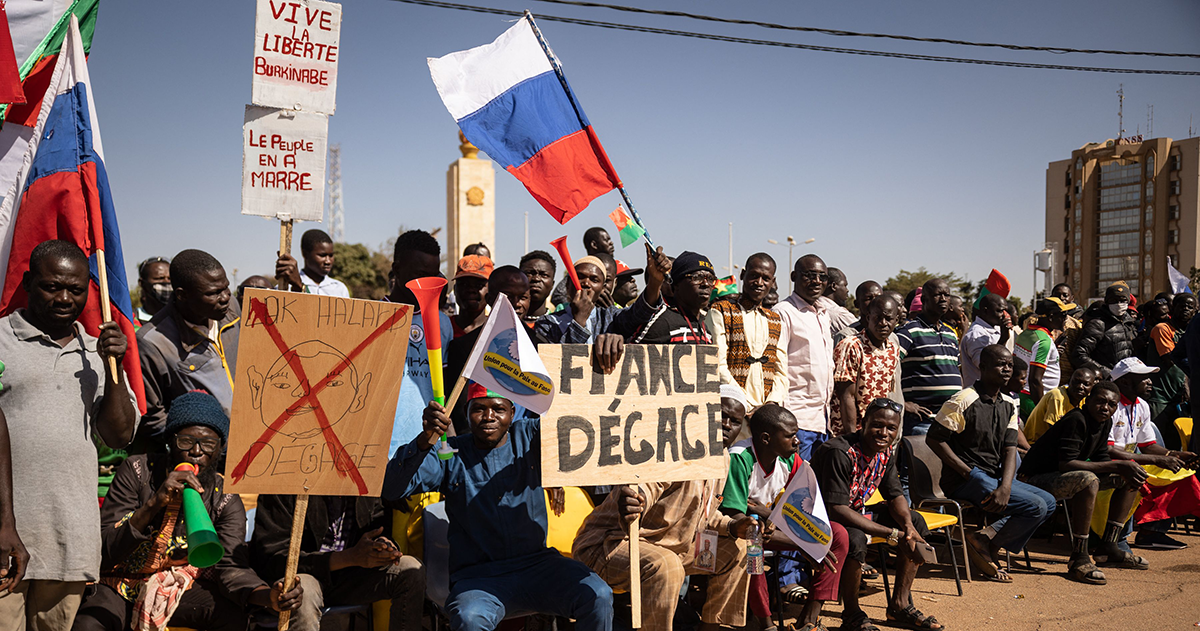
In recent months, fervent anti-French sentiment has been on the rise in Burkina Faso and Mali. In February 2023, the Burkinabe army announced the end of the French Sabre Force in the West African country. This came three weeks after the transitional government withdrew from the 2018 defense agreements with France that had previously allowed 400 French troops to be stationed in a cantonment outside of the capital, Ouagadougou.
Navigating complex maritime security challenges in the Black and Mediterranean seas: Insights from the updated EUMSS
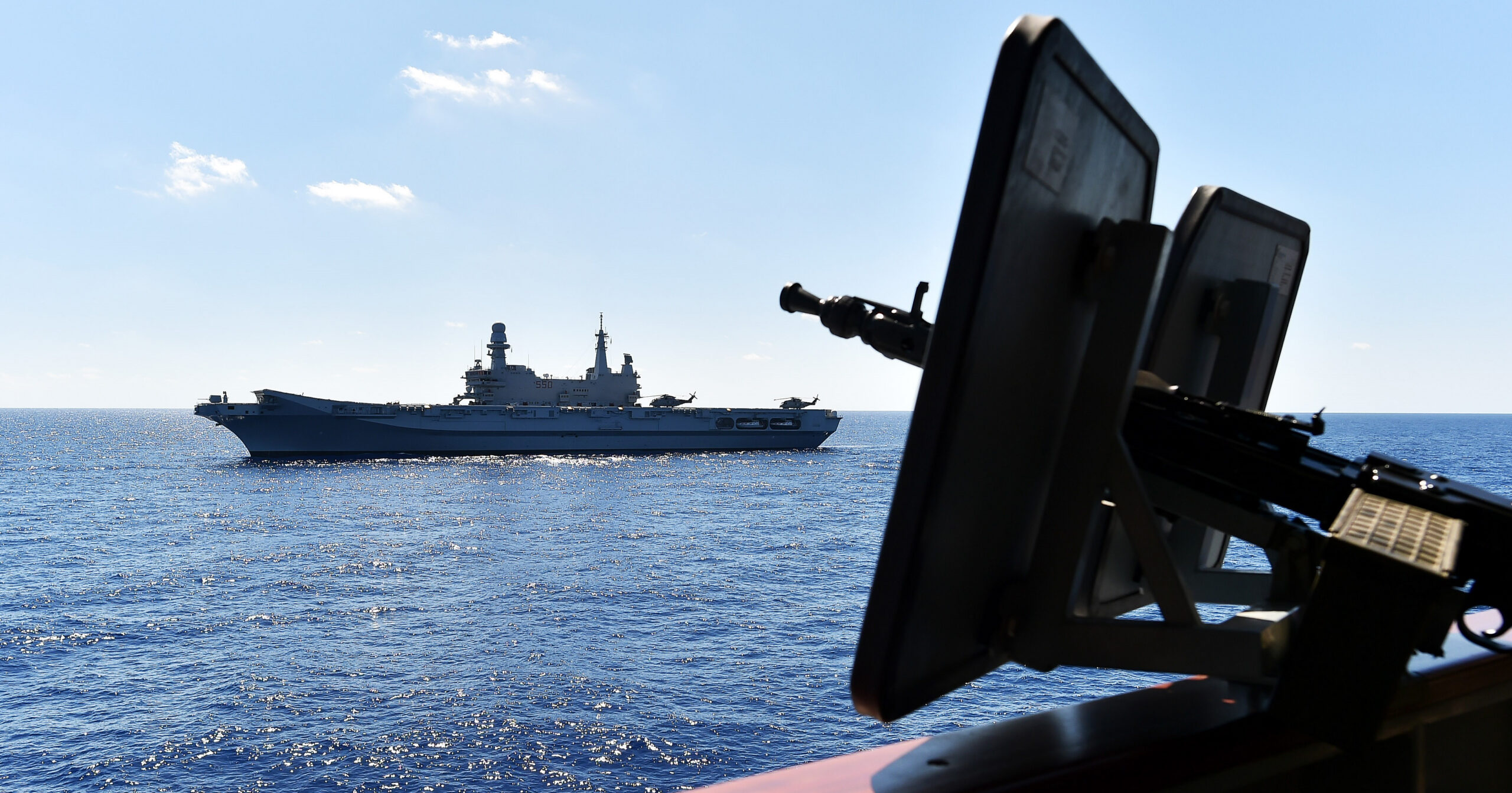
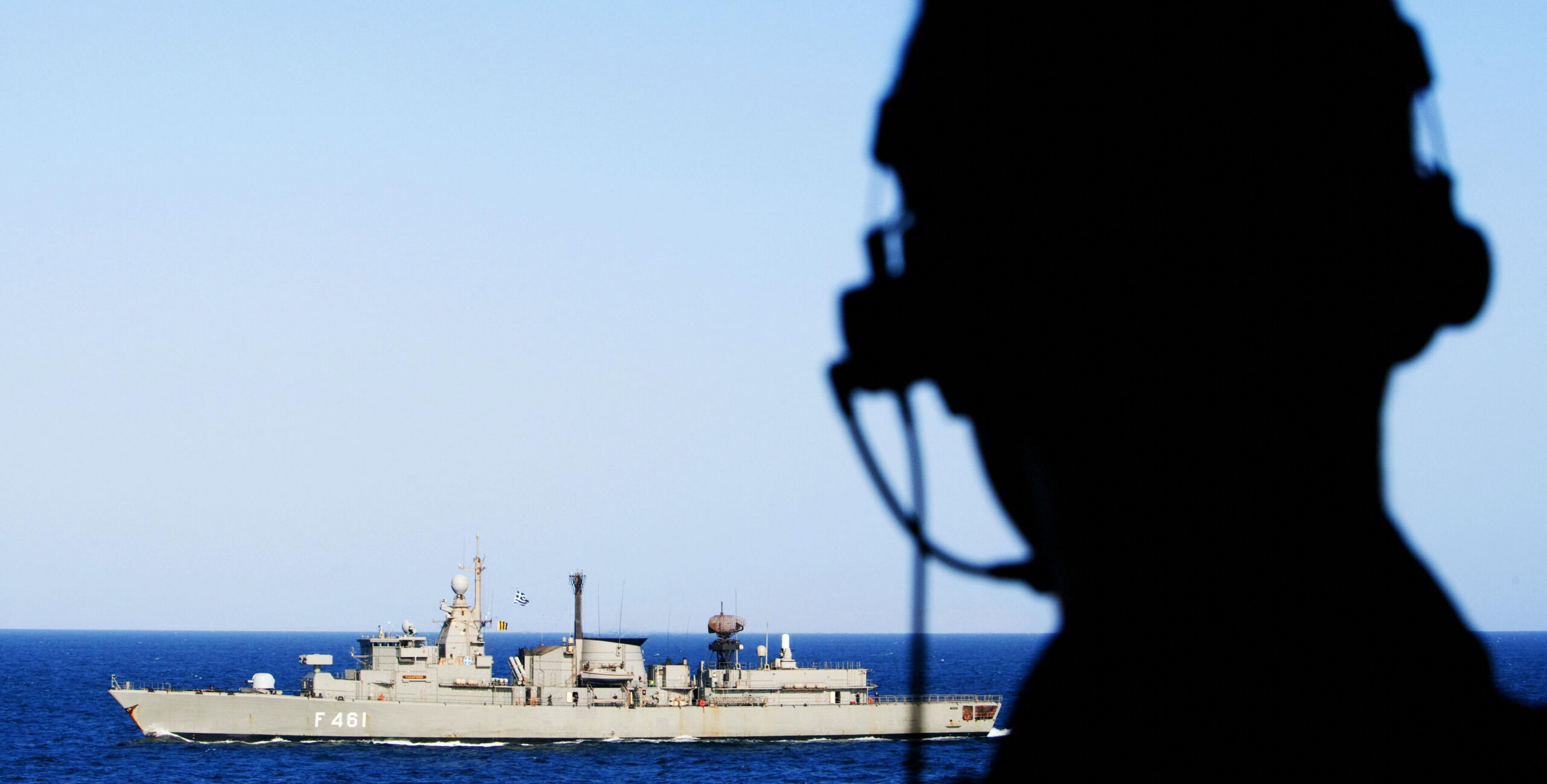
Russia’s February 2022 full-scale invasion of Ukraine helped influence the updated European Maritime Security Strategy’s approach to the Black and Mediterranean seas, with implicit and explicit references to the war dispersed throughout the document. The updated EUMSS showcases the wide array of security issues present in the region, including seaborne UXOs, human and drug trafficking, and threats to critical infrastructure. But security in the Black and Mediterranean seas will require greater cooperation with non-EU countries.
Joining the pieces together: Toward a comprehensive EU maritime approach for the Northwestern Indian Ocean, Persian Gulf, and Red Sea
Until recently, the EU has favored a piecemeal approach toward the Northwestern Indian Ocean, the Gulf, and the Red Sea, despite their close interdependence and inter-connectedness in the security, political, and economic realms. But the EU is now signaling a growing desire to steer its naval policy toward a more holistic and organic process, creating an opportunity for Brussels to become a more relevant security actor in the waters off the Arabian Peninsula.
Tunisia's New State Institutions, Legitimacy, and the Future of the Political Transition
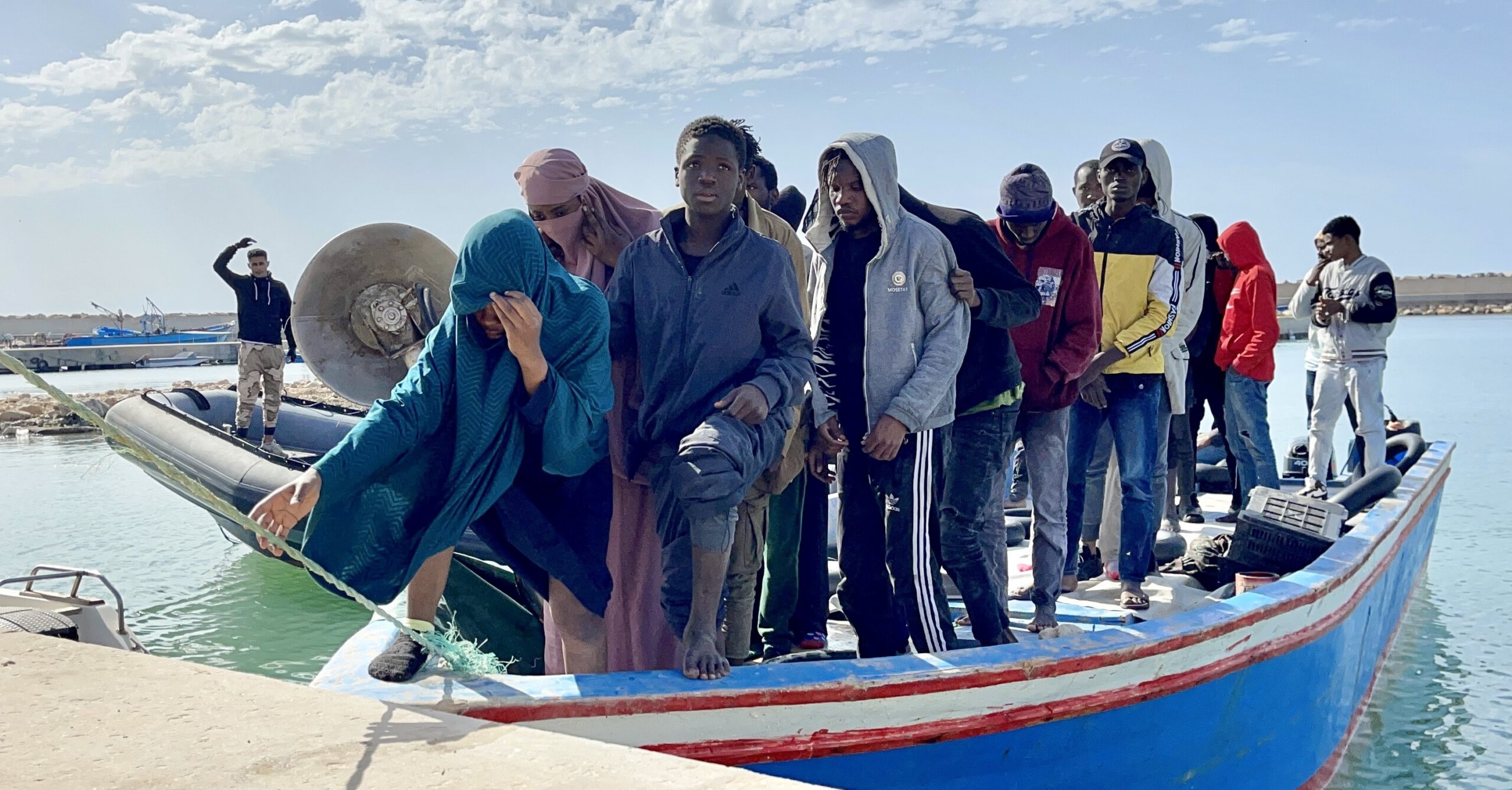
Tunisian President Kais Saied has reformed the structure of the Tunisian government, creating worries that democracy is being eroded in the North African country. Amidst ongoing economic turmoil and a growing migration issue, many are wondering if it is still possible to preserve democracy in Tunisia. Intissar Fakir, Director of MEI’s North Africa & Sahel program, is joined by Chiraz Arbi and Lilia Blaise to discuss the current political situation and what the future may look like for Tunisia.
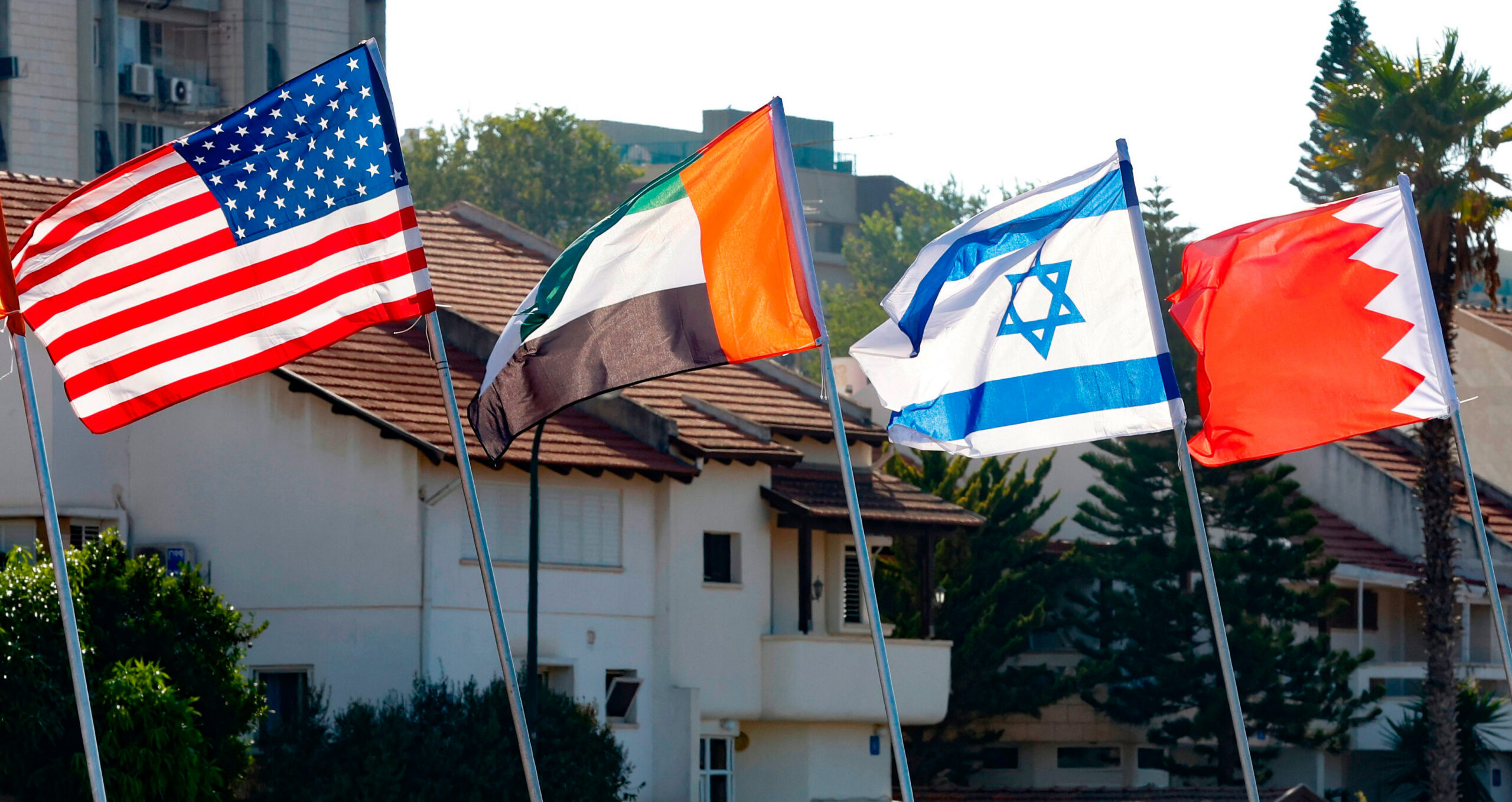
Both historical and modern-day conflicts in the Middle East have all been centered around classical territorial considerations of the loss or recovery of land. Escaping that cycle required a shift away from one of the main root causes of conflict: geography. The current changes in the region, characterized by a significant drive toward de-escalation and a growing willingness to periodically part ways with traditional allies, may be telling symptoms of a profound tectonic shift toward “quantum politics.”
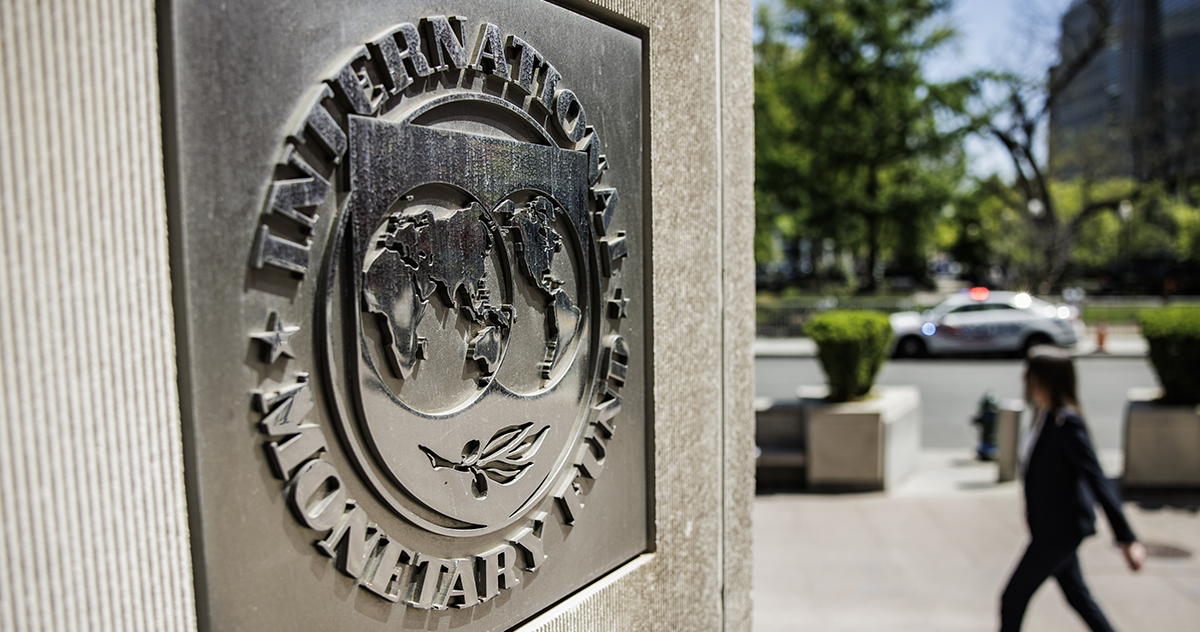
President Kais Saied’s statement during a speech on April 6 claiming to reject the conditions, or “diktats” as he called them, that come with a potential loan from the IMF has provoked debate. Reactions to the speech as well as actions taken by Tunisian officials before and after it seem to contradict its intention, causing confusion over whether the deal is still on. Meanwhile, others took the speech as a sign that Tunisia is seriously considering the possibility of alternatives to IMF financing or even a geopolitical reorientation.
A Reassessment of American Policy Toward Taliban Afghanistan
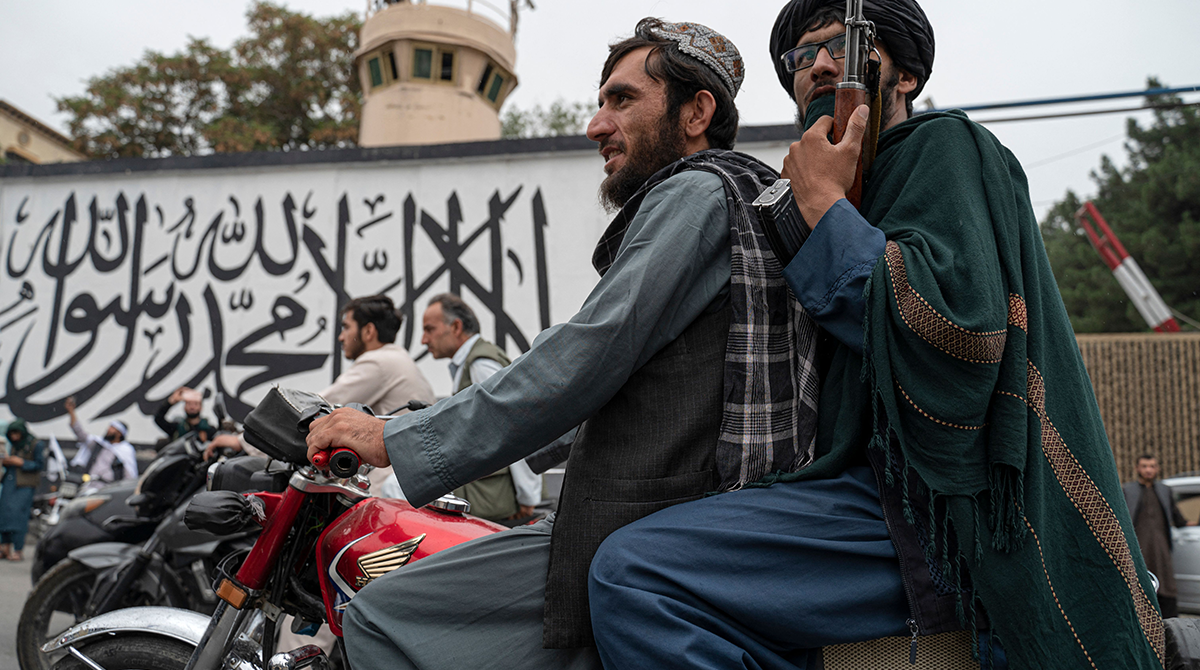
It has been long enough since the Taliban seized power in Afghanistan in August 2021 for us to reach some conclusions about how the regime intends to govern and the policy options this presents. For a variety of reasons the U.S. now finds itself drawn into several areas of policy in Afghanistan and trying to decide what form and degree of engagement with the Taliban government can best advance American interests.
Getting ahead of the Middle East’s climate refugee conundrum
Over the coming decades, the worsening effects of climate change will increasingly displace many millions of vulnerable people in the Middle East and North Africa, and many of these refugees will attempt to relocate to the Global North. To avert such a monumental looming problem requires pragmatic solutions and their swift implementation.
The road to Marrakech: US-China tensions loom over IMF/WB spring meetings
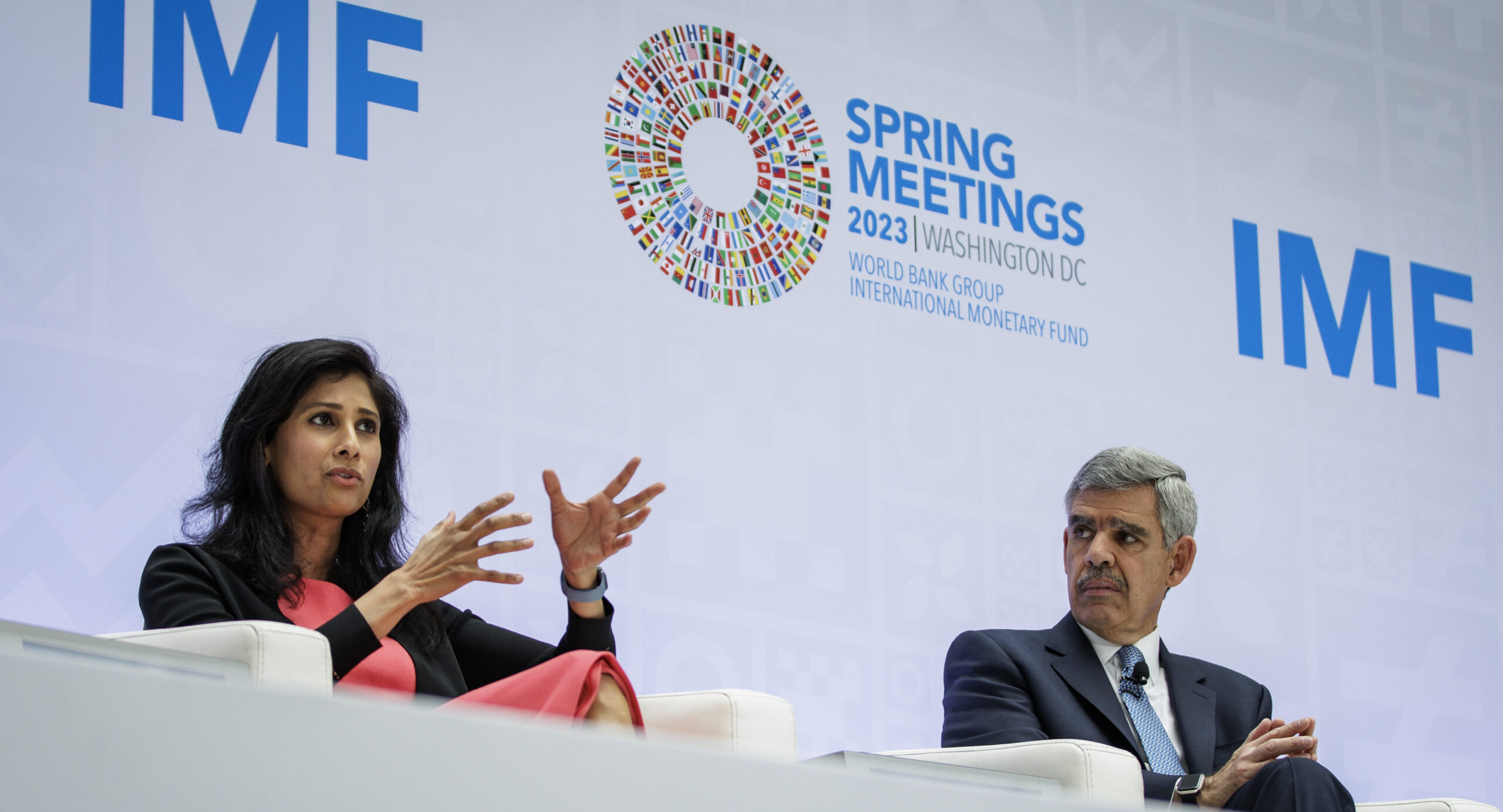
Last week’s spring meetings of the IMF and World Bank in Washington, D.C., were an important occasion for financial and economic leaders from the MENA region to meet with their counterparts from these IFIs and major bilateral donor countries. At the same time, they serve as a lead up to the important Annual Meetings that will be held in Marrakech, Morocco, in the fall — the first time they will be hosted by an Arab or African country.