Post-Oct. 7 divergent paths: Israel’s military maximalism and Saudi Arabia’s strategic de-escalation
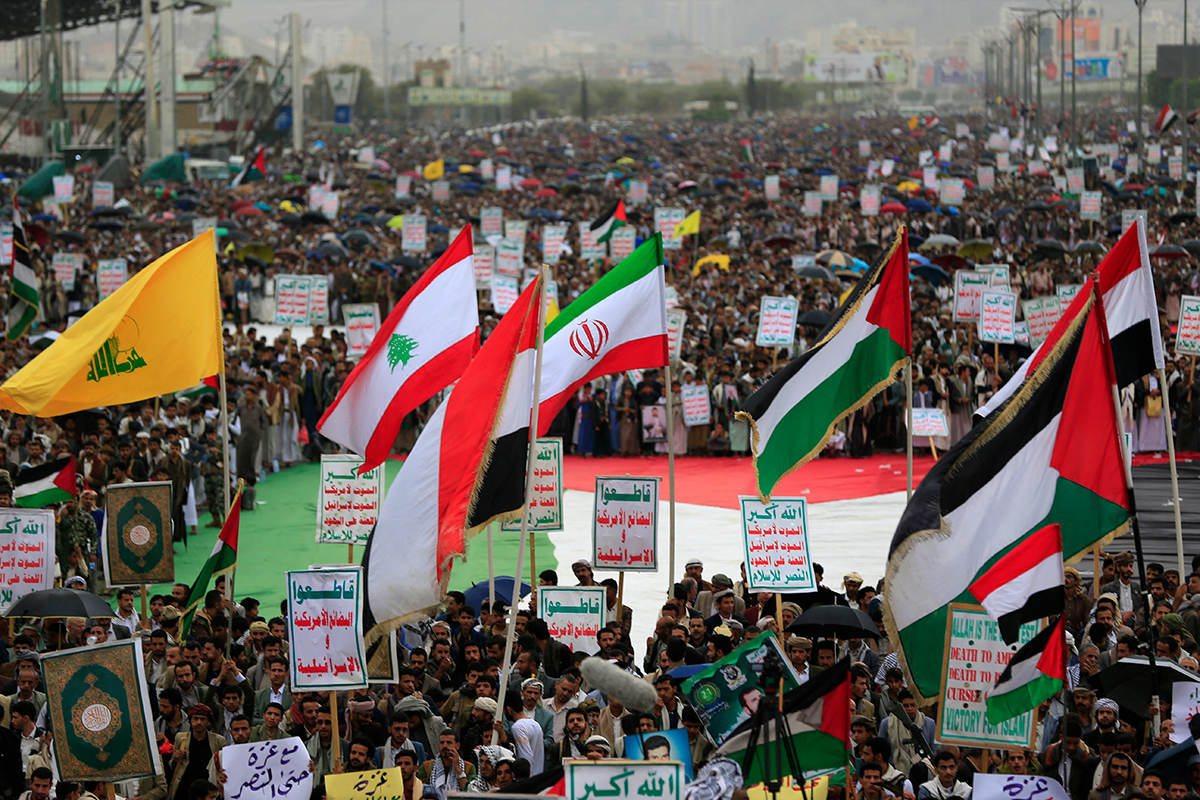
The Hamas attack on Oct. 7, 2023, shattered Israel’s long-standing security paradigm, replacing limited deterrence with an ambitious campaign aimed at dismantling Hamas, confronting Hizballah and other Iranian proxies, and directly targeting Iran’s nuclear program with the support of the United States. In stark contrast, Saudi Arabia has prioritized regional stability and de-escalation, restoring relations with Iran, and focusing on its Vision 2030 economic transformation.
The monarchical Arab Gulf states emerged on the other side of last June’s Israeli and US attacks on Iran largely unscathed, with the important exception of a limited, retaliatory Iranian missile strike on the American airbase in Qatar. However, in a larger sense, this short war, part of the broader regional conflict that began with the Hamas attack on Israel in October 2023, reinforced the precariousness of the Gulf monarchies’ security situation.
The current Israeli-Palestinian nightmare is a result of multiple failures of leadership
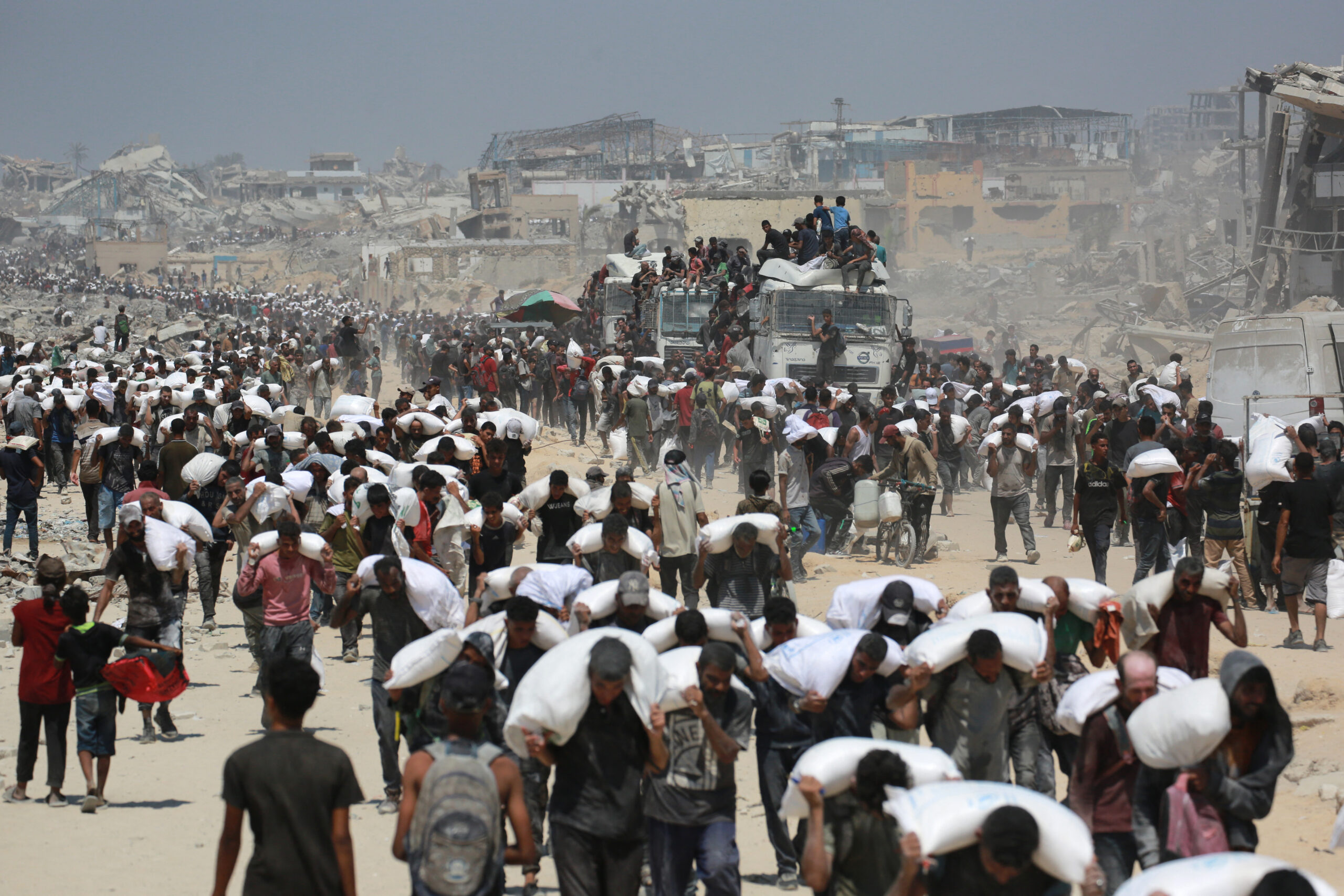
The unresolved crises unfolding on the Israeli-Palestinian front — a growing humanitarian disaster inside of Gaza, the horrific images of emaciated Israelis held hostage by terrorists in the coastal strip, and ongoing tensions in Jerusalem and the West Bank fueled by religious extremists of all stripes — represent one of the biggest strategic challenges to stability facing the Middle East. With Israel now openly contemplating a full occupation of Gaza, this set of issues serves as an obstacle to broader regional peace and normalization efforts.
How have recent events affected MENA energy markets?
“The first half of 2025 has been a whirlwind for global energy markets,” says MEI Senior Fellow Colby Connelly. The 12-day war between Israel and Iran this past June briefly sent oil prices into the $80 per barrel range, while growing uncertainty around trade policy under President Trump has greatly complicated Middle Eastern actors’ investment decisions. Connelly breaks down these developments and outlines what to watch in the months ahead.
US Policy in the Middle East: Second Quarter 2025 Report Card
Six months into his second term, President Donald Trump remains in search of a major, concrete foreign policy win. Trump 2.0’s foreign policy is still struggling to produce a major positive outcome from its frenetic activity trying to end kinetic wars while prosecuting an unprecedented economic war with much of the rest of the world. The whirlwind of uncertainty since Trump returned to office in January has yet to improve America’s overall strategic position in the world. The following report assesses the US government’s actions over the past three months from May to mid-July 2025.
As the dog days of August approach, we are pleased to share a curated summer reading list featuring some of VP for Policy Ken Pollack’s favorite books on the region. Covering a variety of timely and engaging topics, the list offers recommendations for anyone interested in deepening their understanding of the Middle East.
Inflection point or continuing spiral in the Middle East?
After almost two years of fighting in Gaza, and after the decimation of Hizballah, the fall of Bashar al-Assad’s regime in Syria, and the 12-day Israeli-American war on Iran, the Middle East is in new strategic and political territory. Two pathways lie ahead: the first is one in which the gains and changes brought about by war are turned, through intense diplomacy and negotiation, into new international and political arrangements that bring about a period of security and stability in the region; the second is one in which that corner is not turned, and the wars in Gaza, Iran, and potentially Yemen, Syria, and Lebanon, continue indefinitely. The trajectory will depend on the choices of key actors — above all Iran, Israel, and the United States.
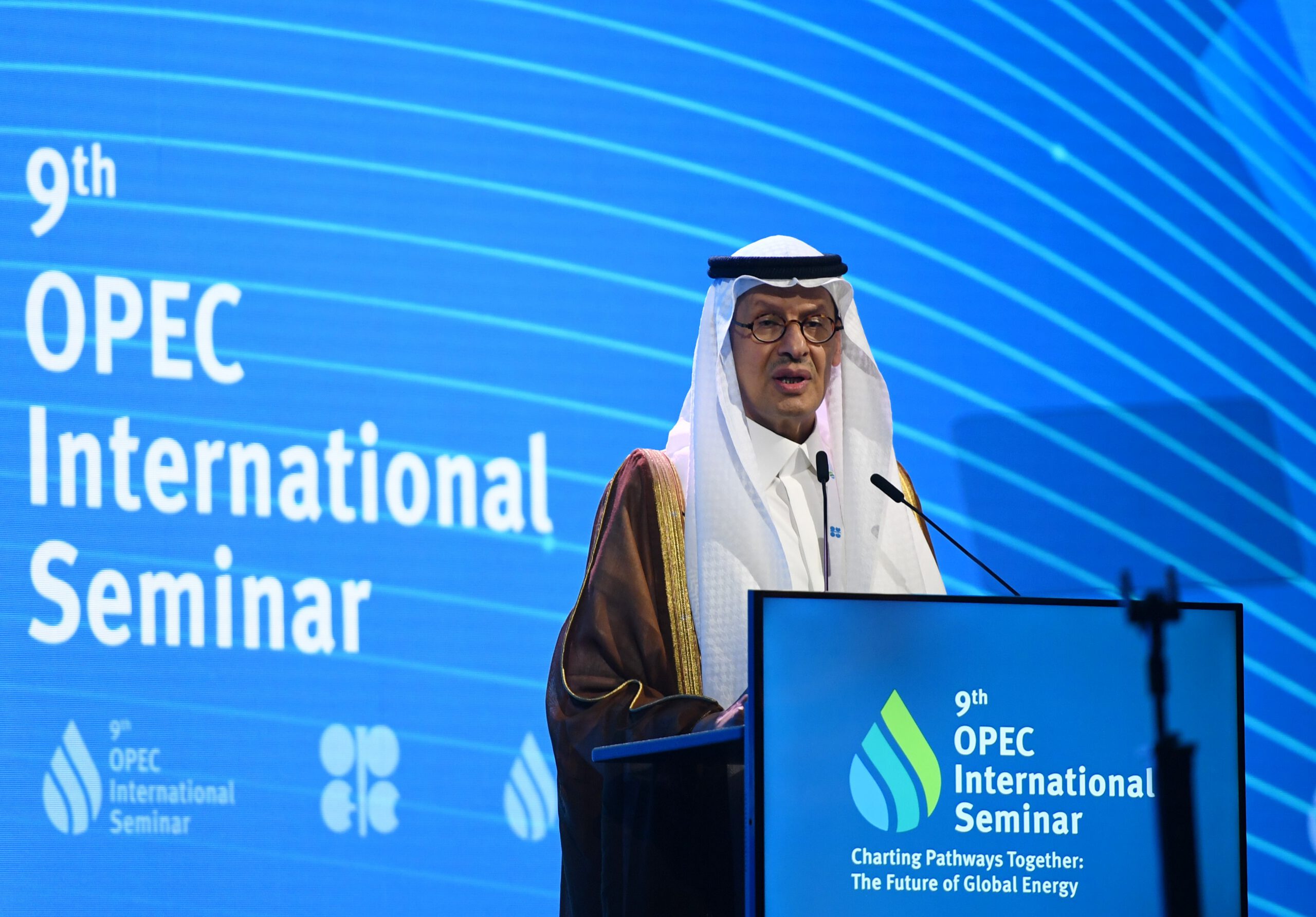
MENA Energy Recap, Q2-2025: Markets Soften, Resolve Hardens, Investments Grow
The MENA Energy Recap is a quarterly review of key energy developments that took place in the region from April through June of 2025 and what they signal in the months ahead. The Recap views these developments through the lens of policy and strategy, energy security, and markets.
Probably few if any Middle East analysts had Israeli airstrikes targeting key government installations of the Syrian state on their summer 2025 bingo cards. And yet that is precisely what happened on Wednesday, as Israeli jets hit Syria’s military headquarters and an area near the presidential palace in Damascus.
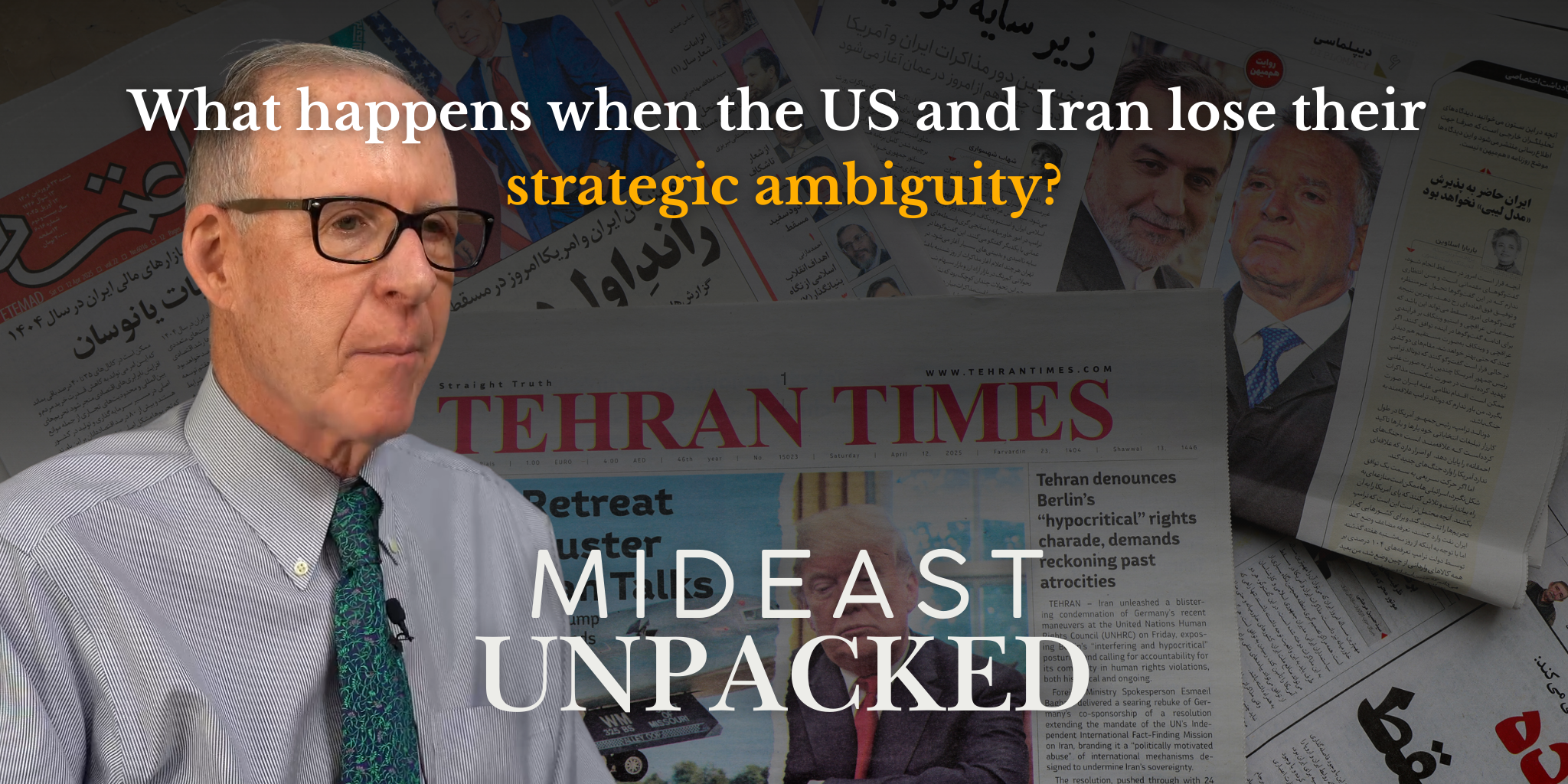
What happens when the US and Iran lose their strategic ambiguity?
MEI Senior Fellow Ross Harrison breaks down how this foreign policy approach can help mitigate conflict—and how both Washington and Tehran may have undermined their own ambiguity during the recent 12-day war, with potentially lasting consequences for regional stability.
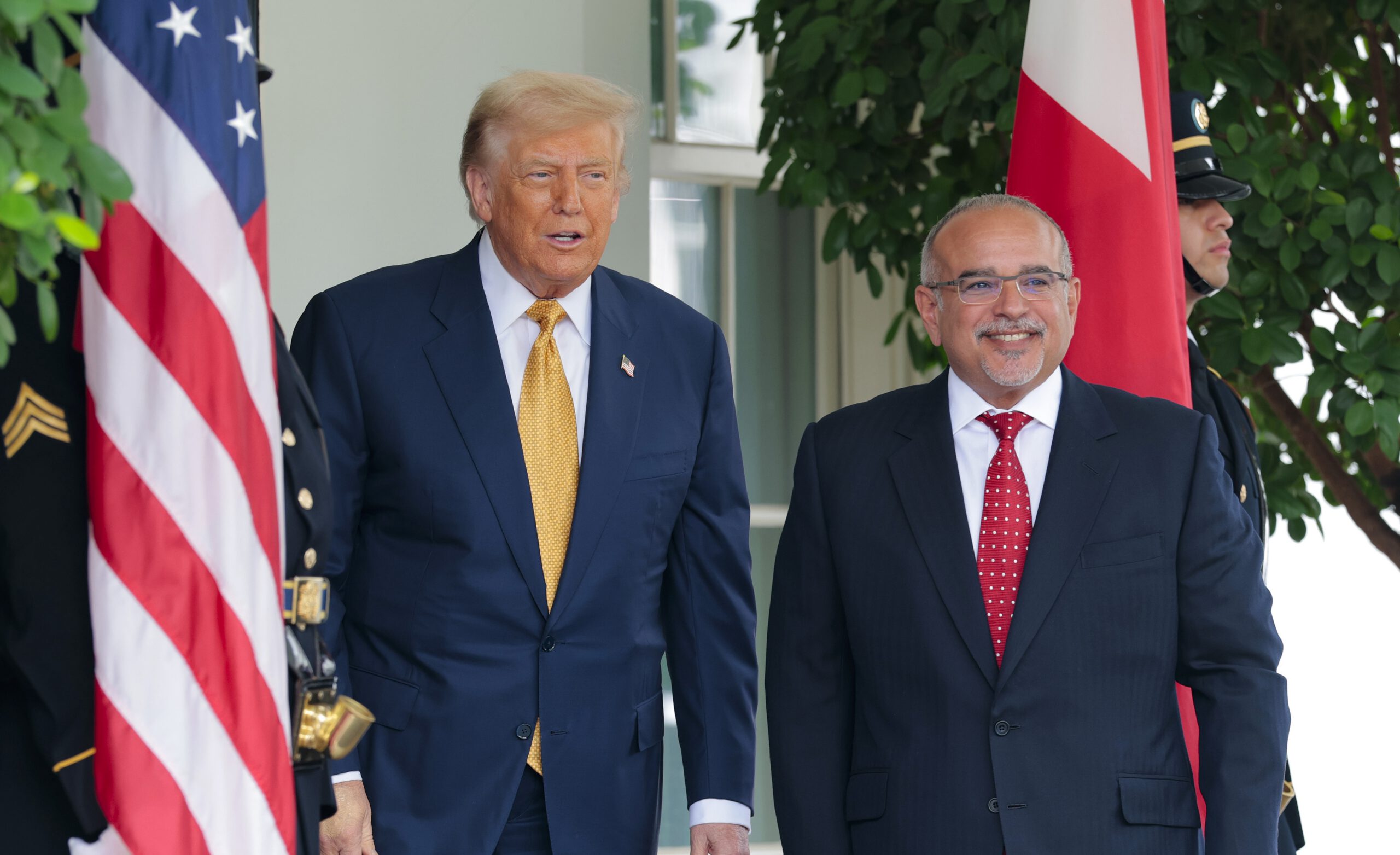
Deals, Diplomacy, and Day-After Plans: The Trump Administration's Middle East Strategy
As the Trump administration marks six months in office, it is pursuing a flurry of diplomatic initiatives across the Middle East — some publicly coordinated, others shaped behind closed doors. MEI Distinguished Diplomatic Fellow Mara Rudman joins hosts Alistair Taylor and Matthew Czekaj to assess the administration’s broader regional strategy and its handling of key issues.
The 12-day Israel-Iran war: China’s response and its implications
Last June’s Israel-Iran conflict became a revealing stress test for Beijing’s Middle East strategy, its role in global diplomacy, and the coherence of what some have described as an emergent “Axis of Upheaval” between China, Russia, and Iran.
Trump still looking for major wins on the global stage after budget battle victory at home
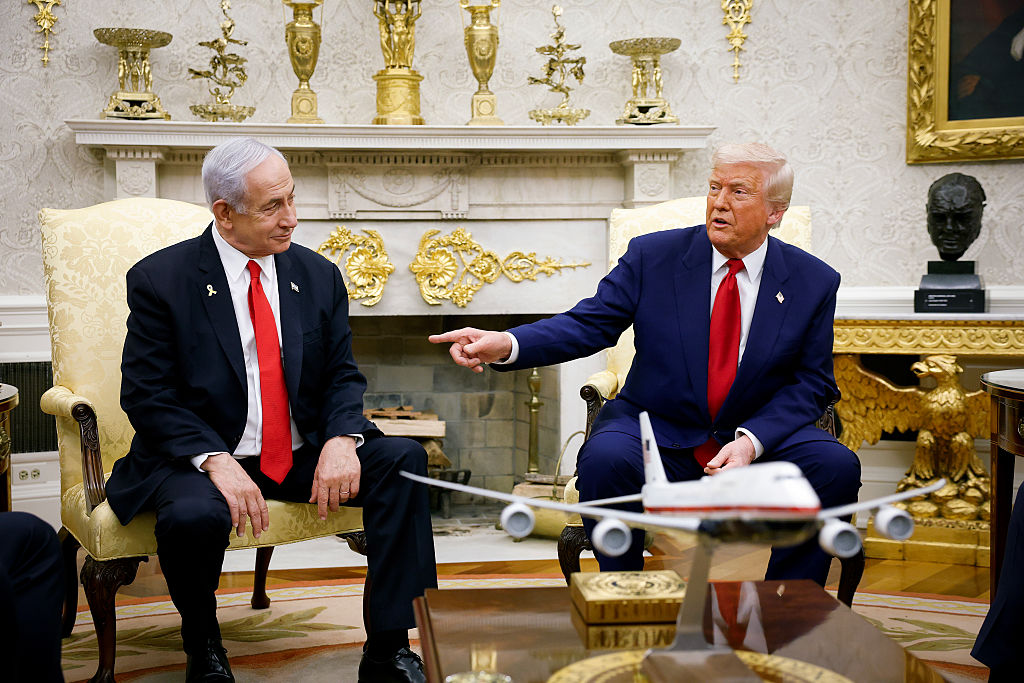
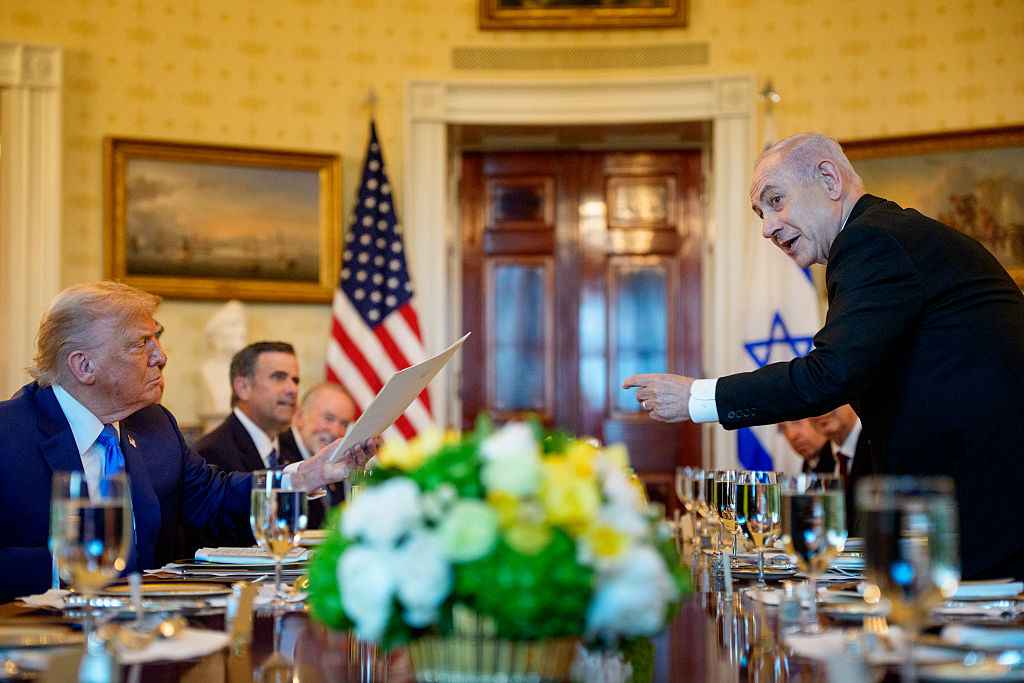
US President Donald Trump hosted Israeli Prime Minister Benjamin Netanyahu for the third time in his second term this week, shortly after securing a major victory for his domestic policy agenda in the budget bill passed by Congress.
Pakistan’s ability to thread the needle in relations with the US and Iran tested by the Israel-Iran war
When the Israel-Iran war broke out and the United States decided to assist the Israeli side by striking Iran’s nuclear program, both Tehran and Washington expected Islamabad to side with their respective positions. This situation placed the Pakistani government in a politically sensitive and diplomatically delicate position.
Trump’s Middle East policy arrives at a temporary and fragile limbo
Domestic politics has taken center stage in the United States as Congress struggles to pass President Donald Trump’s proposed budget plan. But July is also shaping up as a pivotal month for Trump’s foreign policy in the Middle East and beyond.