9/11’s legacy for U.S.-Middle East relations
Ross Harrison, Paul Salem, and Randa Slim join host Alistair Taylor to reflect on 9/11’s impact on US policy in the Middle East over the past 20 years and how its legacy has been viewed by the region.
On July 24, Beirut and Baghdad signed a governmental framework agreement under which Iraq pledged 1 million tons of heavy fuel oil to Lebanon over a full year.
These developments come against the backdrop of multiple U.S. hints that Washington is potentially willing to circumvent sanctioning the participating parties under the Caesar Act.
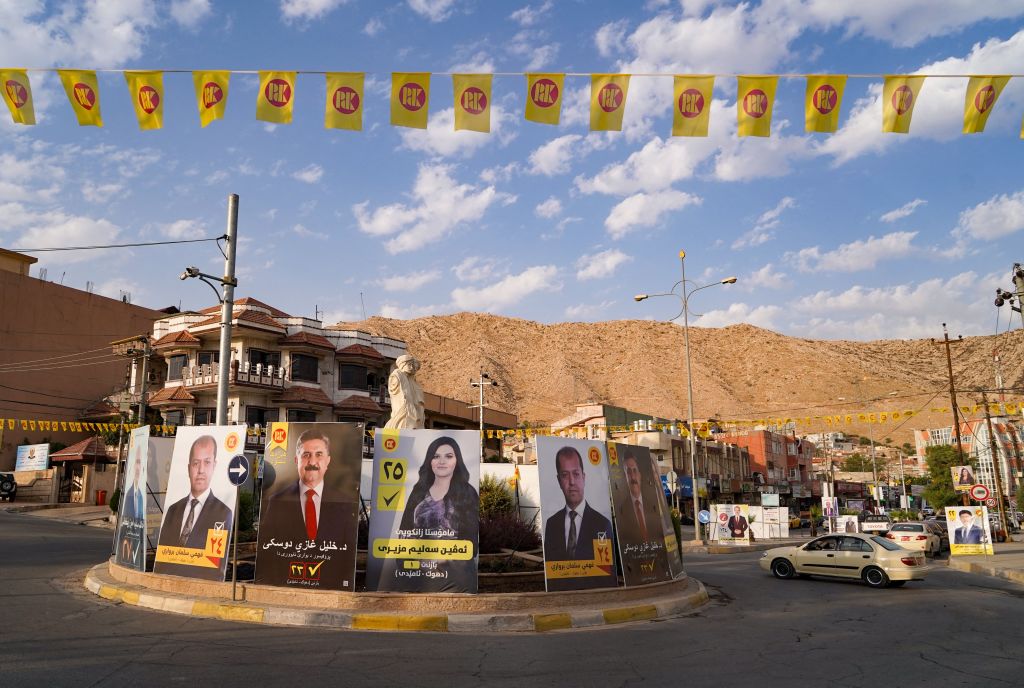
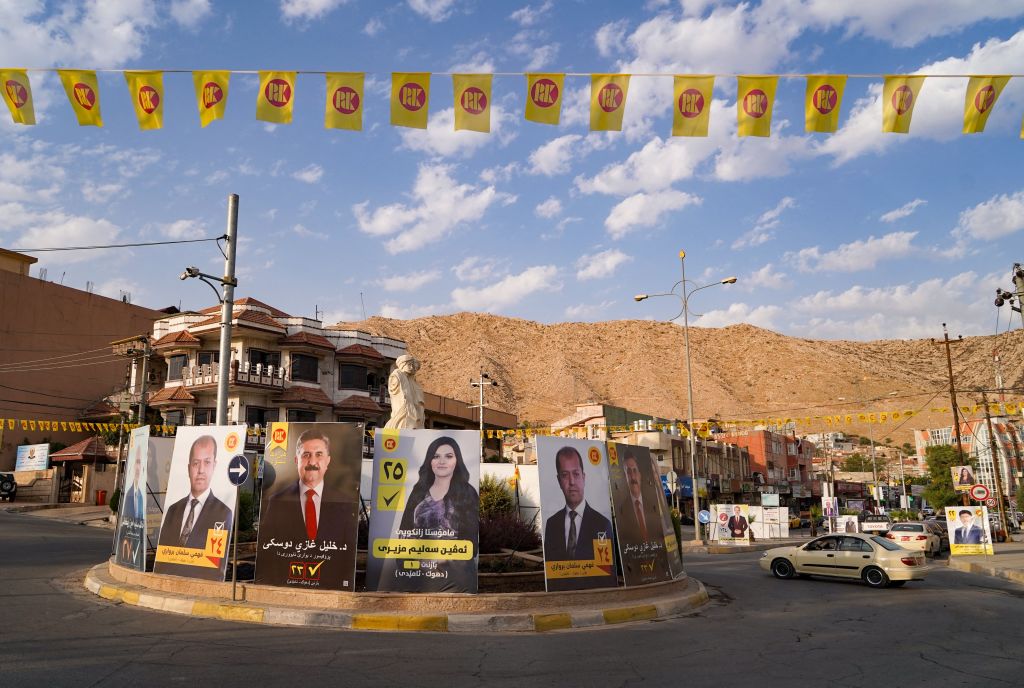
Mick Mulroy and Ken Tovo join host Alistair Taylor to discuss their recent paper on how US intelligence and military operatives effectively collaborated with local Kurdish partners in Northern Iraq in the early 2000s, why it was a successful partnership, and what lessons it may provide for future operations. The paper, “Irregular Warfare: A Case Study in CIA and US Army Special Forces Operations in Northern Iraq, 2002-03,” is available now on MEI’s website.
Read MEI’s weekly briefing featuring expert analysis of key regional developments for the week ahead.
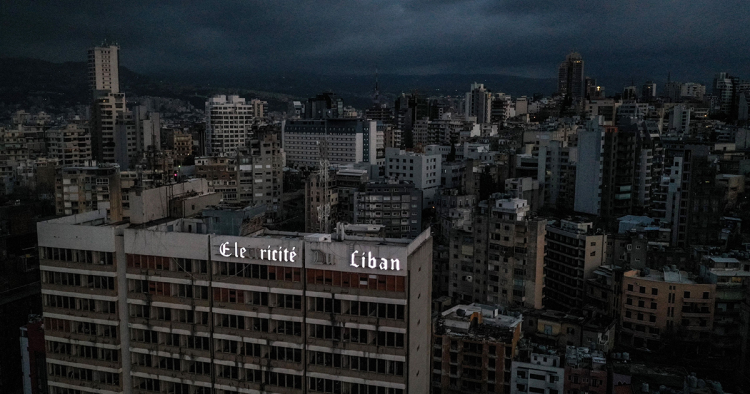
Amid typical governmental absenteeism, Hezbollah’s Secretary-General Hassan Nasrallah announced on Aug. 19 that the party had secured fuel shipments from Iran. He asserted that the first of many fuel tankers would set sail to Lebanon that same day. Hours later, U.S. ambassador to Lebanon Dorothy Shea declared that the U.S. was working closely with Egypt, Jordan, and the World Bank to find solutions to Lebanon’s crippling fuel shortages. Shea’s comments imply a U.S. willingness to loosen Caesar Act restrictions that would otherwise prevent Lebanon from importing natural gas and electricity through Syria from Egypt and Jordan respectively. The two announcements have been in the making for weeks, but both come at a time when Lebanon’s physical and human infrastructure is crumbling in the absence of essential fuel supplies and energy sources.
Premeditated political paralysis and the absence of economic leadership have brought Lebanon to its knees. Critical infrastructure has collapsed. Reliable electricity and safe water provision are rare. Hospitals and medical services are crippled by the lack of power, medications, and supplies. Food security is at risk for the majority of the population. Desertions from the ranks of security forces are growing. A nationwide security collapse is increasingly likely. The humanitarian collapse is already here.
One of the most consequential changes in the Middle East’s geopolitical map is happening at the water’s edge. Along the entire eastern rim of the Mediterranean basin, global and regional actors are engaging in a spate of port capacity expansions, new private port construction, and the sell-off of major state-owned ports that will determine who sits atop the region’s global trade flows for decades to come. The international competition to rebuild Beirut’s port is one key puzzle piece in this larger process that is reconfiguring the Levant’s maritime commercial architecture and, as a consequence, the geopolitical contours of the Middle East.
The possibility that the Lebanese government could opt for China to reconstruct Beirut’s port has raised alarm in Washington and European capitals given China’s already outsized commercial port presence in Egypt, Israel, and Greece. Increased Chinese involvement in Lebanon’s port operations could consolidate Beijing’s hold over the commercial connectivity architecture of the Levant. Re-orienting global commercial flows between Europe, the Middle East, and Asia according to Beijing’s priorities would make China’s Belt and Road Initiative a dominant organizing principle in the international relations of the Middle East. The most effective way to offset China’s ambition may be to facilitate Mediterranean rivals France and Turkey to jointly rebuild Beirut’s port.
Read MEI’s weekly briefing featuring expert analysis of key regional developments for the week ahead.
Irregular warfare (IW) is increasingly common in the 21st century and the U.S. must learn from its successful experiences with it and apply those lessons to great power competition. For the past two decades the CIA and Army Special Forces have demonstrated how to leverage interagency relationships and apply complementary capabilities to achieve successful IW outcomes. The CIA/Army Special Forces partnership in Northern Iraq during the invasion of Iraq demonstrates the value of this interagency team and provides lessons and a model for the conduct of IW in the future.
في 8 أغسطس/آب، سلَّم وزير الخارجية العراقي فؤاد حسين، عبر نظيره السعودي، دعوة من رئيس الوزراء مصطفى الكاظمي إلى العاهل السعودي الملك سلمان بن عبد العزيز آل سعود لحضور “قمة” لدول جوار العراق على مستوى القادة، والتي ستُعقد في نهاية هذا الشهر. في اليوم نفسه، وجَّه دعوة أخرى إلى الرئيس التركي رجب طيب أردوغان. لا شك أن الفكرة طموحة والصورة الأولى التي تتبادر إلى الذهن هي الاحتمال غير المرجح أن يجلس الملك سلمان والرئيس الإيراني الجديد المتشدد إبراهيم رئيسي، على جانبي الطاولة نفسها في بغداد.
Read MEI’s weekly briefing featuring expert analysis of key regional developments for the week ahead.
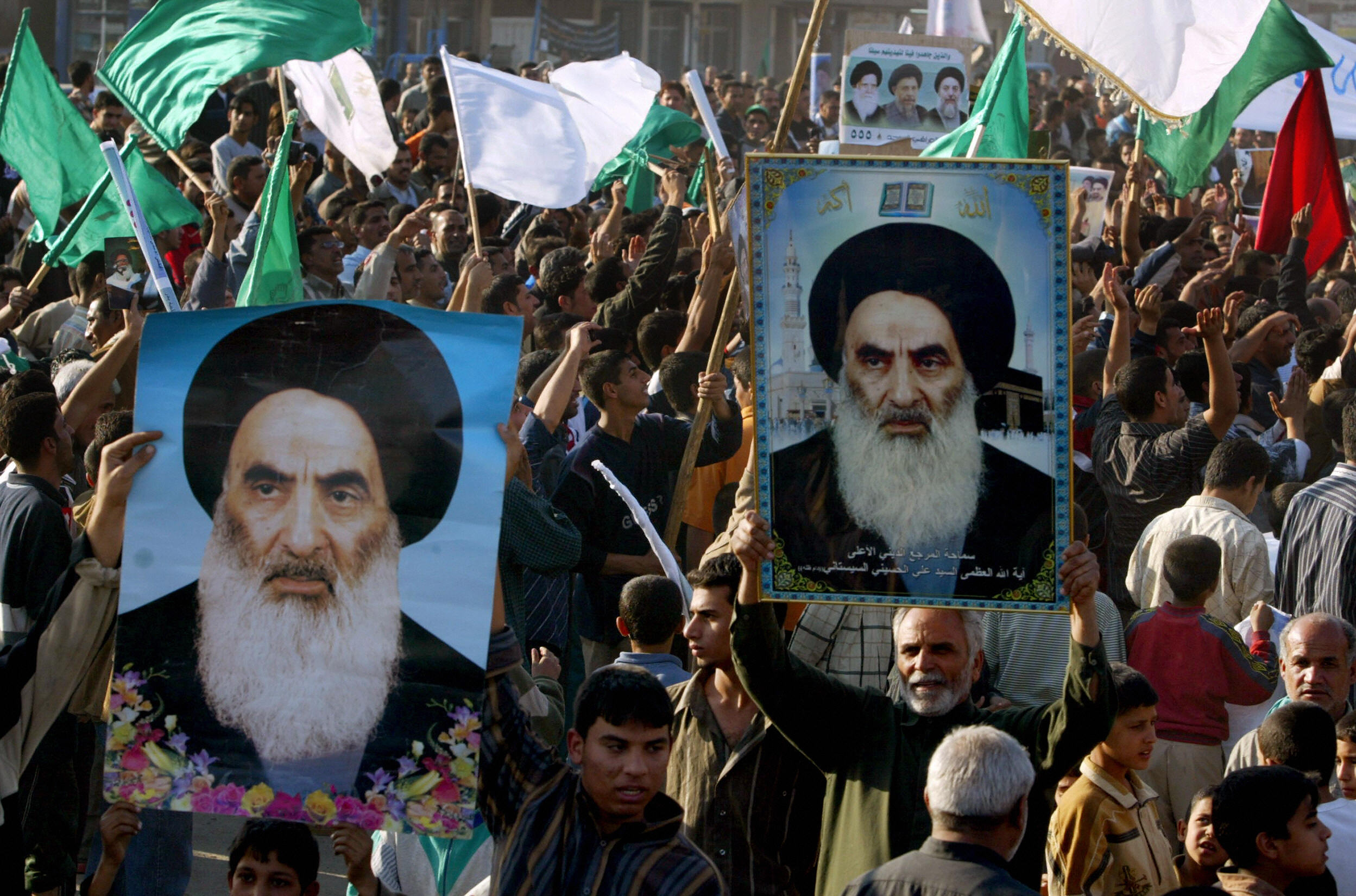
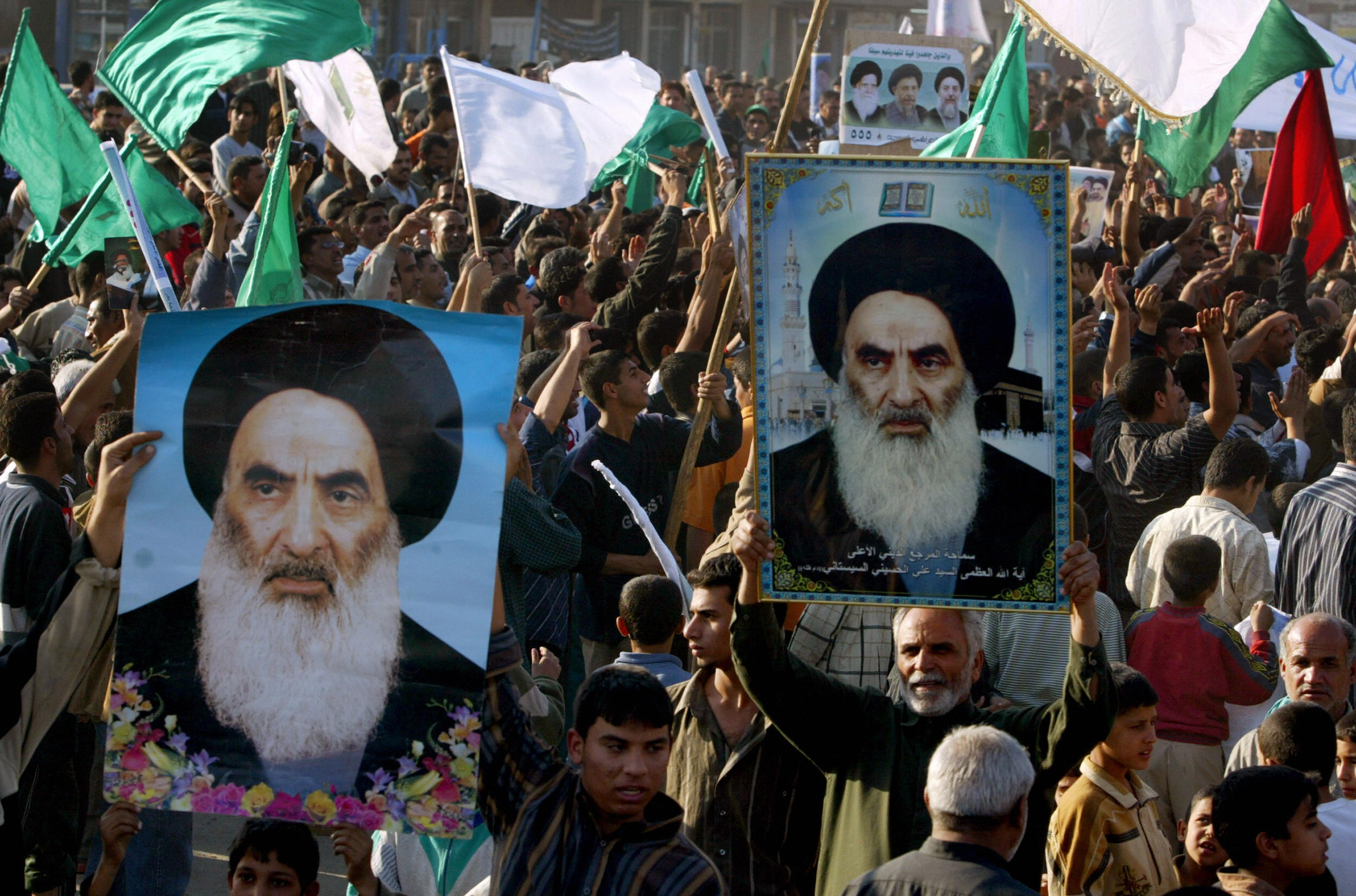
There were two parts to the Iraqi prime minister’s request to President Biden on July 26 in their meeting at the White House: end Washington’s combat mission in Iraq but maintain U.S. military assistance there. The first part was aimed mostly at Mustafa al-Kadhimi’s domestic audience; the roughly 2,500 U.S. troops in Iraq are there primarily to advise and assist the Iraqi army. But the second part deserves a bit of thought.
On the first anniversary of the catastrophic explosion at the Beirut port last August, Lebanon is threatened by political discord and economic collapse. The past year has been difficult for the average Lebanese citizen and it has been even worse for the country’s most marginalized communities. The ripple effects of the overlapping political, economic, and health crises have pushed the vast majority of refugees and migrant workers into extreme poverty. These communities now stand on the edge of the abyss.
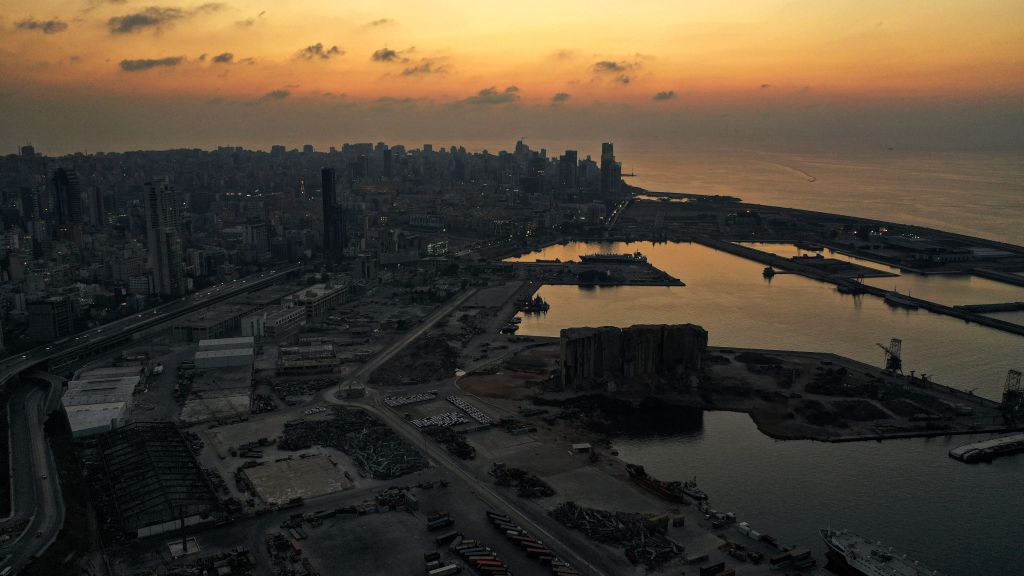
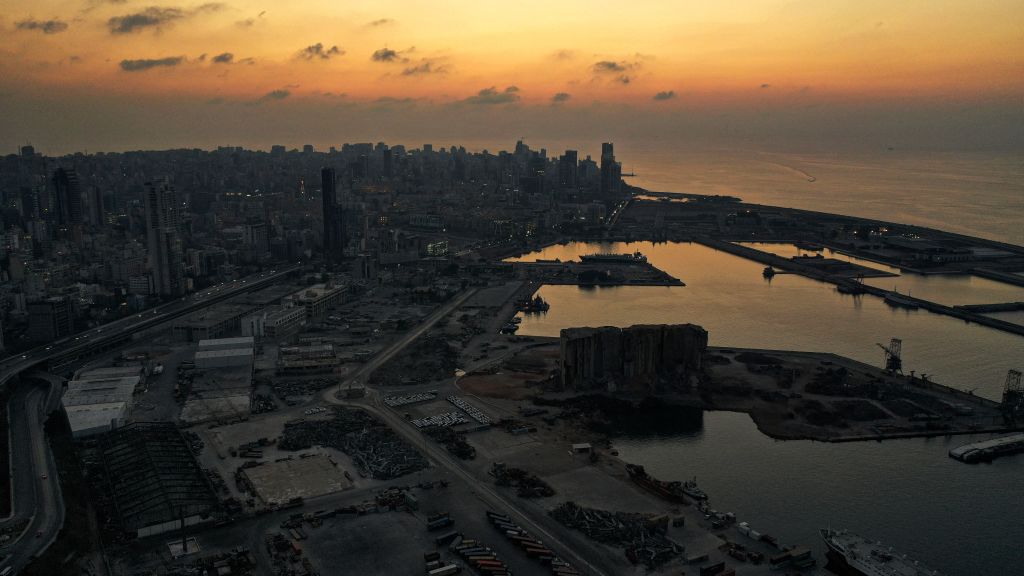
On August 4, 2020, images out of Beirut shocked the world. Hundreds of tons of ammonium nitrate exploded in the capital’s port, destroying most of the city and leaving behind 206 victims, thousands of injured, and hundreds of thousands of displaced. In this series, guest contributors join MEI’s resident and non-resident experts to reflect upon the political, legal, urban, and foreign policy implications of what may well be Lebanon’s crime of the century.