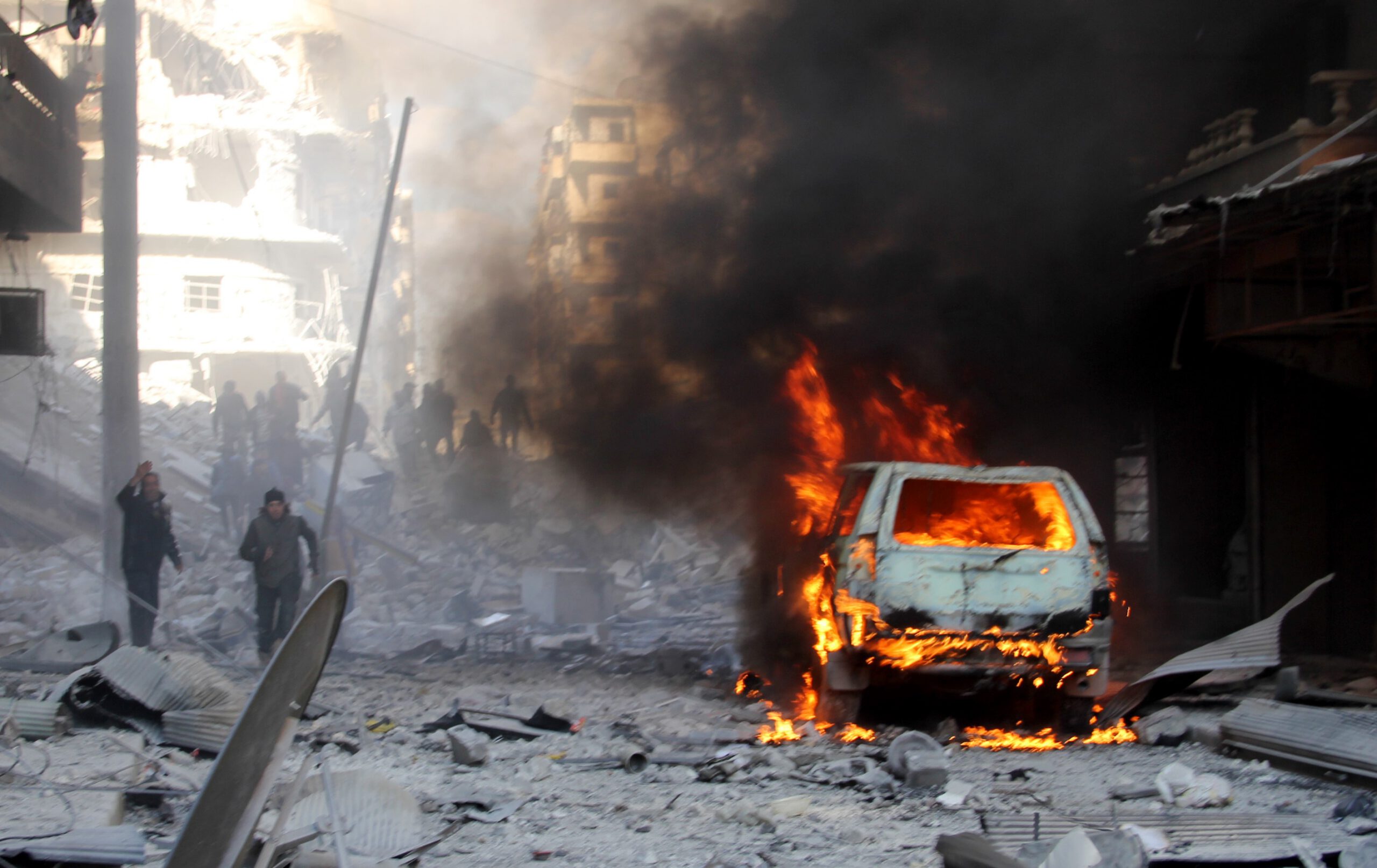
Car Bombs as Weapons of War: ISIS's Development of SVBIEDs, 2014-19
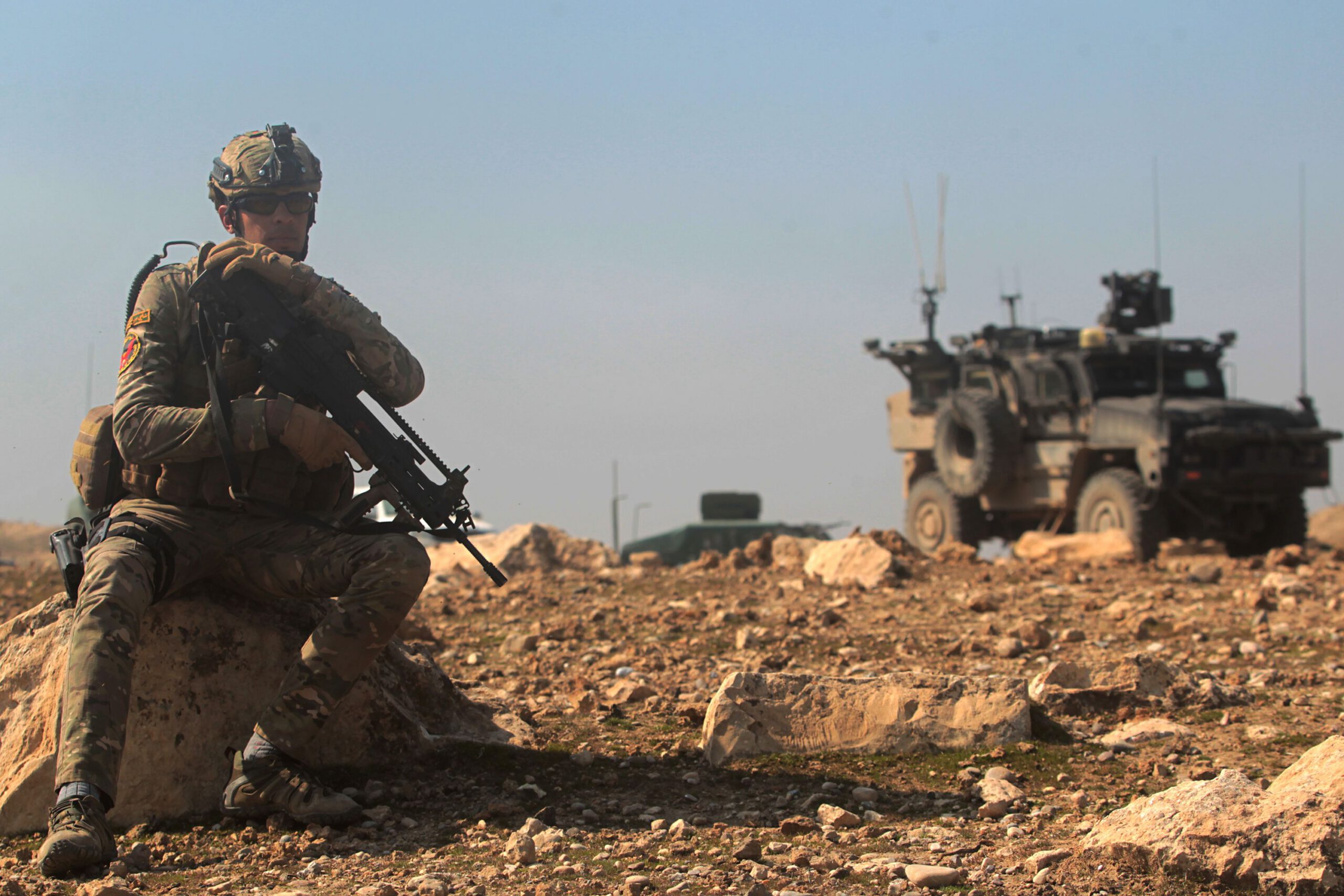
The suicide vehicle-borne improvised explosive device (SVBIED) has been one of ISIS’s most powerful and versatile weapons. The group consistently adapted its SVBIED designs based on operational environment and other factors, with modifications in armor, payload organization, color, and detonation technology. ISIS’s research and development of SVBIED technology presents a continued threat, even after the collapse of the territorial caliphate, due to the group’s ability to share and export its designs, enabling nascent ISIS provinces halfway around the world to launch powerful attacks on unsuspecting communities.
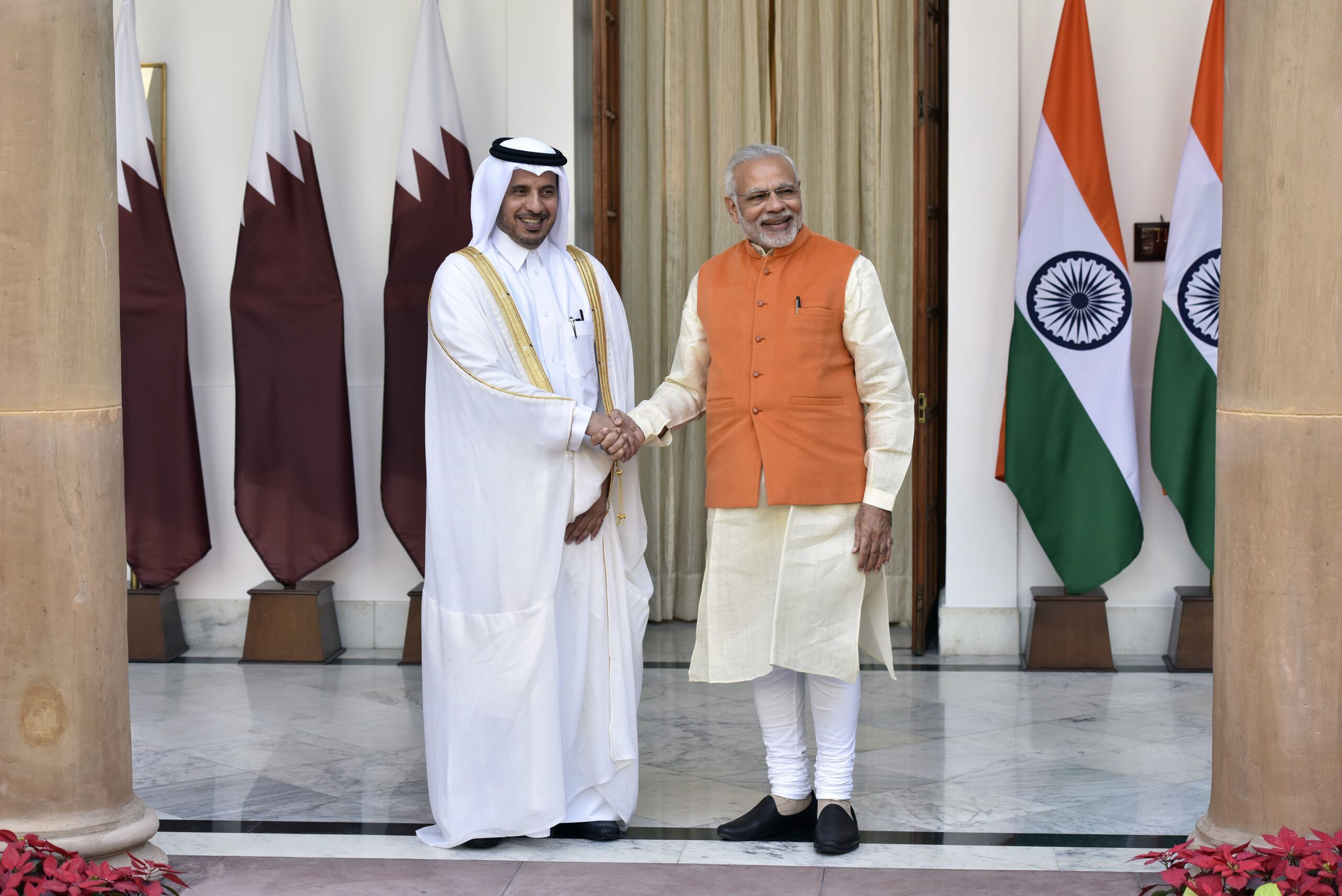
Examining India’s relations with Qatar provides a lens through which to illuminate Delhi’s goals and approach to West Asia at a time when the Gulf countries are mired in tensions and controversies.
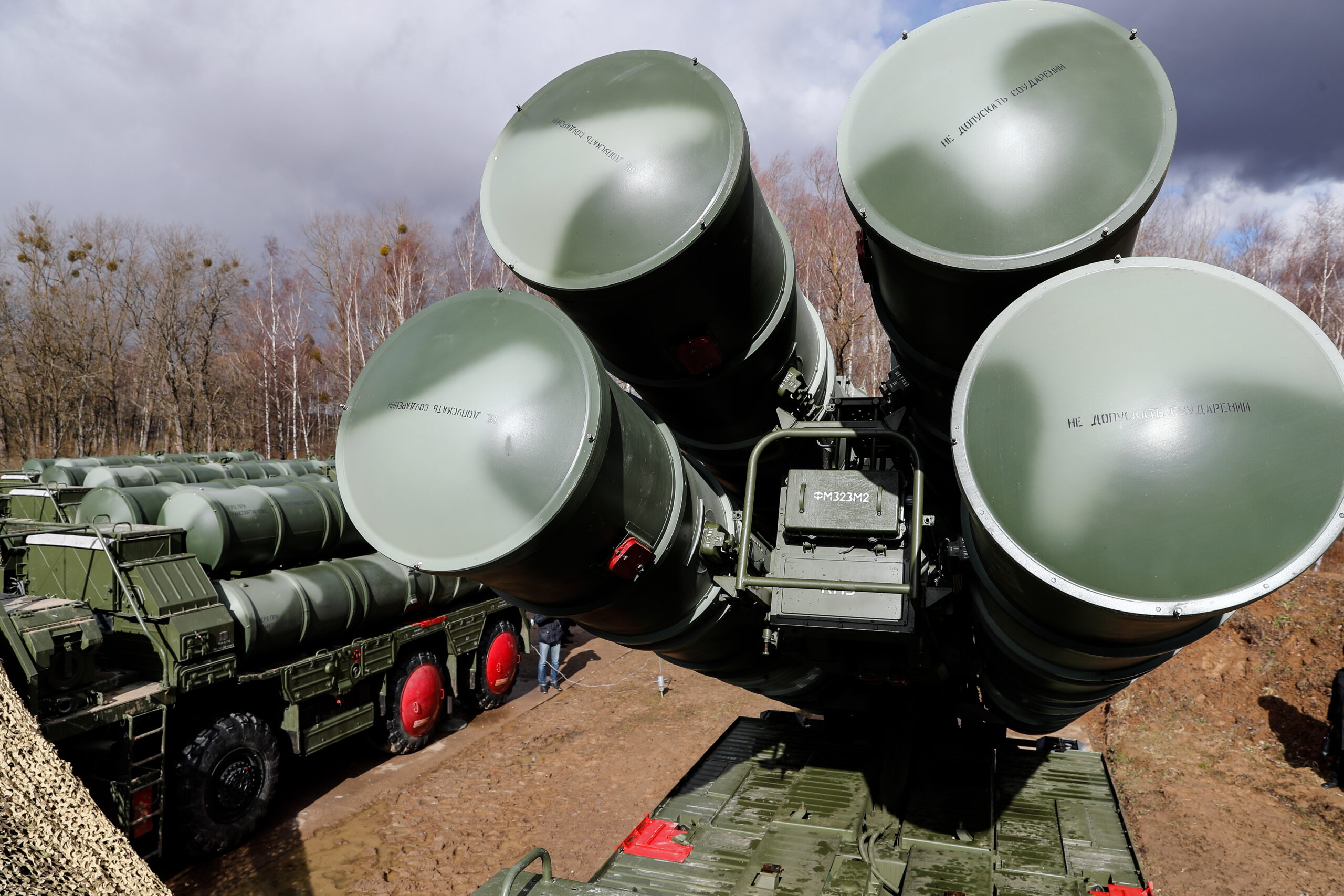
Russia looks to the Middle East to boost arms exports
According to SIPRI’s recently published annual report, Russia’s share of global arms exports shrank by around one-fifth over the last decade, falling from 27 percent to 21 percent, while the U.S. share increased from 30 percent to 36 percent, widening the gap between the two major arms exporters. As Russia looks to reverse this decline, it is focusing on the Middle East, the world’s second-largest and fastest-growing arms market, as a way to boost its exports.
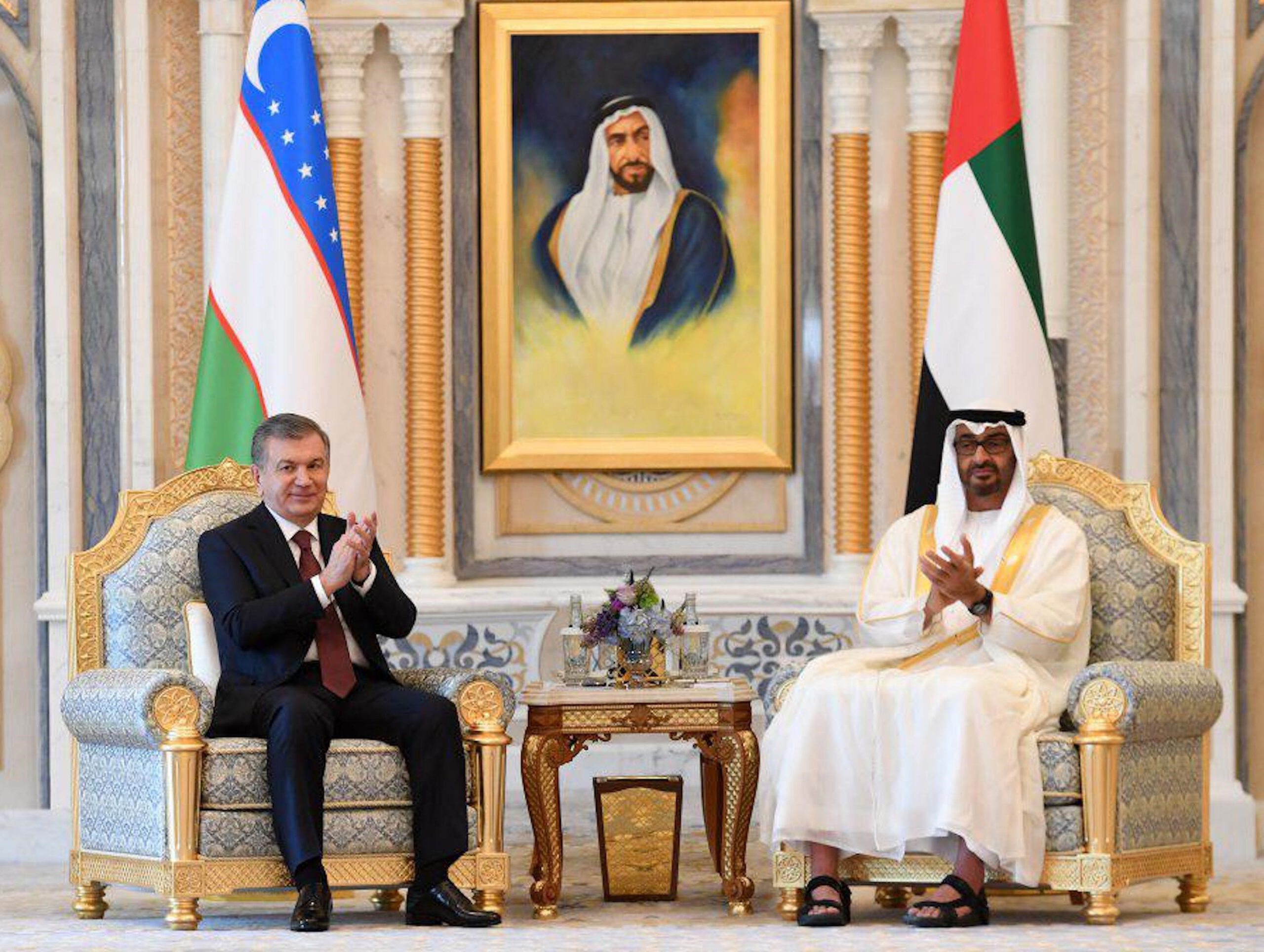
Until two decades ago, Central Asia was a Russian playground. With increasing investment from the Gulf and China, however, the landscape has changed. The UAE, specifically, has recently been vying to play a larger role in this muslim-majority region through large investments in infrastructure.
Lavrov’s Gulf trip highlights Russia’s growing regional role
Russian Foreign Minister Sergei Lavrov made a four-day trip to the Gulf in early March, stopping in Qatar, Saudi Arabia, Kuwait, and the UAE as part of a broader effort to boost Moscow’s ties with the region. Although the Gulf monarchies are traditionally considered of some of the U.S’s closest allies, relations between Russia and the Gulf have improved in recent years and there is potential for further cooperation going forward.
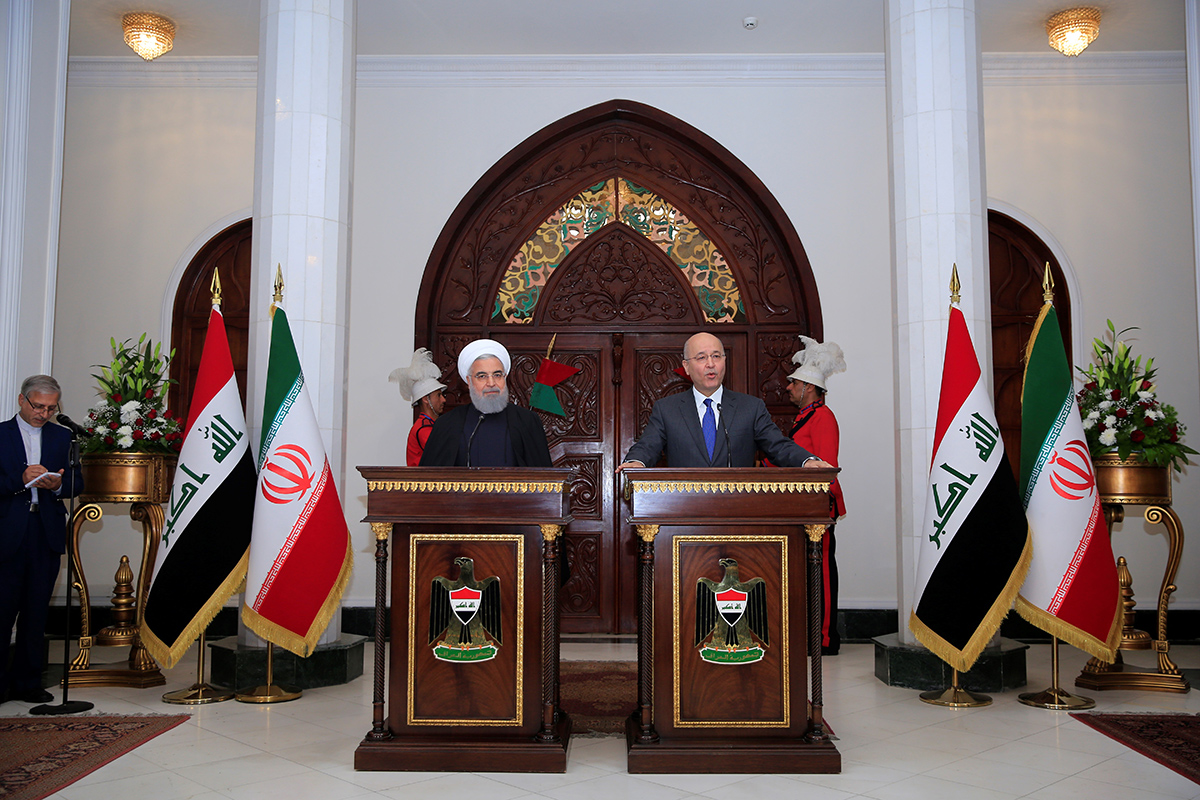
In this week’s Monday Briefing, MEI experts Randa Slim, Robert S. Ford, Marvin G. Weinbaum, James P. Farwell, Emadeddin Badi, Guney Yildiz, and Jean-François Seznec provide analysis on recent and upcoming events including Iranian President Hassan Rouhani’s visit to Baghdad, reconstruction efforts in Syria, the crackdown on militant Islamists in Pakistan, Iran’s cyber attack capabilities, upcoming elections in Libya, Turkish-Egyptian tensions, and Qatar’s $12B loan from bond markets.
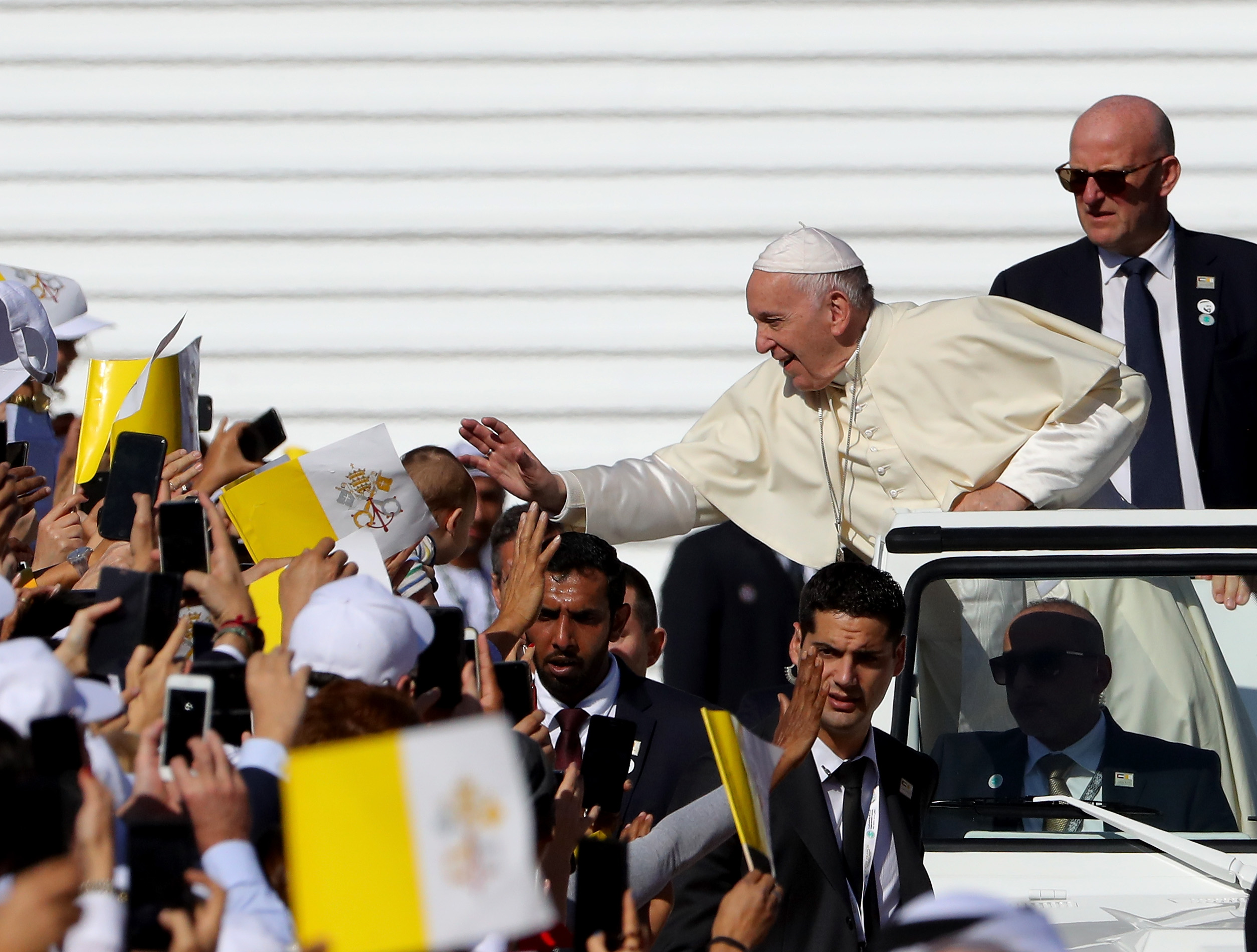
Pope Francis’s recent visit to the UAE is not only a landmark event for inter-religion relations and tolerance, but also represents a strategic geopolitical move by the Emirati government.
Climate Change, Sea Level Rise, and Sustainable Urban Adaptation in Arab Coastal Cities
This article highlights how the lesser-known issue of sea level rise makes Arab states increasingly vulnerable to climate change. Using the city of Doha as a case study to highlight how sea level rise represents a critical threat to many Arab coastal cities and a national security challenge to Gulf Arab nations, this article underscores the need for greater anticipation in the region’s urban planning of the risks posed by climate change and sea level rise.
In this week’s Monday Briefing, MEI experts Randa Slim, Paul Salem, Ahmad Majidyar, and Marvin G. Weinbaum provide analysis on recent and upcoming events including President Trump’s comment about keeping U.S. troops in Iraq “to be able to watch Iran,” Pope Francis’s trip to the UAE, the EU’s maneuvers to defy U.S. sanctions on Iran, and intra-Afghan talks in Moscow.
Iraq: Stuck in the middle again
Randa Slim Senior Fellow, Director of Conflict Resolution and Track II Dialogues program
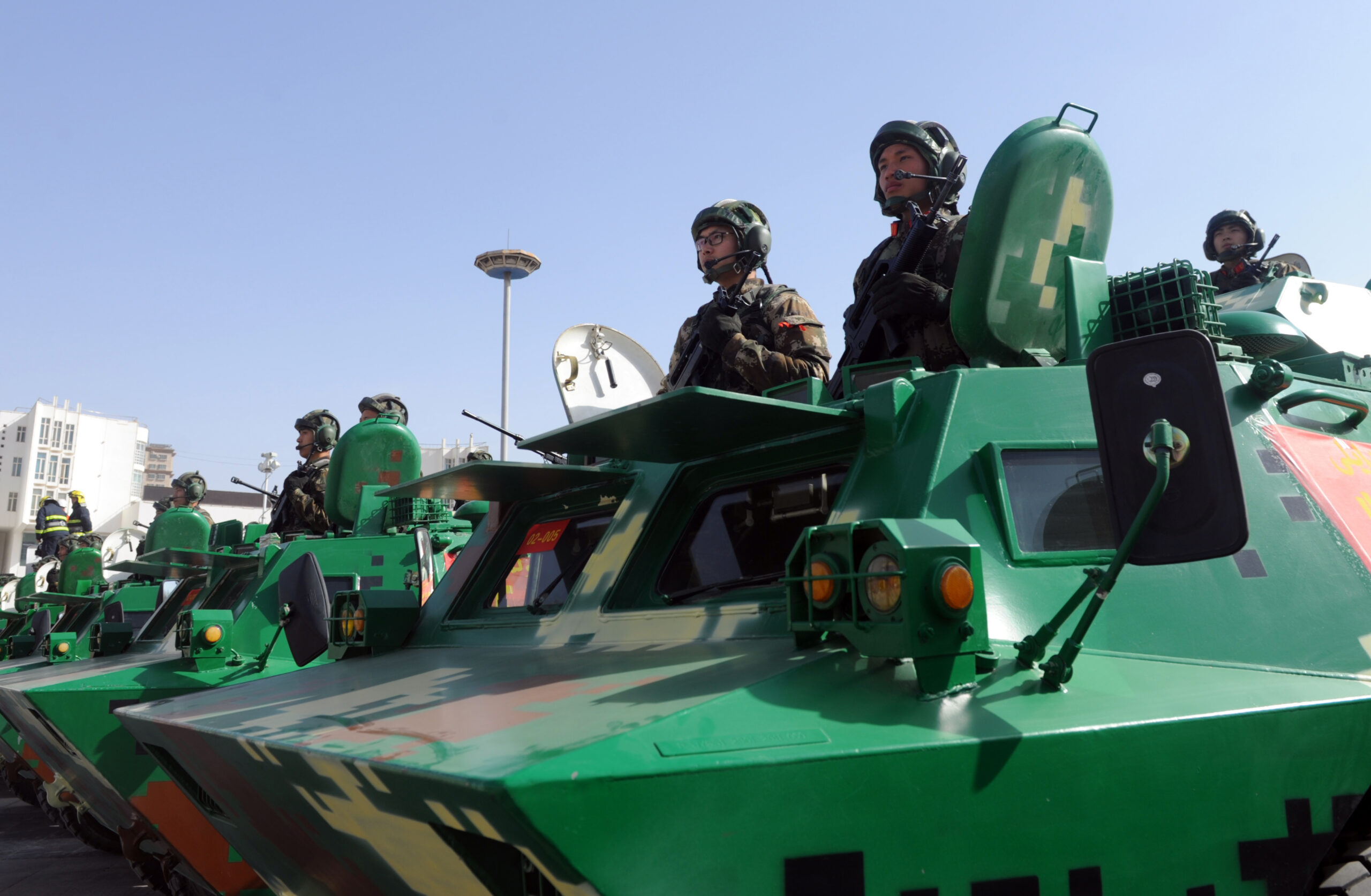
Arab Gulf states silent on China’s Xinjiang crackdown
Unlike other cases of repression against Muslims around the world, such as Myanmar, the Gulf monarchies have been silent about the “cultural cleansing” taking place in China’s Xinjiang Province.
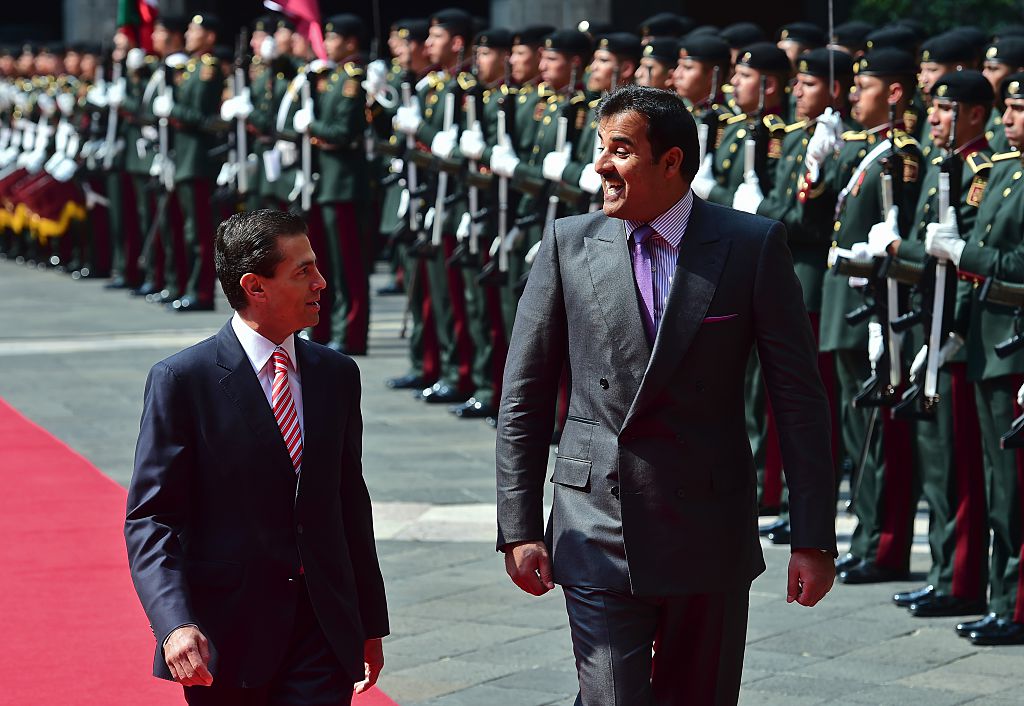
A growing partnership: Gulf crisis fosters Qatar-Mexico ties
Since Sheikh Tamim became emir in 2013, and especially since the diplomatic and economic blockade of Qatar began in mid-2017, Doha and Mexico City have begun to develop an increasingly fruitful partnership.
In our first episode of 2019, MEI experts Paul Salem, Charles Lister, Ahmad Majidyar, Randa Slim, Gonul Tol, Robert Pearson, and Gerald Feierstein discuss the significant policy developments and announcements of the past few weeks and outline the major issues to watch in the year ahead.
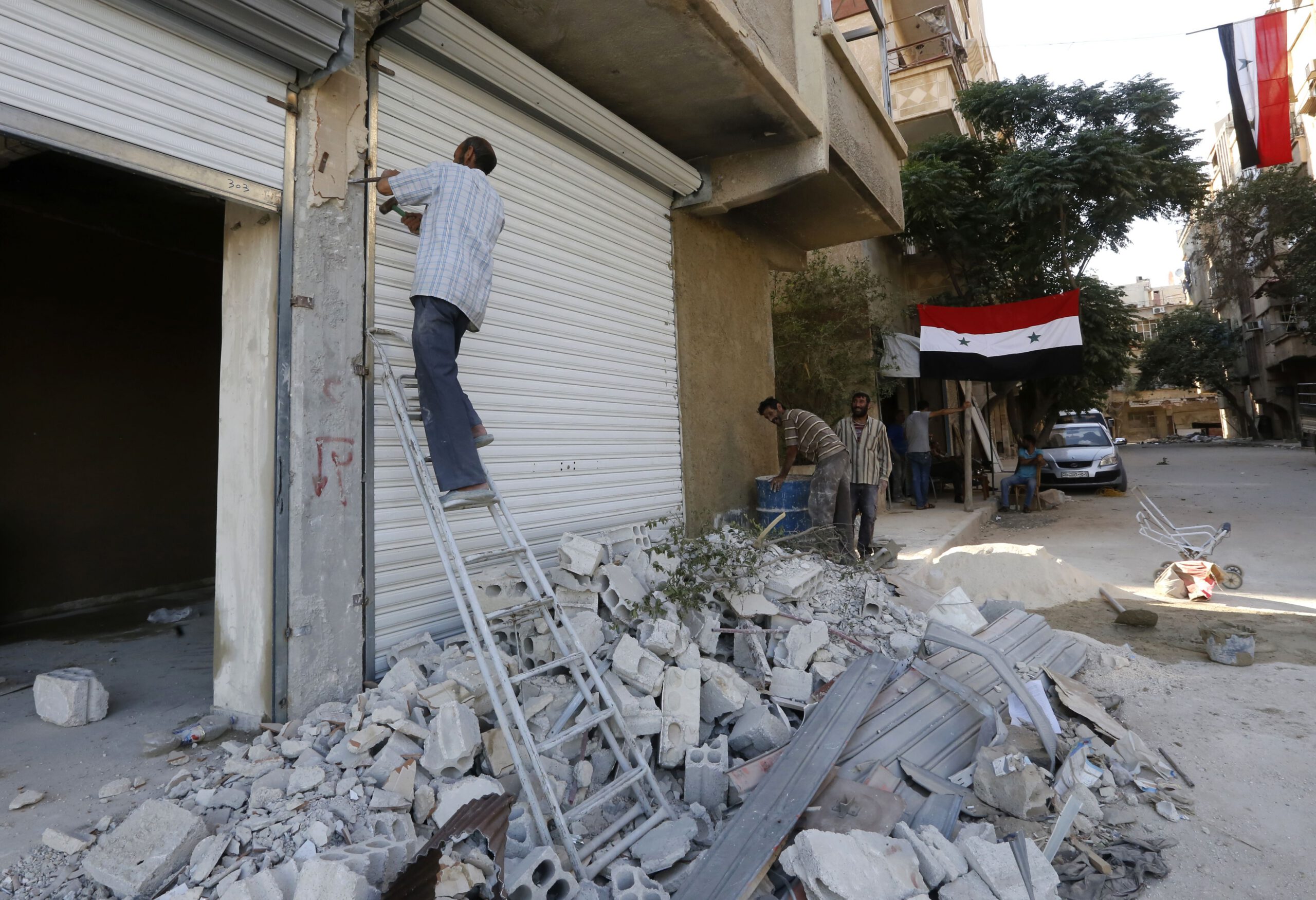
While non-Arab powers have taken the lead in the Syrian crisis so far, Damascus will need to restore political, economic, and diplomatic ties with regional Arab states as it moves into the phase of postwar reconstruction and development.
New OPEC+ deal shows Saudis’ oil-market grip continues to slip
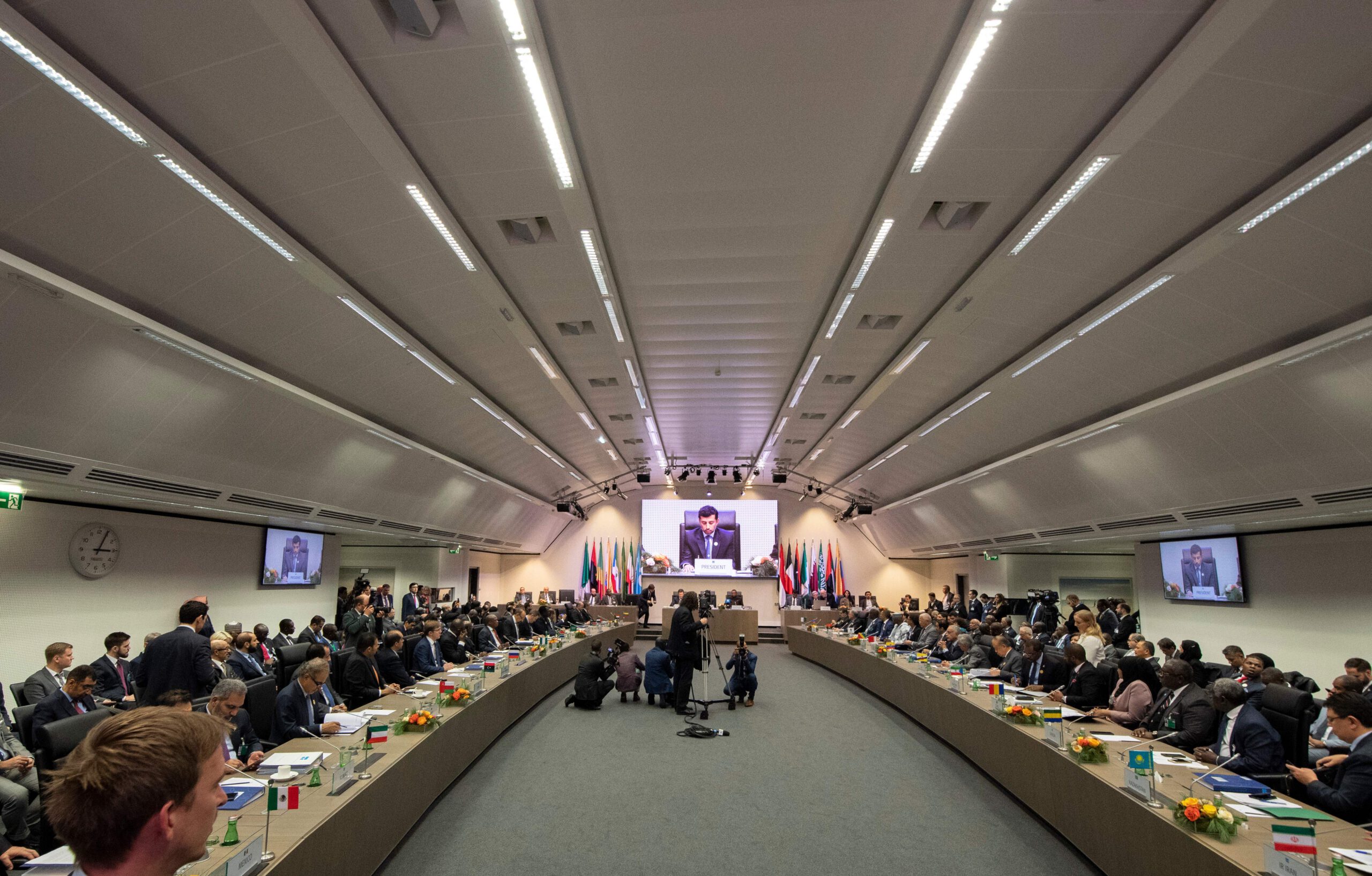
While OPEC and Russia-led non-OPEC members agreed to cut oil production last week by 1.2 million bpd, Riyadh’s ability to control the cartel and global oil prices is waning.
Giorgio Cafiero, CEO and founder of Gulf State Analytics, and F. Gregory Gause, head of the Department of International Affairs at Texas A&M University, join host Jerry Feierstein to discuss the state of GCC relations amid the Qatar dispute and other crises heading into the next GCC Summit.