The GCC Riyadh summit: Beginning of the end of the Qatar crisis?
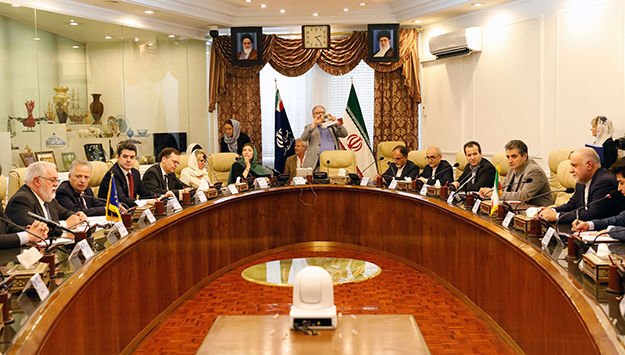
The upcoming GCC summit in Saudi Arabia offers an opportunity to bring the opposing sides to the table, but it is far from clear what will come out of the meeting
Monday Briefing: Optics and geo-economics at the G20
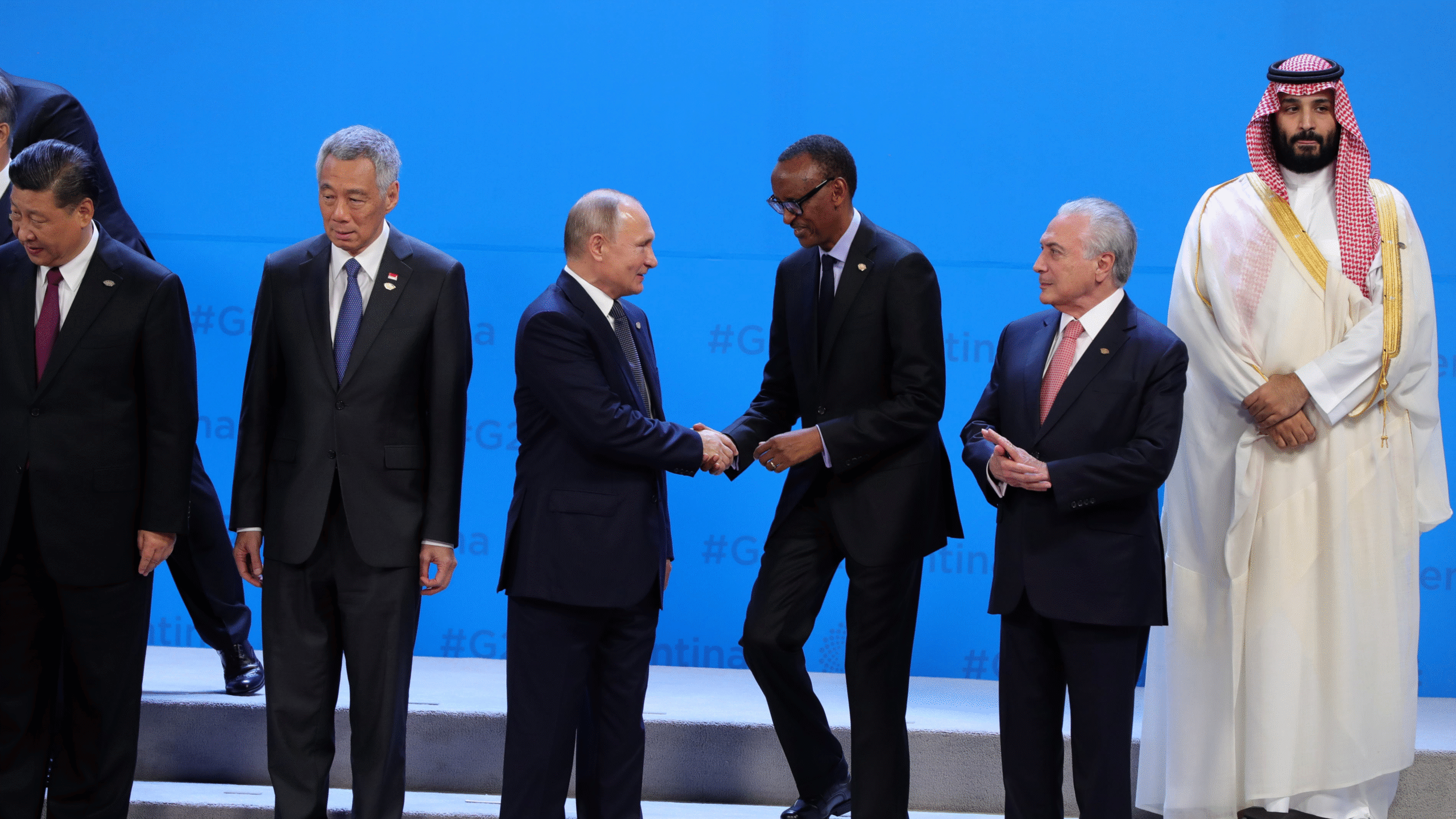
In this week’s Monday Briefing, MEI experts discuss recent and upcoming events including MBS’ lukewarm reception at the G20 summit, plans for a UN-hosted Western Sahara roundtable, and Qatar’s decision to leave OPEC.
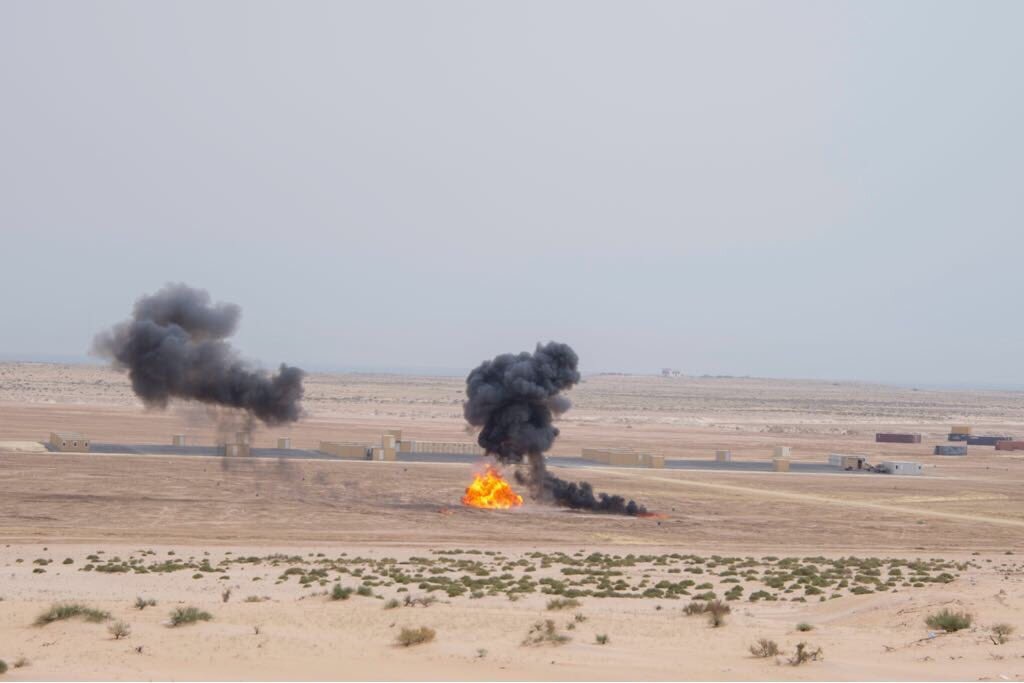
As naval, air, and ground units from Bahrain, Egypt, Jordan, Kuwait, Saudi Arabia, and the UAE conduct war games in western Egypt this month, many speculate that this could represent the birth of the so-called “Arab NATO.”
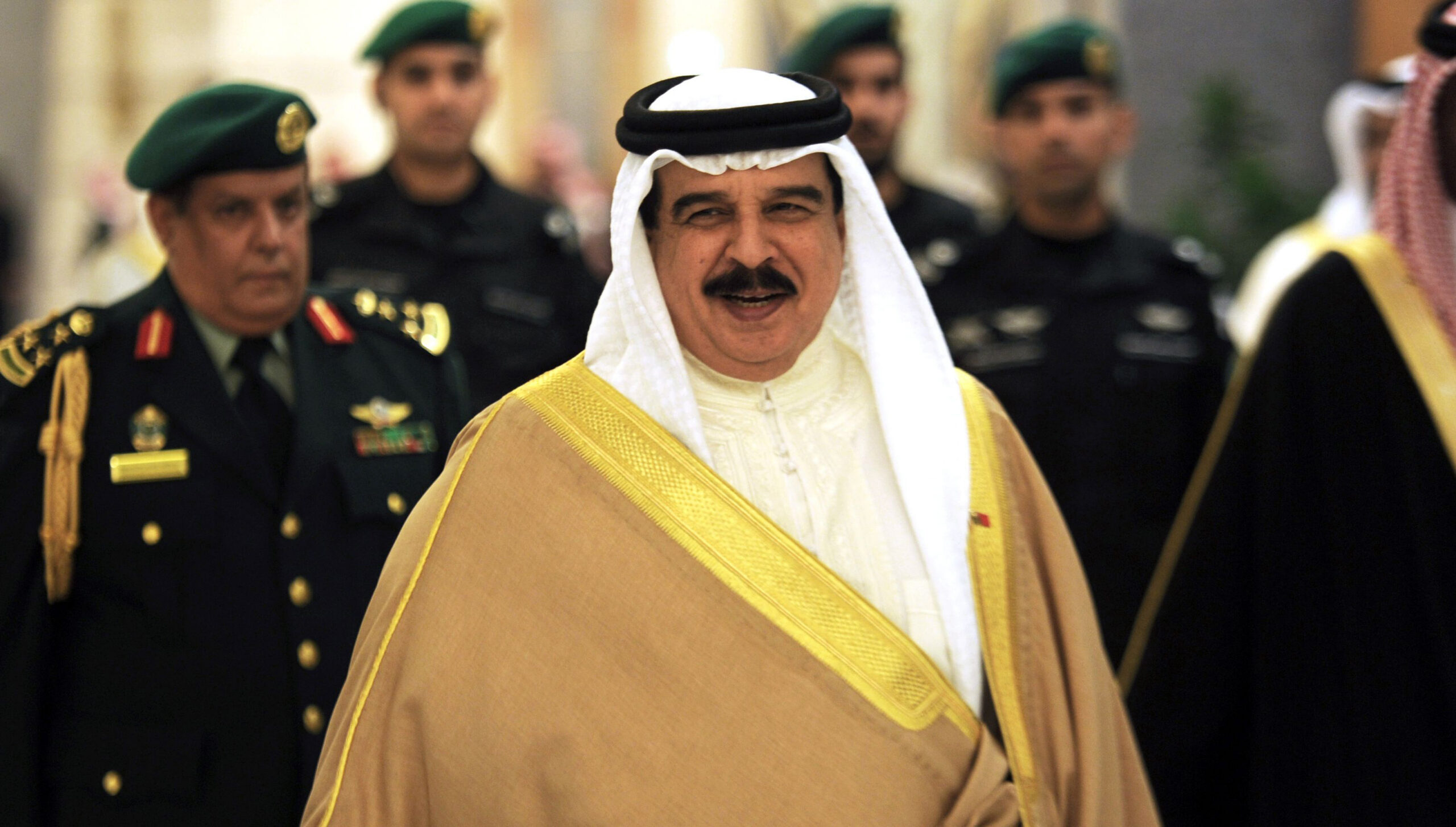
The GCC aid package for Bahrain illustrates how massive capital flows underlie the contentious politics and strategic alliances within the Gulf and broader Middle East.
Hopes for progress in Yemen have been stymied by setbacks in recent weeks, perpetuating a military and political stalemate. Marcia Biggs, special correspondent for PBS NewsHour, joins guest host Gerald Feierstein to discuss the humanitarian conditions she witnessed on the ground and what the international community can do to help reach a resolution to the crisis.
Even though energy production and exports are the lifeblood of all Arab states in the Gulf, the present crisis between Qatar on the one hand and Saudi Arabia, the United Arab Emirates, Bahrain, and Egypt on the other has had very little influence on the economics of oil and gas either internationally or within the region. However, the countries involved have a lot to gain from a resolution of the conflict, particularly if it leads to greater energy market integration.
In this week’s Monday Briefing, MEI experts Robert S. Ford, Gerald Feierstein, Marvin G. Weinbaum, and Bilal Y. Saab provide analysis on Iran’s efforts to stay in Syria, Pompeo’s upcoming trip to Abu Dhabi, the Pakistan Muslim League’s struggle in the upcoming National Assembly elections, and Qatar’s decision to renege on its Russian S-400 purchase.
There are promising signs that the Saudi-backed coalition in Yemen’s assault on the port of Hodeida is opening a window of opportunity for a return to the political process. After a year of stalling, the Houthis have reportedly expressed a willingness to hand over operation of the port to a neutral third party, most likely the U.N. itself. Meanwhile, U.N.
Europe has little wiggle room to keep Iran deal alive | Monday Briefing
In this week’s Monday Briefing, MEI experts Ahmad Majidyar, Alex Vatanka, Jean-François Seznec, Gerald Feierstein, Marvin G. Weinbaum, Gonul Tol, and Randa Slim provide analysis on recent and upcoming events including Europe’s scramble to salvage the Iran nuclear deal following the U.S. withdrawal, Iran’s response to Russia’s call for all foreign forces to leave Syria, a meeting by Saudi Arabia, the UAE and Russia to discuss the impact of new U.S. sanctions on Iran, the arrest of women’s rights activists in Saudi Arabia, new political tensions in Pakistan, a push in the U.S.
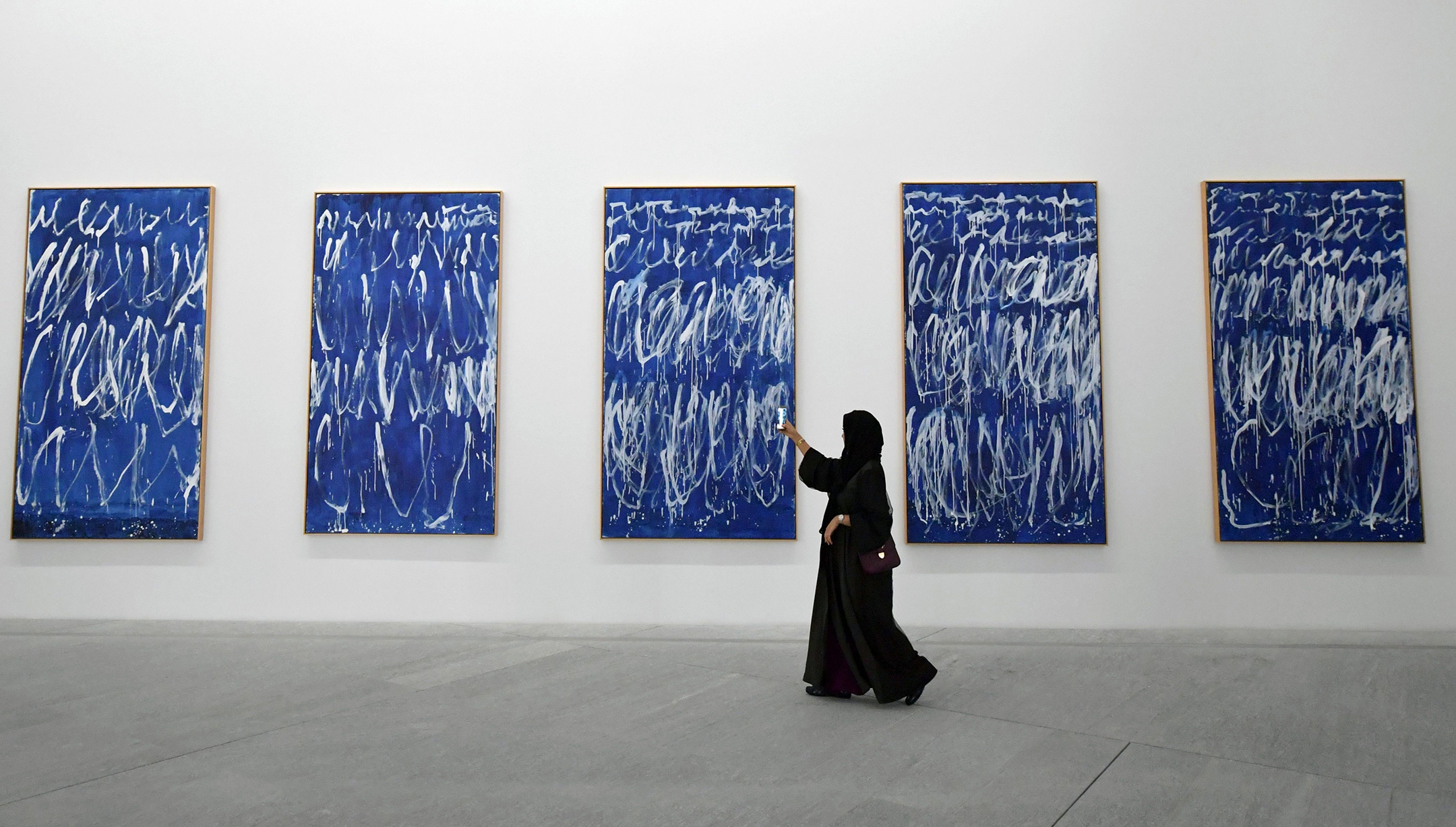
Vibrant art scene inspires cooperation, competition in Gulf
The countries of the Middle East are using art to remodel their national identities. Billions of dollars have been spent on colossal building efforts and massive acquisition programs in an effort to expand the cultural sector in the Middle East, especially in the Gulf. Art acquisition now appears to be part of a geopolitical strategy by Gulf countries to use their hydrocarbon money to purchase cultural clout and establish themselves as international cultural centers.
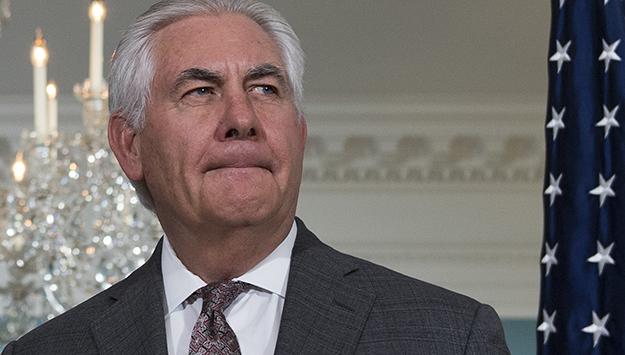
Tillerson's departure and the future of US policy in the Middle East
Rex Tillerson’s unhappy tenure at State Department ends with a whimper – Gerald Feierstein
Rex Tillerson was never an easy fit for the Trump administration. His management of the State Department was a source of constant frustration for the career staff as well as Capitol Hill. On policy issues, Tillerson hewed more closely than Trump to establishment Republican positions. Allied with Secretary of Defense Mattis and National Security Advisor McMaster, Tillerson often acted as an anchor against the president’s more aggressive impulses.
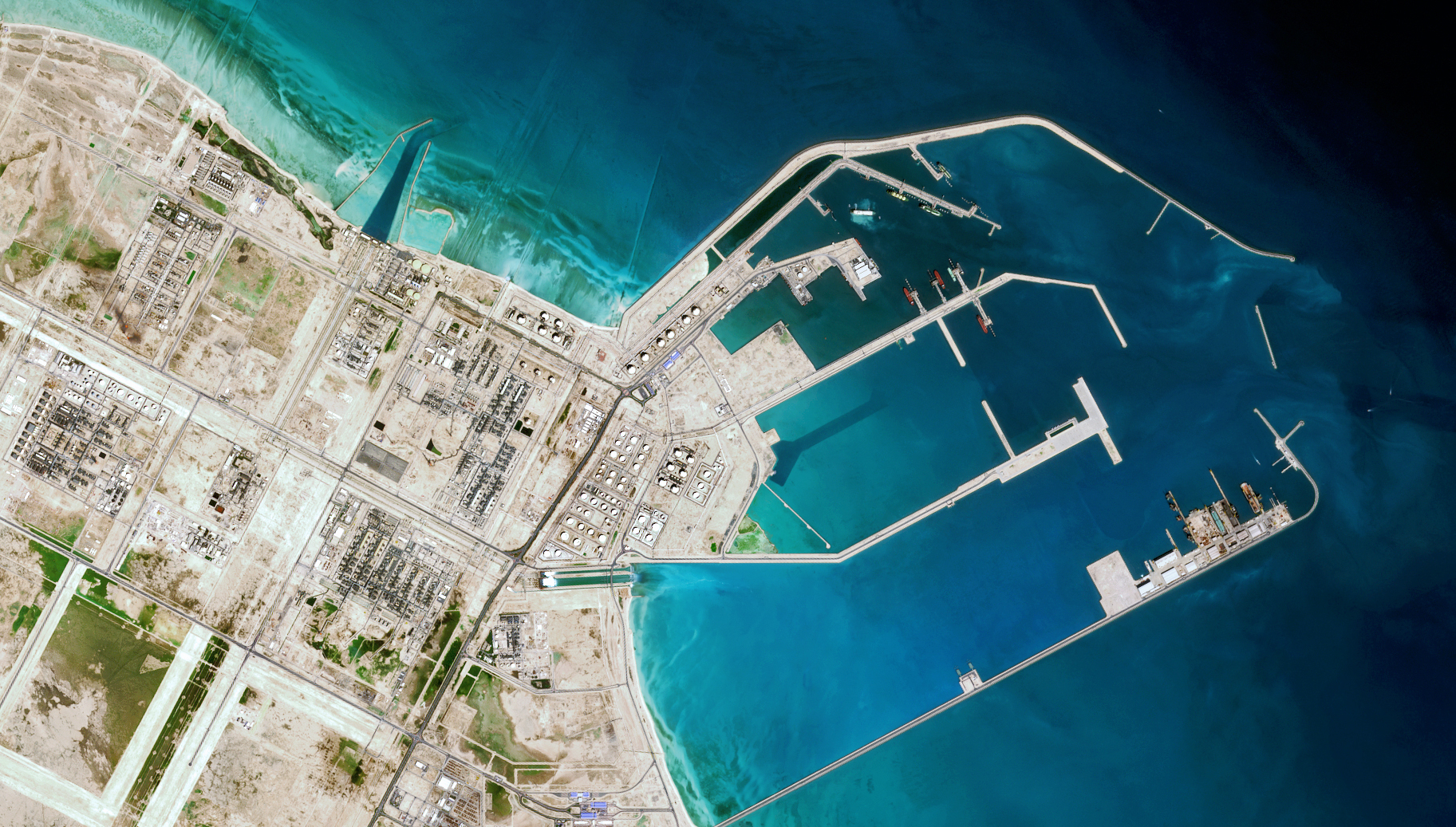
Global LNG Markets in a State of Flux: Qatar in the Crosshairs?
International markets for natural gas — fragmented regionally and with differing price-setting mechanisms — are undergoing profound changes. The foundation is being laid for the emergence of a more globally integrated gas market, and the rapid expansion of the seaborne liquified natural gas (LNG) trade, which has forged links between distant markets, is a major reason why. Qatar — an LNG powerhouse — has dominated the Asia Pacific market, the world’s largest LNG-importing region. However, the Asian market is in a state of flux, as is the entire global LNG sector. This article explores the major changes taking place in international LNG markets, with particular attention to how Qatar is being affected by, and is adapting to them.
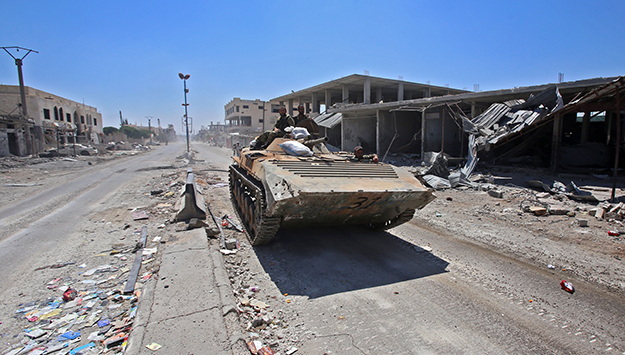
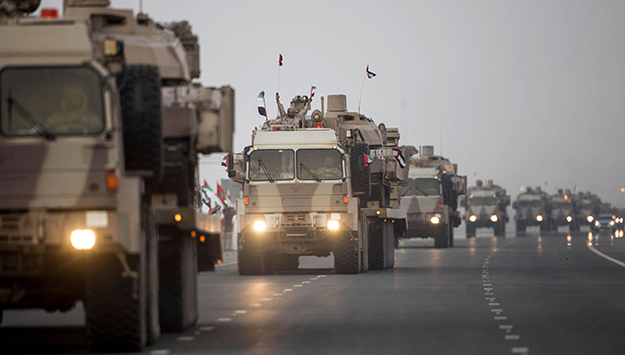
The war in Yemen is reshaping the armed forces of Arab Gulf states. It is the first time that Emirati and Saudi elite units are leading a war effort in their bid to counter Yemeni Houthi rebels and forces loyal to former President Ali Abdullah Saleh, as well as a counterterrorism campaign against jihadi groups, mainly Al-Qaeda in the Arabian Peninsula (AQAP).
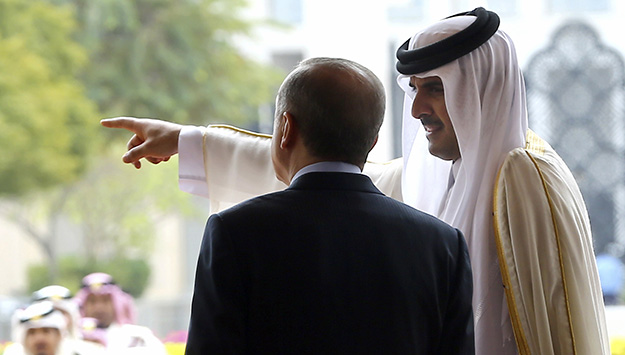
Qatar is Turkey’s closest ally in the Gulf Cooperation Council (G.C.C.) and, since 2011, Ankara has become Doha’s most important regional ally. From Syria to Libya, the Qataris and Turks have worked in tandem to pursue shared interests, chiefly via support for Islamist non-state actors. More than four months into the G.C.C. crisis, Ankara has played a pivotal role in assisting Qatar weather the blockade imposed by a quartet of Arab countries—Bahrain, Egypt, Saudi Arabia, and the United Arab Emirates (U.A.E.).
It was a magical moment to come after so many years of anticipation, when the platform below the Louvre Abu Dhabi was carefully flooded with sea water from the surrounding Gulf.