China’s Libya Policy and the BRI: Sights Set on the Future
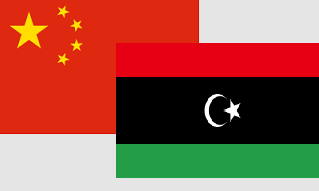
The political turmoil that has plagued the region since the Arab Spring uprisings in 2011, most notably the ongoing conflict in Libya, has made it difficult for China to realize its aim of incorporating the Maghreb into the BRI framework. This article discusses China’s efforts to protect and promote its economic interests in Libya, thereby advancing its prospects for extending the BRI to the region.
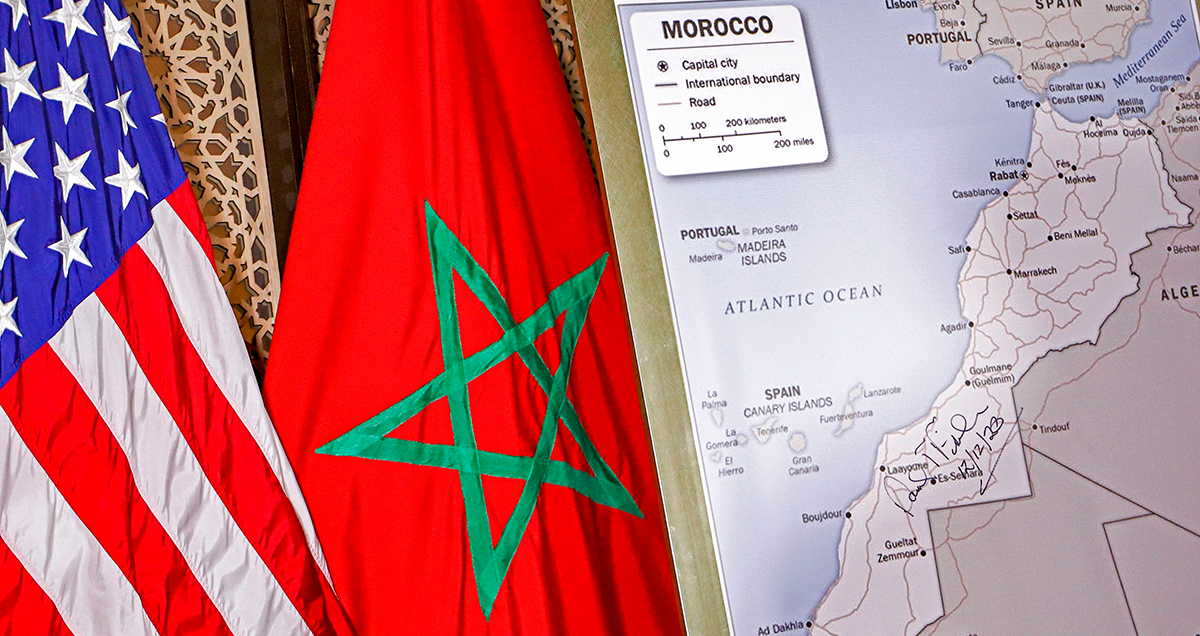
The recent exchange of quid pro quos between the U.S. and Morocco has been handled well by both sides, despite the ritual carping to be expected from opponents of the quid and the quo.
Putting up a fight: Tunisia’s counterterrorism successes and failures
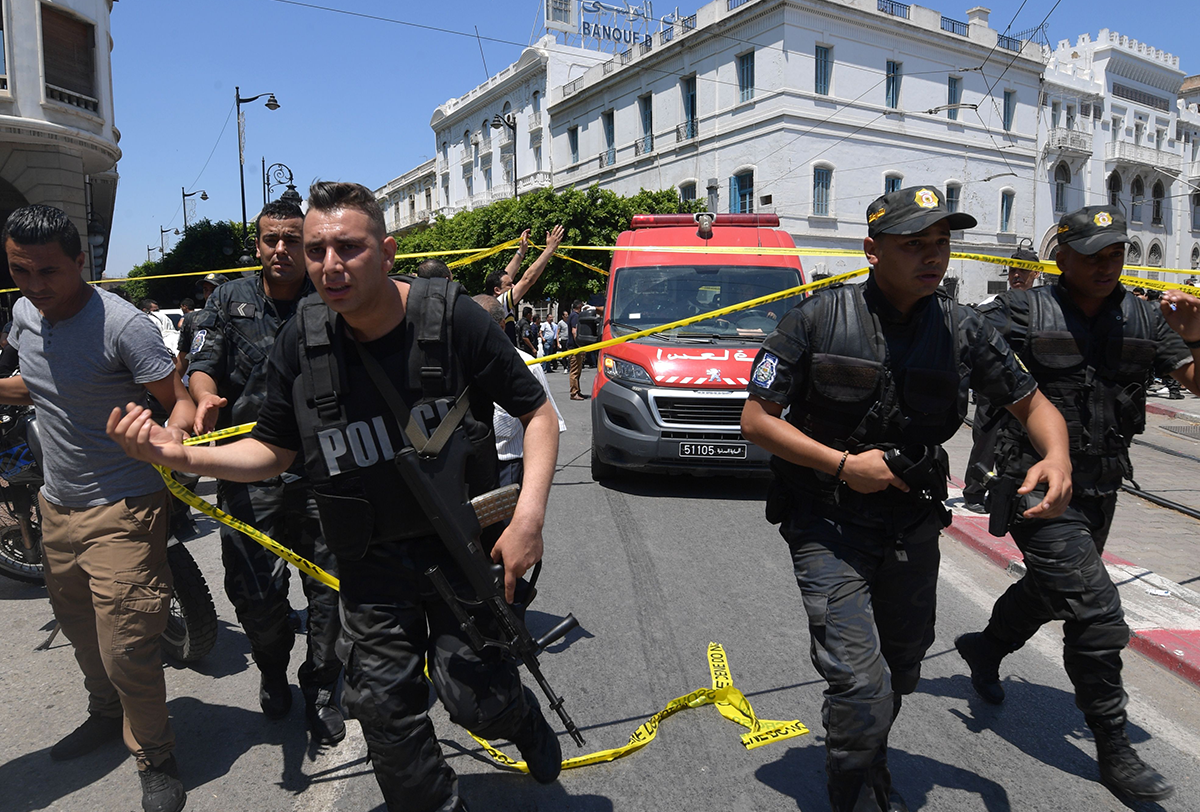
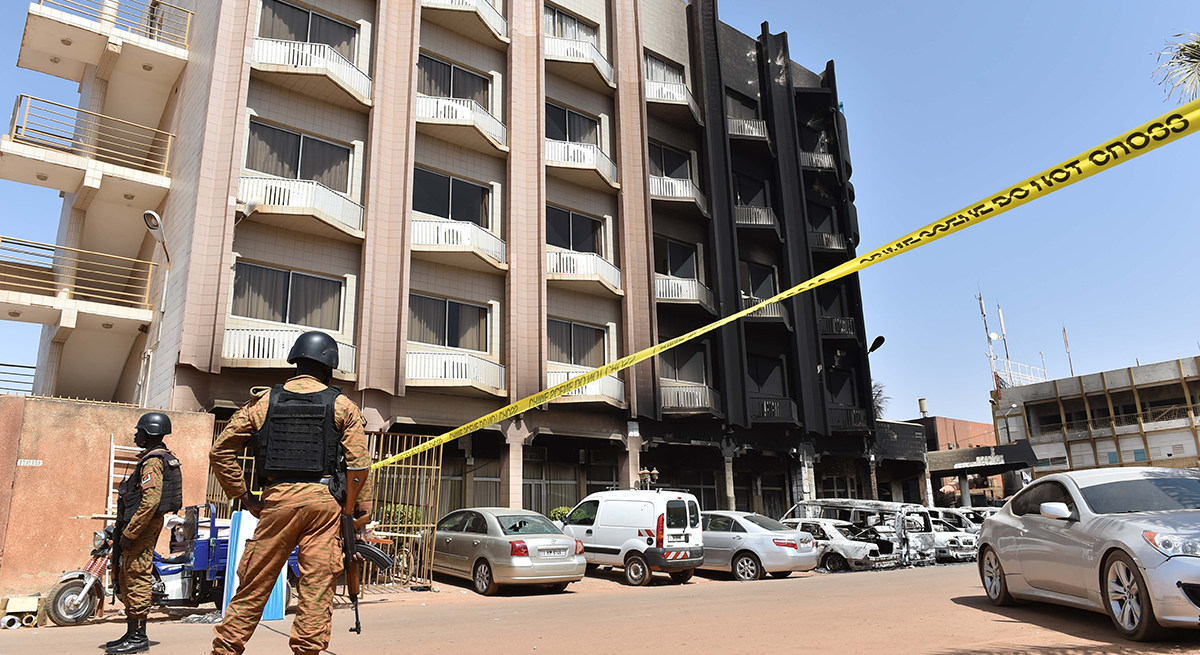
Alongside a stalled economy and a messy political transition, the decade since the 2011 revolution has left Tunisia with an intermittent yet ferocious terrorism problem. The frequency of terrorist attacks highlights the dangers posed by an uncertain political environment, widespread economic problems, and regional instability. But the fact that they have become less deadly over time also seems to underline the improvements that successive governments have made to Tunisia’s security apparatus.
A look back at the year’s most important developments with analysis from Paul Salem, Alex Vatanka, Randa Slim, Gerald Feierstein, Gonul Tol, Jonathan M. Winer, Khaled Elgindy, Marvin G. Weinbaum, Mirette F. Mabrouk, Grace Wermenbol, Syed Mohammad Ali, Robert S. Ford, and Khaldoun Khelil.
Artists Asim Ahmed, Reem Aljeally, and Jamila Rizgalla join guest host Lyne Sneige to discuss the challenges facing artists across the region during the global pandemic. Their works are featured in MEI’s first ever open call exhibition, titled “Art in Isolation: Creativity in the Time of Covid-19,” which is on display at the MEI Art Gallery until January 29. The pieces can also be viewed and are for sale online.
Five months after the elimination of Abdel Malek Droukdel, aka Abu Musab Abdel Wadud, the leader of al-Qaeda in the Islamic Maghreb (AQIM), by the French army in the Malian city of Talhandak, AQIM appointed a new emir on Nov. 21. His name is Yazid Mebarek, aka Abu Ubayda Yusef al-Annabi, a 51-year-old Algerian and a jihad veteran.
DIY futures in the Middle East: What if small got bigger?
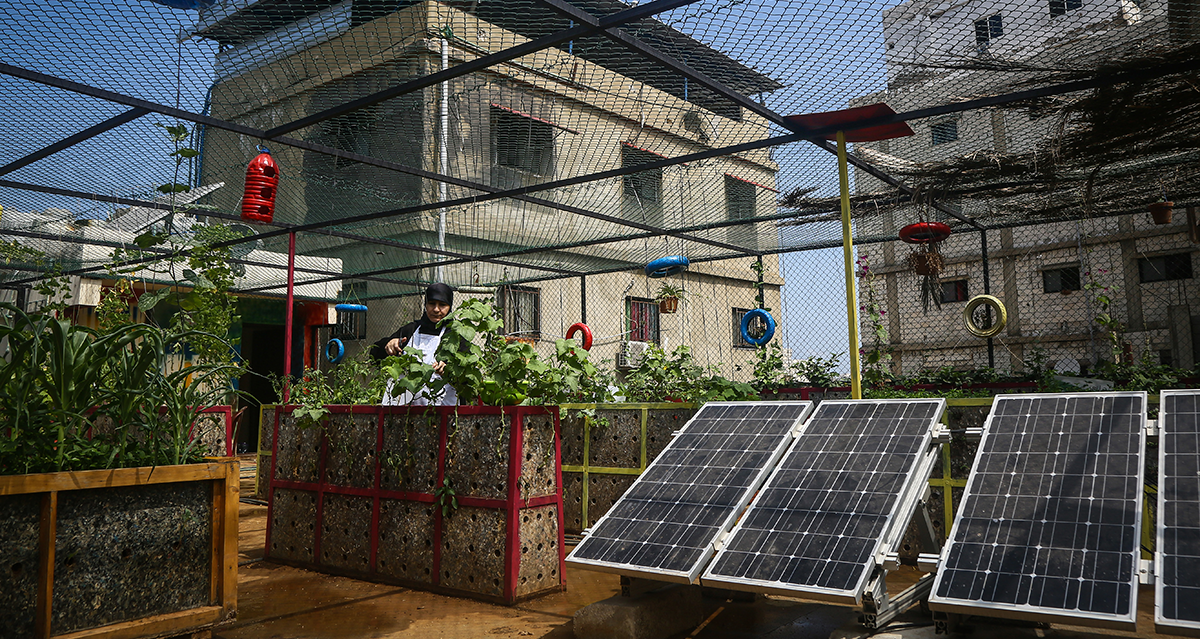
It’s difficult to look at the Middle East and consider its future optimistically. Much of the analysis of the region centers on crisis and collapse. There is plenty of both, fueled by wars and civil conflicts, poverty, extremism, and more. Given the human toll, focusing on all this is natural. It is also necessary if solutions to deeply rooted problems are ever to be developed, leading to a better future.A related risk is becoming blinded to “weak signals” — early indicators of what could become features of potential alternative futures. Weak signals are developments that are emerging outside the dominant norms and trends of today. In the Middle East, probably the most dominant norm is the inability of governments throughout the region to provide security and prosperity for their citizens. The COVID-19 pandemic is making this even more apparent, and markedly worse. It is not just the obvious failed states — as Steven Cook recently observed, “sometimes state failure is a more chronic condition.” But in the midst of this — and fueled by it — there is evidence of activities at the local level to create what is missing. Could these be signals of a future different than the one it is so easy to expect for the region?
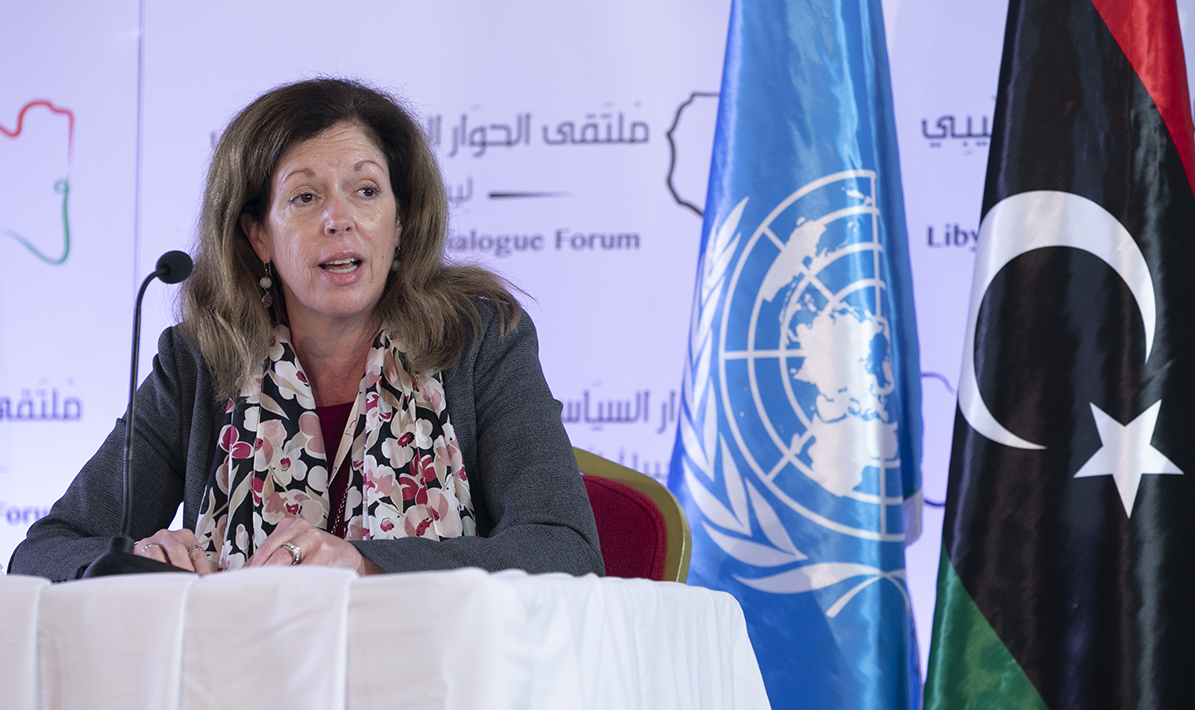
Direct Libyan-to-Libyan talks are giving Libyan peace a new chance
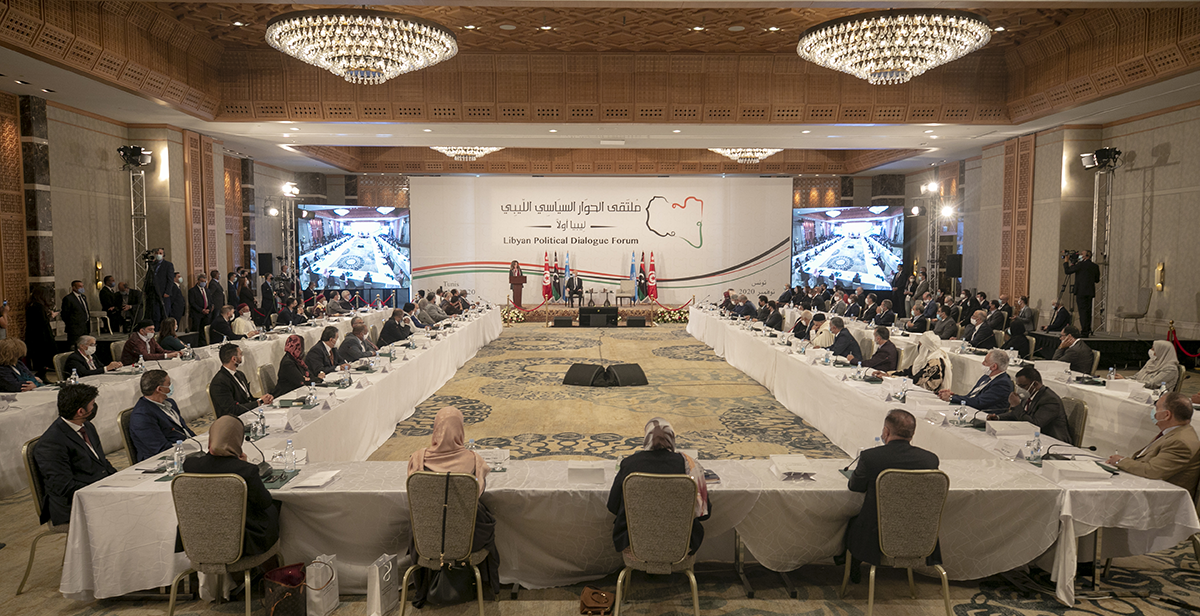
Hoping to avoid a foreign takeover of their country, a growing number of Libyans seem to have finally recognized that progress in Libya required Libyans to take charge of their own future. Accordingly, they are now taking active steps to see if they can forge a political deal to create a new, short-term transitional government to succeed the current GNA created by the Libyan Political Agreement of December 2015, following growing momentum that has already transformed Libya’s security situation with remarkable speed.
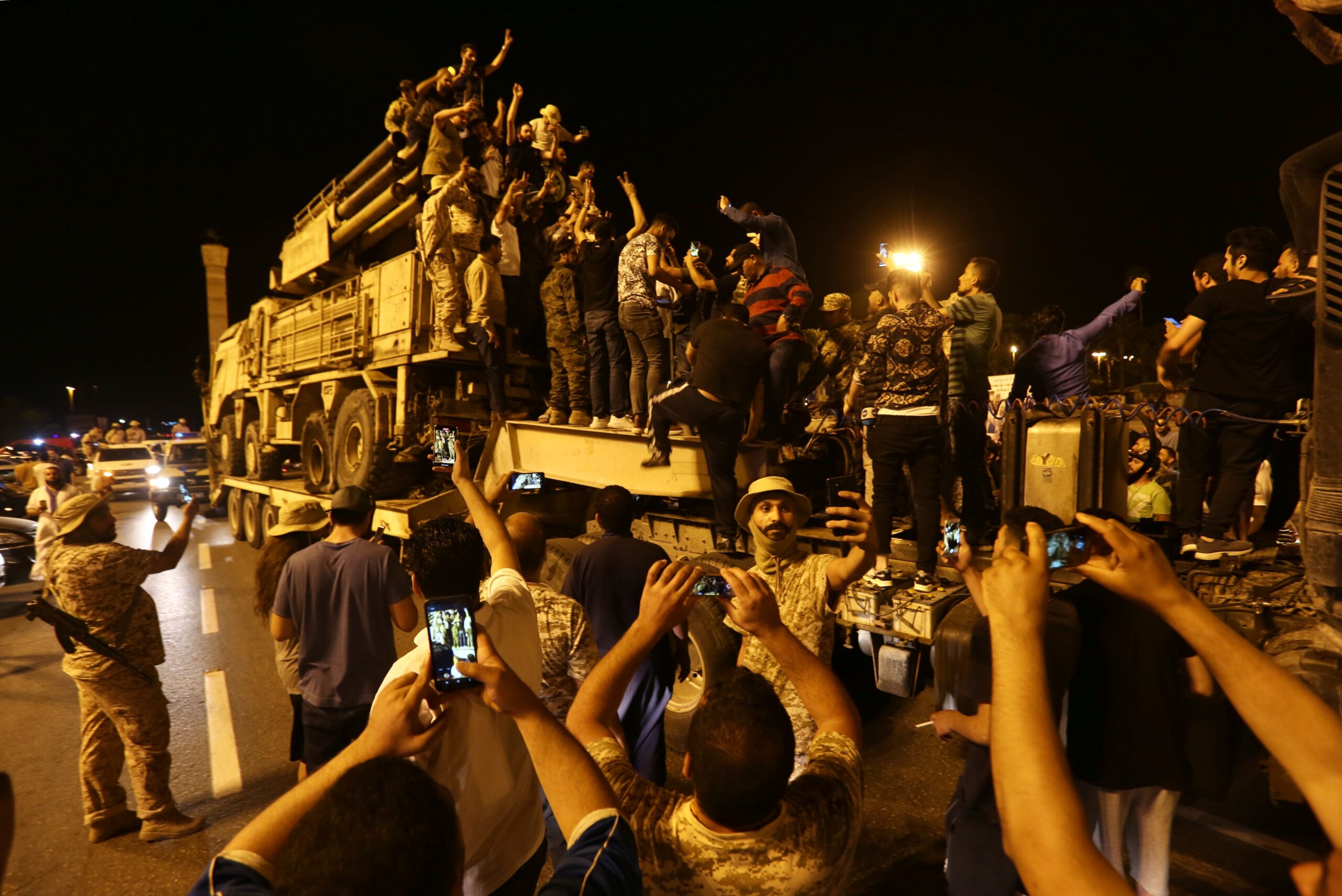
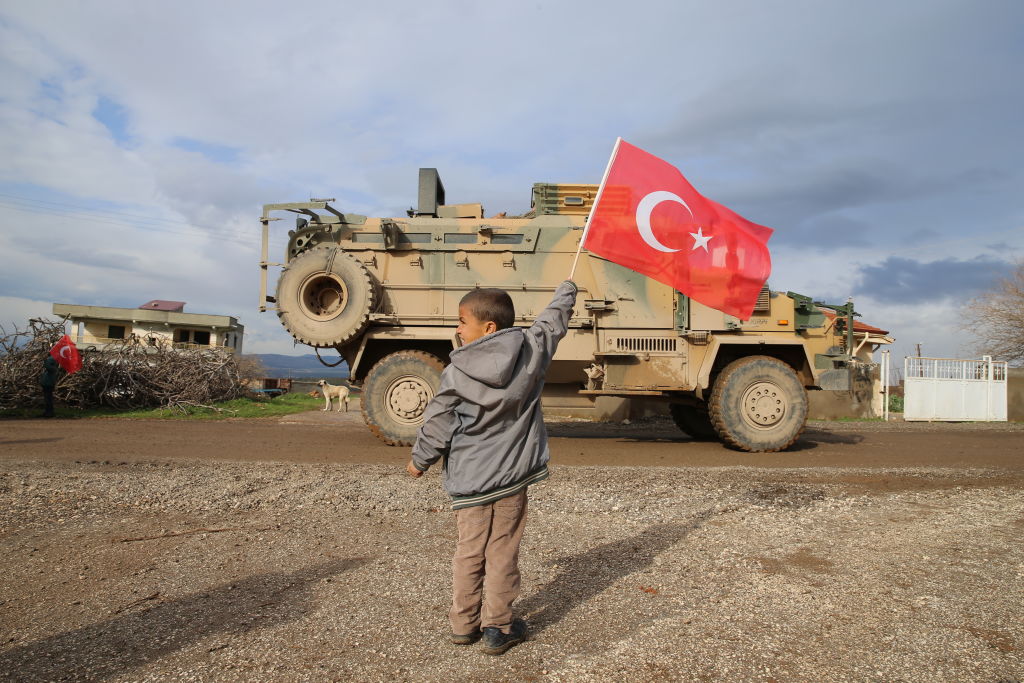
Turning the Tide: How Turkey Won the War for Tripoli
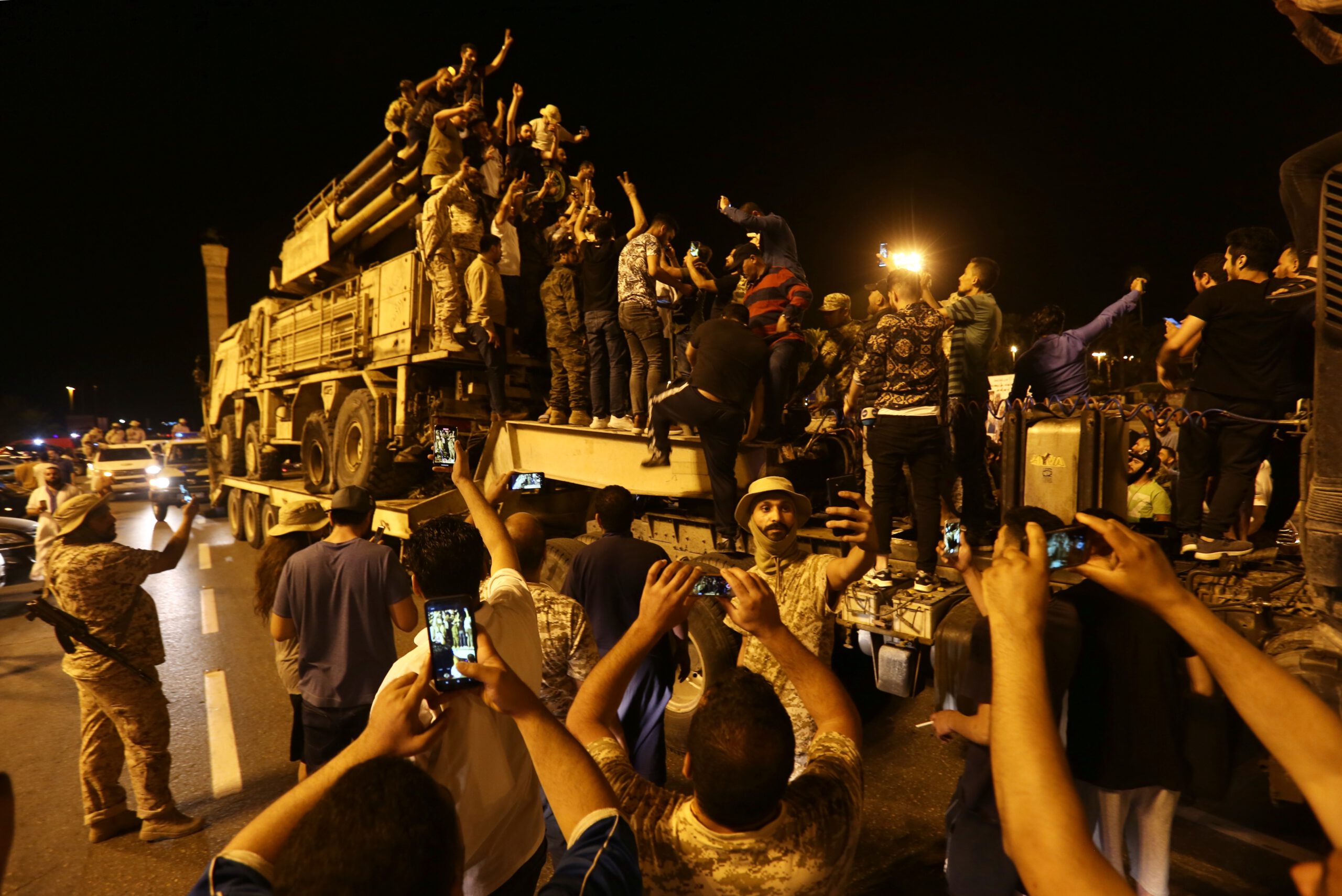
The War for Tripoli, launched by Gen. Khalifa Hifter in April 2019, came to an abrupt end in June 2020 after extensive Turkish military capabilities were introduced to the theater at the beginning of the year. This research paper seeks to drill down into the military, logistical, and technological aspects of the war, highlighting the unique role of drones, soft-kill and hard-kill air defense technologies, private military contractors, and extraterritorial military professionals in determining its final outcome.
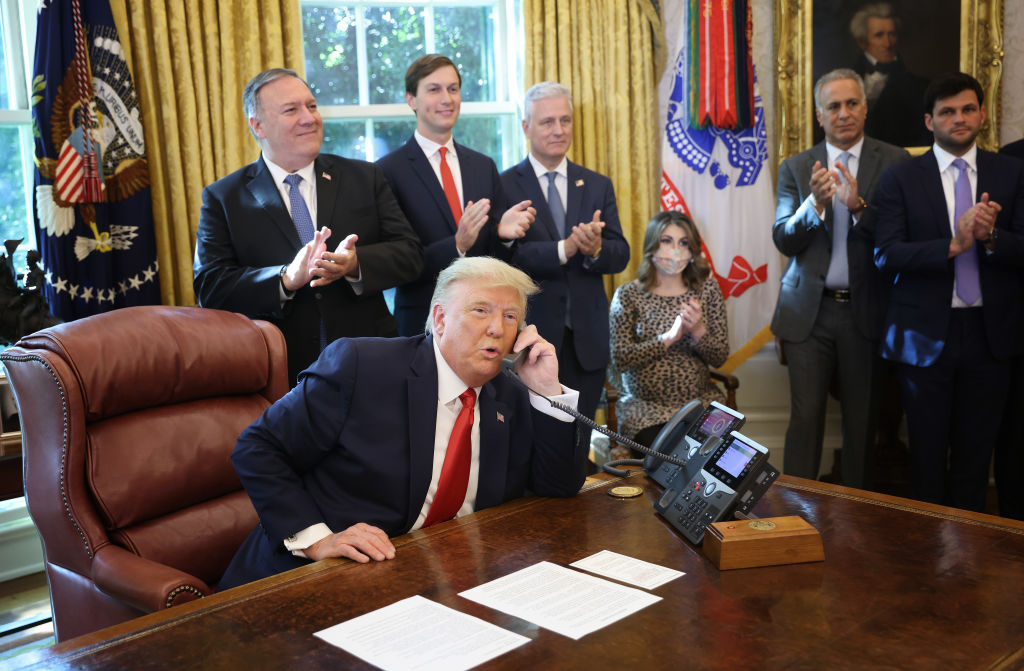
Monday Briefing: Regional reverberations of the Sudan-Israel announcement
This week’s briefing on recent news and upcoming events in the region featuring Paul Salem, Jonathan M. Winer, Gonul Tol, Mohammed Soliman, Marvin G. Weinbaum, Elizabeth Dent, Mirette F. Mabrouk, and Robert S. Ford.
Algeria charts a path for renewable energy sector development
Algeria is at a critical stage in its energy sector development. The nation has both the potential and the incentive to maximize its natural resources and become a renewable energy leader. In addition to its status as the second-most-populous country in North Africa, Algeria is noteworthy for its relative size, wealth, location, gas reserves, renewable energy potential, and greenhouse gas emissions. Recent oil and gas price volatility and increasing domestic electricity demand provide impetus for Algeria to prioritize clean energy investment.
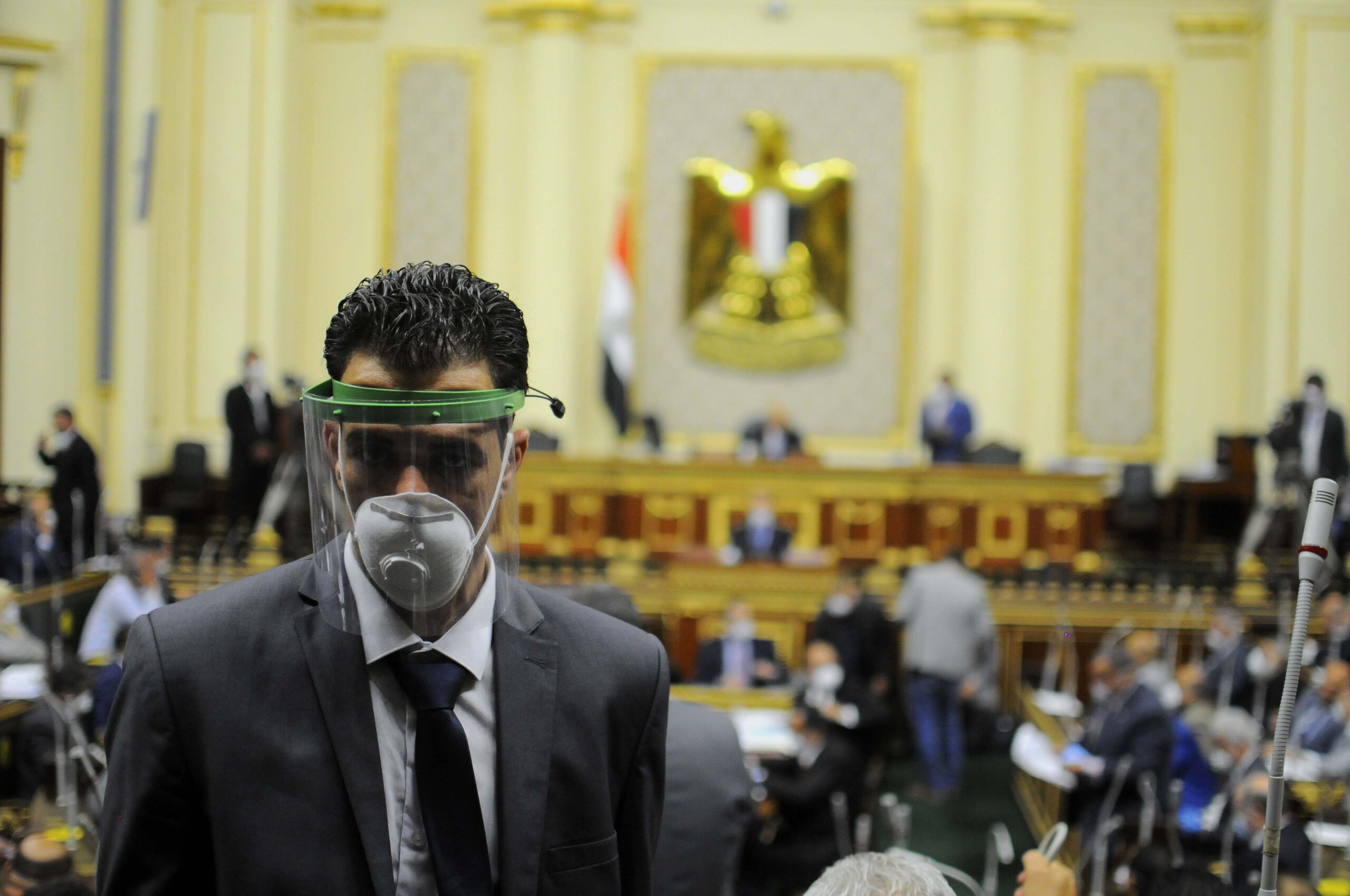
Egypt is not alone in having been knocked into a pit by the fallout from the COVID-19 pandemic, but it will have to dig itself out on its own. However, if Egypt is going to do so, it needs to rethink its approach to development, starting with looking for the silver lining to the pandemic. Is it possible to address existing issues that have been brought home by the exceptional circumstances? In this report, contributors dissect the weaknesses that make Egypt particularly vulnerable to external threats and examine ways in which to address these vulnerabilities and shore up the economy and the business and developmental environment.