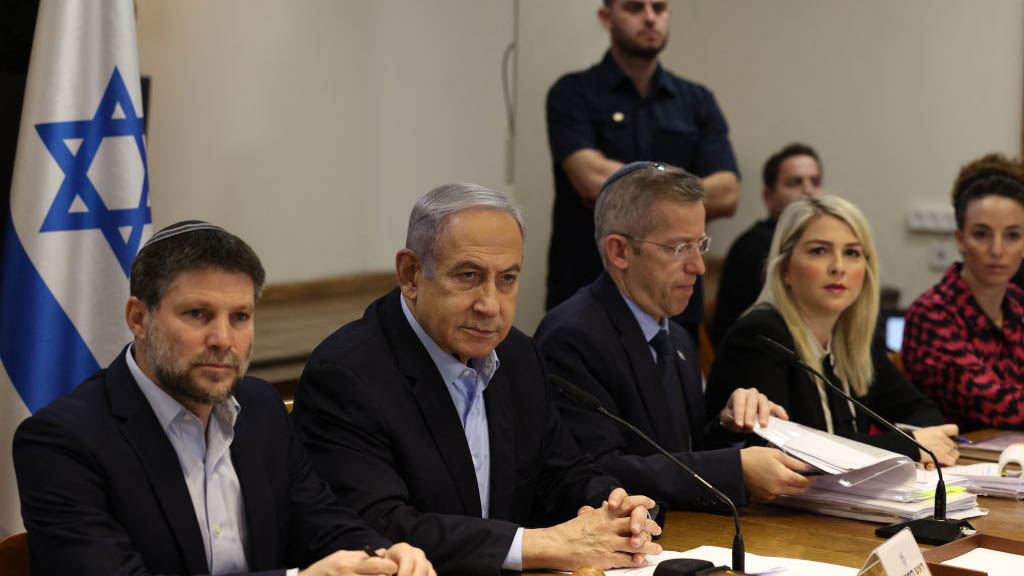
As the Knesset reconvenes, Israel’s newly elected municipal leaders can help foster change in national politics
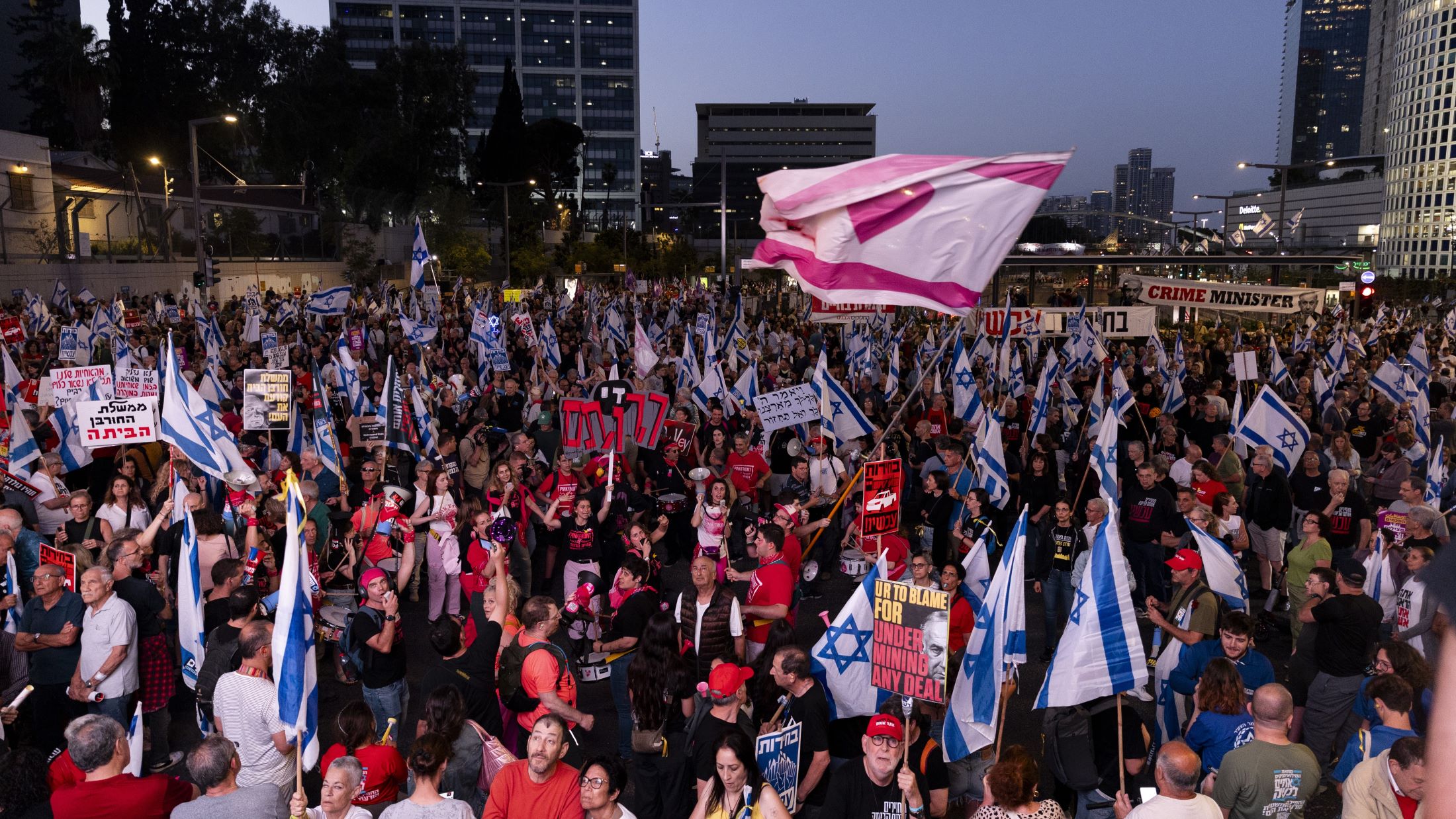
Following a year of protests and as the war with Hamas and Hezbollah enters its eighth month, the domestic scene in Israel looks poised for a political transition. Pro-democracy mayors and city councils across the country have grown increasingly influential when it comes to safeguarding and advancing liberal values. They are now better positioned and more motivated to make an impact on Israeli national politics, particularly as early elections look ever more likely.
“Gwadar is the future”: China and Pakistan’s troubled strategic port on the Arabian Sea
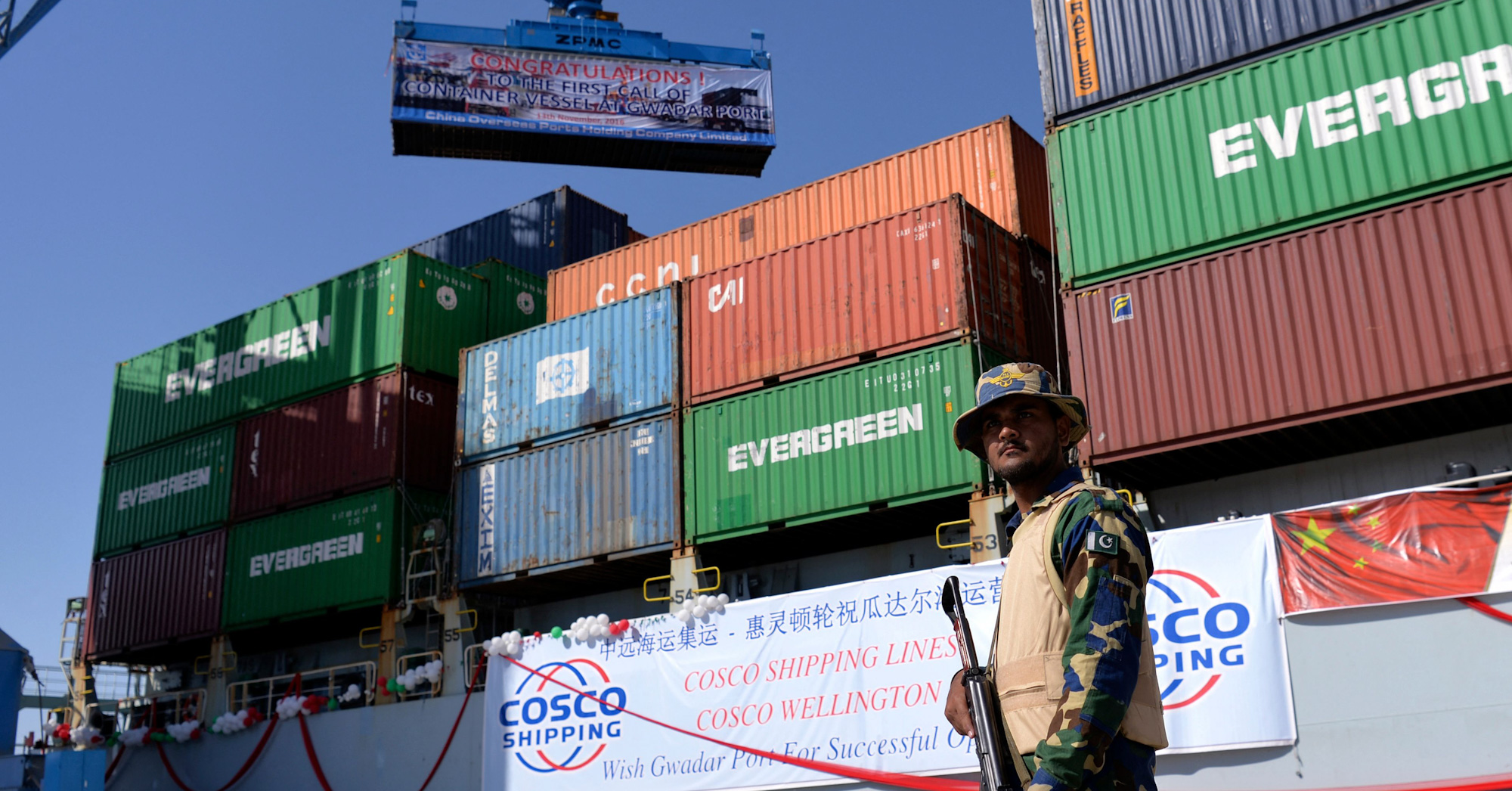
Strategically located at the mouth of the Strait of Hormuz on the Arabian Sea, Gwadar, once a derelict port, was revitalized as part of the broader development of China-Pakistan Economic Corridor (CPEC) and declared fully operational in 2021. Can a renewed focus on the Gwadar port and the socio-economic and security situation of the surrounding region help Islamabad and Beijing rescue CPEC from failure?
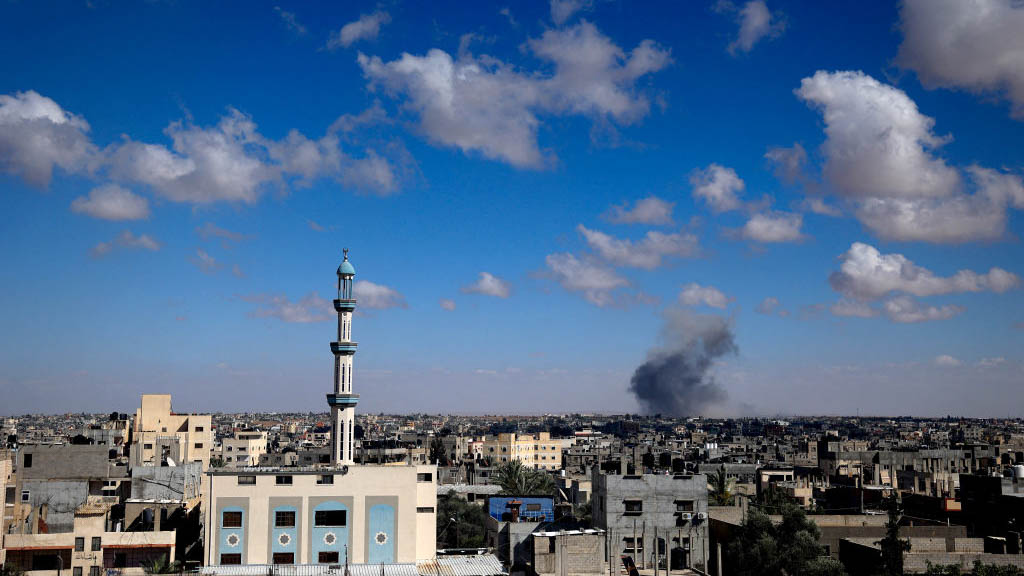
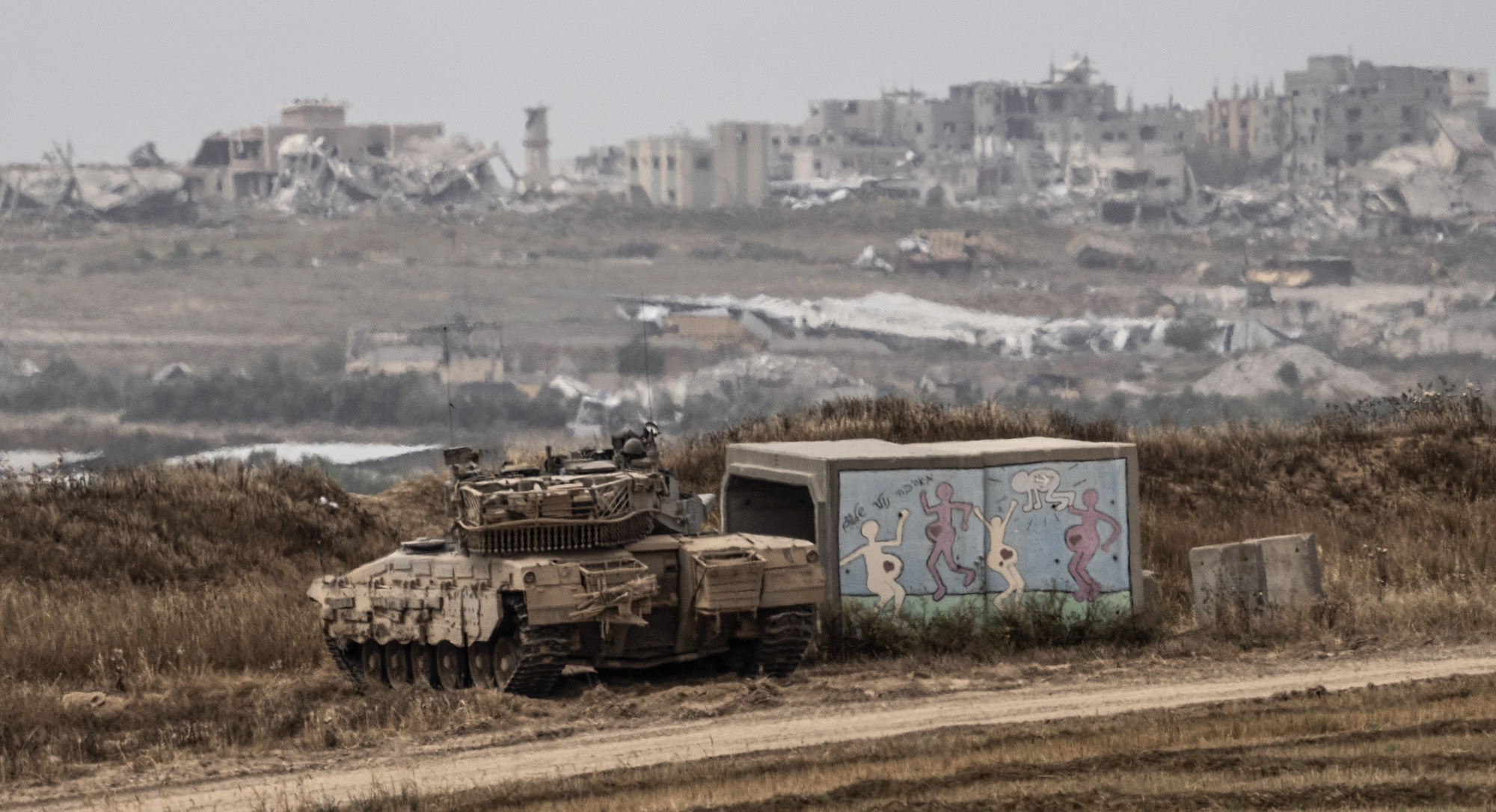
Human shields or shielding Israel from accountability?
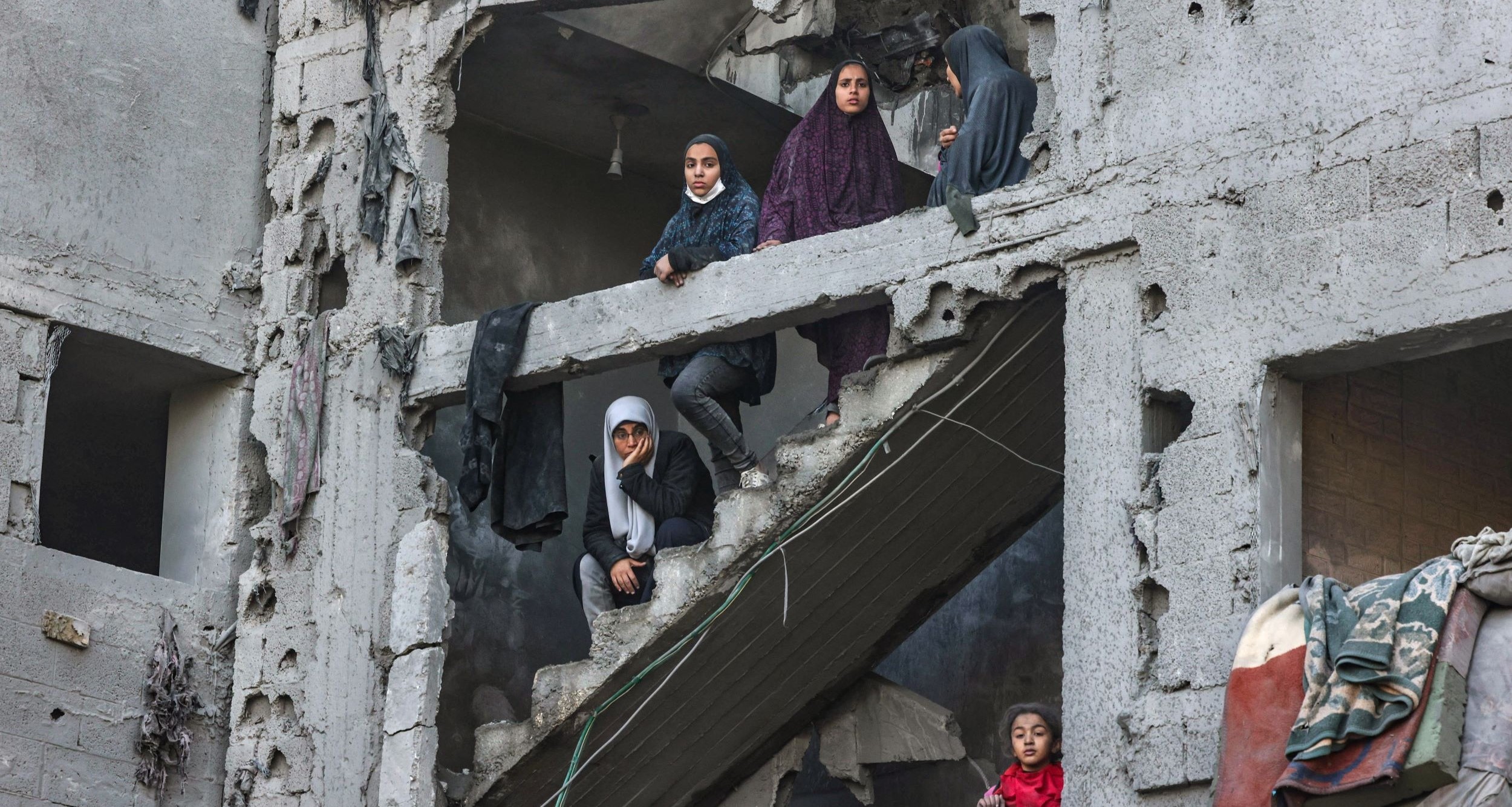
Israeli leaders insist that the extreme destruction in the Gaza Strip is unavoidable given Hamas’ use of “human shields” and the fact that the militant group has embedded itself among the civilian population and routinely operates from civilian structures like hospitals and schools. But far from explaining the current devastation, the questionable “human shields” charge has become a way to shield Israel from legitimate scrutiny and accountability.
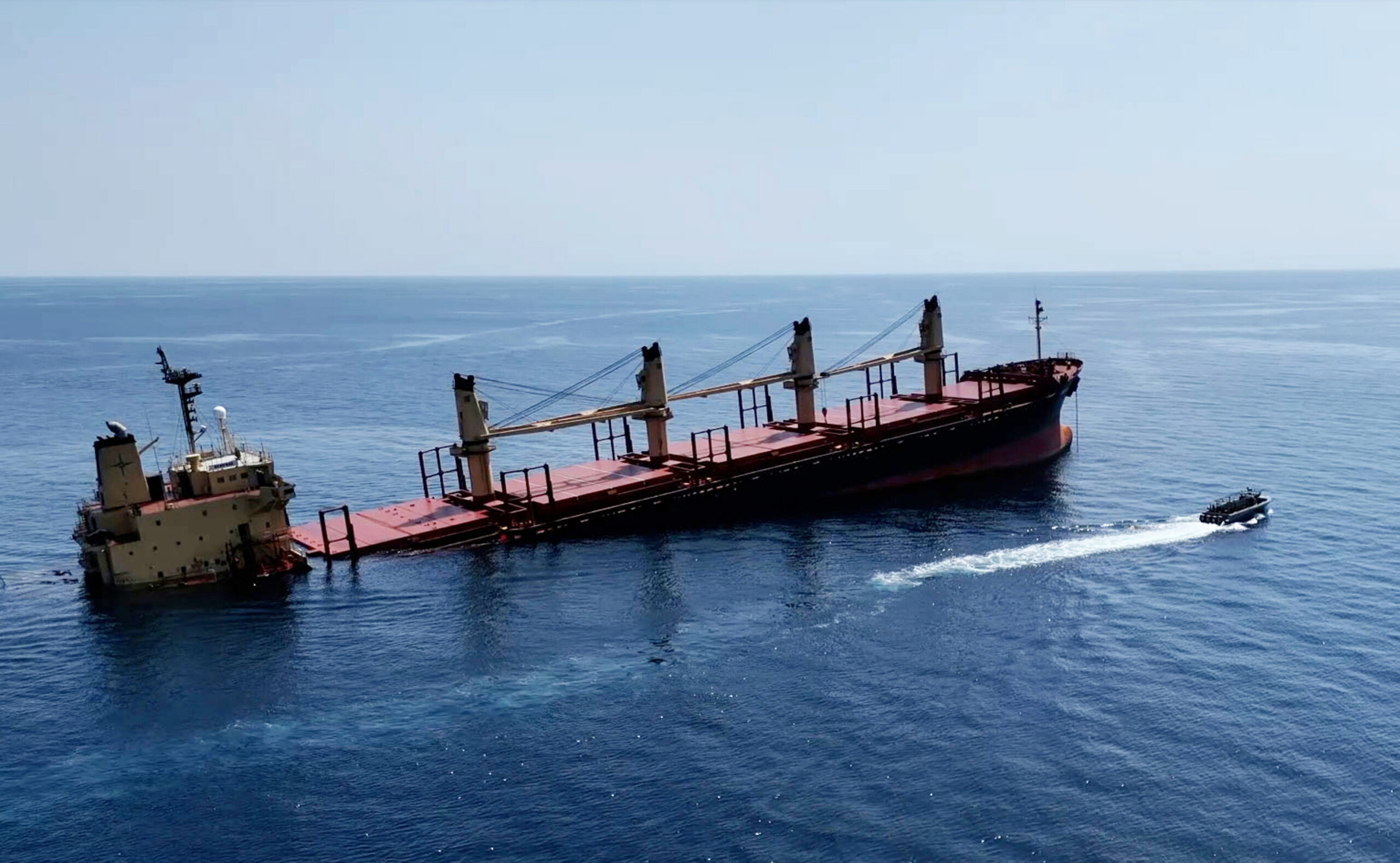
Israel in the Red Sea during the War in Gaza: Strategic insights
In recent months, Israel’s situation in the Red Sea has grown increasingly challenging in the security, economic, and diplomatic spheres. But the country is in a better position to meet these challenges and threats by leveraging the strategic regional partnerships it has developed over the past several years.
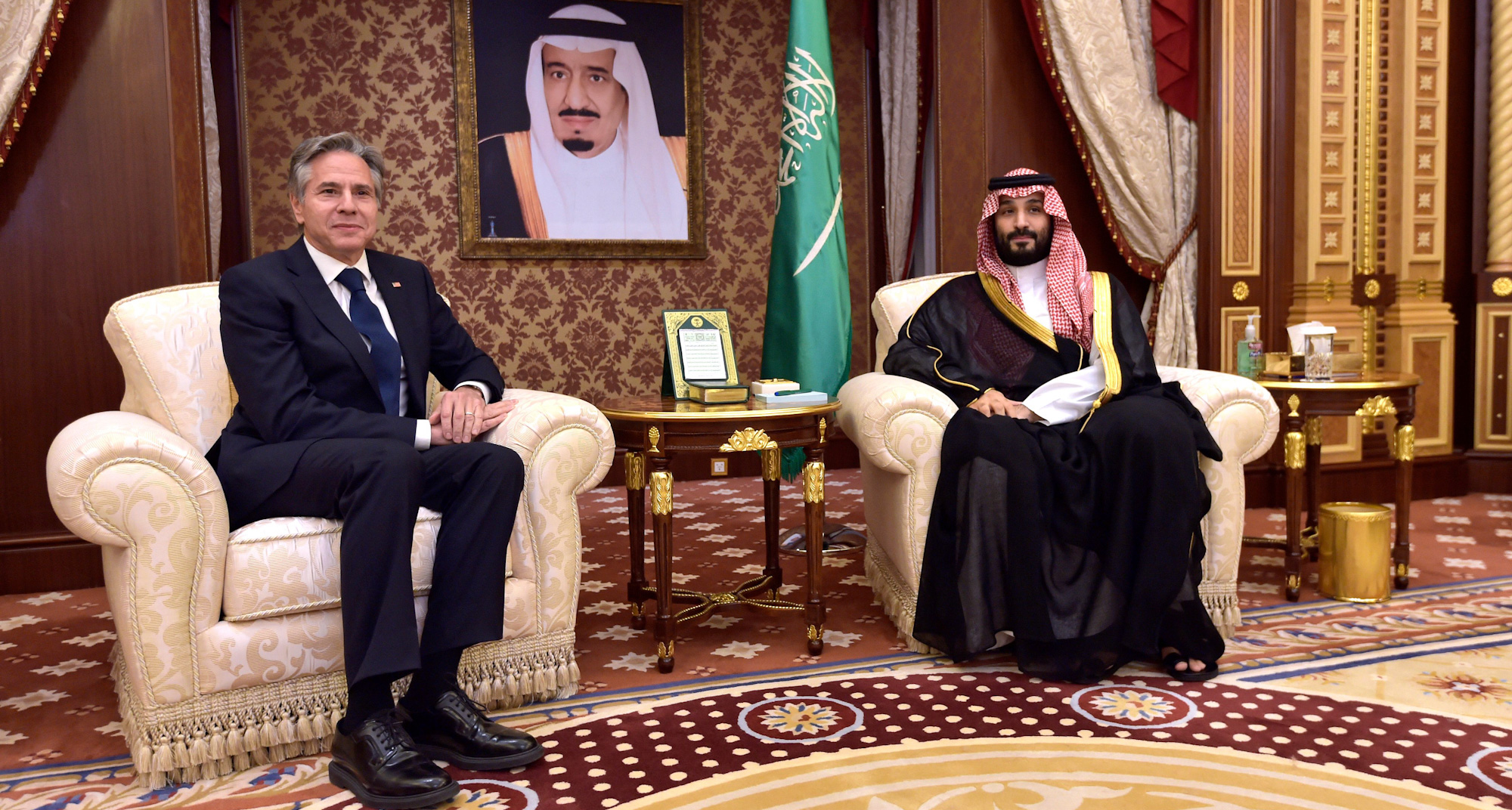
US-Saudi accords must not remain hostage to normalization with Israel
After Hamas’s unprecedented attack against Israel on Oct. 7, the siren song of Saudi-Israeli normalization risks wrecking the US-Saudi relationship against the rocks of stubborn geopolitical realities. An interim less-for-less approach in US-Saudi negotiations that doesn’t immediately require Senate approval nor is beholden to a much less certain Israeli-Palestinian peace process could set the stage for an even more consequential “mega deal” down the line.
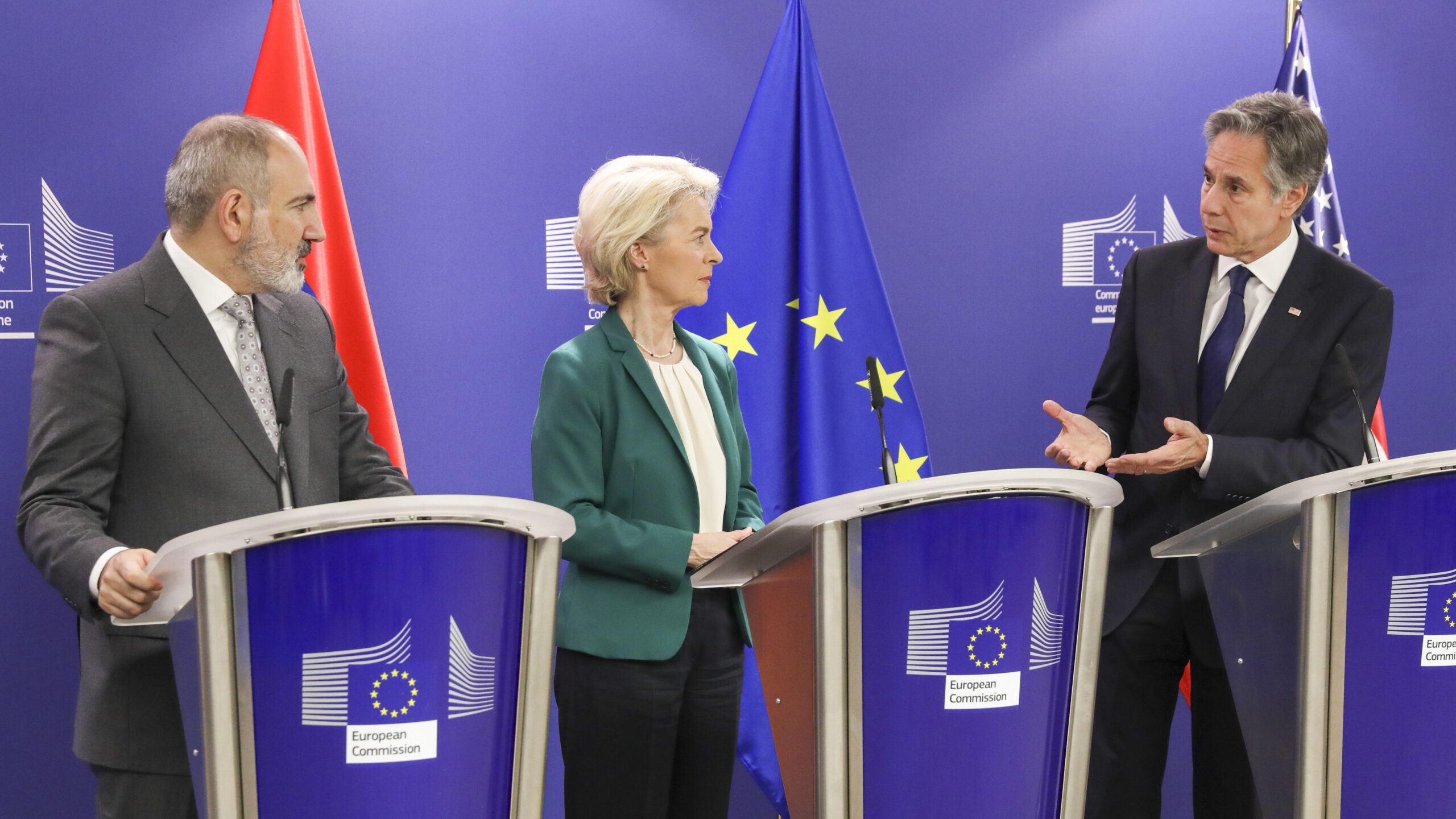
As Armenia gradually reorients toward the West, Azerbaijan faces its own geopolitical choice
In early April, a highly publicized trilateral meeting involving the United States, the European Union, and Armenia was widely believed to mark a turning point in Yerevan’s relationship with the West. If it comes to pass, it will present Baku with its own critical decision: whether to abandon multi-vectorism and more fully align with Russia or the West.
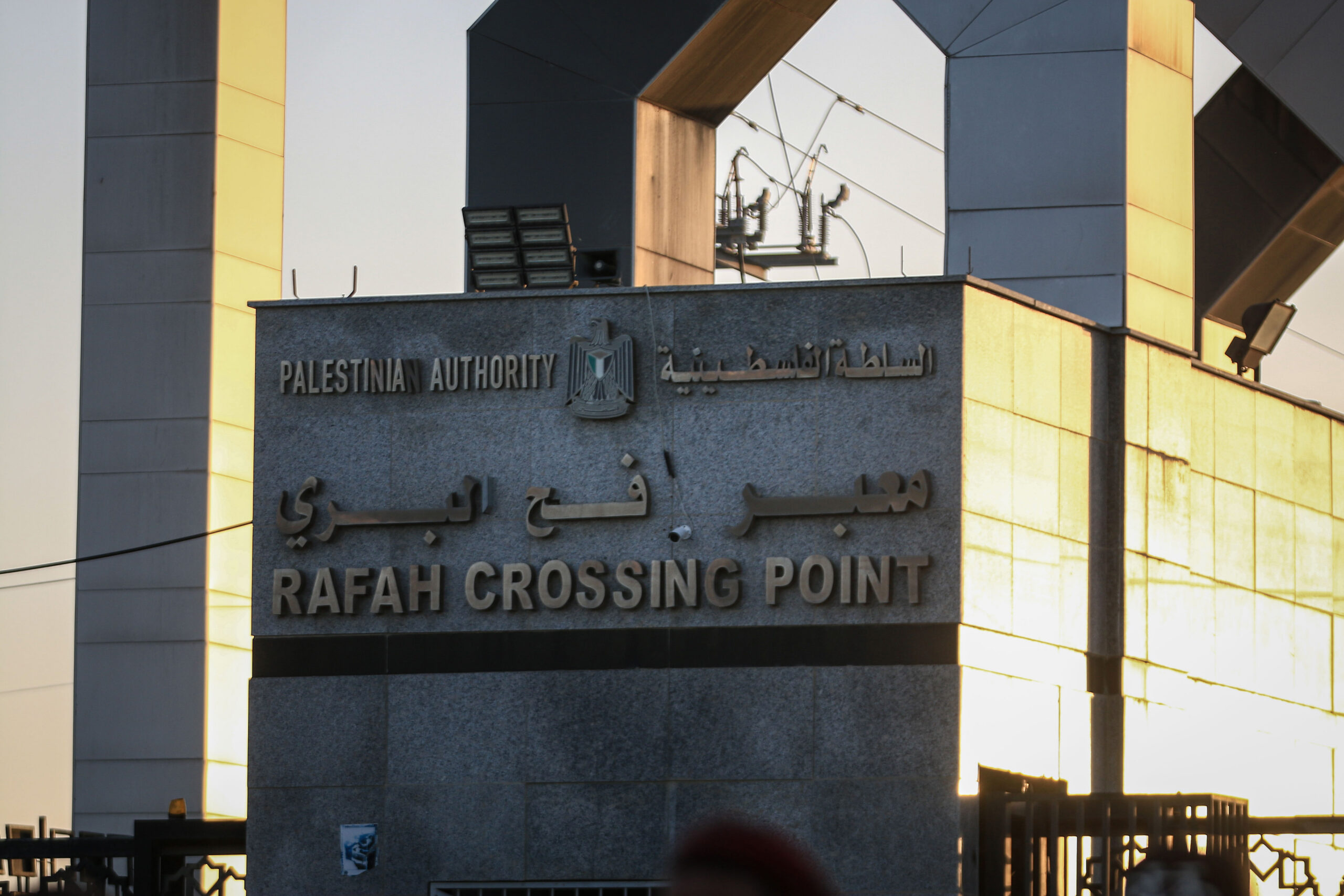
The way out of the war in Gaza will shape Israel-Egypt relations for years
March 26, 2024, marked the 45th anniversary of the signing of the peace agreement between Israel and Egypt. Over the years, this bilateral settlement has proven its stability and resilience, despite a series of crucial challenges. Yet the Begin-Sadat legacy, and the benefits it brings, is now in jeopardy.
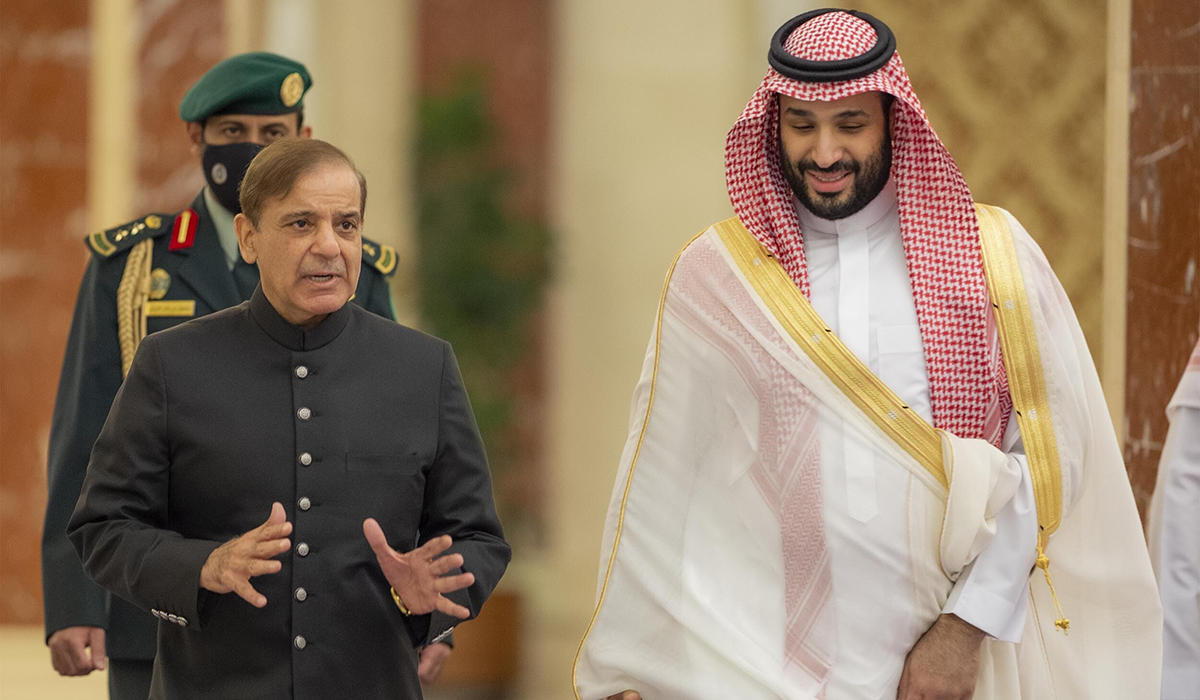
Evolving Middle Eastern imperatives on the Indo-Pakistan rivalry
It was no surprise to see Pakistan’s new prime minister, Shehbaz Sharif, choose Saudi Arabia as the destination of his first official visit. What was more surprising, however, was the joint announcement that emerged from the trip, which called on Pakistan and India to resolve their outstanding disputes, especially the Jammu and Kashmir problem. There are several factors that have impelled Saudi Arabia and the United Arab Emirates to take on the tricky task of mediating the protracted rivalry between the two key South Asian states.
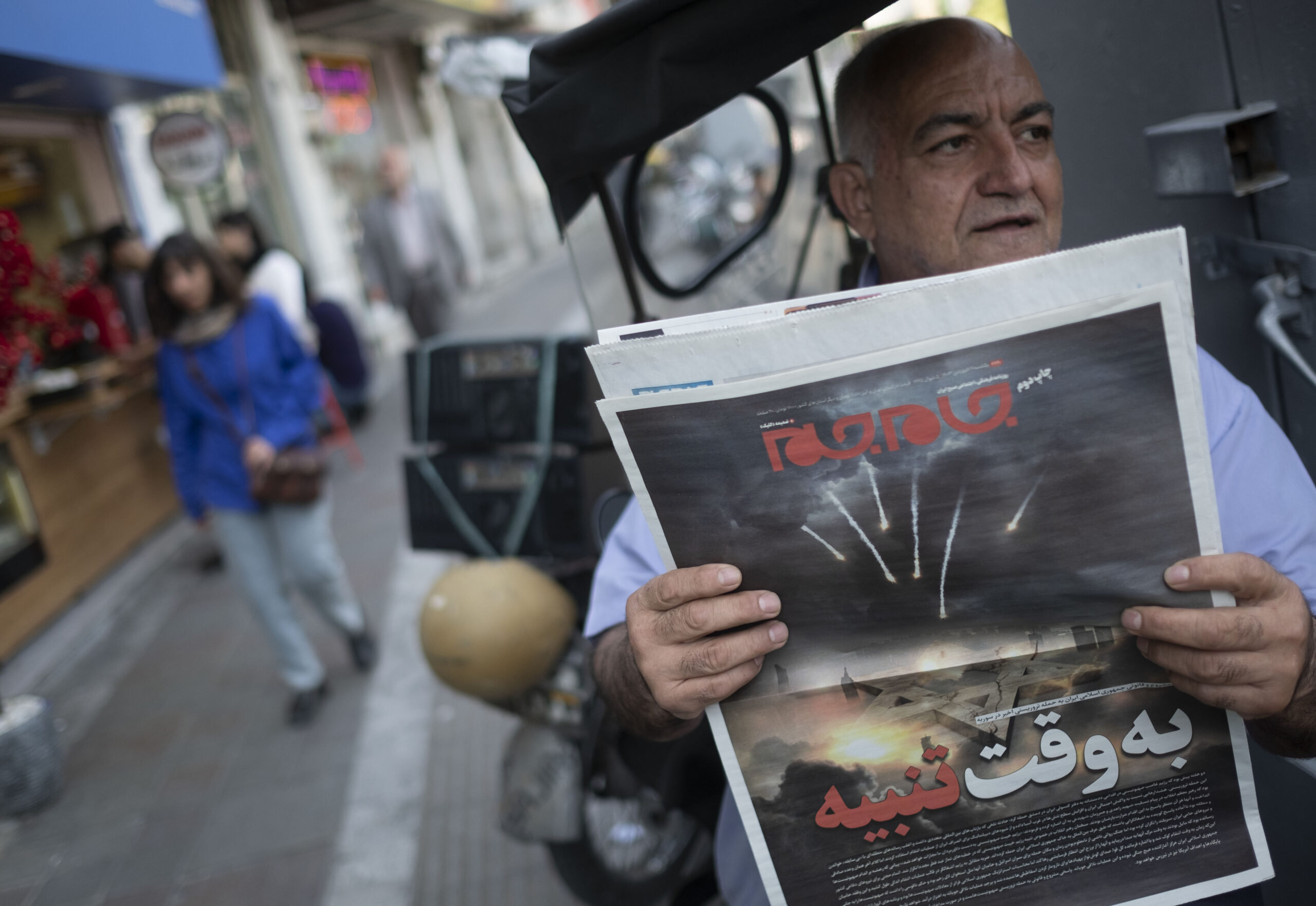
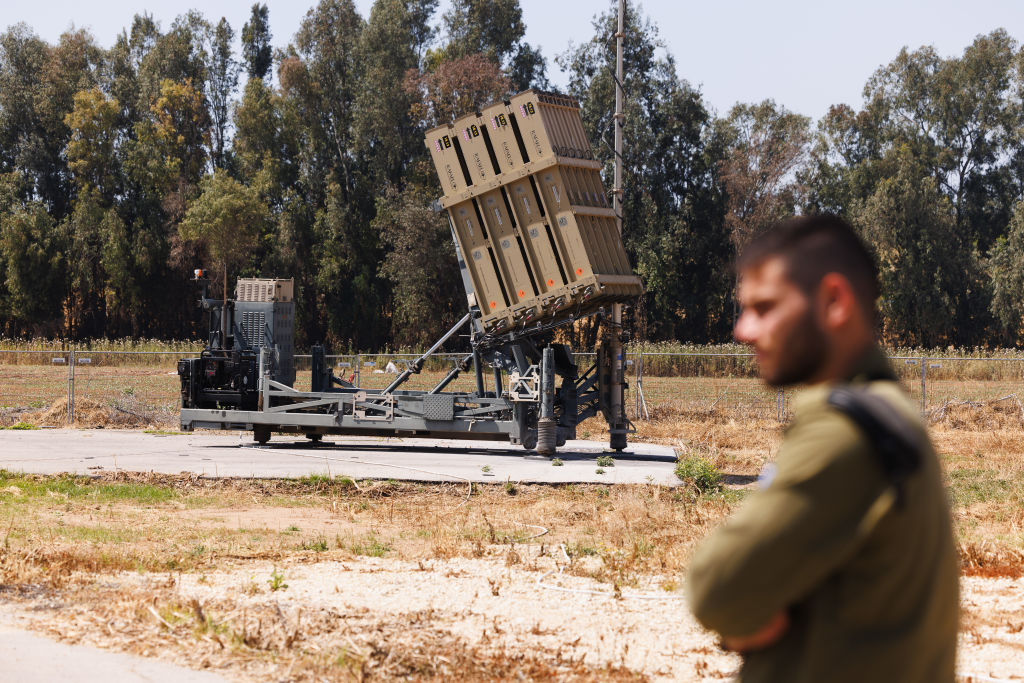
Expert Views: How should we navigate the new rules of the game in the Israel-Iran conflict?
The month of April saw a series of unprecedented escalations in the long-simmering Iranian-Israeli conflict, with both countries launching missile and drone attacks against the other’s territory for the first time in history.
In the wake of these strikes, what will be the impact on the regional security and political environment going forward, what is needed to stabilize the new rules of the game, and how can US diplomacy help to facilitate that process? MEI has asked its experts to weigh in.