Karen Young, director of MEI’s Program on Economics and Energy, is joined by Emily Stromquist and Colby Connelly for a discussion on gas and energy developments in the Eastern Mediterranean.
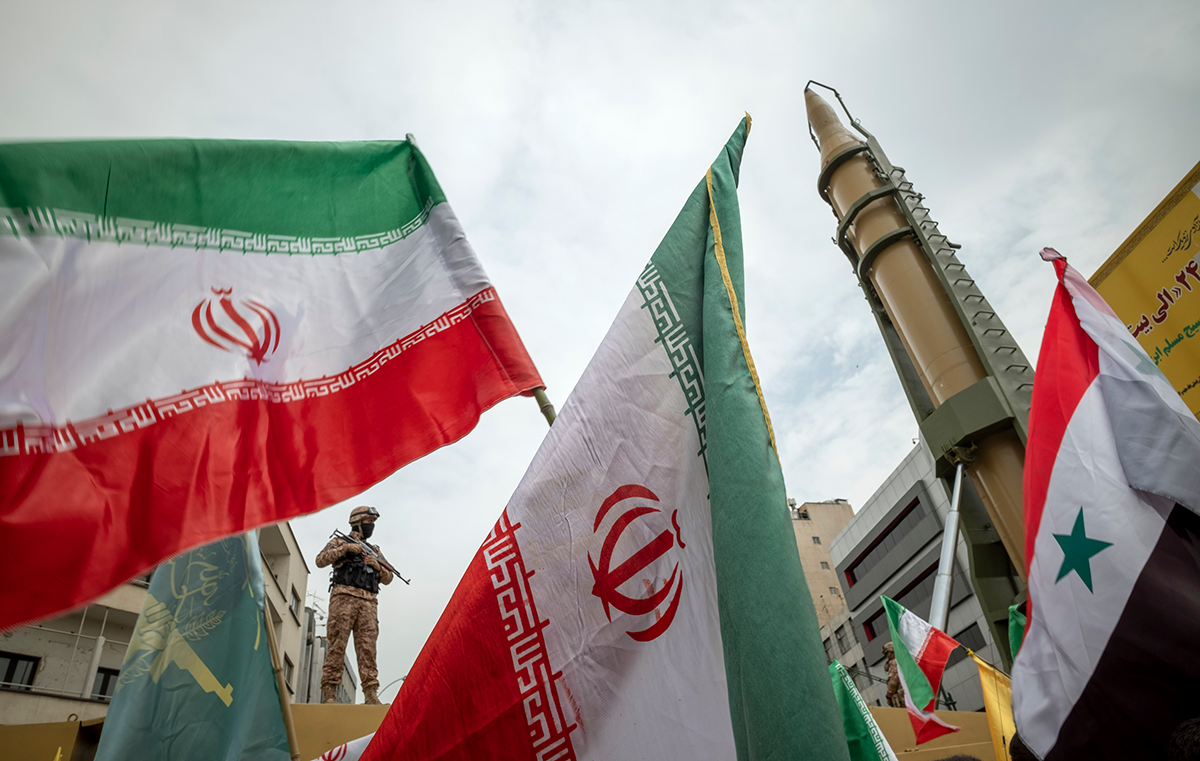
Iran’s Revolutionary Guard and the Rising Cult of Mahdism: Missiles and Militias for the Apocalypse
As the U.S. administration considers whether to remove Iran’s Islamic Revolutionary Guard Corps as a foreign terrorist organization, understanding its nature, development, and ideology is essential to making an informed decision. There is much about it that differentiates it from a conventional armed force. One fundamental aspect of its ideology that until now has been overlooked is the doctrine of Mahdism.
Former Iraqi Prime Minister Dr. Haider al-Abadi joins the program to discuss the country’s fight against ISIS, Iraqi politics and the challenges of reform. Dr. al-Abadi has a new book out, entitled “Impossible Victory: How Iraq Defeated ISIS” (Biteback Publishing, April 2022).
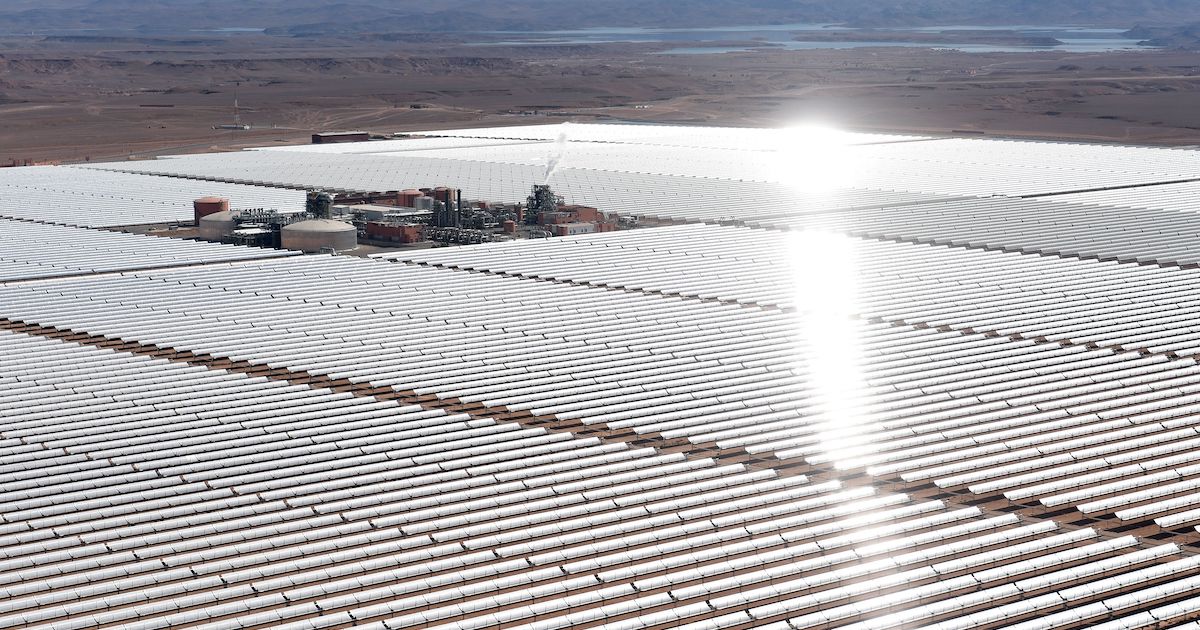
Pairing renewables with energy storage could help MENA states to realize their green goals
MENA countries are currently home to nearly 15% of the world’s installed energy storage capacity, but this total will need to grow to enable variable renewable energy systems to be integrated into the region’s power grids in a flexible and stable manner.
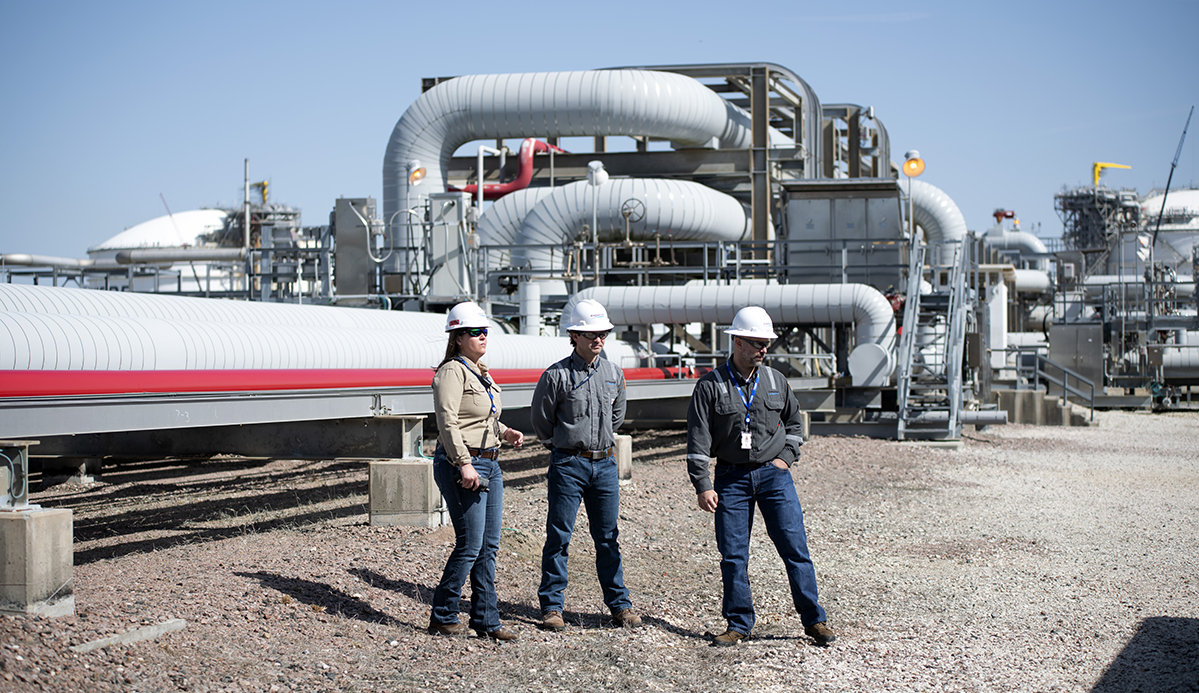
The Biden administration promises US LNG for Europe. How does that work?
On March 25, 2022, President Joe Biden announced an agreement committing the U.S. LNG industry to supply an additional 15 bcm of LNG to Europe through the remainder of the year. The agreement also envisions U.S. LNG increasing supply to Europe to 50 bcm through 2030, equating to approximately one-third of the EU’s gas imports from Russia in 2021.
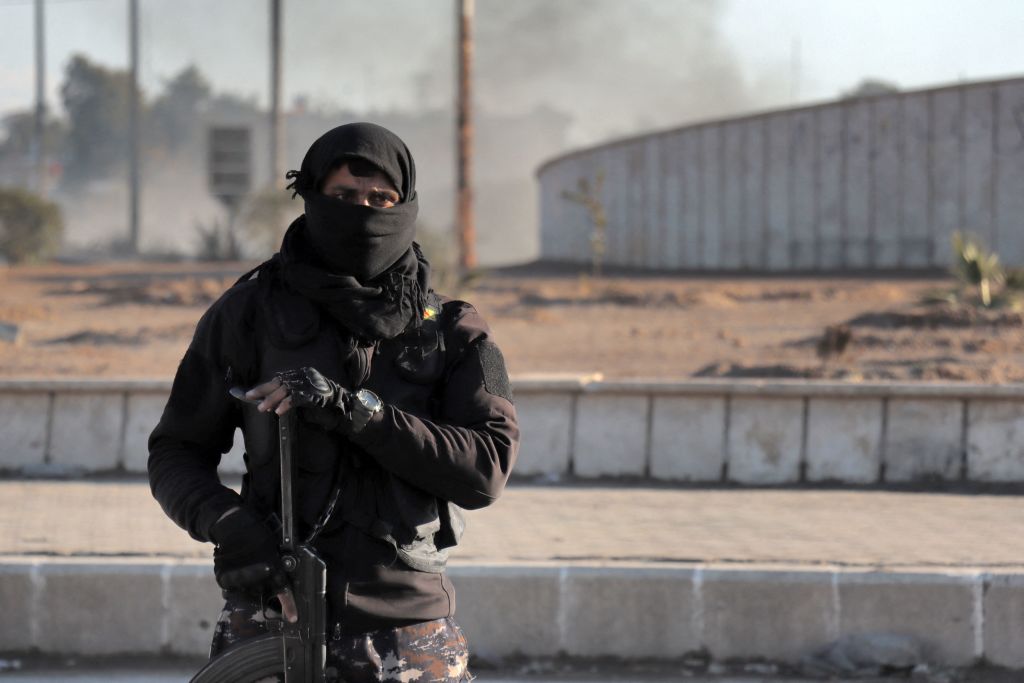
«داعش» يتعافى في سوريا… لكن الحاجة ماسة إلى الاستقرار
عندما لقي تنظيم داعش الإقليمي الهزيمة في سوريا قبل أكثر من ثلاث سنوات، احتفل العالم بإنجاز تاريخي. فعلى مدار خمس سنوات، حشد تحالف ضم أكثر من 80 دولة موارده المشتركة لدحر «داعش» في سوريا والعراق، والتصدي للجماعة الإرهابية على الإنترنت، ودحر شبكاتها المالية والشركات التابعة لها المكتشفة حديثاً في جميع أنحاء العالم.
Amb. Gerald Feierstein, Bilal Saab, and Karen Young join guest host Brian Katulis to discuss their recent MEI policy paper, US-Gulf Relations at the Crossroads: Time for a Recalibration, and why they believe now is not the time to disengage from the region.
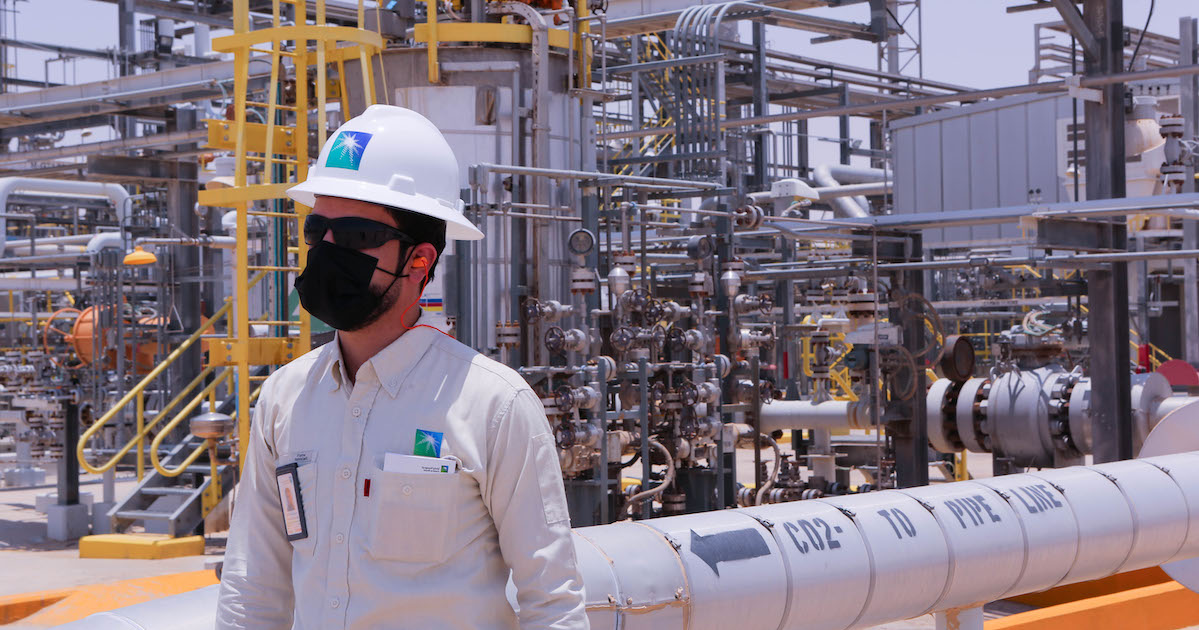
Saudi Arabia’s international natural gas aspirations
Saudi Aramco seeks to enter the global gas business again. The company aims to build new business opportunities in the hydrogen and CCS sectors utilizing forecasted new domestic gas production. Its main challenges are long-term consistent commodity-cycle-insulated investment and domestic gas resources.
US-Gulf Relations at the Crossroads: Time for a Recalibration
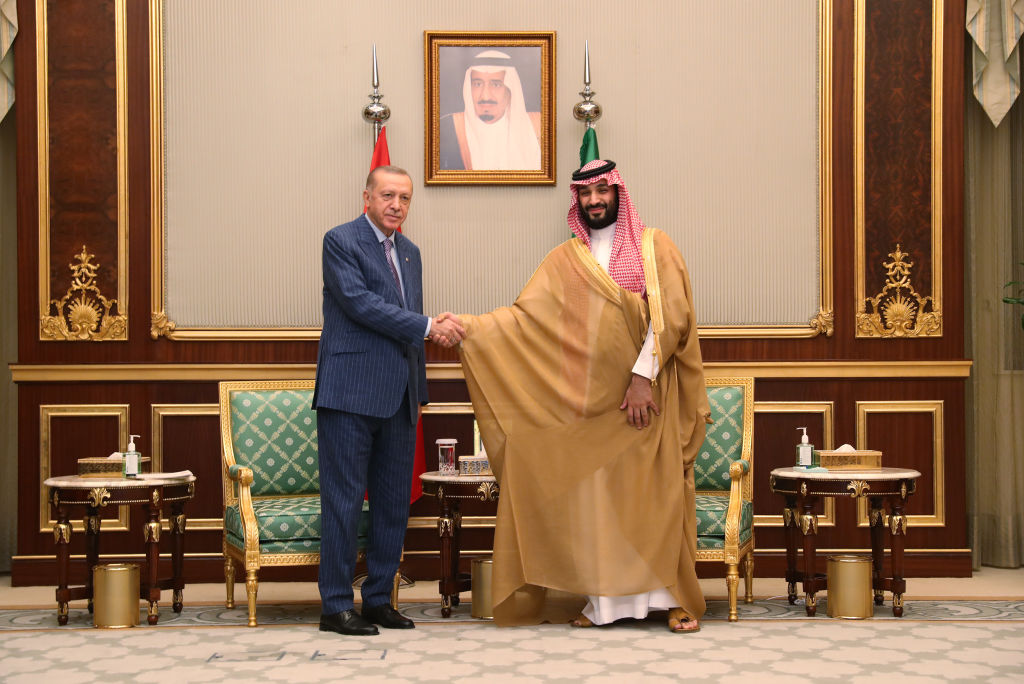
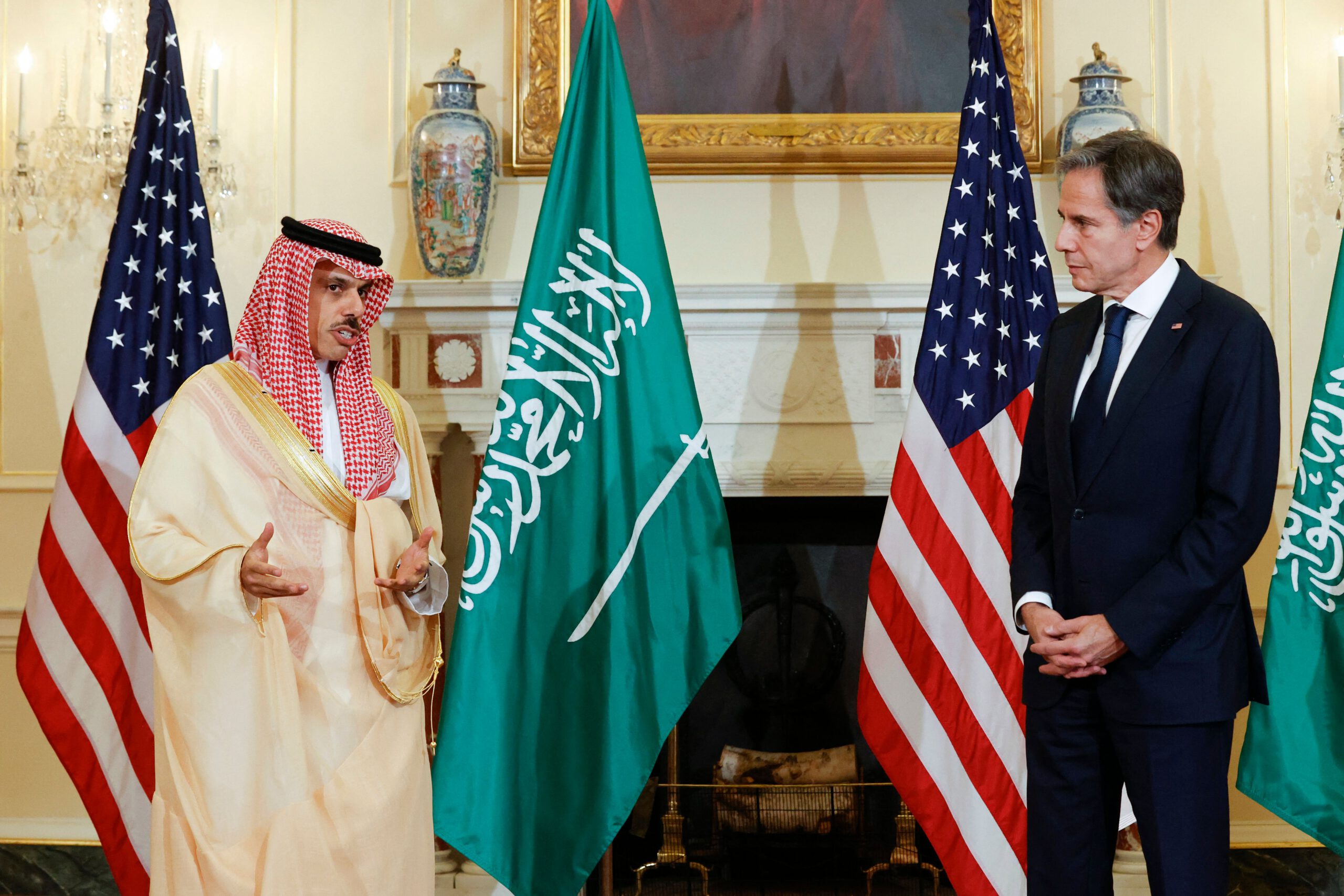
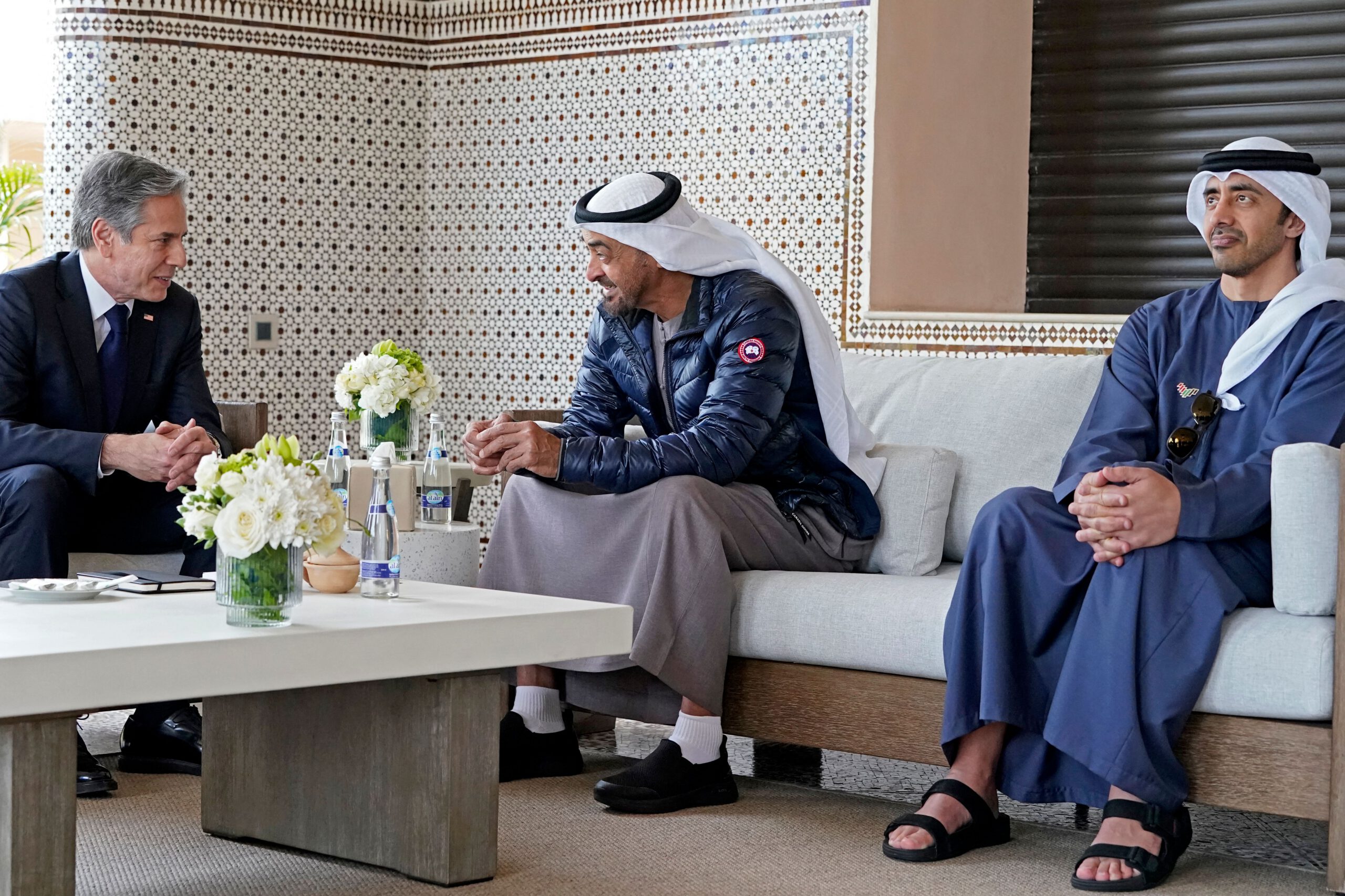
The global response to Russia’s invasion of Ukraine has focused new attention on friction between the United States and its traditional partners in the Gulf and reinforced skepticism regarding the United States’ status as the dominant international partner in the region. It’s time for both sides to identify a realistic way forward that sheds outdated notions of mutual obligation without becoming merely transactional.
How Biden can rebuild U.S. ties with the Gulf states
As tensions between the United States and the Gulf monarchies have been laid bare in recent weeks against the backdrop of Russia’s war in Ukraine, spiraling energy prices, and Houthi attacks on Saudi and Emirati territory, it’s clear that there will not be a return to the U.S.-Gulf partnership of the past—but there can be a new understanding between the two sides.
Iraq has refrained from taking a firm position on the war and political opinion on Russia’s conduct is divided along partisan and factional lines. The imposition of sanctions against Russia has complicated its energy investments in Iraq and prospective arms purchases from Moscow and could have a long-lasting adverse impact on the Iraqi economy.