ISIS and the Assad regime: Strategy and counter-strategy in Syria’s Badia
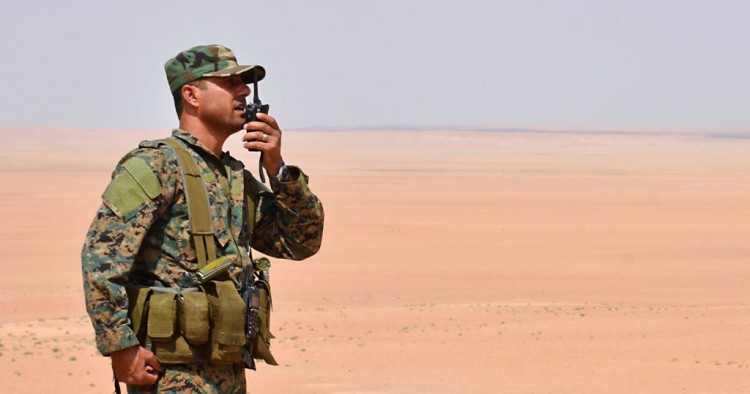
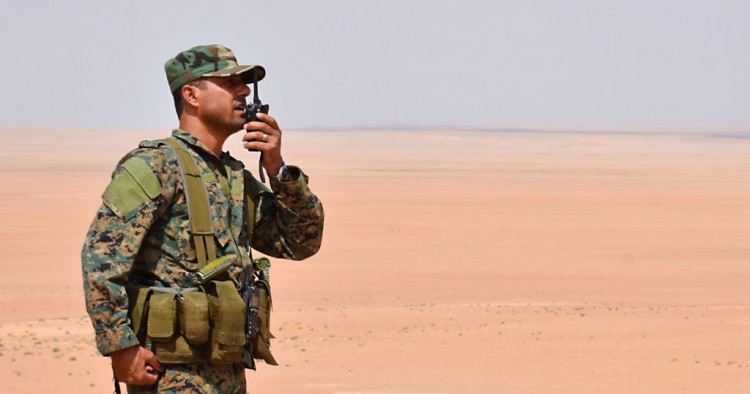
It has been more than a month since the launch of military operations by Syrian regime forces and their allies, with air support from the Russian air force, in the Syrian Badia — the country’s expansive central desert region — in an attempt to eliminate ISIS cells deployed there. To date, however, these operations have not yielded any tangible results.
"داعش" والنظام الاستراتيجية والاستراتيجية المضادة في البادية
مضى قرابة الشهر على العمليات العسكرية التي تشنها قوات النظام السوري وحلفائها، بدعم جوي من الطيران الروسي في البادية السورية، في محاولة للقضاء على خلايا تنظيم “داعش” المنتشرة في تلك المناطق، لكن تلك الهجمات لم تُثمر عن نتائج تذكر حتى اللحظة.
الهجمات العسكرية للقوات المعادية للتنظيم لم تتغير على الصعيدين العملياتي والاستراتيجي، فقد اقتصرت على عمليات توغل لقوات برية بأسلحة خفيفة ومتوسطة، بغطاء جوي من طائرات حربية روسية تُمهد بعمليات قصف جوي، وطائرات مروحية مرافقة للقوات المتقدمة برياً تحسباً لهجمات التنظيم الدفاعية.
Cyber violence against women is defined as a form of gender-based violence (GBV) carried out through digital means. The COVID-19 pandemic has drastically heightened the risk and incidence of violence against women both online and offline: the Australian eSafety Commissioner reported a 50% increase in domestic and cyber violence reports since March 2020. Globally, Facebook remains the most common platform for gendered violence online, followed closely by Instagram and WhatsApp. These developments show that special consideration must be given to the role of digital platforms in facilitating violence against women, and that policy solutions regarding violence against women must also consider the online context where that violence often takes place and escalates in plain sight.
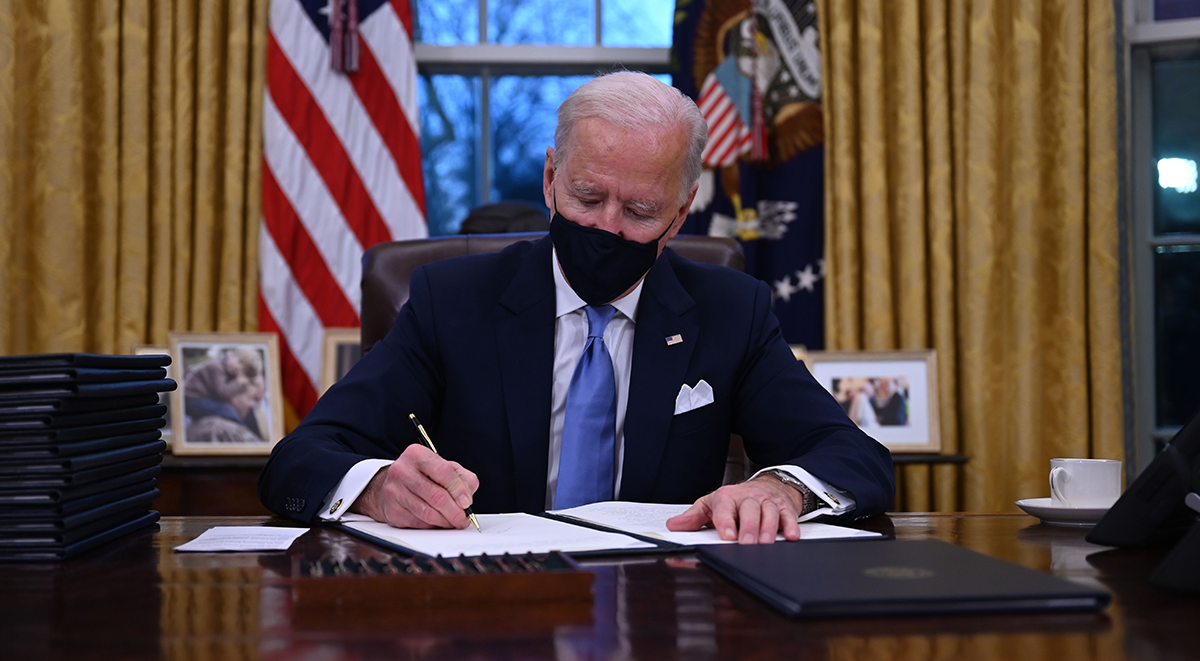
Middle East cyber priorities for the Biden administration
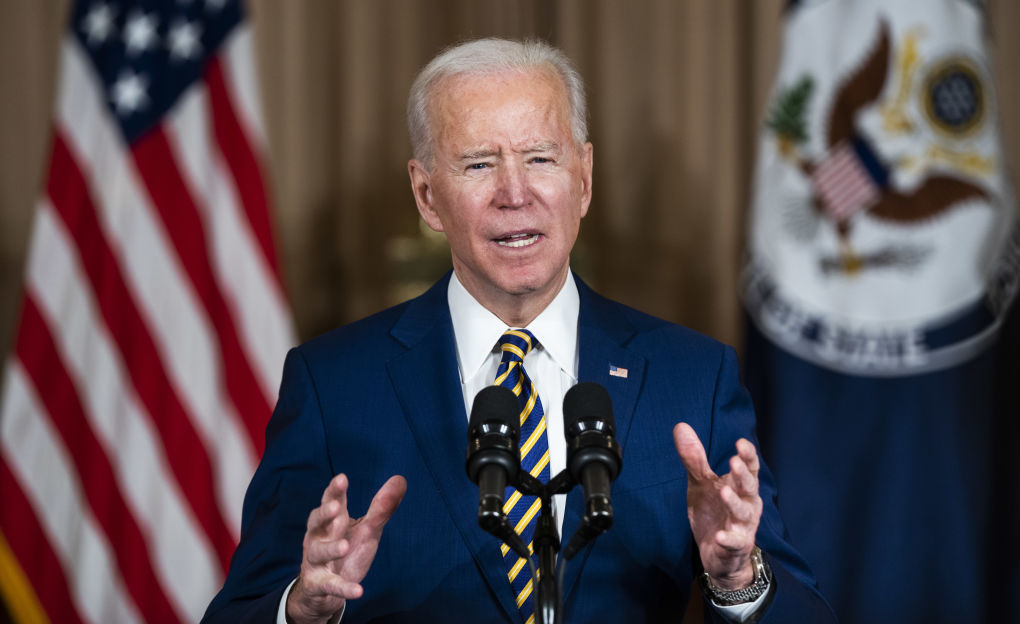
To promote stability in the Middle East and safeguard its interests, the new administration should adopt policies designed to limit damaging activities in cyberspace, support cyber norms in conjunction with strong cooperation agreements, recognize the obstacles to creating a NATO-like regional security alliance, and implement policies restricting the misuse of U.S. technologies by allies to commit human rights violations and spy on their own people.
The Biden Administration and the Middle East: Policy Recommendations for a Sustainable Way Forward
In a new policy briefing book, entitled The Biden Administration and the Middle East: Policy Recommendations for a Sustainable Way Forward, MEI scholars tackle a large number of country-specific and region-wide issue areas, laying out both the abiding U.S. interests and specific recommendations for Biden administration policies that can further U.S. interests amid a region in turmoil.
Relations between the U.S. and Black Sea countries are complex. The Western-oriented Georgia and Romania have shown unconditional support for greater U.S. involvement. Others, like Turkey and Russia, will continue to challenge Western involvement. And while relations between Black Sea countries reflect similarly complex cooperation and conflict patterns, common among them is a hope that the Biden Administration will bring a shift in U.S. policy in the region.
Frontier Europe Initiative’s new report, Alternative Futures for the Black Sea Region, is designed to inform the development of a U.S. strategy for the Black Sea region by considering a range of alternative future scenarios.
What will the Middle East look like in 2030? An Israeli Perspective
The following article addresses the question of how the Middle East might develop in the coming decade. Long-term and detailed strategic predictions are a thankless task and are often doomed to failure. Therefore, this article refrains from attempts at prophecy but deals instead with “thinking about the future.” It opens with an analytical framework for scenario development, supplemented by “trends impact” and “horizon scanning.” The second section studies “the futures of the past,” in terms of what we might learn about the pitfalls of future projection and scenario-building from those outlining possible futures for 2020 from years past. Then, on the basis of the first two sections, four scenarios elaborate some distinctly different pathways that the Middle East might take to 2030. Finally, the article concludes with several key takeaways for Israeli decision makers.
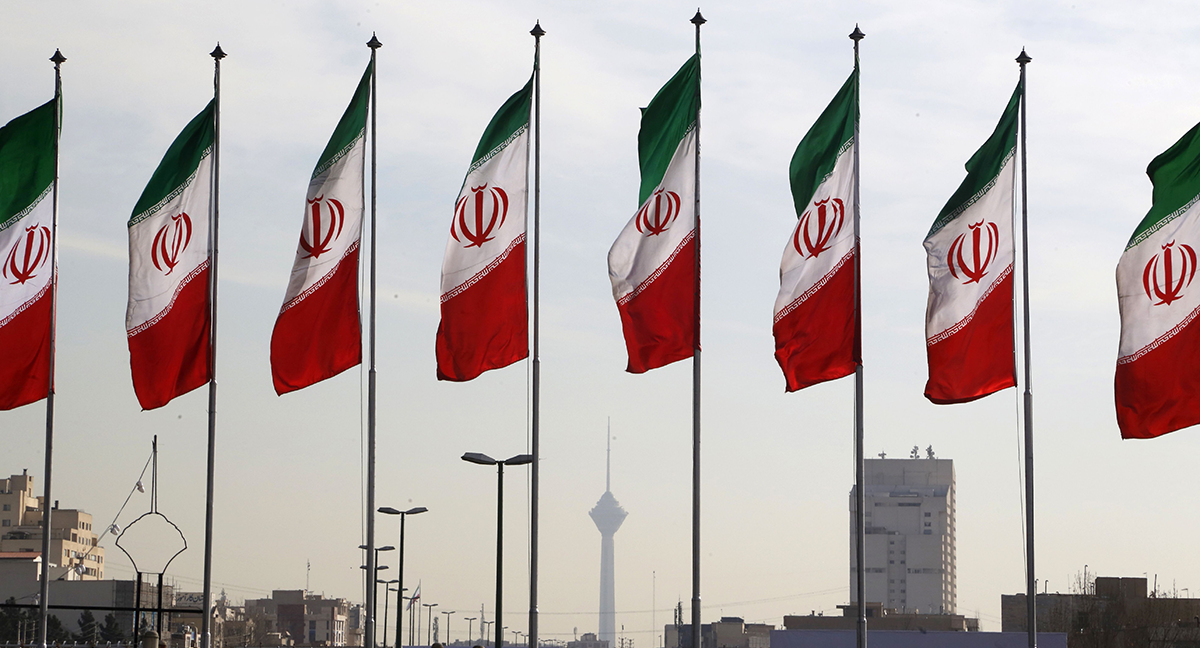
Iran’s attempts to achieve cyber dominance both within the MENA region and around the world have been well documented, particularly its efforts to spread pro-Iranian messaging and “tell Iran’s story.” This strategy is shaped by the challenging international context facing Tehran, which is suffering economically under U.S. sanctions and largely constrained from purchasing weapons under a recently expired U.N. arms embargo.
Geo-technology trends to watch in MENA in the 2020s
Ongoing conflicts in Syria, Libya, and Yemen are expected to continue to destabilize the Middle East and North Africa (MENA) in 2021. However, technology will likely add another layer of complexity to these conflicts and reshape the region throughout the 2020s. When the Arab Spring began a decade ago, the biggest challenge facing long-standing Arab autocrats was grappling with the power of social media and the rise of online political opposition by tech-savvy millennial activists. In the 2020s, however, regional governments are now facing a new set of emerging technologies that will shape not only domestic politics but also regional geopolitical dynamics. These advancing technologies include: drone, cyber, and space technologies.
Fake Paradise For Malaysian Foreign Terrorist Fighters
This article discusses the main factors that moved Malaysian jihadists to participate in the IS movement between 2013 to 2019, the grim circumstances in which they found themselves after having arrived in “paradise” and the status of the survivors who have returned home.
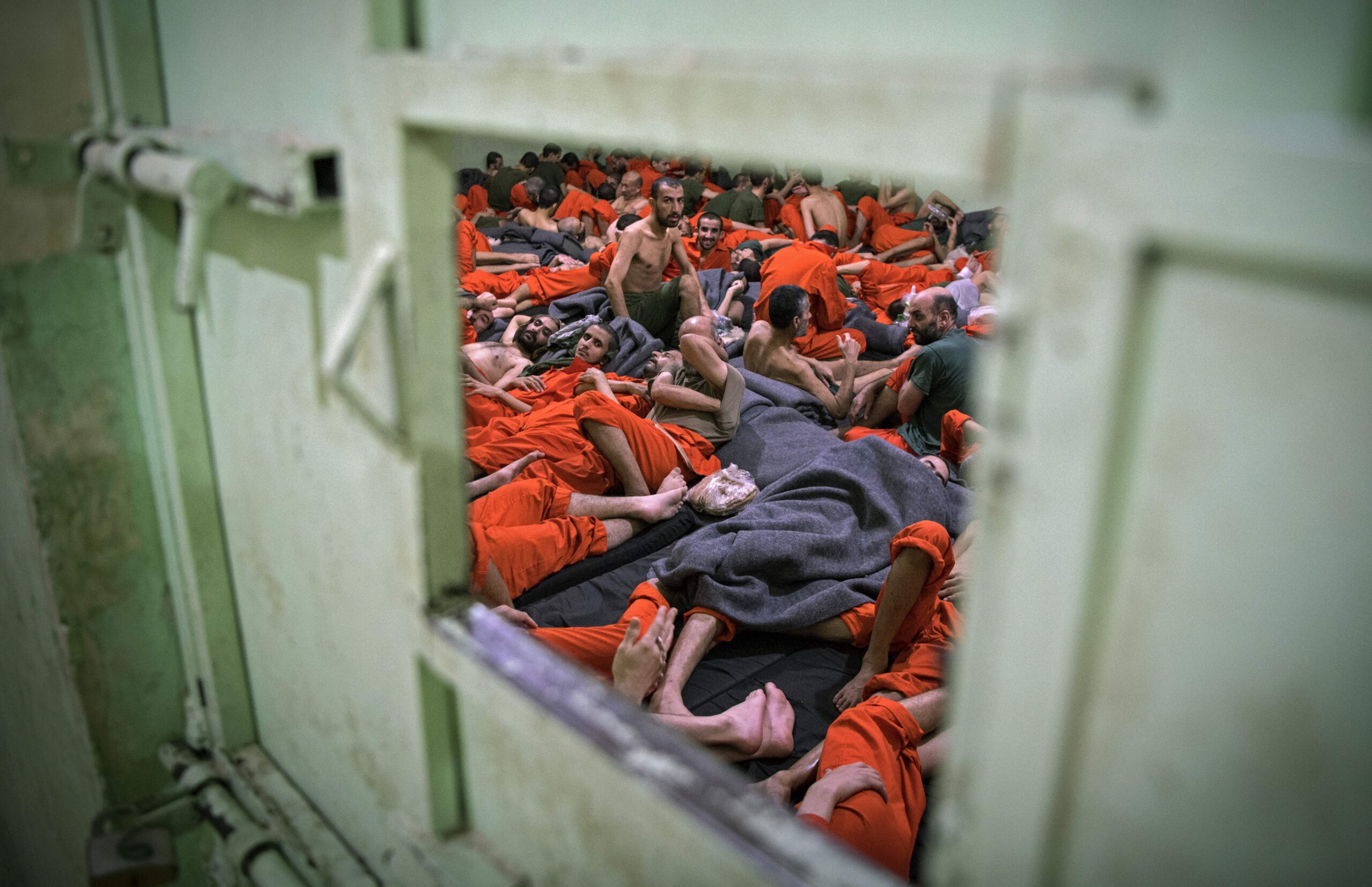
The Challenge of Foreign Fighters: Repatriating and Prosecuting ISIS Detainees
From the U.S. and the U.K. to Iraq and Syria, the way countries are handling the repatriation and prosecution of accused ISIS members echoes the policies that drove their citizens to seek a utopian Islamic State in the first place. Not only are the policies that pushed people to start joining the group in 2013 continuing, but in many cases they have increased in both scale and scope. While the current repatriation and prosecution policies are arguably counterproductive, they may also be fueling future terrorist activity and support for radical anti-government groups. To reduce the chances of such negative consequences, foreign governments must switch gears and adopt an entirely different approach before it is too late.
The Biden administration and the Middle East: Regional perspectives on the first 200 days
As the Biden administration takes office, it faces a host of challenges, both at home and abroad. Where does the Middle East fit into all of this and what should the new administration prioritize in its first 200 days? In the second part of a two-part series, we asked experts and scholars from across the region to weigh in with their thoughts.