Hosts Alistair Taylor and Matthew Czekaj speak with MEI Senior Fellow Mohammed Soliman about President Donald Trump’s recent trip to Saudi Arabia, the UAE, and Qatar, which yielded a wave of major US-Gulf tech and AI deals. Soliman explains how these partnerships mark a shift in the relationship—from oil and arms to compute power and data infrastructure—and what it means for the Gulf’s strategic role in the global AI ecosystem.
Back to reality: Gravity remains in place after Trump’s trip
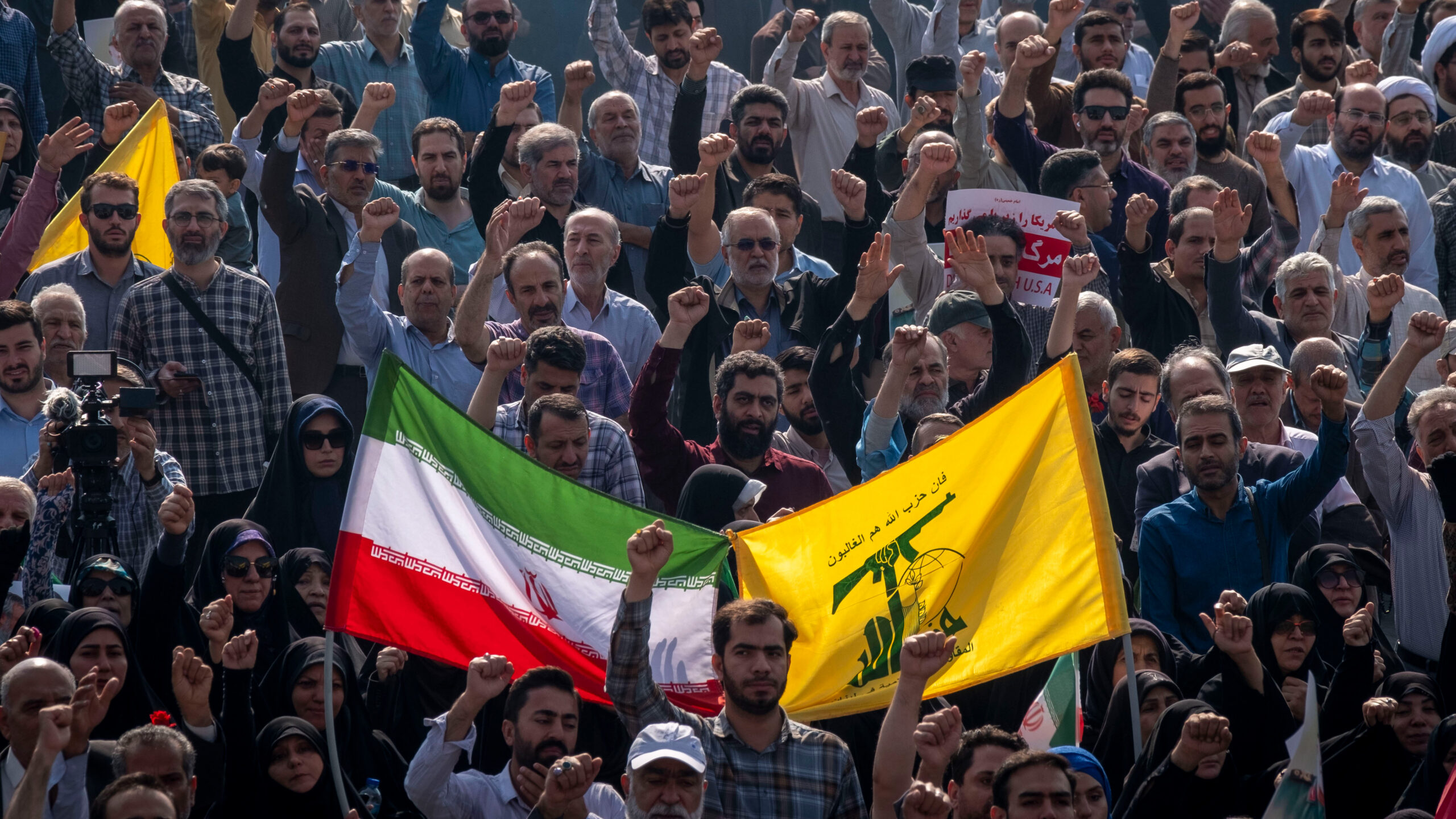
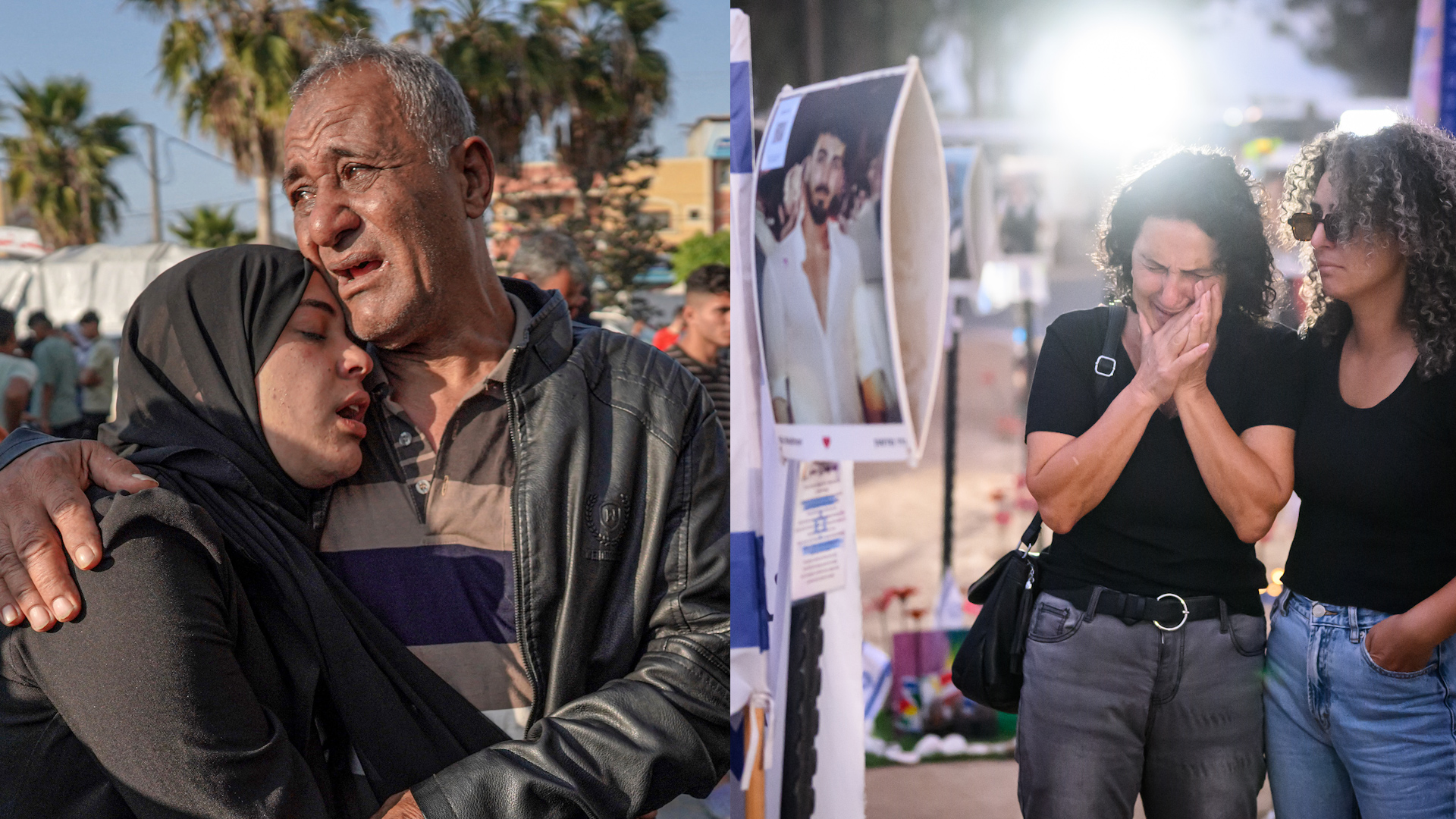
The harsh realities of the region’s threats and challenges, like Iran and the Gaza war, stubbornly persist following the pomp and circumstance of Trump’s “spring bling” tour, which featured eye-popping dollar figures and an offer of a luxury jumbo jet from Qatar.
A midstream appraisal of Trump’s historic Middle East trip
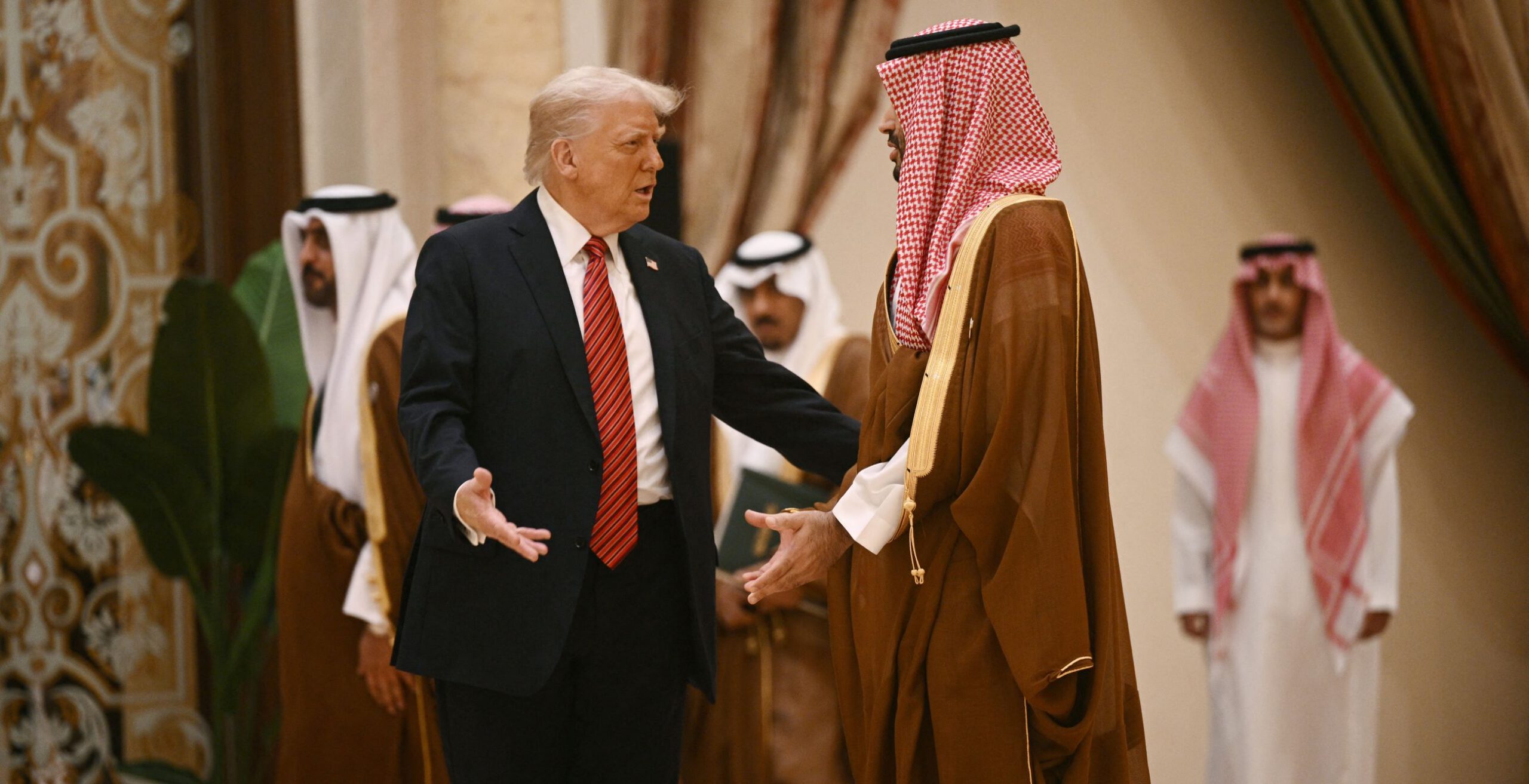
One of the strategic thrusts of the opening months of Trump’s second terms has been aimed at deepening America’s economic engagement with the leading economies of the Gulf. Thus, the first leg of his trip to the region resulted in a template for deeper US-Saudi ties.
This week, US President Donald Trump makes his inaugural visit to the Middle East since the start of his second term, traveling to Saudi Arabia, Qatar, and the United Arab Emirates on May 13-16. Amid the heightened focus on US policy toward the Middle East, MEI’s experts take stock of Trump’s trip to the Gulf, how his administration has shaped its approach to the wider region in its first several months, and how regional actors are responding to the policies coming out of Washington.
Trump’s Gulf Visit: Strategic Stakes and Symbolic Optics
President Donald Trump is heading to Saudi Arabia, Qatar, and the UAE on his first foreign trip of his second term, with major investment deals, defense cooperation, and tech diplomacy on the agenda. What are the Gulf states hoping to gain, and what does the trip signal about US policy in the region? Alistair Taylor speaks with Dr. Ibrahim al-Assil, Senior Fellow at MEI, about the goals of the visit, the geopolitical and economic dynamics at play, and how regional powers are navigating a complex landscape shaped by Iran, China, AI ambitions, and the crisis in Gaza.
Trump’s domestic political support craters at the 100-day mark before his Middle East trip
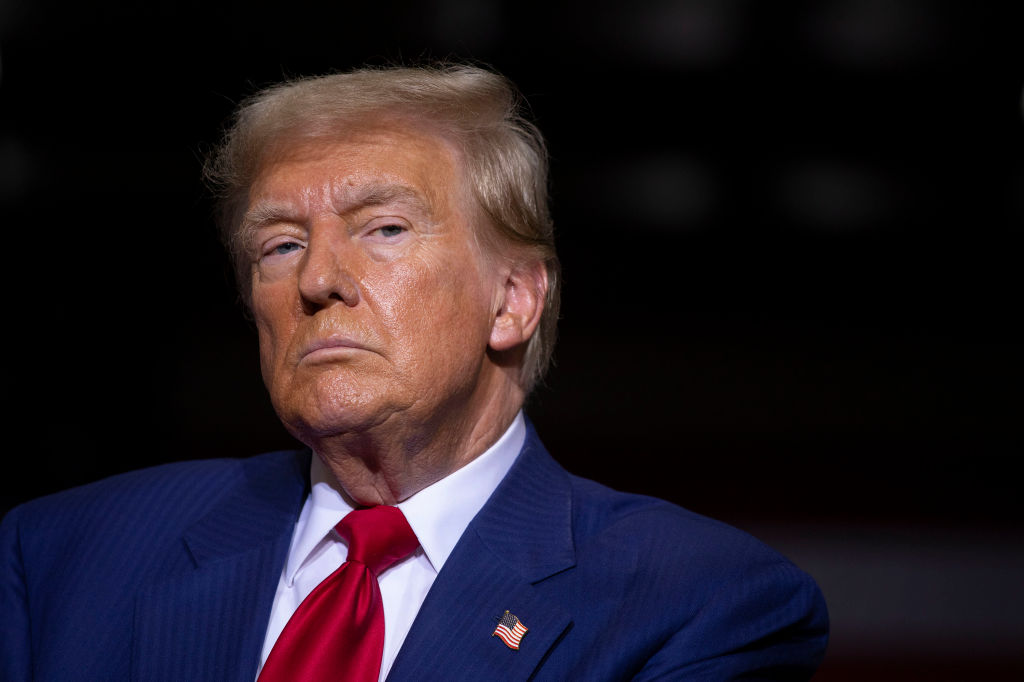
President Donald Trump reached the 100-day mark in his second term this week seeing a sharp drop in his domestic political standing. This comes less than two weeks before Trump embarks on a key Middle East trip to the Gulf. The administration may be looking to the presidential visit as a chance to achieve some progress, but the region remains fraught with uncertainty and US policy in the Middle East rarely provides domestic political dividends.
Two Years of War in Sudan and the Elusive Path to Peace
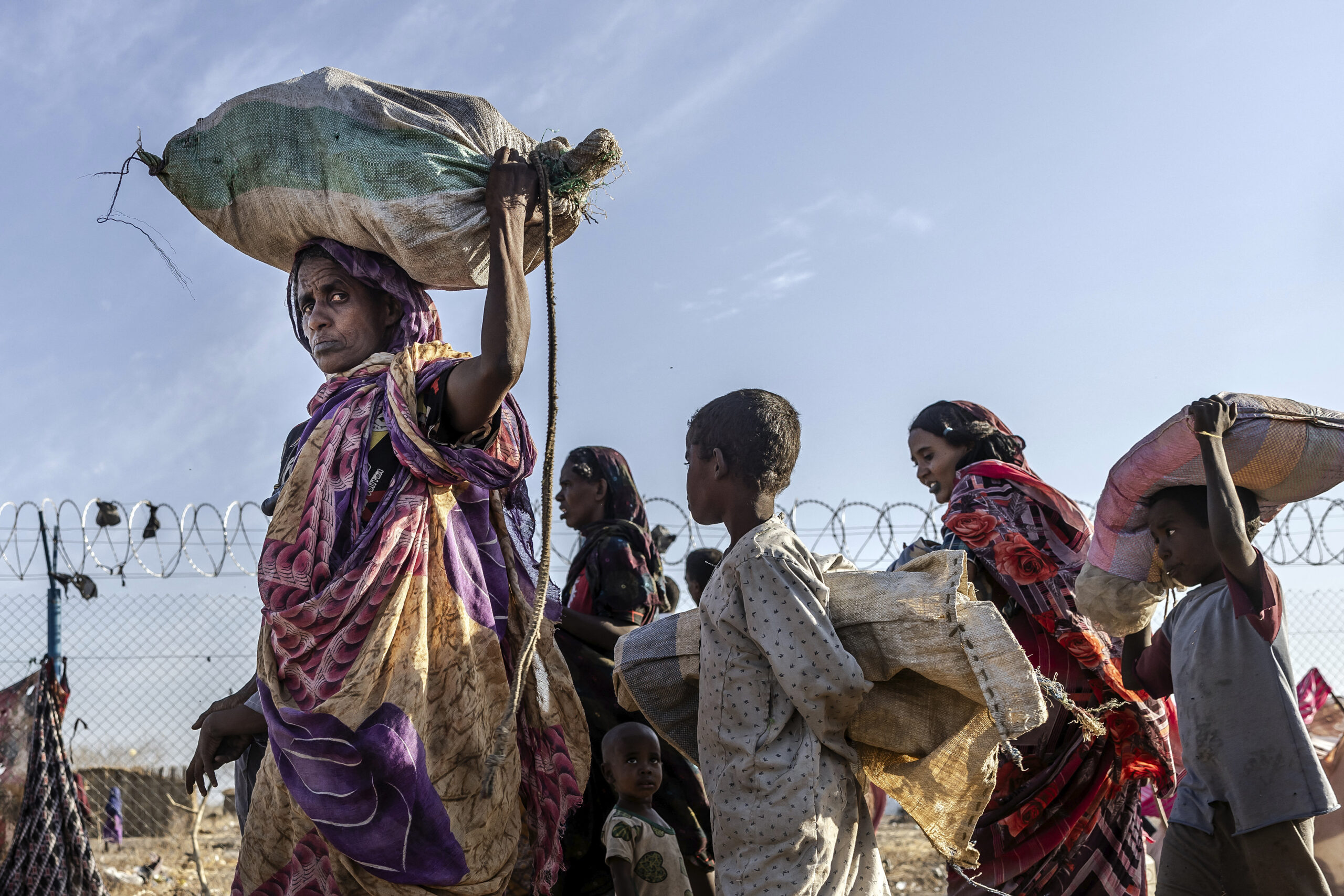
As Sudan’s civil war enters its third year, the humanitarian catastrophe continues to spiral, with more than 12.7 million people displaced and little hope of resolution in sight.
Jehanne Henry, MEI Associate Fellow and former Africa Director at Human Rights Watch, joins hosts Alistair Taylor and Matthew Czekaj to assess the latest developments on the ground. She outlines the scale of devastation, the regional spillover effects, and the war economy fueling the fighting.
Two years on, Sudan’s war seems further than ever from resolution. Can US involvement help peace efforts?
Two years on, the war between the Sudanese Armed Forces and the paramilitary Rapid Support Forces has created the world’s largest humanitarian crisis and wrought terrible destruction.
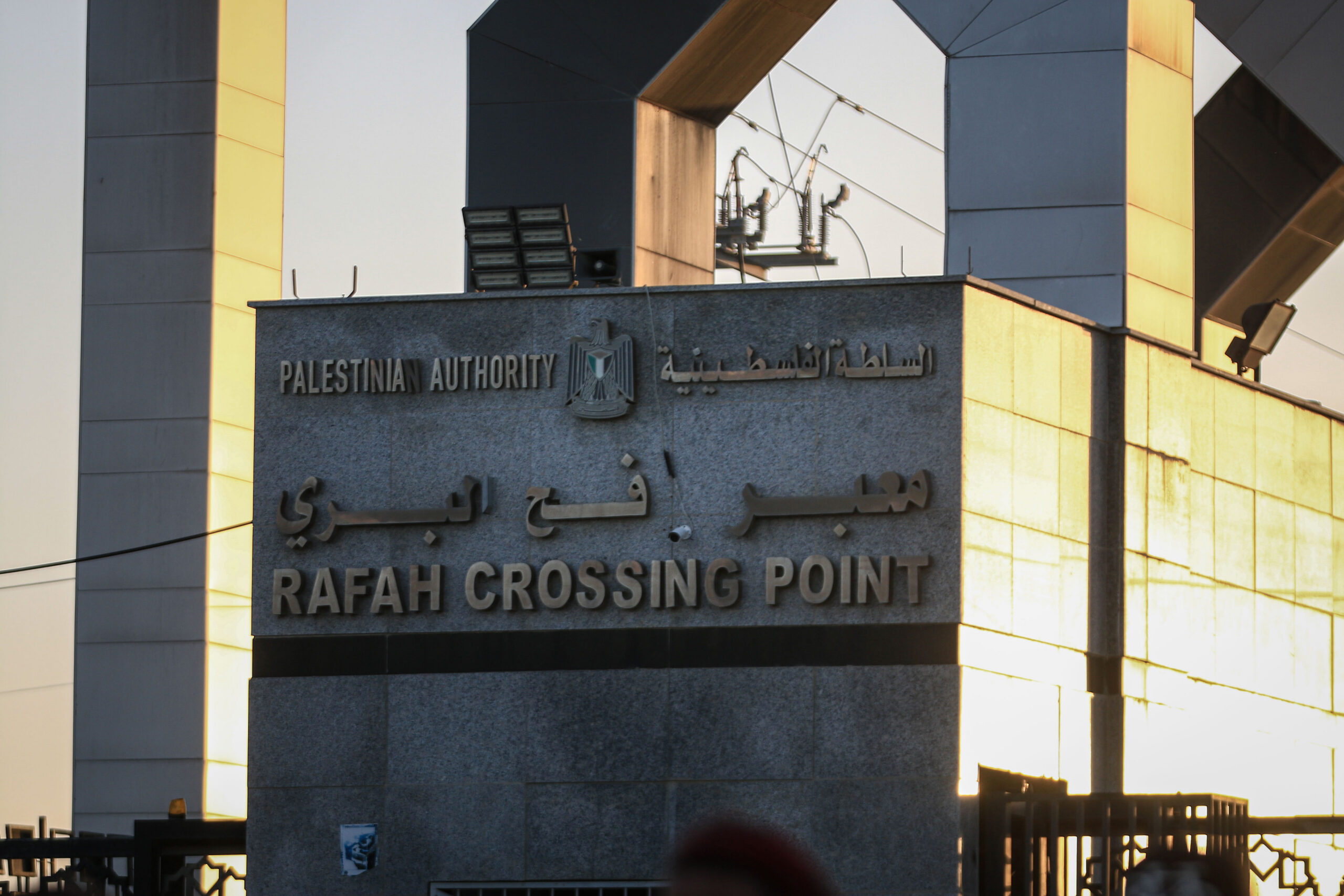
Pressuring Egypt over Gaza will not work and is not in the US interest
Almost immediately after the start of the conflict in Gaza, Israeli Prime Minister Benjamin Netanyahu and his governing coalition began a concerted effort to persuade first the European Union and then the United States to pressure Egypt to accept Palestinian refugees. Egypt refused and continues to do so. Capitulating is not in Cairo’s national interest and bullying it will only backfire.
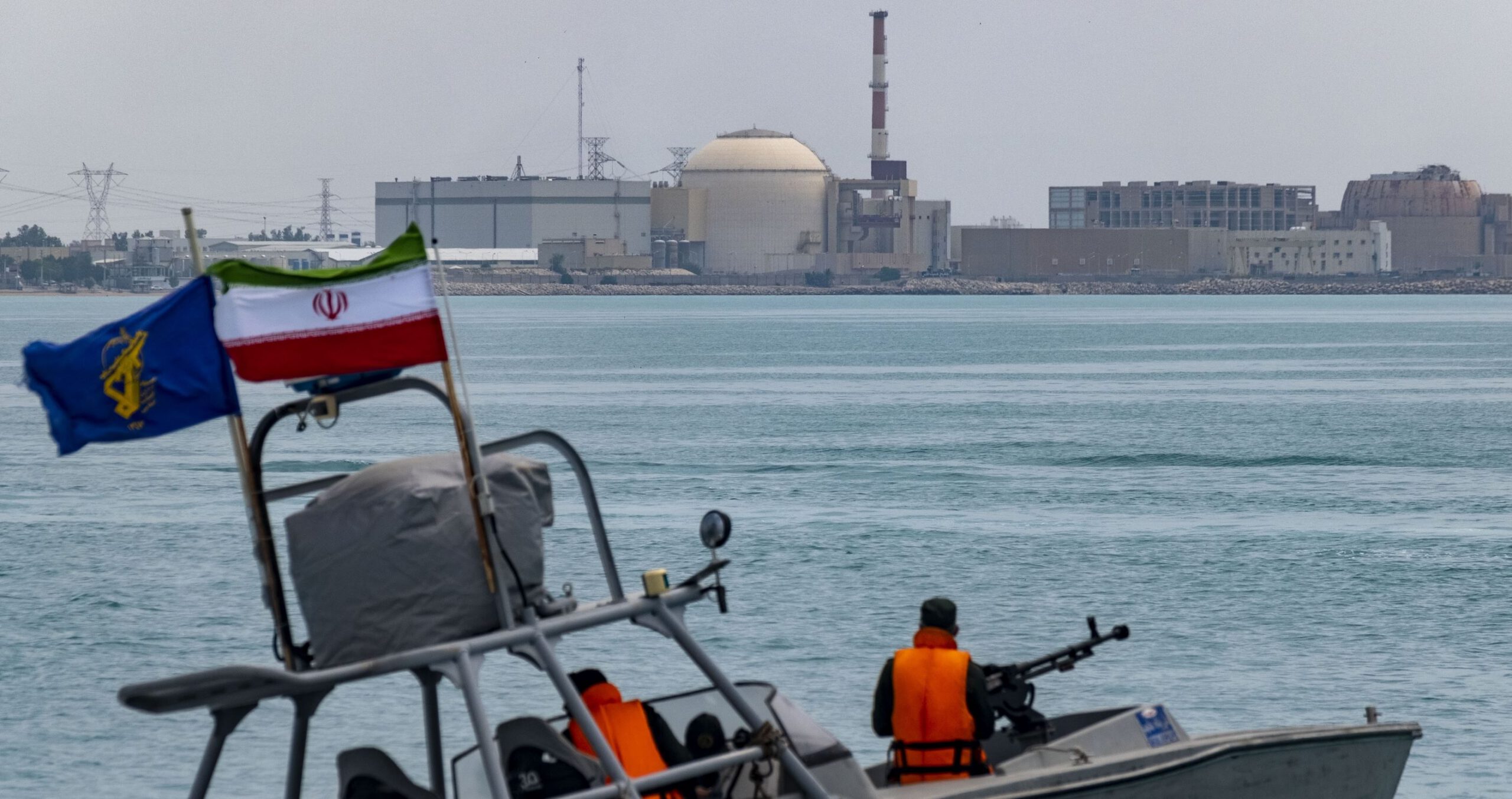
Iran is accumulating enough near-weapons-grade enriched uranium to build a nuclear weapon within weeks or months, not years. President Donald Trump, having withdrawn the United States in 2018 from the nuclear deal that would have postponed that possibility, is now appealing for negotiations with Tehran. But in the Middle East, the nuclear question does not concern only Iran.
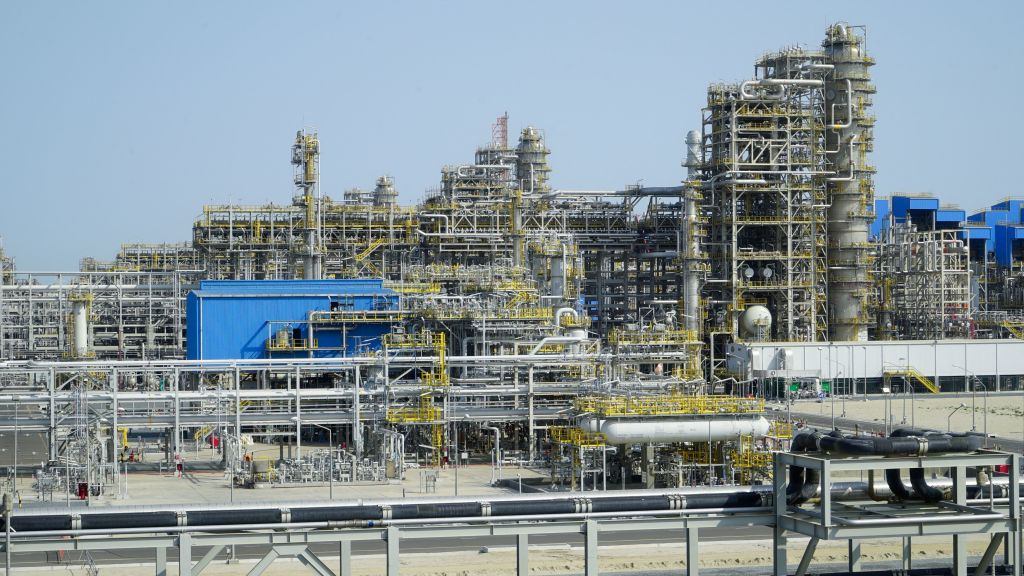
Impact of the Russo-Ukrainian war on energy flows from the Arab Gulf states
Nearly three years on, Russia’s full-scale invasion of Ukraine in February 2022 has reshaped trade and investment in the energy sector, leading to an increase in Gulf imports of Russian oil and a sharp rise in the region’s hydrocarbon exports to Europe as well as further fueling the growth of Gulf investment in renewable energy projects located in and targeting the continent.
Accelerating Solar Power Deployment in the Arab Gulf States
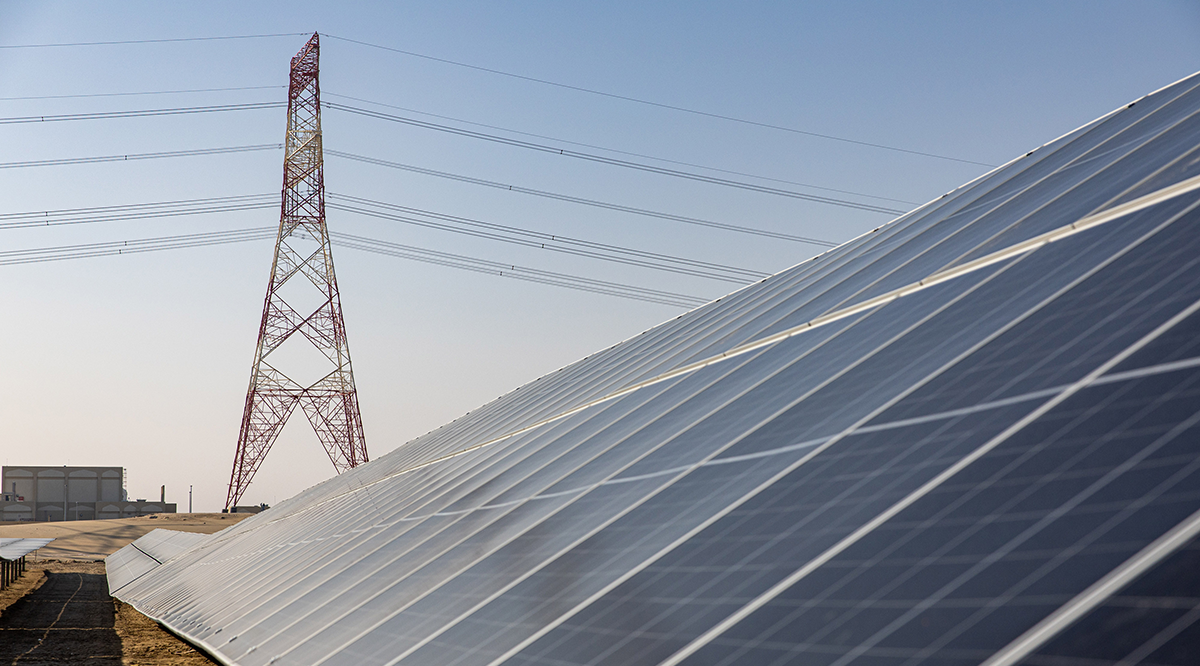
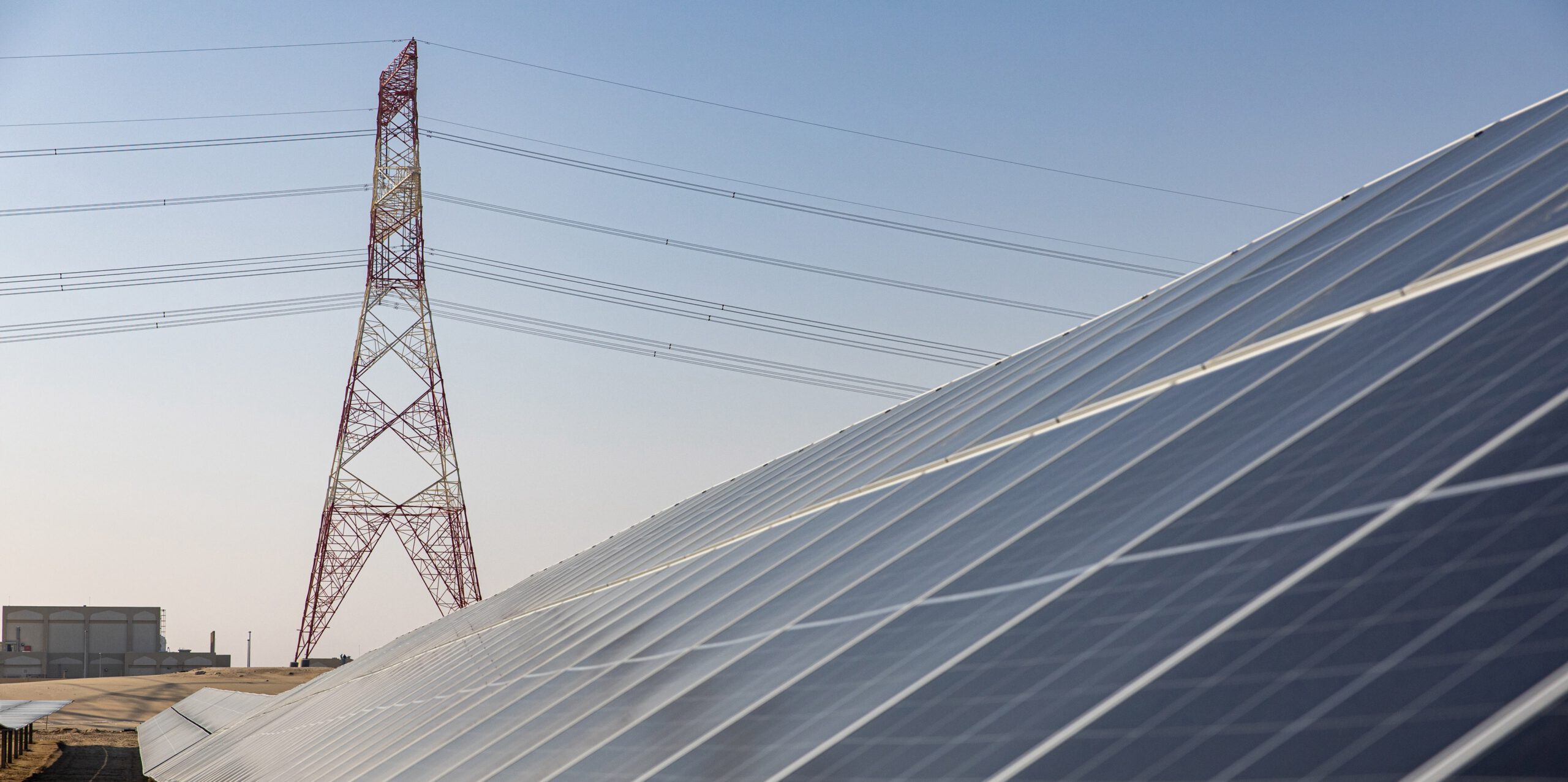
There is currently a discrepancy between the strategic objectives and enabling conditions for solar power in the Gulf and the level of actual deployment. Despite the region’s considerable promise as a potential global leaders in solar power, including one of the world’s highest levels of solar irradiance and strong supporting operating conditions, renewable power accounted for only 2% of generation capacity in 2022.
Solar Power in the Gulf: Leaders and Laggards in Regulatory Support for Solar Power Deployment
The hydrocarbon-rich Gulf states are located in the heart of the global sunbelt, endowing them with some of the greatest solar resources in the world. Peak load hours in these countries also align well with daily and seasonal solar radiation levels. Nevertheless, actual deployment of renewable power, including solar, is among the lowest in the world, even though output has increased significantly over the past five years. This paper analyzes why solar power has seen some success in a few states, while in others there has been little momentum.