On November 18, Saudi Crown Prince Mohammed
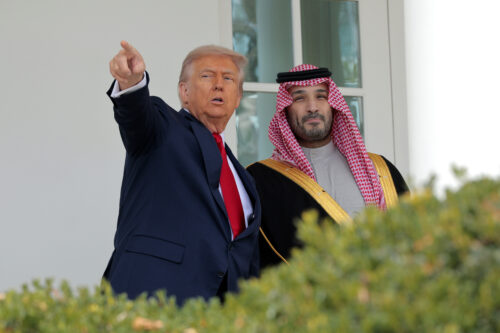
bin Salman (MBS) is scheduled to make his first trip to Washington since 2018. President Donald Trump has doubled down on the Gulf from the outset of his second term, making Riyadh his first planned overseas trip and reorienting ties around major artificial intelligence (AI) and investment deals. MBS’s visit will test whether both sides can translate ambitious pledges into concrete outcomes. Significant upgrades in defense and security are expected, with movement possible on semiconductor sales and nuclear cooperation. Behind the ambitions, harder questions about Saudi-Israeli normalization and alignment in a rapidly changing region loom as important Oval Office topics.
Divisions at home hinder America’s ambitions abroad
Over the past week, US President Donald Trump made an extended trip to Asia and threatened military actions against Latin American and African countries. But despite his administration’s continuing ambitions in the Middle East region, few major breakthroughs are expected there in the immediate future due to the government shutdown and unilateral cuts to national security infrastructure.
Trump’s big week in the Middle East weighed down by troubles on other fronts
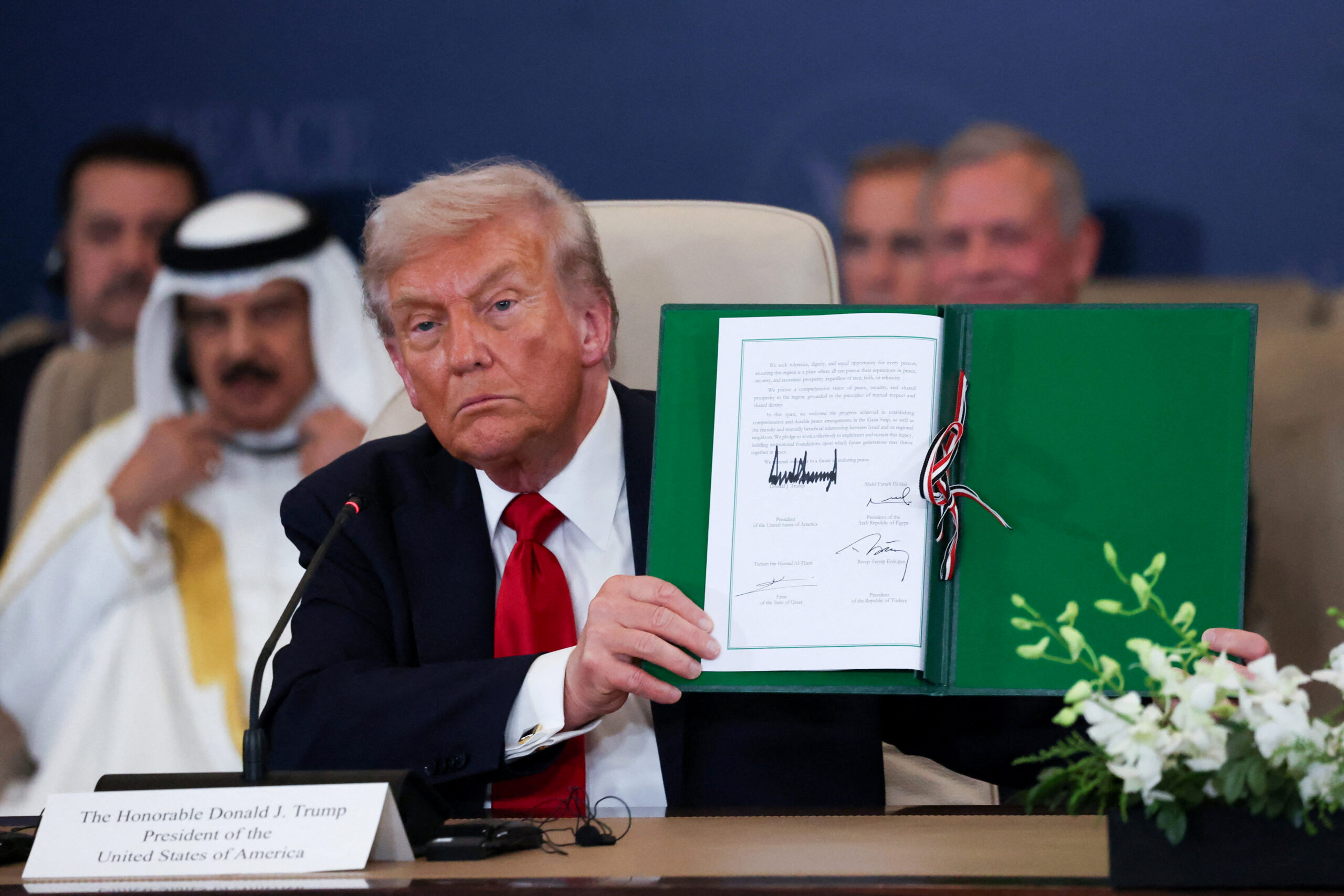
US President Donald Trump started off his week by flying to Israel and Egypt to mark the Gaza cease-fire and release of the last remaining Israeli hostages. But as these positive developments unfolded in the Middle East, the Trump administration’s overall agenda remained weighed down on other fronts.
Has Pakistan agreed to use nuclear force to defend Saudi Arabia?
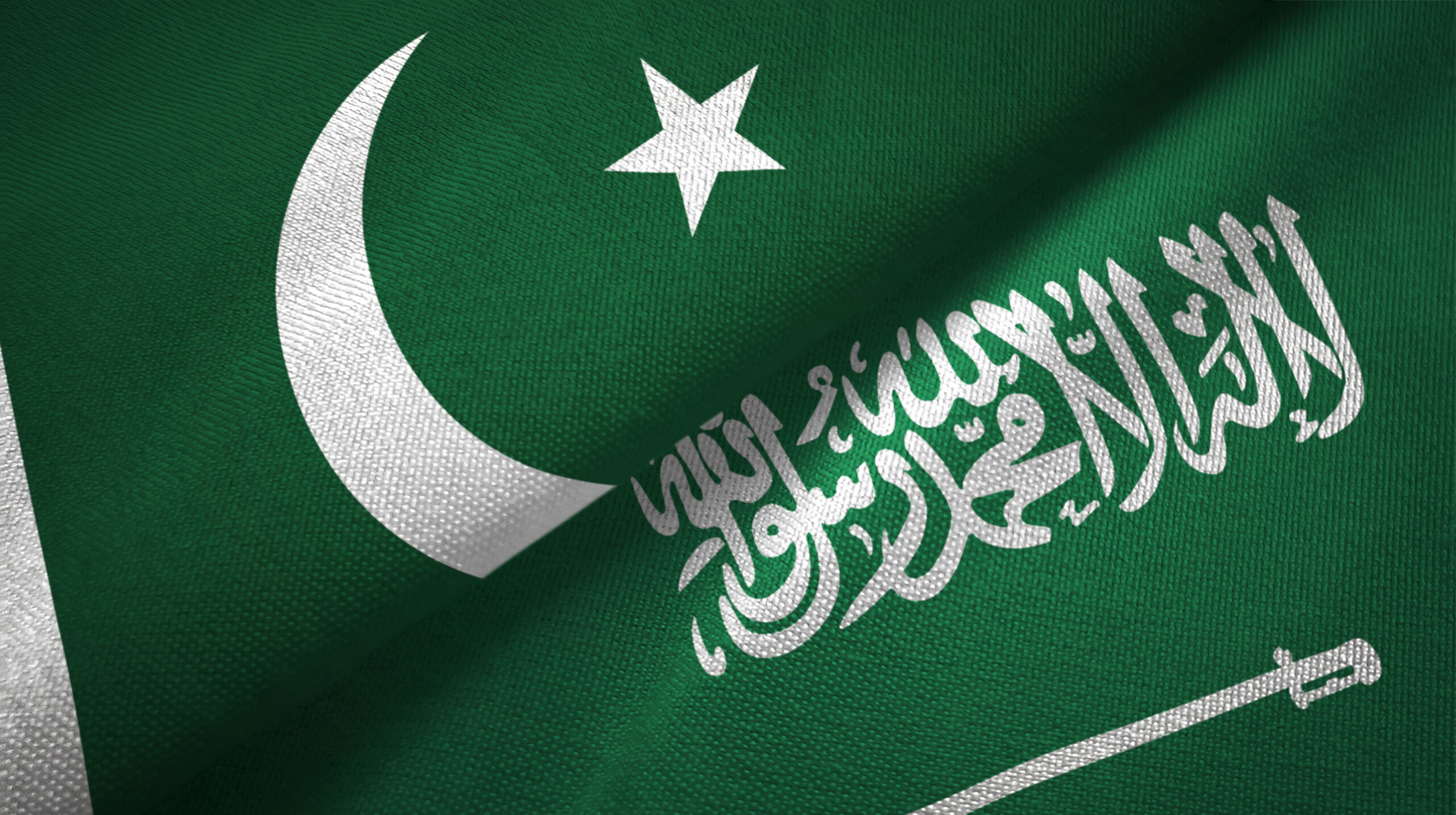
Saudi Arabia and Pakistan signed a mutual defense pact on September 17, 2025, declaring that “any aggression against either country shall be considered an aggression against both.” The wording of the agreement sparked speculation that Pakistan might use its nuclear capabilities to defend Saudi Arabia. MEI’s F. Gregory Gause contends otherwise, offering insight into the history and strategic calculations driving the deal. To learn more about the deal, visit our website.
Pakistan’s strategic defense pact with Saudi Arabia: A new security architecture in the wider Middle East
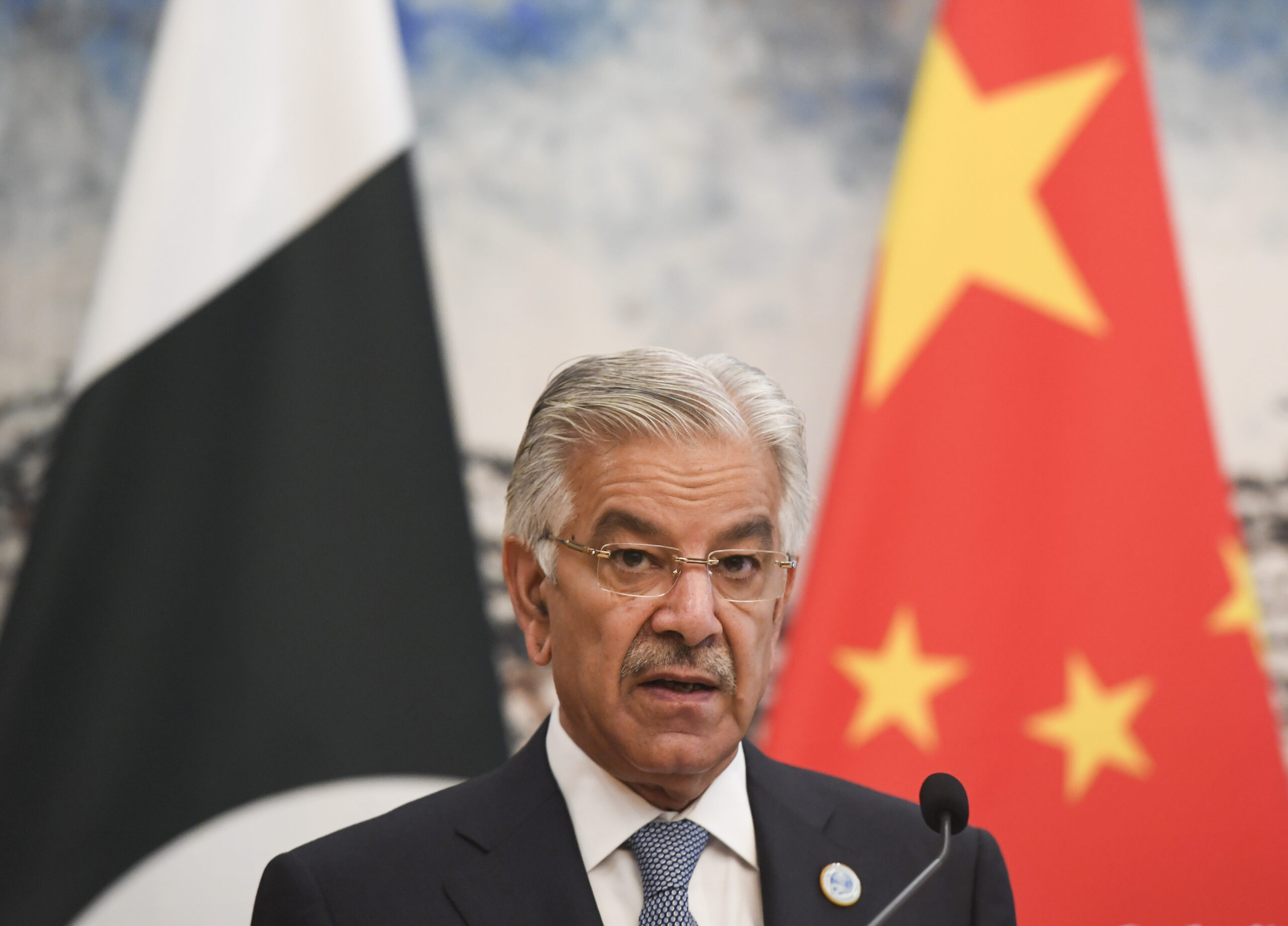
Following Israel’s September 9 strike on Hamas targets in Qatar, Pakistan has taken swift and significant foreign policy steps in response and adopted an unusually assertive stance. This shift was largely influenced by Pakistan’s military chief, Field Marshal Asim Munir. The latter is determined to enhance his country’s strategic autonomy and diplomatic leverage in an increasingly complex international environment by positioning Pakistan as a key security actor and an emerging middle power on the global stage.
Silent leverage, quiet gains? China and the Saudi-Pakistan defense pact
The Strategic Mutual Defense Agreement (SMDA) between Saudi Arabia and Pakistan, signed in Riyadh on September 17, is far more than a bilateral pledge. It represents a profound reordering of alignments in the Gulf and South Asia, reflecting and reinforcing the broader erosion of US preeminence in the Eurasian security architecture. While much of the initial commentary centered on the striking commitment of a wealthy Gulf monarchy to the defense of a nuclear-armed South Asian state, as well as the question of whether Pakistan had in fact extended its nuclear umbrella to Saudi Arabia, the deeper story is arguably China’s potential advance.
Don't believe the hype: The modest reality of the Saudi-Pakistani defense pact
The September 17 Saudi-Pakistani defense agreement generated a wave of overheated commentary about Saudi Arabia now residing under a Pakistani nuclear umbrella and how a new strategic reality was in the offing in the Persian Gulf and South Asian regions. Analysts need to slow their roll. Extended deterrence is an extremely difficult thing to pull off. The devil is in the details, about which we know nothing.
Water and Power: Egypt, Sudan, and Ethiopia at Odds Over Africa’s Largest Dam
In this episode of Middle East Focus, hosts Alistair Taylor and Matthew Czekaj are joined by MEI Senior Fellow Mirette F. Mabrouk to unpack the growing tensions over the recently inaugurated Grand Ethiopian Renaissance Dam (GERD) on the Nile.
The long-awaited IMF staff report review of Egypt’s $8 billion loan agreement provides a thorough and unvarnished look at the current state of the economy. The report highlights potential opportunities for the country — but only if it first tackles overdue structural reforms.
Post-Oct. 7 divergent paths: Israel’s military maximalism and Saudi Arabia’s strategic de-escalation
The Hamas attack on Oct. 7, 2023, shattered Israel’s long-standing security paradigm, replacing limited deterrence with an ambitious campaign aimed at dismantling Hamas, confronting Hizballah and other Iranian proxies, and directly targeting Iran’s nuclear program with the support of the United States. In stark contrast, Saudi Arabia has prioritized regional stability and de-escalation, restoring relations with Iran, and focusing on its Vision 2030 economic transformation.
The monarchical Arab Gulf states emerged on the other side of last June’s Israeli and US attacks on Iran largely unscathed, with the important exception of a limited, retaliatory Iranian missile strike on the American airbase in Qatar. However, in a larger sense, this short war, part of the broader regional conflict that began with the Hamas attack on Israel in October 2023, reinforced the precariousness of the Gulf monarchies’ security situation.
Egypt and Gaza: Conflict, Crisis, and the Path to a Ceasefire
With the dire humanitarian crisis in Gaza in the global spotlight, Egypt faces mounting pressure both at home and abroad. In this episode of Middle East Focus, hosts Alistair Taylor and Matthew Czekaj speak with MEI Senior Fellow Mirette Mabrouk about how Cairo is handling the crisis in the neighboring coastal strip. What are the Egyptian government’s main concerns as conditions there continue to deteriorate? How is Egypt responding to domestic outrage and changing international dynamics?
As the dog days of August approach, we are pleased to share a curated summer reading list featuring some of VP for Policy Ken Pollack’s favorite books on the region. Covering a variety of timely and engaging topics, the list offers recommendations for anyone interested in deepening their understanding of the Middle East.
Inflection point or continuing spiral in the Middle East?
After almost two years of fighting in Gaza, and after the decimation of Hizballah, the fall of Bashar al-Assad’s regime in Syria, and the 12-day Israeli-American war on Iran, the Middle East is in new strategic and political territory. Two pathways lie ahead: the first is one in which the gains and changes brought about by war are turned, through intense diplomacy and negotiation, into new international and political arrangements that bring about a period of security and stability in the region; the second is one in which that corner is not turned, and the wars in Gaza, Iran, and potentially Yemen, Syria, and Lebanon, continue indefinitely. The trajectory will depend on the choices of key actors — above all Iran, Israel, and the United States.
Trump still looking for major wins on the global stage after budget battle victory at home
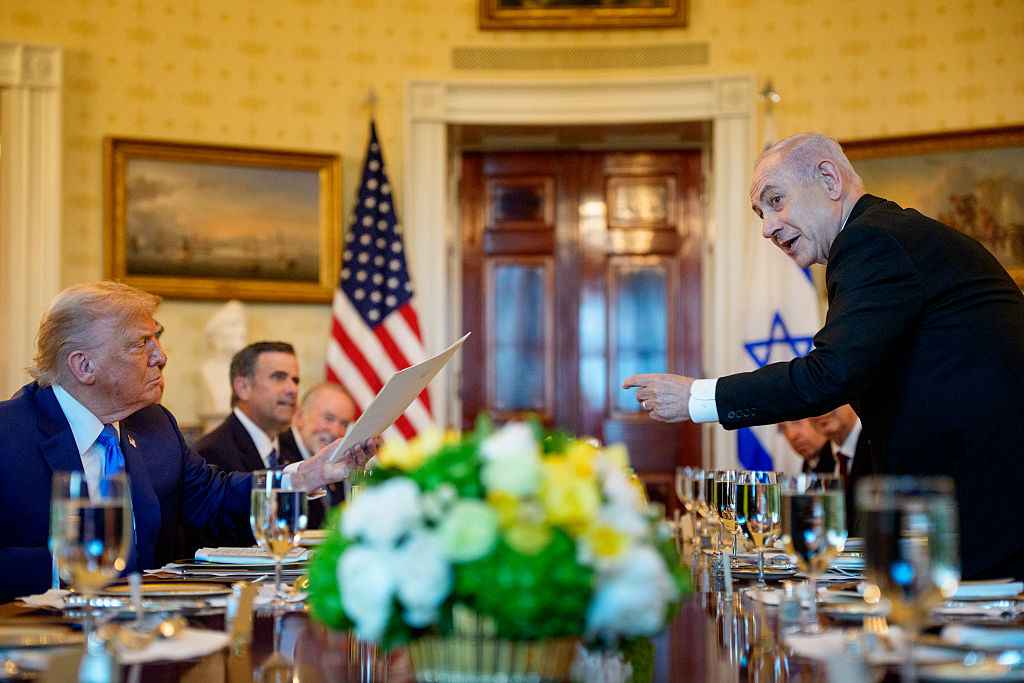
US President Donald Trump hosted Israeli Prime Minister Benjamin Netanyahu for the third time in his second term this week, shortly after securing a major victory for his domestic policy agenda in the budget bill passed by Congress.