Ankara’s double win: Kurds, Israel, and the new Syria
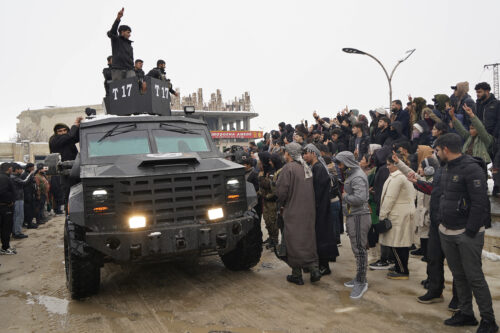
Whether the truce between Damascus and the Kurdish-led Syrian Democratic Forces holds or collapses will have major implications for neighboring Turkey, which has long-standing interests in Syria, but recent developments already point to a win for Ankara.
What Ankara sees in Riyadh — and why it still needs Abu Dhabi
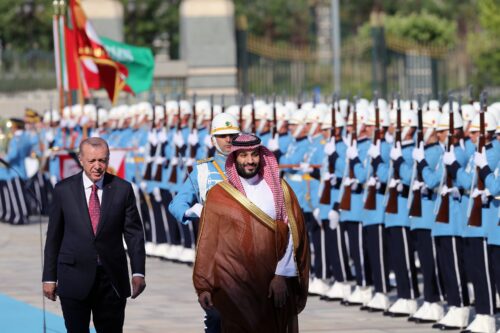
As the rivalry between Riyadh and Abu Dhabi sharpens in Yemen and beyond, Turkey has begun edging closer to Saudi Arabia, sparking claims that a new regional order is taking shape: a Turkey-Saudi axis backed by a NATO-like defense architecture, implicitly aligned against Israel and the United Arab Emirates. This reading overstates the case.
The Trump administration has released its new National Security Strategy—and analysts say it signals a decisive break from America’s role as the leader of the free world. Instead, the document advances an openly illiberal, strongman-centered vision of power. One former U.S. official goes further, arguing the strategy doesn’t merely abandon democracy promotion—it puts Washington in the business of promoting autocracy.
In this episode of Middle East Focus, hosts Alistair Taylor and Matthew Czekaj are joined by MEI Senior Fellow Gönül Tol to discuss democratic backsliding in Turkey under President Recep Tayyip Erdoğan.
In September, just days after tens of thousands of Turks had poured into the streets to protest President Recep Tayyip Erdogan’s latest crackdown on his political opponents and a fal
Markets, Mayors, and Crackdowns: Erdoğan’s High-Stakes Gamble
Turkey’s main opposition, the CHP, is facing its toughest test yet: mass arrests, sham court rulings, and the ouster of key leaders—including Istanbul’s mayor Ekrem İmamoğlu, Erdoğan’s chief rival. With trials looming that could replace CHP leadership with government loyalists, the party warns of a legal ‘coup.’ What does this crackdown mean for Turkey’s fragile economy, its 2028 elections, and the future of democracy itself?
As the dog days of August approach, we are pleased to share a curated summer reading list featuring some of VP for Policy Ken Pollack’s favorite books on the region. Covering a variety of timely and engaging topics, the list offers recommendations for anyone interested in deepening their understanding of the Middle East.
Russia’s military presence in post-Assad Syria: A growing security liability undermining stability
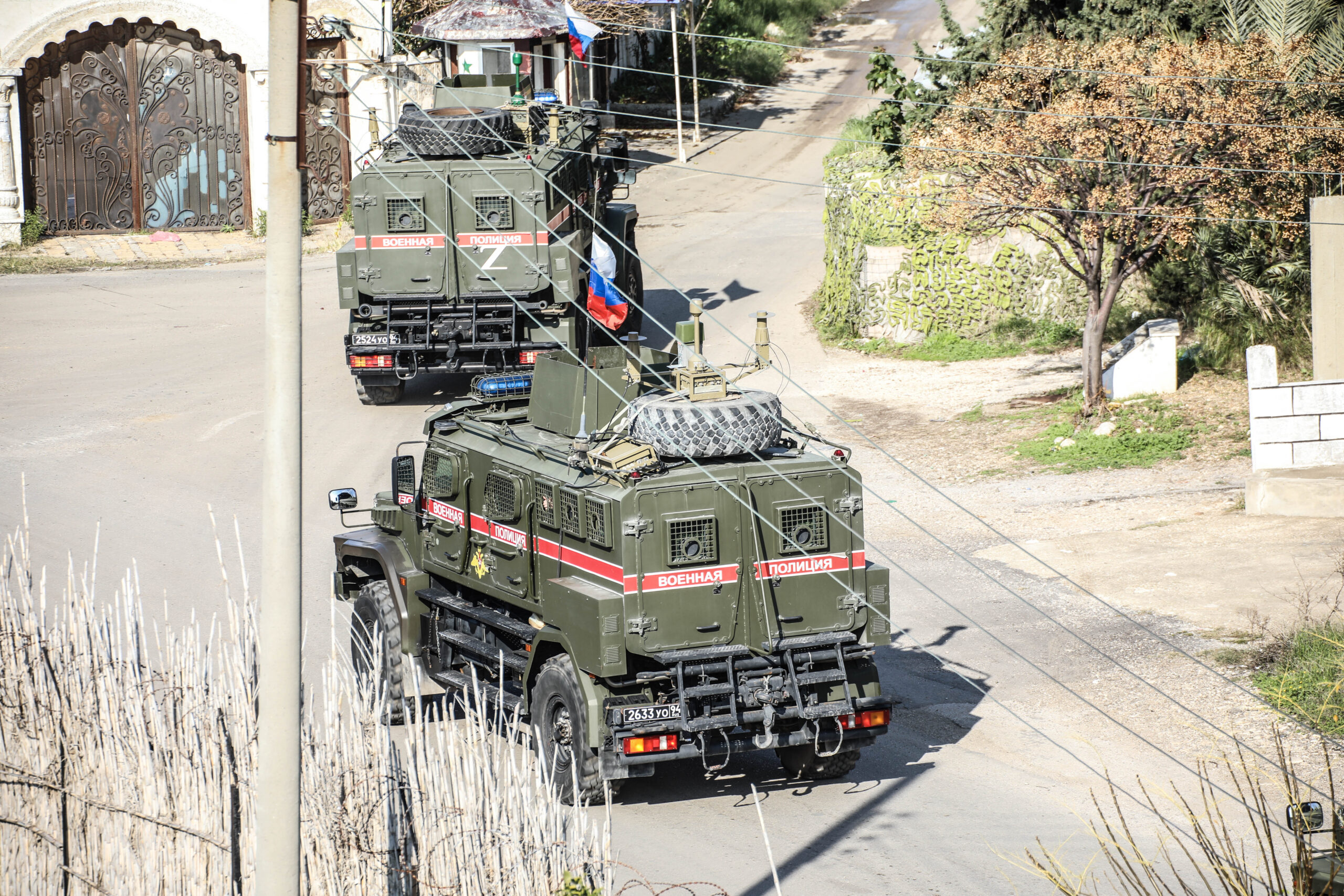
Six months since the collapse of the Assad regime, the Russian military presence in Syria has remained entrenched in strategic locations such as the Hmeimim airbase and Tartous port on the coast, as well as at Qamishli airport in the northeast. This persistence has reignited an increasingly pressing debate about Moscow’s role in the new Syria.
Caught in the crossfire: How the Iran-Israel war undermines Erdoğan’s agenda
Israel’s full-blown war against Iran threatens to upend regional dynamics and Turkey’s careful balancing act. The conflict presents both immediate threats and long-term strategic risks for Turkey.
Trump should build on the momentum with Syria and help prevent a Turkey-Israel clash
Two recent developments present the new Syrian government with a critical opportunity to stabilize the country. First, US President Donald Trump announced plans to lift sanctions on Syria. Second, the Kurdistan Workers’ Party declared it would disband and dissolve itself — a move that will help Damascus to finalize a deal with the Syrian Democratic Forces and integrate it into the new Syrian national army. President Trump should build on this momentum and seize the opportunity to address one of the most complex remaining challenges facing Syria: the risk of a military confrontation between Turkey and Israel inside the country.
This week, US President Donald Trump makes his inaugural visit to the Middle East since the start of his second term, traveling to Saudi Arabia, Qatar, and the United Arab Emirates on May 13-16. Amid the heightened focus on US policy toward the Middle East, MEI’s experts take stock of Trump’s trip to the Gulf, how his administration has shaped its approach to the wider region in its first several months, and how regional actors are responding to the policies coming out of Washington.
Turkey at a Crossroads: Protests, Crackdowns, and the Future of Democracy
The arrest of Istanbul Mayor Ekrem İmamoğlu has sparked the largest wave of public protests in Turkey in over a decade, signaling a potential turning point in the country’s political trajectory. As the opposition rallies support and President Erdoğan intensifies his crackdown, what lies ahead for Turkish democracy, the Kurdish peace process, and the broader political landscape? MEI Senior Fellow Gonul Tol joins host Alistair Taylor to unpack the growing unrest, the strategic stakes for Erdoğan’s ruling coalition, and the mobilization of a new generation of political activists.
For months, Turkey’s government has been trying to accomplish three major tasks simultaneously or nearly so to solidify its hold on power at home and enhance its influence in the broader region. Its three-pronged approach to fulfilling that goal consists of seeking to 1) crush democracy and destroy the political opposition in Turkey by bringing serious criminal charges against Ekrem İmamoğlu, the popular mayor of Istanbul; 2) bring Turkey’s pro-Kurdish party into a coalition to win the next national election with current President Recep Tayyip Erdoğan continuing his 22-year rule; and 3) leverage its new and powerful influence in Syria to neutralize Kurdish power in the northeast and in the Syrian national government.
Le Pen vs. İmamoğlu? Why the comparison fails — and matters
Marine Le Pen, leader of France’s far-right National Rally, was convicted of embezzling EU funds and barred from running for office for five years, effectively disqualifying her from the 2027 presidential race. Meanwhile in Turkey, Ekrem İmamoğlu, mayor of Istanbul and President Recep Tayyip Erdoğan’s most formidable rival, was arrested on corruption charges and jailed, just as he was poised to become the opposition’s presidential candidate. Both Le Pen and Turkish officials are now pointing to each other to justify their own actions.