Don't believe the hype: The modest reality of the Saudi-Pakistani defense pact
The September 17 Saudi-Pakistani defense agreement generated a wave of overheated commentary about Saudi Arabia now residing under a Pakistani nuclear umbrella and how a new strategic reality was in the offing in the Persian Gulf and South Asian regions. Analysts need to slow their roll. Extended deterrence is an extremely difficult thing to pull off. The devil is in the details, about which we know nothing.
Pakistan’s ability to thread the needle in relations with the US and Iran tested by the Israel-Iran war
When the Israel-Iran war broke out and the United States decided to assist the Israeli side by striking Iran’s nuclear program, both Tehran and Washington expected Islamabad to side with their respective positions. This situation placed the Pakistani government in a politically sensitive and diplomatically delicate position.
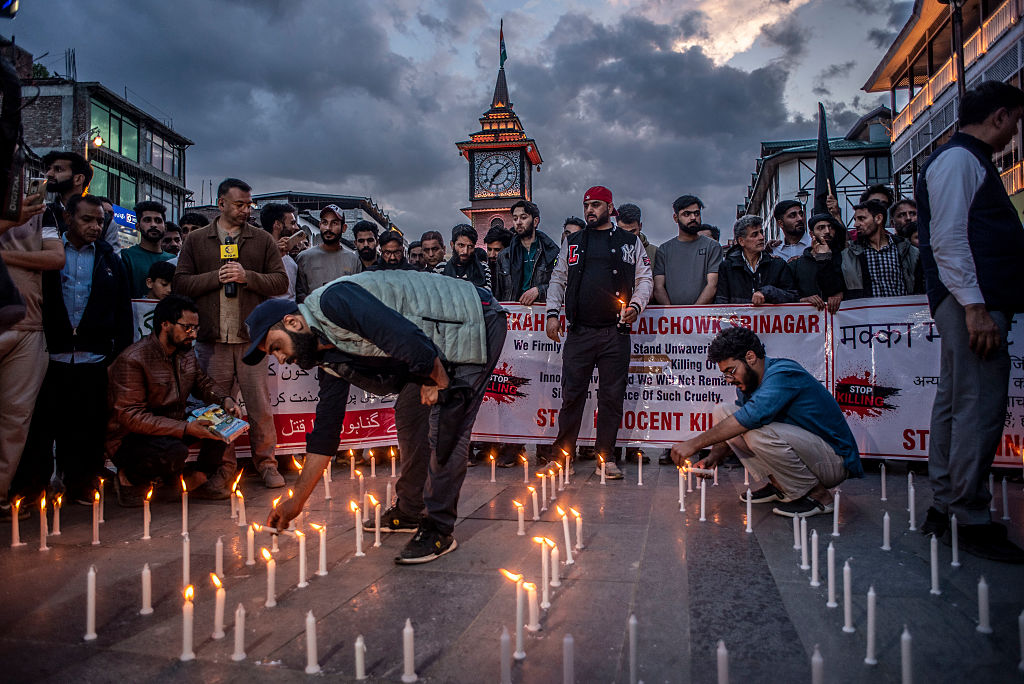
The recent brief yet intense escalation of hostilities between India and Pakistan has further exposed the fragile nature of South Asia’s security landscape. The four-day tit-for-tat cross-border military confrontation between the two nuclear-armed rivals has significantly undermined prospects for normalization, redefining the rules of engagement and signaling a shift in how both countries may manage their relationship moving forward.
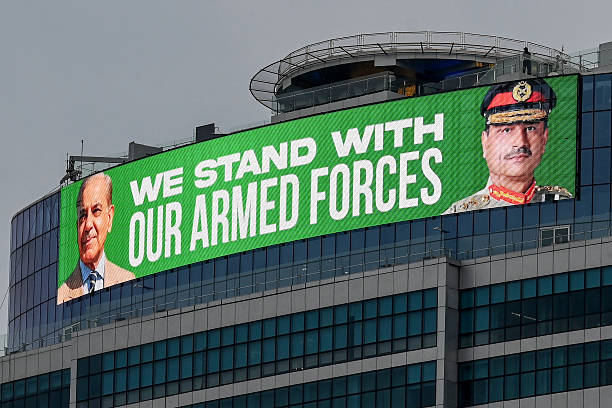
The recent elevation of Gen. Asim Munir to the rank of field marshal is a thunderous declaration of the Pakistani military’s unassailable supremacy, a gesture that reverberates far beyond the barbed-wire perimeters of the Army’s General Headquarters in Rawalpindi.
Thousands of once protected Afghan refugees in the United States face deportation
The chaotic US military pullout from Afghanistan in August 2021 became a hot campaign issue in the 2024 presidential election and continues to echo today. President Donald Trump, who set the withdrawal in motion during his first term in office, repeatedly criticized President Joe Biden’s administration for leaving behind billions of dollars of military equipment. Also left behind were tens of thousands of Afghans, and their family members, who faced retribution for assisting US forces in the fight against the Taliban.
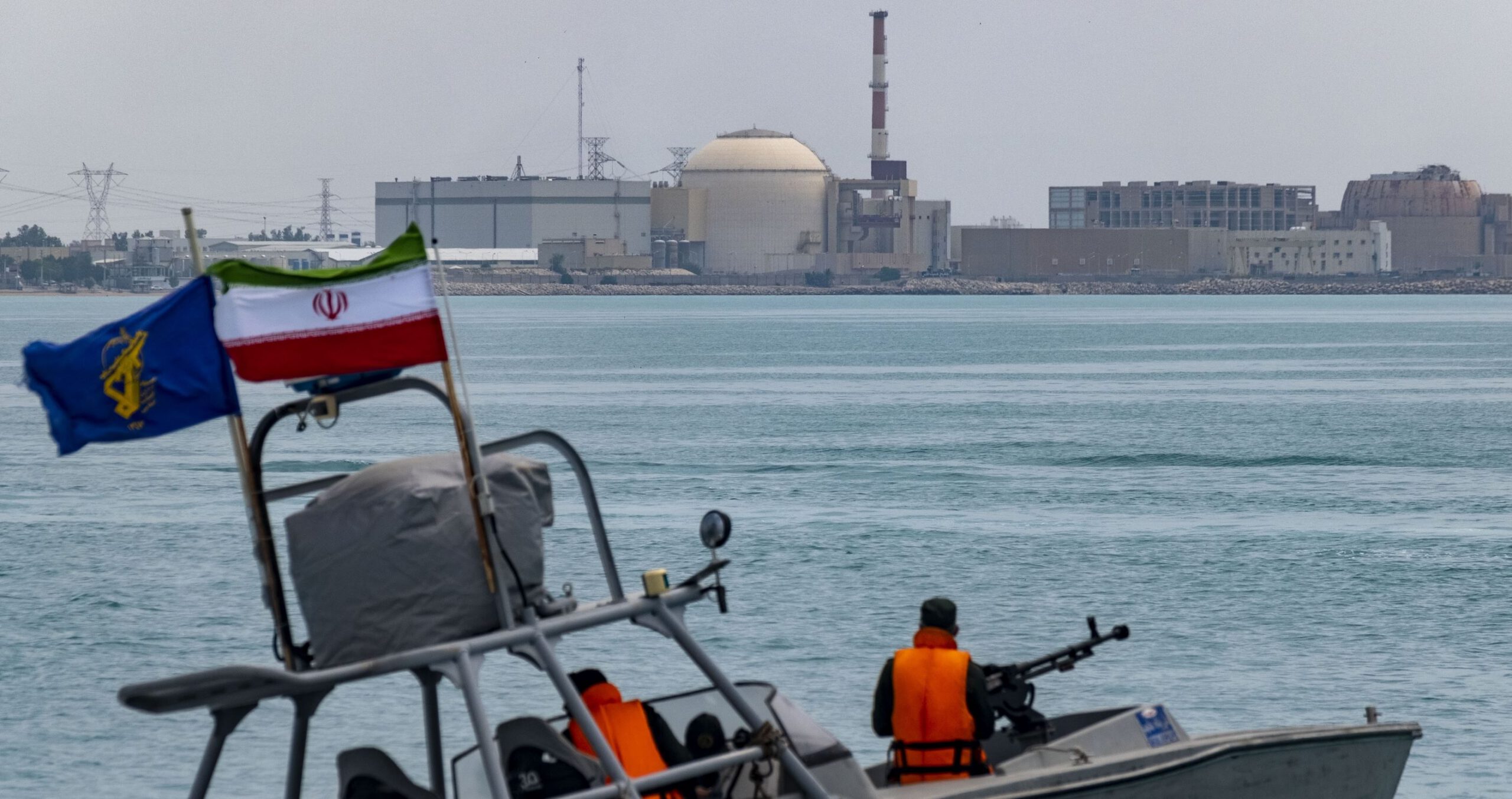
Iran is accumulating enough near-weapons-grade enriched uranium to build a nuclear weapon within weeks or months, not years. President Donald Trump, having withdrawn the United States in 2018 from the nuclear deal that would have postponed that possibility, is now appealing for negotiations with Tehran. But in the Middle East, the nuclear question does not concern only Iran.
US disengagement and new regional security dynamics in Afghanistan’s neighborhood
Afghanistan’s neighborhood is in the midst of a consequential restructuring of its security architecture. Key regional actors Pakistan, Afghanistan, Iran, and China have been continuing to adjust their defense plans and security partnerships to meet the growing threats posed by domestic and cross-border terrorism. At the same time, these four countries have also been looking for new ways to fill the vacuum in southern Asia left by the United States military’s departure from Afghanistan.
Return to "maximum pressure": Opportunities and challenges
With the signing of a presidential memorandum on Feb. 4, the administration of Donald Trump has returned to a “maximum pressure” campaign against Iran, but circumstances have changed drastically since the policy of intensified sanctions was originally crafted during his first term. Regional geopolitics will present the White House with a new set of variables, while changes in the petroleum markets will affect how the administration approaches sanctions on oil exports.
Trump’s diplomatic gambit in the Middle East at one month
This massive distraction of the Trump administration’s Gaza non-plan and the even more serious move of dismantling America’s ability to shape and influence events abroad together carry three risks for the Middle East.
Impact of the Russo-Ukrainian war on energy flows from the Arab Gulf states
Nearly three years on, Russia’s full-scale invasion of Ukraine in February 2022 has reshaped trade and investment in the energy sector, leading to an increase in Gulf imports of Russian oil and a sharp rise in the region’s hydrocarbon exports to Europe as well as further fueling the growth of Gulf investment in renewable energy projects located in and targeting the continent.
Rebalancing Russia’s Mediterranean strategy: From showing the flag to retreating to the gray zone
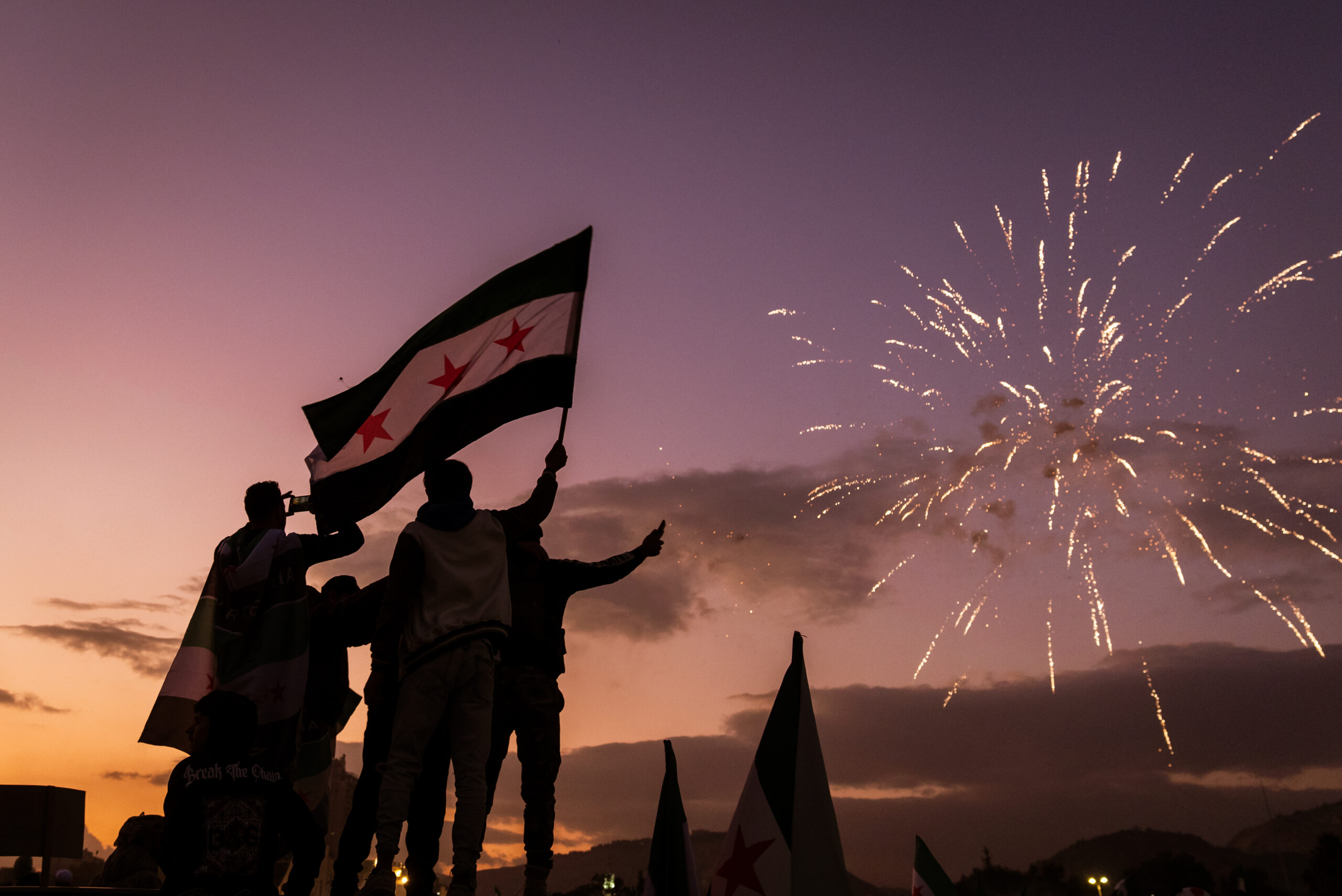
Either maintaining Russia’s military bases in Syria or finding an alternative outpost in the Mediterranean will prove extremely difficult for Moscow. And part of the problem with pursuing the latter option, particularly if in Libya, is that it would require a full-on transformation of Russia’s military presence model — from more traditional bases designed to establish deterrence by showing the flag in the region to building up a military and logistical operation inside a security “gray zone.”
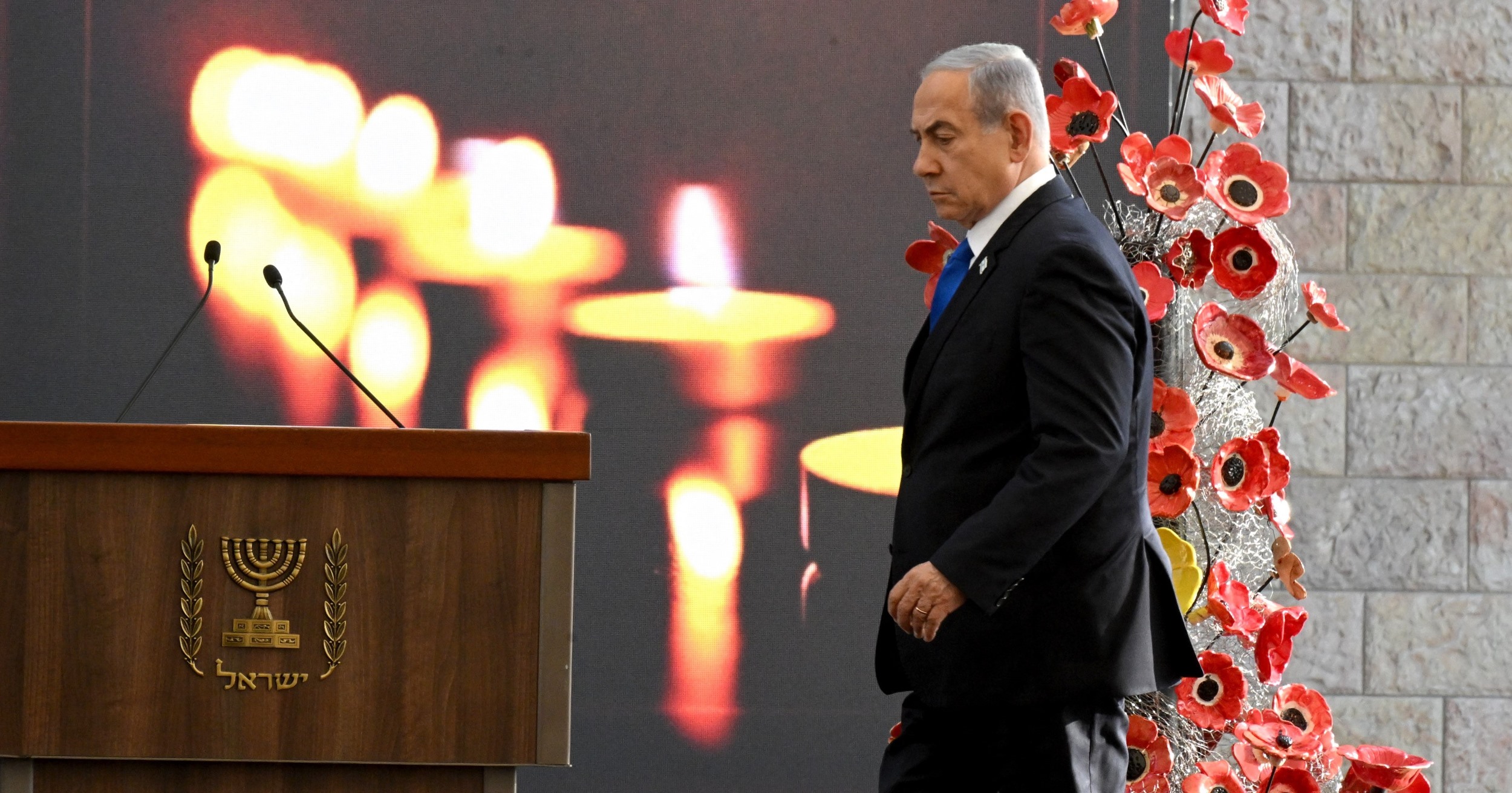
Israeli Prime Minister Benjamin Netanyahu faces a potentially disastrous showdown within the next month that could shake his hold on power, unless he manages to deter the strongly held positions of the foreign and domestic politicians and political forces on which he is dependent.
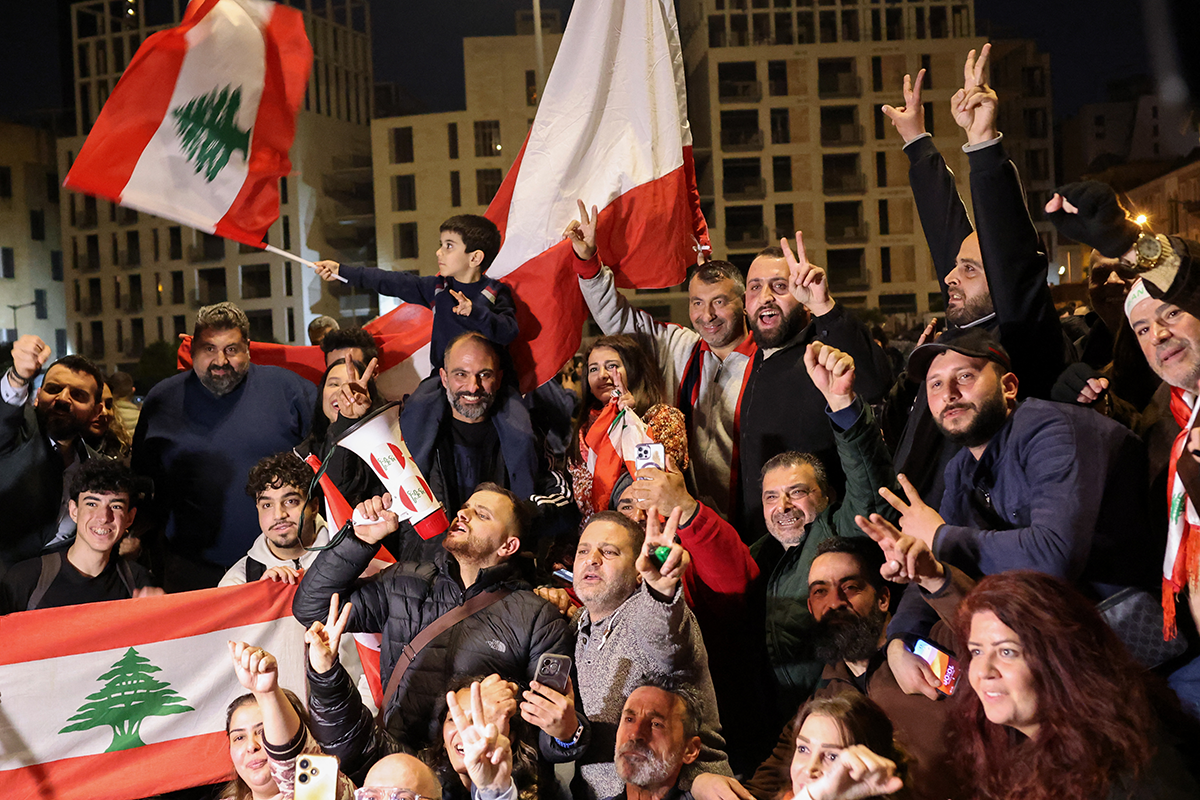
The election of President Joseph Aoun and Prime Minister Nawaf Salam is a political breakthrough in Lebanon and a harbinger of what could happen in a country long dismissed as unsalvageable. Beirut’s new leadership reflects the aspiration of a majority of the Lebanese people to live in a functioning state free from the dual drivers of its failure: political violence and pervasive corruption. Those leaders must now deliver on their commitment to establish a state committed and accountable to its people and rise to meet the responsibility that comes with holding the promise of a nation’s future.
Normalizing regular contacts and building relationships with the Taliban leadership can offer a more effective way to hold the Islamic Emirate to account for its actions. It also gives greater promise of realizing American hopes for an Afghanistan inhospitable to global terrorists and more respectful of the human rights of its citizens.
A different Middle East: How should Washington respond?
A very different Middle East will greet President-elect Trump this month compared to the region he experienced during his first term. However, there are opportunities to advance American interests for a more stable and less conflictual Middle East, which might not require the kind of intense US commitment we have seen over the last quarter-century.