Skip to Content

Research & Commentary Results

Filter by
1424 Results
Pakistan’s ability to thread the needle in relations with the US and Iran tested by the Israel-Iran war
Photo by AAMIR QURESHI/AFP via Getty Images
  • Analysis
  • Pakistan’s ability to thread the needle in relations with the US and Iran tested by the Israel-Iran war

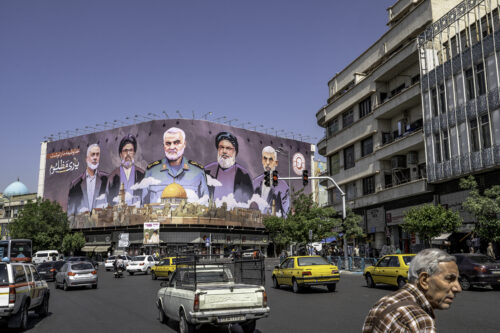
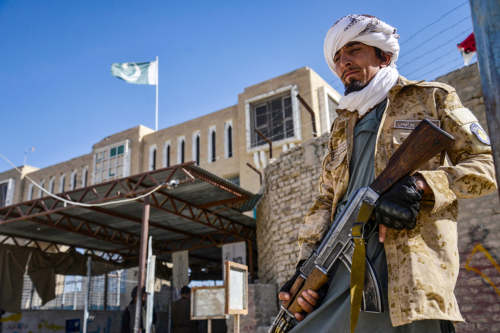
    When the Israel-Iran war broke out and the United States decided to assist the Israeli side by striking Iran’s nuclear program, both Tehran and Washington expected Islamabad to side with their respective positions. This situation placed the Pakistani government in a politically sensitive and diplomatically delicate position.

    The Gulf’s water crisis: Why cooperation is crucial — and complicated
    Photo by Fayez Nureldine/AFP via Getty Images
  • Analysis
  • The Gulf’s water crisis: Why cooperation is crucial — and complicated

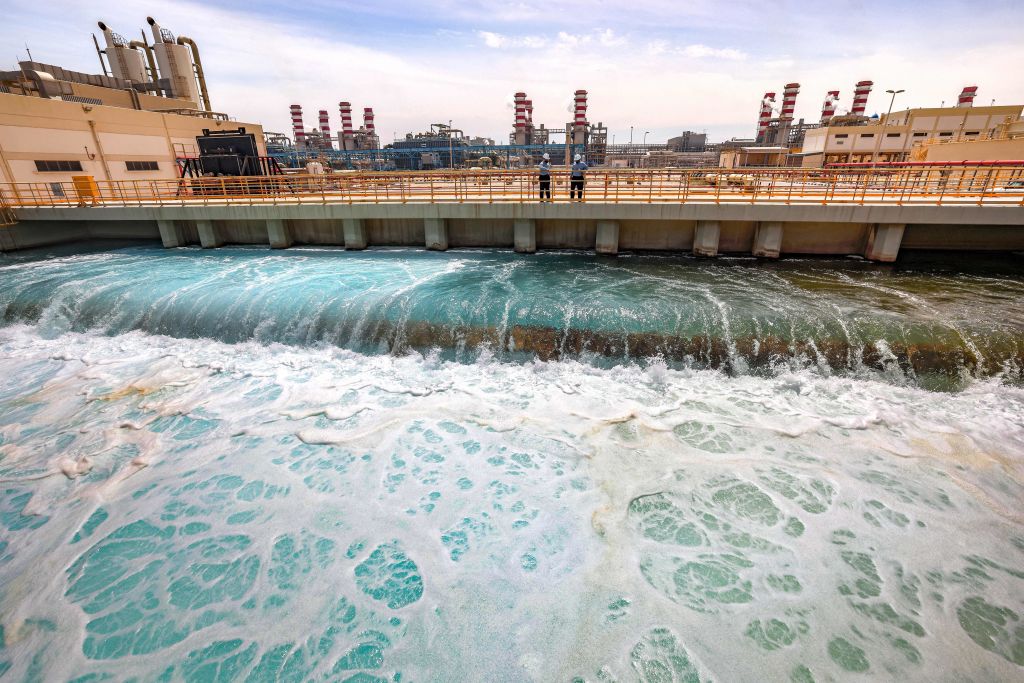
    On June 19, false reports of an Israeli strike on Iran’s Bushehr nuclear plant sparked alarm across the Gulf. Though denied by Israeli officials, the claim traces back to a warning from Qatar’s prime minister of a potential catastrophe in the event of nuclear contamination — no water, no food, no life — due to the Gulf’s reliance on desalinated seawater. Gulf governments moved quickly to reassure the public that no radiation had been detected, but the episode underscored the region’s growing sense of vulnerability. A regional approach to water security could help to mitigate such risks.

    Iraq tries to assert state authority during crisis
    Photo by Thaier Al-Sudani/Reuters/Pool/Anadolu via Getty Images
  • Analysis
  • Iraq tries to assert state authority during crisis

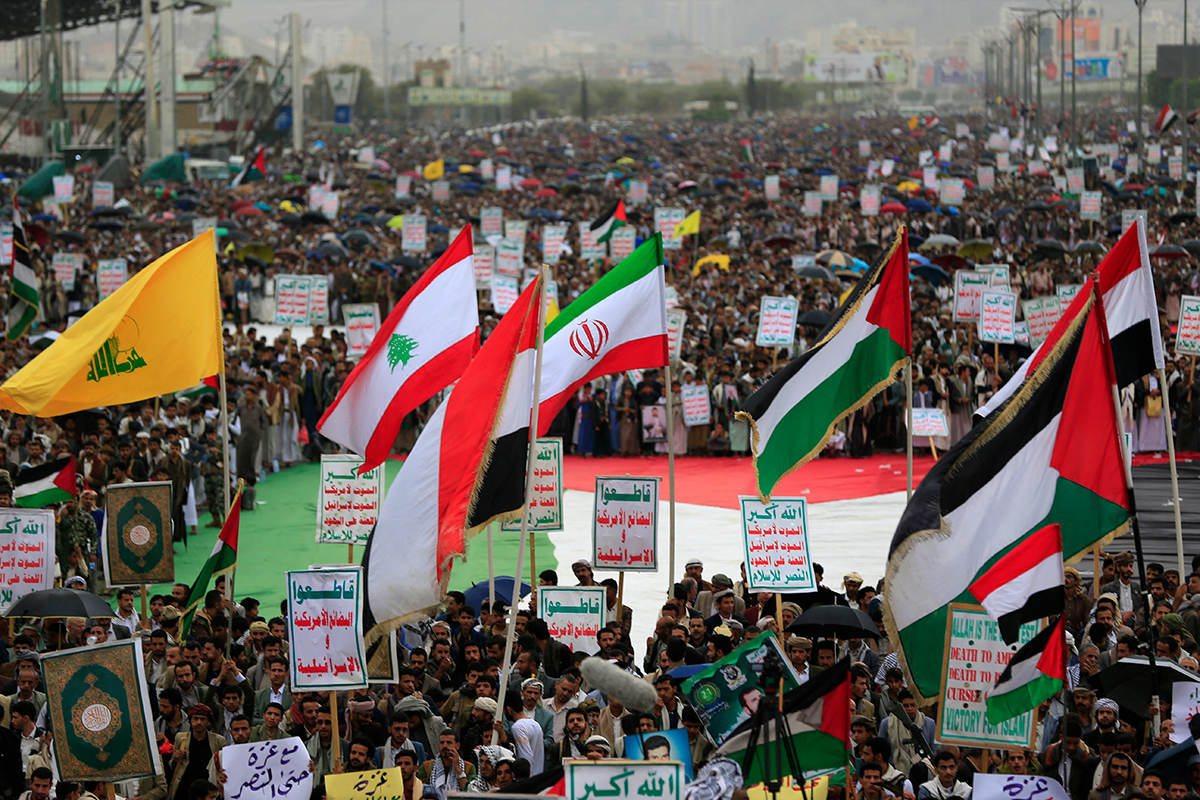
    The Iraqi government has long navigated a path between maintaining political ties with its Iranian neighbor and Tehran’s allies inside Iraq on the one hand, and preserving its security relationship with the United States on the other. Unsurprisingly, it quickly welcomed US President Donald Trump’s June 23 Israel-Iran cease-fire agreement.

    Legacies of the four-day Indo-Pakistan war
    Photo by Yawar Nazir/Getty Images
  • Analysis
  • Legacies of the four-day Indo-Pakistan war

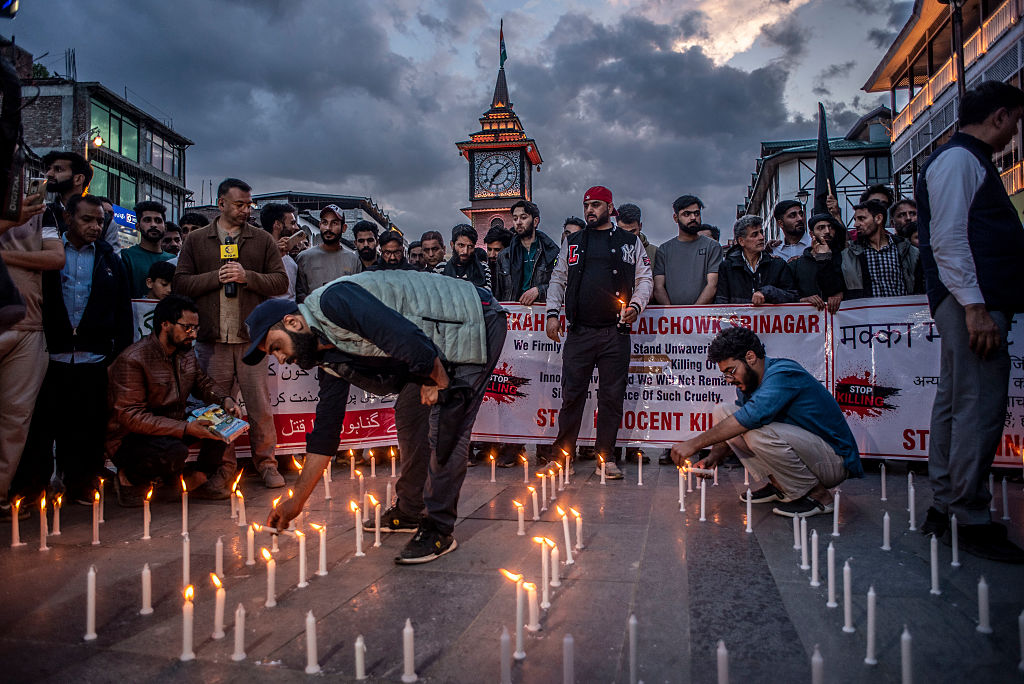
    The recent brief yet intense escalation of hostilities between India and Pakistan has further exposed the fragile nature of South Asia’s security landscape. The four-day tit-for-tat cross-border military confrontation between the two nuclear-armed rivals has significantly undermined prospects for normalization, redefining the rules of engagement and signaling a shift in how both countries may manage their relationship moving forward.

    June 4, 2025

    Deepening Pakistan’s enduring civil-military imbalance
    Photo by Aamir Qureshi/AFP via Getty Images
  • Analysis
  • Deepening Pakistan’s enduring civil-military imbalance

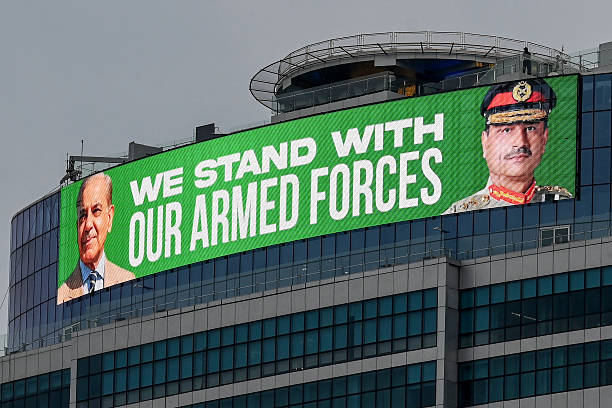
    The recent elevation of Gen. Asim Munir to the rank of field marshal is a thunderous declaration of the Pakistani military’s unassailable supremacy, a gesture that reverberates far beyond the barbed-wire perimeters of the Army’s General Headquarters in Rawalpindi.

    May 30, 2025

    Thousands of once protected Afghan refugees in the United States face deportation
    Photo by Marcus Yam/LA Times via Getty Images
  • Analysis
  • Thousands of once protected Afghan refugees in the United States face deportation

    The chaotic US military pullout from Afghanistan in August 2021 became a hot campaign issue in the 2024 presidential election and continues to echo today. President Donald Trump, who set the withdrawal in motion during his first term in office, repeatedly criticized President Joe Biden’s administration for leaving behind billions of dollars of military equipment. Also left behind were tens of thousands of Afghans, and their family members, who faced retribution for assisting US forces in the fight against the Taliban.

    Baghdad revisited: Iraq balances on a tightrope
    Photo by AHMAD AL-RUBAYE/AFP via Getty Images
  • Commentary
  • Baghdad revisited: Iraq balances on a tightrope

    Reflections on a recent visit to Baghdad. Much has changed and ordinary life has resumed in Iraq’s capital, but deep challenges remain.

    March 18, 2025

    US disengagement and new regional security dynamics in Afghanistan’s neighborhood
    Photo by Afghan Ministry of Foreign Affairs/AFP via Getty Images
  • Analysis
  • US disengagement and new regional security dynamics in Afghanistan’s neighborhood

    Afghanistan’s neighborhood is in the midst of a consequential restructuring of its security architecture. Key regional actors Pakistan, Afghanistan, Iran, and China have been continuing to adjust their defense plans and security partnerships to meet the growing threats posed by domestic and cross-border terrorism. At the same time, these four countries have also been looking for new ways to fill the vacuum in southern Asia left by the United States military’s departure from Afghanistan.

    Beyond “Maximum Pressure” in US Policy on Iran: Leveraging Regional Partners to Contain Iran's Actions and Shape its Future Choices
    Photo by Brendan Smialowski/AFP via Getty Images
  • Analysis
  • Beyond “Maximum Pressure” in US Policy on Iran: Leveraging Regional Partners to Contain Iran's Actions and Shape its Future Choices

    In his second term in office, President Donald Trump faces a Middle East undergoing multifaceted upheaval and an Islamic Republic of Iran currently in its weakest and most isolated position since the founding of the regime in 1979. Yet far from permanently subdued, Tehran continues to move closer to building a nuclear weapon, and it is trying to preserve its regional network of proxies and non-state allies. Trump now faces an important strategic choice on Iran policy. This report analyzes three overarching dynamics: the shifting strategic landscape across the Middle East in 2023-24; the impact of these shifts on Iran and its Axis of Resistance network; and Iran’s current position and standing at home and in the region. It concludes with a series of strategic-level recommendations for the new administration.

    Time for a more realistic approach to Afghanistan
    Photo by MUSTAFA NOORI/Middle East Images/AFP via Getty Images
  • Analysis
  • Time for a more realistic approach to Afghanistan

    Normalizing regular contacts and building relationships with the Taliban leadership can offer a more effective way to hold the Islamic Emirate to account for its actions. It also gives greater promise of realizing American hopes for an Afghanistan inhospitable to global terrorists and more respectful of the human rights of its citizens.

    A different Middle East: How should Washington respond?
    Photo by Emin Sansar/Anadolu via Getty Images
  • Analysis
  • A different Middle East: How should Washington respond?

    A very different Middle East will greet President-elect Trump this month compared to the region he experienced during his first term. However, there are opportunities to advance American interests for a more stable and less conflictual Middle East, which might not require the kind of intense US commitment we have seen over the last quarter-century.

    Weekly Briefing: Syria reignites
    Photo by AAREF WATAD/AFP via Getty Image
  • Commentary
  • Weekly Briefing: Syria reignites

    In only six days, a broad coalition of advancing opposition forces coordinated by Hayat Tahrir al-Sham has captured all of Idlib province, almost all of Aleppo province, and a sizeable stretch of northern Hama — a humiliating defeat for Bashar al-Assad and illustrative of the fragility of regime rule in Syria.

    Weekly Briefing: A cease-fire for Thanksgiving?
  • Commentary
  • Weekly Briefing: A cease-fire for Thanksgiving?

    Read MEI’s weekly briefing featuring expert analysis of key regional developments for the week ahead.

    November 26, 2024

    US success in Iraq means being a more reliable partner than Iran
    Photo by Win McNamee/Getty Images
  • Analysis
  • US success in Iraq means being a more reliable partner than Iran

    There is no quick path to limiting or reducing Iranian influence in Iraq. Tehran will react fiercely to American efforts to destroy the militias and zero-out its influence, and it would have multiple avenues to escalate through the porous 900-mile-long border between the two countries. Moreover, domestic Iraqi reaction, especially among elements of the Shi’a population, would be reticent at best and hostile at worst to intensified American military actions. Nor should it be an American goal to stoke a civil war among Iraq’s Shi’a that would give Iran new access points.