The Middle East in an era of great tech competition
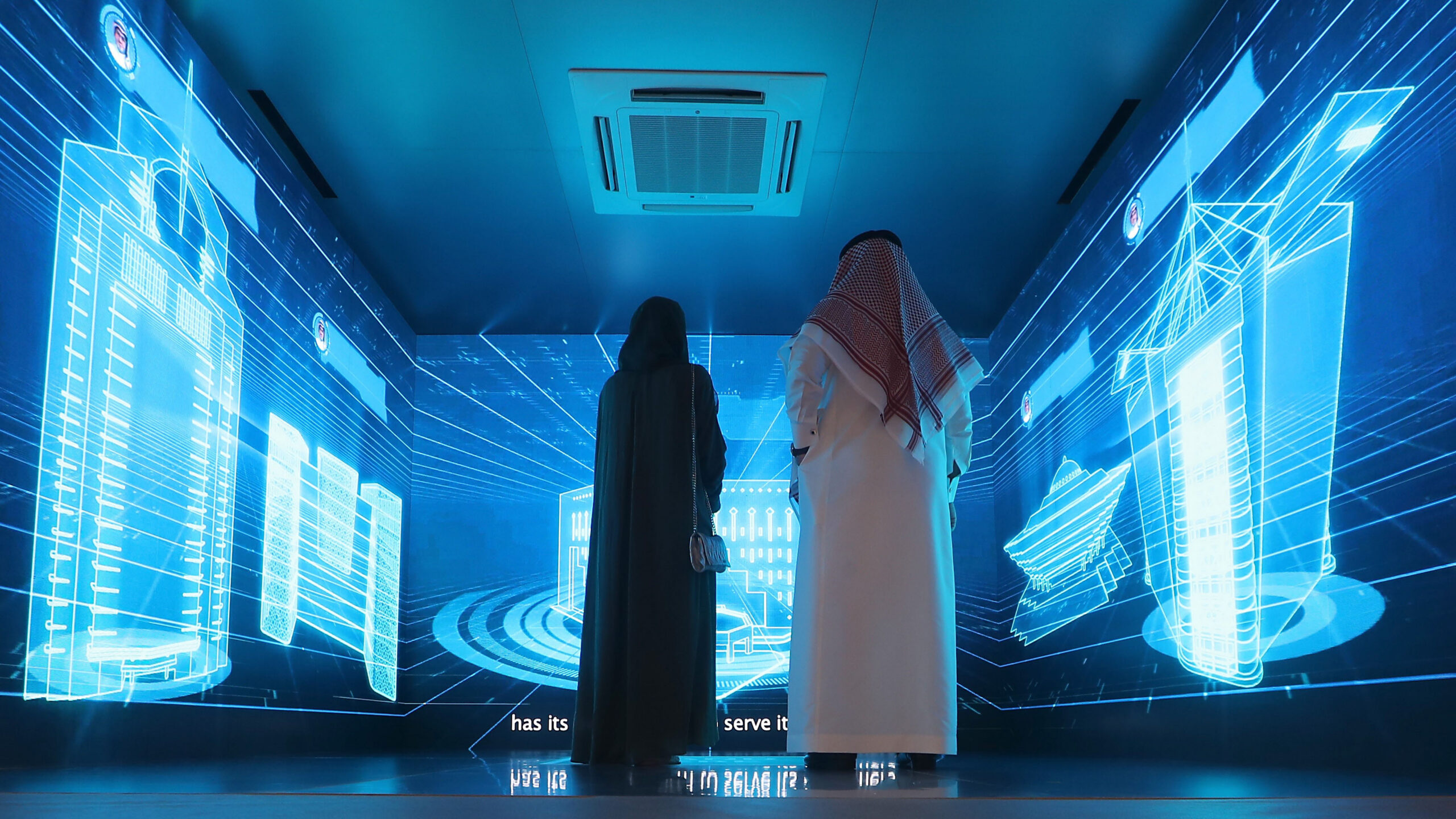
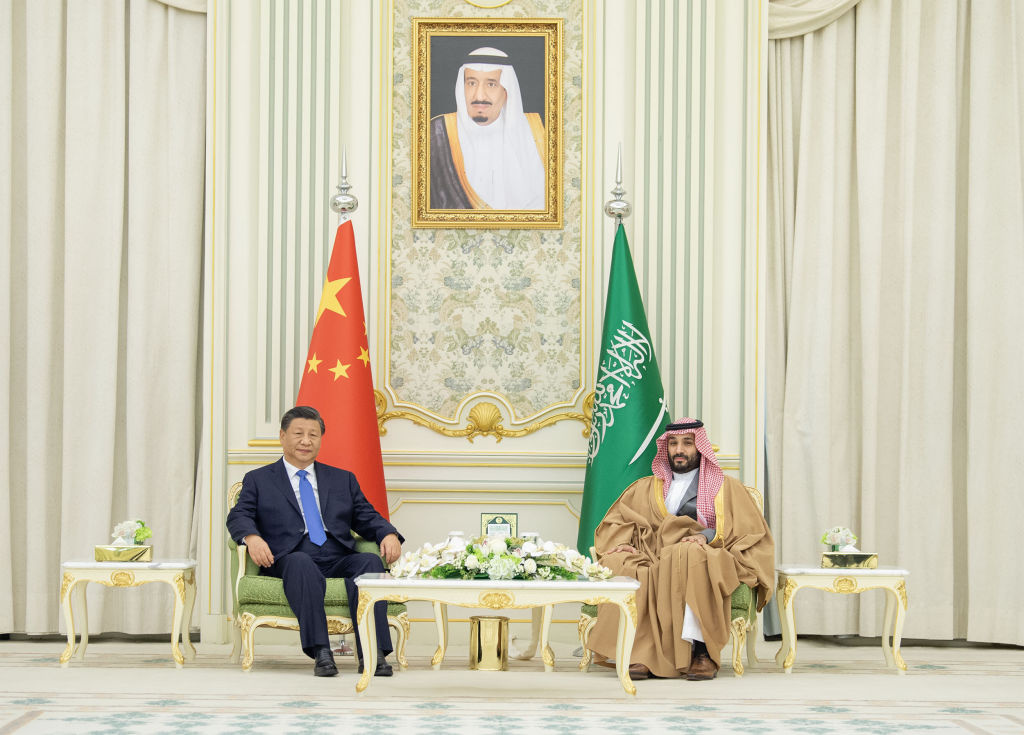
With the acute impacts of US-Chinese global tech decoupling becoming clearer, MENA is slowly emerging as an important region to watch. Economic and geopolitical ties with the West have long dictated the shape of the region’s digital environment, but more recent great power competition and Middle Eastern countries’ pursuit of economic and technological sovereignty have slowly deconstructed these dynamics.
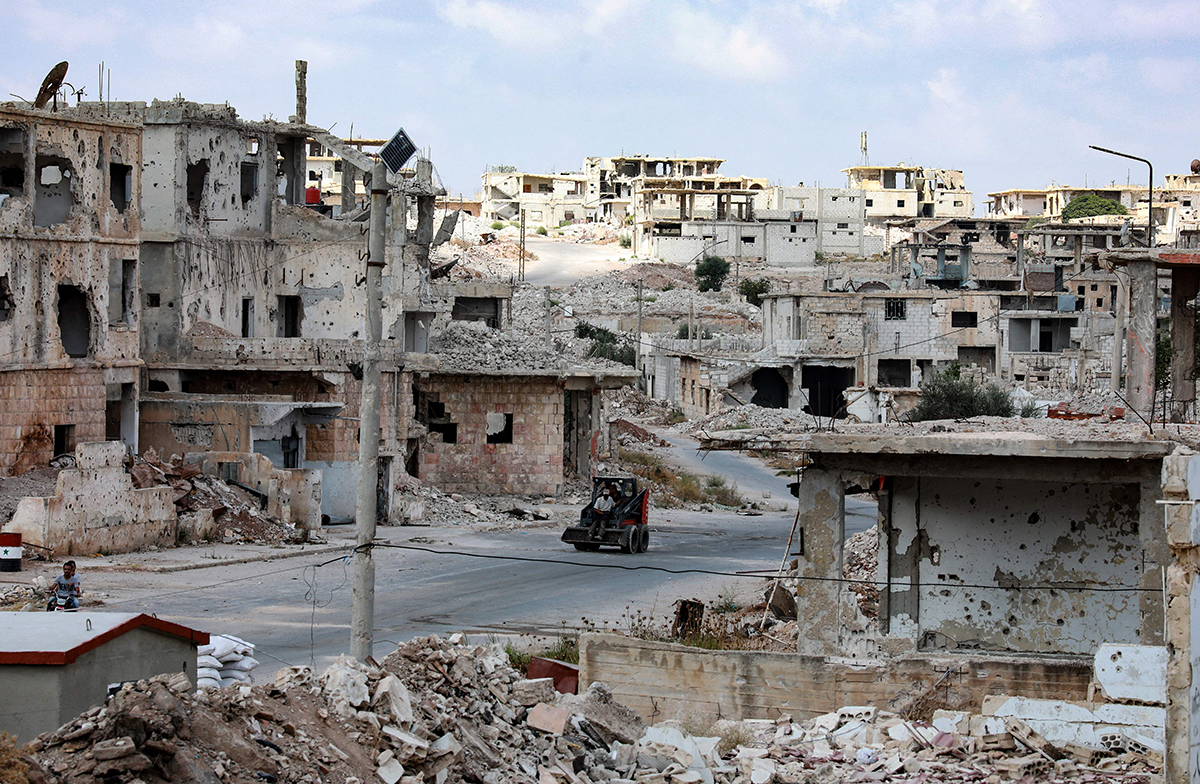
Earthquake devastates southern Turkey, brings calamity to war-torn Syria
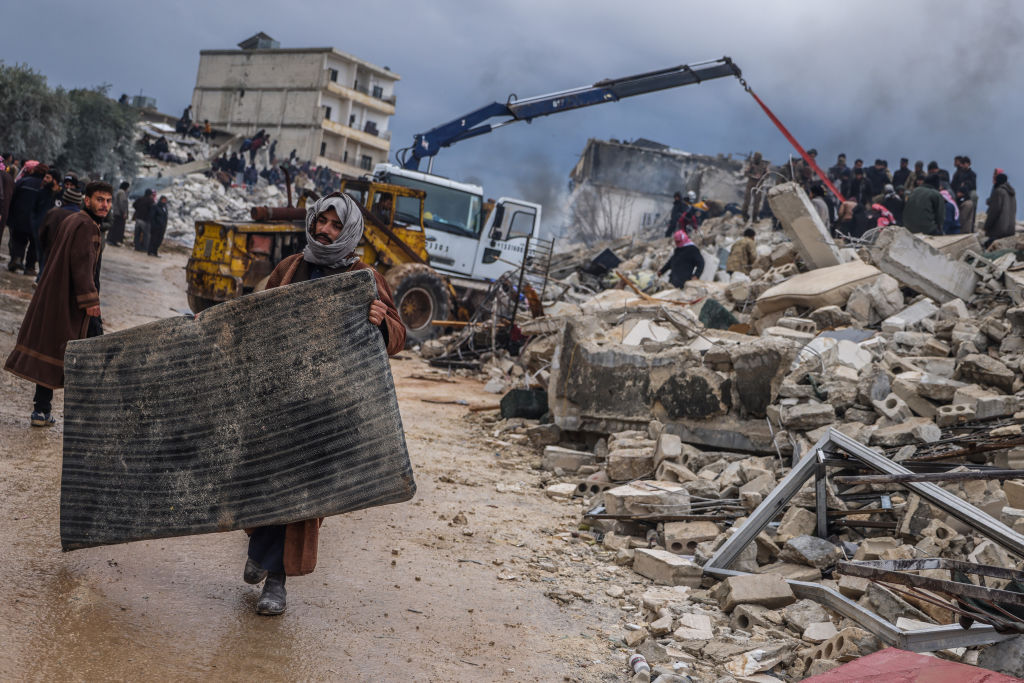
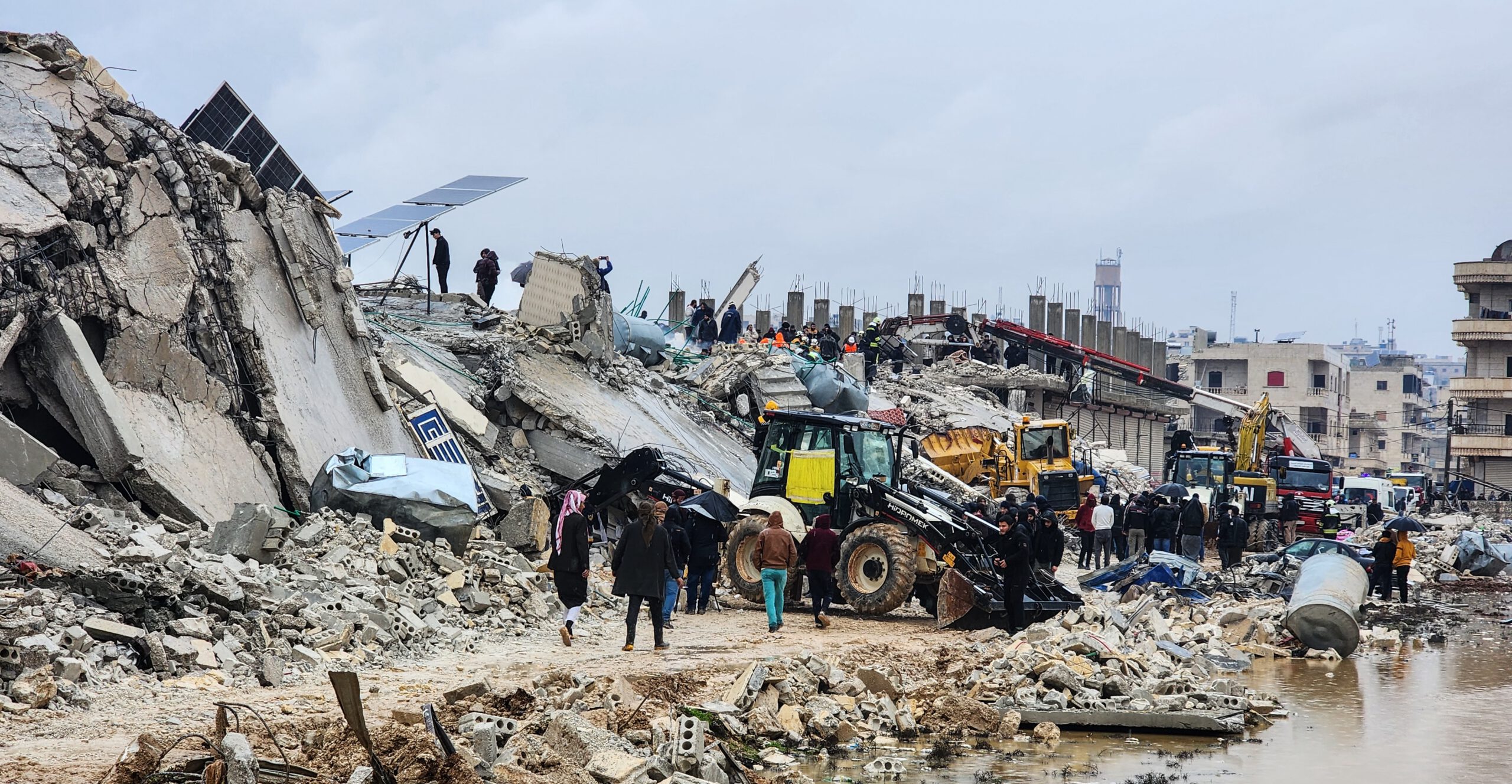
Southern Turkey and northern Syria were struck by a crippling 7.8 magnitude earthquake at 4:17 AM, on Feb. 6. Twelve hours later, at least 2,400 people are known to have perished, with death tolls rapidly rising. This natural disaster could not have come at a worse time or struck a more vulnerable region — with notoriously poor construction in southern Turkey and the effects of more than a decade of brutal conflict still afflicting northern Syria.
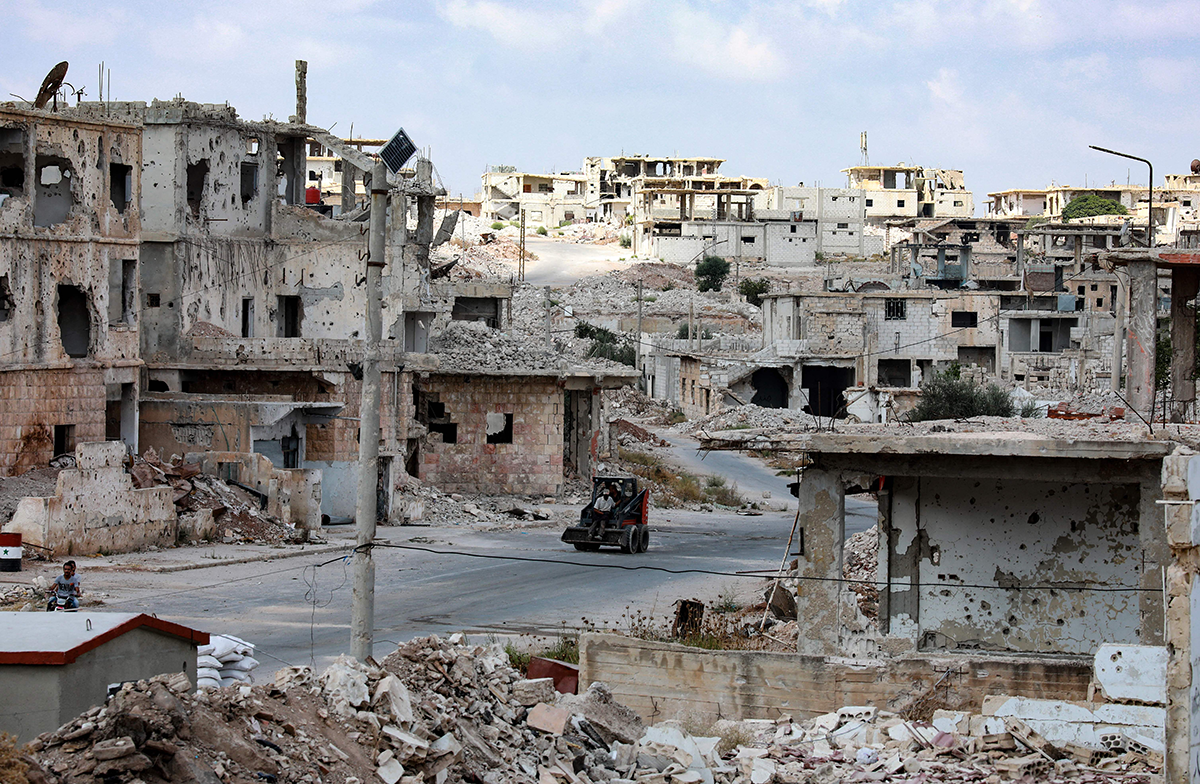
Syria’s crisis is set to enter its 13th year in March. Although the level of violence across the country remains relatively low today compared with earlier years, the crisis is a long, long way from over. Within Syria, at least six distinct conflicts involving internal actors and foreign governments are ongoing to this day, and all of them show more signs of escalating than calming down.
Turkish-Syrian Re-engagement: Drivers, Limitations, and US Policy Implications
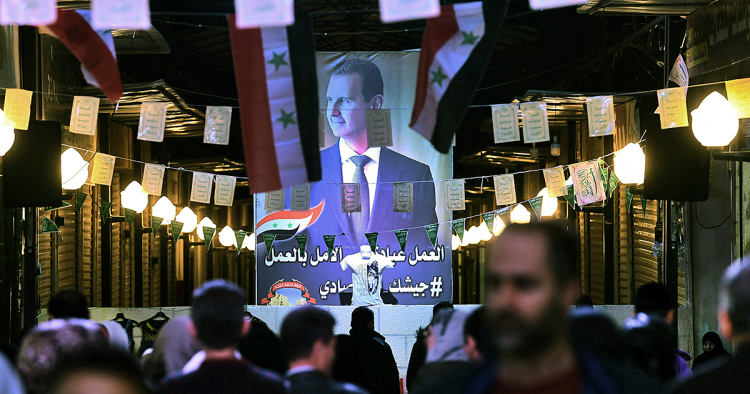
A little over two weeks ago, the defense and intelligence chiefs of Turkey and Syria met face-to-face in Moscow — the first such meeting in over a decade. On the surface, this latest flurry of engagement with Assad’s regime is a major development. Were Turkey to decisively shift its Syria policy, the effects would be dramatic. Beyond the hype and speculation, Turkey’s decision to participate in the Moscow meetings is not altogether surprising and it does not represent a wholesale policy reversal. What has changed more recently is Turkey’s impending elections — and with them Erdoğan’s political calculations.
What the United Nations’ 6th Climate Assessment tells us about the Mediterranean’s climate future
The latest U.N. IPCC report details the alarming changes that Mediterranean countries will experience in the coming decades due to climate change, highlighting three critical areas — warming and droughts, declining ecosystems, as well as socioeconomic and public health risks.
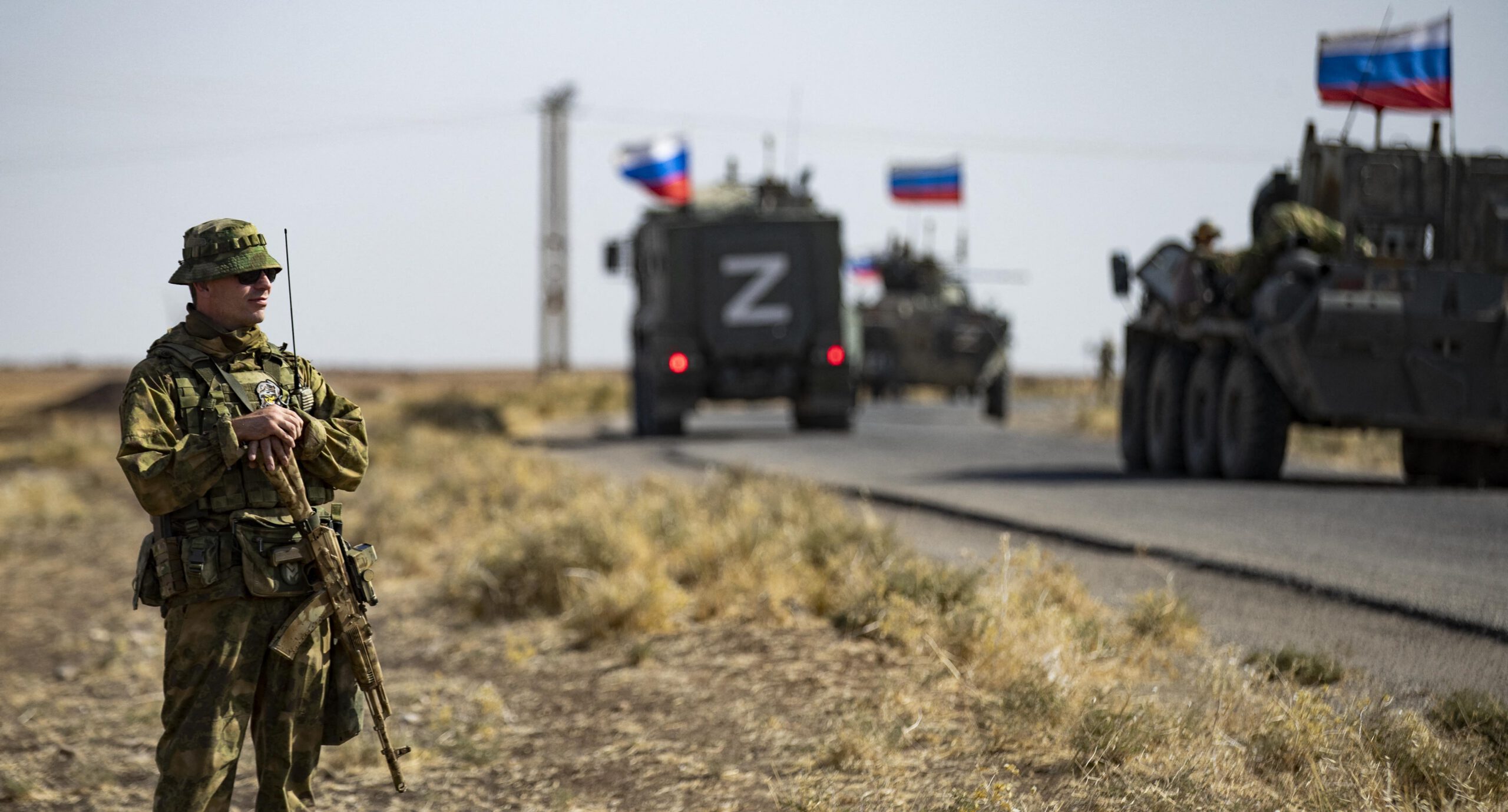
Keeping up appearances: The Ukraine war’s effect on Russian deployments in Syria
As Russia’s 2022 invasion of Ukraine turned into protracted positional and attrition warfare, often speculative reports emerged about the imminent reduction of the Russian military presence in Syria. Several factors may explain the changes in the Russian military presence in Syria and its future.
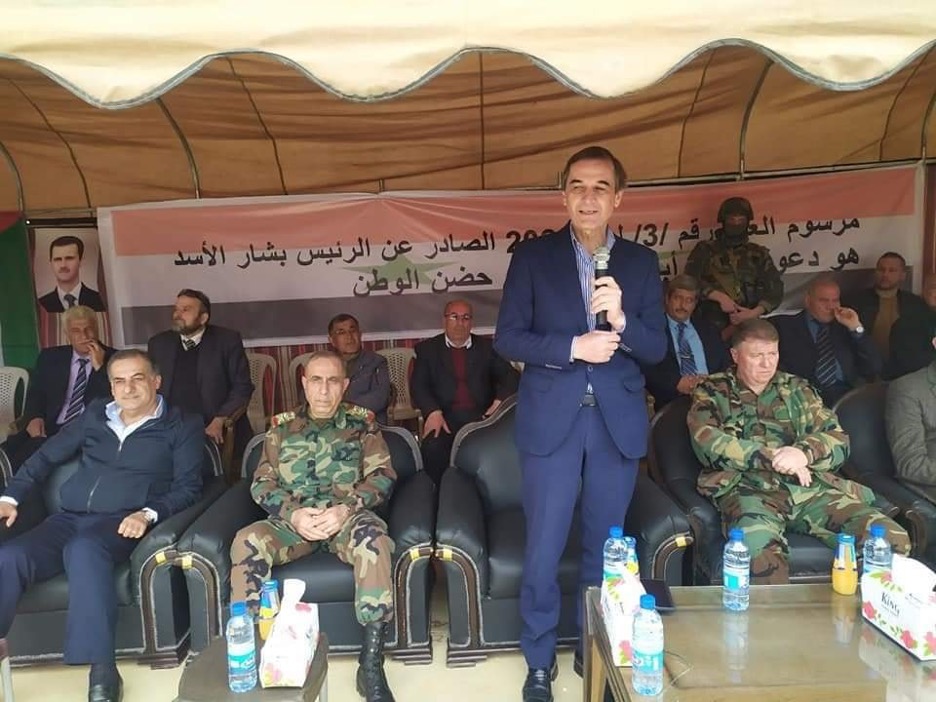
The spider of Khanasir and the rising star of Syria’s Hussam Luka
Despite his rural Sunni roots, one general has managed to play a part in nearly every step of the regime’s counter-revolution, all while building a web of networks across much of Syria as he worked his way up the complex internal ladders of the mukhabarat: Maj. Gen. Hussam Luka.
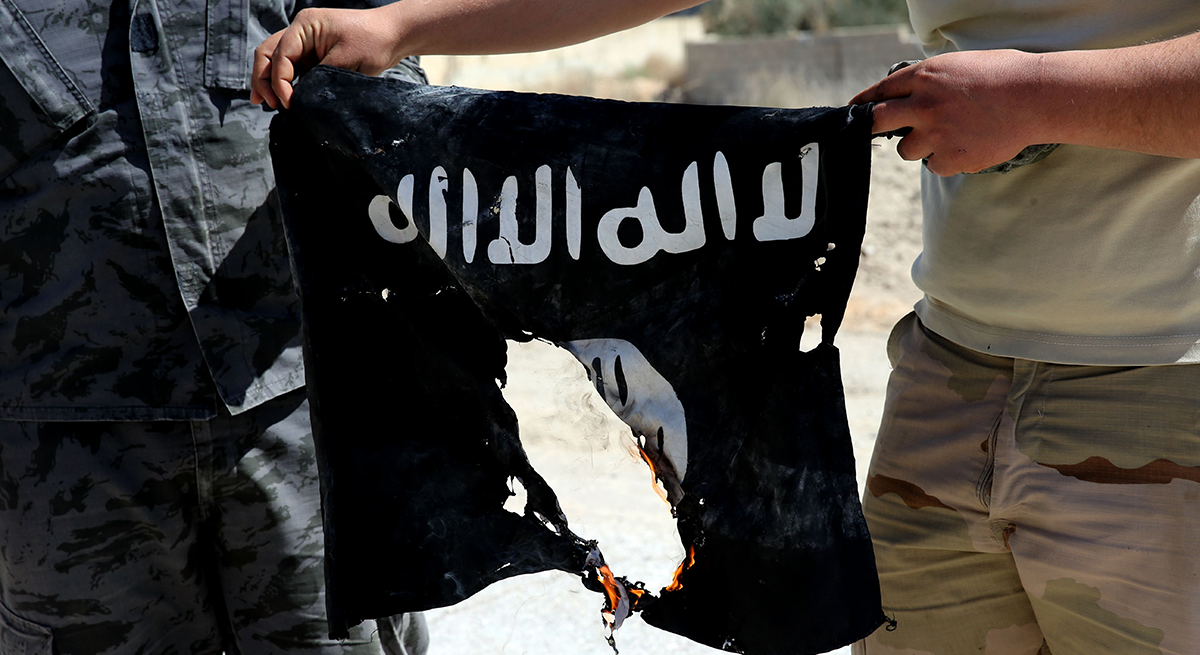
On Nov. 30, the Islamic State announced that its leader, Abu al-Hassan al-Hashimi al-Qurayshi, had been killed in battle and that his successor, Abu al-Hussein al-Husseini al-Qurayshi, was now in place. Hours later, the United States military’s Central Command confirmed the death of Abu al-Hassan, adding that it had occurred in Daraa, in southern Syria, in mid-October at the hands of “the Free Syrian Army.”
أطلقت المجموعات المحلية في مدينة درعا البلد ، وهي مجموعات عسكرية كانت تتبع للجيش السوري الحر، و بقيت في المحافظة بعد توقيع أتفاقية المصالحة مع النظام السوري برعاية روسية في يوليو / تموز عام 2018، عملية عسكرية واسعة على مجموعات هفو _ الحرفوش في أحياء طريق السد والمخيم داخل درعا البلد.
On Oct. 31, local units previously affiliated with the FSA launched a large-scale military operation against the al-Hafo-Harfoush group in the southern Syrian city of Daraa al-Balad. The operation followed a suicide bombing targeting the house of Ghassan al-Akram Abazid, a former FSA leader, that left four dead and several others wounded, on Oct. 28, in Daraa al-Balad. The attack was only the latest in a string of similar operations in southern Syria conducted by the group over the past year targeting military factions affiliated with the opposition.
Alliance: Lebanon needs “Change” and “Opposition” to work together
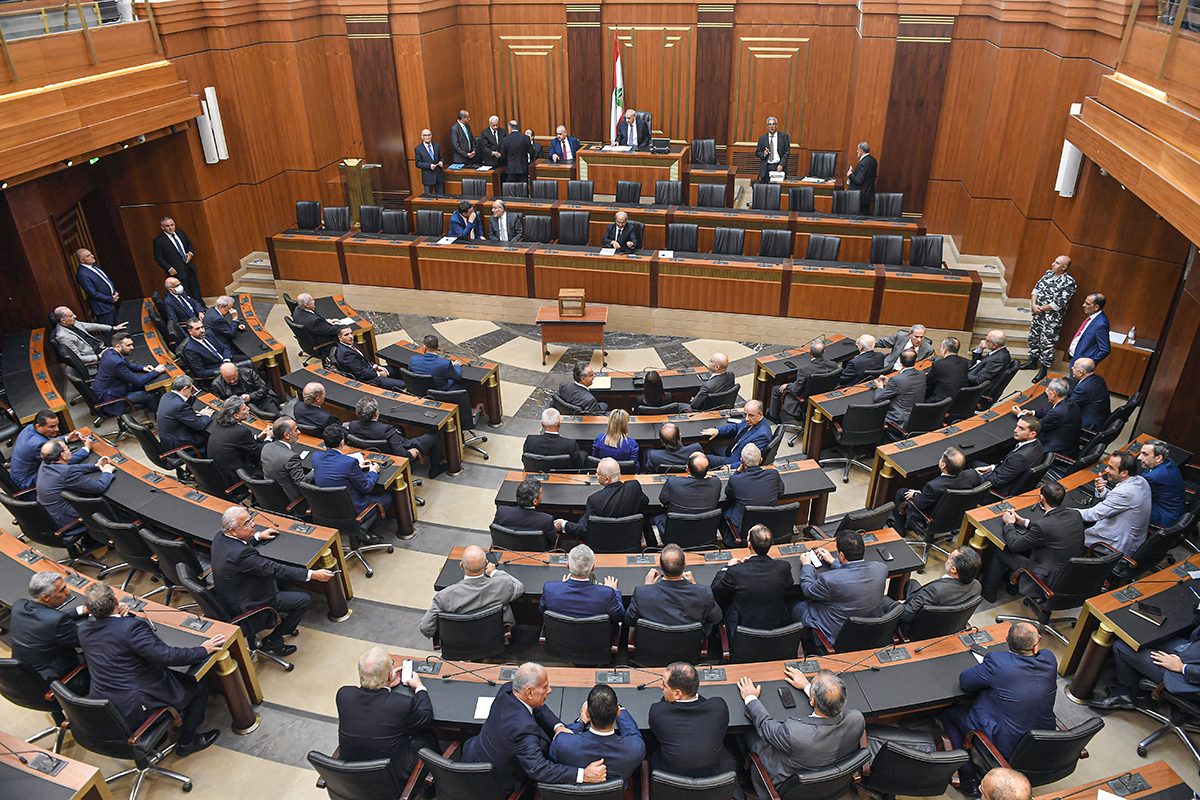
“Change” is an economics-driven pursuit for local accountability and social justice, and “Opposition” is a politically focused mission with geopolitics at its heart. “Change” cannot reform the system on its own, and “Opposition” cannot challenge regional considerations alone. Together, however, they potentially hold a narrow majority — 65 seats, combined — against the 63 belonging to a Hezbollah-led coalition. And there is an opportunity, today, to bring these two movements together through a parliamentary alliance.