Successes and shortcomings: How Algeria’s Hirak can inform Lebanon’s protest movement
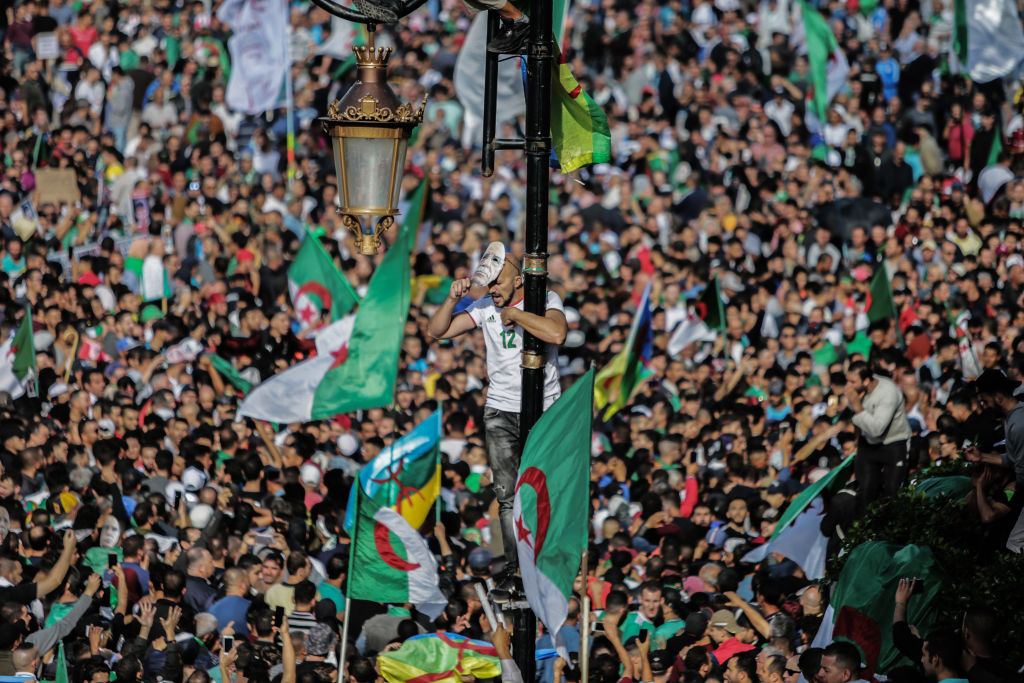
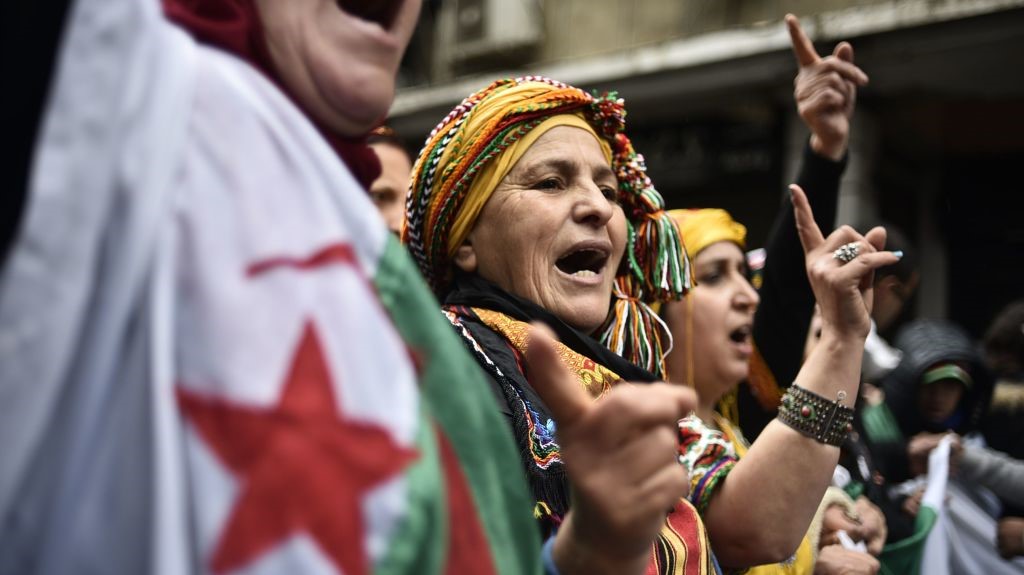
As Lebanese protesters look to advance the systemic reforms they seek and contend with an entrenched ruling elite with little incentive to change, they can draw on their Algerian peers’ successes and shortcomings.
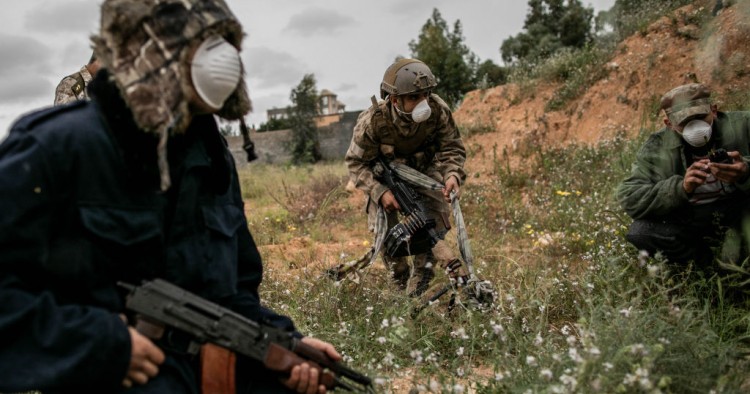
MEI’s Gonul Tol and Jonathan Winer join host Alistair Taylor to discuss the state of the conflict in Libya, where the internationally recognized Government of National Accord (GNA) forces supported by Turkey have made significant gains in recent weeks over Khalifa Haftar’s Libyan National Army (LNA) forces, which are backed by Russia, the UAE, Egypt, and France.
Are the foreign patrons of the Libyan war ready to end it?
Absent major military escalation by his foreign patrons, Khalifa Hifter has now lost the war he initiated against Libya’s internationally recognized government in Tripoli. The question remains, however, of how to end Libya’s proxy war and restart the necessary political process to bring about sustained peace.
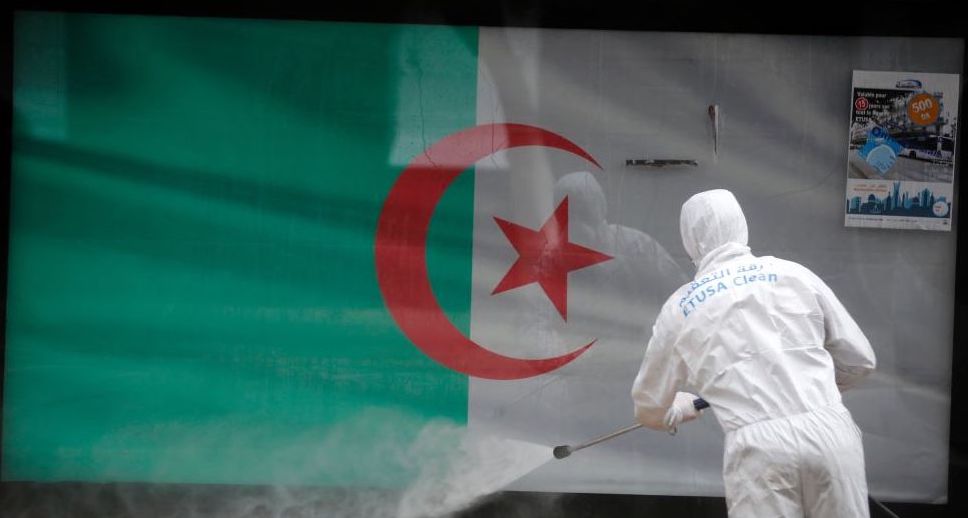
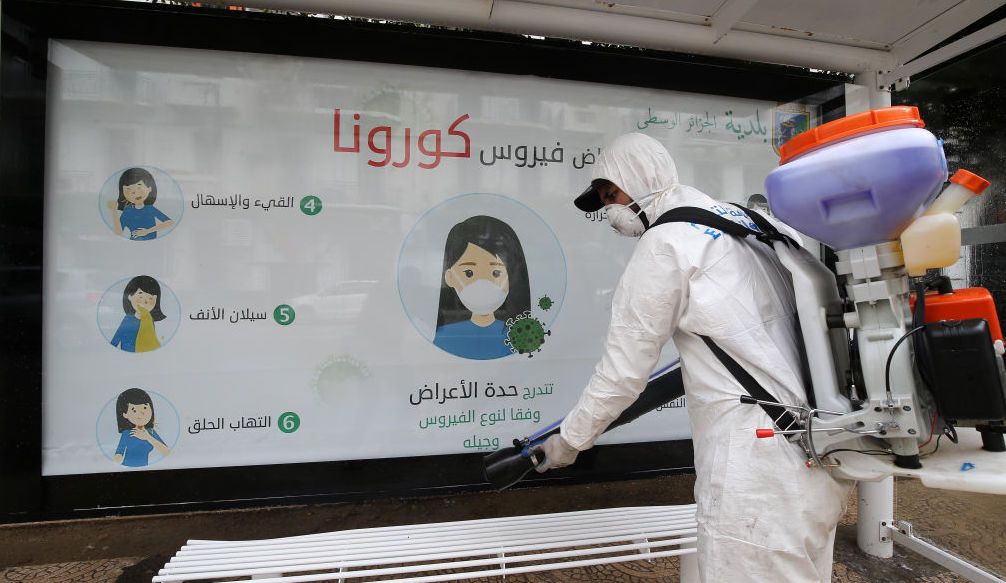
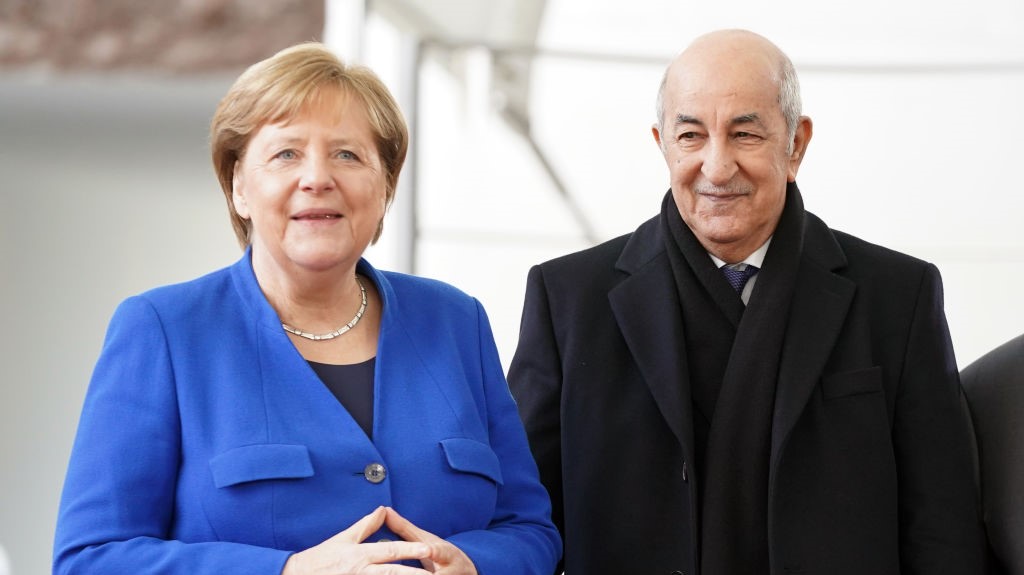
Even as a growing number of Arab and African states look to the International Monetary Fund (IMF) for assistance to help counter the economic fallout of the coronavirus pandemic, Algeria has made it clear it will not follow suit. Despite the fiscal challenges, economic crisis, social unrest, and public health emergency, President Abdelmadjid Tebboune has insisted that Algeria will not seek a loan to ease the country’s socio-economic woes.
Protest movements in Algeria, Iraq, and Lebanon during COVID-19
Vish Sakthivel, Hafsa Halawa, and Nour El-Achi join host Alistair Taylor to discuss the impact of the coronavirus pandemic on protest movements in Algeria, Iraq, and Lebanon. While each case is unique, all three movements are pushing for sweeping reforms of the corrupt political system, a change in the ruling elite, and improved state services.
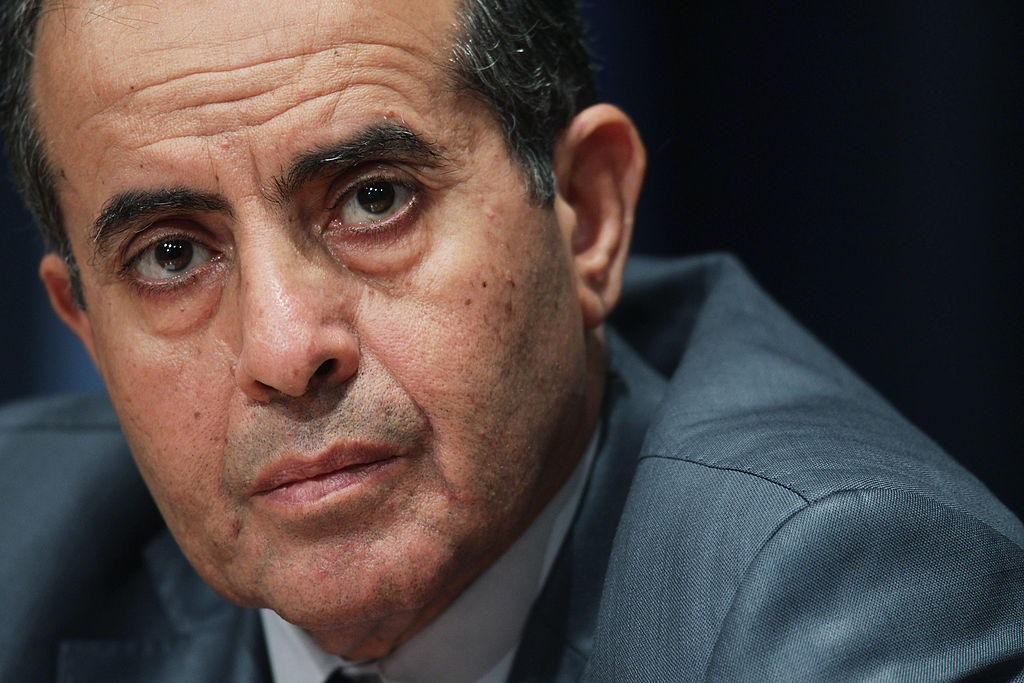
The face of the Libyan Arab Spring, Mahmoud Jibril, felled by COVID-19
Last Sunday, the pandemic claimed the life of the most internationally prominent face of the Arab Spring in Libya. The tragic death of former Libyan Prime Minister Mahmoud Jibril in a Cairo hospital, at just 68 years of age, is in fact a fitting metaphor for the many stillborn aspects of Libya’s attempted political rebirth.
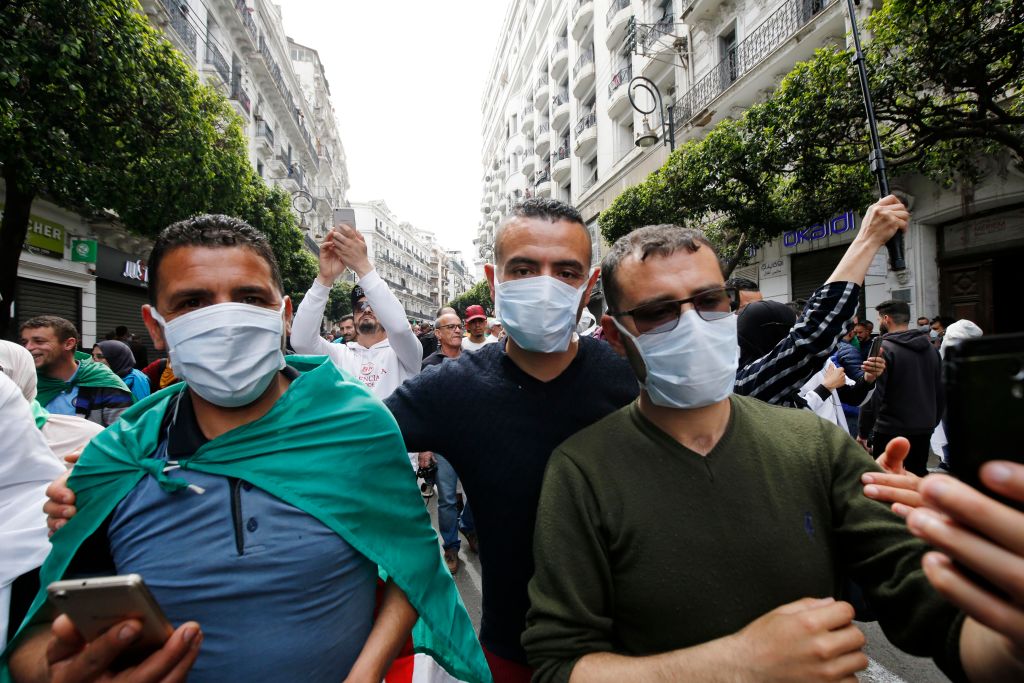
Algeria’s Hirak: A political opportunity in COVID-19?
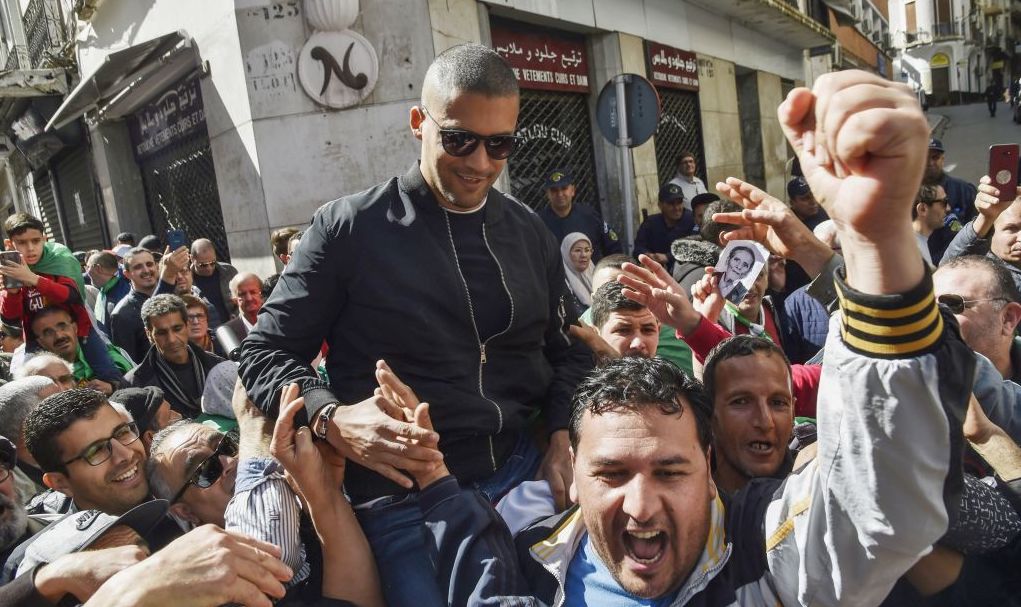
As Hirak’s primary repertoire of contention has been biweekly protests in key cities, some worry that the COVID-19 lockdown is tolling the movement’s death knell. However, Hirak’s intellectual leaders have long called for supplemental tactics, noting that despite being among the most significant social, political, and cultural phenomena in modern Algerian history, protests alone may no longer be as effective as they once were in extracting meaningful concessions from the regime. Thus, as ill-timed and worrying as this feels for many of the Hirak faithful, the global health crisis may come as a significant political opportunity for the movement.
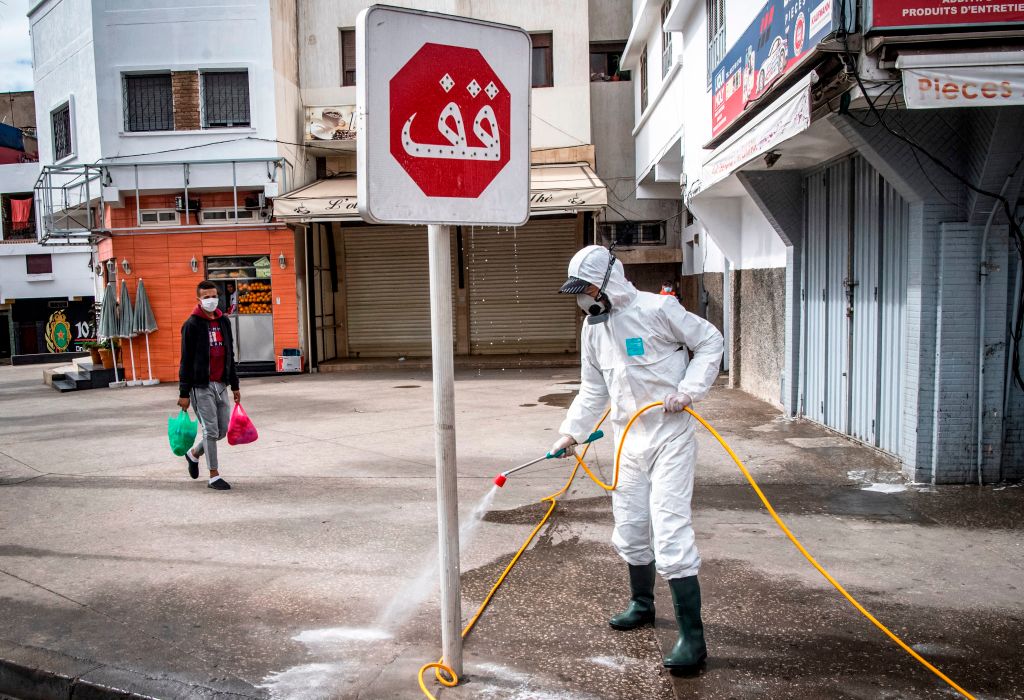
Communities mobilized and immobilized as COVID-19 continues to spread in North Africa
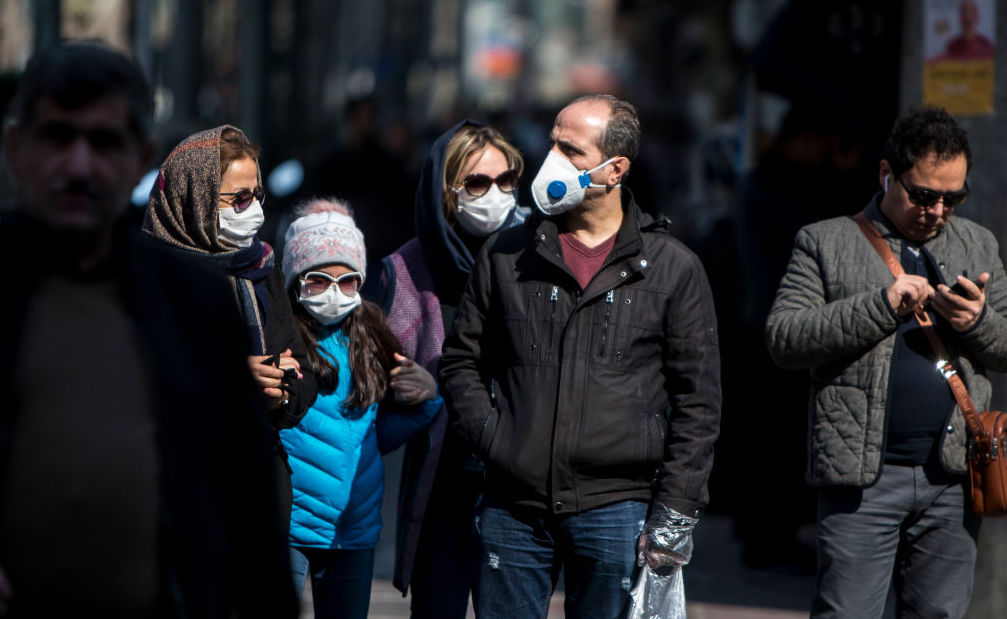
Governments and citizens throughout North Africa are gearing up for a huge increase in coronavirus infections expected in late March, April, and May. Just next door, Italy and Spain are two of the five worst afflicted countries on the planet.
No part of the world will emerge unscathed from the fallout of the coronavirus pandemic of 2020. Just because China and Italy were the first to be severely hit, does not imply, that when all is said and done, that they will have sustained the brunt of the damage. North Africa is a region dependent on global commodities prices, tourism, and political and monetary support from Europe and the Gulf, where regime brittleness, youth unemployment, and Islamic radicalism all intersect.
Algeria-Europe economic integration: Where are we now and where do we go?
In the face of Algeria’s Hirak protest movement, the response of the EU so far has been measured, and it is notable that the EU’s calls for democratic reform are framed in economic terms that emphasize the benefits of greater economic integration between the states of the Maghreb. What opportunities do the ongoing changes in Algeria present for enhancing economic integration in the long term?
Amel Boubekeur, Robert S. Ford, and Dalia Ghanem join host Alistair Taylor to discuss the huge national protest movement, known in Arabic as “Hirak,” that has brought millions of Algerians to the streets over the past year. The movement has pushed for sweeping reforms of the political system and a change in the ruling elite, leading to the resignation of long-time President Abdelaziz Bouteflika in April 2019.
The Bab el-Mandeb Strait: Regional and great power rivalries on the shores of the Red Sea
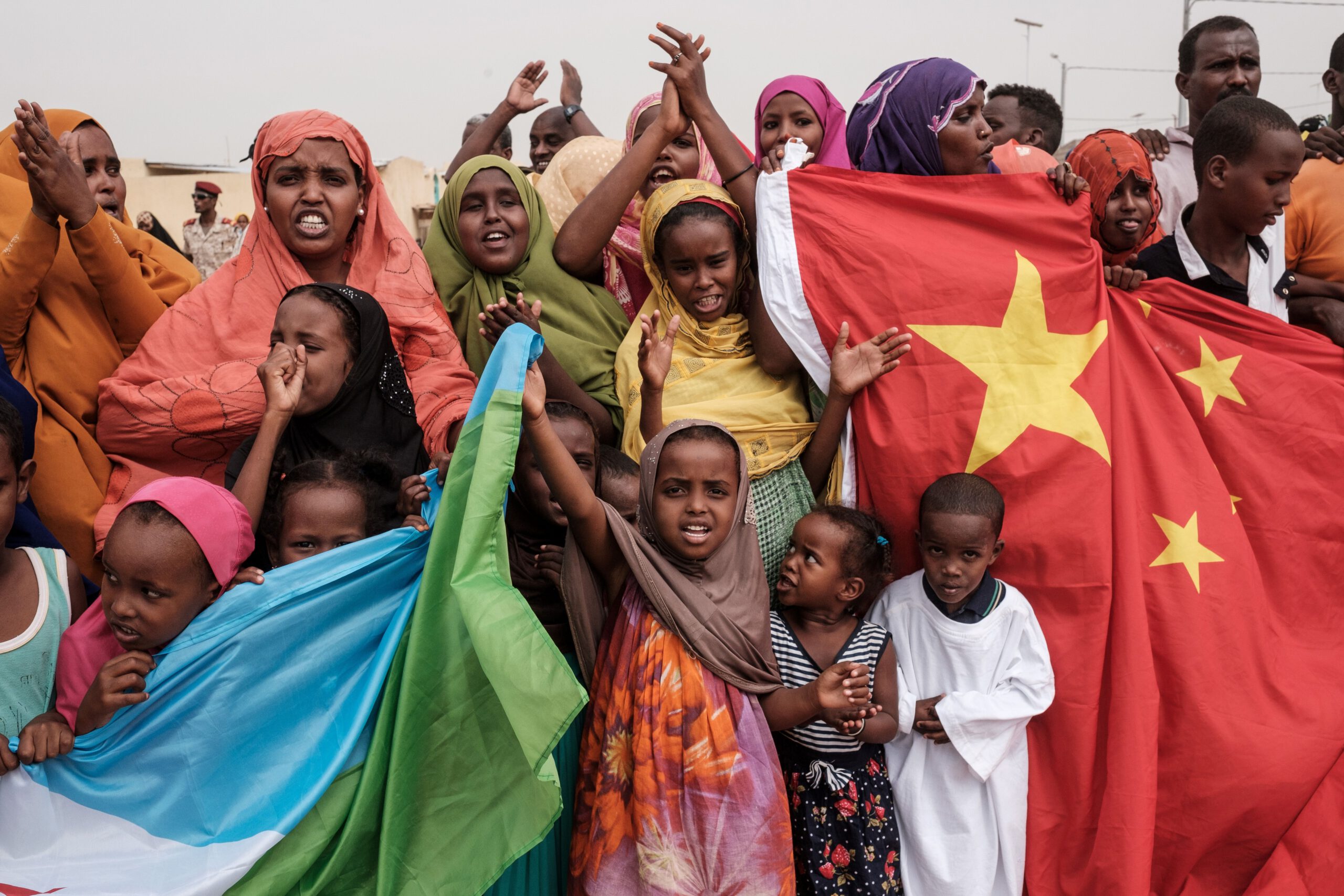
The Bab el-Mandeb Strait (“Gate of Tears” in Arabic) forms a vital strategic link in the maritime trade route between the Mediterranean Sea and the Indian Ocean via the Red Sea and the Suez Canal. On one side of the narrow strait lies the Arabian Peninsula. On the other is the Horn of Africa, a fragile region that has been plagued for decades by high levels of violence and instability within and across borders, and which in recent years has served as a launching pad for terrorism, piracy, human trafficking, and smuggling operations.