The Middle East in an era of great tech competition
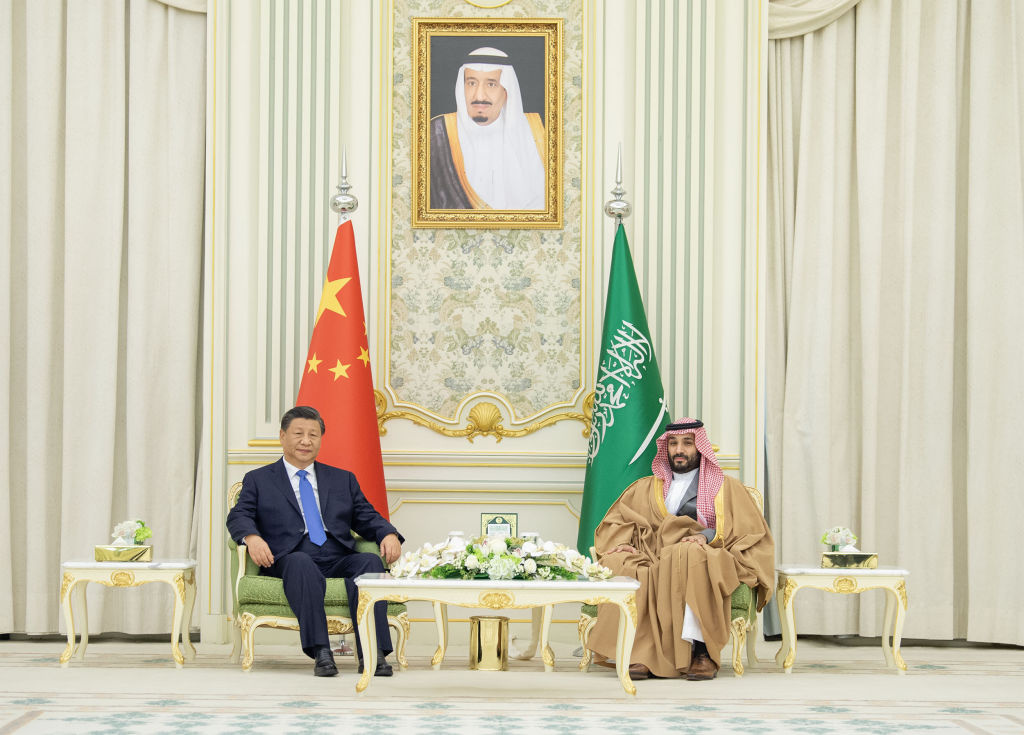
With the acute impacts of US-Chinese global tech decoupling becoming clearer, MENA is slowly emerging as an important region to watch. Economic and geopolitical ties with the West have long dictated the shape of the region’s digital environment, but more recent great power competition and Middle Eastern countries’ pursuit of economic and technological sovereignty have slowly deconstructed these dynamics.
Politics and Civic Engagement in North Africa: Present Trends and Future Outlook
In the North Africa and Middle East region, there is a battle for citizenship currently lurking behind the façade of a reemerging authoritarianism. Indeed, in most cases, the revolutions and transitions that spread across North Africa and the Middle East since 2011 have crystalized into resurgent authoritarian regimes that target freedoms and liberties and reverse political openings, while still contending with the economic and governance crises. But this is only one layer.
North Africa and the Sahel Program Director Intissar Fakir speaks to Alberto Rizzi – pan-European fellow at the Rome Office of the European Council on Foreign Relations – about existing and future energy partnerships between the European Union and the Maghreb. In the wake of energy market disruption caused by the conflict in Ukraine, what alternative fuel sources are the EU looking towards – and how does this align with current production capacities in Maghreb countries?
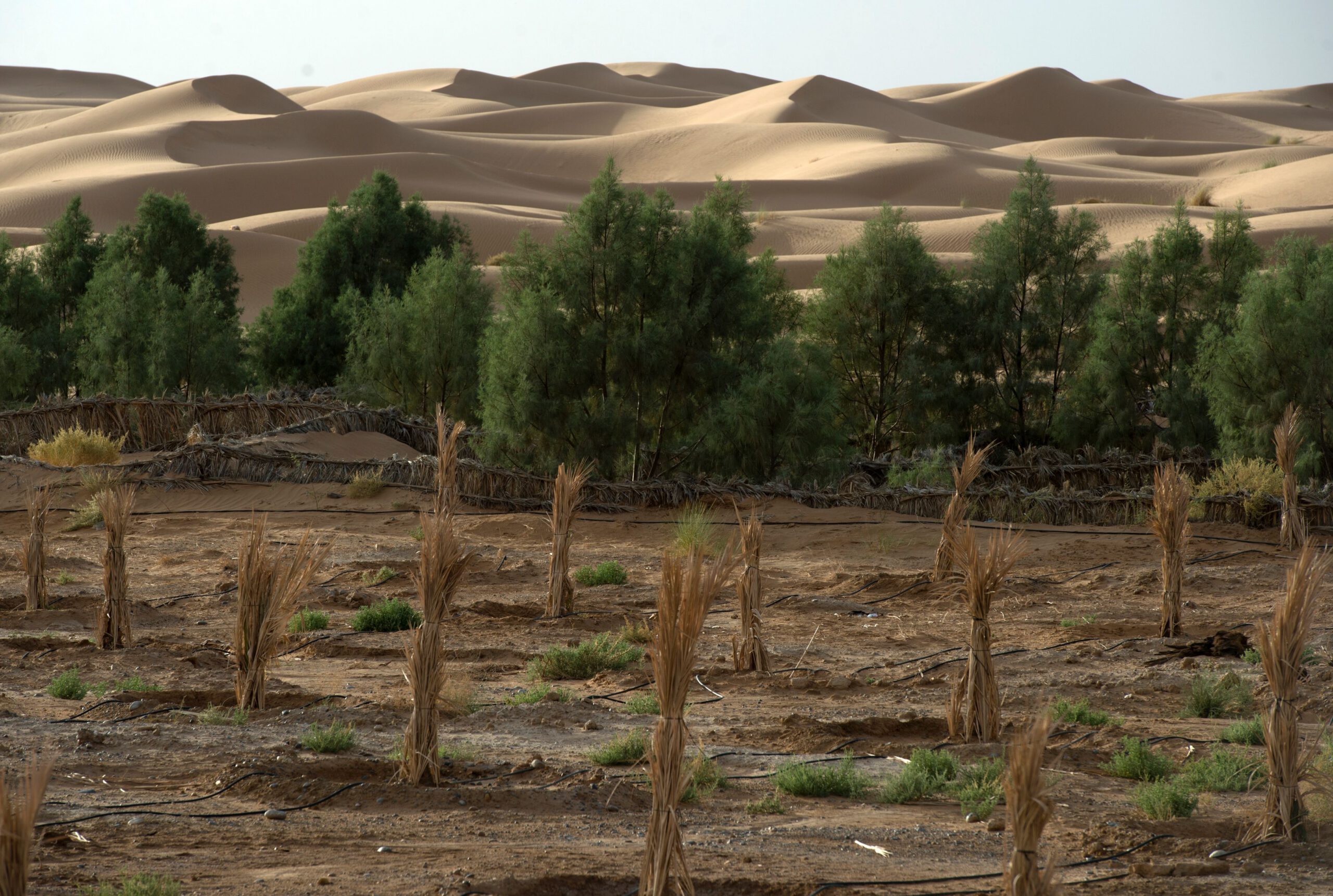
What the United Nations’ 6th Climate Assessment tells us about the Mediterranean’s climate future
The latest U.N. IPCC report details the alarming changes that Mediterranean countries will experience in the coming decades due to climate change, highlighting three critical areas — warming and droughts, declining ecosystems, as well as socioeconomic and public health risks.
As terrorist groups expand in the Sahel, is Algeria the missing link?
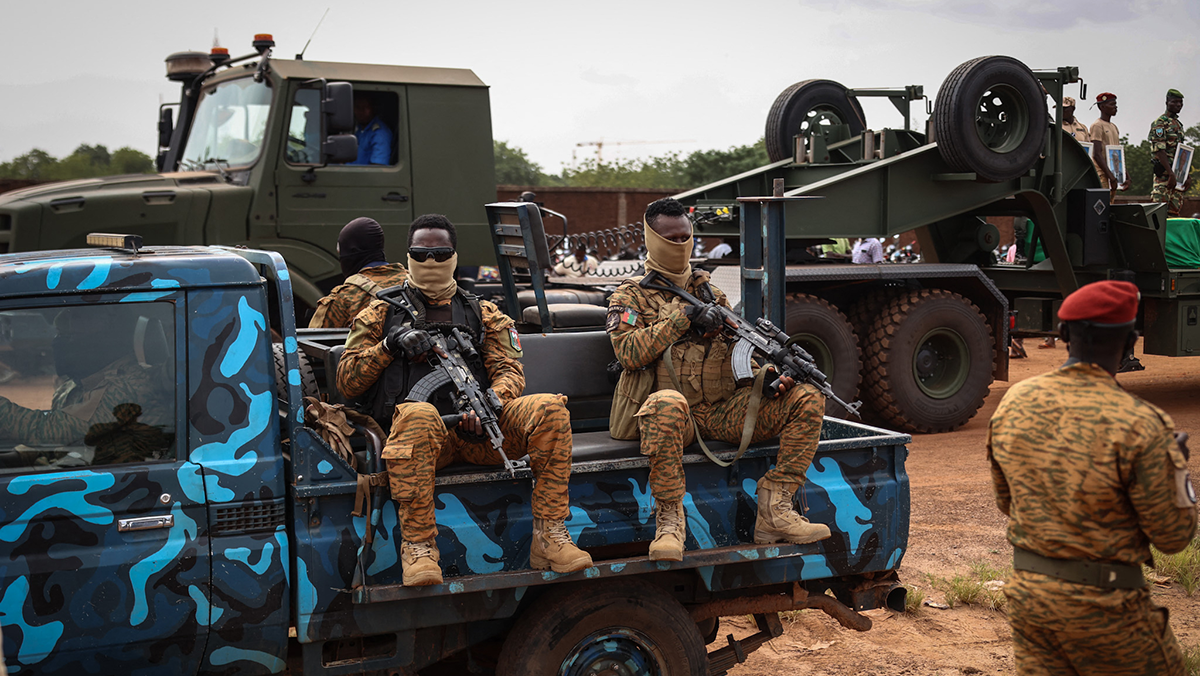
Over the past two years, the steady expansion of terrorist and fundamentalist threats in the Sahel has not gotten the attention it deserves. Algeria’s regional diplomatic clout, military might, and experience in fighting terrorism could help Sahelian states ward off an imminent political and security collapse.
Pakistan-Afghan Taliban relations face mounting challenges
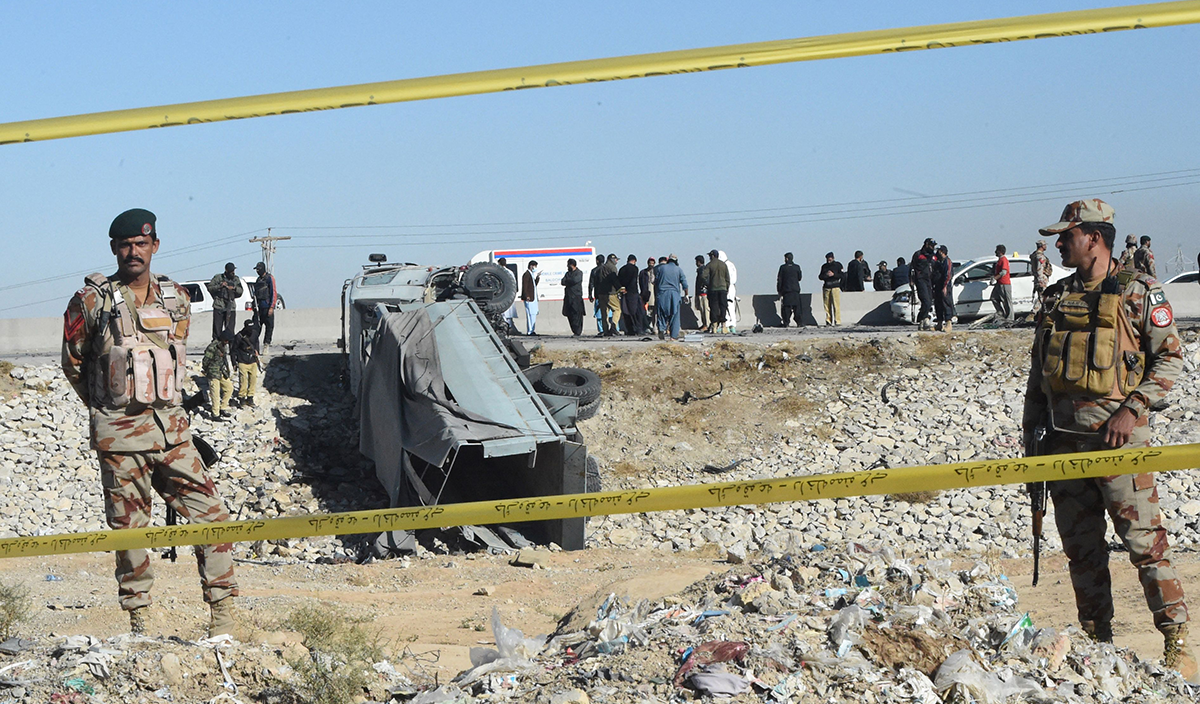
Tensions between Islamabad and Kabul continue to rise. While Pakistan has made efforts to smooth over the growing rift, reopening a key border crossing closed following cross-border gunfire that killed a Pakistani security guard and sending its minister of state for foreign affairs on an official visit to the Afghan capital, there are clear signs that Pakistan’s leverage with the Afghan Taliban seems to be slipping fast.
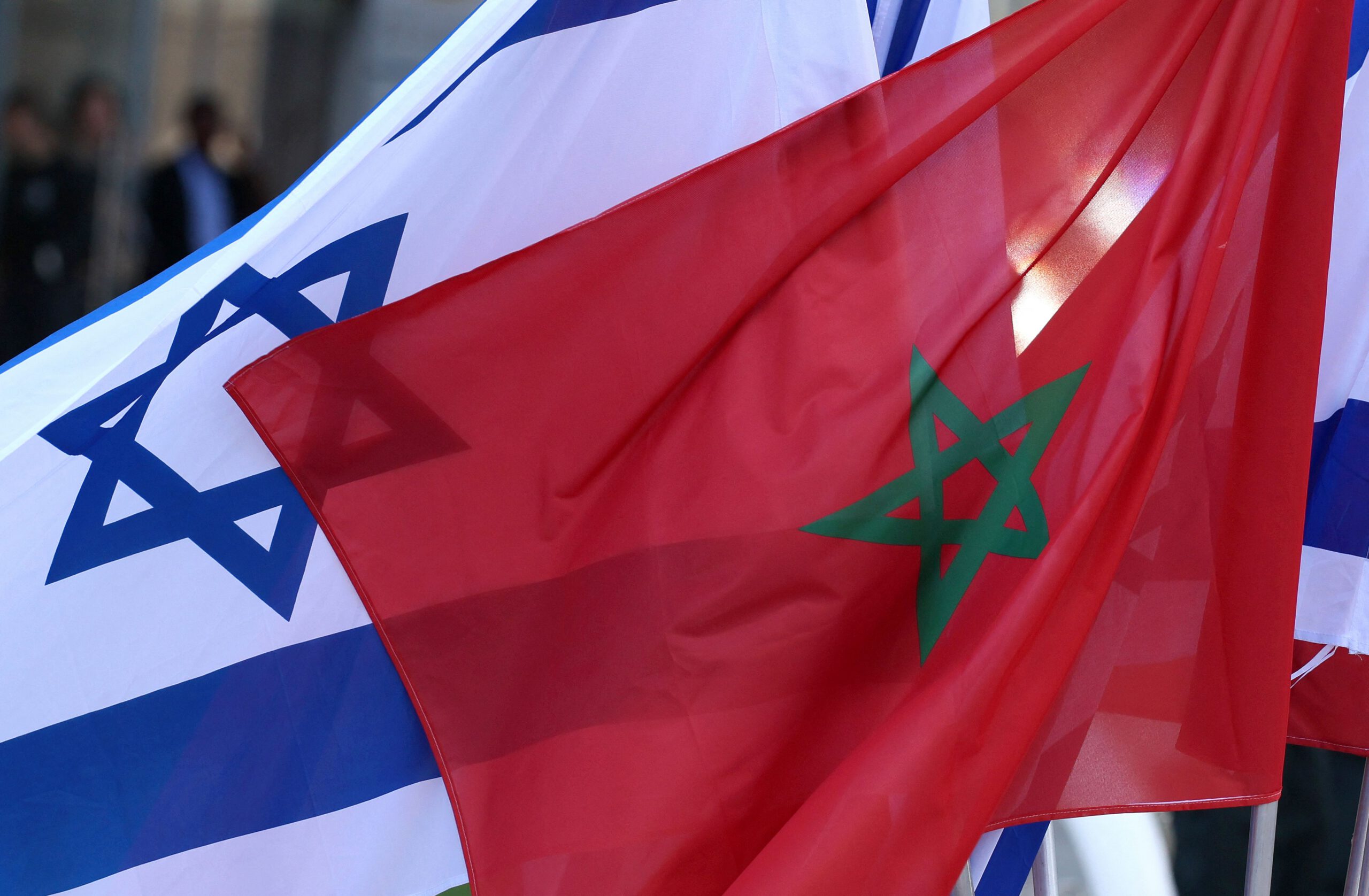
Morocco and Israel: Economic Opportunities, Military Incentives, and Moral Hazards
The December 2020 Moroccan-Israeli normalization deal has evolved from a vehicle enabling Morocco to gain long-sought U.S. recognition of its claims on Western Sahara to a broader strategic partnership with Israel. But the relationship further strains relations with neighboring rival Algeria.
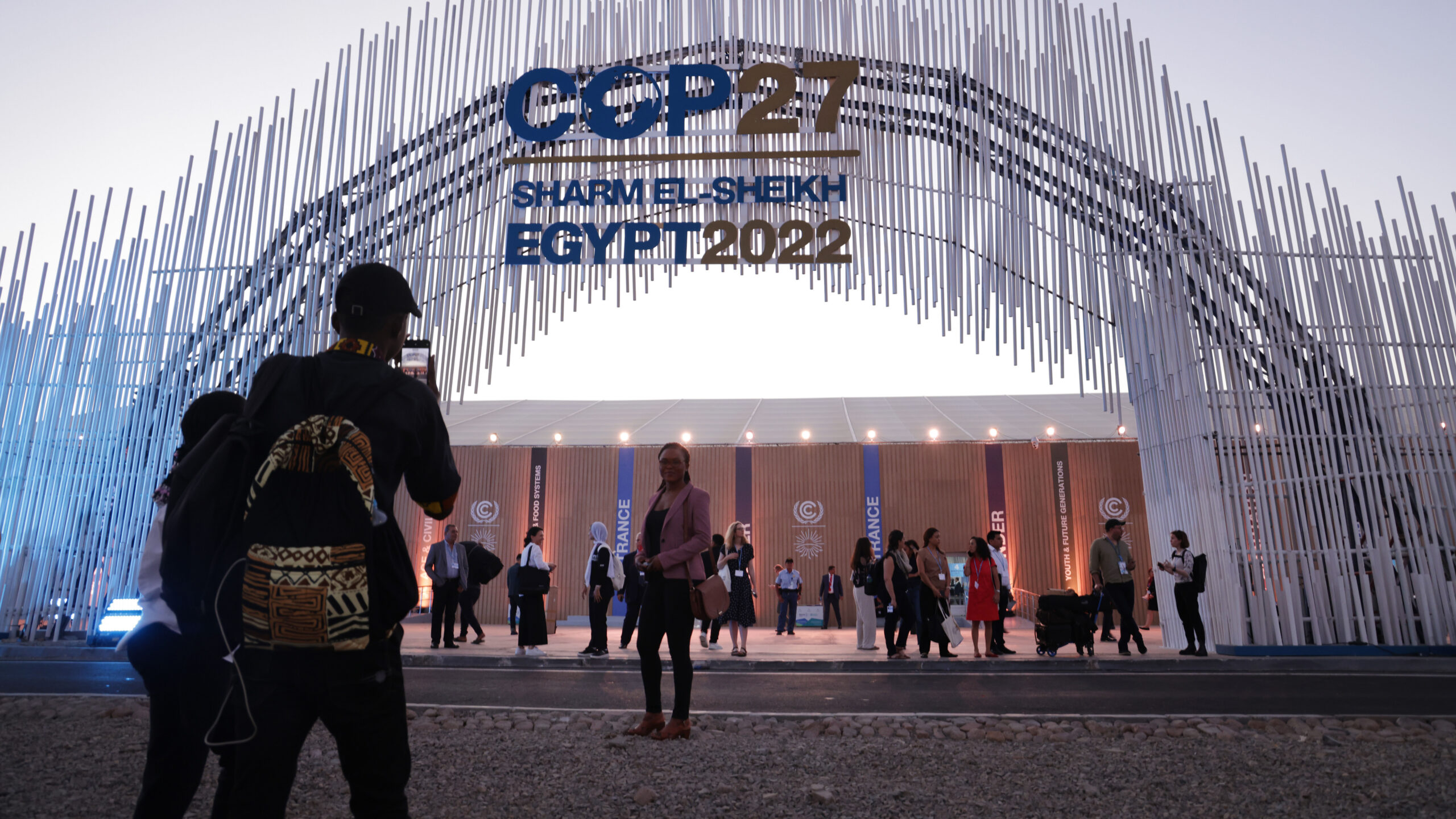
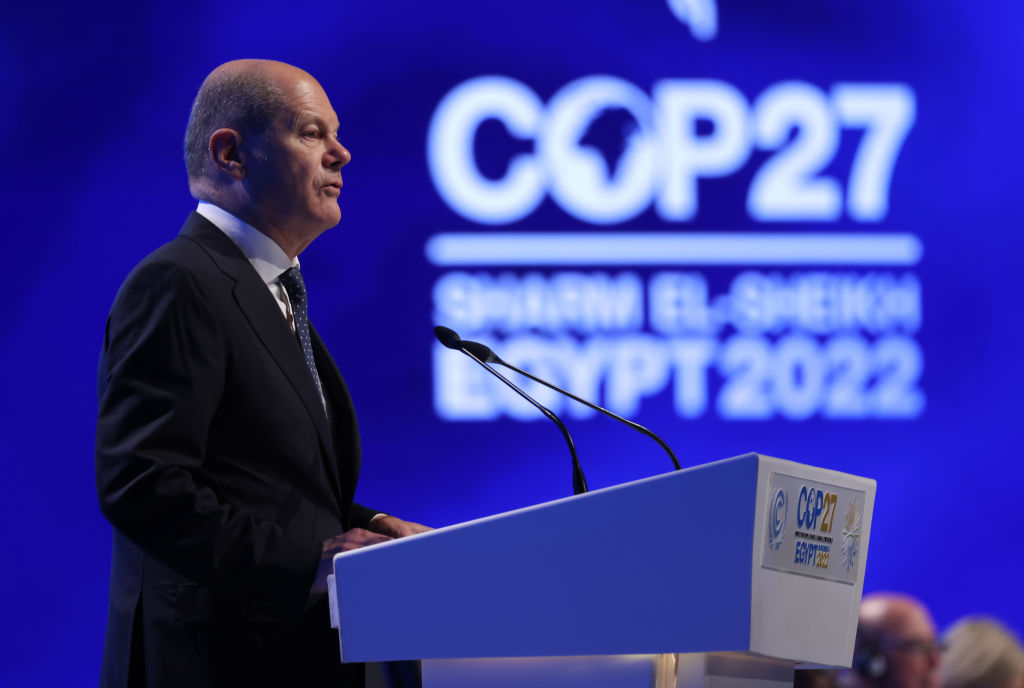
Dispatches from Sharm el-Sheikh: Reviewing COP27 from the MENA perspective
Participating in COP27 provided a unique opportunity to view the proceedings firsthand and evaluate the effectiveness of the meeting in advancing critical climate priorities that can alter the alarming trajectory of future climate change.
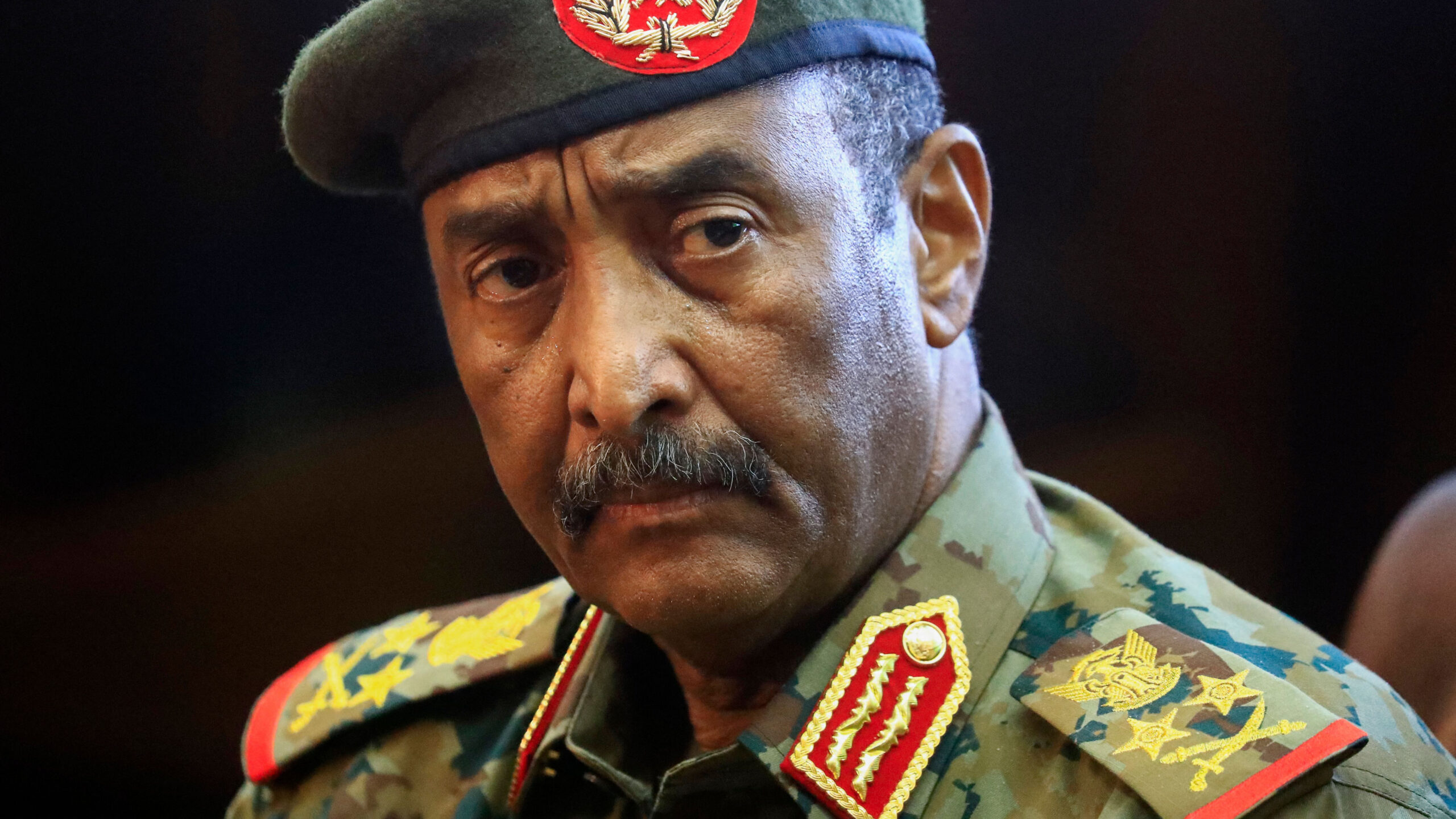
Sudan is geostrategically important to U.S. interests in both Africa and the Middle East. The country’s military rulers, Lt.-Gen. Abdel Fattah al-Burhan and his deputy Lt.-Gen. Mohamed Hamdan Dagalo (also known as “Hemedti”), are banking on that fact as they seek to press the Biden administration to focus its Sudan policy on stability, rather than supporting calls for democracy.