Skip to Content

Research & Commentary Results

Filter by
447 Results
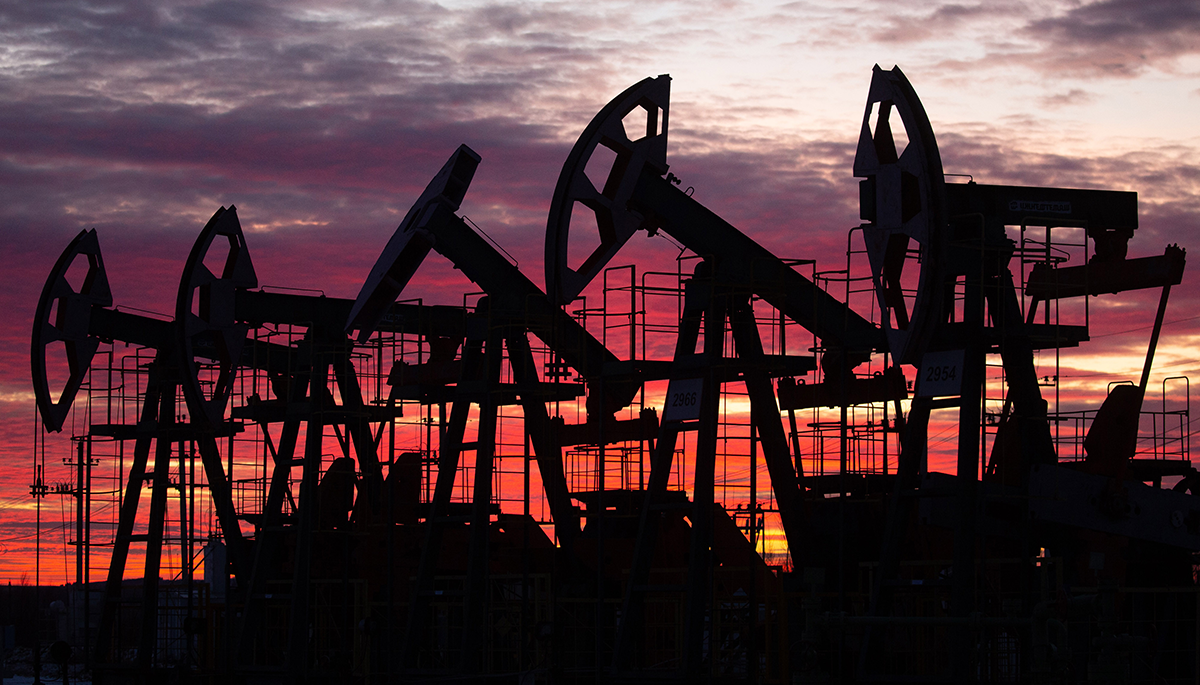
Energy Prospects in the Gulf: The Oil Price Ascent, in Brief
Photo by Simon Dawson/Bloomberg via Getty Images
  • Commentary
  • Energy Prospects in the Gulf: The Oil Price Ascent, in Brief

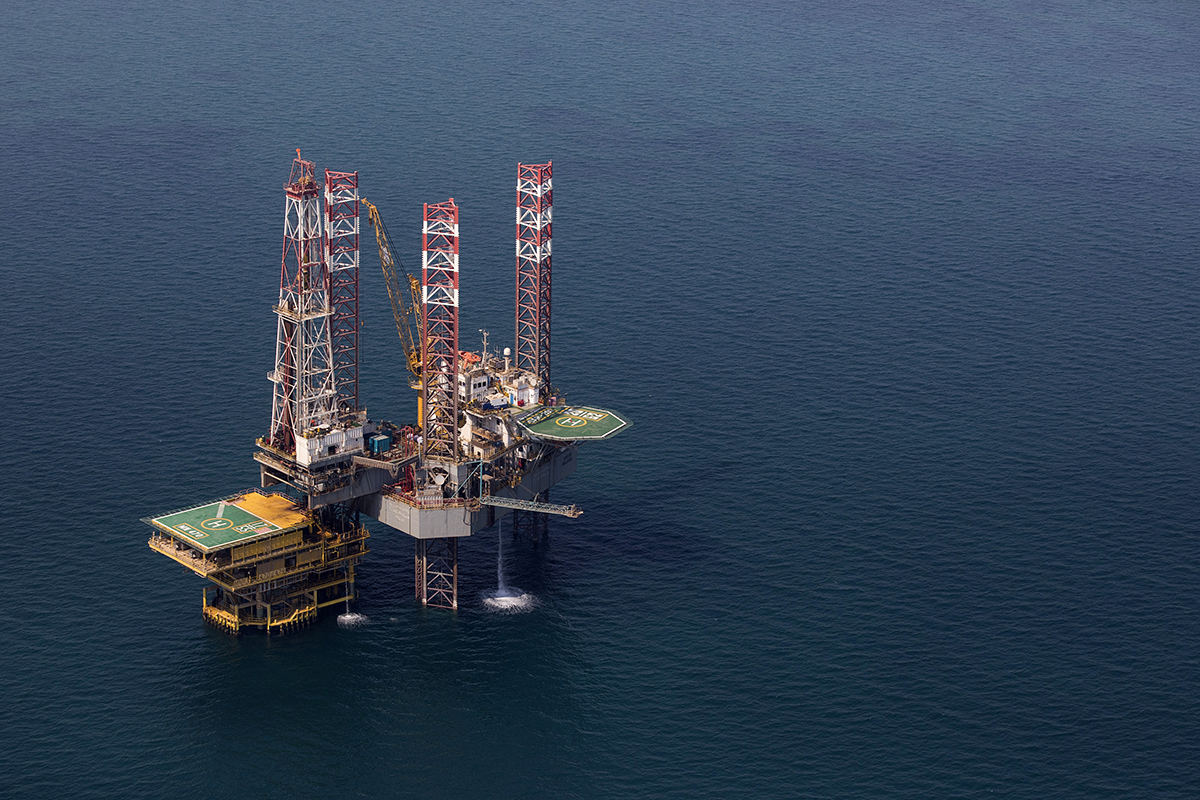
    While oil prices have rebounded before soaring since the depths of collapse in the spring of 2020 — with Brent crude prices skyrocketing from $19 per barrel in April 2020 to a three-year high of $86 per barrel in October 2021 — the prospects for a sustained high oil price for Gulf producers is unlikely.

    The existential challenge of Jordan’s unquenchable thirst
    Marcus Yam / Los Angeles Times via Getty Images
  • Analysis
  • The existential challenge of Jordan’s unquenchable thirst

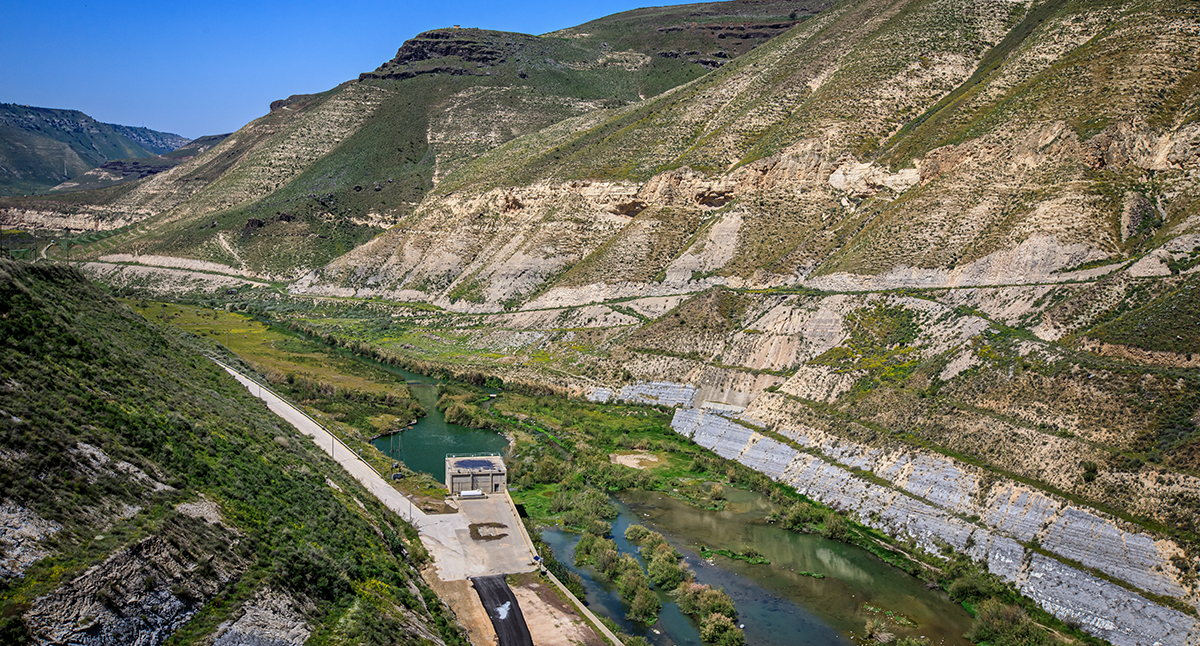
    Jordan is facing an existential challenge and it has nothing to do with the deadlocked Israeli-Palestinian peace process, the war in neighboring Syria, or the threat of militant Islamists. The challenge is climate change, which is responsible for poor rainy seasons over the past few years. The situation has become so bad that in the past few weeks the government admitted that six of the kingdom’s 14 active dams have now completely dried up, exacerbating endemic shortages of water used for drinking, irrigation, and industry.

    November 30, 2021

    OPEC+ faces new tests to its market balancing strategy in 2022
    Photo by Andrey Rudakov/Bloomberg via Getty Images
  • Analysis
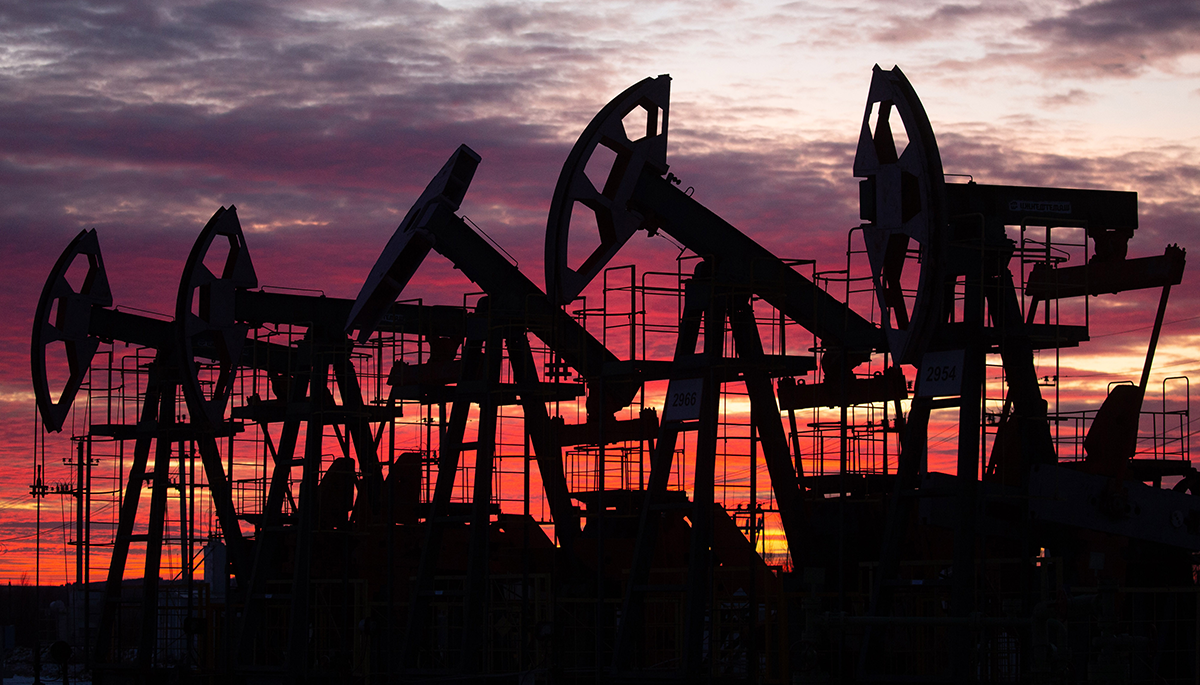
  • OPEC+ faces new tests to its market balancing strategy in 2022

    When President Joe Biden’s White House announced that it had successfully enlisted several major oil-consuming countries in an effort to coordinate releases from strategic petroleum reserves (SPRs) around the world, it looked like this would be the only major factor in oil markets that OPEC+ would need to consider at its upcoming meeting on Dec. 2. Then came Omicron. The newly discovered variant of the COVID-19 virus sent benchmark oil prices plunging on Nov. 26 as uncertainty over its impact roiled global markets.

    Observing COP26
    Middle East Institute
  • Podcast
  • Observing COP26

    Mohammed Mahmoud, director of MEI’s Climate and Water Program, and Abbey Krulik, who attended the recent United Nations Climate Change Conference, known as COP26, as an observer, discuss takeaways from the conference and the Glasgow Pact that was signed there.

    November 19, 2021

    The Fragile State of Food Security in the Maghreb: Implication of the 2021 Cereal Grains Crisis in Tunisia, Algeria, and Morocco
    Photo by FADEL SENNA/AFP via Getty Images.
  • Analysis
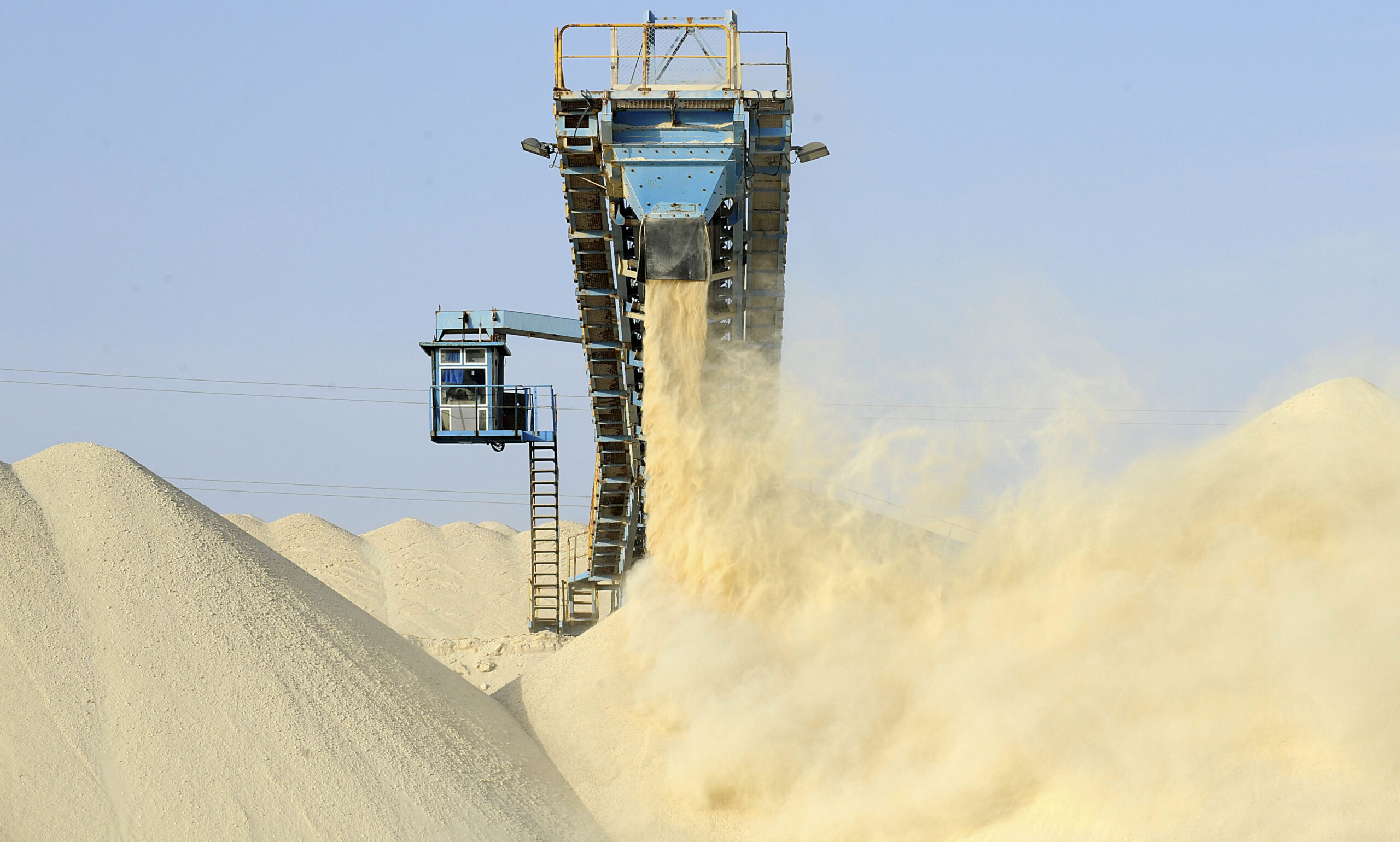
  • The Fragile State of Food Security in the Maghreb: Implication of the 2021 Cereal Grains Crisis in Tunisia, Algeria, and Morocco

    North Africa has entered a food security crisis. Tunisia, Algeria, and Morocco are witnessing food inflation levels not seen since the civil unrest of the Arab Spring a decade ago. Although the Maghreb’s current food crisis was precipitated by the local and global economic shocks brought on by the onset of the COVID-19 pandemic in 2020 and its 2021 aftermath, the structural fragility of the food systems in Tunisia, Algeria, and Morocco is responsible for severity of the problem. At the core of this fragility is the failure to implement adequate measures to address the impact of increased water scarcity and debilitating climate change.

    Cop26 ينطلق في غلاسكو
  • Commentary
  • Cop26 ينطلق في غلاسكو

    من 31 أكتوبر/تشرين الأول إلى 12 نوفمبر/تشرين الثاني، يجتمع عشرات الآلاف من قادة العالم والمفاوضين والعلماء ورجال الأعمال والنشطاء والمراقبين في غلاسكو باسكتلندا لحضور مؤتمر الأمم المتحدة السادس والعشرين لتغير المناخ. تُعرف هذه الهيئة المميزة أيضًا باسم مؤتمر الأطراف (COP)، وهي تجتمع سنويًا لاتخاذ قرارات بشأن تنفيذ اتفاقية الأمم المتحدة الإطارية بشأن تغير المناخ (UNFCCC).

    November 2, 2021

    Monday Briefing: COP26 kicks off in Glasgow
  • Commentary
  • Monday Briefing: COP26 kicks off in Glasgow

    Read MEI’s weekly briefing featuring expert analysis of key regional developments for the week ahead.

    November 1, 2021

    التطلع إلى COP26: كيف يمكن للتطورات الأخيرة أن تصيغ اجتماع هذا العام
  • Commentary
  • التطلع إلى COP26: كيف يمكن للتطورات الأخيرة أن تصيغ اجتماع هذا العام

    في الأسبوع المقبل، سيجتمع عشرات الآلاف من قادة العالم والمفاوضين والعلماء ورجال الأعمال والنشطاء والمراقبين من جميع أنحاء العالم في غلاسكو بإسكتلندا لحضور مؤتمر الأمم المتحدة السادس والعشرين لتغير المناخ، والذي سيستمر في الفترة من 31 أكتوبر/تشرين الأول إلى 12 نوفمبر/تشرين الثاني. المؤتمر المعروف أيضًا باسم مؤتمر الأطراف (COP)، تجتمع فيه هذه الهيئة المتميزة سنويًا لاتخاذ قرارات بشأن تنفيذ اتفاقية الأمم المتحدة الإطارية بشأن تغير المناخ (UNFCCC)، والتي تهدف إلى “منع تدخل الأنشطة البشرية في النظام المناخي”.

    November 1, 2021

    Expert Views: What should be the key outcomes from COP26?
    Photo by Hasan Esen/Anadolu Agency via Getty Images
  • Analysis
  • Expert Views: What should be the key outcomes from COP26?

    As the U.N. Climate Change Conference (COP26) kicks off in Glasgow, climate change is front and center on the global agenda. Few regions of the world have more at stake than the Middle East and North Africa, given the current environmental and sustainability challenges and potential future scenarios. Experts from across MEI weigh in with their thoughts on what should be the key outcomes from COP26.

    Looking ahead to COP26: How recent developments could shape this year’s meeting
    Ian Forsyth/Bloomberg via Getty Images
  • Analysis
  • Looking ahead to COP26: How recent developments could shape this year’s meeting

    Next week, tens of thousands of world leaders, negotiators, scientists, business executives, activists, and observers from all over will gather in Glasgow, Scotland for the 26th United Nations Climate Change Conference, which will run from Oct. 31 to Nov. 12. Also known as the Conference of the Parties (COP), this distinguished body meets annually to make decisions regarding the implementation of the United Nations Framework Convention on Climate Change (UNFCCC), which aims to “prevent anthropogenic interference with the climate system.”

    October 29, 2021

    Turkey finally ratified the Paris Agreement. Why now?
    Photo by Ali Balikci/Anadolu Agency via Getty Images
  • Analysis
  • Turkey finally ratified the Paris Agreement. Why now?

    Turkey, like many countries worldwide, has recently faced severe environmental events. Suffering from floods and the worst wildfires in its history in the summer of 2021, the country finally took an important step to tackle climate change, ratifying the Paris Agreement international treaty on climate change on Oct. 6, 2021.

    October 27, 2021

    A net-zero Saudi Arabia? Not so fast
    Photo by FAYEZ NURELDINE/AFP via Getty Images
  • Commentary
  • A net-zero Saudi Arabia? Not so fast

    The kingdom is unlikely to achieve net zero emissions soon, but the ambition to do so, and the plan, is an impactful step in the right direction, write Jim Krane and Karen E. Young in their new piece for Al-Monitor.

    The IPCC Sixth Assessment Report on Climate Change and what it means for the Middle East
    Photo by Ozkan Bilgin/Anadolu Agency via Getty Images
  • Analysis
  • The IPCC Sixth Assessment Report on Climate Change and what it means for the Middle East

    The Intergovernmental Panel on Climate Change (IPCC) released their Sixth Assessment Report on the Physical Science Basis of Climate Change in August of this year. This report brings together the latest advances in climate science, observations, paleoclimatology, and climate simulations to provide the most up-to-date physical science understanding of climate change. The report also describes the anthropogenic influence on the current state of climate and how future climate can distinctly affect different regions across the world.

    October 25, 2021

    Extreme Heat: The Urgent Climate Impact
    Photo by KHALED DESOUKI/AFP via Getty Images
  • Analysis
  • Extreme Heat: The Urgent Climate Impact

    The most immediate threat posed by climate change to the Middle East, one that will be in the forefront of climate adaptation efforts within the next five years, is extreme heat. Average global temperatures have been projected to increase up to 1.5°C by 2030.

    October 20, 2021