Will Erdogan’s Turkey Gain From the War in Ukraine?
The Russian invasion of Ukraine has opened up new opportunities for Turkey, but Erdogan should not overplay his hand.
To identify pathways to deal with demands for economic reform and volatility in resource revenue in Iraq, in November 2021 the Middle East Institute (MEI) and Iraq Policy Group (IPG) convened a high-level workshop on the side-lines of the American University of Kurdistan’s annual Middle East Peace and Security Forum. This report provides the insights and analyses of a select group of participants, and forms part of a series of forthcoming Iraq- and Gulf-focused reports and initiatives that MEI and IPG will be convening.
Since the launch of Vision 2030 six years ago, Saudi Arabia has made considerable progress in reducing the labor-cost gap between national and foreign workers in the private sector. While the total unemployment rate has declined recently among nationals, it remains high at 11%. Drawing on evidence from Bahrain’s experience with labor market reform, this can be significantly reduced through policies designed to bridge the cost gap between citizens and foreign labor in the private sector.
With its recent deepwater exploration success in the Black Sea and prominent geographic location for interregional hydrocarbon pipelines, Turkey can play a material role in shaping the geopolitical landscape today, especially in the natural gas sector. The country will face a strategic conundrum, whether to utilize newly discovered gas resources entirely for domestic needs and thereby reduce gas imports that come with political baggage as well as foreign currency expenditures, or export gas to capture foreign revenue that Ankara desperately needs.
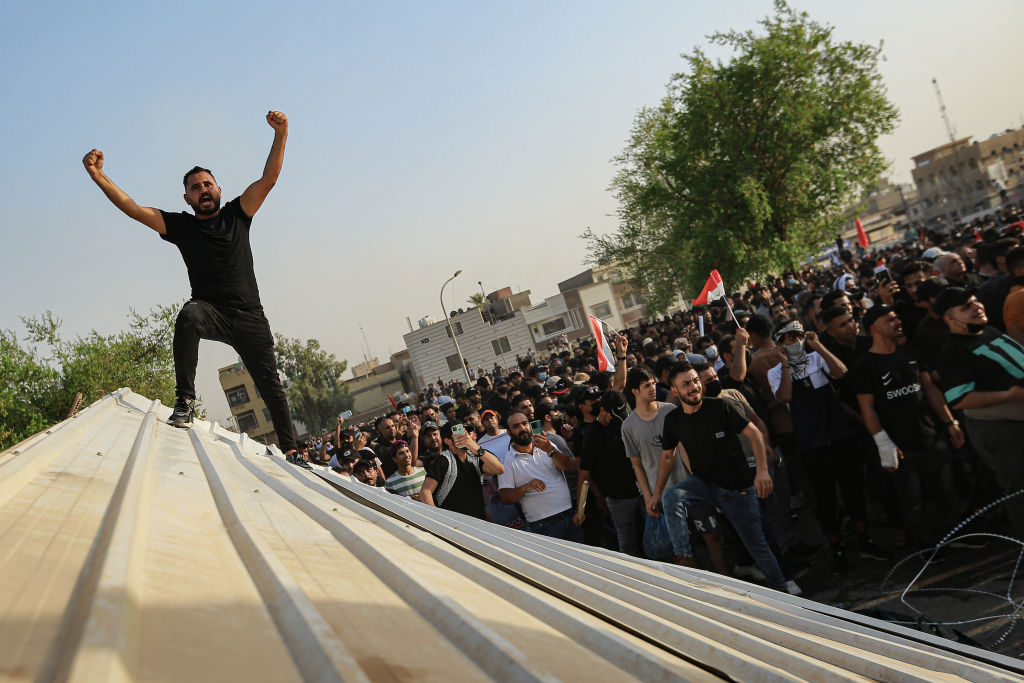
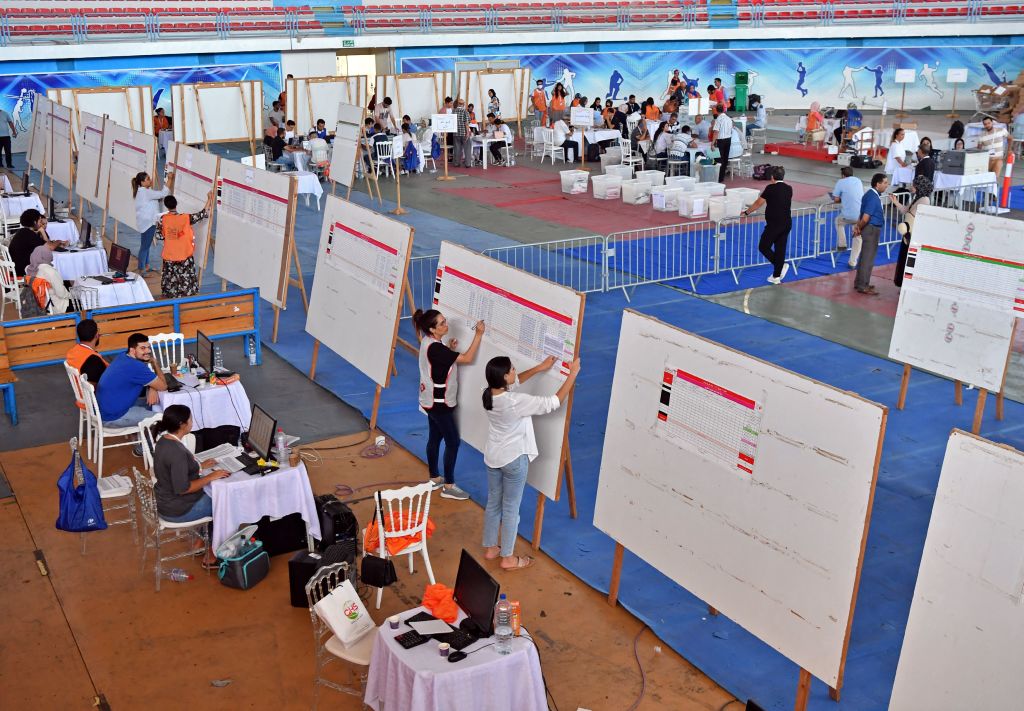
For Iraqis, two key events last week will shape the rest of this year, but hopefully not many more to come. First, on June 8 the divided parliament voted in surprising harmony to pass the so-called “Food Security and Development Bill,” a controversial piece of legislation with a $17 billion price tag. Second, this was followed, almost overnight on June 9, by a call from firebrand populist Shi’a cleric Muqtada al-Sadr to lawmakers loyal to his movement to “prepare their resignations.” On June 12, the 73 MPs of the Sadrist Movement tendered their resignations, and Iraq leapt even deeper into the void of political uncertainty.
After 100 days of war in Ukraine on Europe’s eastern flank, a critical new front has opened on Europe’s southern flank with the food crisis in Africa. As Europe faces a two-front, geo-economic war of attrition with Russia, Morocco’s plan to increase its fertilizer output by nearly 70% changes the strategic equation by countering Moscow’s ability to weaponize the food-energy nexus. In so doing, Morocco has demonstrated its increasing importance as a geopolitical partner for Europe and the United States in Sub-Saharan Africa.
The March 2022 elevation of the Turkey-Uzbekistan relationship to a “Comprehensive Strategic Partnership” provides the Ankara-led Organization of Turkic States with a new geopolitical heft. To preserve its autonomy in the face of Beijing’s growing regional dominance, Tashkent has turned to Ankara to act as a countervailing force in both economic and security affairs. Combined with the expanding Turkey-Pakistan strategic partnership, this makes Turkey a rising Eurasian agenda setter that will impact the strategic calculus of both Beijing and Washington.
Since the collapse of the Soviet Union, the South Caucasus has been unable to find a model for regional cooperation or form regional organizations. The relative calm that followed the Second Nagorno-Karabakh War, especially after the signing of the November 2020 cease-fire agreement, renewed hopes that this might change. Significant challenges to regional cooperation remain, however, and Russia’s war with Ukraine has only complicated matters further.
Read MEI’s weekly briefing featuring expert analysis of key regional developments for the week ahead.
The culmination of the Donbas battle is near. For the first time in this war, the pendulum starts swinging in Russia’s favor. By summer’s end, it’s possible that Moscow will fully secure its land bridge to Crimea. This would have catastrophic consequences.
After a hesitant beginning, the West has rallied to provide Ukraine the military assistance it needs to check Russian aggression. Longer-range rocket systems should be part of a comprehensive strategy.
One of the main long-term consequences of Russia’s invasion of Ukraine is the restructuring of export flows in the global oil market. This will have direct consequences for Middle Eastern players, forcing them to choose whether to compete with Russia and each other or continue to coordinate their efforts.
It is time for Western leaders to deal with Russia as it is and not as they want it to be. There is no room for them to back down now, as it will simply increase Putin’s appetite. The cost of providing a face-saving exit to Putin is much higher than that of his ultimate humiliation on the battlefield.
As Russia’s war in Ukraine continues, where things go from here is far from certain, but it is worth considering the range of possibilities. These three scenarios highlight the potential challenges and opportunities that Putin, Erdoğan, and, to a lesser degree, Zelenskyy may face depending on how the conflict plays out, as well as what is at stake for other countries in the Black Sea region.
As Russia’s war on Ukraine keeps oil and gas prices high, Algeria’s regime is replenishing its financial reserves after years of depleting them. This renewed budgetary space will make it easier for the government to deal with any hint of popular discontent. But rather than going back to splurging on new salary increases or other forms of accelerated rent distribution as it has done in the past, the regime seems to be adopting a more cautious approach this time around.