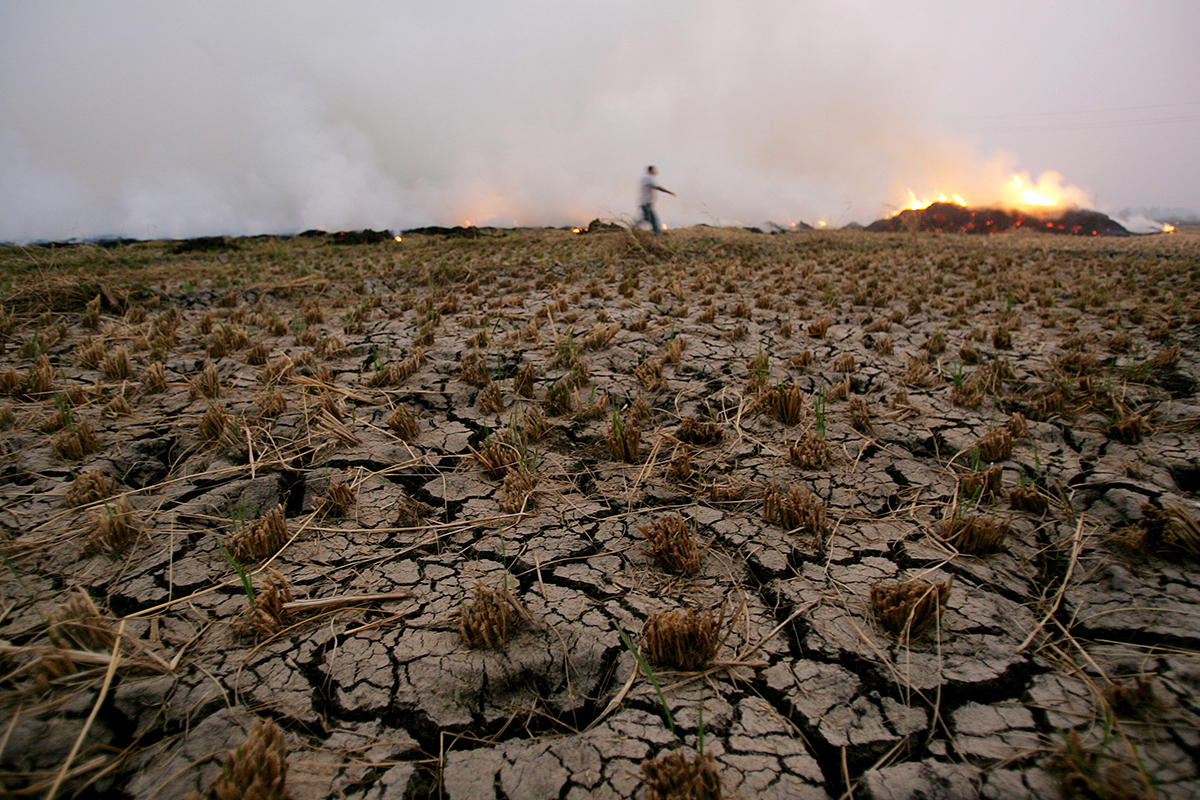
The most immediate threat posed by climate change to the Middle East, one that will be in the forefront of climate adaptation efforts within the next five years, is extreme heat. Average global temperatures have been projected to increase up to 1.5°C by 2030.
A Window of Opportunity to Avoid Devastating Climate Outcomes in MENA
The latest study released by the Intergovernmental Panel on Climate Change — a body of scientists assembled by the United Nations — delivered a sobering message: The devastating impacts of climate change are now unavoidable.
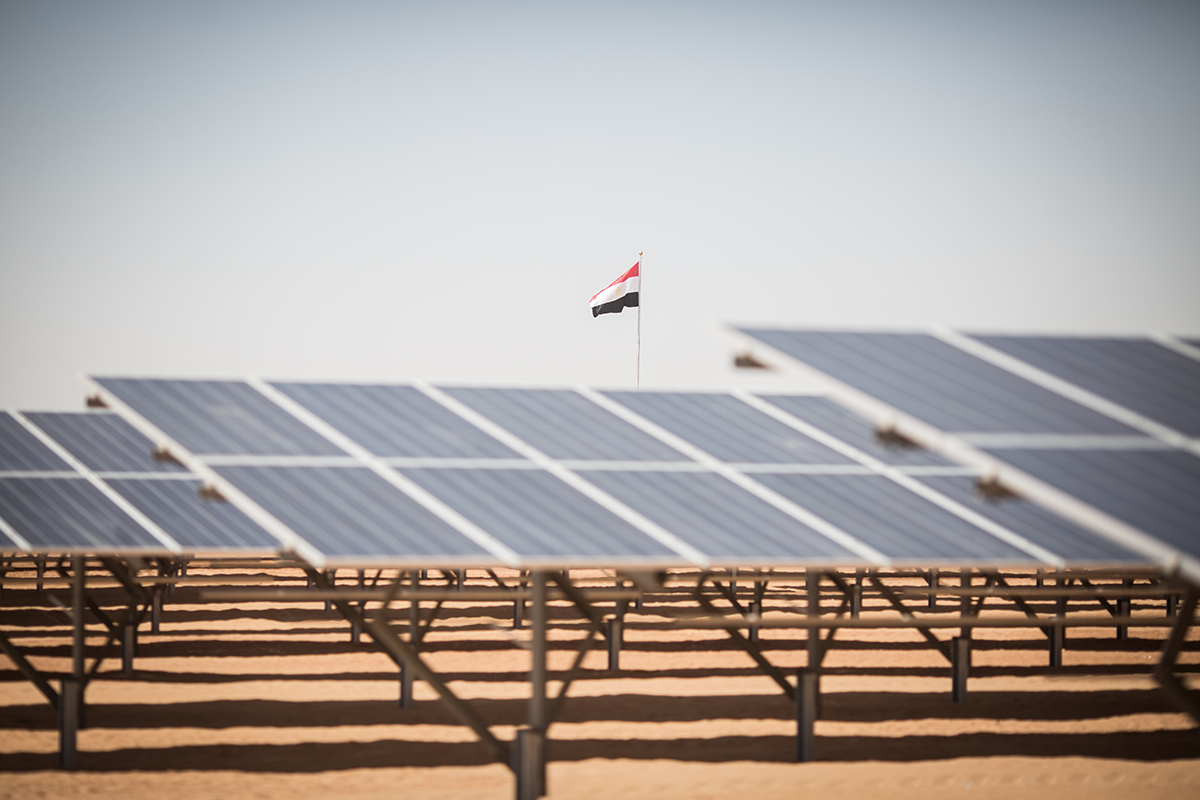
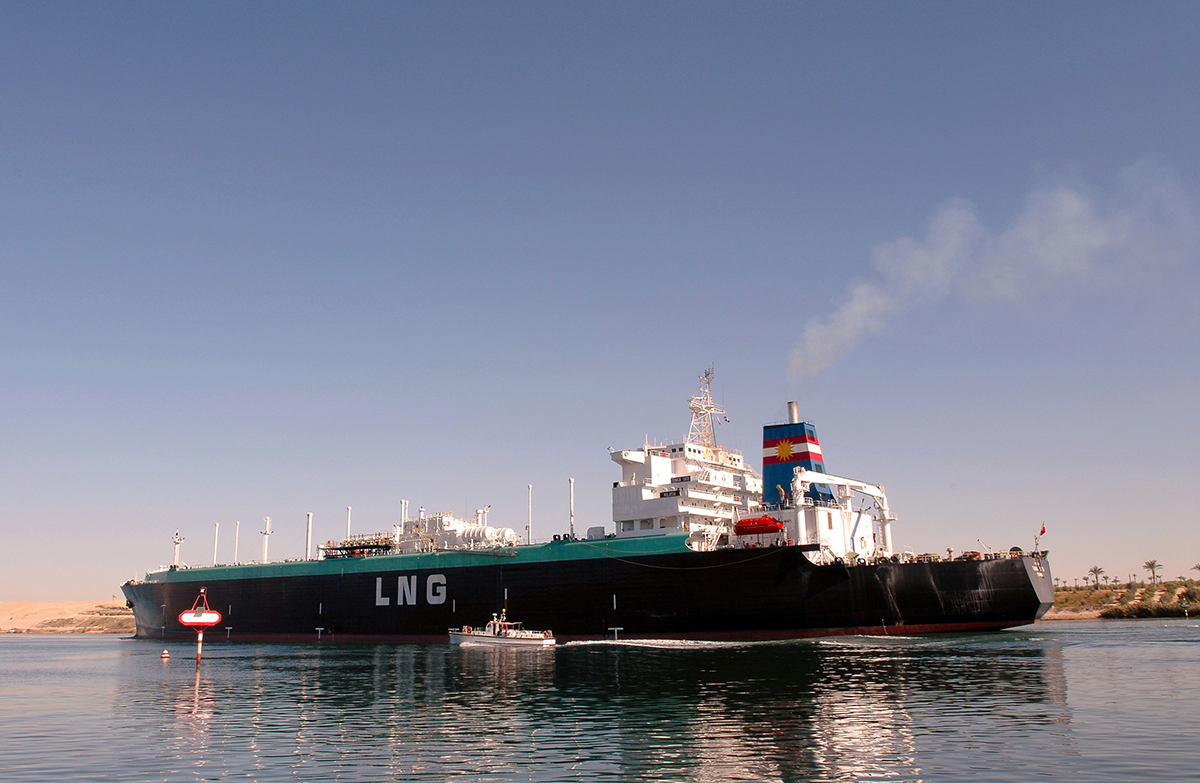
The Middle East is at the center of our global energy transition and we can expect the next five to ten years to be a period of difficult transformation, but also unique opportunity for oil and gas producers.
Building Forward Better in the Middle East and North Africa: A Medium-Term Perspective
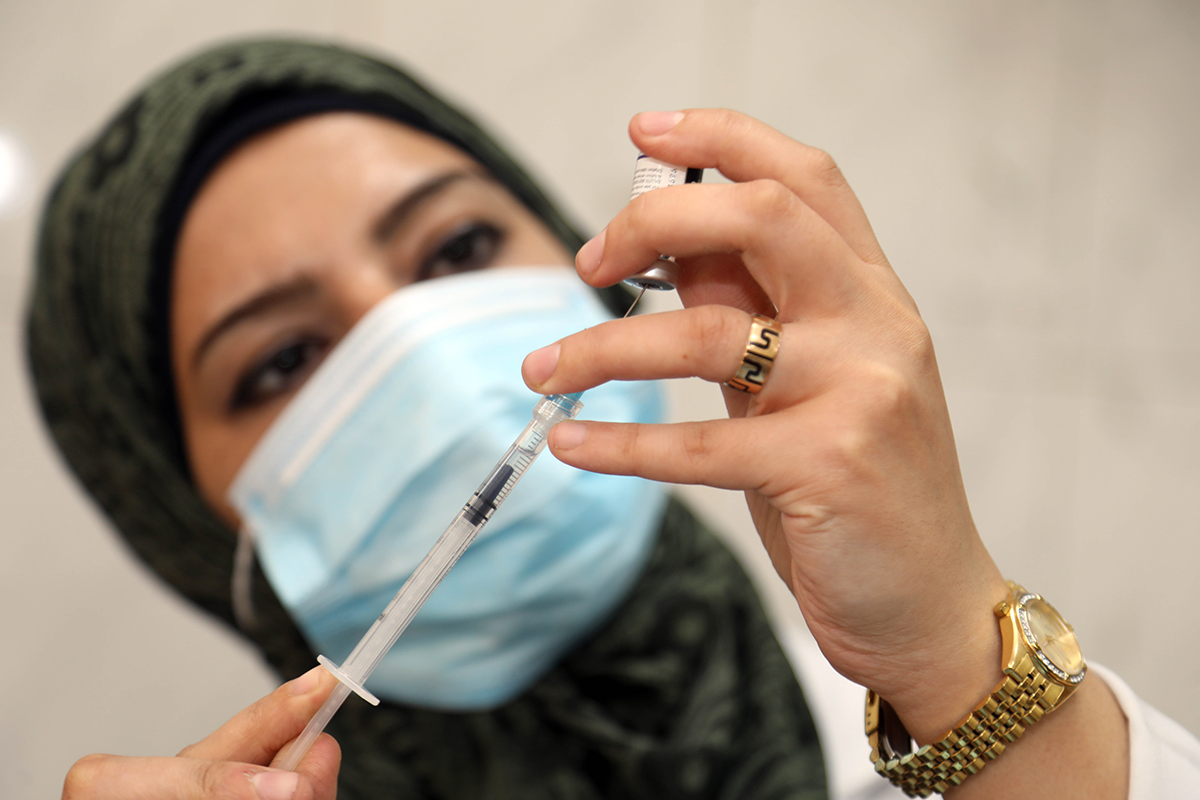
The strong and coordinated policy actions to save lives and support the recovery in Middle East and North Africa (MENA) region will hopefully put the health crisis behind us in a few years. Meanwhile, this crisis has posed major challenges to the region’s economies that have embarked on a long and divergent path to recovery and highlighted the limitations of the current growth model. But it also provides a rare opportunity in the quest to move to a new development model to enhance growth and accelerate the transition toward a more sustainable and inclusive path.
Not unlike during the lost decade of the 1980s, all Arab states are, to various degrees, in some form of deep crisis: weakened by fiscal deficits, losing their capacity to deliver services, unable to tax fragile economies, and facing the threat of social unrest. COVID-19 has revealed most of these weaknesses further.
The Political Economy of Reform in Post-COVID MENA
Everybody wants development, nobody wants to change. This adage, variants of which have been attributed to many authors, is certainly true for the Middle East and North Africa (MENA).
Although foresight on the Middle East and North Africa (MENA) is having a heyday today, this was far from always the case. A survey shows that in the early 2000s, a mere 14 foresight studies on the region came out — more than half of which were undertaken in the United States, and a quarter in Europe.
The world is changing and priorities are changing with it. The 2020 global pandemic has reshaped our evaluation of risks and rewards. The capacity of governments to manage crises and safeguard the well-being of populations has become the new metric by which citizens measure their success. The potential for global phenomena outside the management capacity of any governing institution to produce political and economic upheaval has become a reality.
The Future of Regional and International Dynamics in the Middle East
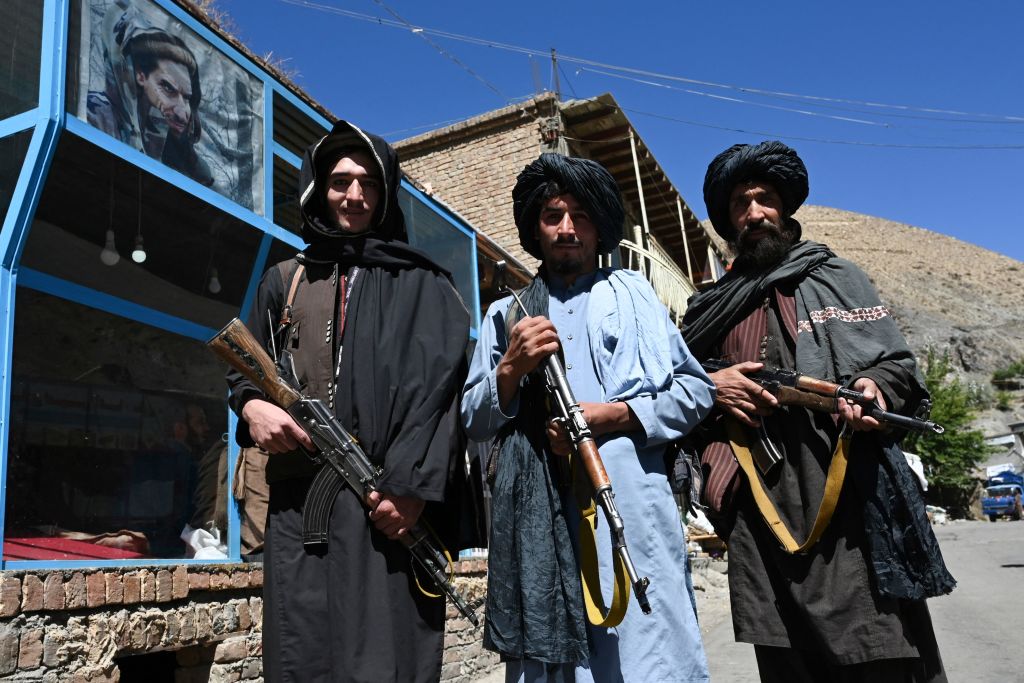
Amid the troubling imagery of a Taliban victory in Afghanistan, teetering governments in Lebanon and Iraq, and ongoing civil wars in Syria, Yemen, and Libya, it is hard to defend the view that the future of the Middle East will be better than the present. Pessimism about the region’s future has become accepted as a truism among those of us who observe and analyze this troubled part of the world. But pessimistic projections that the region will remain mired in its current state of turmoil cloud our ability to properly analyze the future as much as, or even more than, naïve and gratuitous optimism.
How digital rights are key to protecting Afghans under the Taliban
Like the rest of the world during the past 20 years, Afghanistan has lived much of its life online and via networked technology; a multifaceted understanding of how digital rights are foundational to protecting Afghans in the face of an uncertain future must be key to any humanitarian or policy strategy undertaken by the U.S. or the international community.
Thinking MENA Futures: The Next Five Years and Beyond
The Middle East and North Africa (MENA), for a variety of reasons, are unrivaled in their need for bold, creative thinking about their future. But that is precisely why creative thinking about the future of the region — why strategic foresight — is essential. Produced in conjunction with MEI’s Strategic Foresight Initiative, Thinking MENA Futures aims to map out some of the possible futures for the region, as envisioned by thoughtful innovators working today to realize them.
الجدل المستمر (والمبالغ فيه إلى حد كبير) حول قرار أعضاء الكونغرس التقدميين بإعاقة إدراج مليار دولار في التمويل الإضافي لنظام الدفاع الصاروخي الإسرائيلي المسمى بالقبة الحديدية، إلى جانب الـ 3.8 مليار دولار من المساعدات العسكرية الأمريكية التي تتلقاها إسرائيل بالفعل، كشف عن تصدعات في داخل الحزب الديمقراطي وكذلك عن مدى إمكانية إجراء نقاش حقيقي حول القضايا المتعلقة بإسرائيل/فلسطين في واشنطن.
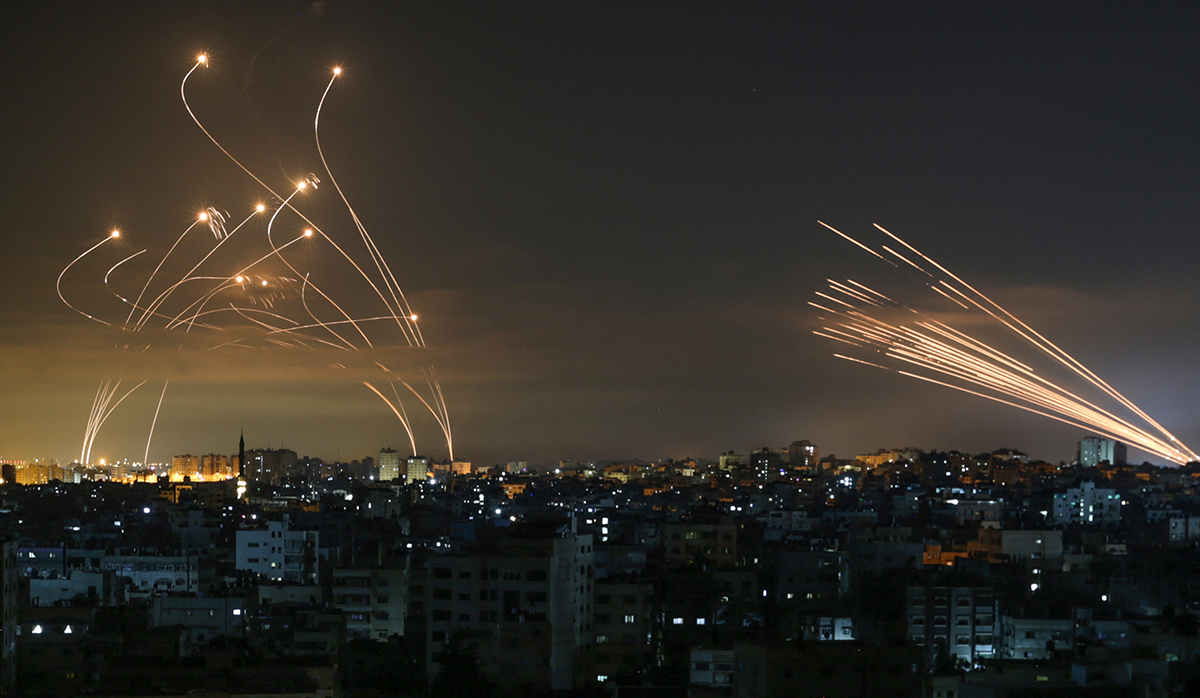
While much of the discourse surrounding the Iron Dome controversy is mired in hysterics and hyperbole, some have put forward a more rational case for providing additional funding for it. One of the standard arguments advanced in recent days is that Iron Dome is crucial not only for saving Israeli lives but is equally important (perhaps even more so) for saving Palestinian lives. This claim has been echoed by numerous American and Israeli analysts and even Members of Congress, and seems to have been accepted by a number of journalists as well. But is it actually true?