The Kurdish PYD & the Challenge of Rebuilding a Syrian State
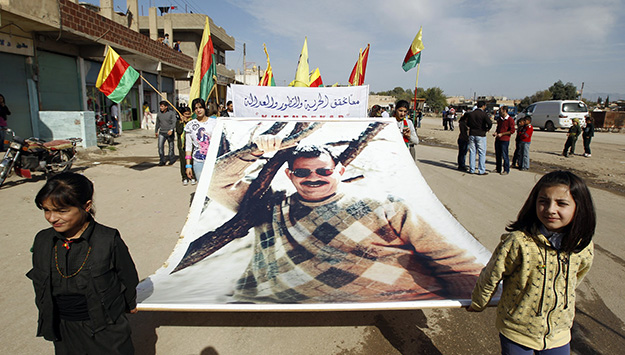
The United States’ unprecedented close air combat support to the PYD, a Syrian Kurdish political party and its associated militia, has helped the PYD drive back the Islamic State’s forces from a long strip along the Turkish border, handing ISIS its greatest defeat in Syria to date. The airstrikes have also enabled the PYD to consolidate its hold on Syrian Kurdish territories, and it has launched an ambitious autonomous governance project creating new administrations to manage local affairs.
Donor Challenges and Opportunities for Meeting the Health Needs of Conflict-Affected Communities
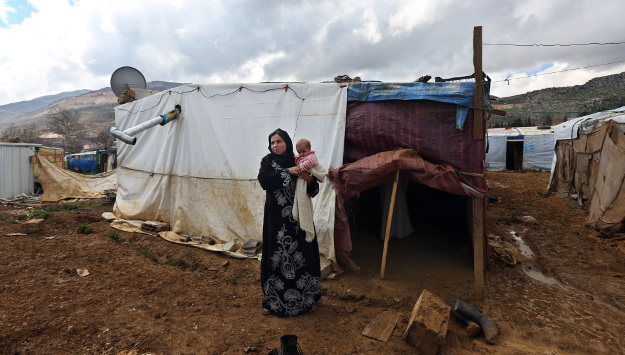
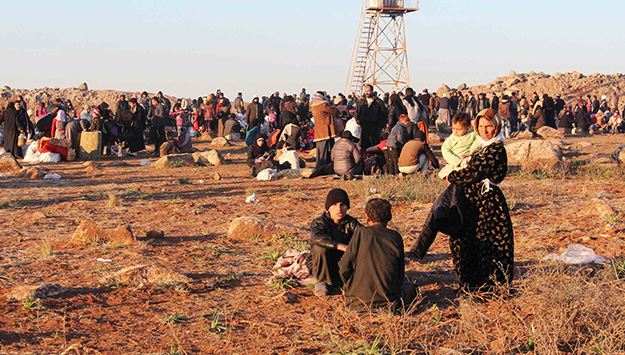
Conflicts in the Middle East, especially the Syrian conflict, are stretching the humanitarian community more than ever before. There are almost 60 million displaced people around the world, the largest exodus in recorded history; nearly a quarter of whom are from the Middle East, with 20% from the Syrian conflict alone. As the region generating the most displacement and the host to the largest number of displaced persons, the Middle East presents unique challenges for the international community, including donors like us at USAID.
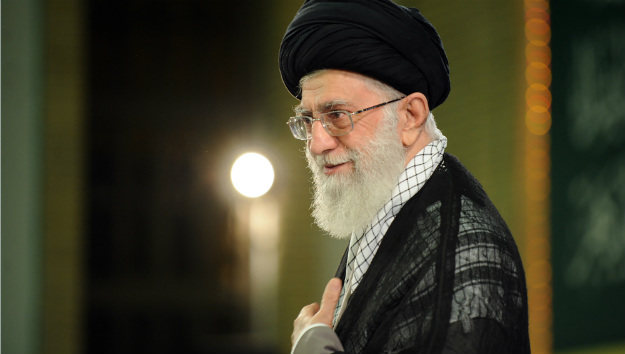
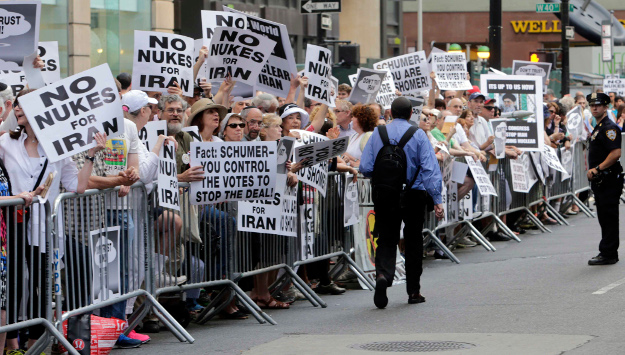
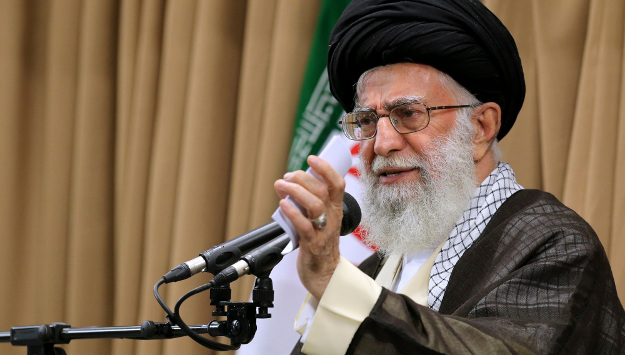
In the United States the nuclear deal with Iran has become a political football of historic proportions, but that hasn’t been the case in Iran. Why not? Most likely it is because for Iran’s Supreme Leader, Ayatollah Ali Khamenei, there is no viable alternative to the Joint Comprehensive Plan of Action (JCPOA). It’s a choice between a deal with the world community or more isolation and economic pain, as well as the social-political uncertainty at home that could come with it.
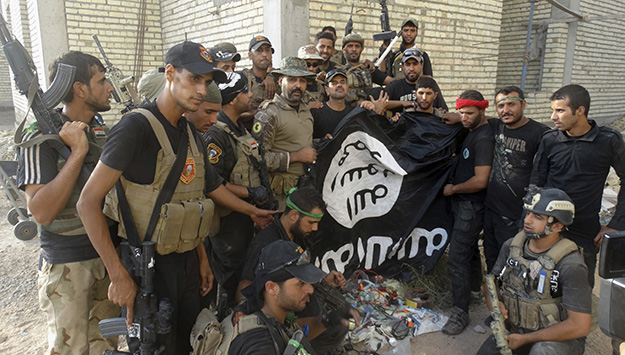
If the hallmark of al-Qa‘ida was to execute simultaneous spectacular attacks to advance its strategic momentum, the month of Ramadan in June and July showed that the Islamic State (ISIS) is taking this tactic to a new level. Yet the extreme amounts of blood shed during the holy month will likely ultimately weaken ISIS, as tribes and other groups in Syria and Iraq, even more appalled by the organization’s barbarism, unite against it.
The Middle East Dialogue on New Political and Security Dynamics Shaping the Arab Region met in Beirut May 30-31 to consider the situation in Syria, which has deteriorated further since the last meeting of the Dialogue in Berlin last December. Violence has risen, government-controlled territory has been lost to both opposition and extremist forces, Syrians are suffering and the Syrian government is reaching the limits of its military and civilian capabilities.
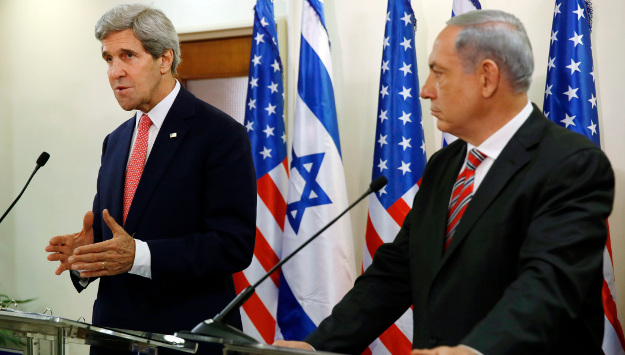
Here are some criticisms of the Iran deal that contain at least a kernel of truth; they are worth addressing for the sake of clarifying some of the arguments pro and con.
“What’s going to happen to the Syrian refugees?” This was the question I asked of everyone I met during a recent trip to Lebanon and Turkey to research Syrian displacement. Without exception, those I asked—government and UN officials, academics, business and NGO representatives, Syrian diaspora groups, and Syrian refugees—responded with the same answer: “I don’t know” (or sometimes “‘God only knows”). When pressed, almost everyone said that the war in Syria would continue for the foreseeable future and that more people would likely leave or try to leave.
Probably the most important group fighting the Syrian regime now is Ahrar al-Sham (Free Men of the Levant), a Salafi group fighting mainly in the north but also in central and southern Syria. Contrary to Western reports suggesting that the al-Qa‘ida-linked Nusra Front led the battle to capture the northwestern Syrian provincial capital of Idlib last March, Ahrar had more fighters in the battle—a fact demonstrated by its predominance in the subsequent military oversight council established for Idlib.
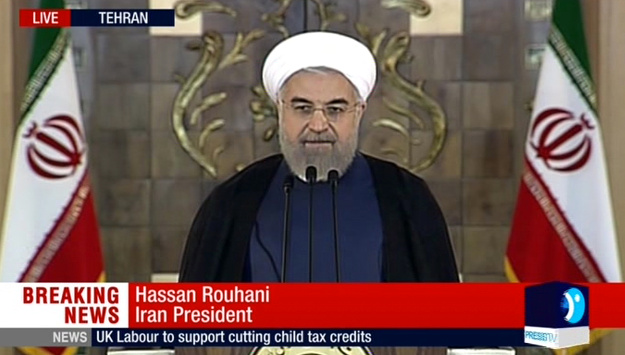
The Iran nuclear deal has only one big surprise: it is consistent with the April 2 “parameters” that preceded it and contains no surprises. No one caved. Nothing got walked back.
Iran Nuclear Deal: A Platform for Future Cooperation?
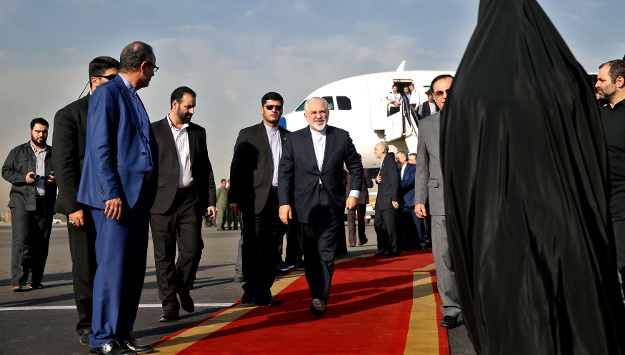
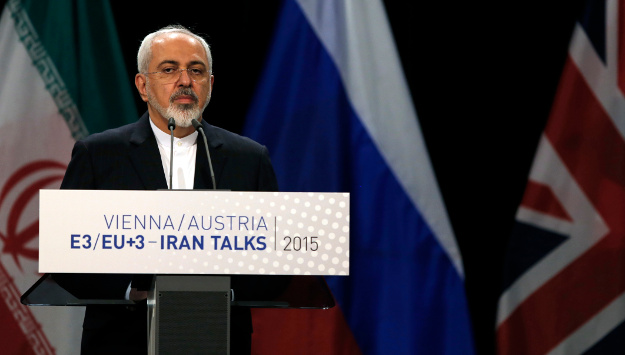
MEI interviewed Senior Fellow Alex Vatanka about the historic nuclear agreement between Iran and the P5+1 that was reached on July 14, 2015, and how it may impact regional dynamics and the long-term relationship between Iran and the West.
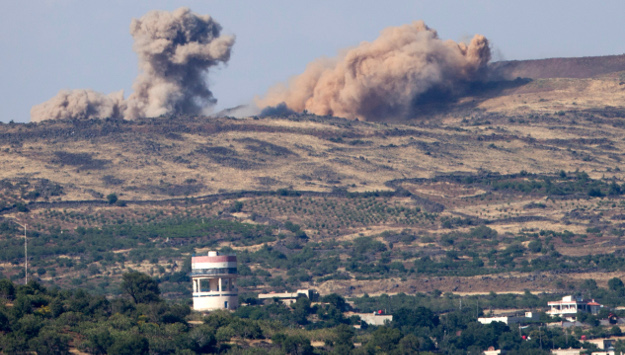
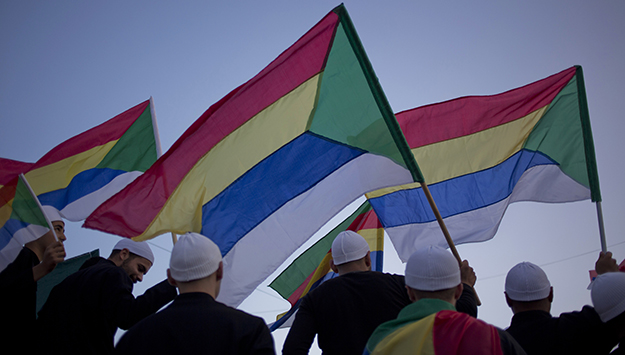
In the last few weeks, the Syrian Druze have been a focal point in significant fighting on the ground. If their role in the fighting continues, or even if it changes, the Druze will likely have a profound impact on the trajectory of the Syrian conflict.