The US Cyber Workforce and Education Strategy: A blueprint for building cyber talent in the Gulf
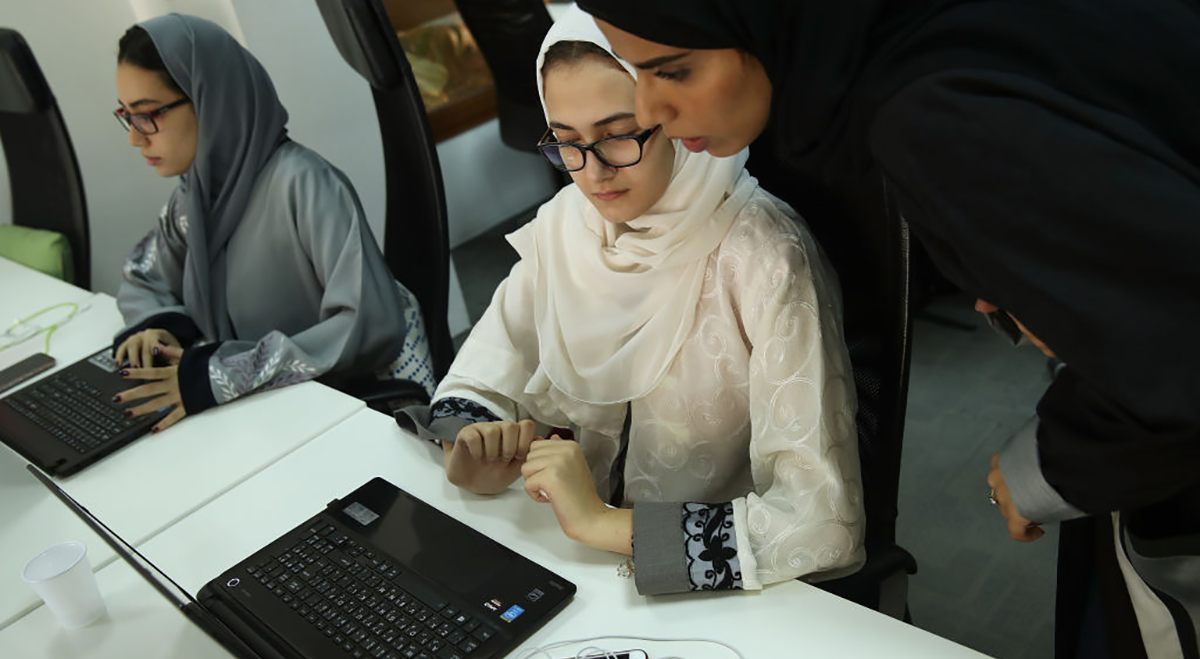
In July 2023, the White House released the National Cyber Workforce and Education Strategy. The strategy is designed to address the cybersecurity workforce shortage by emphasizing skills-based hiring and lifelong learning. It also provides guidance for other nations, particularly in the Gulf region, as they undergo their own digital transformation and work toward gender equality in their workforces.
Treading Cautiously on Shifting Sands: An Assessment of Biden’s Middle East Policy Approach, 2021-2023
This report provides an interim assessment of the Biden administration’s overall Middle East strategy and examines the strategic opportunities and risks for U.S. policy in the broader region.
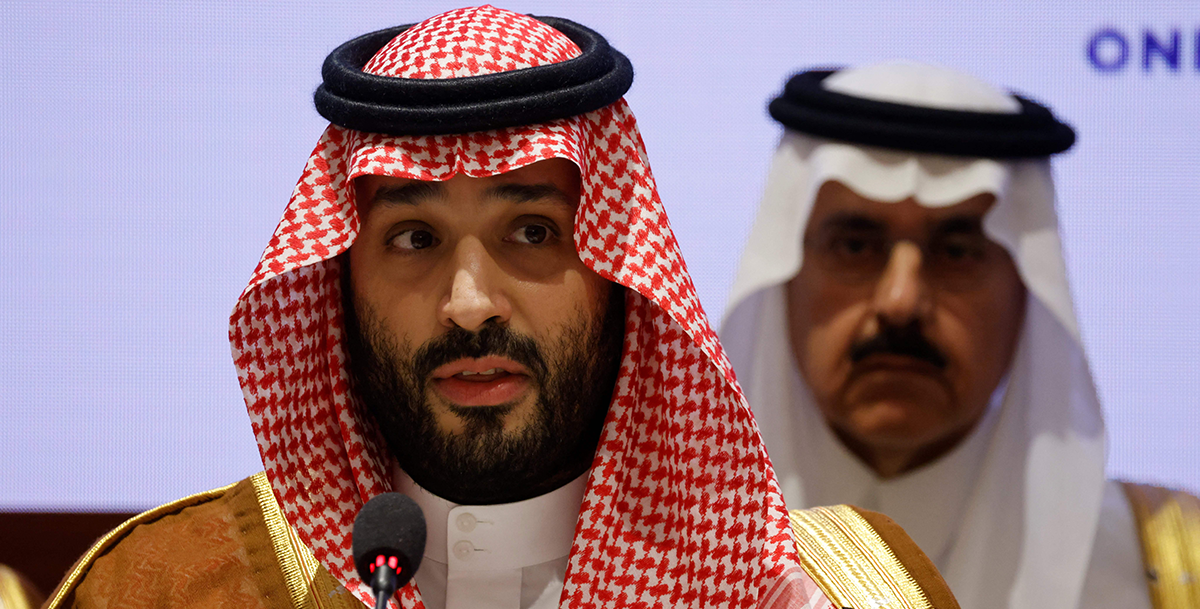
Key takeaways from Mohammed bin Salman’s Fox interview
Saudi Crown Prince Mohamed bin Salman’s interview on Wednesday night with Bret Baier of Fox News didn’t break news or produce controversy. But that wasn’t the point of his appearance on one of America’s top networks.
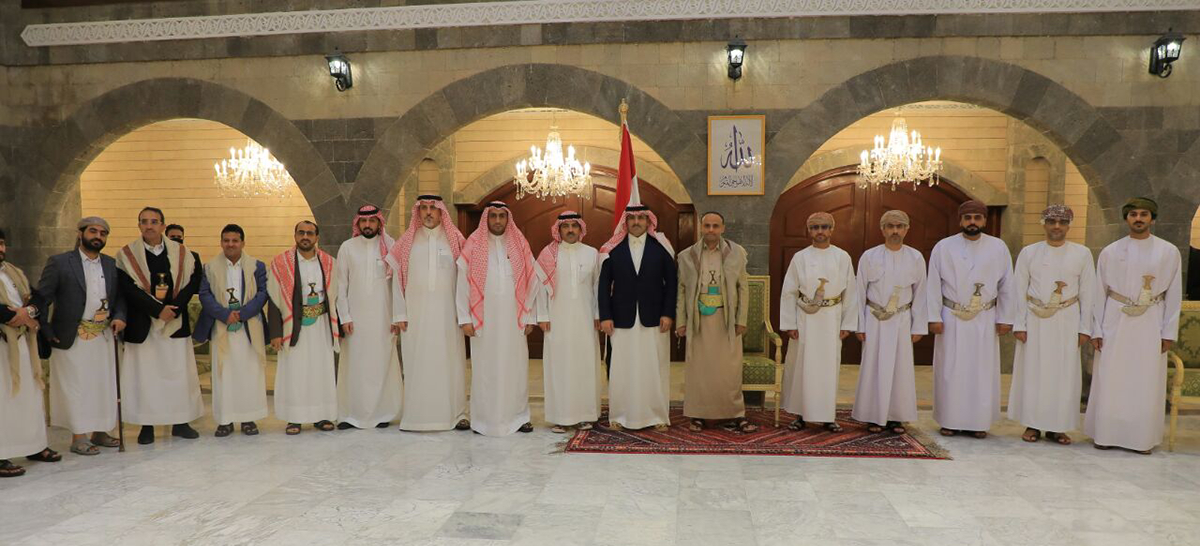
The war next door: Omani foreign policy toward Yemen
Over the past decade of turmoil, conflict, and external military intervention in Yemen, Oman’s foreign policy has emerged as the Gulf exception. Muscat has pursued a unique role, driven by both pragmatic concern and opportunity. It has harnessed its relations with most of the actors involved, including armed non-state actors, and sought to access new economic opportunities as part of its policies of strategic hedging, omni-balancing, and undeclared alignment.
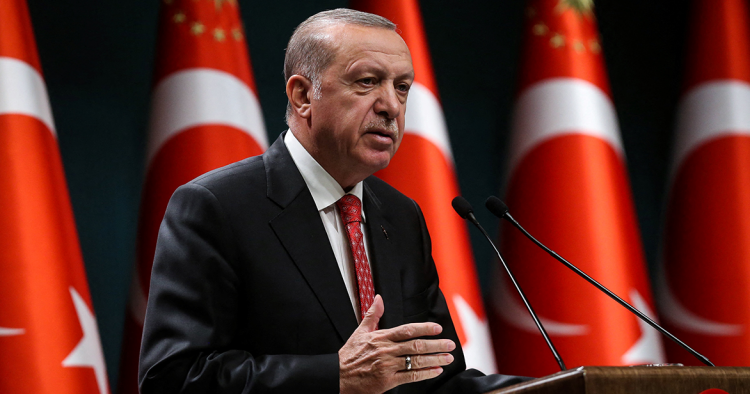
Autocracy not reform remains Erdoğan’s recipe for Turkey
Since Turkey’s presidential election in May, western analysts have held out hope that Recep Tayyip Erdoğan will moderate his strongman style of rule. Feeding their optimism are several steps Erdoğan has taken, including appointing market-friendly technocrats to his economic team, replacing the hardline interior minister, dialling down anti-western rhetoric and voicing support for Sweden’s Nato membership. All these moves, however, are aimed at strengthening Erdoğan’s one-man rule, and the west is helping him.
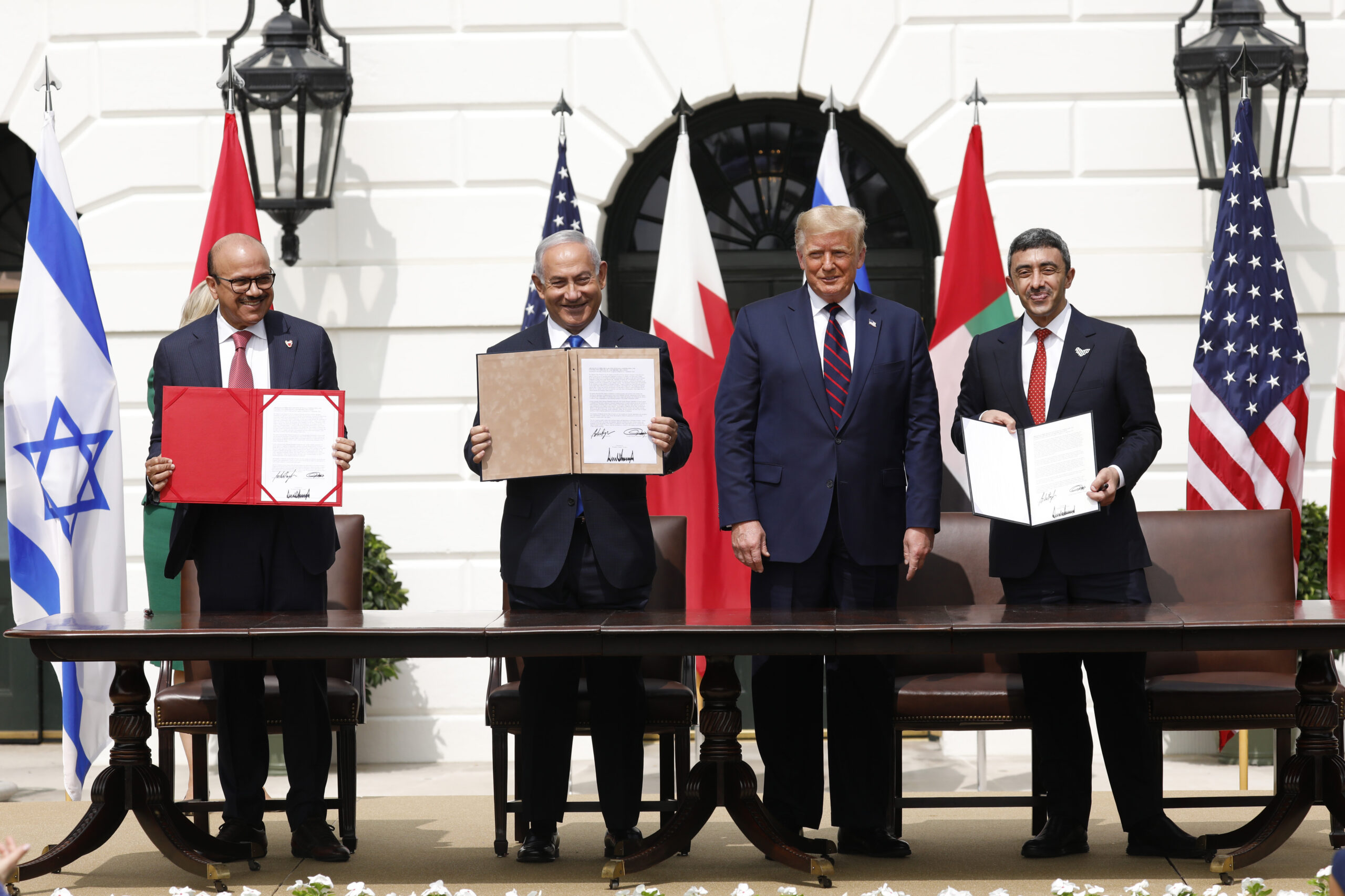
As the original Abraham Accords signatories — Israel, the United Arab Emirates, and Bahrain — observe the third anniversary of their September 2020 agreement, there is a sufficient basis to evaluate whether the Abraham Accords are real, hype, or something in-between. Much like the case a year ago, the results so far remain mixed.
From normalization to non-aggression: The next step in Iran-Saudi ties
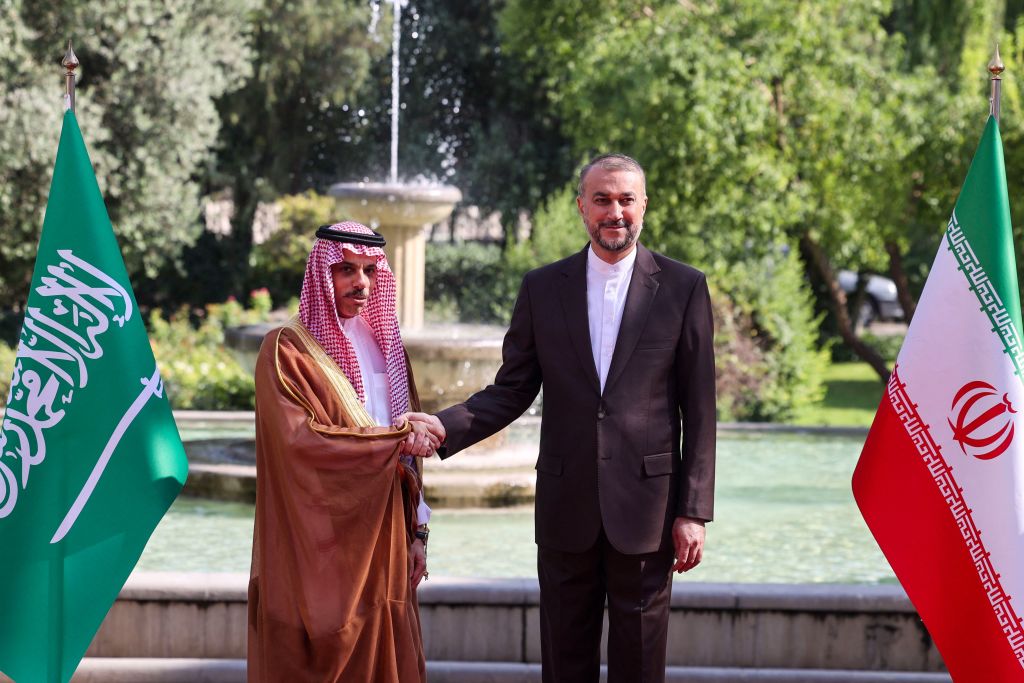
The groundbreaking March 2023 normalization deal between Saudi Arabia and Iran could potentially reshape the political landscape of the Middle East. It has already paved the way for de-securitization and the resumption of diplomatic relations. However, critical security issues remain unresolved, casting doubt on the long-term sustainability of the process. Capitalizing on this rare opportunity, Riyadh and Tehran should move forward to finalize a comprehensive non-aggression pact as the foundation for their future security relations.
Russia’s aggressive behavior in the Black Sea can be challenged
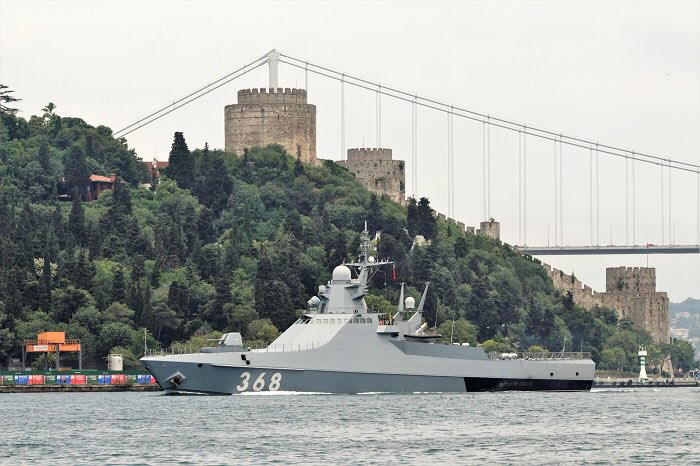
Russia’s malign behavior in the Black Sea includes piracy, plunder, petroleum price cap violations, and actions to prevent the free transit of foreign commercial and naval vessels. Its largely unchallenged position in the Black Sea also helps Russia maintain access to foreign-made products and components, circumventing sanctions. The West and the broader international community have yet to act to decisively rein in these flagrant violations of international laws and norms.
Hydrogen as a fuel of the future: Moving the GCC’s climate mitigation agenda forward
Hydrogen has been touted as an energy solution for the future and a leading mitigation technology against climate change. Among the states of the GCC, it has come to be seen as central to their energy transition strategy and a means to retain the region’s hegemonic position within global energy relations.
Can oil and water mix?: Creating opportunities for Iraq-Turkey cooperation
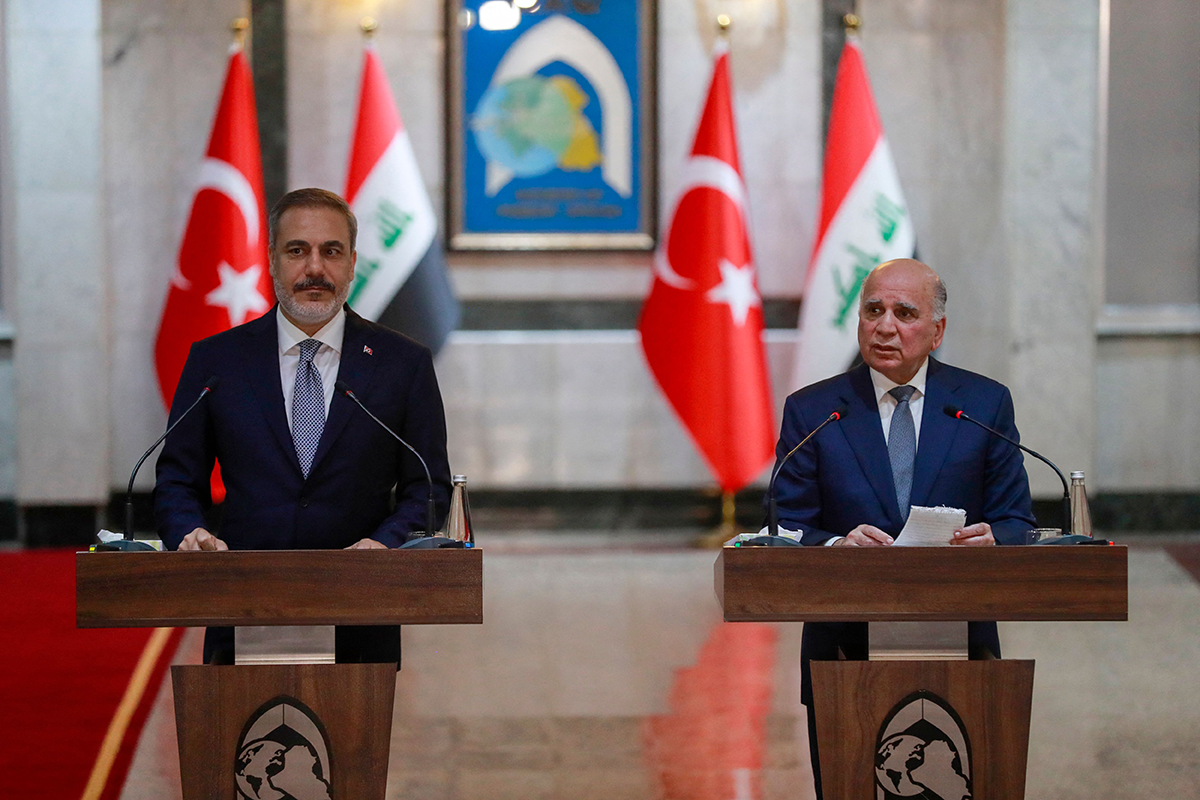
Last week saw a flurry of diplomatic activity between Baghdad and Ankara. The top priorities in the talks were oil exports, the presence of the PKK in Iraq, and Iraq’s water crisis. The outcomes have been unimpressive, but there is an opportunity for Iraq to shake things up and improve its bargaining position, at least on the oil export issue, possibly more.
Putting Egypt-Turkey relations on a sustainable footing
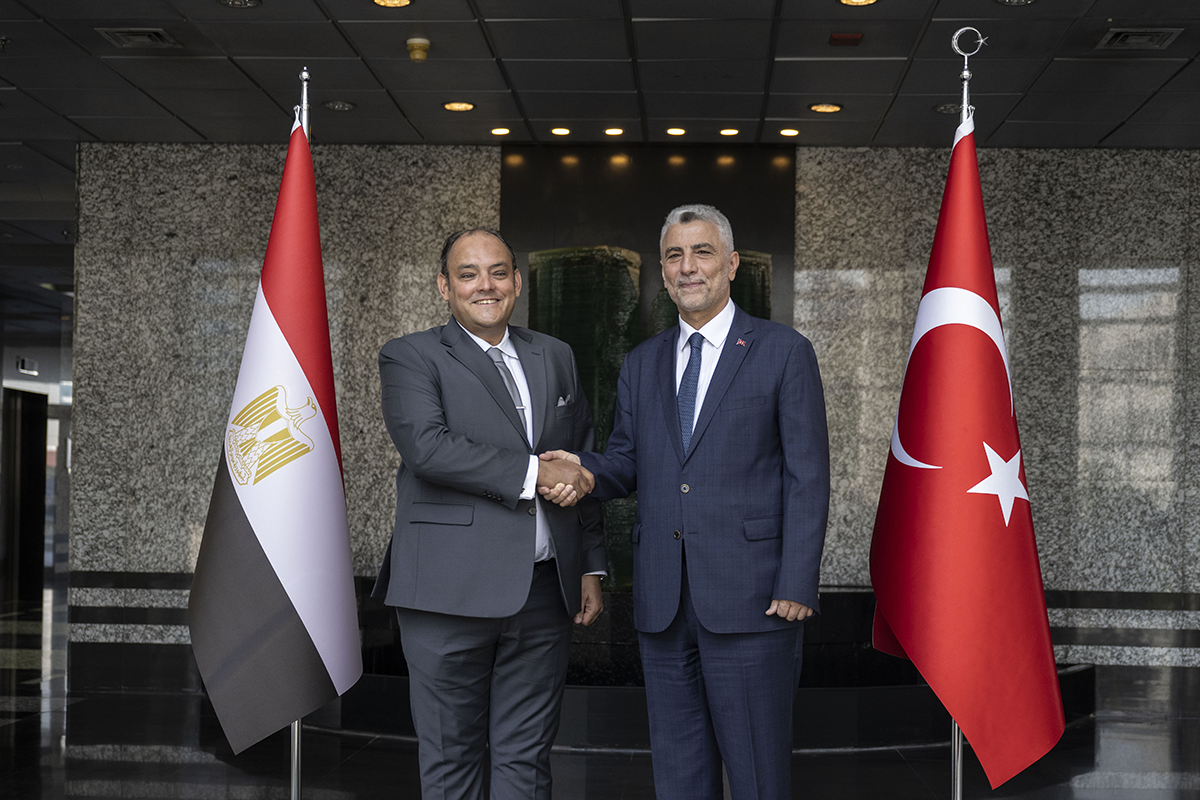
Turkey and Egypt, two influential regional players with a complex history of cooperation and conflict, are now working on mending their ruptured ties. As officials navigate this process, it is essential to identify practical steps to capitalize on the diplomatic breakthrough. Sustainable peace can only be ensured by shifting the focus from political ideology to shared interests. One way to do that is by creating an inclusive, multi-track process that involves state institutions, businesses, NGOs, academics, and the grassroots.
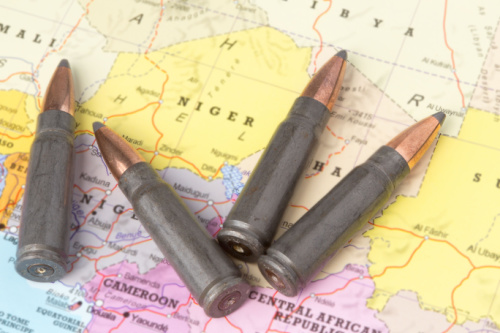
The Niger Coup and Turkey’s Military Industrial Complex in Africa
The recent military coup in Niger marks the point of no return for the unraveling of France’s dominant economic and military influence across West Africa. Turkey is the foreign actor that stands to benefit most, with the potential to emerge as a leading strategic partner for the nations of the region. Turkey’s engagement with West Africa is a unique, dual approach that blends military and economic engagement while deftly intertwining humanitarian aid and cultural outreach.