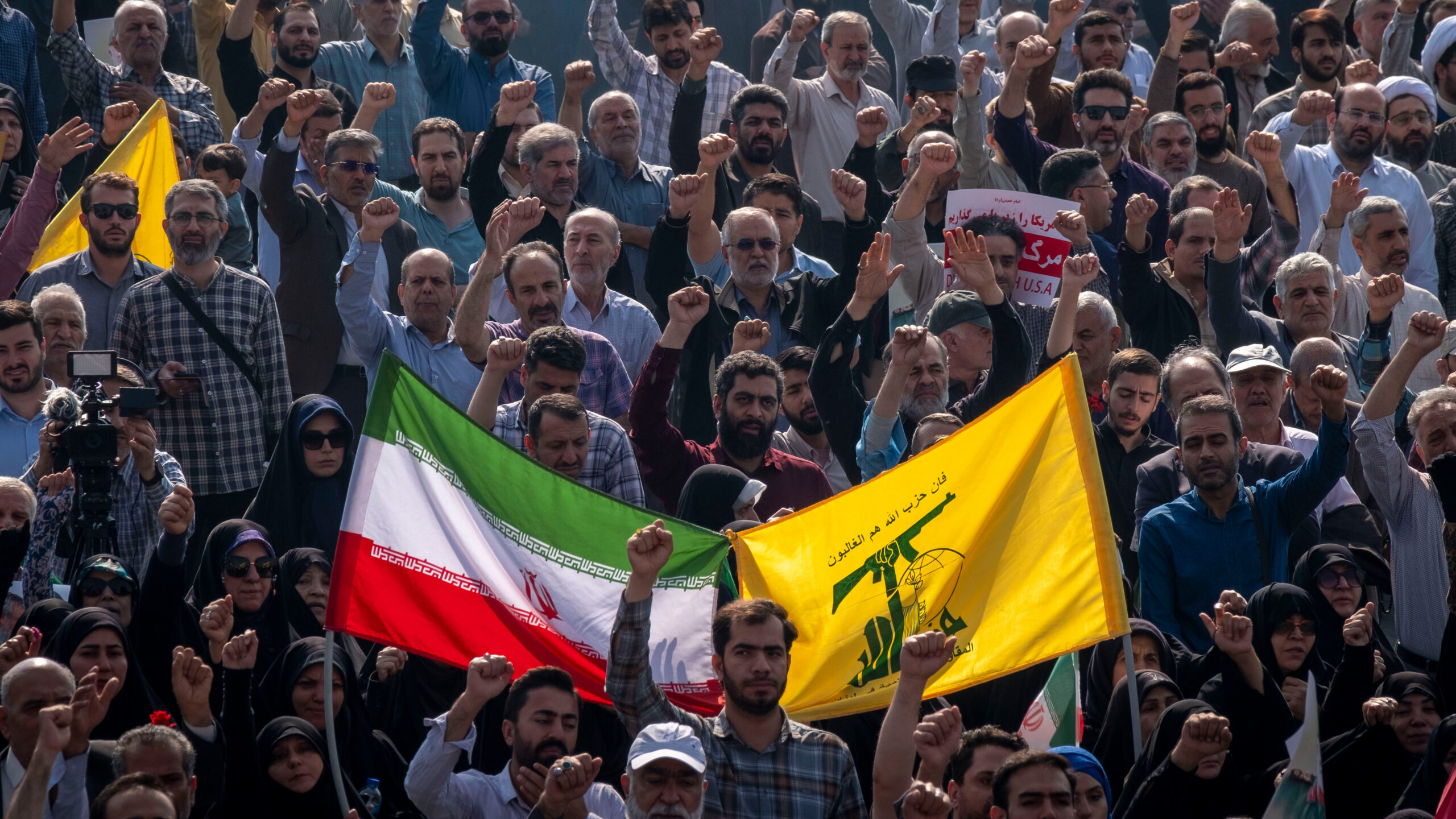
Over the past month, Iran and its regional network of allies and proxies – The Axis of Resistance – has suffered a string of dramatic losses and defeats. What is the future of the Axis and its members, and what can the US and its allies do to confront and disrupt this Iranian-led network?
'Fight big or think big': How the Middle East can pull back from the brink
If war is the continuation of politics by other means and every conflict is a symptom of a deeper unresolved contradiction, the violence of the past year – as well as the current direct confrontation between Israel and Iran – are the result of two deep and unresolved political problems.
These are the denial of Palestinians’ basic rights amid long-term Israeli occupation and Iran’s rejection of the basic rules of international law, as well as its insistence on maintaining a string of militias in broken Arab states from Lebanon to Yemen.
Israel has confirmed the death of Yahya Sinwar, chairman of the Hamas Political Bureau and Hamas leader in the Gaza Strip. Sinwar was one of the chief architects behind Hamas’ attack on Israel on Oct. 7, 2023, and has been a key Israeli target throughout the Gaza war.
Key takeaways from new polling on Iran’s foreign policy and regional role
Arash Ghafouri and Alex Vatanka break down key takeaways from a new survey conducted by Stasis Consulting among Iranians living in Iran on Tehran’s foreign policy, regional influence, and diplomatic relations.
New polling highlights Iranians’ views on Iran’s foreign policy and regional role
The results of the latest public opinion survey from Stasis Consulting provide key insights into how Iranians view Tehran’s foreign policy, regional influence, and diplomatic relations at a time of heightened tensions in the Middle East, including how they perceive the economic costs of Iran’s current approach and its support for its regional proxy groups.
Iran’s missile attack on Israel on Oct. 1, 2024, marked a significant escalation in the ongoing regional tensions. This assault, reportedly involving 180 missiles, was the Islamic Republic of Iran’s largest yet against Israel, targeting military and security sites in retaliation for Israeli assassinations of leaders of Hezbollah and Hamas in Tehran and Beirut. Iranian officials framed the attack as an act of self-defense, warning that further Israeli actions could provoke even stronger retaliation from Tehran.
A year ago, in the wake of Hamas’s Oct. 7 attack, U.S. President Joe Biden traveled to Tel Aviv and met with Israeli Prime Minister Benjamin Netanyahu to reiterate his administration’s unwavering support for Israel. Biden’s embrace of Netanyahu was rooted in the belief that only positive inducements and constant reassurances—both militarily and diplomatically—could restrain Israel’s actions in Gaza. In reality, though, this “bear hug” diplomacy has resulted in an unmitigated failure.
From Nasrallah to Khamenei: The power vacuum shaping the Middle East
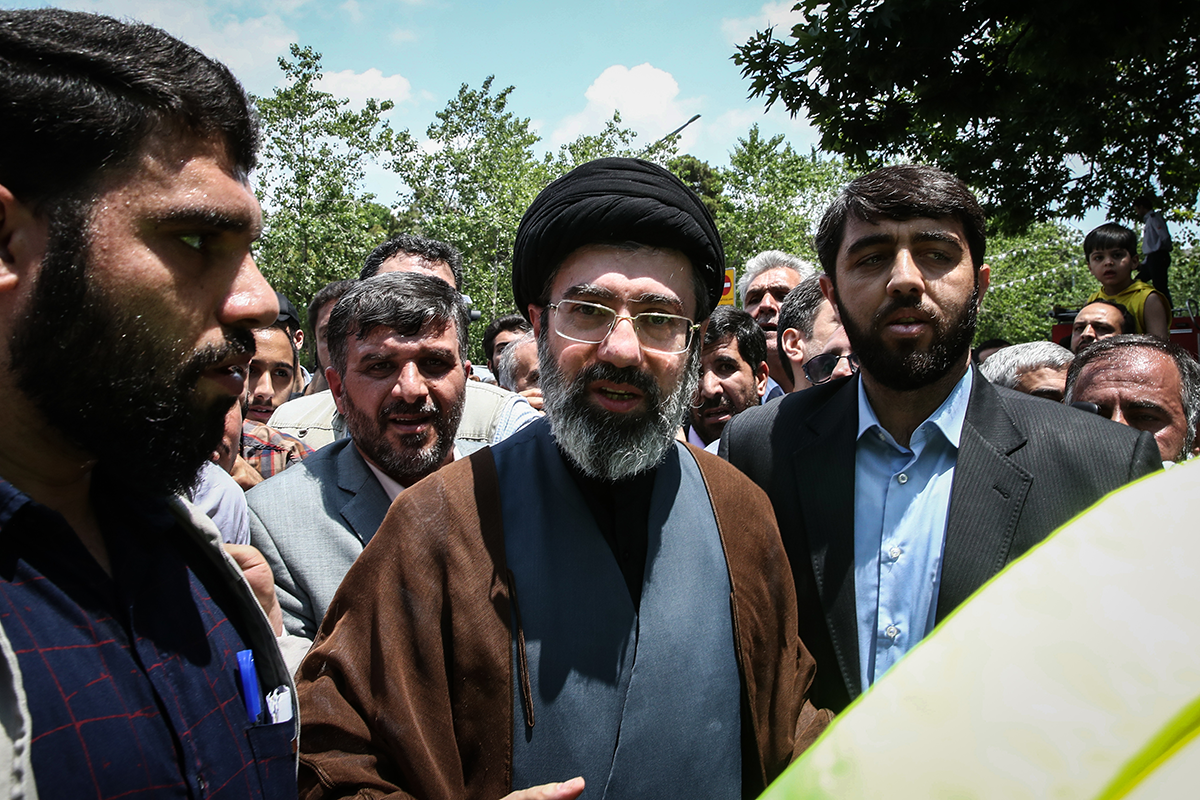
Israel’s targeted killing of Hezbollah Secretary-General Hassan Nasrallah has not only caused a succession crisis for Hezbollah, but has also highlighted the problem of succession for the Islamic Republic of Iran. Coupled with the death of President Ebrahim Raisi in a helicopter crash earlier this year, Nasrallah’s assassination has scrambled the dynamics of the supreme leadership transition with an aging 85-year-old Ayatollah Ali Khamenei at the helm, and is likely the reason his son, Mojtaba Khamenei, a key figure in the Office of the Supreme Leader, has recently emerged from the shadows.
Understanding Gaza: Lessons for the "day after" and beyond
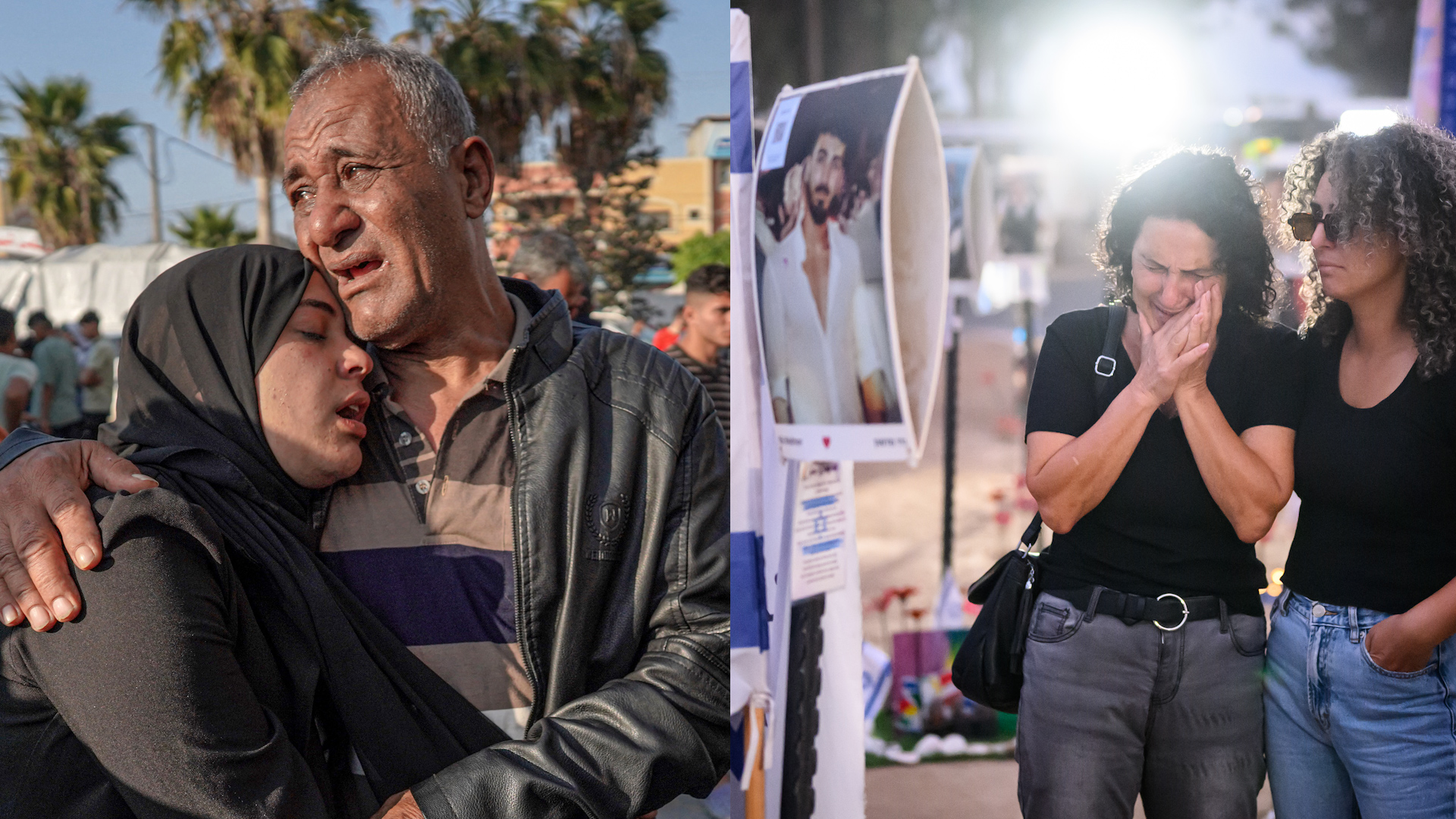
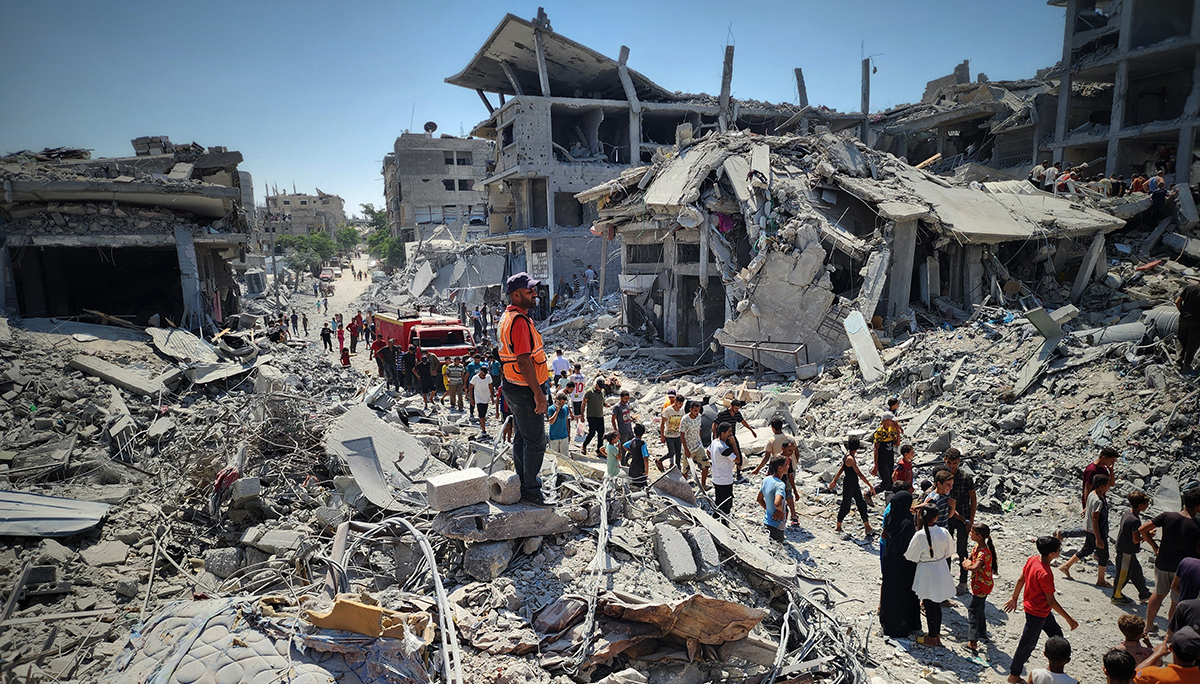
The devastating details of what has happened in Gaza since the war started have been widely covered. Absent from the discussion, however, are questions about what led to the war, what went wrong on the policy front, and, more importantly, whether this man-made tragedy could have been averted. Without understanding Gaza, plans for the “day after” may very well result in the further mismanagement of the already devastated enclave.
Washington must make sure this is the last war between Israel and Lebanon
The assassination of Hezbollah’s secretary-general, Hassan Nasrallah, marks an inflection point that will redefine the security landscape of the Middle East. His deputy, Naim Qassem, has pledged “continued resistance,” claiming Hezbollah was steadfast and will not retreat, while Israel has pressed ahead with a ground invasion of southern Lebanon. The United States must act decisively to ensure this is the last war between Israel and Lebanon.