Assessing the resilience of Israel’s regional ties, one month into the Israel-Hamas war
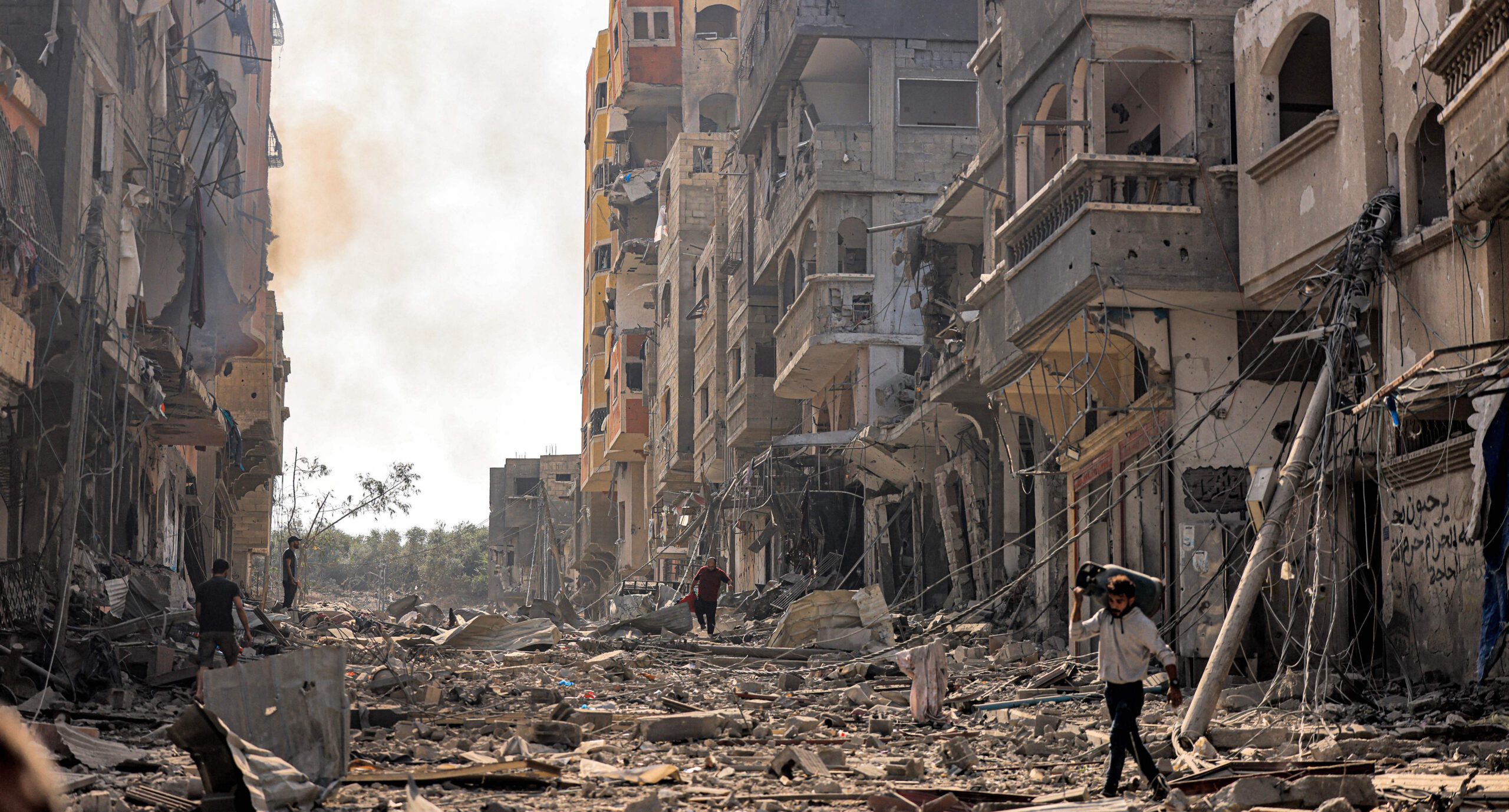
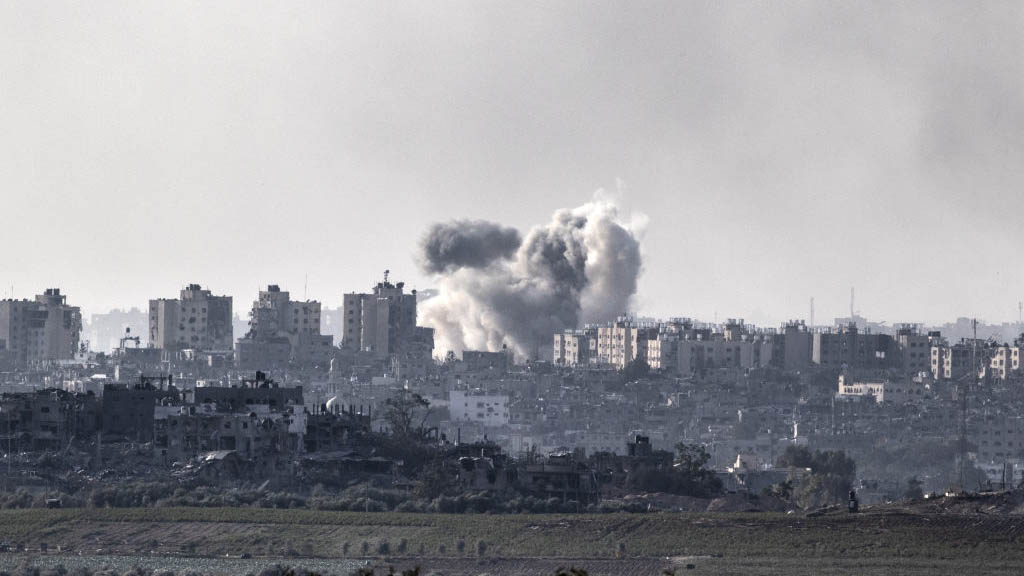
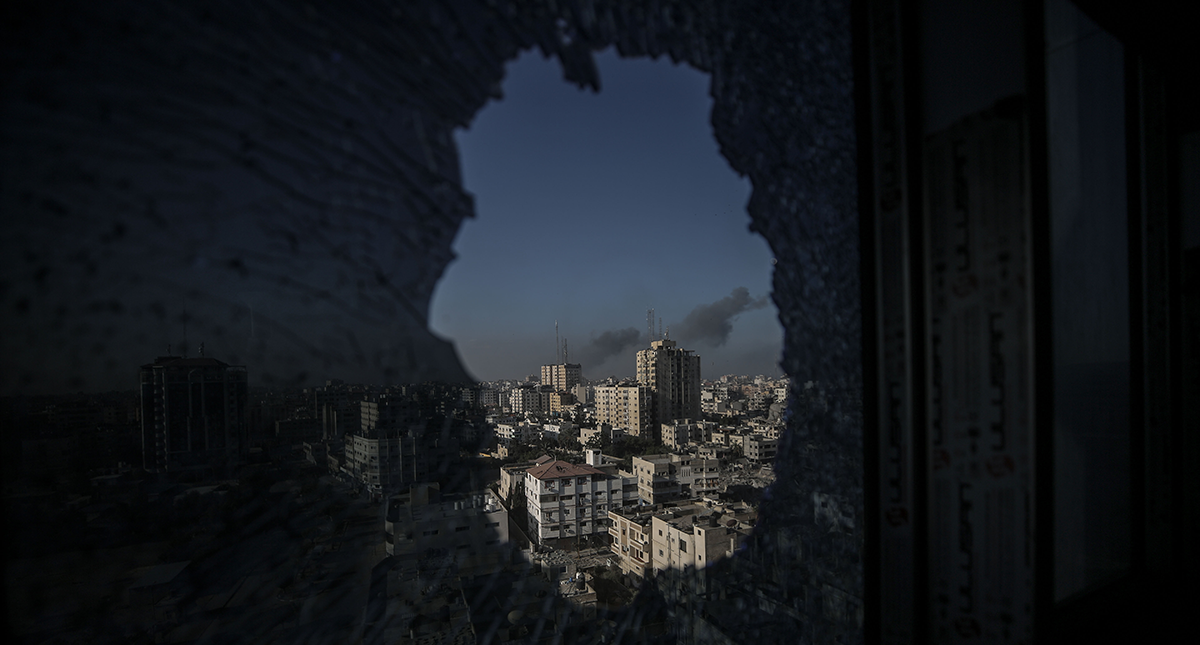
The deadly and unprecedented Hamas terrorist attack on Israel on Oct. 7 came as a surprise not only to Israel but also to its neighbors. A strong Israeli retaliation came next, causing much damage to Palestinians in Gaza and putting Israel’s relations in the broader Middle East to the test. Nearly a month into the fighting, it is possible to initially assess the resilience of Israel’s regional ties in light of the Israel-Hamas war.
Iran and Hamas beyond the borders of the Middle East
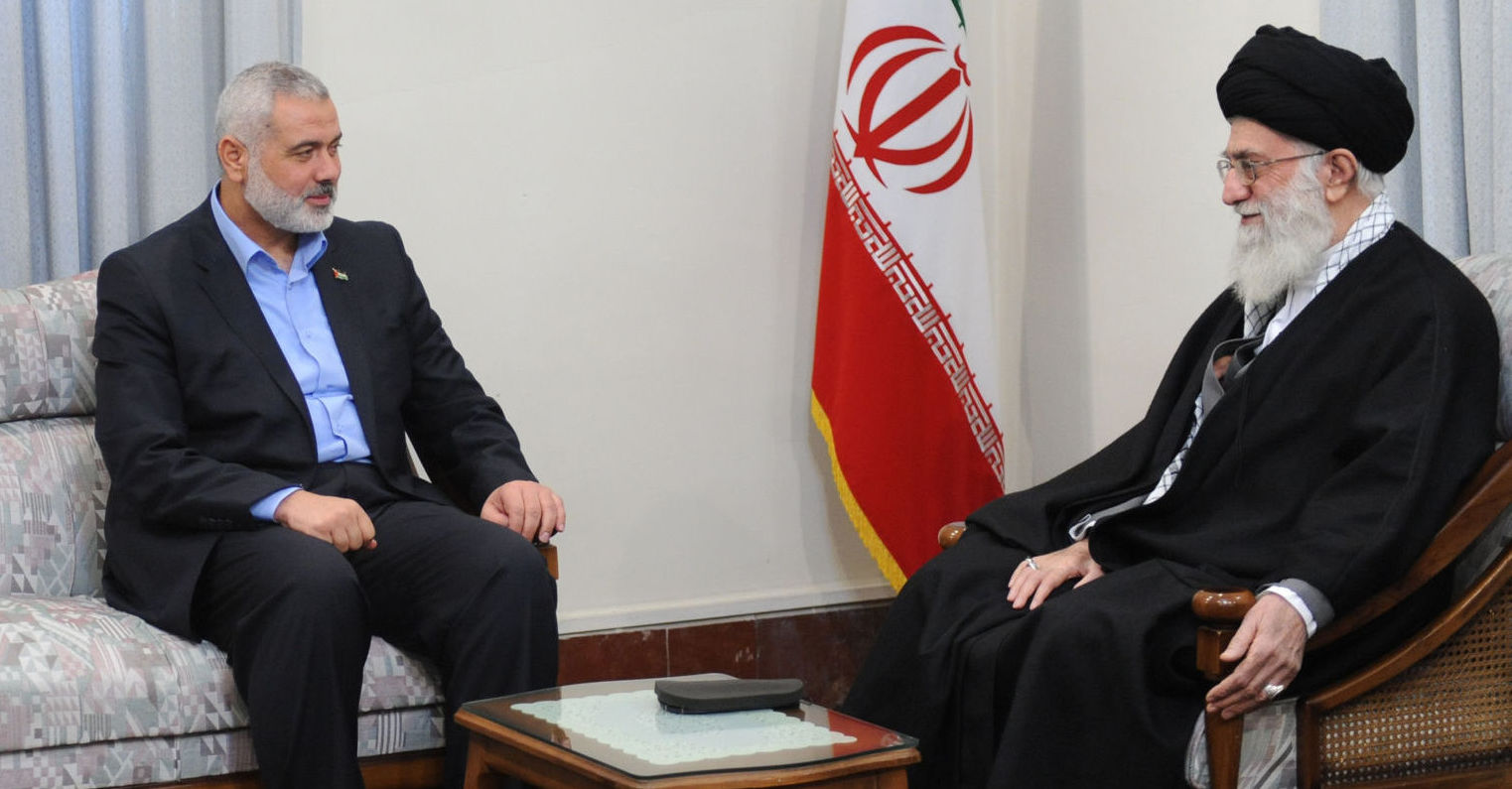
As the fighting in Gaza continues to rage, Iran’s influence with Hamas, hitherto limited, could expand further, extending beyond the Middle East. Tehran is looking to contain Israel not just in the region but in Africa and Latin America as well. Although there are ideological differences between these two members of the so-called “Axis of Resistance,” the Israel-Hamas war may bring them closer together and strengthen their partnership.
Five scenarios for Gaza and how the international community can shape its future
In the midst of the current war, there is still no concrete plan for what the future of Gaza could look like. Yet preparations for a viable and lasting post-war order should start before it could be too late.
Turkey and Iran: Toward an “Axis of Revisionism” amid the war in Gaza?
Hamas’ violent and unexpected Oct. 7 attack on Israel has shaken a fragile regional order in the Middle East. Ankara and Tehran are worried that a stronger U.S. presence in the Middle East is detrimental to their regional interests. The war in Gaza might help close the ranks between Turkey and Iran, yet there are serious limitations to a sustainable alliance between the two countries.
“The worst is coming”: Jordan braces for spillover effects of Israel-Hamas war
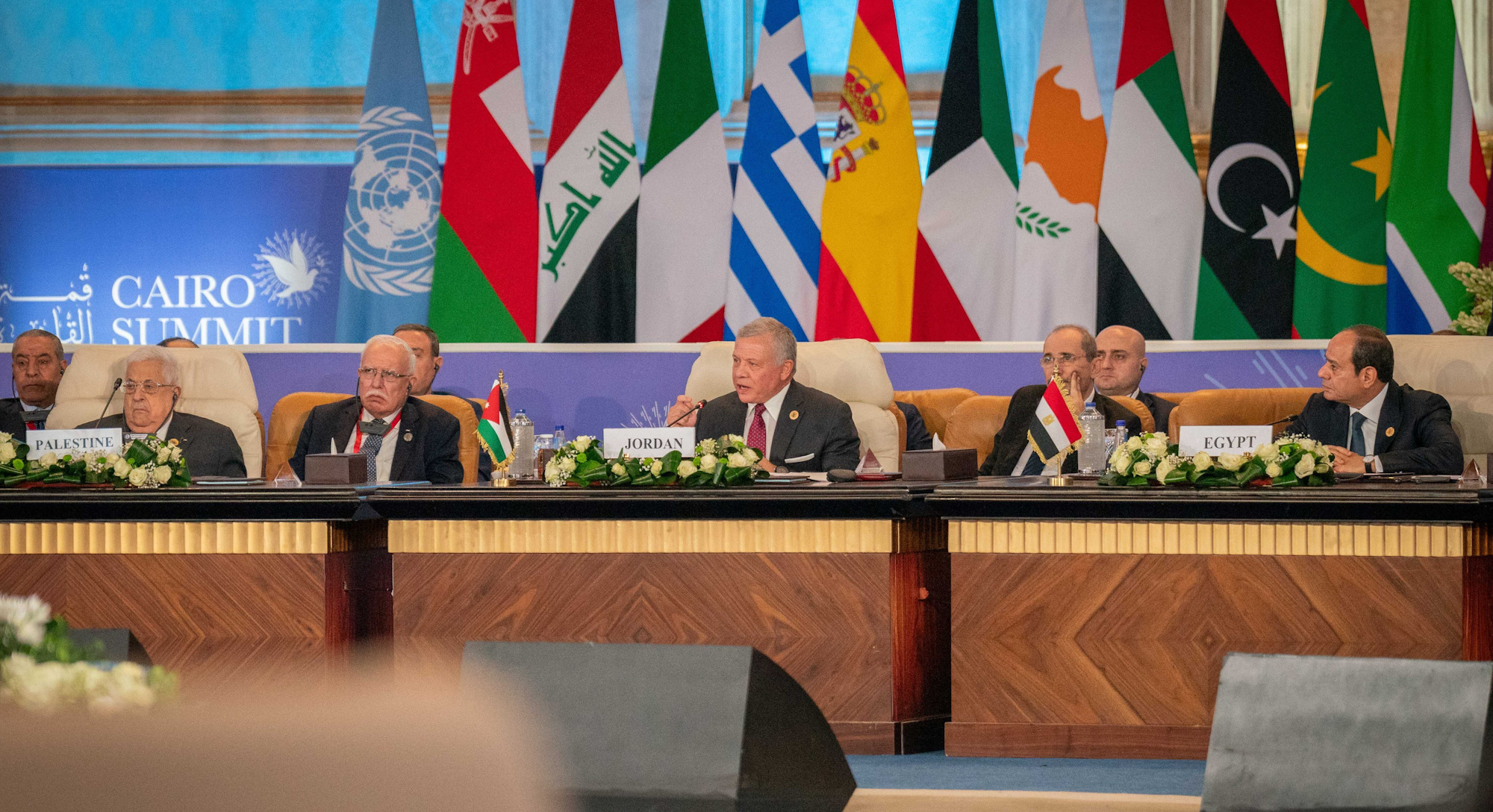
As the Israel-Hamas war enters its fourth week, the Kingdom of Jordan finds itself on the frontline of the conflict and King Abdullah II a central figure in the regional and global diplomatic efforts to contain it. The Hashemite Kingdom braces for a broader conflict and multiple spillover effects, having little leverage and few policy options.
Any swords into ploughshares? The challenge of the current conflict
The only long-term way of building security and stability, and reducing violence for Palestinians and Israelis alike, is to create hope and establish a political pathway for both sides
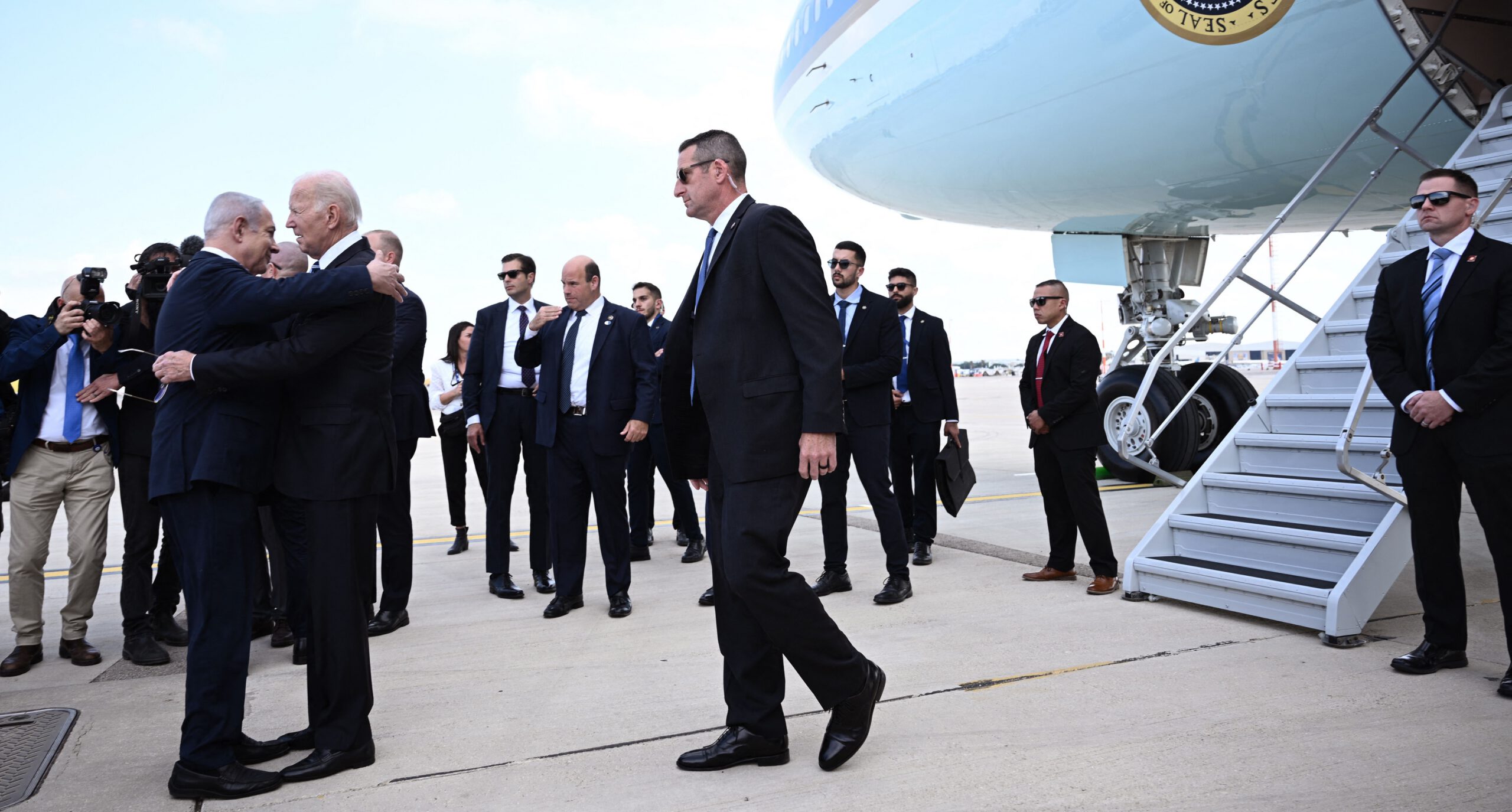
The intensity of the Oct. 7 terrorist attacks by Gaza and the ensuing crisis have already had a significant and dramatic impact on relations between the United States and Israel. The resolute American backing reflects the purest expression of the strategic partnership that has existed between Israel and the U.S. for more than five decades.
The Israel-Hamas war and prospects for a ground invasion
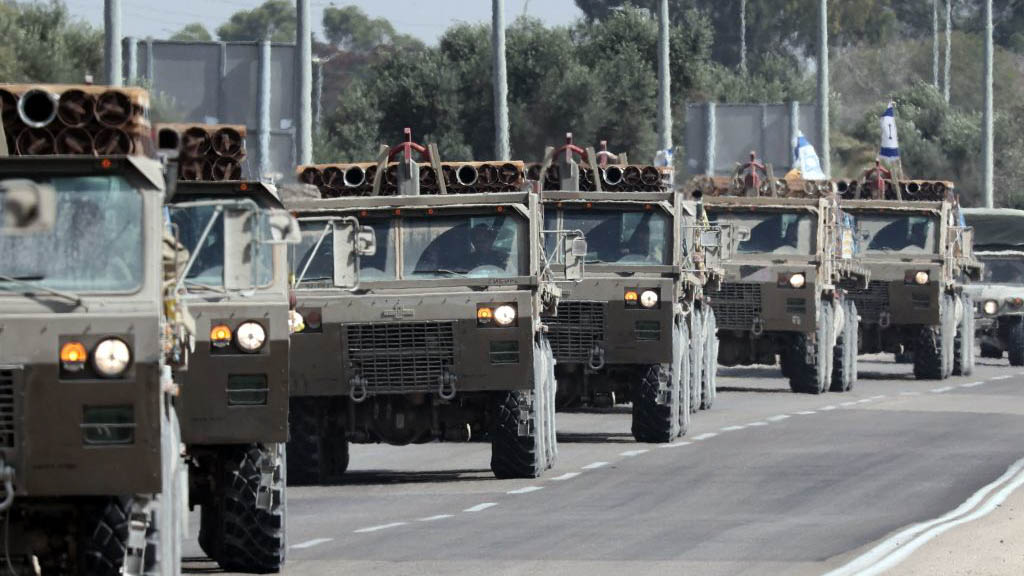
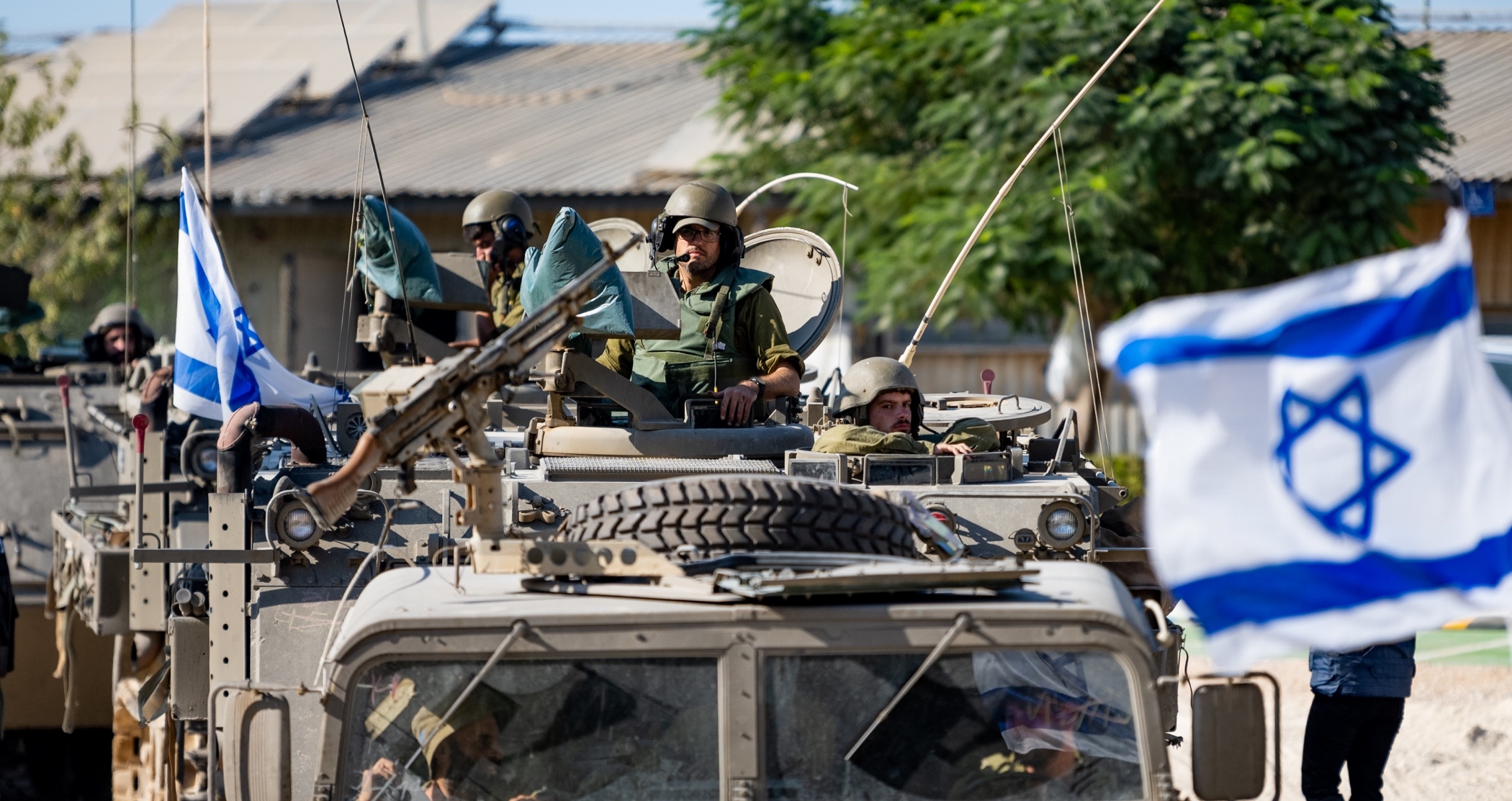
On the military implications of Israel’s impending ground invasion in Gaza. Featuring Bilal Y. Saab (Senior Fellow and Founding Director of the Defense and Security Program) and Joseph L. Votel (Distinguished Senior Fellow on National Security).
Expert Views: US diplomacy and the Israel-Hamas war
What further diplomatic steps should the U.S. take to respond to the Israel-Hamas war and its broadening regional reverberations? MEI has asked a group of former U.S. ambassadors and senior government officials specializing in the region to weigh in.
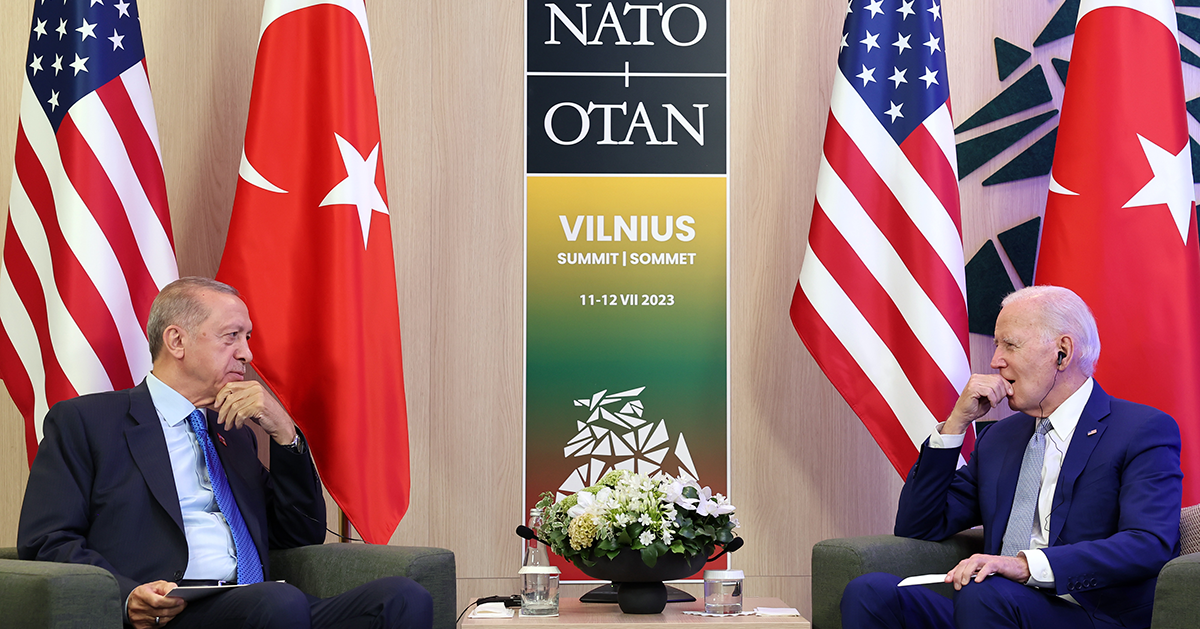
For the better part of a decade, Turkey and the U.S. have been locked in what might be considered an unhappy marriage, marked by bitter misunderstandings and growing distrust. Some optimists had hoped that something of a reset might be possible, but recent events, both in Turkey’s ongoing conflict with the PKK and because of the ripple effects from Israel’s war with Hamas, likely mean that U.S.-Turkish relations, far from improving, will get colder yet in the months to come.
The October 7 Hamas attack: An Israeli overreliance on technology?
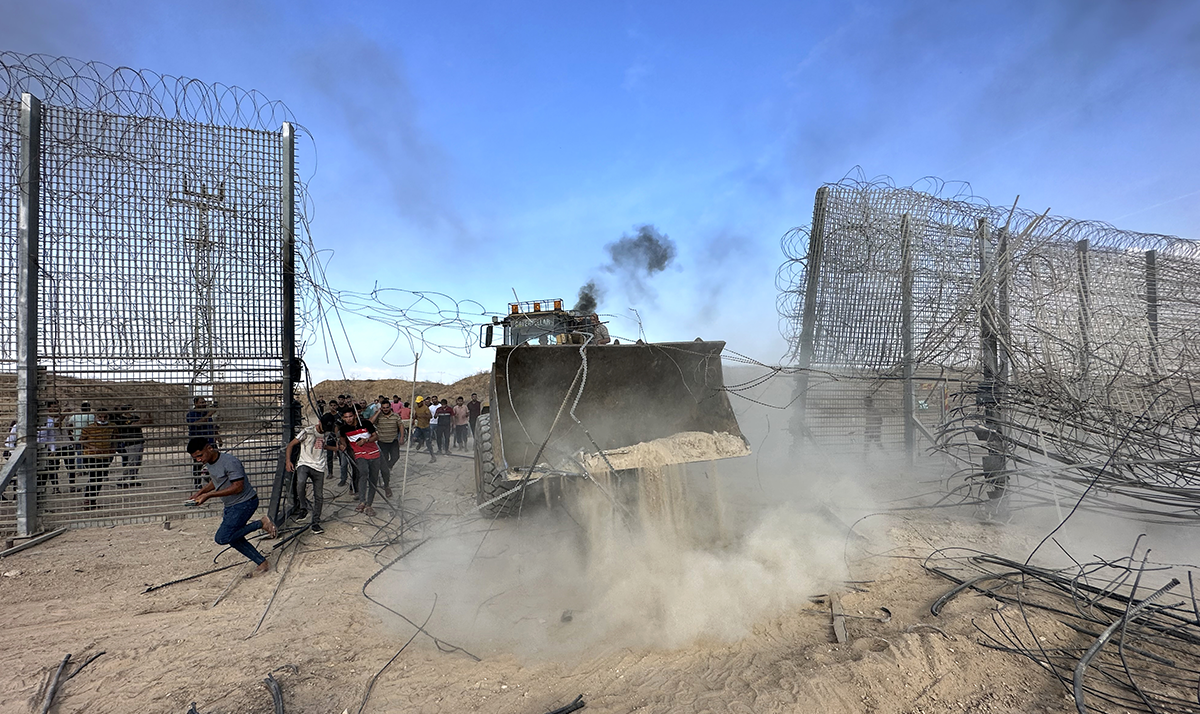
Did the IDF rely too heavily on advanced technologies in its effort to secure and fortify Israel’s border with Gaza? That is one of many questions that have arisen in the days since Hamas’ Oct. 7 incursion into Israel and attacks on Israeli forces and civilians. The absence of early warnings from data collected via sensors, cameras, and surveillance drones along the border’s “smart fence,” as well as the penetration of the Iron Dome missile defense system, has led to a sense that Israel experienced a tragic “high-tech failure.”
Israel’s failures and response to the Hamas attack: A preliminary assessment
The Israeli lack of preparedness for, and weak initial response to, the Hamas attack on Oct. 7 encompassed four key failures. But its consequences may bring far-reaching political changes and internal reforms.