Forecasting Trump 2.0’s Middle East approach: Cloudy with a strong chance of more uncertainty ahead
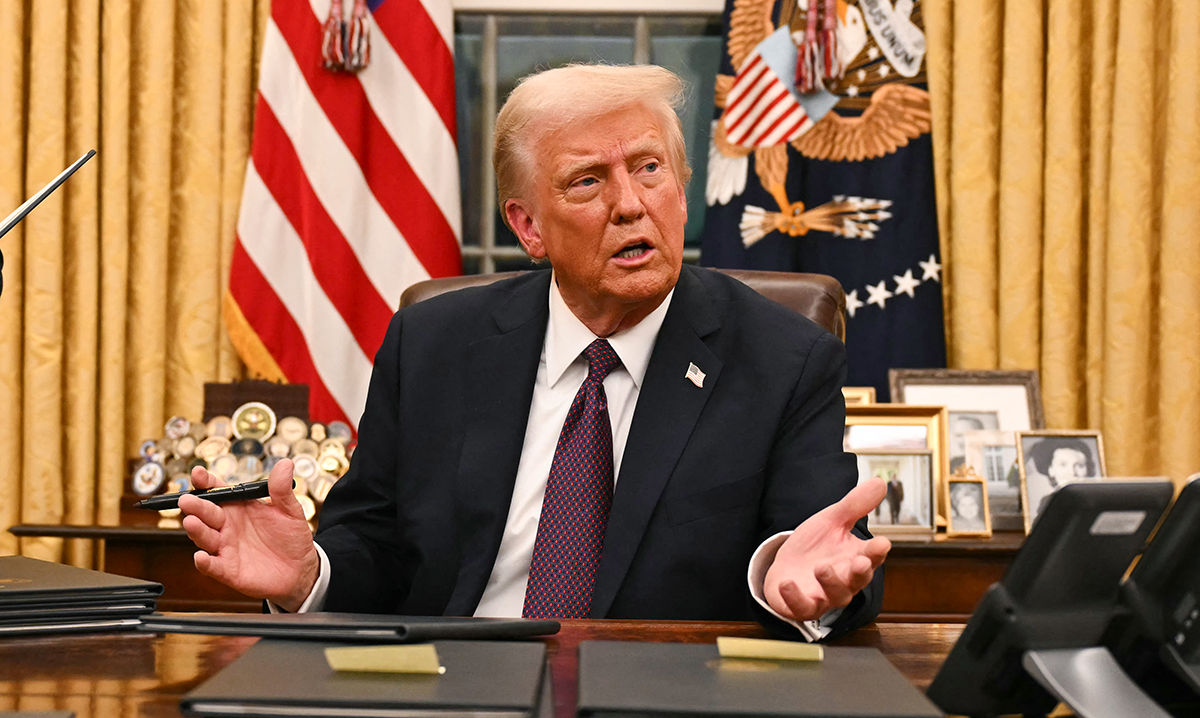
The opening act of US President Donald Trump’s second administration had very little to do with Middle East policy issues. It is too soon to predict what approach Trump might take on that front or even how much he will prioritize the region relative to the other issues on his second term agenda. His administration has sent some mixed and inconsistent signals on staffing and policy moves that don’t provide enough of a clear overall sense of the big picture on the Middle East but do offer some preview of what might be to come on three key fronts.
Normalizing regular contacts and building relationships with the Taliban leadership can offer a more effective way to hold the Islamic Emirate to account for its actions. It also gives greater promise of realizing American hopes for an Afghanistan inhospitable to global terrorists and more respectful of the human rights of its citizens.
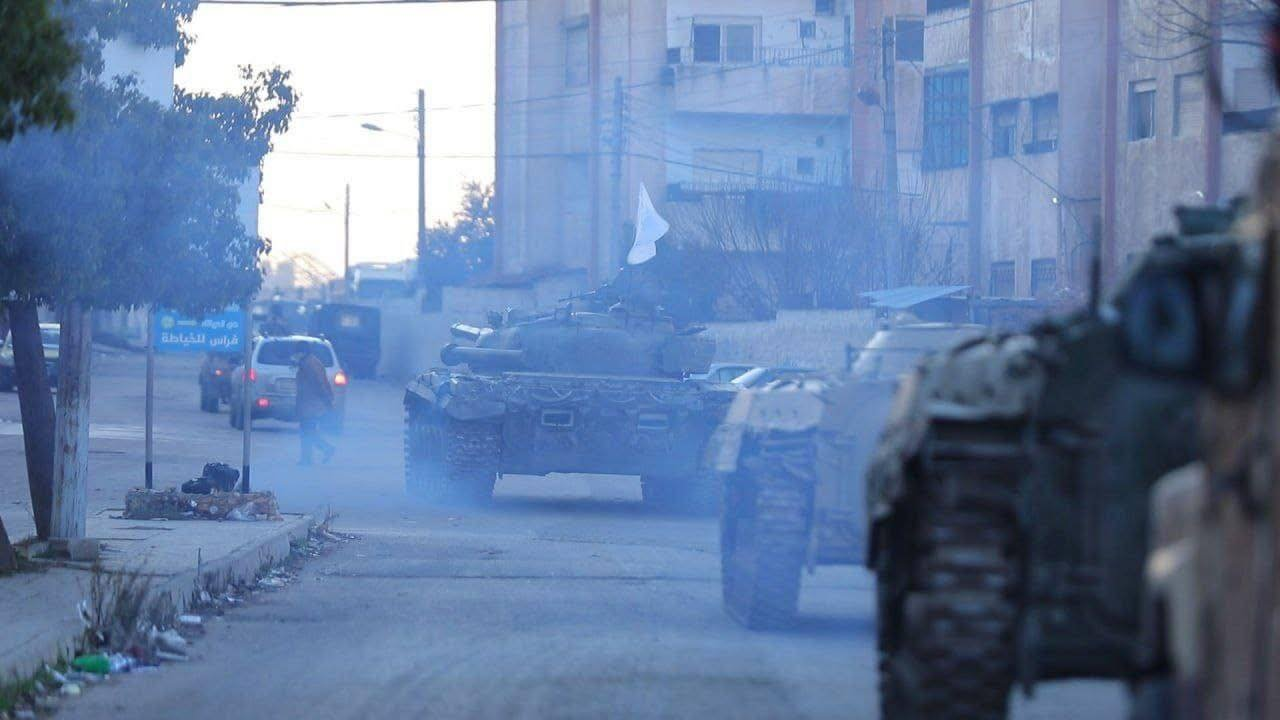
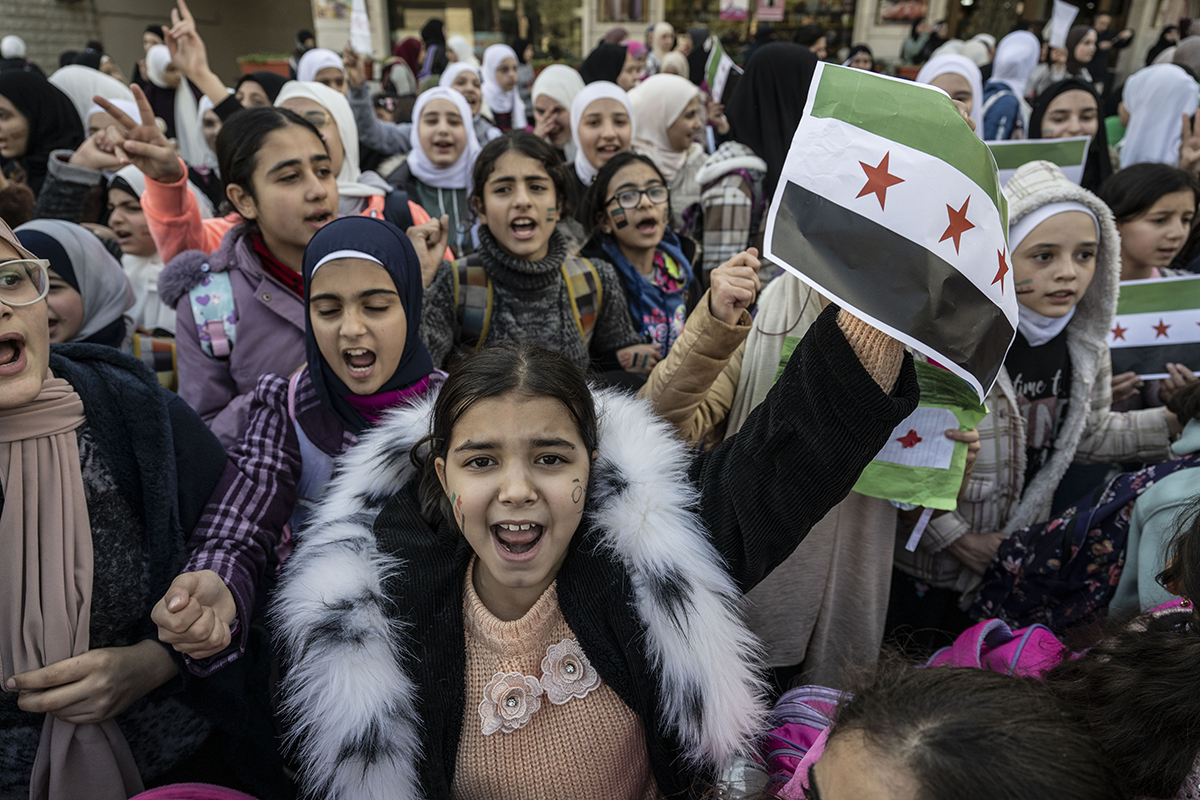
Syria’s first post-Assad protests broke out on Dec. 25 after a video claiming to show the destruction of an Alawite shrine spread rapidly across Facebook. The video was quickly debunked as several weeks old, the shrine only partially damaged, and the damage occurring during the capture of Aleppo city rather than in an act of sectarian vandalism. But those first hours were enough to stir up the widespread fears lingering just below the surface among Syria’s Alawite minority, bringing many Alawites (as well as Sunnis) to the streets to denounce sectarianism.
Gaza cease-fire: A first step on a very long road ahead
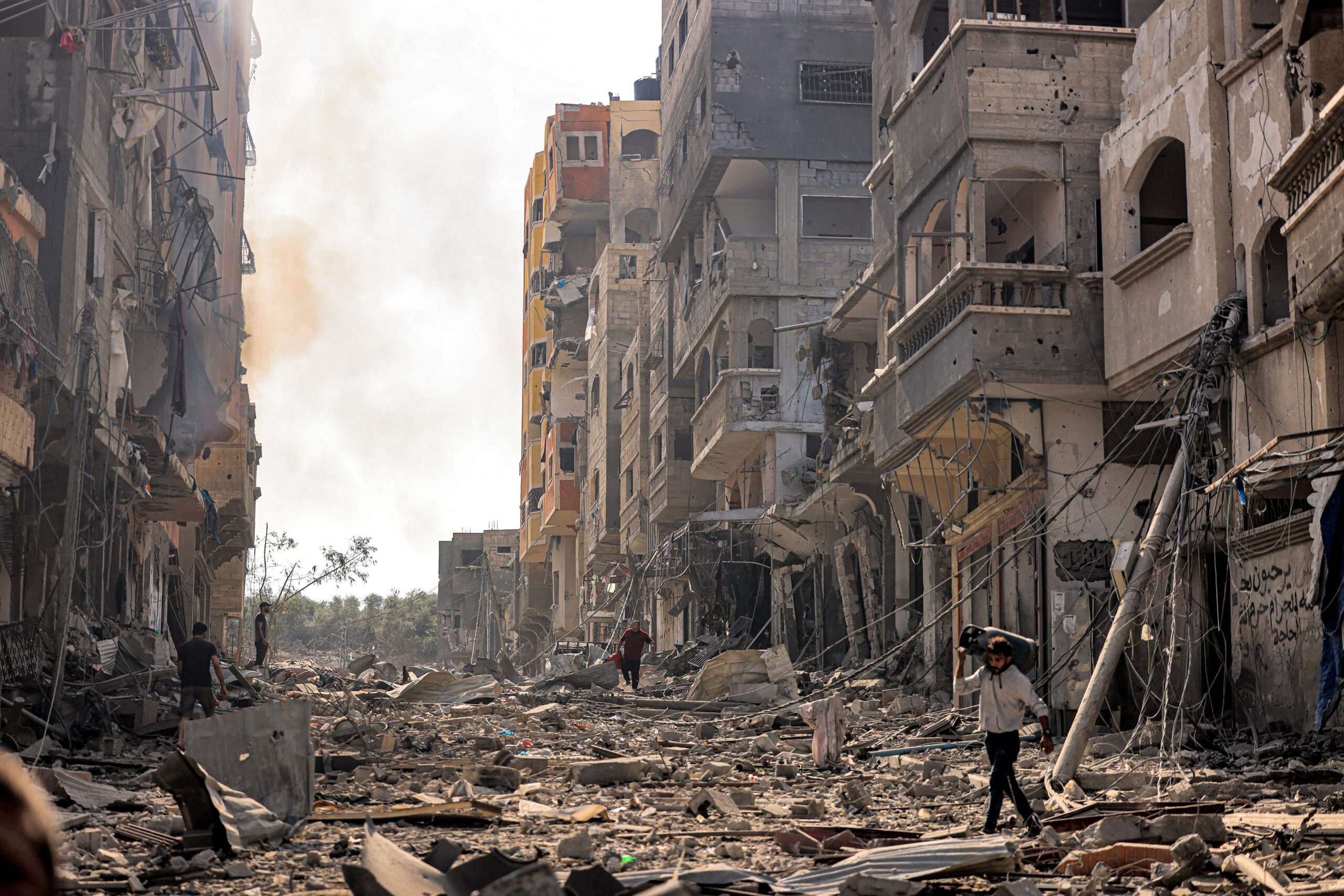
The cease-fire deal between Israel and Hamas announced on Jan. 15 took more than a year to reach and almost certainly will take much longer to fully realize than the four-plus months outlined in the framework. Like many things in life, this agreement was hard to build and will be easy to tear down. Indeed, the deal has already run into issues even before it is set to take effect on Jan. 19, with a dispute within the Israeli cabinet delaying a vote on it to Jan. 17.
Norman T. Roule | 'Taking the Edge Off the Middle East' Ep. 6
Middle East Focus Presents: ‘Taking the Edge Off the Middle East’ with Brian Katulis.
A series of casual conversations with leading policy professionals on the most important happenings in the Middle East today – hosted by MEI’s Senior Fellow for US Foreign Policy, Brian Katulis.
Norman T. Roule is a member of MEI’s Iran Program Advisory Council. Roule served for 34-years in the Central Intelligence Agency, where his service included roles as Division Chief and Chief of Station at the CIA’s Directorate of Operations. He joins Brian to discuss the state of an ideologically contested Middle East, as well as the opportunities and challenges following the fall of the Assad regime.
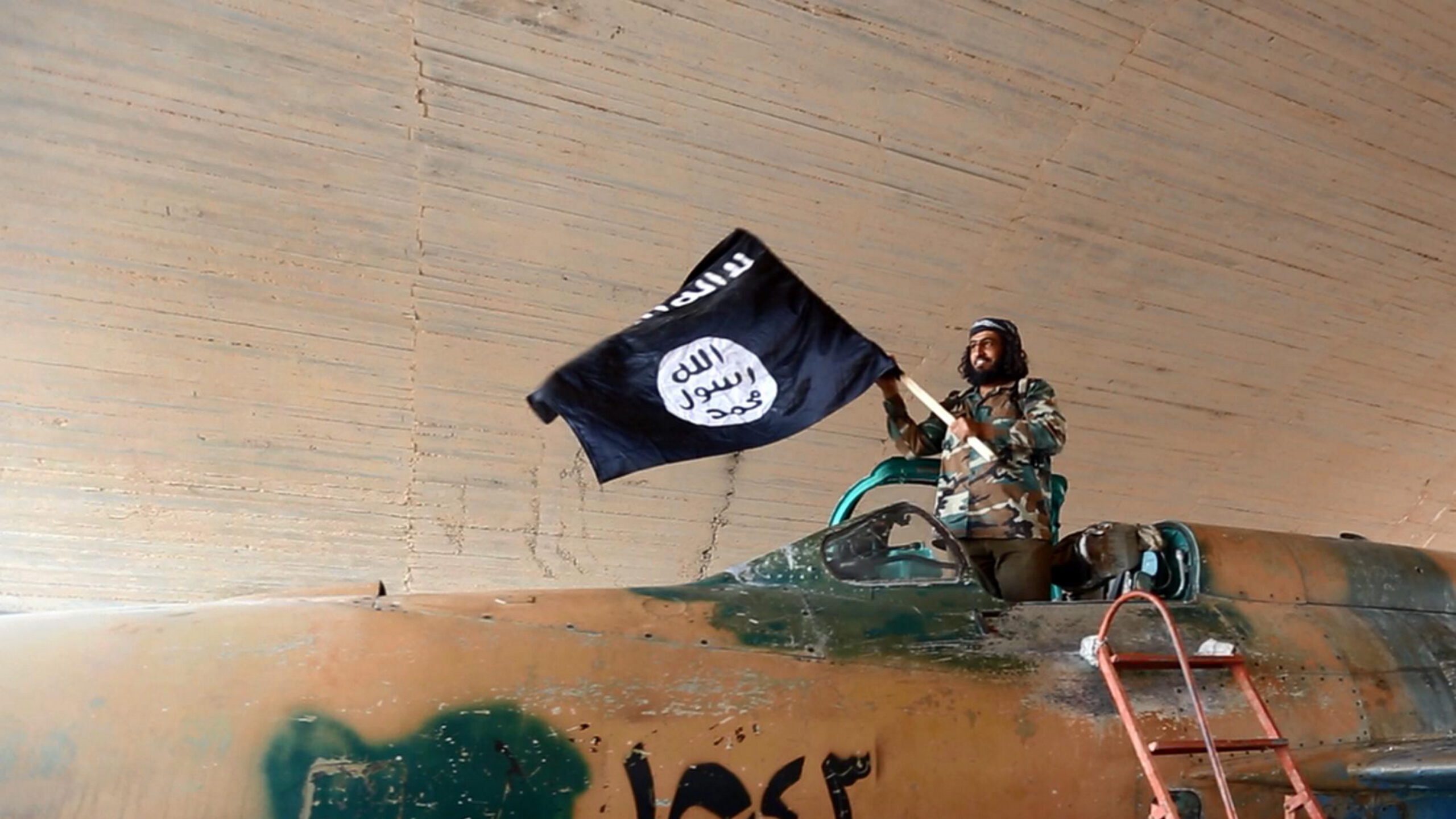
With al-Assad gone, the risk of an ISIS resurgence grows
This perilous moment for Syria’s future comes at a moment when American foreign policy in the region could change on a dime. President-elect Donald Trump has already stated the United States should have “nothing to do” with Syria’s future. But to do nothing would give the Islamic State a chance to surge once again.
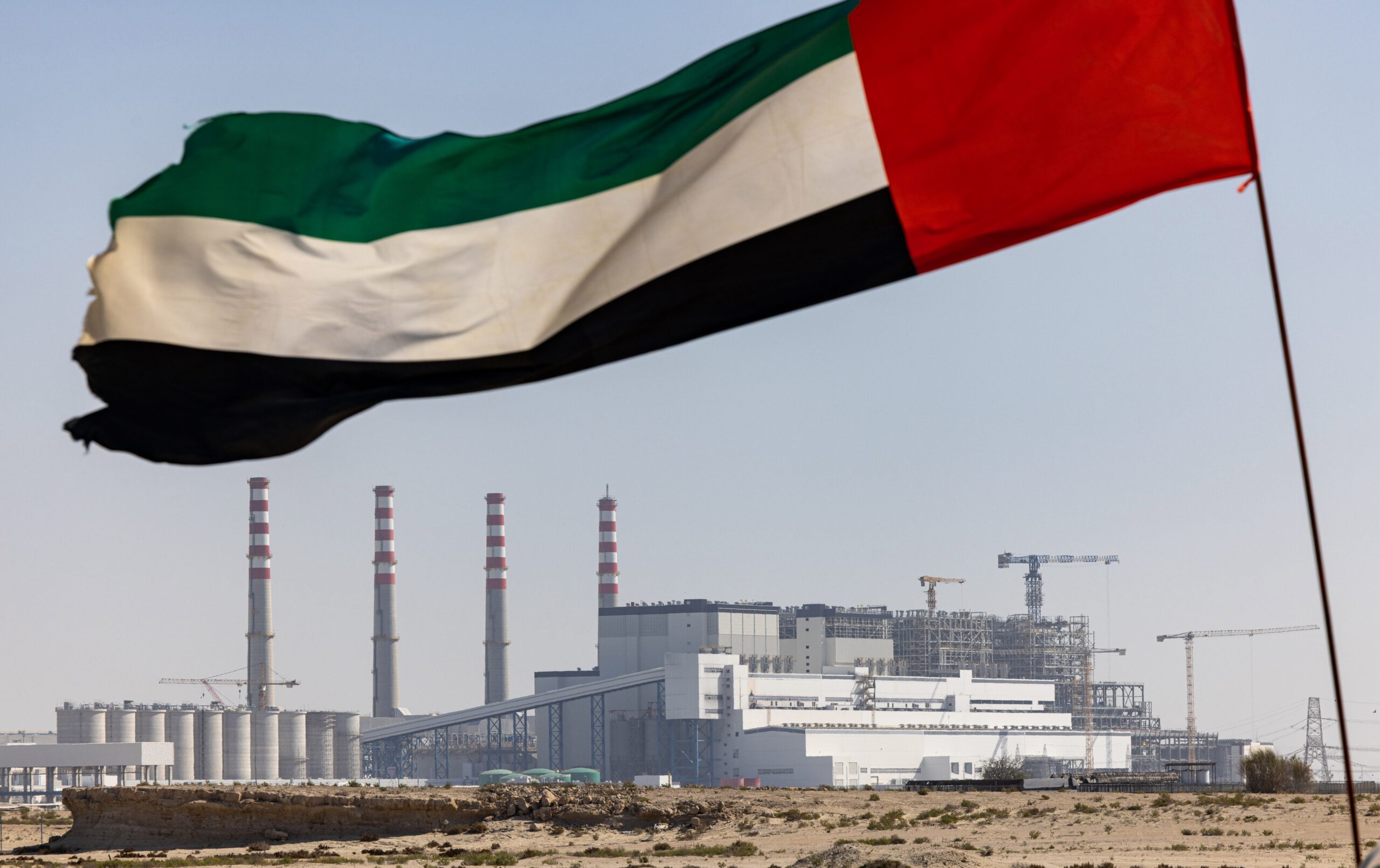
The Outlook for Energy Demand Growth in the Middle East and North Africa: Regional Supply as a Critical Driver of Demand
The Middle East and North Africa is typically viewed from afar as a region of major energy exporters rather than consumers. Consumption patterns vary significantly within the region itself, but a variety of factors warrant giving its energy demand much closer attention than it generally receives on an international level. The range of factors that will determine the changes in demand from every country in the region, each with their respective intricacies, are far too numerous to examine in the space of this study. However, many of the key drivers that are expected to have a broad impact on shaping the evolution of regional demand to the end of the current decade deserve critical review.
In only six days, a broad coalition of advancing opposition forces coordinated by Hayat Tahrir al-Sham has captured all of Idlib province, almost all of Aleppo province, and a sizeable stretch of northern Hama — a humiliating defeat for Bashar al-Assad and illustrative of the fragility of regime rule in Syria.
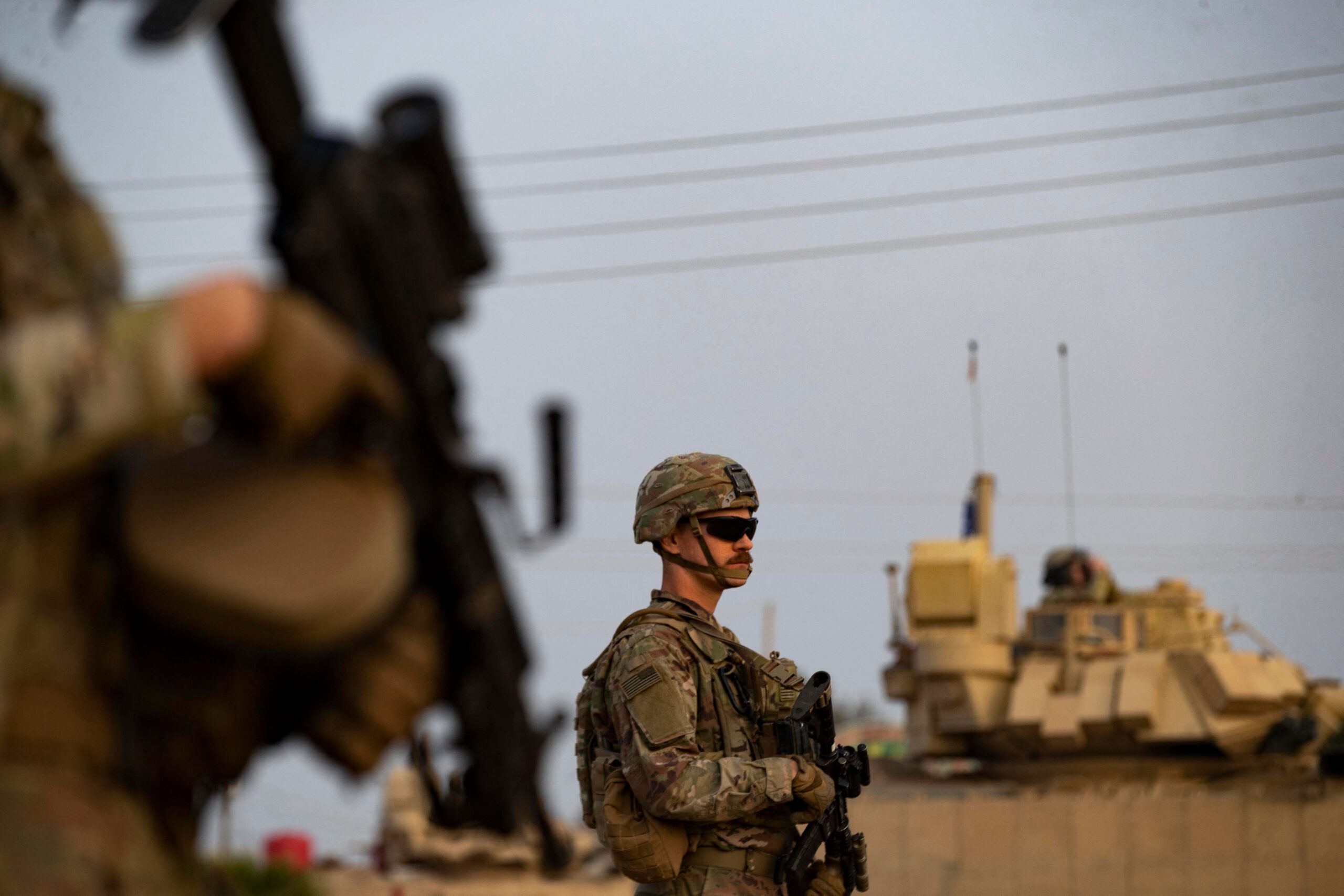
To abandon the Syria mission now would bring no meaningful benefit to the US, but it would swiftly and significantly empower America’s adversaries, like ISIS, Iran, Russia, and Assad’s regime.
The Role of the Middle East in the US-China Race to AI Supremacy
AI is a pivotal catalyst for global innovation, with the United States at the forefront of the development of this transformative technology amid its ongoing great power rivalry with China. This report aims to define the concept of AI supremacy and to revise the US’ AI strategy in accordance with a more comprehensive understanding of it. The report also looks at how the competition has affected actors from the Middle East, namely the UAE and Saudi Arabia, attempting to steer the conversation on the global AI race toward a comprehensive conception of AI supremacy that is anchored in the realities of international affairs and US-China great power competition.
Steven A. Cook | 'Taking the Edge Off the Middle East' Ep. 5
Middle East Focus Presents: ’Taking the Edge Off the Middle East’ with Brian Katulis.
A series of casual conversations with leading policy professionals on the most important happenings in the Middle East today – hosted by MEI’s Senior Fellow for US Foreign Policy Brian Katulis.
Steven A. Cook, Senior Fellow for Middle East and Africa Studies at the Council on Foreign Relations, sits down with Brian to discuss his latest book “The End of Ambition,” their policy outlook with the incoming Trump Administration, and deteriorating discourse in Washington policy circles.
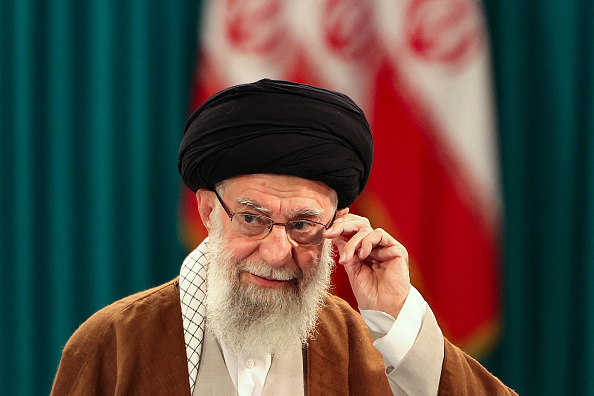
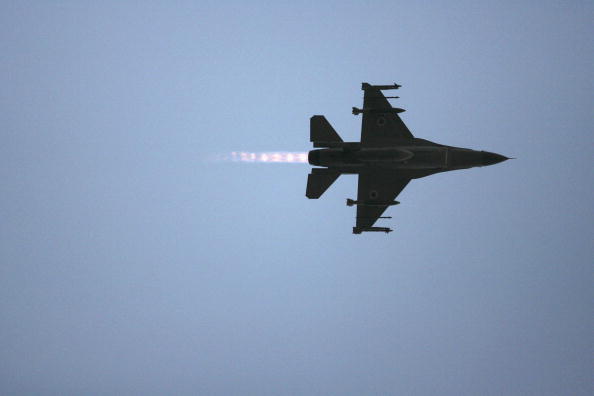
Tehran’s calculations to avoid all-out war with Israel and the US
Under past reformist presidents, Iran repeatedly tried to build a grand bargain deal with the United States, entailing compromises over its nuclear program in return for negotiating spheres of influence across the Middle East. This September, speaking on the sidelines of the United Nations General Assembly meetings in New York, the current reformist president Masoud Pezeshkian confirmed that he was open to direct talks with Washington to end hostilities.
The multiple wars that have erupted since Oct. 7, 2023, have already changed the strategic landscape in the Middle East — and more change is likely to follow.