U.A.E. Blasts Iran for Prolonging Yemeni Crisis by “Directly Arming” Houthis
Anwar Mohamad Gargash, the minister of state for foreign affairs of the United Arab Emirates, blamed Iran’s “interventionism” for the war and human suffering in Yemen.
Iran Risks Military Clash with U.S. Navy by Sending Weapons to Houthis
The New York Times reported on February 12 that Defense secretary Jim Mattis last week was exploring whether the U.S. Navy should “intercept and board an Iranian ship to look for contraband weapons possibly headed to Houthi fighters in Yemen.” But according to unnamed U.S.
I.R.G.C. Continues to Incite Houthi Attacks against Saudi Arabia
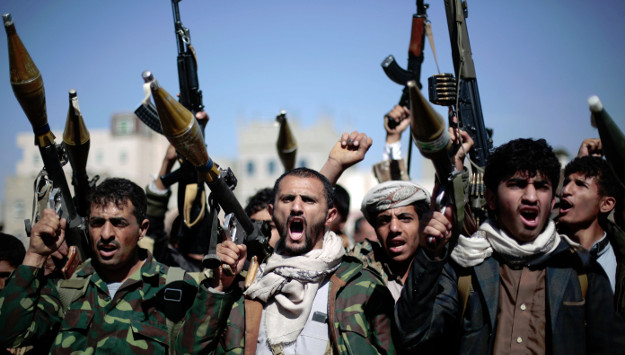
The Islamic Revolution Guards Corps (I.R.G.C.) media outlets continue to justify and encourage attacks by Yemeni Houthi rebels against Saudi Arabia. I.R.G.C.-affiliated Fars News Agency, for example, ran a number of news stories and commentaries today glorifying the Houthis’ latest attacks against Saudi military targets, including a recent attack targeting a Saudi warship and a scud missile that the Houthis claimed hit a military base near the Saudi capital.
Iran Hardliners Urge Escalation in Houthi Attacks on Saudi Arabia
Hardline Iranian media are enthusiastically speculating that the conflict in Yemen will soon enter a more dangerous phase with the intensification in the use of missiles by the Yemeni rebels.
Trump Admin to Shift Toward Saudi Position on Yemen War
If President Donald Trump’s pick of James Mattis as defense secretary is an indication of the direction of foreign policy in the Middle East, then the U.S. stance towards Yemen will likely align more closely with the approach of Gulf states in pursuing a military victory over the Houthi-Saleh alliance in Sanaa. The Obama administration had diverged, at least partly, from the Gulf position in Yemen by pushing the G.C.C. and the Hadi government toward a negotiated settlement.
Iran Ramps Up Its Exchange Programs for the Houthis in Yemen
Following the Houthi takeover of Sana’a, Iran expanded its academic and cultural exchange programs in Yemen’s education sector. Iran initiated these programs in response to a Saudi-financed program to increase the number of Salafi mosques and madrassas in northern Yemen in the 1990s.
New Findings Point to Iran Sending Weapons to Yemen
It is not a secret that Iran plays a role in the Yemeni conflict. But a new report provides yet another piece of evidence released to the public about the Iranian government’s arms aid to the Houthi rebels that fight against the Yemeni government backed by Saudi Arabia and its allies. The Australian government has released photographs that show light anti-armor weapons seized near the Yemeni coast were manufactured in Iran.
Iran Rules out Cooperation with West, Continues Meddling in Region
Despite growing concerns in the United States and the Arab world about Iran’s destabilizing role in the region, Iranian leaders continue to defend the country’s subversive policies in the Yemeni conflict.
After Aleppo, IRGC Calls for Toppling Regimes in Bahrain and Yemen
In its first official reaction to the fall of Aleppo, the Islamic Revolution Guards Corps (IRGC) hailed the seizure of Syria’s second largest city as a “divine gift” to the Iranian regime and a prelude to bigger achievements by Iran and its regional proxies across the Middle East.
The governor of Yemen’s Jawf governorate, in north central Yemen bordering Saudi Arabia, told a press conference, December 15, that the Yemeni army had captured “a large number of militias, including Iranian experts and others from Hizballah… ,” according to al-Arabiya. The governor said that the Iranians and Hizballah personnel were providing the Houthi militias with information and support.
In a remark that is likely to heighten tension in the Gulf region, the Iranian chief of staff of the armed forces has called for setting up naval bases across on the coasts of Yemen and Syria in the future.
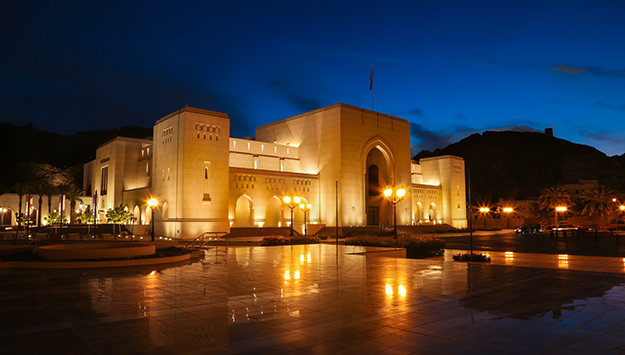
Director Jamal al-Moosawai wanted the new National Museum of Oman to be a space that grows and expands with its knowledge base, and is in tune with ongoing archaeological discoveries in the Arab country.
The result of a ten year collaboration between the Ministry of Heritage and Culture, the Royal Estate Affairs of Oman, Jasper Jacob Associates (J.J.A.), and Arts Architecture International Ltd (A.A.I.), the museum’s blend of the traditional and the contemporary, as well as its high-tech research facilities, make it unique in the region.
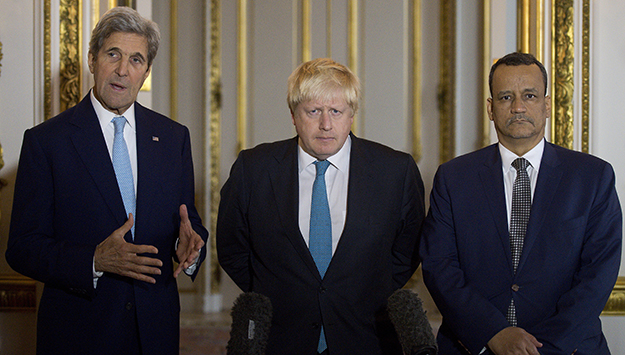
The State Department has welcomed an agreement among all Yemeni parties and the Saudi-led coalition to observe a 72-hour cease-fire beginning on October 19. The warring factions agreed to “implement a full and comprehensive halt to military activities of any kind and help facilitate the delivery of humanitarian assistance to Yemenis across the country.”[i]