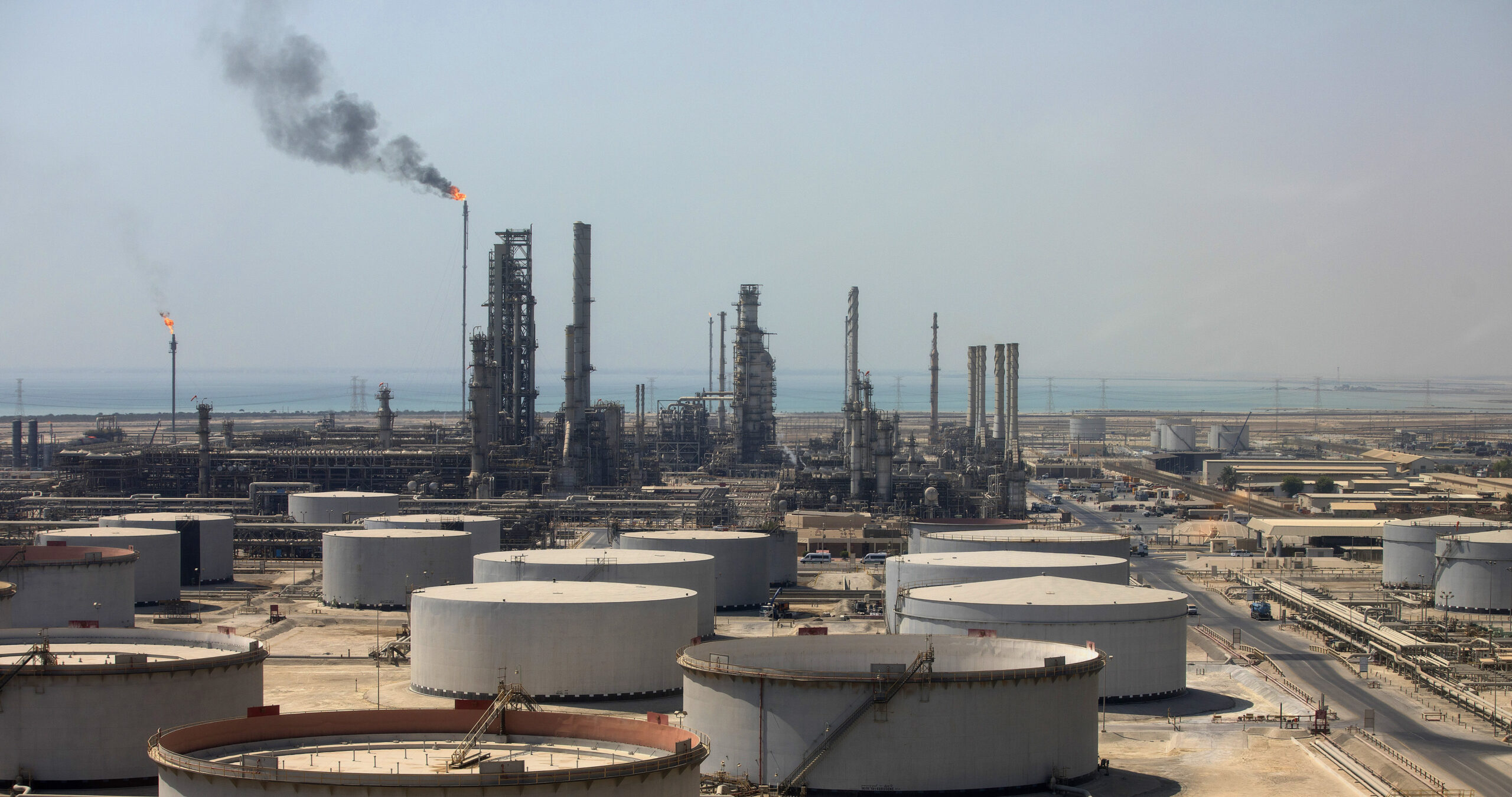
Under current, highly unpredictable market conditions, it is unreasonable for OPEC to make sharp movements to saturate the oil market or withdraw a significant number of barrels from it to meet divergent Western interests of lowering prices and punishing Russia.
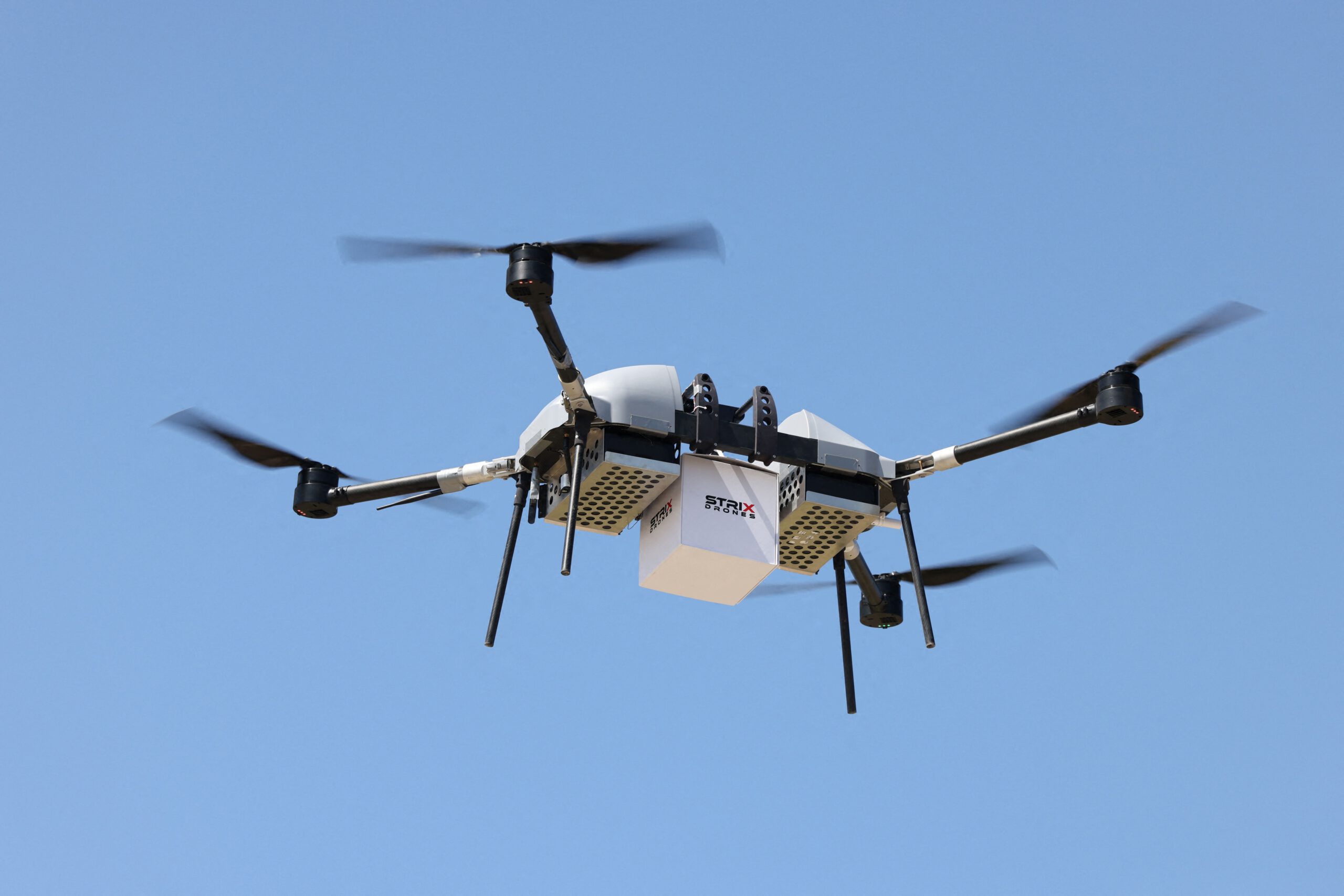
Technology represents one potentially fruitful area where the I2U2 member states — Israel, India, the U.S. and the UAE — could cooperate together, expand their format to include more countries, deliver tangible results, and avoid agitating other global and regional powers.
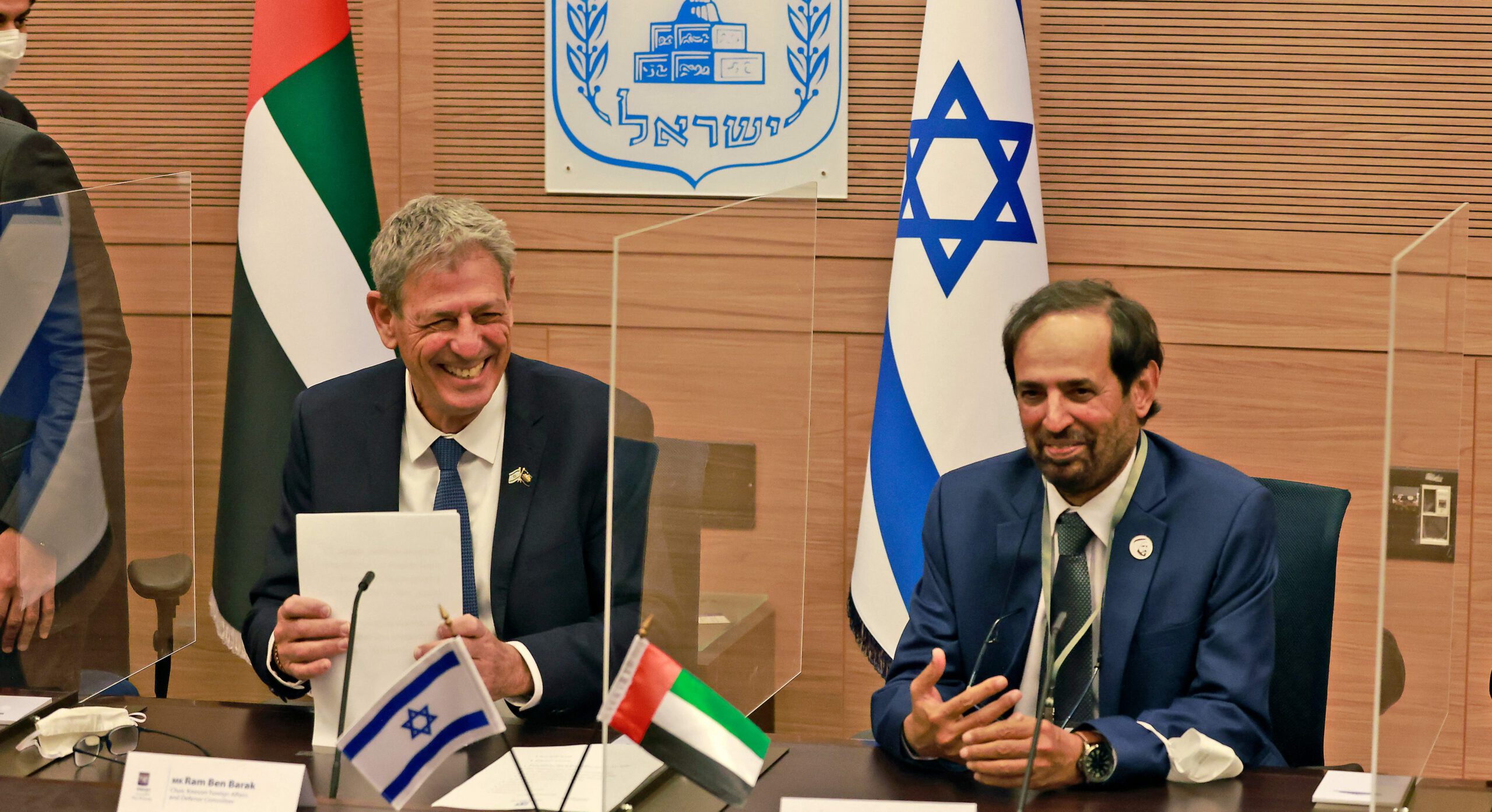
Two years on, what is the state of the Abraham Accords?
Two years after the signing of the Abraham Accords, progress in developing relations between Israel and its Arab neighbors has achieved mixed results, opening up some greater cooperation in the security sphere but failing to change Arab publics’ minds due to the lack of movement on the Israeli-Palestinian conflict.
حياكة السجاد الإيراني شرق الفرات: رغم الرفض الشعبي جماعات إيرانية تزيد نفوذها في الحسكة
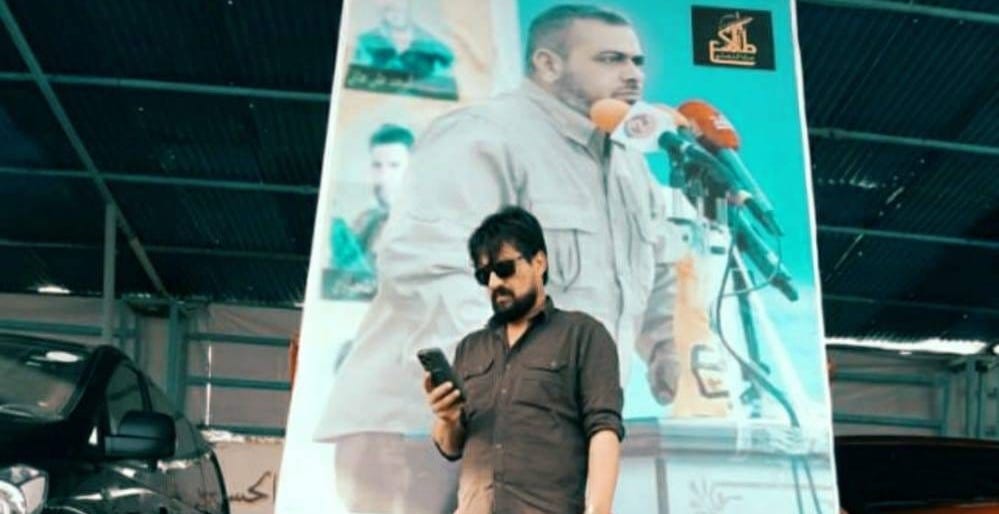
شهدت مدينة الحسكة شمال شرق سوريا يوم 22 أغسطس الحالي توزيعا لمنشورات وملصقات مناهضة للنفوذ الإيراني في المدينة، حيث ظهرت الملصقات في عدة مناطق حساسة وسط المدينة في المنطقة المعروفة بـ “المربع الأمني” التي تخضع لسيطرة جيش النظام السوري وميليشيات الدفاع الوطني التي أصبحت تخضع لنفوذ إيران.
“Carpet weaving” east of the Euphrates: Iranian proxy groups expand their influence in Syria’s Hasakah Province
On Aug. 22, the northeastern Syrian city of al-Hasakah was inundated with leaflets condemning creeping Iranian influence in the area. The printed messages were plastered around several highly sensitive locations in the city center, including the local branch of the Ba’ath Party, the neighborhoods of al-Matar and al-Mahatah, as well as near the Great Mosque and market streets.
From Tiger Forces to the 16th Brigade: Russia’s evolving Syrian proxies
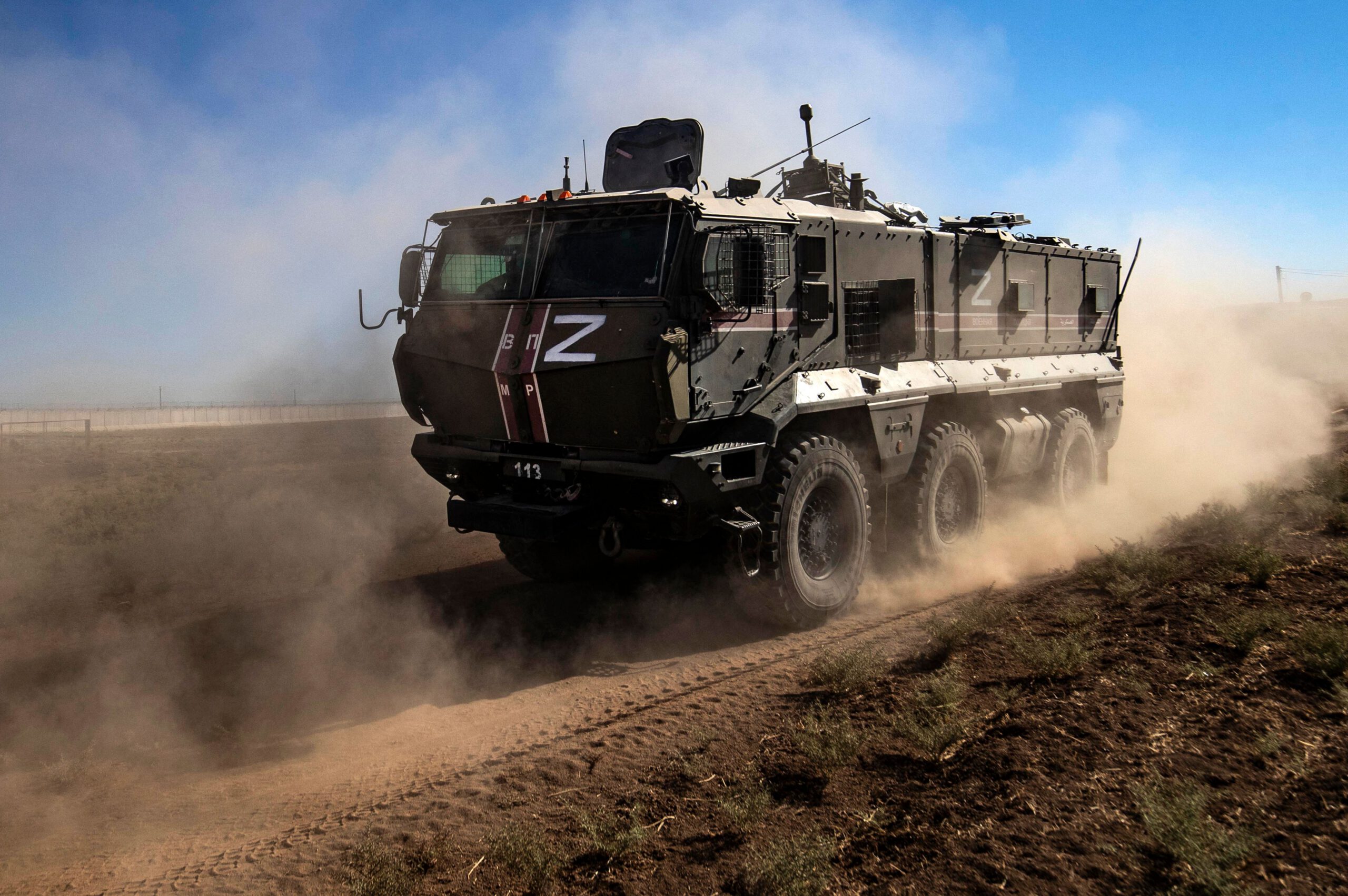
Russia’s 2022 invasion of Ukraine renewed focus on Moscow’s earlier military intervention in Syria, which often became framed as a “testing ground” for the weapons and tactics it now employs against Ukrainian cities. But crucially, the Russian forces backing Assad’s embattled regime also understood the importance of rebuilding the broken Syrian security forces into more effective fighting units.
Hospitable Thoughts: Saudi artist Abdulnasser Gharem’s New York show explores control and authority
When acclaimed Saudi artist Abdulnasser Gharem opened his first solo show in New York City last week, it closed the circle on a story that began more than two decades ago on Sept. 11, 2001, and the wars and chaos that followed. The 49-year-old Gharem, a seminal figure in and pioneer of Saudi Arabia’s contemporary art scene, hopes his exhibition Hospitable Thoughts, at the Marc Straus Gallery through Oct. 16, will spark a “new cultural dialogue.”
Emirati-backed forces eye Yemen’s energy heartland
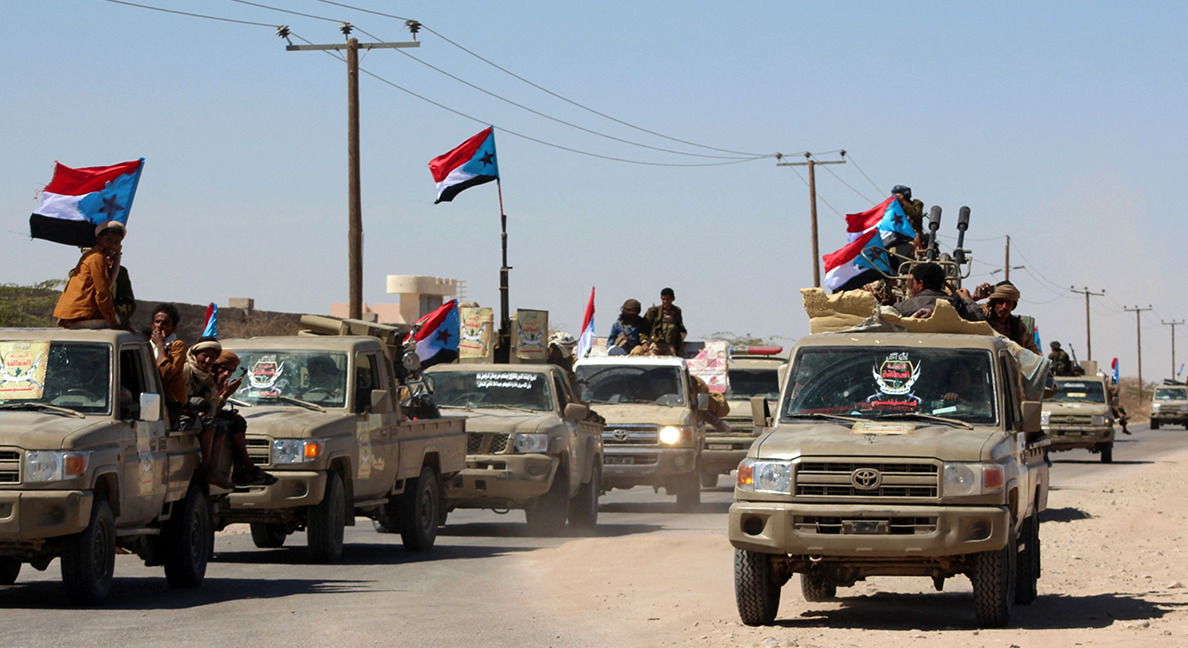
The battle for control of the Yemeni heartland and its energy resources has reached a turning point. Yemen’s internationally recognized institutions are, once again, in crisis. In fact, the current infighting within the “government camp” threatens both the long-stalled implementation of the 2019 Riyadh Agreement and the political legitimacy of the newly-established Presidential Leadership Council.
The renewal of the international agreement on Iran’s nuclear program does not undermine Israeli national security per se but rather a longstanding tenet of Israel’s strategic thinking: that it must be able to fully eradicate any challenge to its military superiority deep inside enemy territory.
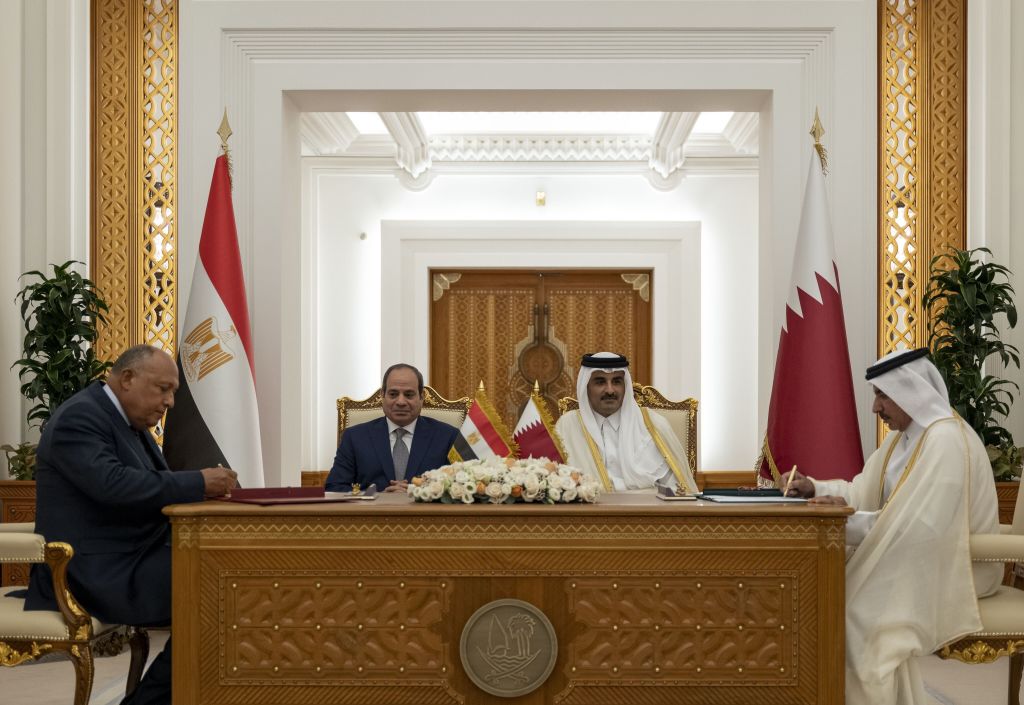
The diplomatic ice is breaking in the Gulf. What does that mean for the region?
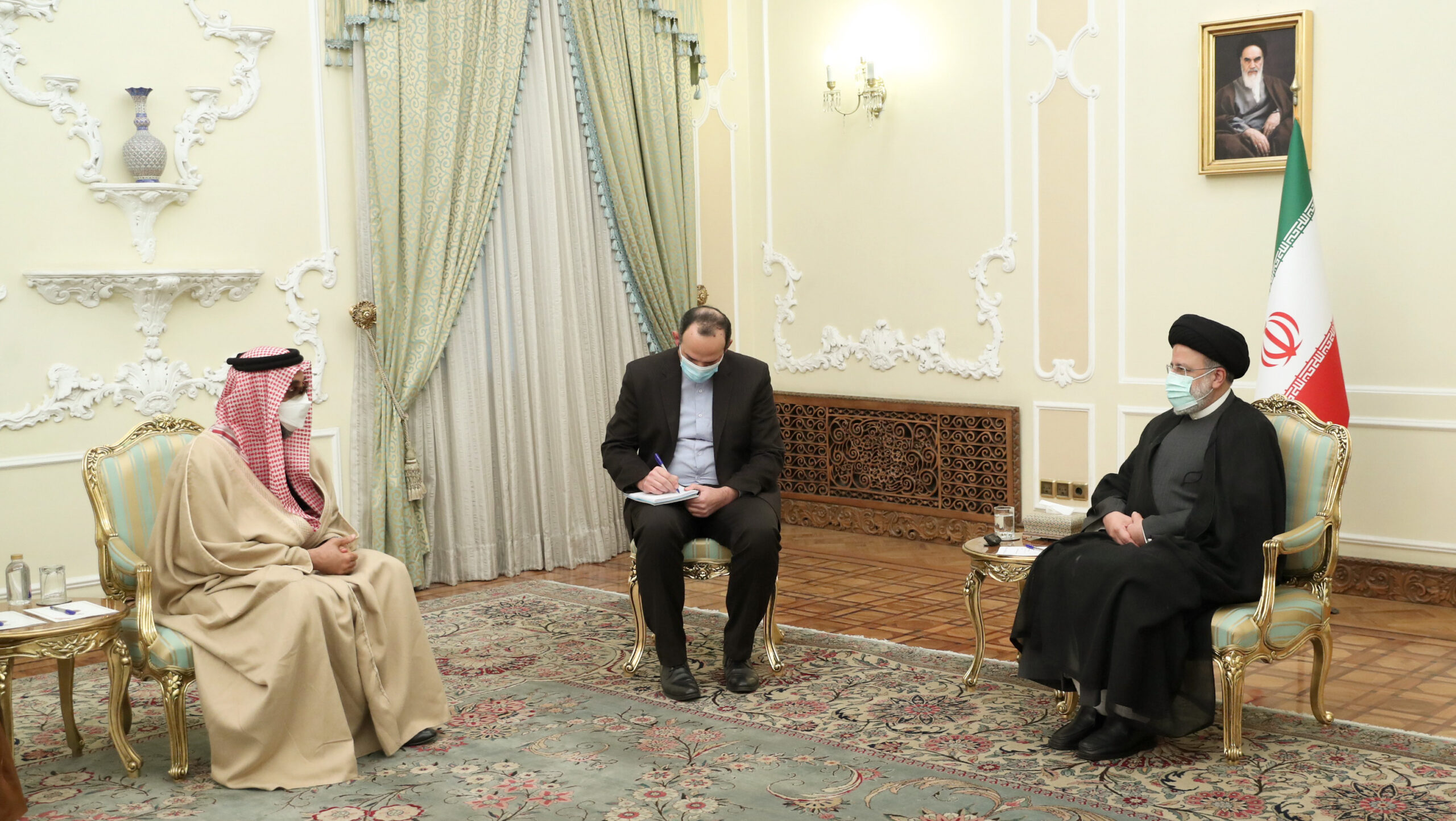
The announcements in mid-August that both the United Arab Emirates and Kuwait will be returning their ambassadors to Tehran after six years provided the latest indication that the diplomatic ice has started to break in the Gulf region.
Syrian foreign policy in the Caucasus and Ukraine: An unbalanced, Russia-centered approach
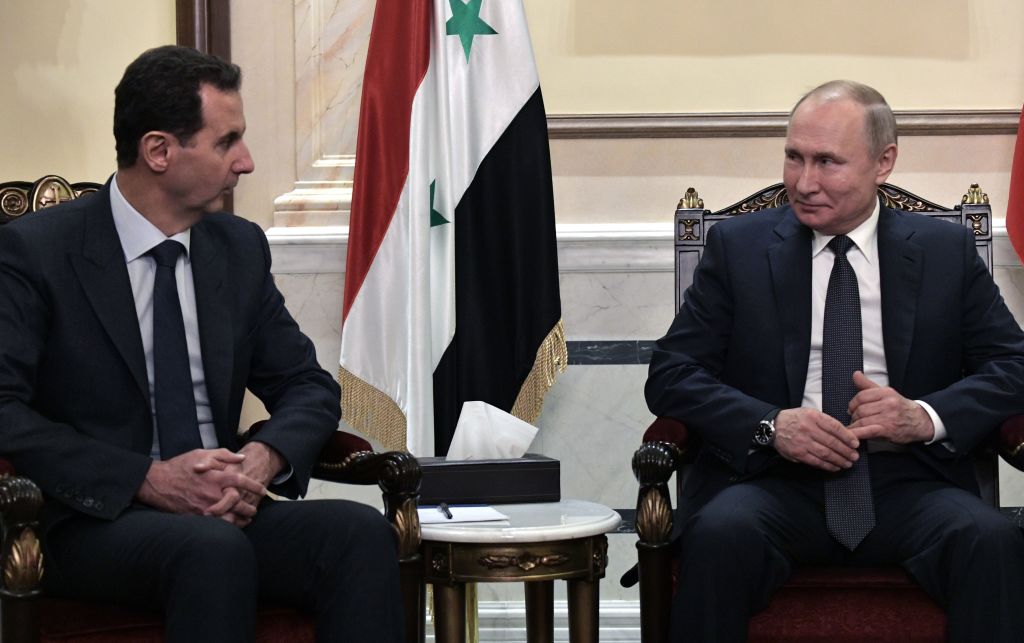
The embattled Syrian regime’s need to preserve Russian military and political support has compelled Damascus to adopt the Kremlin line in its foreign policy positions toward the former Soviet space.
Trump Didn’t Kill the Carter Doctrine—It Was Born Dead
The United States and its Gulf Arab partners need a new security arrangement that effectively shares the burden of defending against Iranian hostility and goes beyond deterrence.