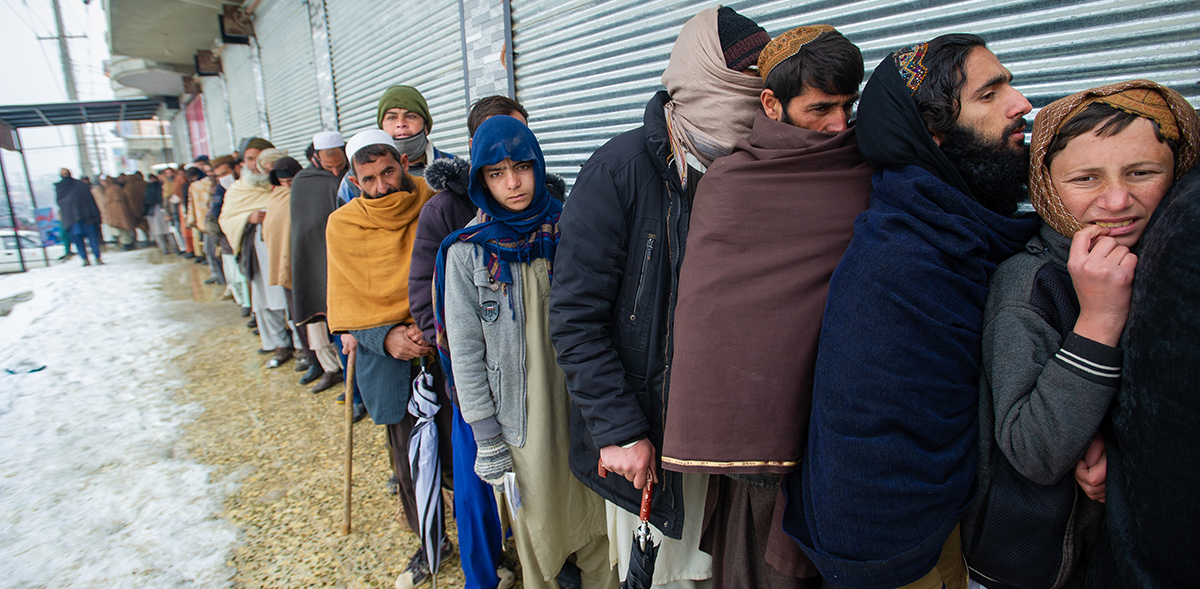
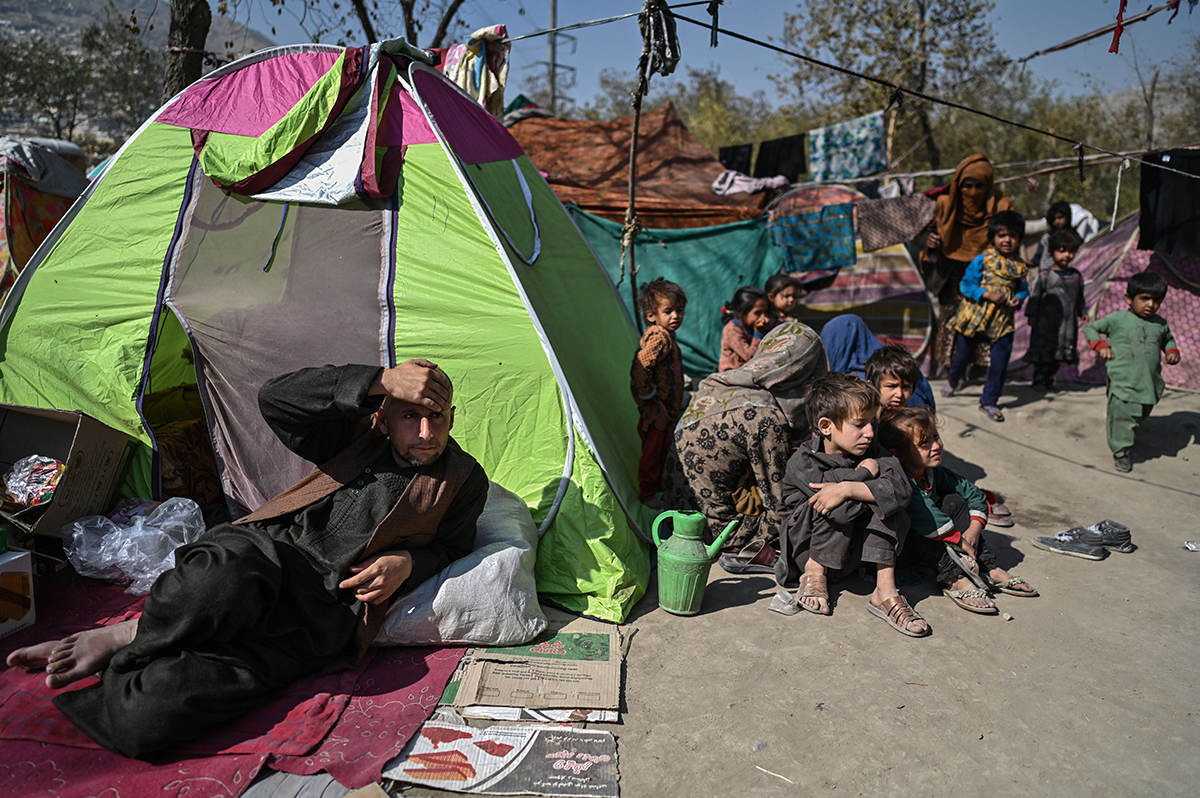
On Jan. 13, U.N. Secretary-General Antonio Guterres expressed alarm that millions of Afghans are on the “verge of death” thanks to a lethal brew of “freezing temperatures and frozen assets.” This was no idle warning. Notwithstanding the decline in fighting following the Taliban’s victory in August 2021, Afghanistan’s economy is in a deepening spiral of impoverishment and destitution.
Strong Turkey-Ukraine ties are key to Black Sea security
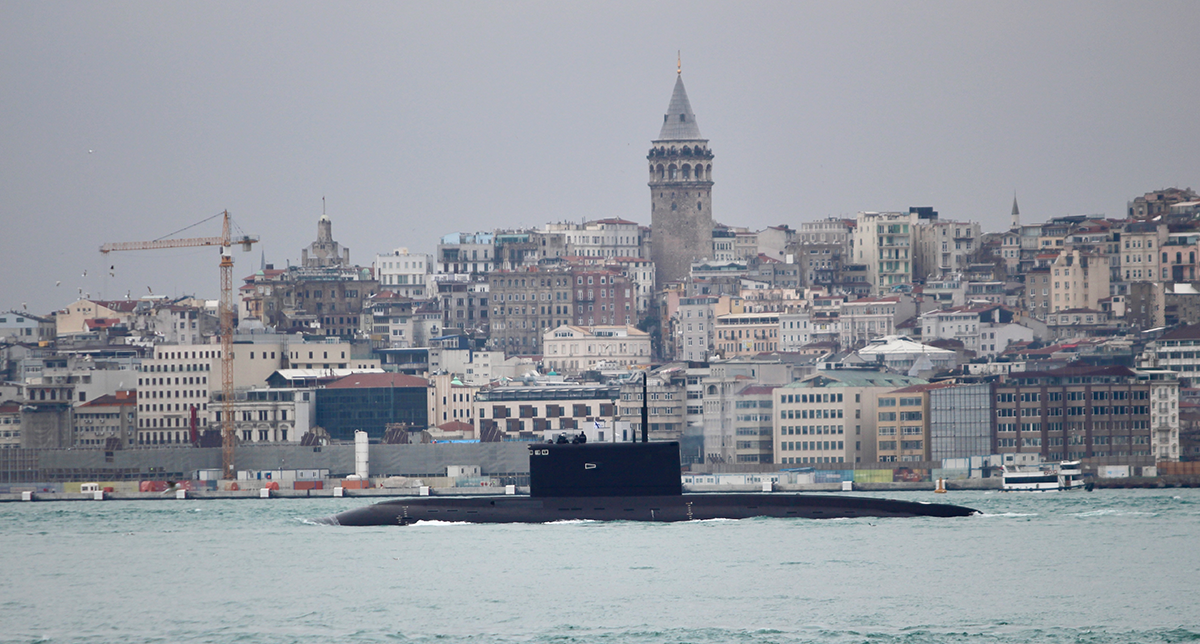
On Jan. 6, 2019, the eve of Orthodox Christmas, the Ecumenical Patriarchate in Istanbul awarded a decree of independence, known as a tomos, to the then-newly established Orthodox Church of Ukraine — a milestone in the country’s history. The move reversed a 1686 decision that had transferred jurisdiction over Kyivan Orthodox churches to Moscow. After 333 years, however, it’s not only the faithful who have changed their direction from Moscow toward Istanbul. Ukraine and Turkey are strengthening their strategic partnership by deepening their cultural, political, military, and economic cooperation.
Competing over Islam: Turkey, Saudi Arabia, and Iran in the Balkans
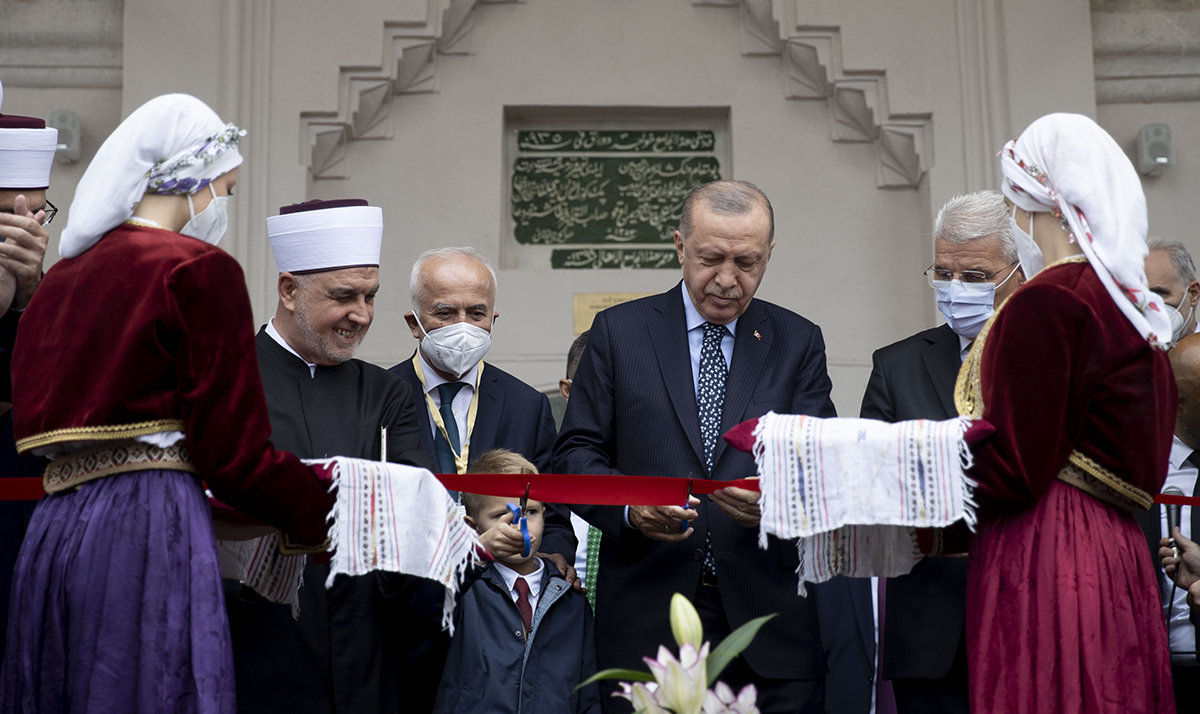
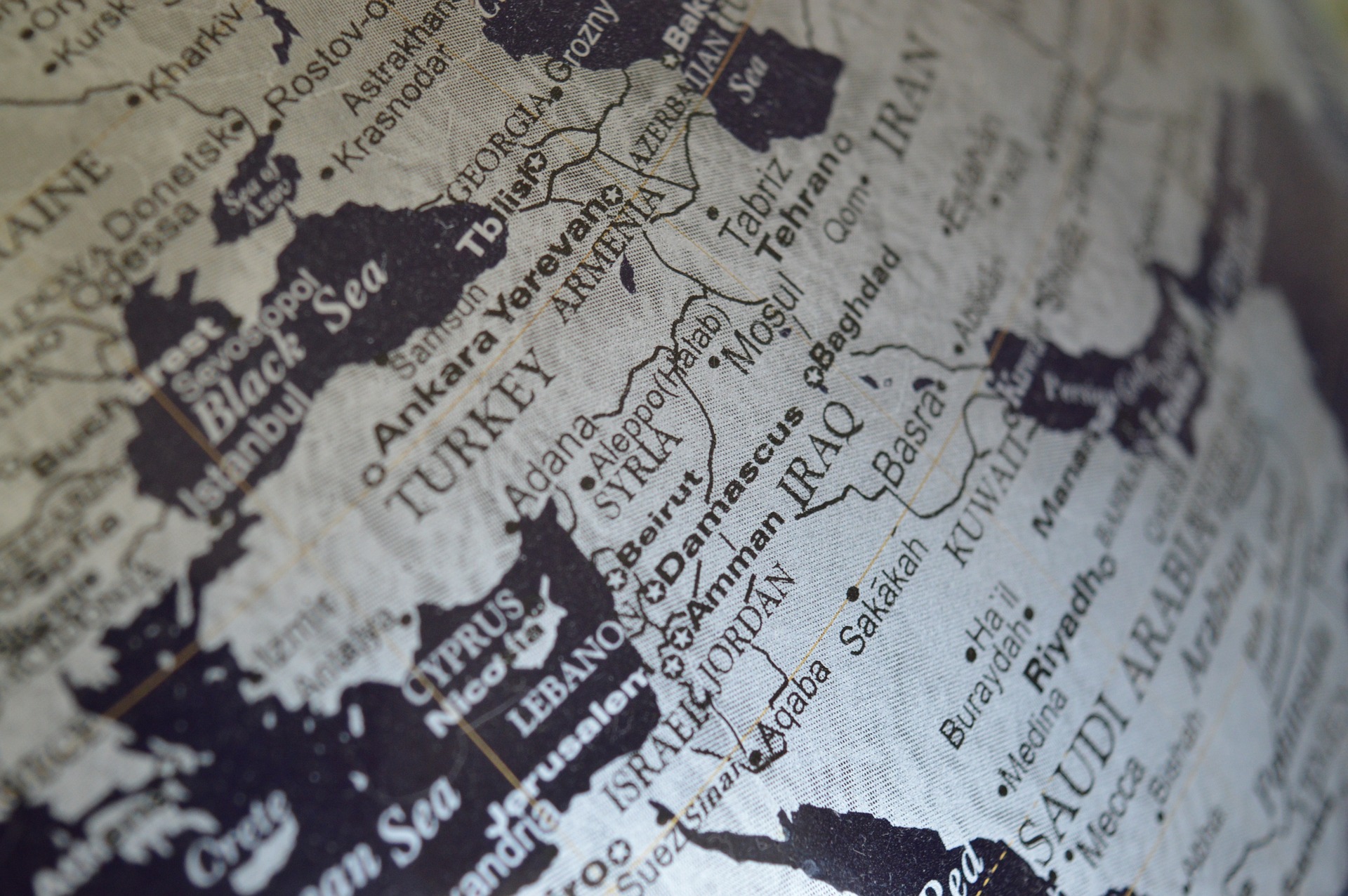
Turkey, Saudi Arabia, and Iran have been the main competitors in a struggle over who — and in what manner — should act as the patron of Muslims in the Balkans. These three countries are very different in terms of their historical footprint, economic and political presence, and local networks. What they share, however, is the use of Islam to exert soft power. This paper will discuss how they are seeking to wield influence, how regional actors respond to their overtures, and whether these three countries are meeting their objectives in the region.
The right war fought the wrong way: Reflecting on the US withdrawal from Afghanistan
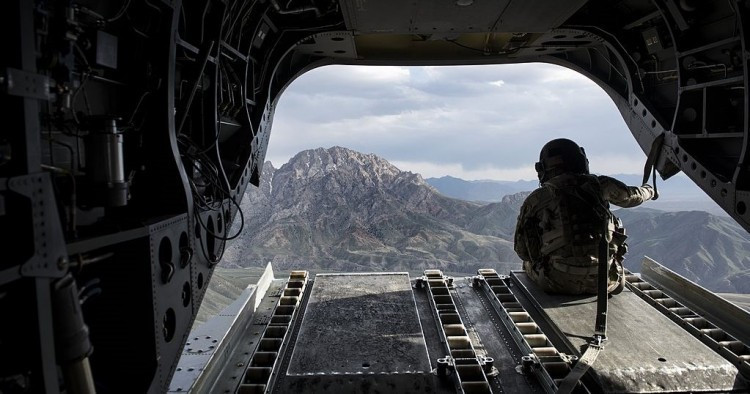
The initial success in Afghanistan was achieved with a limited number of forces from the CIA, the U.S. military (especially special operations), and our partners in the Northern Alliance. In the opinion of many military experts and historians, it was a model for how to conduct a large-scale military operation with limited casualties and expenditure of resources.
Afghan filmmaker Sahraa Karimi tells her people’s story — and her own
Afghan filmmaker Sahraa Karimi has spent decades documenting the plight of Afghan women. But when the Taliban returned with a vengeance following their takeover of Kabul on Aug. 15 of this year, she turned the camera on herself.
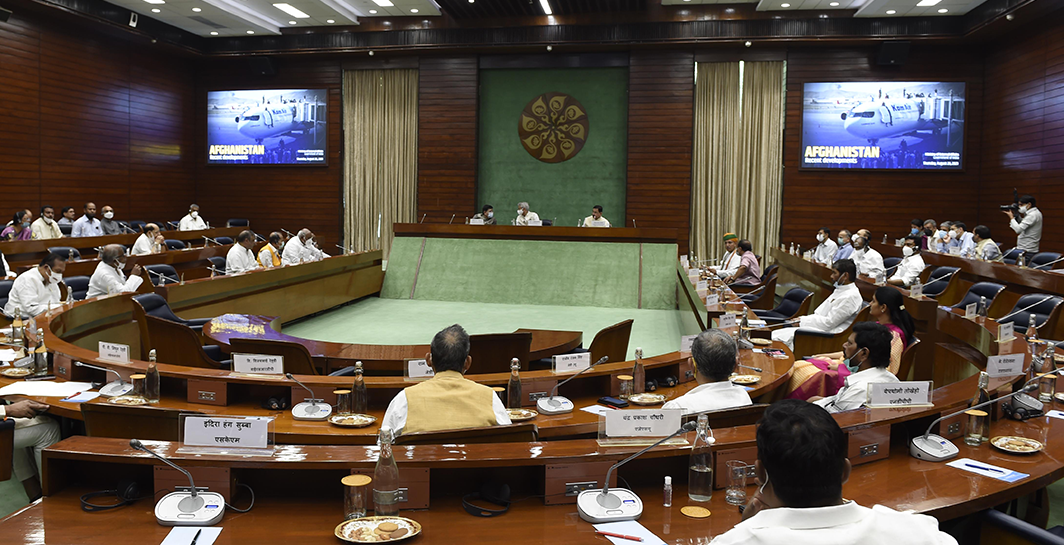
As the humanitarian situation in Afghanistan grows increasingly dire, Pakistan has informed India that it will allow the transportation of wheat and life-saving medicines from India to Afghanistan through its territory, on the condition that only Afghan trucks are used to carry it. The Taliban regime has praised Pakistan for the move, but will it arrest the decline in India’s fortunes in Afghanistan?
عقب استقالة وزير المالية واستبداله بأحد الموالين للرئيس رجب طيب أردوغان في الثاني من ديسمبر/كانون الأول، واصلت الليرة التركية تراجعها المطرد أمام الدولار، لتصل خسائرها خلال العام إلى قرابة 50٪. من جديد تقع العملة التركية تحت وابل من المضاربات، على غرار الحلقات السابقة في يوليو/تموز 2018 وأكتوبر/تشرين
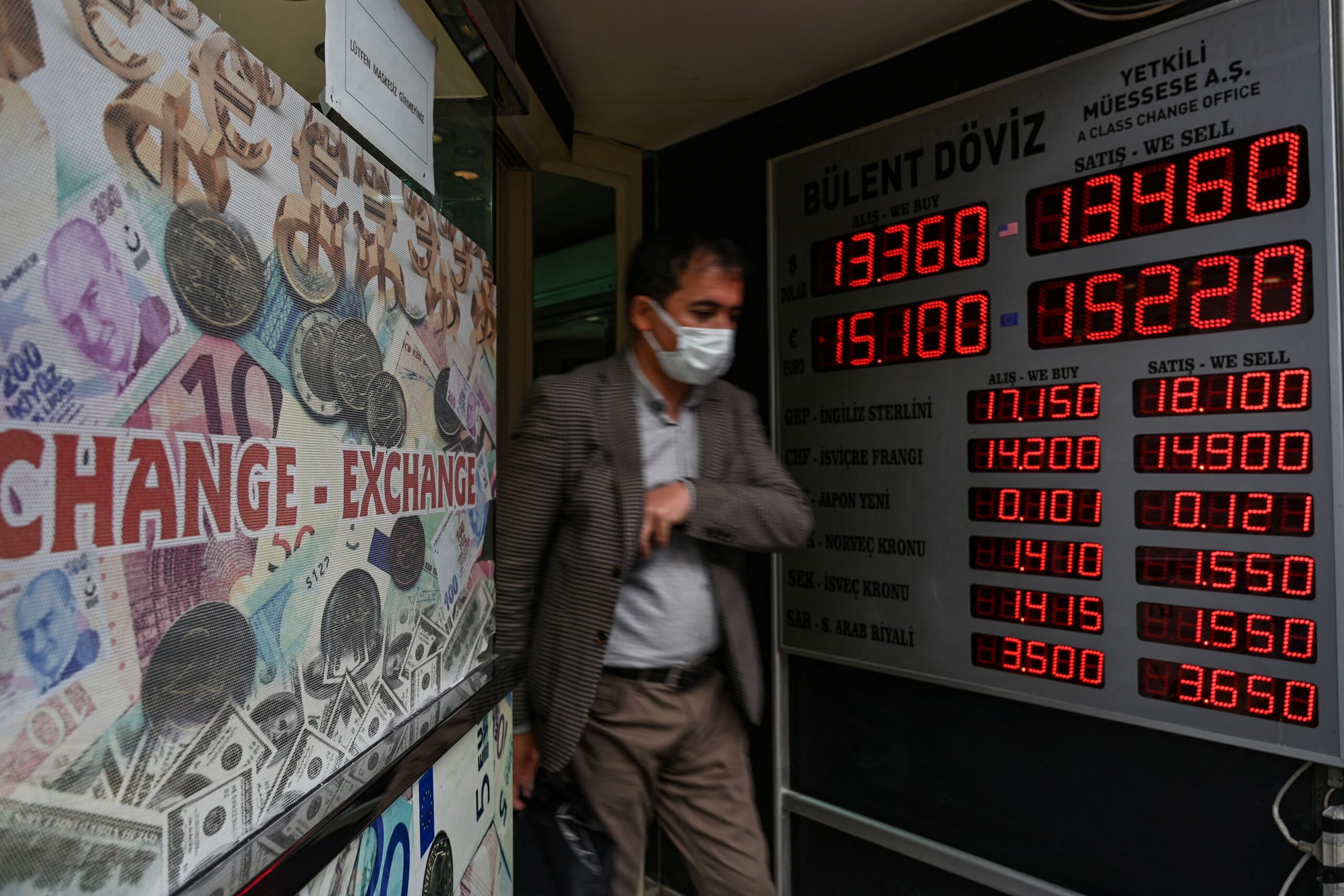
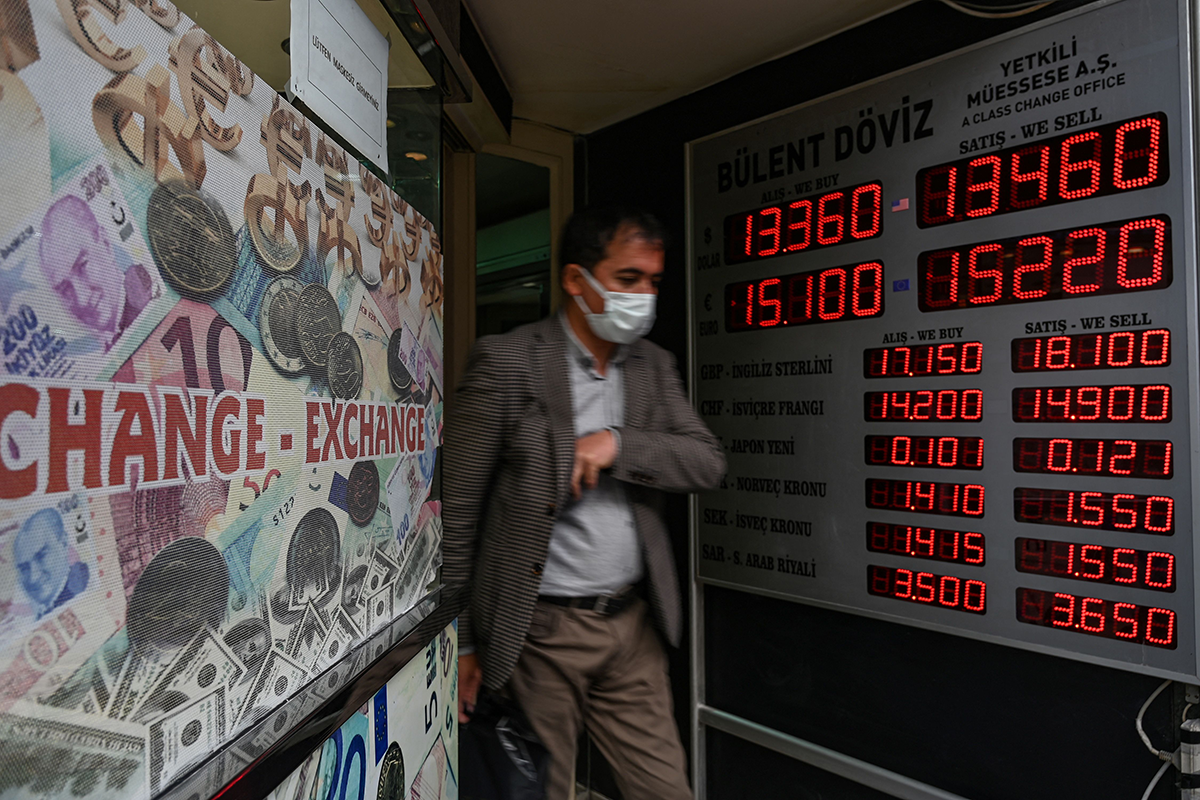
Following the resignation of the finance minister and his replacement by a loyalist on Dec. 2, the Turkish lira continued its steady decline against the dollar, bringing its losses for the year to nearly 50%. The Central Bank of the Republic of Turkey’s early cuts to the policy rate since September have resulted in an exodus of foreign capital and a rush in demand for foreign exchange among domestic investors.
Tajikistan’s evolving relations with the Taliban 2.0
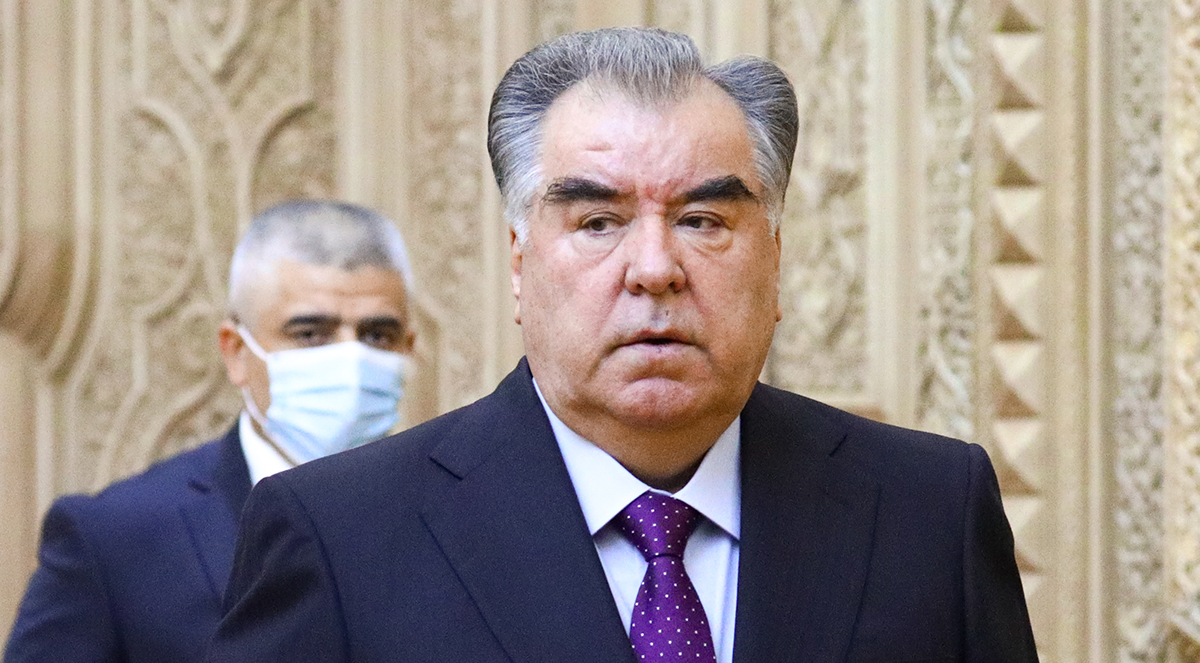
While the international community has adopted a “wait-and-see” attitude toward the Afghan Taliban, Tajikistan has taken a sharply critical view. Rhetoric between Tajikistan and the Taliban is increasingly bitter, a symptom of a broader problem in their bilateral ties. Tajikistan’s President Emomali Rahmon has condemned the Taliban regime in Kabul for failing to form an inclusive government and for violating human rights in the Panjshir Valley. The Taliban have responded by warning Tajikistan not to interfere in Afghanistan’s internal affairs.
Since the hasty American withdrawal from Afghanistan in August, refugees have flowed out of the country and its domestic problems have grown increasingly dire due to the lack of effective governance and much-needed funding. Neighboring countries Iran, Pakistan, and China, along with other regional states and the U.S., now all face a dilemma as to how to stabilize the rapidly deteriorating internal situation. Further efforts must be made to address the growing economic and humanitarian crisis, especially before the onset of winter, although the nature and scope of these efforts are likely to be shaped by the broader competition between Washington and Beijing.