Vibrant art scene inspires cooperation, competition in Gulf
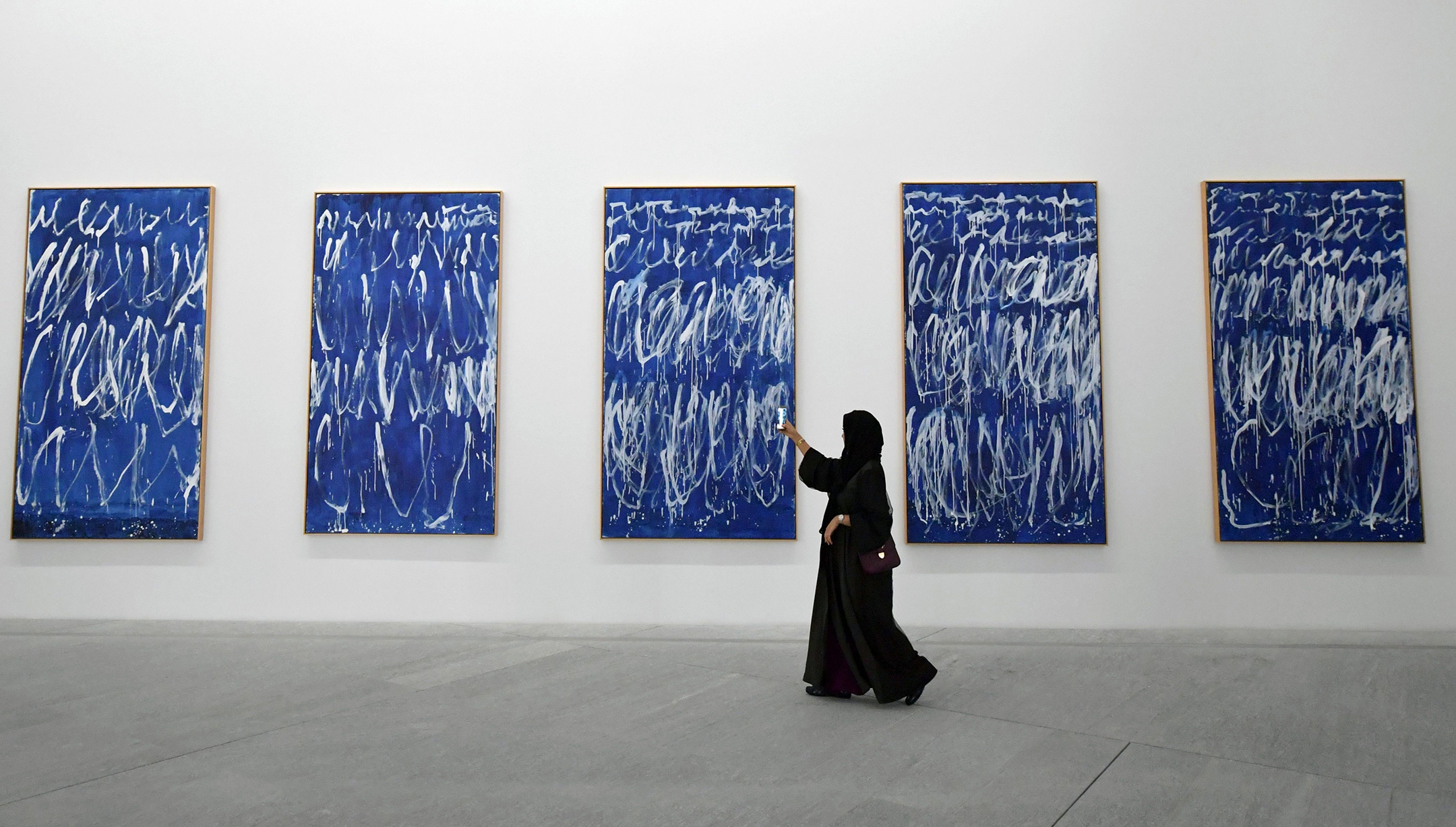
The countries of the Middle East are using art to remodel their national identities. Billions of dollars have been spent on colossal building efforts and massive acquisition programs in an effort to expand the cultural sector in the Middle East, especially in the Gulf. Art acquisition now appears to be part of a geopolitical strategy by Gulf countries to use their hydrocarbon money to purchase cultural clout and establish themselves as international cultural centers.
Violent extremism: historical patterns and precedents, ancient and modern
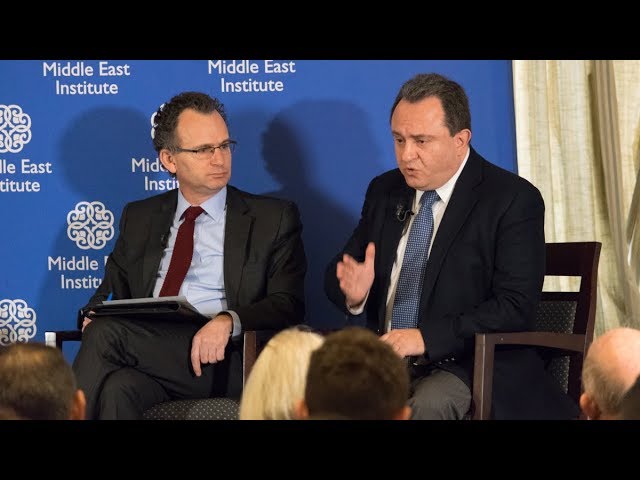
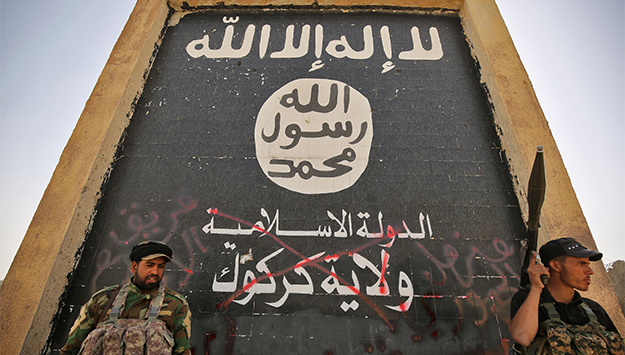
Middle Eastern history is often portrayed as a succession of empires and political orders harassed and occasionally brought down by violent opponents–usually labeled as terrorists at the time. This was true in ancient times as well as modern. And today’s violent extremist groups resurrect historical narratives and grievances to fuel contemporary conflict.
The humanitarian disaster in Syria’s eastern Ghouta
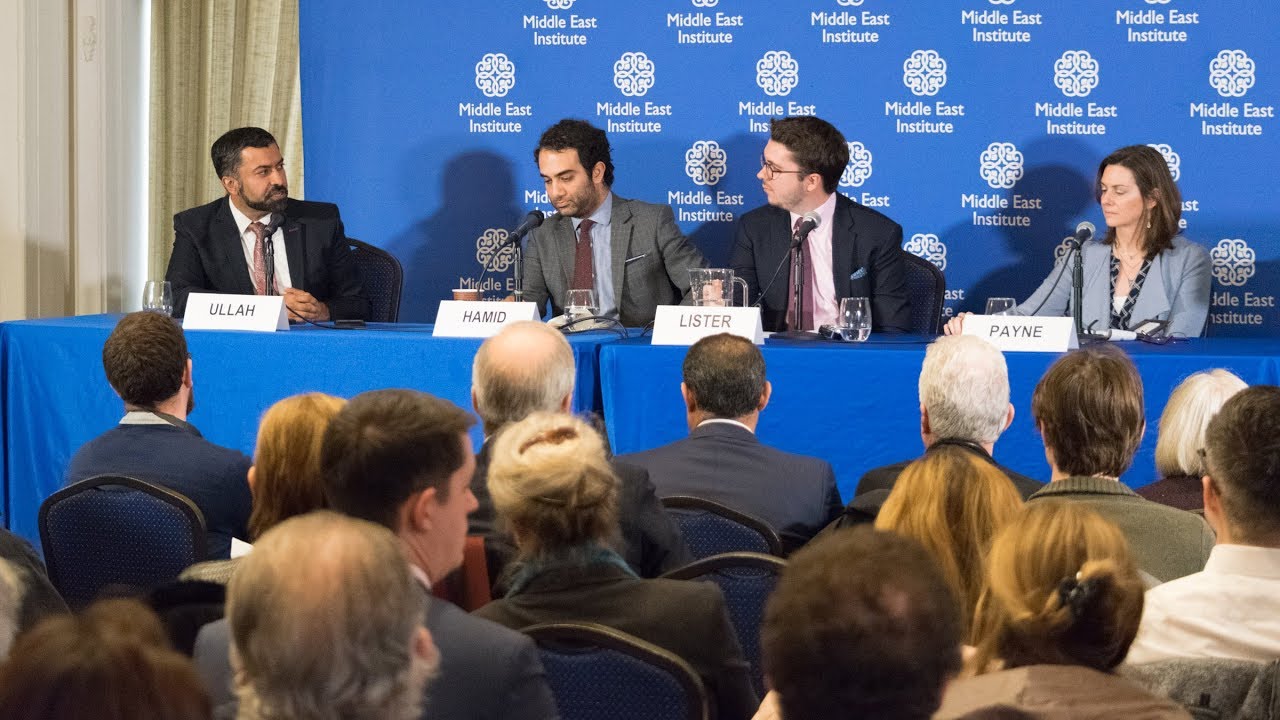
The Damascus suburb of eastern Ghouta is the site of a humanitarian disaster unfolding day by day as the Syrian regime and its Russian and Iranian backers have maintained a massive aerial assault that has killed hundreds. MEI Fellows Ibrahim al-Assil and Charles Lister join host Paul Salem to discuss the conditions on the ground and what led to the campaign that has turned Ghouta into a “Hell on Earth.”
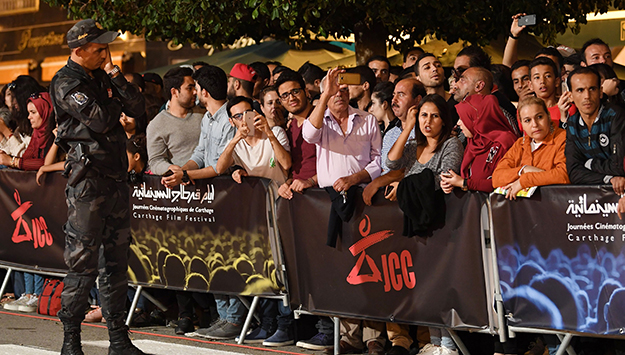
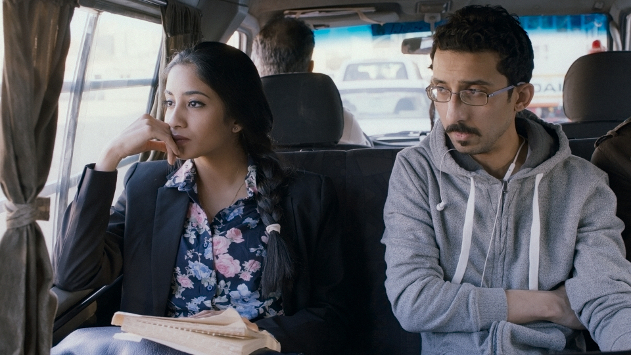
Returning to Tunisia for the first time in six years after facing charges of blasphemy for the making of “Laicite Inshallah,” her 2011 film about religious hypocrisy and government complicity with Islamist elements during and after President Zine El Abidine Ben Ali’s regime, veteran filmmaker Nadia el-Fani experienced an emotional moment.
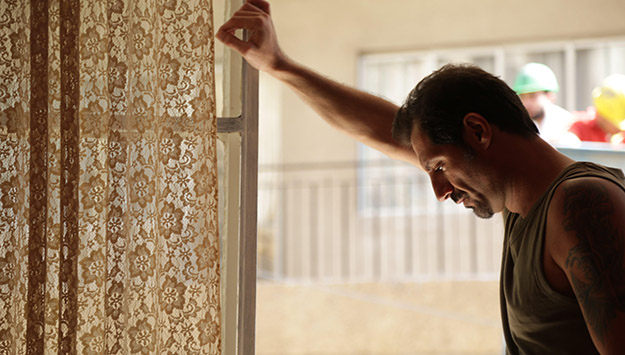
Standing on the stage at the Carthage Film Festival’s November 2017 screening of her film, “It Doesn’t Even Hurt,” which depicts her simultaneous battles with breast cancer and death threats from Islamist extremists, she began to weep.
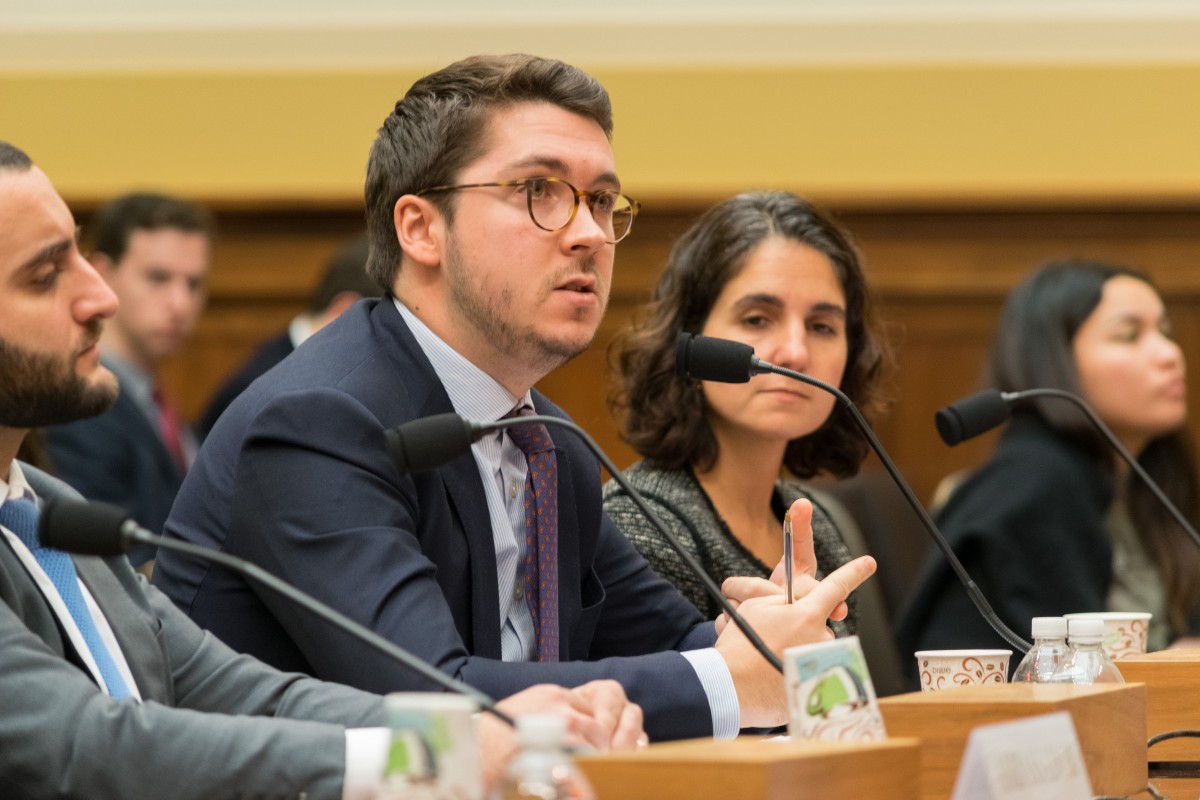
Syria: Which Way Forward? | Congressional Testimony by Charles Lister
The below testimony was delivered to the House Foreign Affairs Committee by Charles Lister on February 6, 2018. See also testimony by Amb. Robert S. Ford, delivered at the same hearing, or the video webcast of the proceedings.
Nowhere in the world are women more unequal than in the Middle East and North Africa, but there have been signs of progress in the region and several key reforms took place in 2017, such as Saudi Arabia’s decision to lift the ban on women driving. Manal Omar, founder of Across Red Lines, and Hala Aldosari, a fellow at the Radcliffe Institute for Advanced Study at Harvard University, join guest host Kate Seelye to discuss these reforms and whether they signal real change in attitudes toward women’s rights in the region.
January 10, 2018 – Mobile technologies for consuming and spreading information are empowering individuals and nonstate actors in politics and in conflicts. Social media activists scrutinize authoritarian and democratic powers alike. Violent extremists such as ISIS have used the web to advance their ideologies, project invincibility, undermine governments, and sow fear and hatred. The information battlefield surrounds all internet users.
Fittingly for someone who divides her time between two river cities, DC-born, Baghdad-bred, and now London-based filmmaker Maysoon Pachachi says she is a woman who “lives on a bridge.”
“I’ve been a stranger everywhere I’ve lived,” says Pachachi, now 70, whose documentaries have captured life in Gazan refugee camps, downtown Beirut and medieval Cairo. “I’ve moved around my whole life, but I can adapt and fit in wherever I am.”
In the Crowded Arena of Tuareg Rockers, Mdou Moctar Stands Tall
Mdou Moctar recently finished his first U.S. tour. In his three October performances in Washington, he set out to do a lot. Pickless, his kinetic guitar licks bounced around the stage, bringing his audience thousands of miles away to the Sahara desert. His calm, welcoming voice sang about the struggles and hopes of his divided homeland.
November 29, 2017- Syrian protest art served as a critical form of non-violent expression during the uprisings against the Assad government starting in 2011. Recognizing the work’s historic significance, the British Museum recently acquired a collection of posters, prints drawings and photographs produced during the conflict, and turned them into a unique exhibit, “Living Histories.”