ISIS Eyes Tunisia’s Cultural Heritage as Militants Return
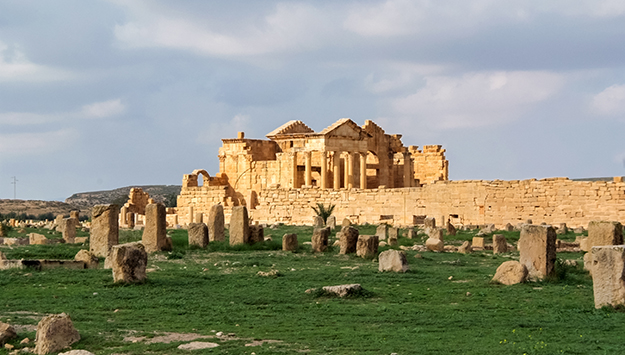
Looting and trafficking of antiquities in the Middle East and North Africa has reached unprecedented levels since the rise of ISIS. In a region with tens of thousands of archaeological sites, antiquities are as easily accessible as oil for terrorist groups controlling such archaeologically rich territory.
Last week’s terrorist attack in New York City utilized similar tactics to other low-tech attacks carried out in western Europe, closely following the ISIS playbook.
Jasmine El-Gamal, senior fellow at the Atlantic Council, Charles Lister, director of MEI’s Extremism and Counterterrorism project, and Will Wechsler, MEI senior fellow on national security and counterterrorism, join host Paul Salem to discuss what the attack means for U.S. counterterrorism policy and the future of the fight against ISIS.
The NYC Terror Attack and U.S. Counterterrorism Policy
November 2, 2017 – Charles Lister, director of MEI’s Extremism and Counterterrorism program, discusses what the recent terror attack in lower Manhattan, and the suspect’s claimed connection to ISIS, means for U.S. security and counterterrorism policy.
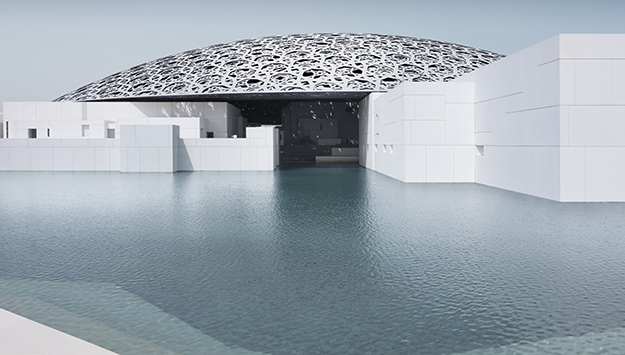
It was a magical moment to come after so many years of anticipation, when the platform below the Louvre Abu Dhabi was carefully flooded with sea water from the surrounding Gulf.
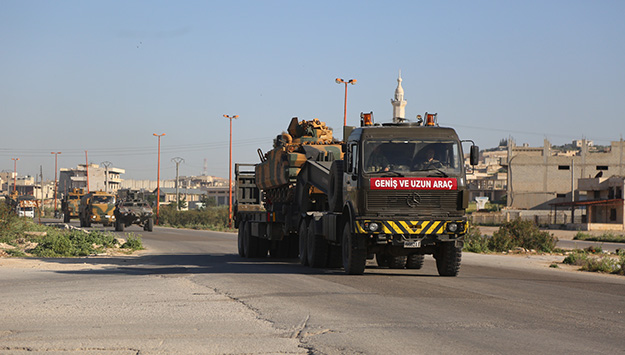
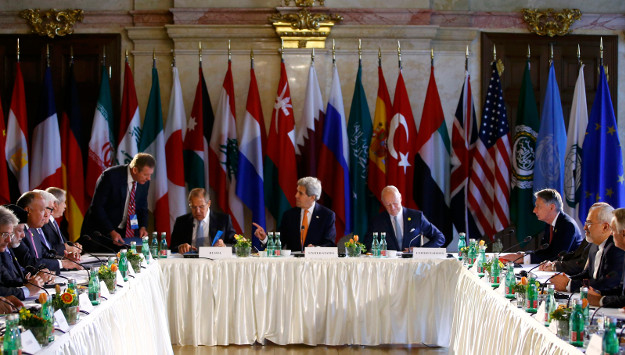
Who will win the spoils from ISIS’ demise in Syria? The Syrian civil war is entering a new phase with the liberation of Raqqa, as well as the Turkish intervention in the north. MEI experts Paul Salem, Charles Lister, Ibrahim al-Assil and Gonul Tol discuss the latest developments in Syria.
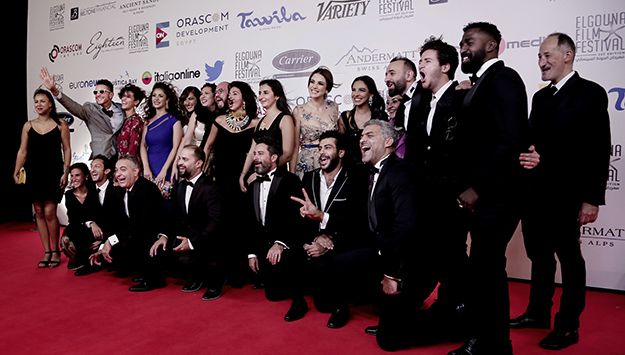
The view from El Gouna, the luxury Red Sea resort constructed in the late 1980s by Egyptian business tycoon Samih Sawiris, can be misleading. The plush yachts, pricey food menus and grand parties present an alternative reality to the financially-strapped, religiously conservative one of the capital. In other words, El Gouna is not Egypt. The industry’s muted, skeptic reaction to the establishment of an international film festival in Hurghada’s most affluent town this year was thus quite expected.
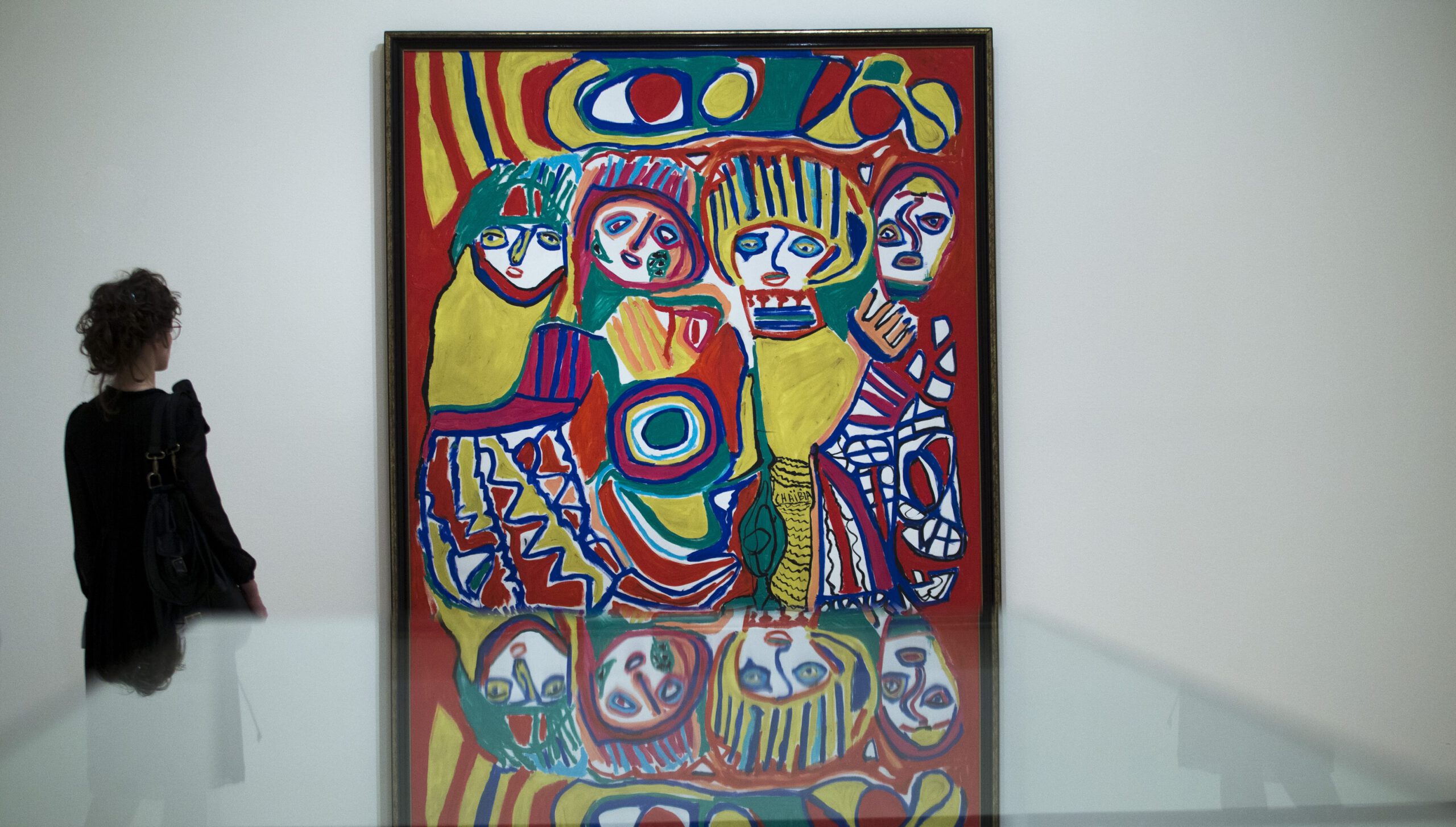
‘Arab,’ ‘Islamic’, or ‘Middle Eastern’ art are all terms used interchangeably. Despite a wide variety of contemporary artistic practices in the region, artists from the Middle East are consistently labeled with ethnic and national markers.
House Committee Passes Anti-Hezbollah Legislation | MEI Flash
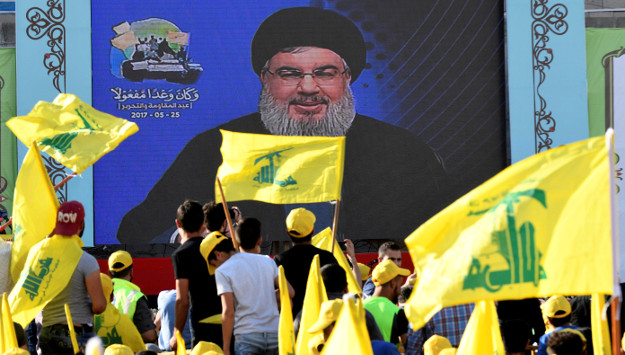
The U.S. House of Representatives Foreign Affairs Committee passed two bills today that tighten sanctions on Hezbollah. The bills amend sections of the Hezbollah International Financing Act of 2015. The first bill imposes sanctions on any foreign person that assists a number of key Hezbollah financial, security, foreign relations, and media institutions. The second bill imposes sanctions on persons responsible for use of people as human shields in the 2006 war or thereafter, and names Hezbollah senior leadership among those intended.
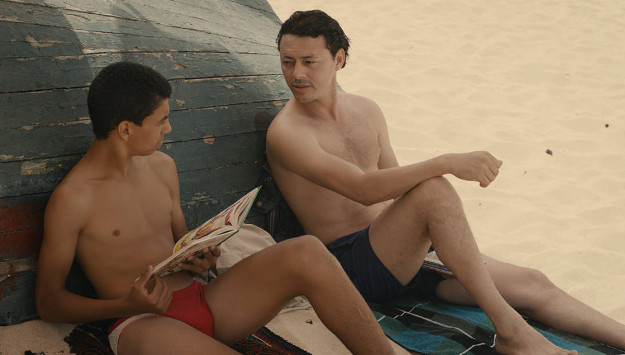
One of the most revealing moments of the recently concluded Ramadan TV season occurred in the new Egyptian series, Don’t Turn Off the Sun. A newly-wedded young wife finds out that her husband is having an affair with his male friend; a liaison that ultimately leads to the dissolution of their marriage. The most telling aspect of what was potentially perceived as a provocative move from the series’ makers was the fact that it didn’t stir any controversy at all.
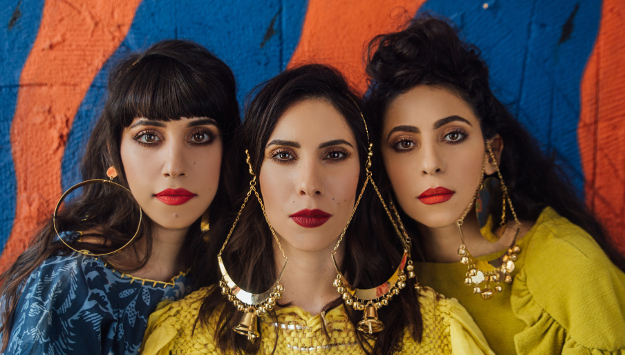
Yemenite pop music has seen a resurgence. The band A-Wa (pronounced “ai-wah,” informal Arabic for “yes!”) and their infectious blend of Yemenite folk, electronic, and hip-hop music can be heard all over the world—from Cairo taxi cabs to Dubai pool parties and Parisian nightclubs. The band, whose mission is to elevate Yemenite music on the international stage, is composed of three Israeli sisters of Yemenite heritage.
Art has long been both an instrument for openly engaging in dialogue as well as an agent to force an overdue conversation. The installations of international artists, such as Dawn Weleski, Jon Rubin, Ai Weiwei, and Theaster Gates, all engage with social issues and help introduce new perspectives or dialogue. The fusion of art and socio-political commentary thrives especially in the Middle East, where unrestricted criticism of both government and cultural norms can be seen as heresy.
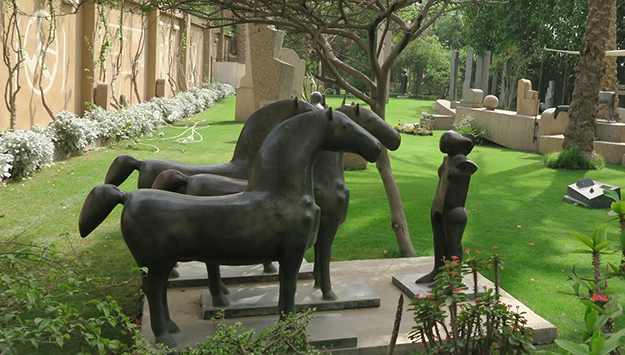
The road to Haraniyya, a formerly rural area just beyond the Giza pyramids, is now an eight-lane highway flanked by red-brick buildings packed and stacked as if designed by some demented cubist. But take the exit, cross a canal and tucked behind a wall of residential towers, the Museum of Adam Henein exists in magical contrast, a verdant stronghold of living art, and one of Cairo’s hidden treasures.
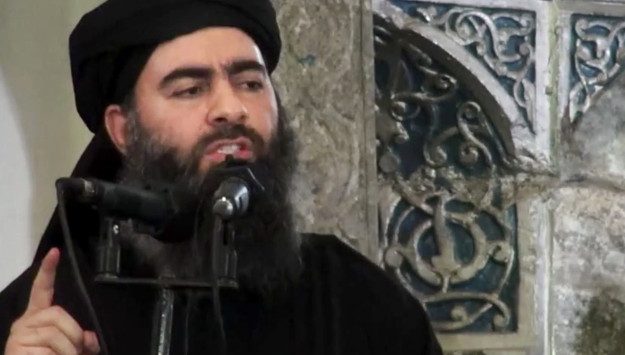
Russia’s claim to have killed ISIS leader Abu Bakr al-Baghdadi in an airstrike in Raqqa on May 28 should be taken with a heavy grain of salt. At the time in question, the U.S.-led Syrian Democratic Forces (S.D.F.) were only days away from launching their final assault on the city and there’s no logical reason imaginable why Baghdadi would have risked staying in a surrounded, sitting target. Notwithstanding justified doubts surrounding Baghdadi’s then presence in Raqqa, Russia’s statement also says its strike killed another 330 ISIS fighters – which is almost certainly an absurd claim.