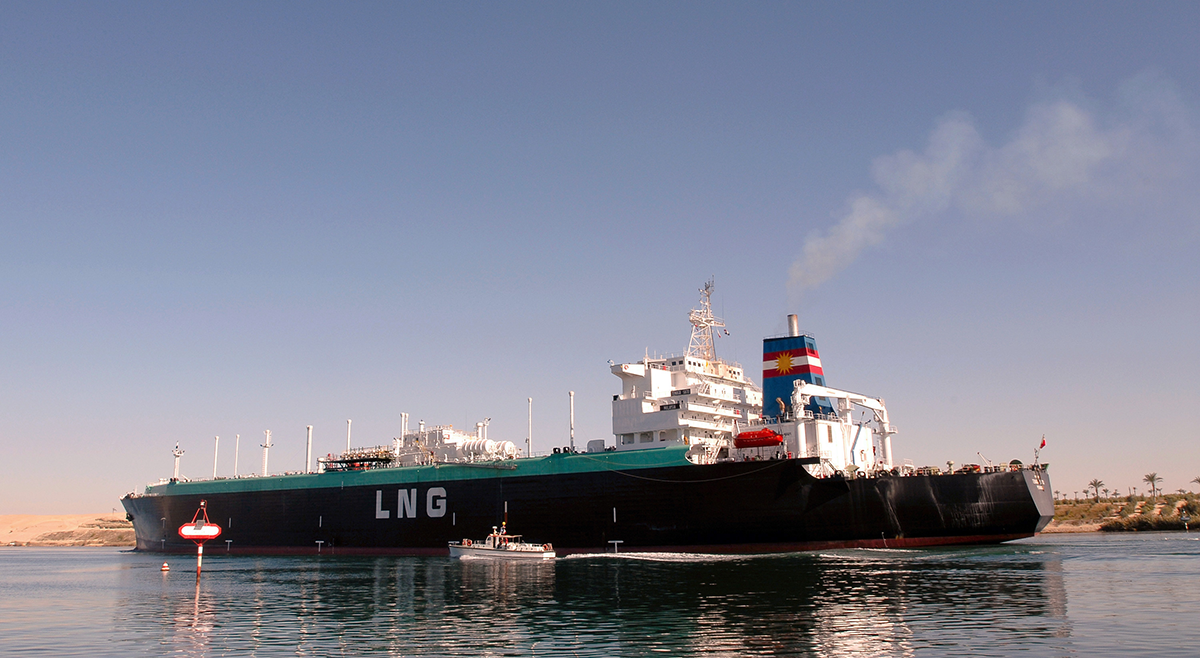
Egypt is currently the fastest-growing Arab exporter of liquefied natural gas (LNG), according to a report released by the Organization of Arab Petroleum Exporting Countries on Aug. 16. The report showed that Egypt exported around 1.4 million tons of LNG in the second quarter of 2021, having not exported any LNG during the same period in 2020.
The return of the pharaohs: The rise of Egypt’s civilization-state
After decades of soul searching to define itself as a state, Egypt is building its own civilization-state and seeks to join an emerging club of nations that center historical and cultural tradition in their policy and governance structures and reject the West’s cultural dominance. The civilization-state is the prism through which Western capitals should view and understand Egypt’s domestic and foreign policy moves.
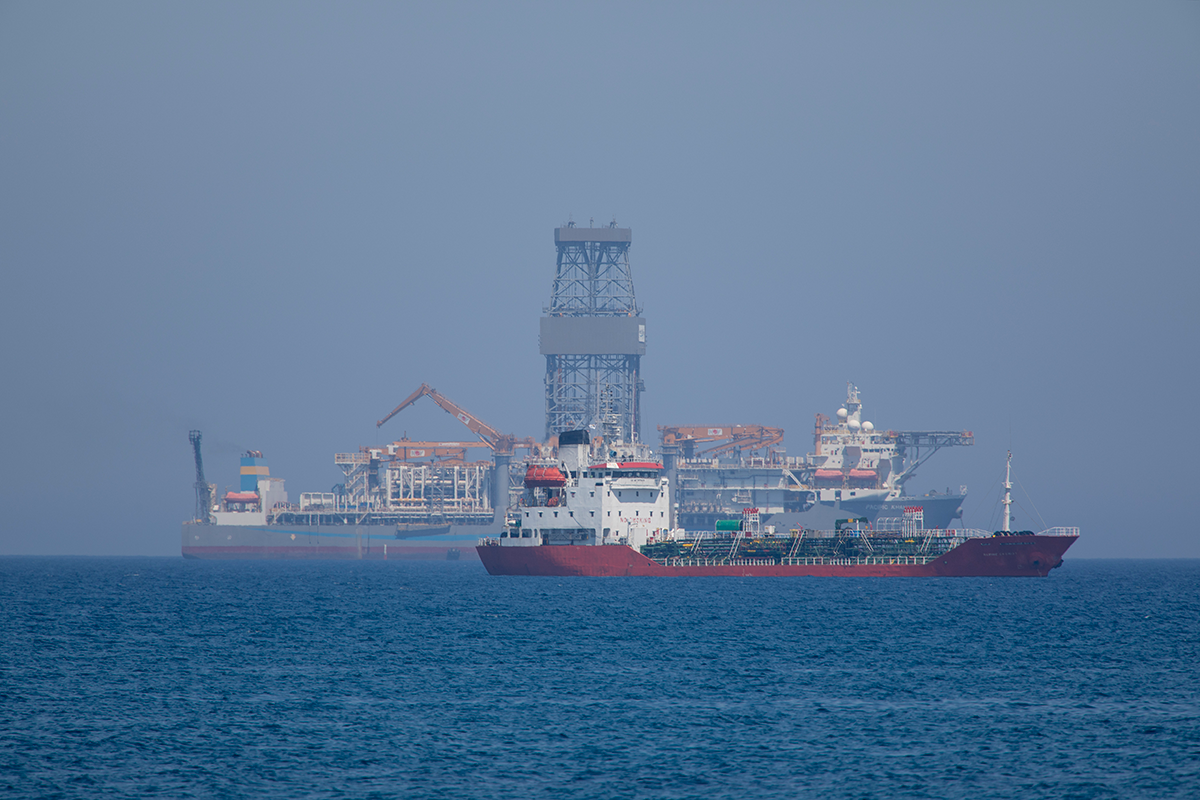
East Med gas needs clean tech and regional integration to support investment case
The viability of Eastern Mediterranean natural gas resources has long been a source of debate for reasons including cost considerations, market demand, and regional geopolitical tensions. The past couple of years have further complicated the debate, introducing new questions about the role of these resources in supporting post-pandemic economic recovery or helping more advanced markets achieve net-zero policies by replacing coal and other fuel sources (a particularly relevant topic of debate given Europe and Asia are key export targets for East Med gas).
Budget dust: Better approaches for security and sustainability — lessons learned from Iraq and Afghanistan
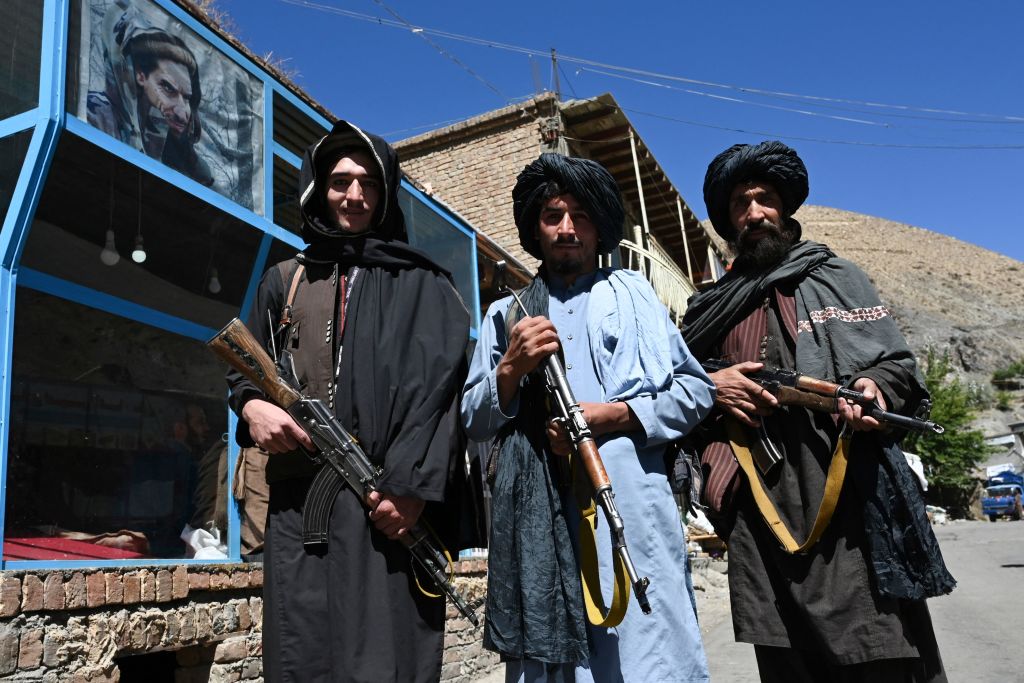
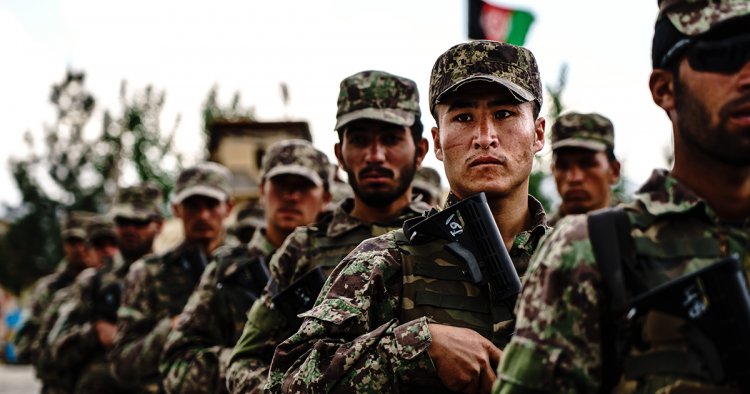
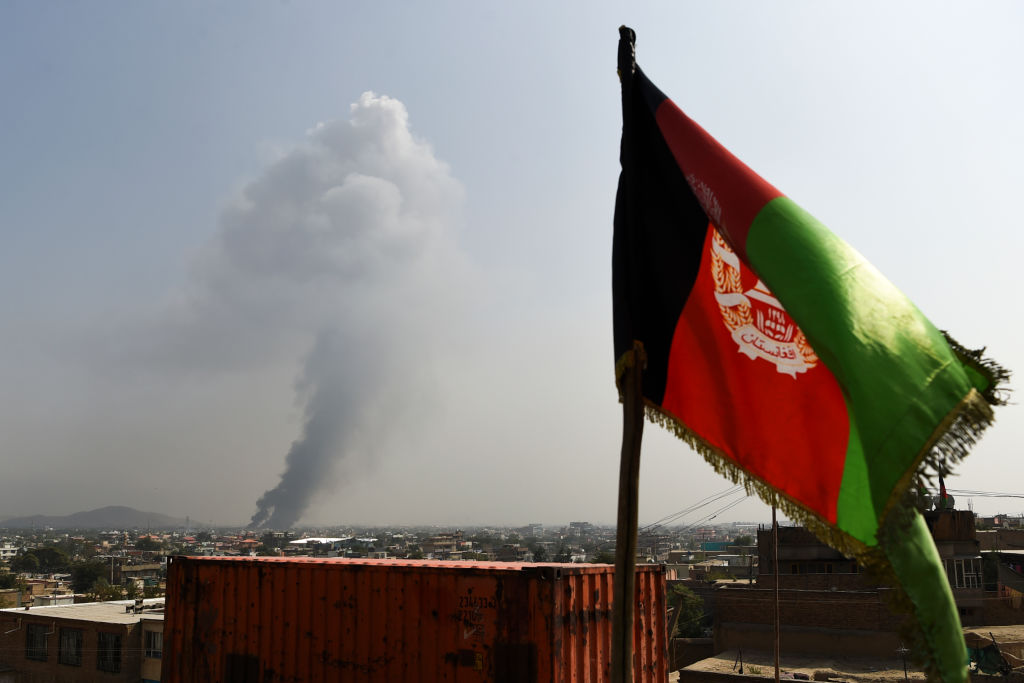
It took the Taliban just three and a half months to undermine a 20-year international effort to build a competent Afghan military. The Afghanistan National Army (ANA) collapsed once it was clear the U.S. was pulling out ground troops and ceasing air support operations after two decades of training and sustainment that cost the American taxpayer approximately $83 billion. When required to stand alone, against a Taliban force, the ANA failed unequivocally. Building the ANA as a mirror image of the U.S. military was strategically and operationally flawed. If they are designed to fight like the U.S. but cannot fight in the absence of U.S. forces, they are ineffective. What lessons should we learn from this and how could our approach be different in the future?
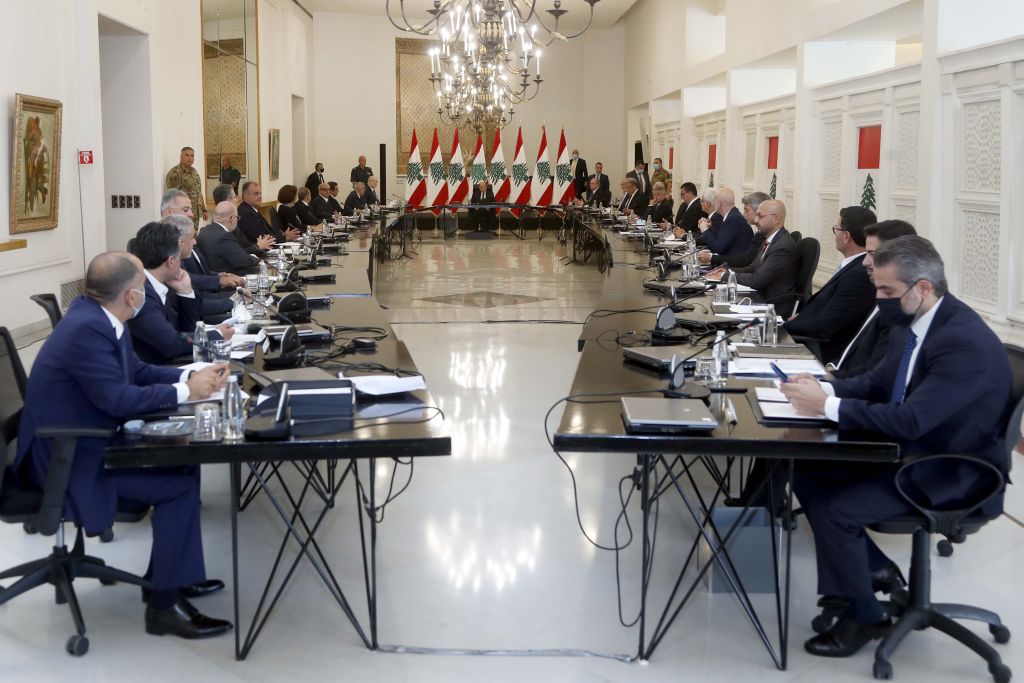
Lebanon’s power crisis is on the agenda, as Arab Gas Pipeline quartet prepares to meet in Amman
These developments come against the backdrop of multiple U.S. hints that Washington is potentially willing to circumvent sanctioning the participating parties under the Caesar Act.
Islamic State Under-Reporting in Central Syria: Misdirection, Misinformation, or Miscommunication?
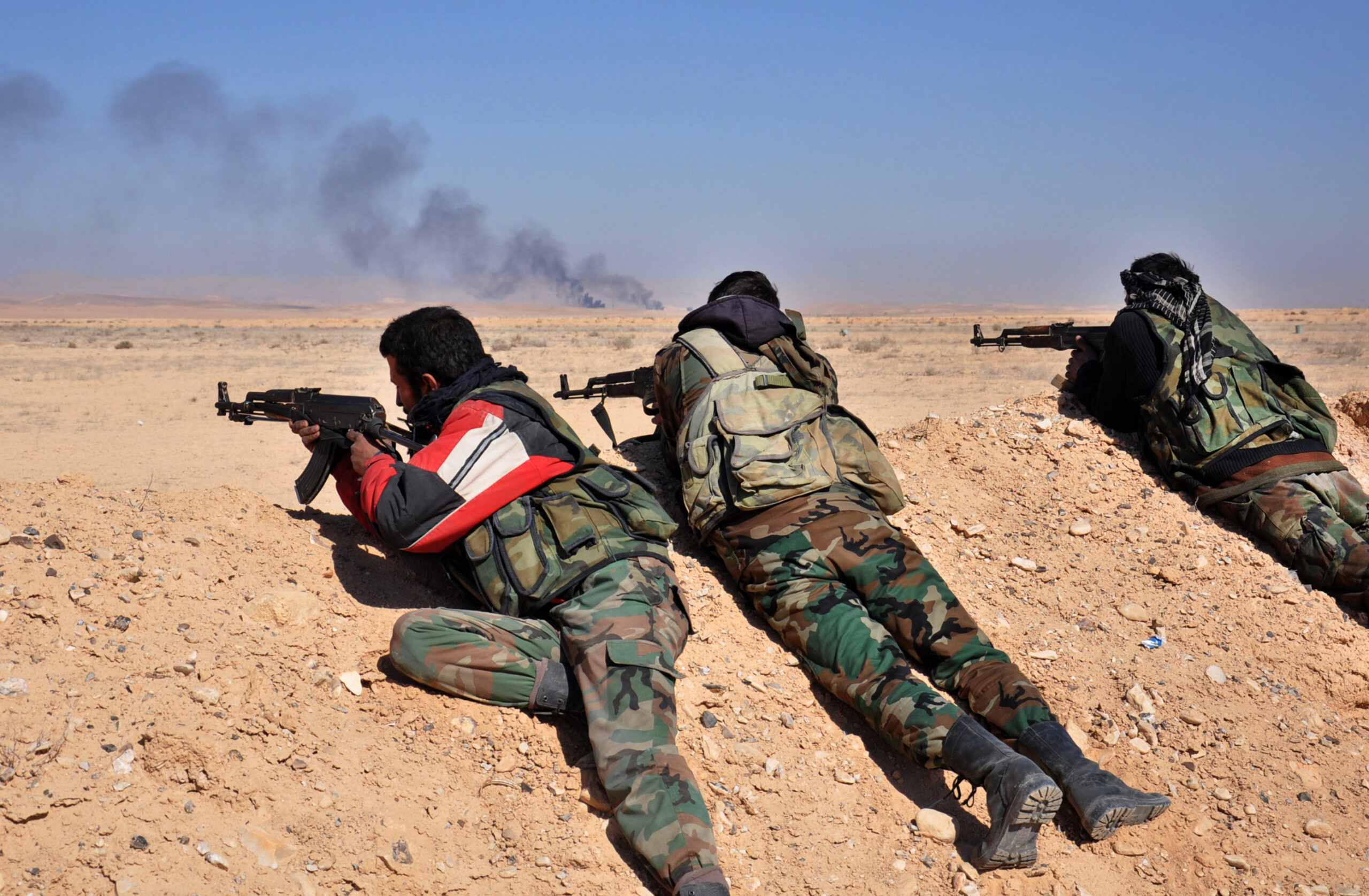
The central media apparatus of the Islamic State group is mis-reporting on the activities of its cells in central Syria. Rather than exaggerating their capabilities, something that it is conventionally assumed to be doing all the time, its Central Media Diwan appears either to be deliberately under-playing them, or, less likely, to be unaware of their full extent, possibly due to communication issues.
Egypt needs a more inclusive approach to subsidy reform
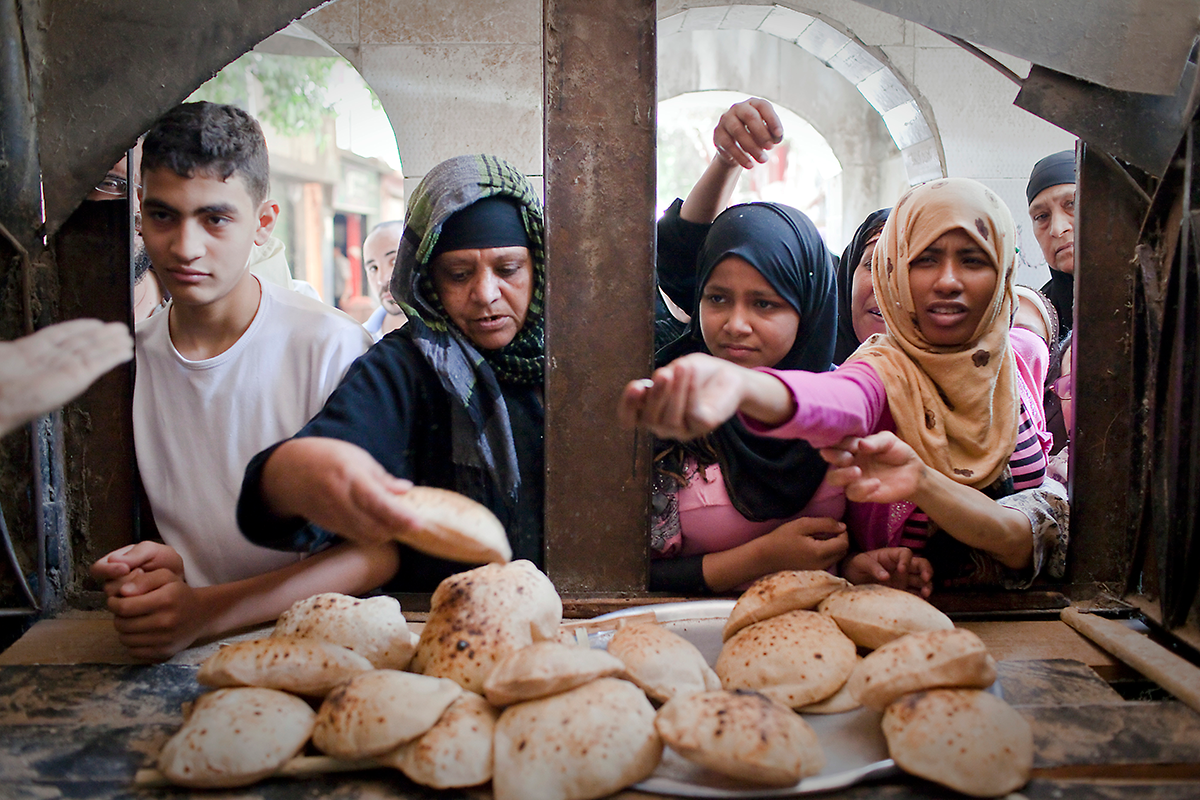
Speaking at a public event earlier this month, Egyptian President Abdel-Fattah el-Sisi made the surprise announcement that the next step in the country’s economic reform agenda will include the removal of bread subsidies. He becomes the latest in a long line of presidents to target the bread subsidies that provide cheap sustenance to a country of (now) over 100 million people at a huge cost to the state, although none of his predecessors ever successfully managed to remove or significantly reduce them.
إسرائيل ومصر تتصدران توقعات النمو في الشرق الأوسط وشمال إفريقيا: قصة استراتيجيتين متباينتين
الدولتان في الشرق الأوسط اللتان تتمتعان بأعلى توقعات نمو لعام 2022 هما إسرائيل ومصر. وتقدر مؤسسة فيتش سوليوشنز أن الناتج المحلي الإجمالي على مستوى منطقة الشرق الأوسط وشمال إفريقيا سينمو بنسبة 3.6% في عام 2021، بعد انكماش بنسبة 4% في عام 2020. هنا نجد أن مصر وإسرائيل هما الدولتان الوحيدتان في المنطقة اللتان يُتوقع نمو اقتصادهما بما يتجاوز حجم مستويات ما قبل كوفيد-19.
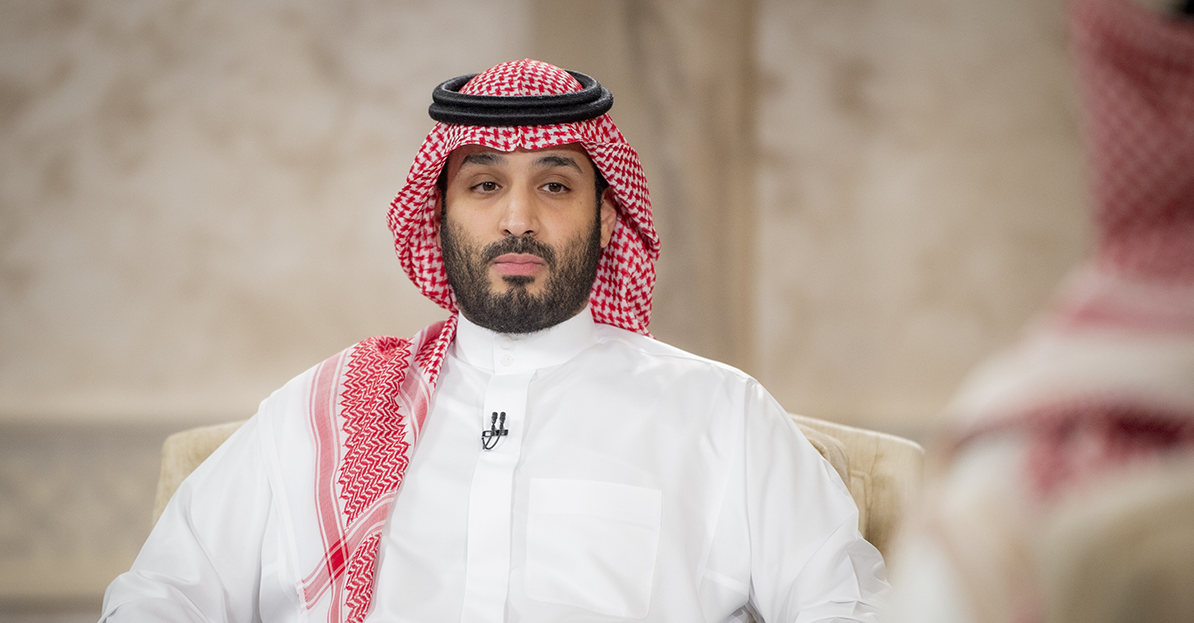
At the dawn of the Biden era of American foreign policy, a more mature, realistic Saudi foreign policy is emerging to match the shifting signals from Washington. In some measure, the Saudis are readopting elements that traditionally characterized their policy preferences before the meteoric rise of Crown Prince Mohammed bin Salman (MbS), the kingdom’s de facto ruler.
Israel and Egypt top growth expectations in MENA: A tale of two divergent strategies
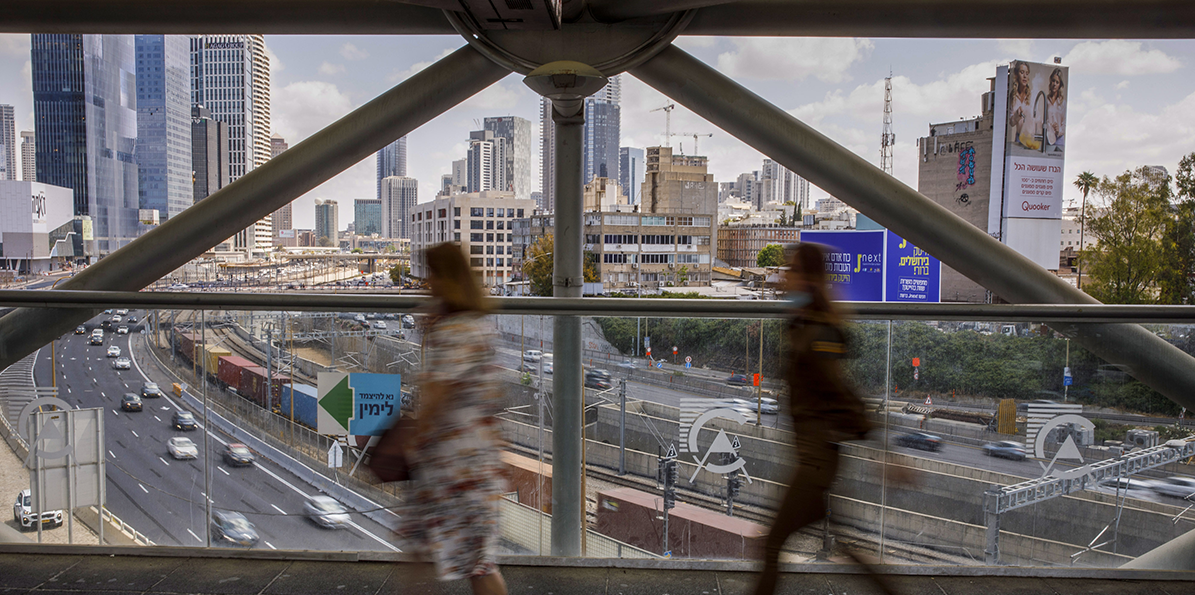
The two countries in the Middle East with the highest growth expectations for 2022 are Israel and Egypt. Fitch Solutions estimates that MENA-wide GDP will grow by 3.6% in 2021, after a contraction of 4% in 2020. Egypt and Israel are the only countries within the region expected to grow their economies beyond the size of their pre-COVID-19 levels for 2021.