Russia is violating the spirit of Montreux by using civilian ships for war
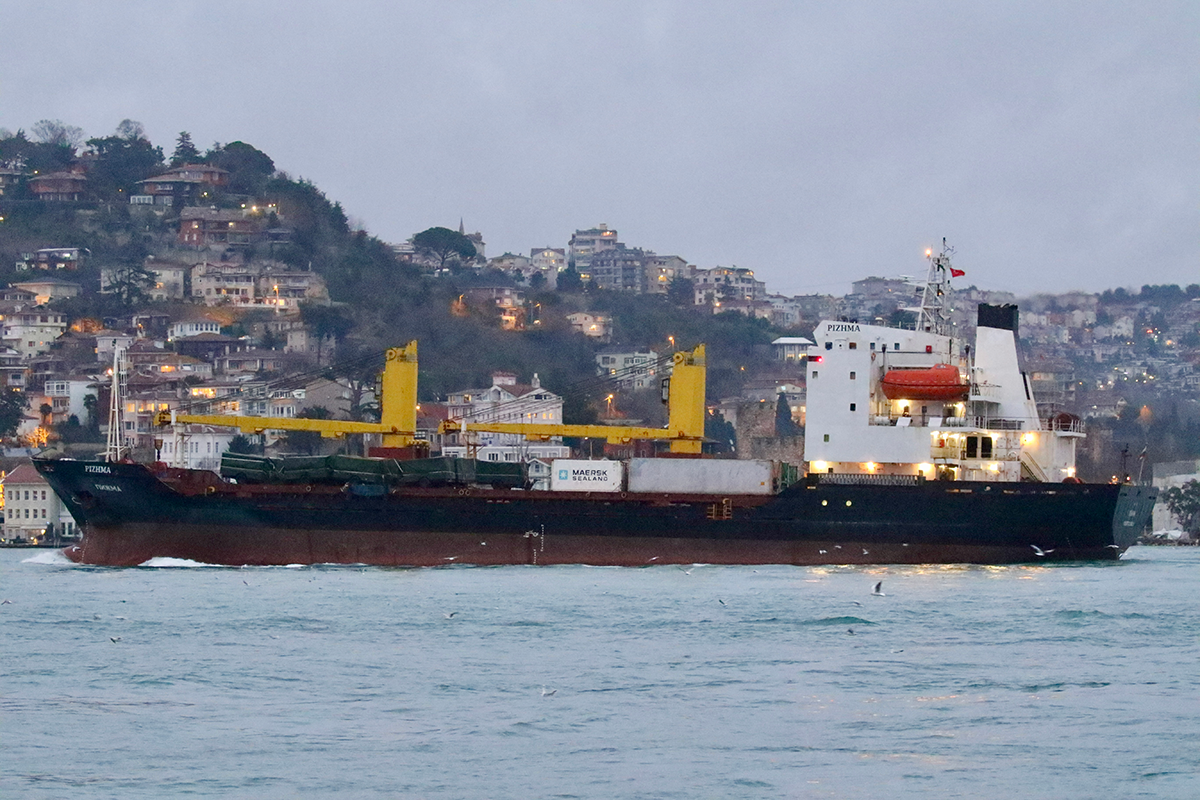
On Feb. 28, Turkey triggered the Montreux Convention, not used since World War II, and closed the Turkish Straits to military ships. This one move interrupted Russia’s maritime logistical supply line to Syria, interfered with its ability to rotate naval assets in the Mediterranean, and prevented Moscow from bringing additional warships to the Black Sea. Russia can no longer supply its Syria operation or deliver defense exports to its customers using navy ships. However, close observation of traffic through the Turkish Straits reveals that Russia is continuing its naval operations in the Mediterranean and Black seas.
From rivalry to partnership: Managing climate risks through regional collaboration
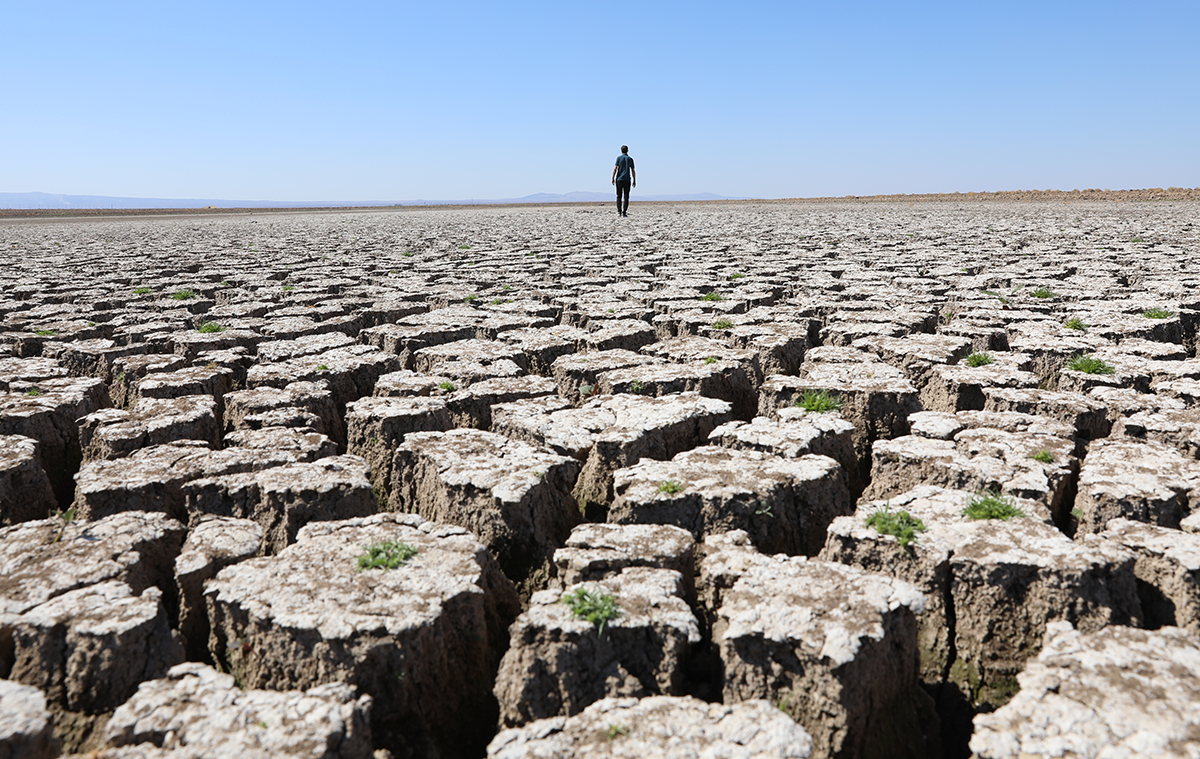
Countries across the region face similar climate risks and impacts, but tensions and socio-economic challenges have hampered regional collaboration and collective efforts to tackle climate change. One way to address this problem and to circumvent poor policy coordination is through technical research and knowledge-sharing.
هزینه سنگین حمایت حزب الله برای اقتصاد و امنیت ایران
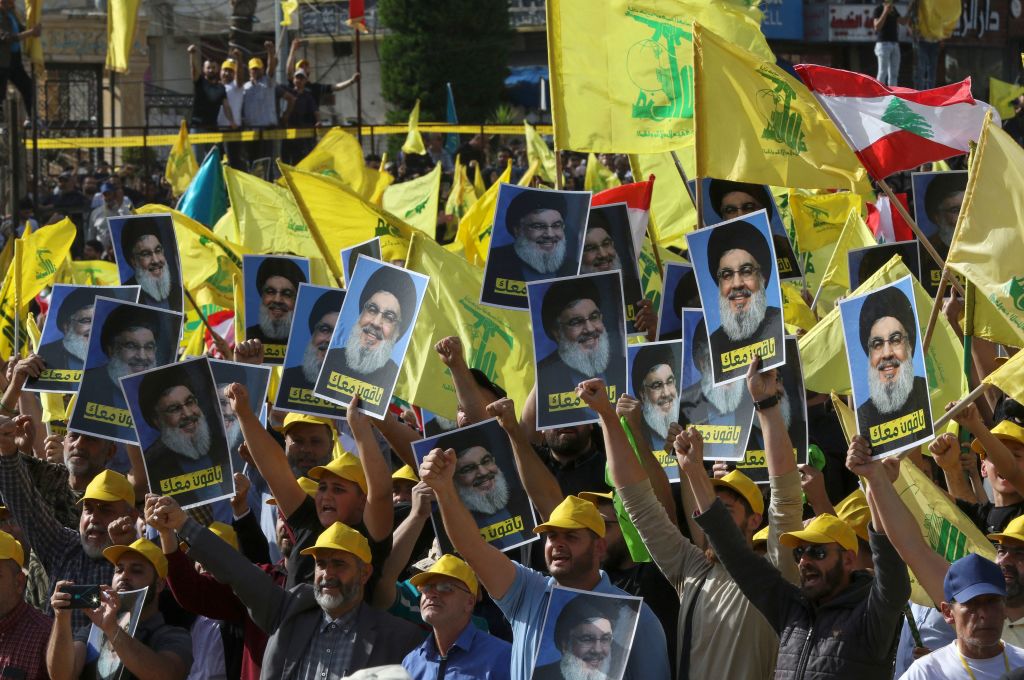
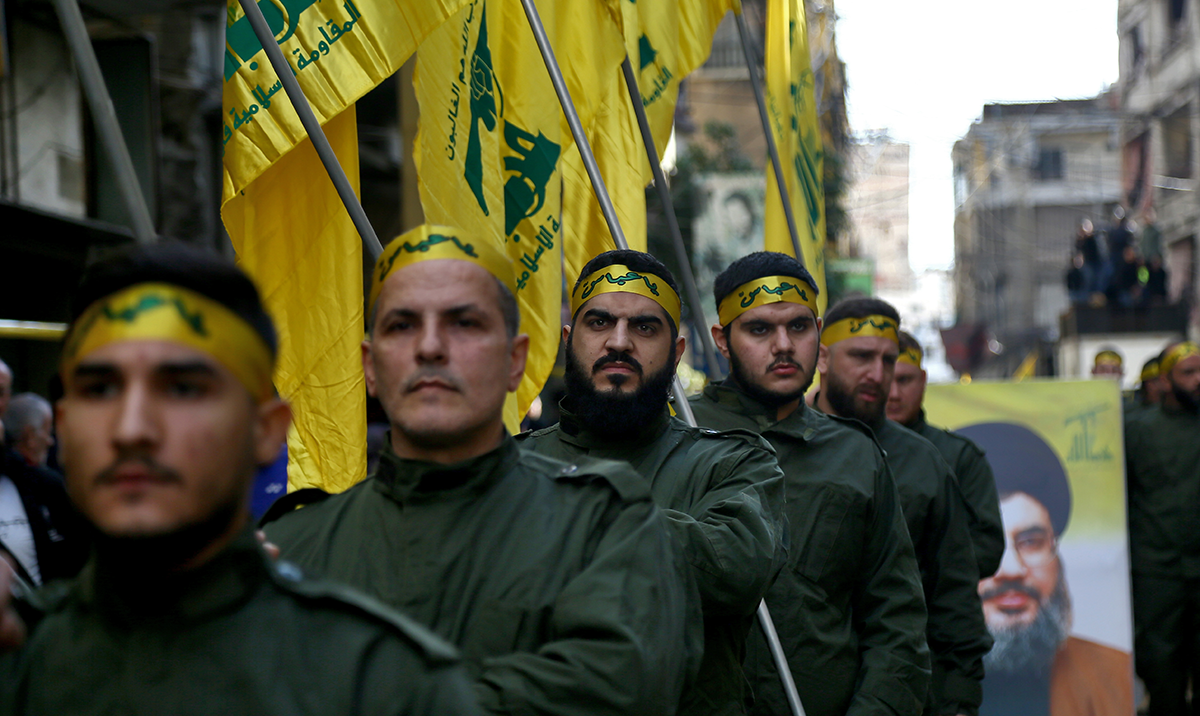
در جمهوری اسلامی ایران, این فرضیه وجود دارد که حمایت از سازمان حزب الله در لبنان, امنیت و قدرت بازدارندگی ایران را افزایش داده است. در عین حال, شواهد و قرائنی وجود دارند که نتایج انان برعکس این فرضیه را نشان می دهند.
Iran, Turkey, and the future of the South Caucasus
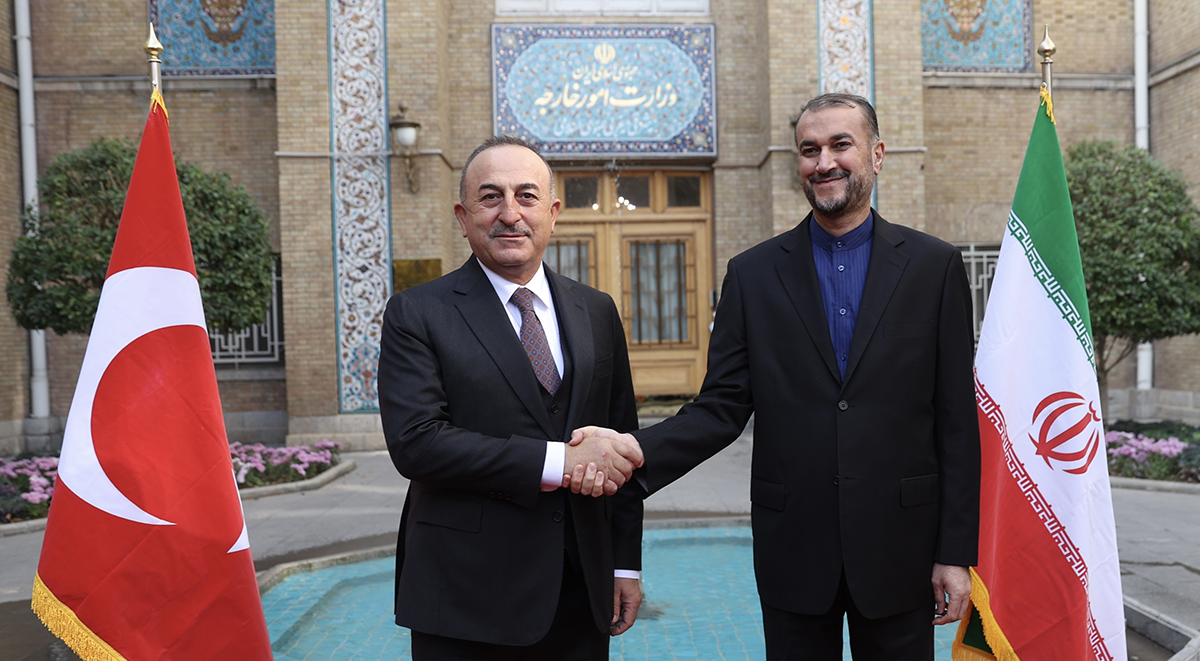
Since late September 2021, Tehran and Baku have engaged in a process of de-escalation, largely focused on economic cooperation and regional transportation links. Such efforts should be welcomed, but underlying geopolitical tensions, especially the Iranian-Turkish competition for influence in the South Caucasus, can still derail them at any moment.
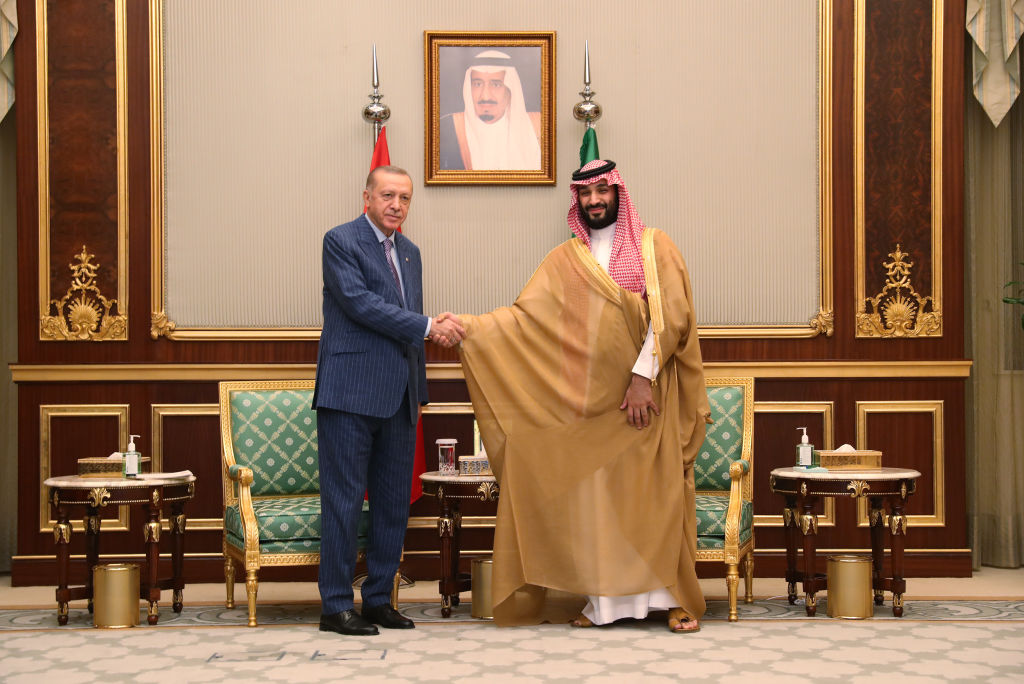
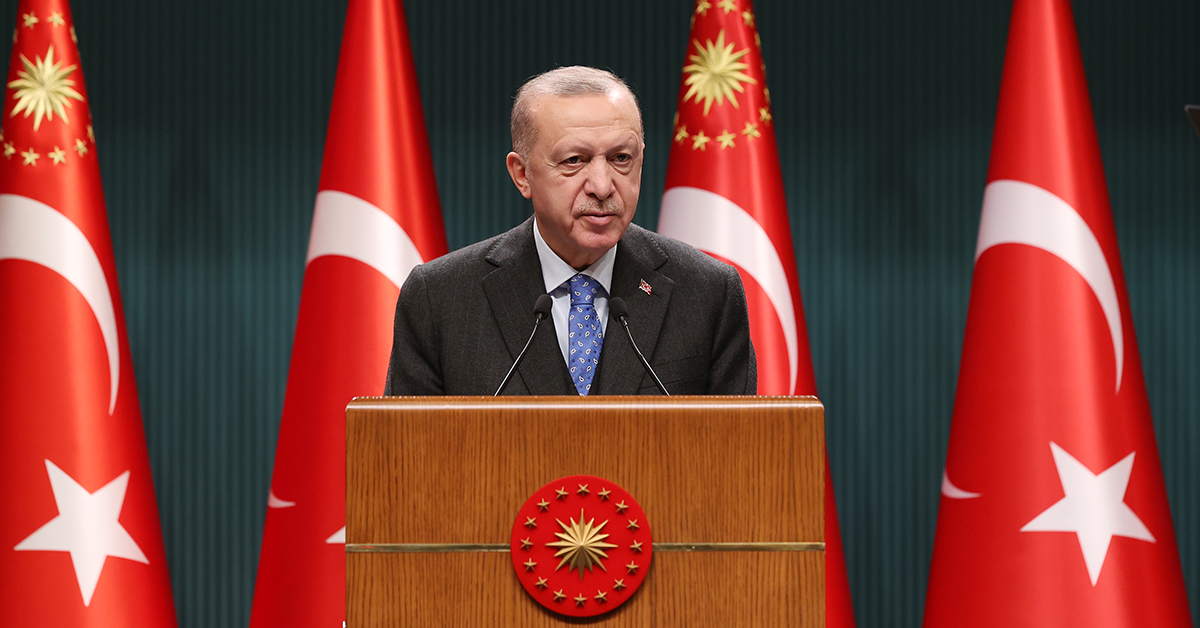
President Erdoğan, as the leader of a middle-sized power strengthening an independent role, wants to enhance the reputation and expand that role for Turkey regionally and globally by achieving a balance of Ukrainian and Russian influence in the region.
How will the war in Ukraine affect EU-MENA relations?
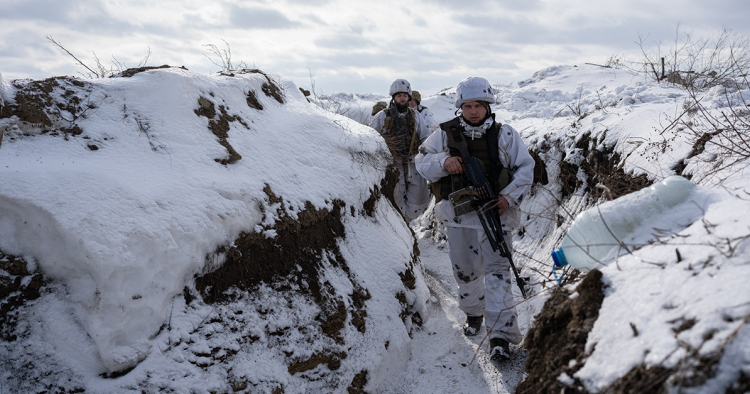
While most analyses of the war in Ukraine have tended to focus on the intra-European dimension, it is worth exploring the potential consequences of this conflict for the EU’s relations with countries further afield, especially those in the Middle East and North Africa.
The Ukraine war has upended Turkey’s plans to stabilize the economy
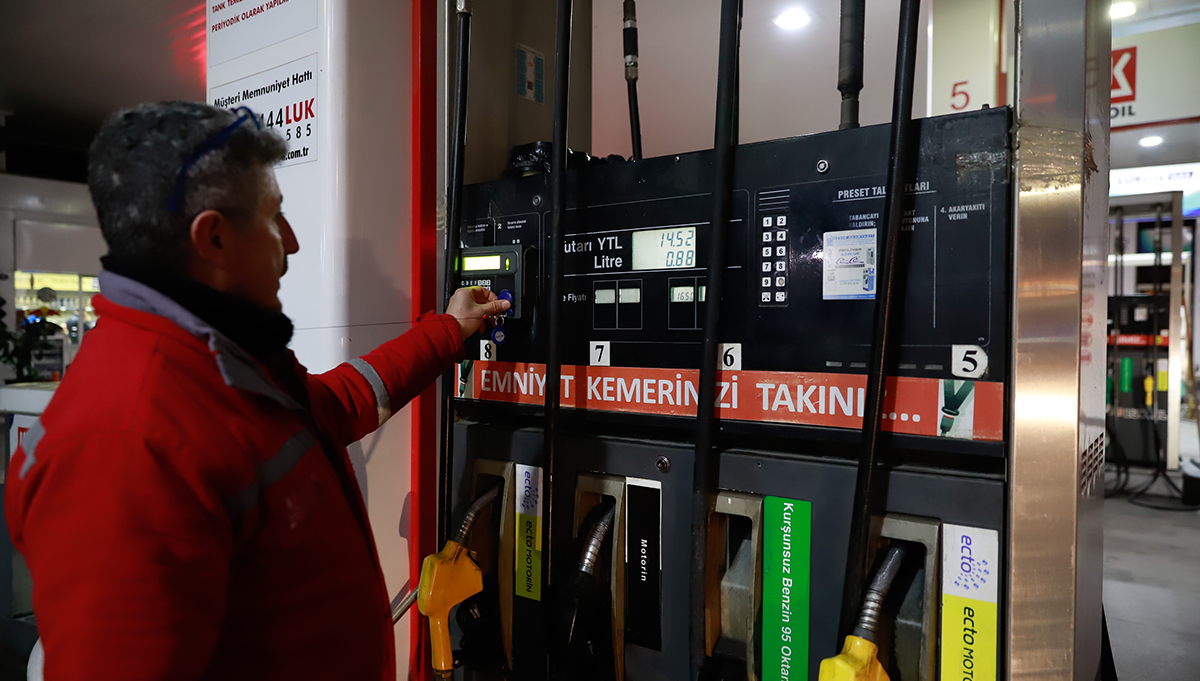
The war in Ukraine couldn’t have come at a worse time for the Turkish economy. Amid the country’s ongoing economic crisis, the government has been implementing extraordinary and unconventional monetary and fiscal policies.
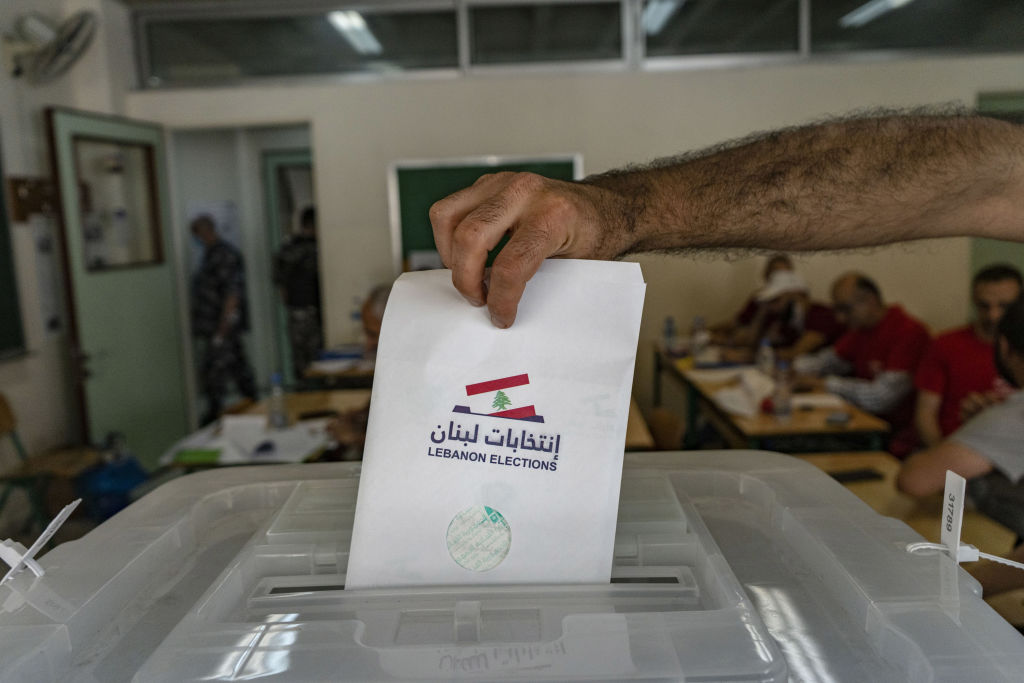
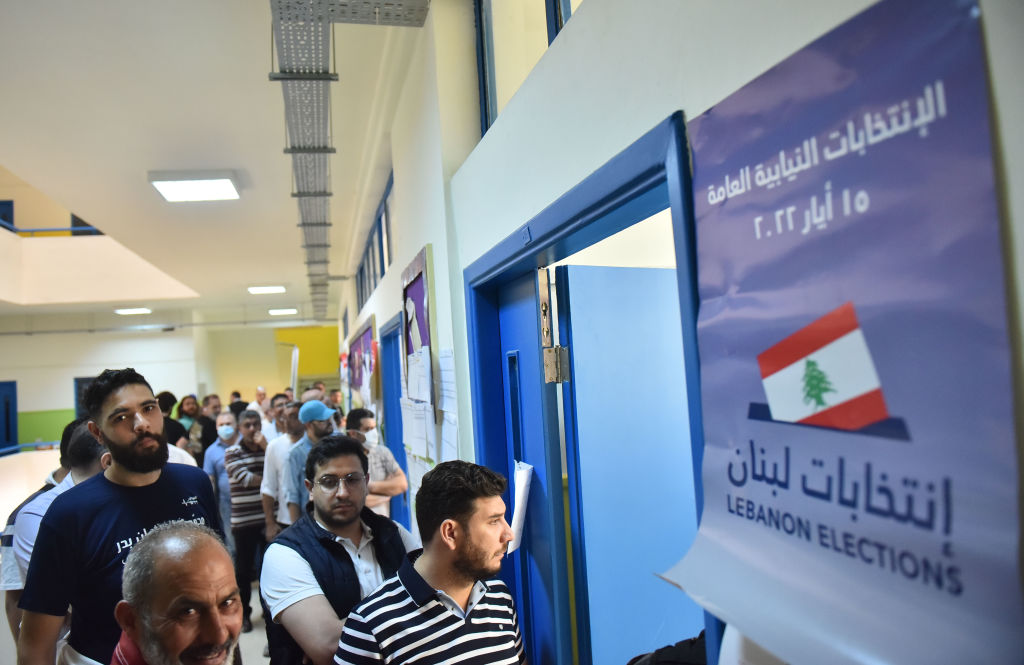
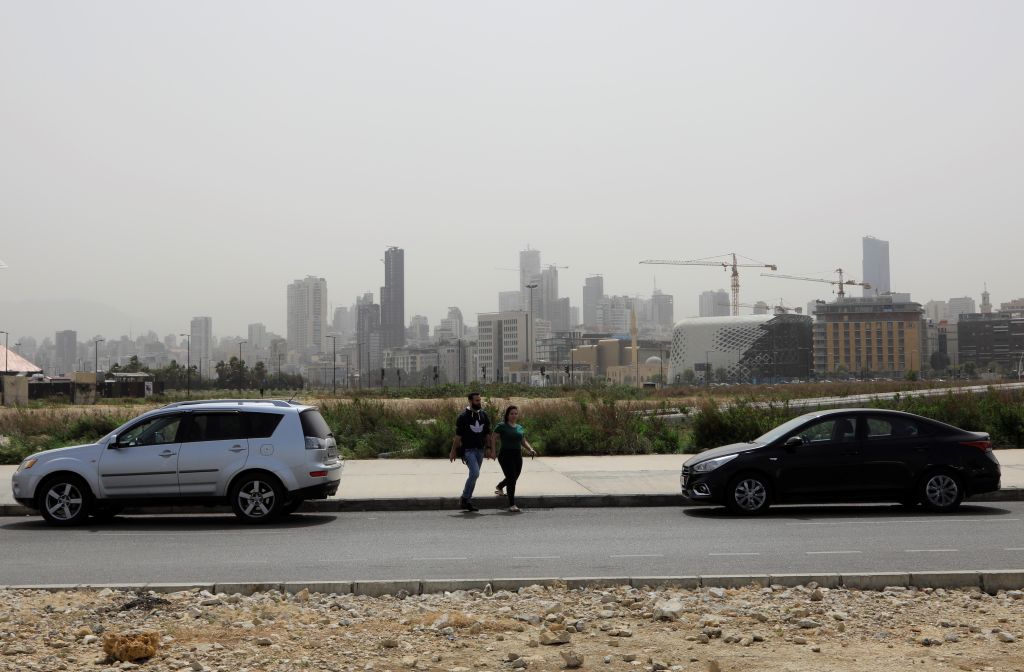
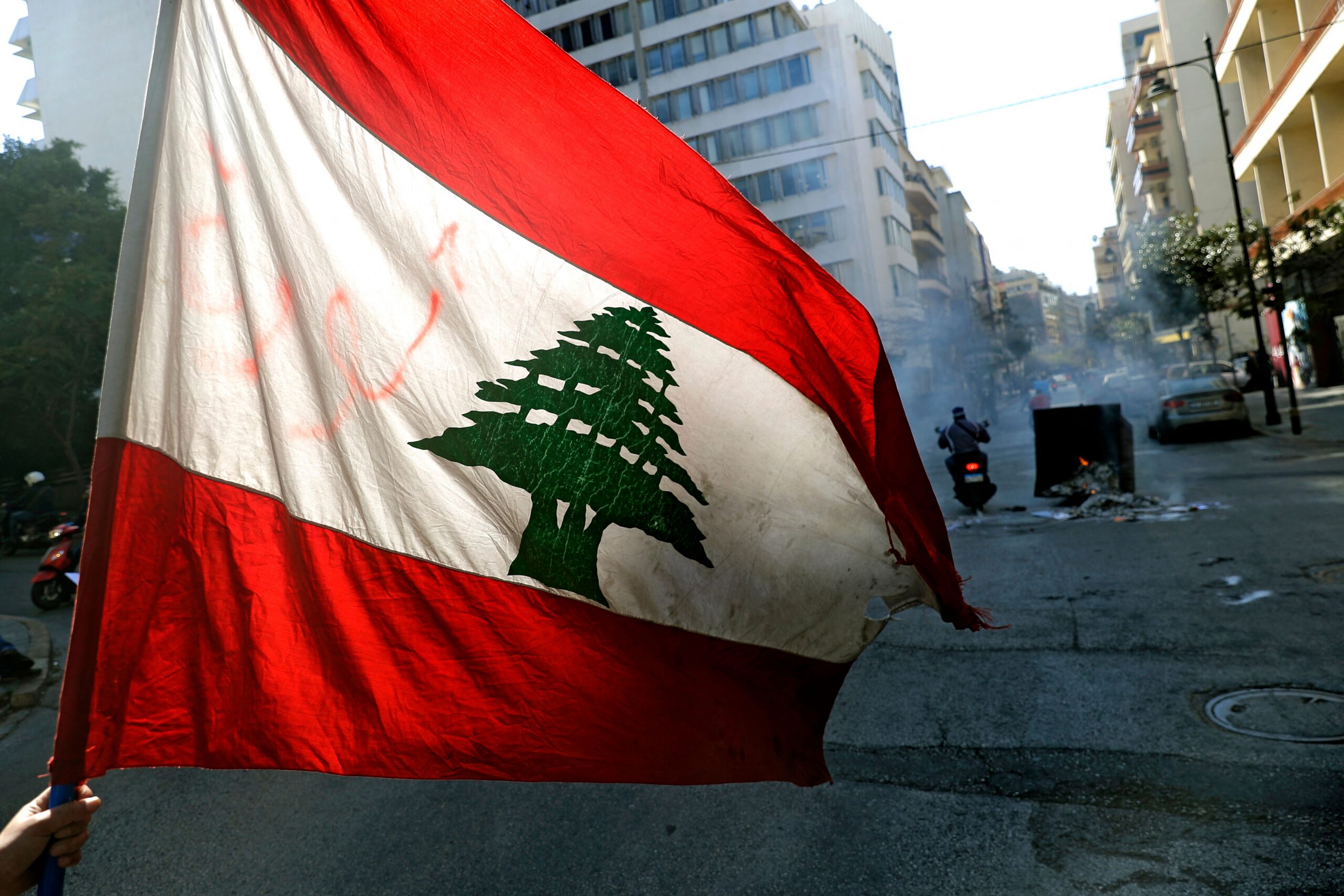
In two months, Lebanon is scheduled to hold parliamentary elections in the midst of a continuing economic meltdown and total failure of governance. The outcome of the vote is likely to be disappointing for anyone expecting to elect new leaders capable of reforming Lebanon.
Lebanon is running out of time to avert starvation
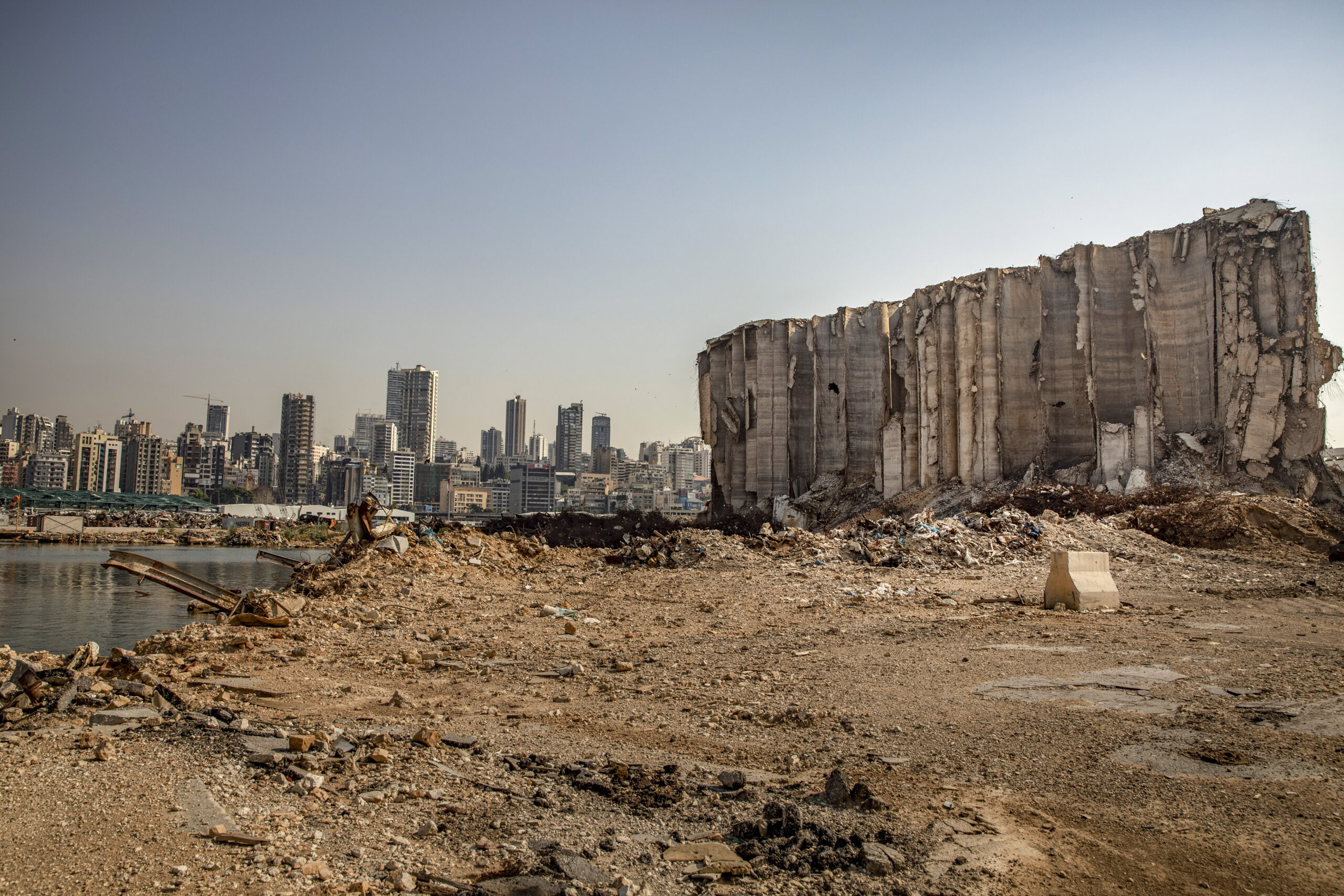
As Russia’s two-week-old war against Ukraine has brought Lebanon’s wheat imports from the besieged Black Sea nation to a complete standstill, the government in Beirut is racing against the clock to avert a catastrophic food crisis.