The new wave of normalization in Turkey’s Middle East foreign policy
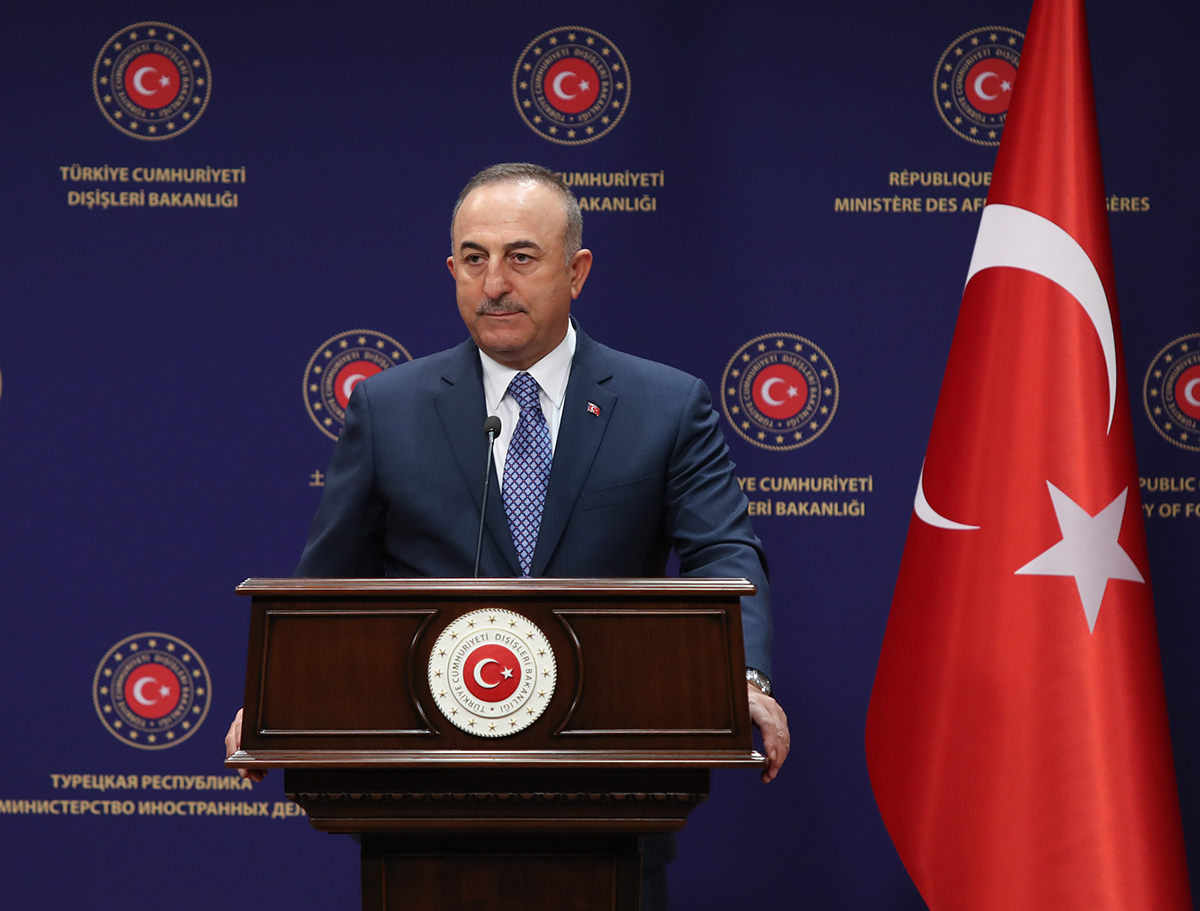
In the past several weeks, news has been coming out of Ankara regularly about normalization in relations with countries with which Turkey has had problematic relationships for some time.
What does the transition in Chad mean for Middle Eastern regional powers?
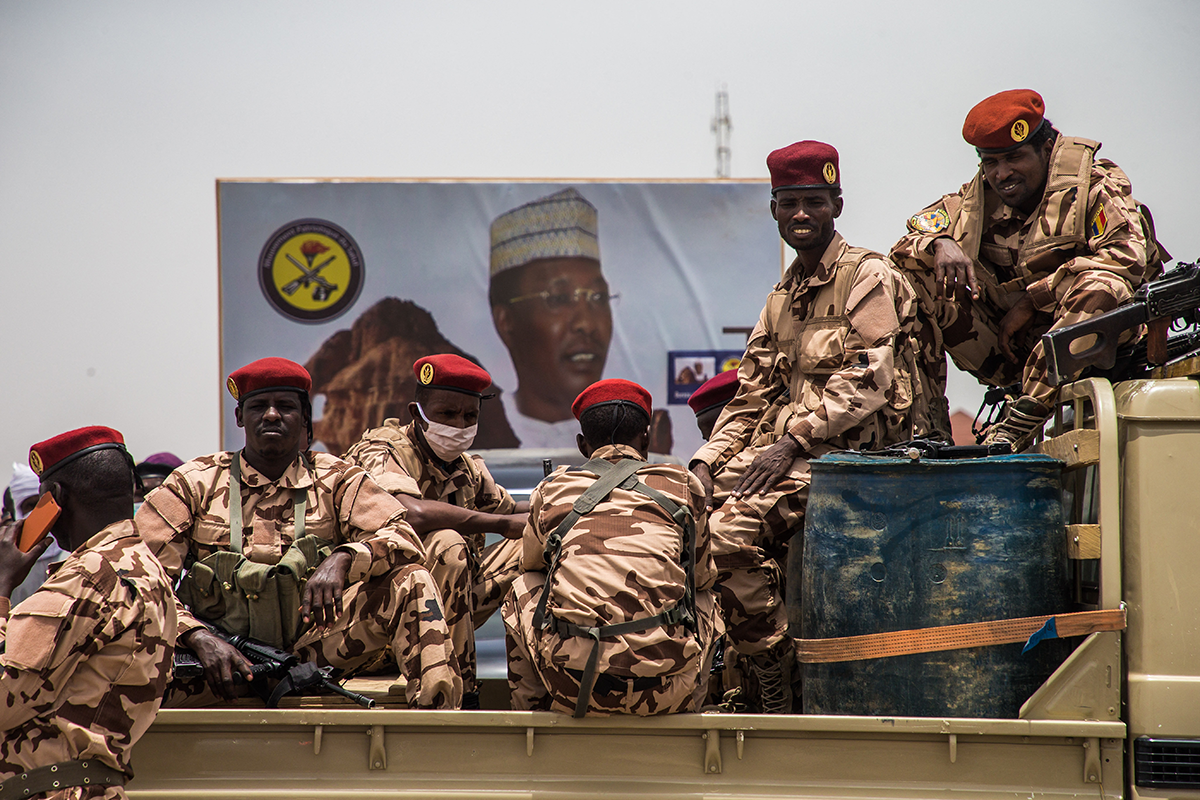
On April 20, Chadian President Idriss Déby was killed by Front for Change and Concord in Chad (FACT) rebels in the country’s northwestern Tibesti region. The sudden death of Déby, who seized power in Chad via a military coup in December 1990 and was re-elected on April 11 with 79.3% of the vote, risks plunging Chad into a state of prolonged instability.
Peacebuilding in the Time of War: Tribal Cease-fire and De-escalation Mechanisms in Yemen
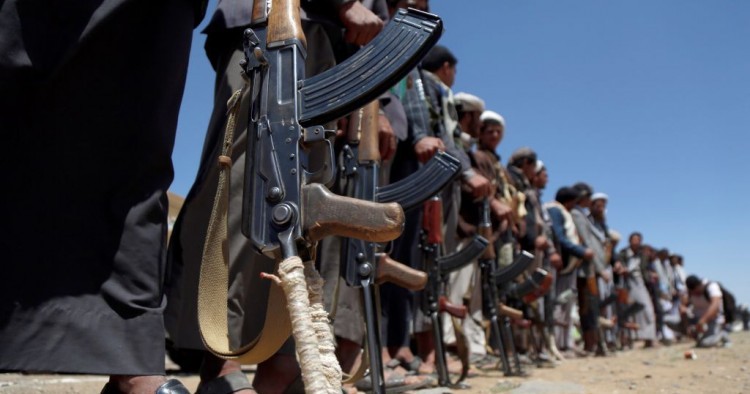
As the current U.N.-led political negotiations between the Yemeni government and the Houthis seem to have hit a dead end, there has been growing interest in exploring the role tribal leaders and local tribes can play in ending Yemen’s conflict. The role of Yemeni tribes, however, remains largely misunderstood, and the authority of tribal leaders and the influence of tribes on national political decision making are often overestimated. This report looks into the possibilities and limitations of tribal mediation on de-escalation and cease-fire. It argues that while the tribes developed relatively effective mechanisms to limit the spread of violence into their areas, there are major limitations to their ability to mediate the national-level and political conflict.
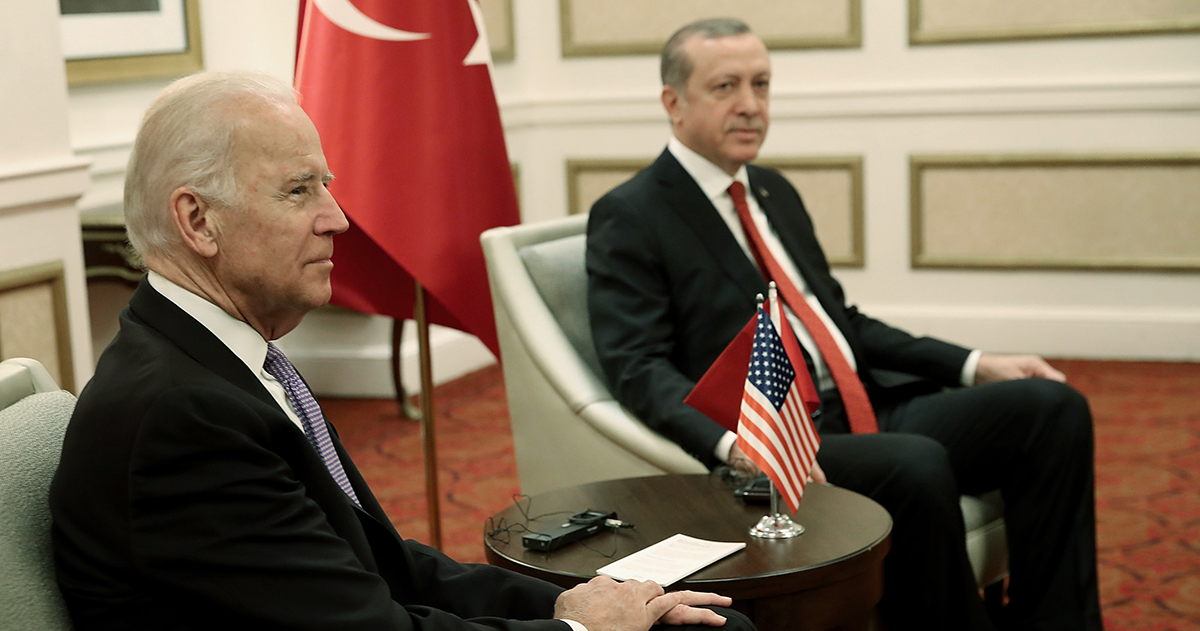
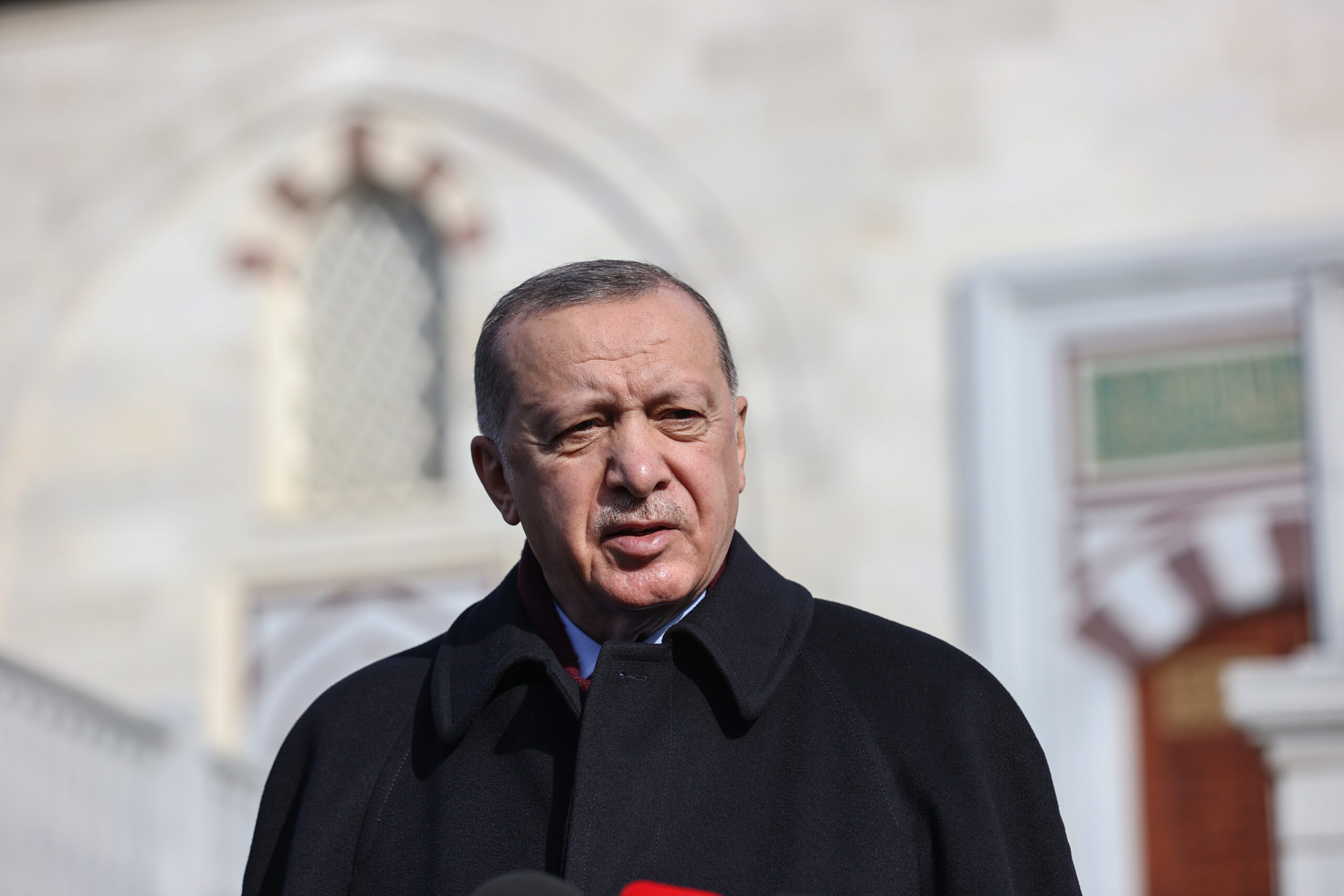
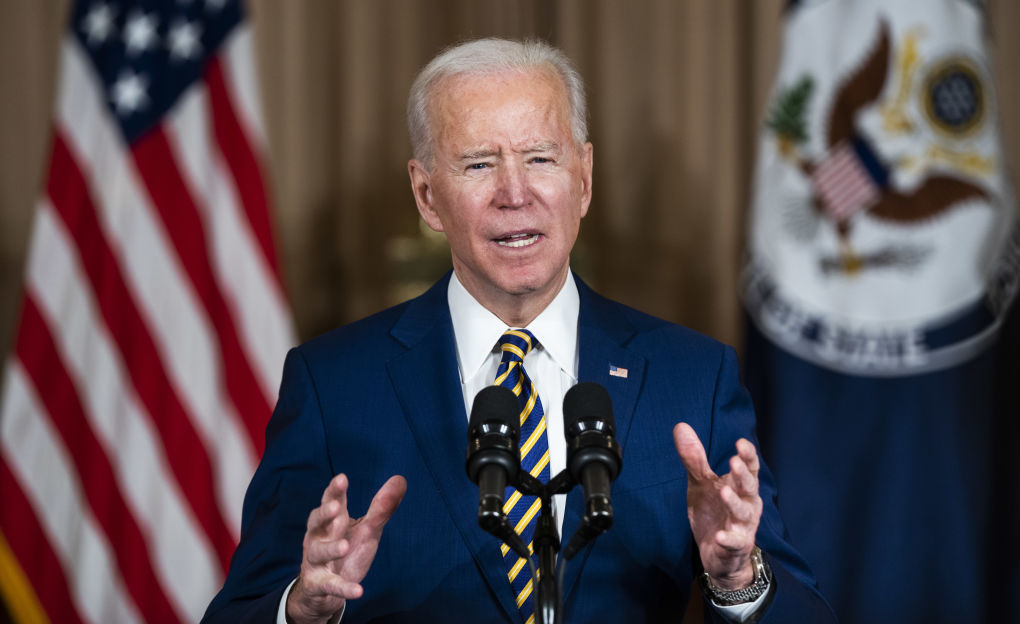
Relations between the United States and Turkey have never been worse, but the two countries still must deal with each other, and so President Joe Biden and President Recep Tayyip Erdoğan may talk this week. Each will review his list of issues. Both will commit to better relations and to best efforts to reach peaceful solutions to global, regional, and bilateral issues — and very little will change.
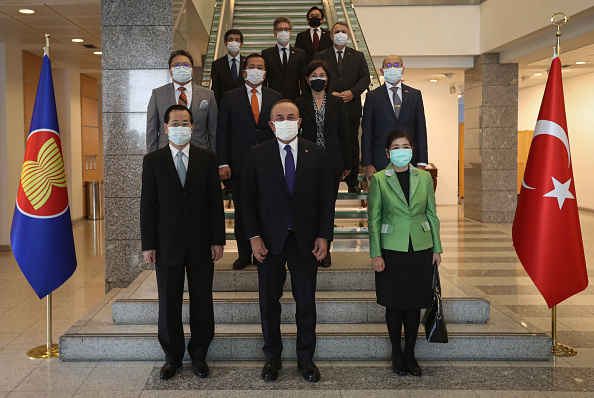
Turkey initiated a strategy to engage Southeast Asian nations in the early 2000s that resulted in the opening of new embassies and branches of numerous state-sponsored institutions across the region. With the launching of the Asia Anew Initiative in late 2019, Ankara has redoubled efforts to forge closer ties with the ten members of the Association of Southeast Asian Nations (ASEAN) and with ASEAN itself.
For Yemen’s Houthis, the status quo is the key to power
On Monday, March 22, Saudi Arabia’s foreign minister, Prince Faisal bin Farhan al-Saud, proposed an initiative to end the war in Yemen in an offer that addressed various long-standing issues that the Houthis wanted to resolve, including lifting land and sea restrictions, and allowing fuel and food imports to the Houthi-held port of Hodeidah. The initiative proposed engaging the parties to the conflict to find a comprehensive peace agreement. The problem, however, is that the Houthis have no incentive to accept any peace proposal for the time being because a resolution to Yemen’s war, at least for now, is at odds with their political and military strategy.
Yemen’s prisoners of war and detainees: Lessons learned from local mediation
Prisoners of war and political and civilian detainees are two of the most important humanitarian issues in Yemen. Local mediation has had impressive results, and local mediators, including women, have become key players in resolving this issue. Experience has shown that to bring an end to the war in Yemen, international mediators need to stop ignoring and excluding local efforts and peace builders. Achieving sustainable peace will not happen without the equal involvement of women leaders and the inclusion of those who had no hand in the war.
The Biden Administration and the Middle East: Policy Recommendations for a Sustainable Way Forward
In a new policy briefing book, entitled The Biden Administration and the Middle East: Policy Recommendations for a Sustainable Way Forward, MEI scholars tackle a large number of country-specific and region-wide issue areas, laying out both the abiding U.S. interests and specific recommendations for Biden administration policies that can further U.S. interests amid a region in turmoil.
How is Iran responding to Biden’s policy shift on Yemen?
On Feb. 4, President Joe Biden announced the end of U.S. support for the Saudi Arabia-led coalition’s offensive military operations in Yemen. This decision fuelled optimism about a U.S. return to negotiations over the JCPOA with Iran. Instead of engaging with the United States, Iran has supported the Houthi-orchestrated Marib offensive and stepped up its diplomatic efforts in Yemen.
Yemen’s Joint Declaration: A bigger repeat of the stalled Hodeida Agreement?
With debate on Yemen in recent weeks focused on the decision by the U.S. State Department to revoke the Houthis’ designation as an FTO, the Joint Declaration (JD) proposal by U.N. Special Envoy for Yemen Martin Griffiths has received relatively little attention. Since the global outbreak of COVID-19 a year ago, the U.N. special envoy has sought to use the urgency engendered by the pandemic to broker a nationwide cease-fire alongside a set of confidence-building measures — branded as the JD — between the Houthi rebels and the Republic of Yemen Government. But the content of the proposal is not new, nor is it a recipe for effective de-escalation and sustainable conflict resolution.