Tunisia's Evolving Islamic Charitable Sector and Its Model of Social Mobilization
This essay discusses the evolution of Islamic charities in Tunisia since 2011 as new actors of associational life. In particular, it considers the extent to which they represent an alternative model of social mobilization.
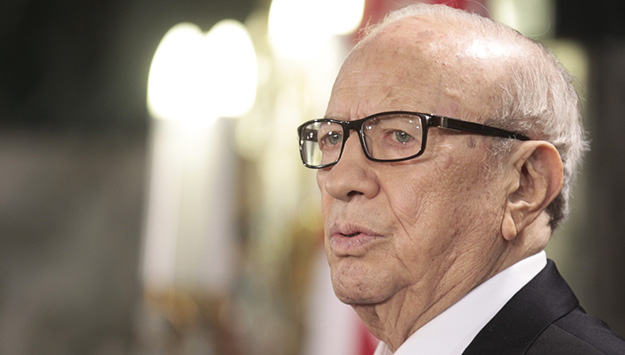
Essebsi’s Power Grab Imperils Tunisia’s Nascent Democracy
The Tunisian parliament on August 27 endorsed the new government led by Youssef Chahed, a month after the assembly dismissed the previous Essid government.
Military Cooperation in MENA: Uncertainty in the Face of Changing Threats
Regional Cooperation Series
This Policy Paper is part of The Middle East Institute’s Regional Cooperation Series. Throughout 2016, MEI will be releasing several policy papers by renowned scholars and experts exploring possibilities to foster regional cooperation across an array of sectors. The purpose is to highlight the myriad benefits and opportunities associated with regional cooperation, and the high costs of the continued business-as-usual model of competition and intense rivalry.
Monday Briefing: Erdogan Reaching Out to Russia; Update on Battle for Aleppo
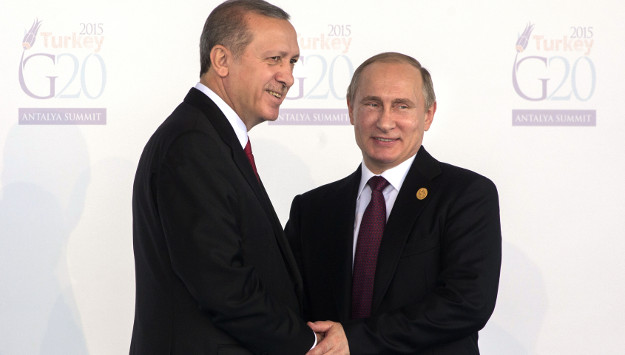
In this week’s Monday Briefing MEI experts provide analysis on recent and upcoming events including Turkish President Erdogan’s trip to Russia tomorrow, Iranian President Rouhani’s upcoming meeting with President Putin in Baku, the ongoing battle for Aleppo, strains in U.S.-Pakistan relations over the Haqqani Network, and what’s next for Tunisia’s political transition following the vote of no confidence in the current government.
Monday Briefing: Manbij Offensive, Yemen Talks, Turkey-Israel, Tunisia Unity Government
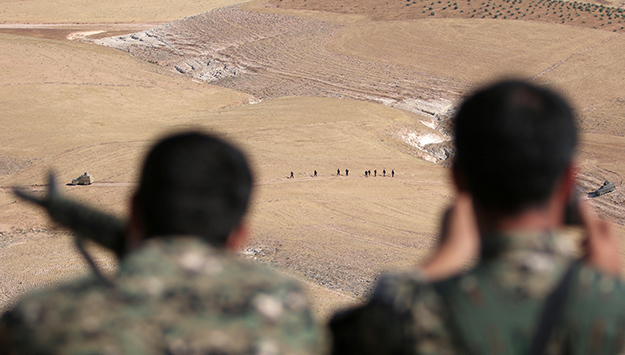
In this week’s Monday Briefing, MEI experts Robert S. Ford, Charles Schmitz, Gonul Tol, and Mabrouka M’Barek provide analysis on recent events including Manbij offensive, Yemen talks, Israel-Turkey rapprochement, and Tunisia national unity government.
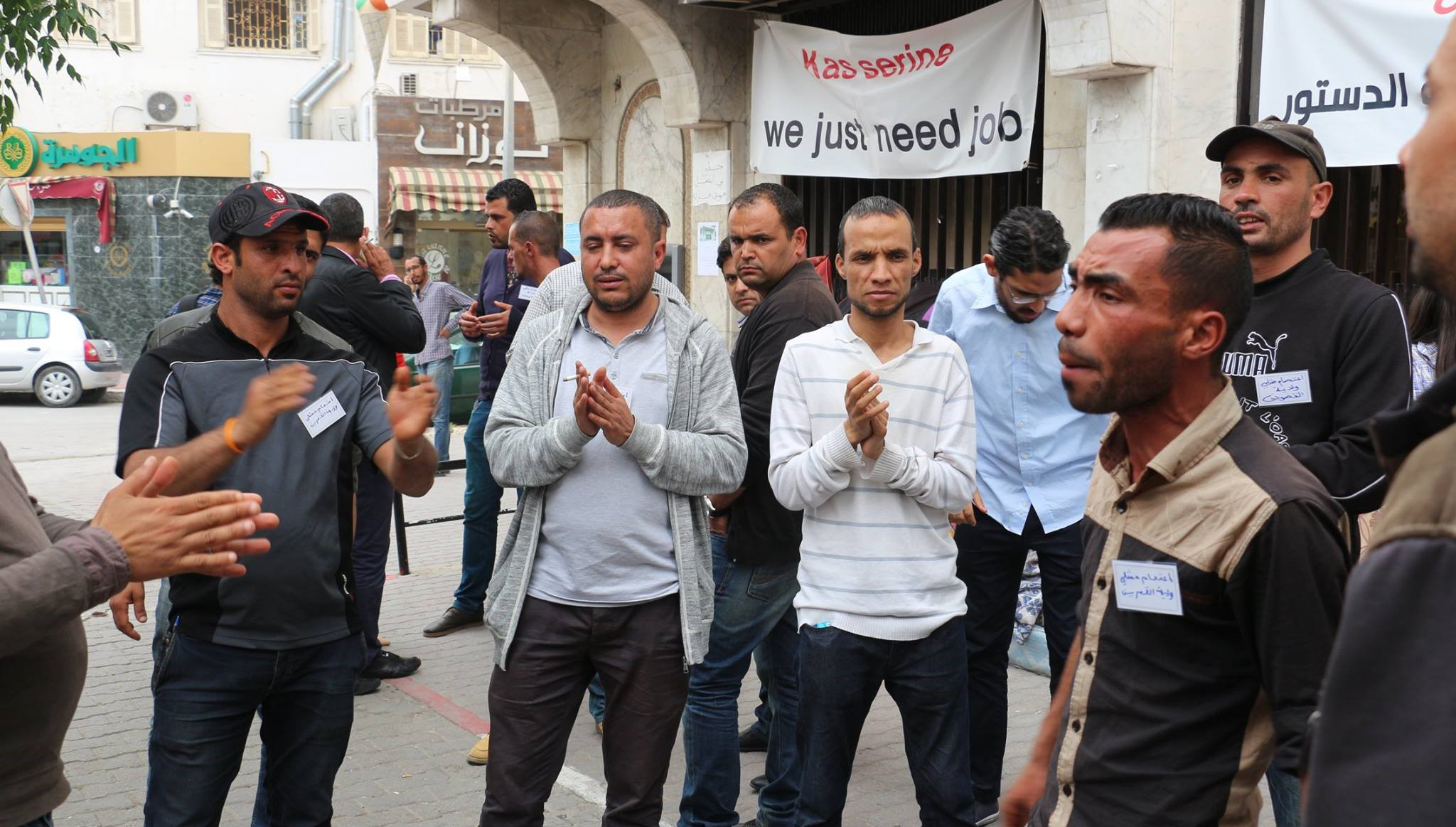
More Jobs, Higher Wages Essential for Tunisian Growth
U.N. Secretary-General Ban Ki-moon was in Tunisia last month to participate in the first round of the National Dialogue on Employment, which gathered 270 representatives of the government, political parties, unions, civil society and experts.. The participation of the secretary-general underscores the international importance of preserving Tunisia’s democratic gains, as well as the U.N.’s hope to offer Tunisia as a successful model of reform for the region.
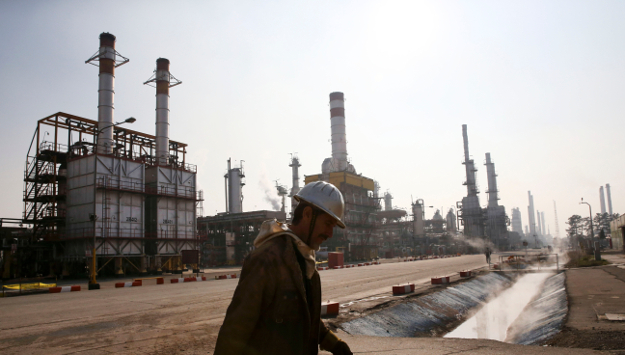
The Potential for Intra-Regional Energy Cooperation
Regional Cooperation Series
This Policy Paper is part of The Middle East Institute’s Regional Cooperation Series. Throughout 2016, MEI will be releasing several policy papers by renowned scholars and experts exploring possibilities to foster regional cooperation across an array of sectors. The purpose is to highlight the myriad benefits and opportunities associated with regional cooperation, and the high costs of the continued business-as-usual model of competition and intense rivalry.
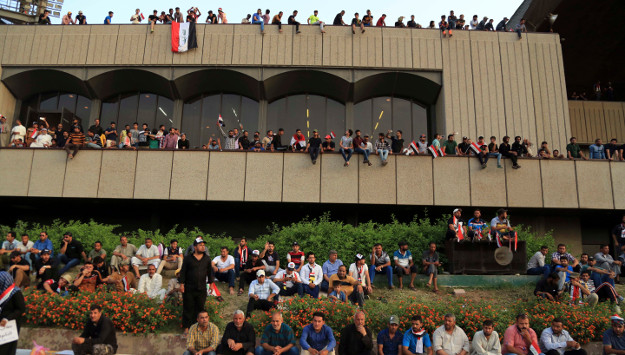
Monday Briefing: Iraq's Political Storm and U.S. Efforts to Salvage the Syrian Cease-fire
In this week’s Monday Briefing, MEI experts Hassan Mneimneh, Robert S. Ford, and Mabrouka M’Barek provide analysis on recent events including Iraq’s political storm, efforts to salvage the Syrian cease-fire, and the first Tunisia-U.S. Joint Economic Commission meeting starting later this week.
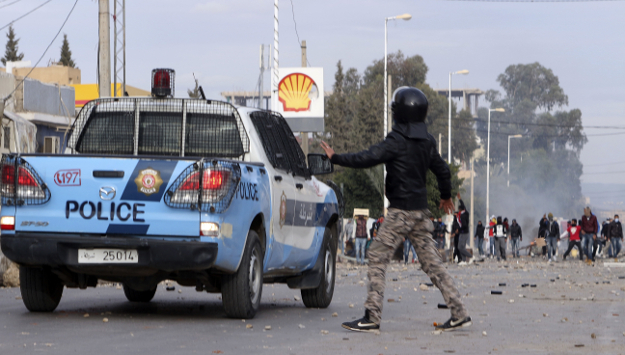
Tunisia is facing multiple pressures that, if not handled well by its current leaders, could undermine its stability as it continues to grapple with the post-Arab Spring era. The March 7 attack on Ben Gardane in Tunisia was a vivid reminder that the threat of ISIS and other extremist groups with safe haven in Libya is alive and well.
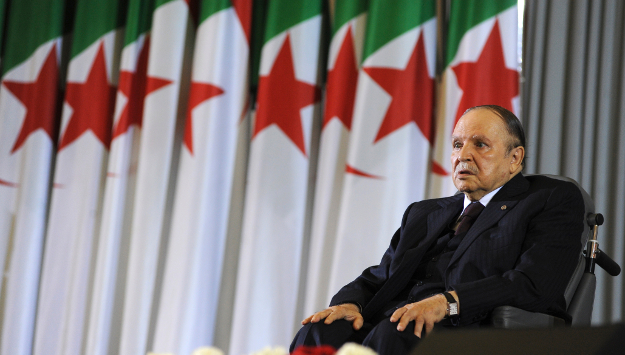
Many used to say that unlike other countries that have an army, Algeria is an army that has a country. As 2016 begins, President Abdelaziz Bouteflika—no mere client of the army—has consolidated his authority and empowered his allies in Africa’s largest nation. However, questions about Algeria’s political and economic stability loom large in the new year.
Women’s Rights Organizations and Democratic Transitions: North Africa and Southeast Asia Compared
This paper spotlights women’s rights organizations as key players in civil society in Tunisia and Morocco, with a comparative glance at the Philippines and South Korea, two Asian participants in democracy’s third wave. Applying the existing literature on women, gender, and democratic transitions, we draw attention to the role of women’s rights organizations in civil society and as agents of democratization; examine the organizations’ role and influence during protests and transitions; and analyze the gendered outcomes in terms of laws and policies affecting women’s rights.
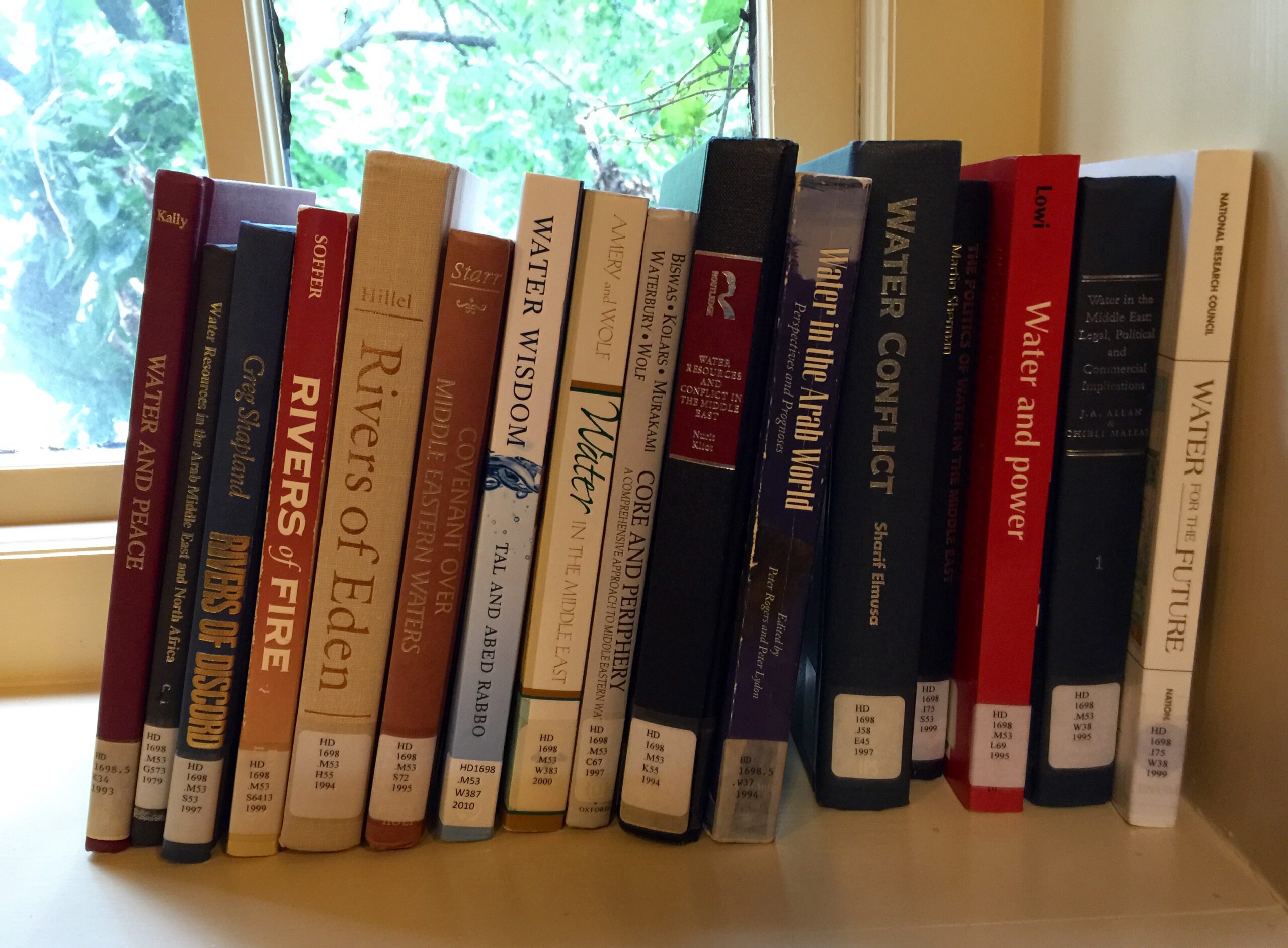
For many, an interest in the natural resources of the Middle East begins and ends with oil. However, in a region where systems of agriculture and manufacturing are threatened by increasing desertification and pervasive aridity, the amount, distribution, and control of water is drawing increased international attention.
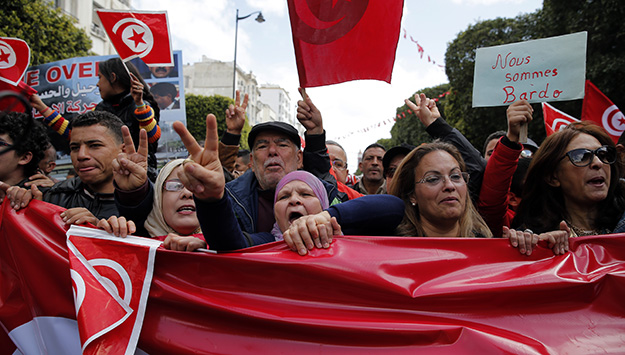
At face value, the targets of the Bardo Museum attack on March 18 in Tunis were Tunisia and the West, the former as the sole survivor of the “Arab Spring,” a country that has been successful in bridging the transition toward a democratic order, and the latter as the foe that radical Islamism seeks to defeat and supplant. A more extreme secular reading of the event may even see in it a punishment for Tunisia for having denied Islamist parties the coveted electoral victory and a reminder that, even from the margins, Islamism will dictate the course of the nation.