Houthi terrorist designation raises troubling questions for tech companies
One underrecognized aspect of Houthi operations that the recent FTO designation brings under scrutiny is their online presence. Ansar Allah maintains accounts on YouTube and Twitter, with 26,300 followers and 16,800 followers respectively. It also has an active group with over 22,000 participants on Telegram, an instant messaging service legally headquartered in London with servers in Dubai. The group even has its own official website.
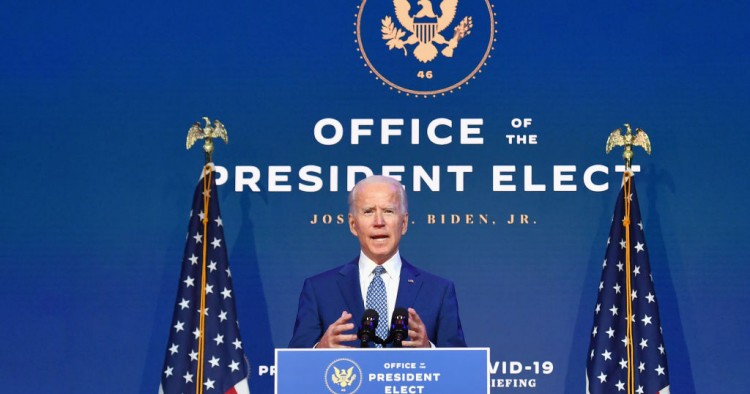
The Biden administration and the Middle East: Four-year policy goals
The Biden administration will face a number of major challenges in the Middle East over the next four years, from great power competition and climate change to cybersecurity and refugees and migration. But what realistically can it achieve in that time on the policy front? To better understand what’s possible, we asked 10 experts from across MEI to weigh in with their thoughts.
Protesting against techno: How a concert revealed the state of Palestinian society
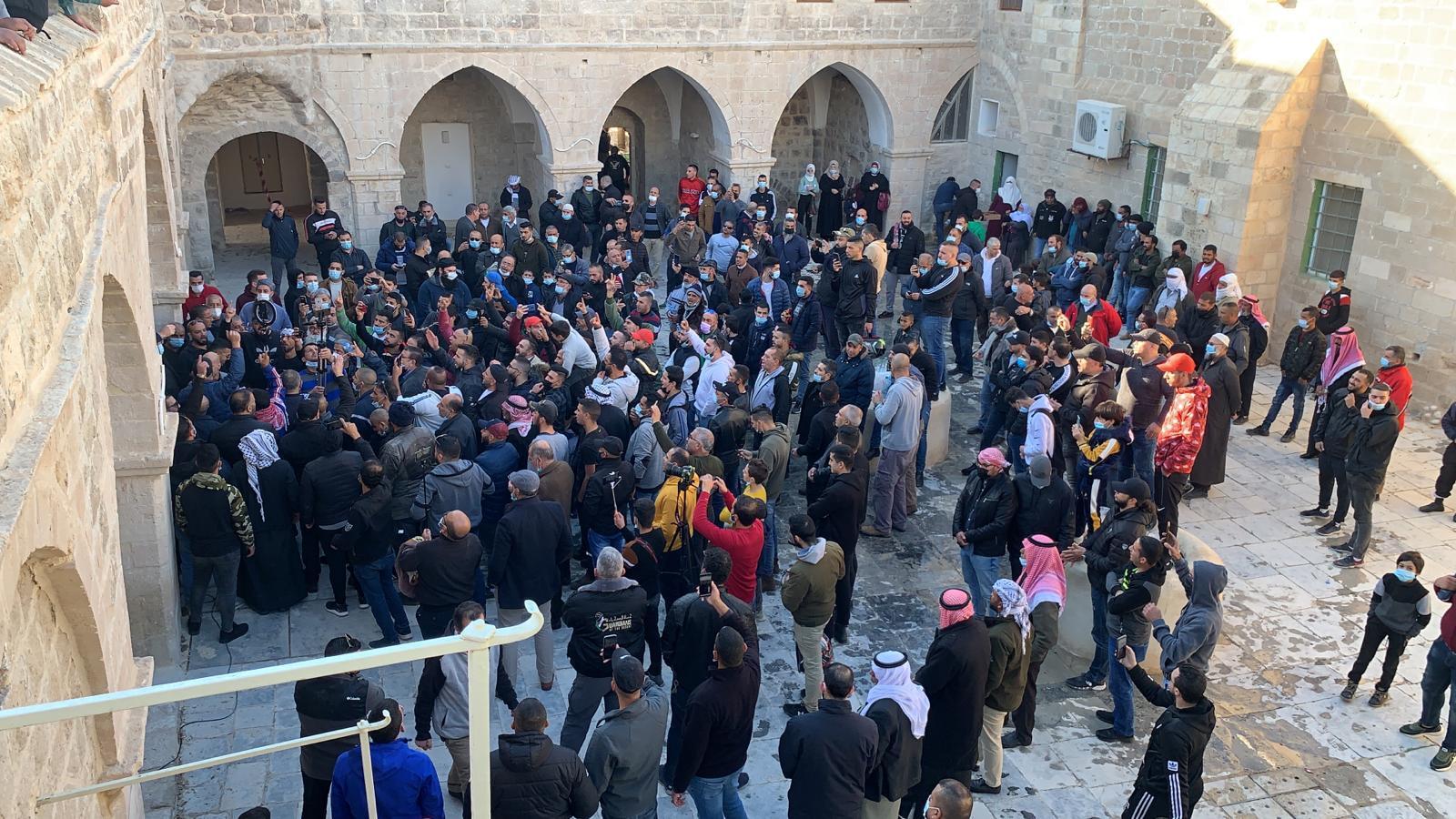
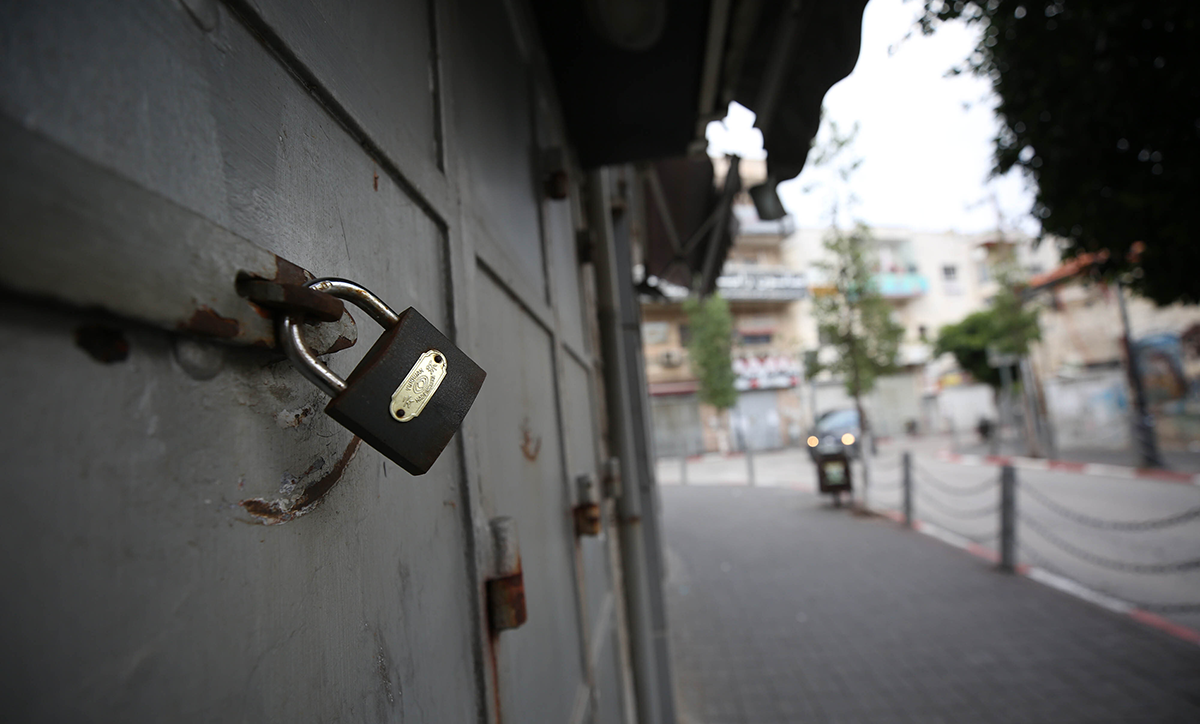
Until December 26, 2020, techno music was not a common topic of conversation in Palestine. That changed when Sama Abdulhadi, a famous techno DJ, gave a concert at Maqam Nabi Musa that provoked a backlash from religious conservatives. Abdulhadi, who is a Palestinian living abroad, decided to return to her homeland to perform three concerts that would be streamed on Beatport, a website specializing in techno music. She reached an agreement with the Ministry of Tourism to perform at Maqam Nabi Musa for a crowd of about 30.
New ways of fighting state-sponsored COVID disinformation
Keeping up with and making sense of the flood of information about the COVID-19 pandemic is a challenge. It doesn’t help that much of that information is misleading, often by design. The “infodemic” surrounding the coronavirus, described as such by the World Health Organization (WHO) as early as February 2020, “spreads faster and more easily than the virus” itself. A recent joint statement by WHO, UN, UNICEF, UNDP, UNESCO, UNAIDS, ITU, UN Global Pulse, and IFRC noted grave consequences. It is “undermining the public health response and advancing alternative agendas of groups [and] individuals,” in ways that “cost lives … and threaten long-term prospects for advancing democracy, human rights, and social cohesion.”
In the Middle East, cyber sovereignty hampers economic diversification
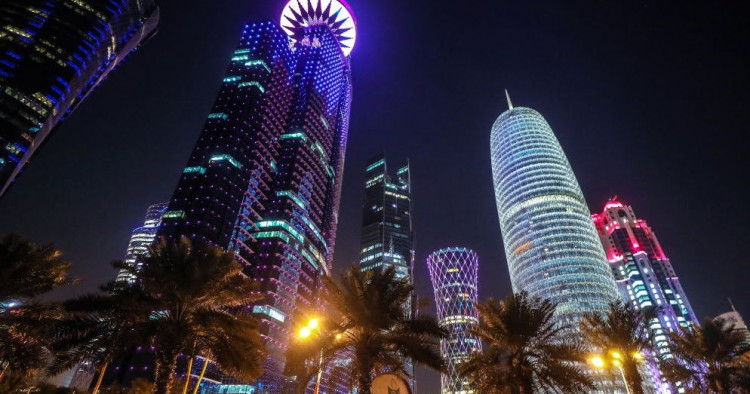
Rapid and unprecedented transformation in the Middle East, whether political, social, or technological, is forcing governments to reckon with enormous changes. Many governments are responding by attempting to pursue two contradictory paths forward — cyber sovereignty and digital transformation — and they might end up not achieving either.
On Dec. 3, MEI’s Program on Palestine and Palestinian-Israeli Affairs convened a webinar on the future of Palestinian refugees and their place in the policy discourse following the election of President-elect Joe Biden and the departure of the Trump administration. Below is a summary of the major takeaways from the event, organized by topic.
Richard A. Clarke, the first US “Cyber Czar”, joins guest host Patrick Howell O’Neill, cybersecurity senior editor for MIT Technology Review, to discuss the state of defensive and offensive cyber capabilities across the Middle East, how it is impacting conflicts in the region, and steps the incoming Biden administration can take to reinvigorate US cyber programs.
Iran’s internet shutdown last year was an exercise of its digital power that had been years in the making. Since 2013, the Iranian government has invested heavily in developing its domestic internet known as the National Information Network (NIN). With critical internet infrastructure under its control, the Iranian government can isolate its citizens from the global internet by filtering content, restricting communications, and controlling which platforms they can use.
Special Briefing: The Trump administration’s potential last-minute Middle East policy moves
From Israel/Palestine and Lebanon to Iran and Afghanistan, there are a number of areas where the Trump administration may make policy moves before leaving office on Jan. 20. Experts from across MEI weigh in with their thoughts on what to watch out for over the next seven weeks.
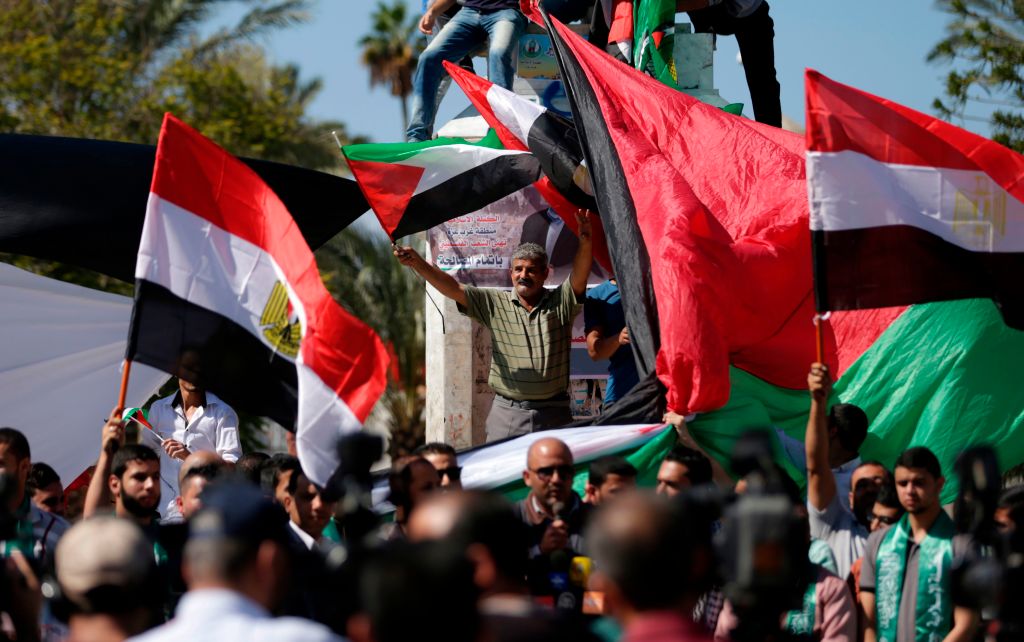
Economic desperation and dependence are driving the Palestinian Authority’s political decisions
Faced with the Trump and Netanyahu governments’ persistent dismissal of the Palestinians and their rights, the PA has spent the better part of the last three years threatening to terminate all relations with Israel, and even to withdraw the Palestine Liberation Organization’s (PLO) recognition of Israel. The deteriorating situation culminated in Palestinian President Mahmoud Abbas’ May 2020 declaration that the Palestinian leadership was absolved “of all the agreements and understandings with the American and Israeli governments.” Notwithstanding previous similar warnings from Abbas in recent years, the announcement prompted speculation among Palestinian political parties, Palestinians at home and in the diaspora, scholars, activists, and journalists over the future of Palestinian politics in the post-Oslo era.
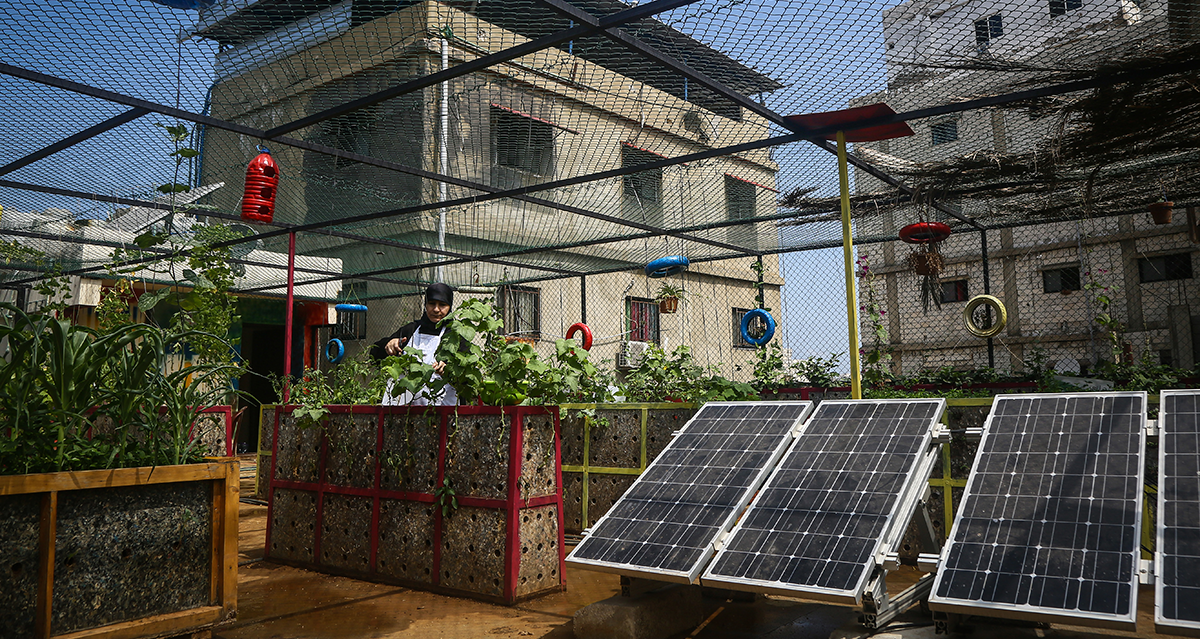
DIY futures in the Middle East: What if small got bigger?
It’s difficult to look at the Middle East and consider its future optimistically. Much of the analysis of the region centers on crisis and collapse. There is plenty of both, fueled by wars and civil conflicts, poverty, extremism, and more. Given the human toll, focusing on all this is natural. It is also necessary if solutions to deeply rooted problems are ever to be developed, leading to a better future.A related risk is becoming blinded to “weak signals” — early indicators of what could become features of potential alternative futures. Weak signals are developments that are emerging outside the dominant norms and trends of today. In the Middle East, probably the most dominant norm is the inability of governments throughout the region to provide security and prosperity for their citizens. The COVID-19 pandemic is making this even more apparent, and markedly worse. It is not just the obvious failed states — as Steven Cook recently observed, “sometimes state failure is a more chronic condition.” But in the midst of this — and fueled by it — there is evidence of activities at the local level to create what is missing. Could these be signals of a future different than the one it is so easy to expect for the region?
Biden could generate momentum for Israeli-Palestinian peace
While the Israeli-Palestinian issue and renewal of negotiations is unlikely to feature prominently on his agenda anytime soon, Biden’s election generates renewed positive momentum.
State of play for Middle East cybersecurity leaders
This new white paper distills the findings of the Middle East Institute panel “State of Play for Middle East Cybersecurity Leaders,” a discussion held in September 2020 about the unique threats, best practices, and corporate landscape in the Middle East and North Africa region.
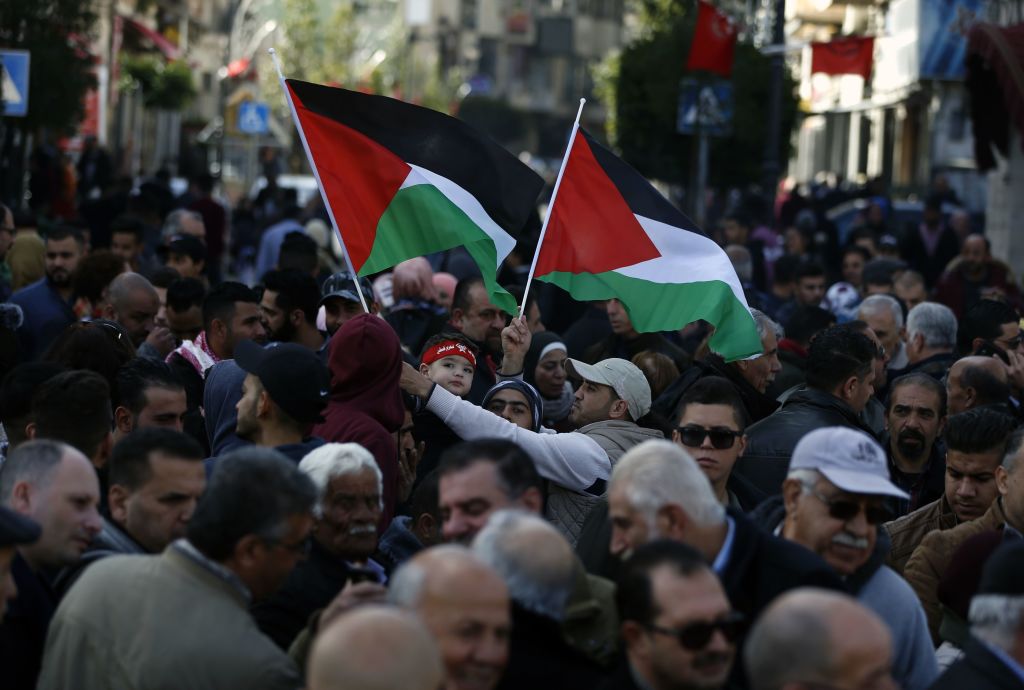
Biden’s presidency cannot mean a return to the status quo for Palestinians
On Nov. 17 and 19, MEI’s Program on Palestine and Palestinian-Israeli Affairs convened a two-part series looking at the future of Palestinian politics and the Palestinian national movement. Below is a summary of Part 2, “Toward a Palestinian National Strategy,” which examined the efficacy of the Palestinian leadership’s current focus on a negotiated two-state settlement, as well as alternative visions and means of liberation, such as a one-state solution and the Boycott, Divestment, and Sanctions (BDS) movement.
Biden’s presidency indicates new opportunities for Palestinian politics
On Nov. 17 and 19, MEI’s Program on Palestine and Palestinian-Israeli Affairs convened a two-part series looking at the future of Palestinian politics and the Palestinian national movement. Below is a summary of Part 1, “Reviving Palestinian Political Life,” which focused on issues such as national reconciliation, elections, succession, the future of institutions like the Palestinian Authority (PA), and reform of the Palestine Liberation Organization (PLO).