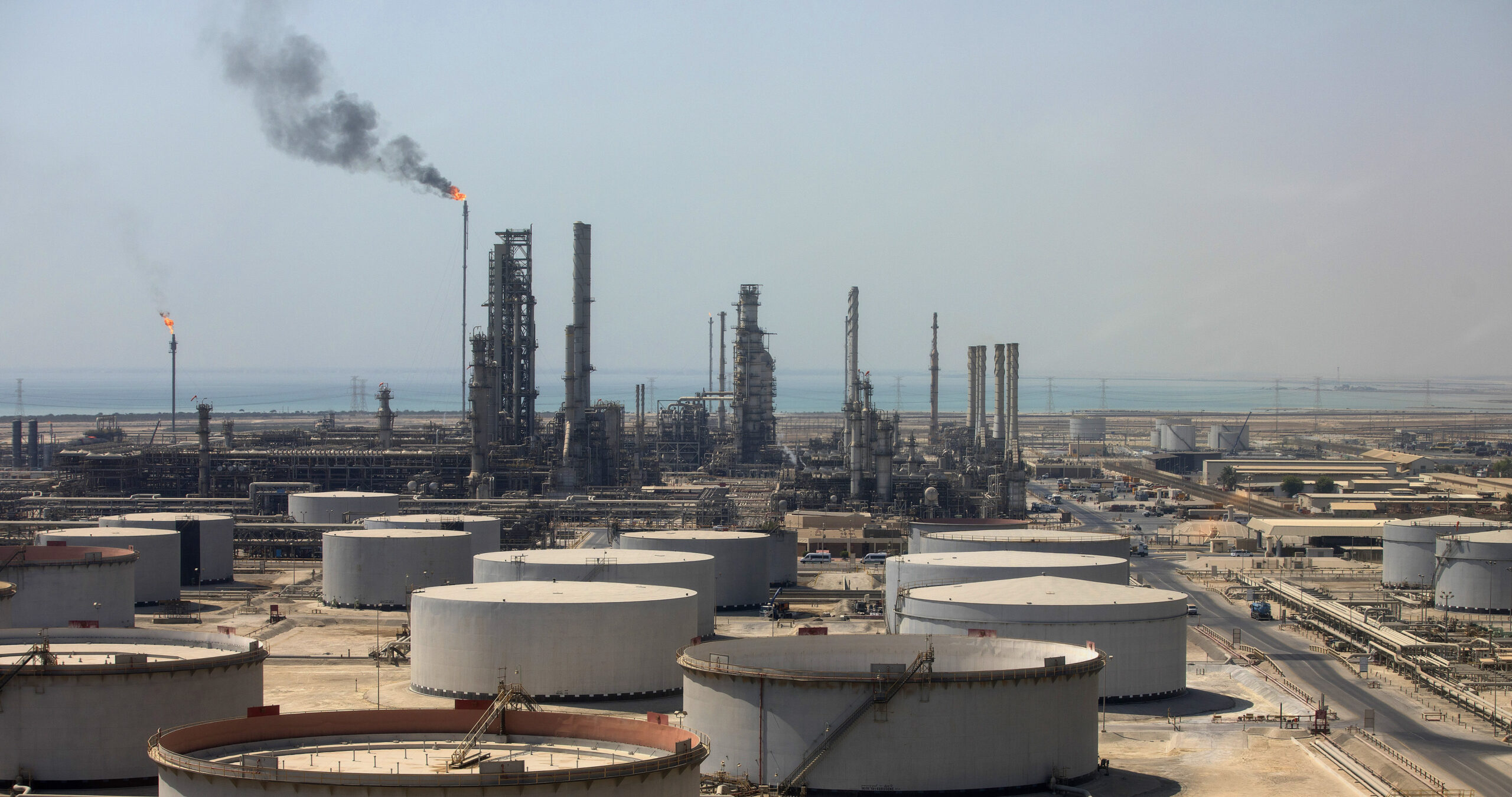
Under current, highly unpredictable market conditions, it is unreasonable for OPEC to make sharp movements to saturate the oil market or withdraw a significant number of barrels from it to meet divergent Western interests of lowering prices and punishing Russia.
America and Iran’s Tough Tango with the Gulf States
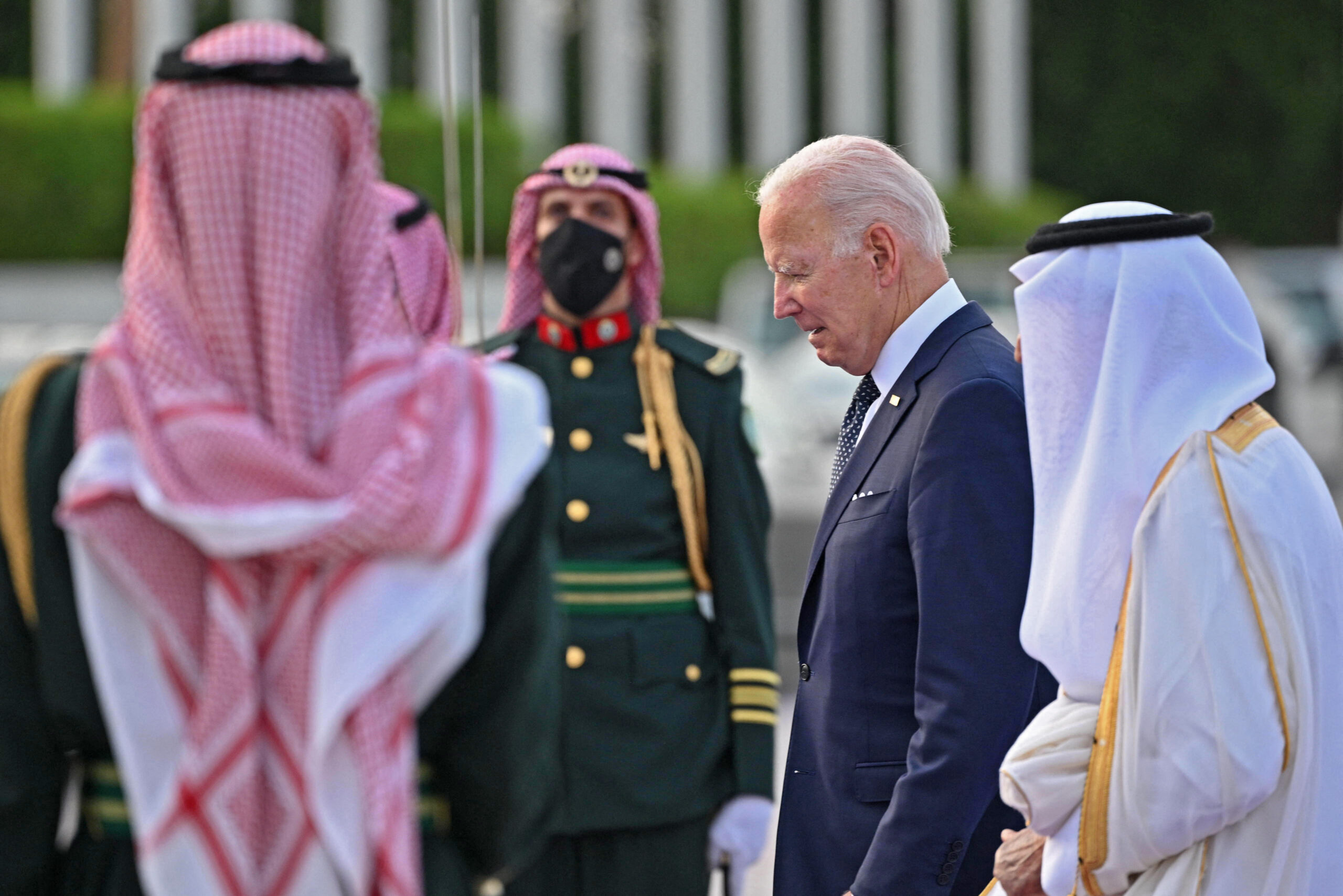
Since the Biden Administration came to office, Washington has been full of reports that the United States and its Gulf allies are drifting apart. The core argument was that in order to deliver for the Democratic Party’s grassroots base, U.S. President Joe Biden would seek to pursue a foreign policy that prioritized American values over American interests. In such a policy turn, Gulf States would be adversely impacted as the U.S.-Gulf relations are much more about common interests than common values—such as political democracy, the issue of human or labor rights, etc.
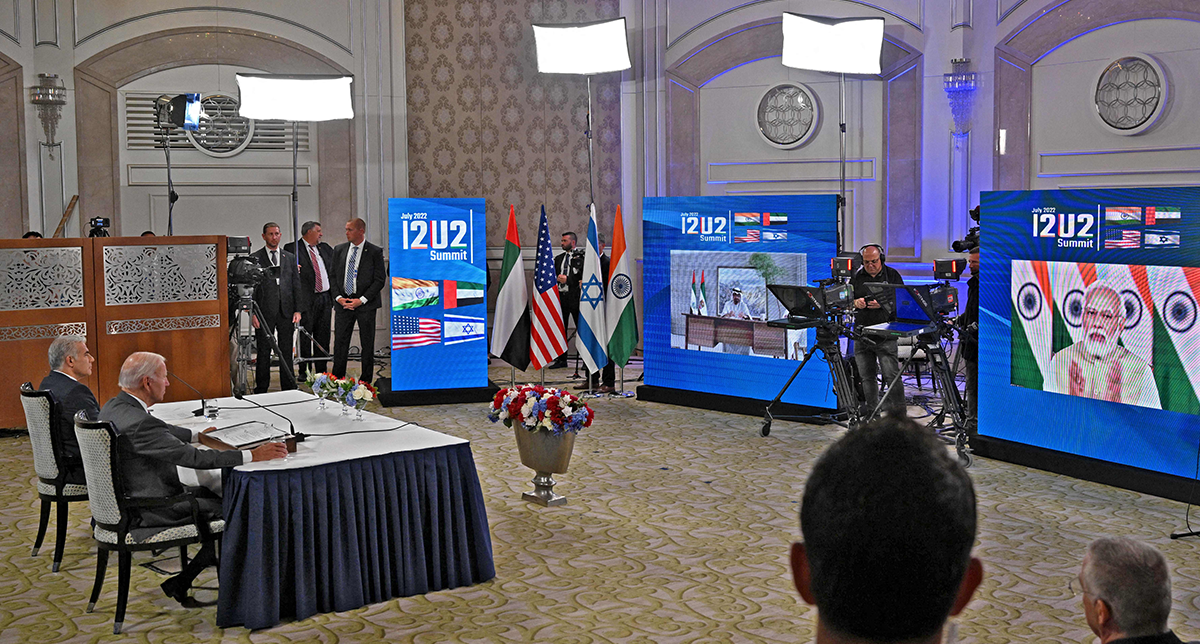
Technology represents one potentially fruitful area where the I2U2 member states — Israel, India, the U.S. and the UAE — could cooperate together, expand their format to include more countries, deliver tangible results, and avoid agitating other global and regional powers.
Beyond Post-Desert Storm: How to Elevate the US-Kuwait Security Partnership
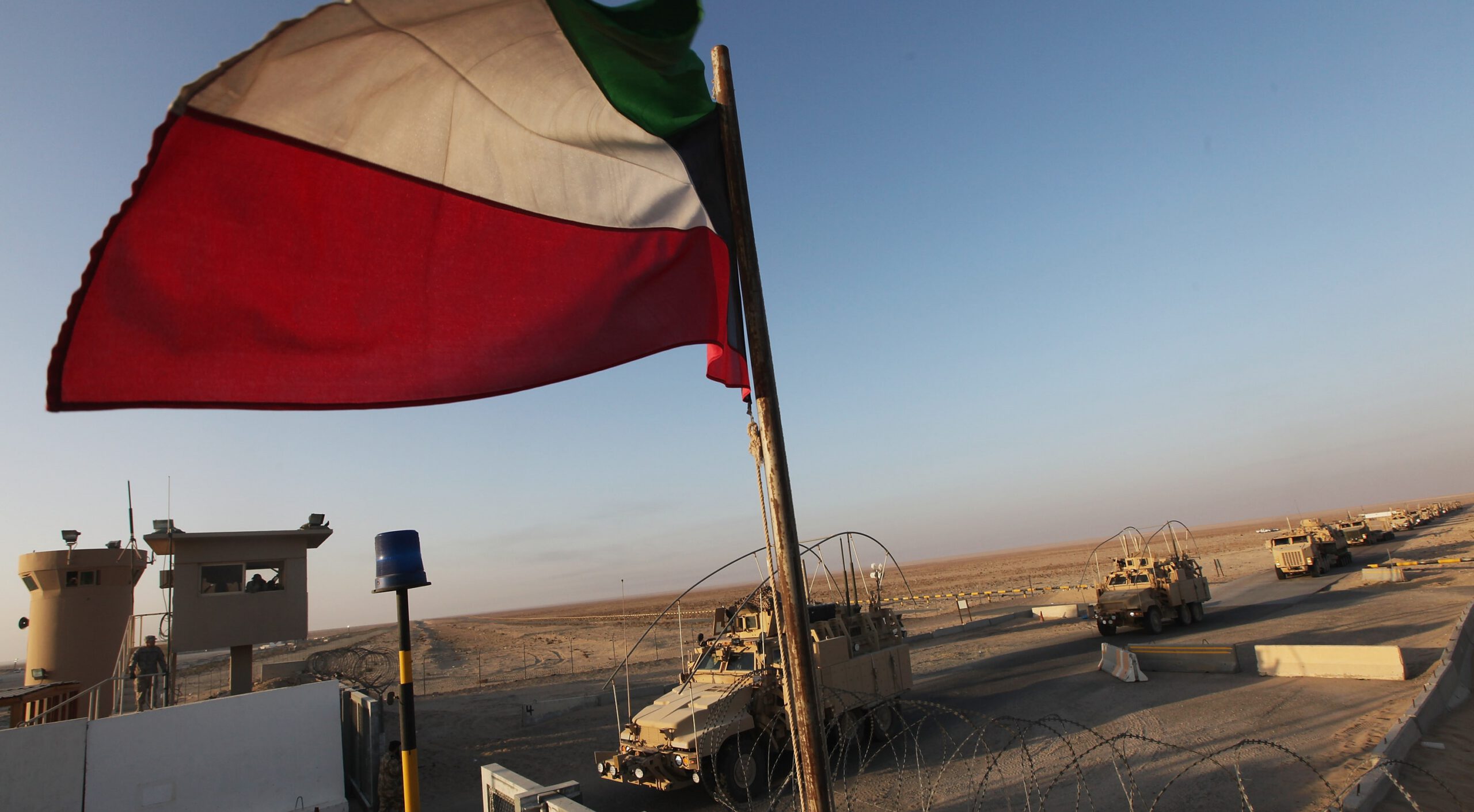
Kuwait plays a larger role than is often assumed in America’s present and future military plans in the Middle East. But as Washington prioritizes the Indo-Pacific, it is critical that the security arrangement between the United States and Kuwait is thoughtfully reconfigured.
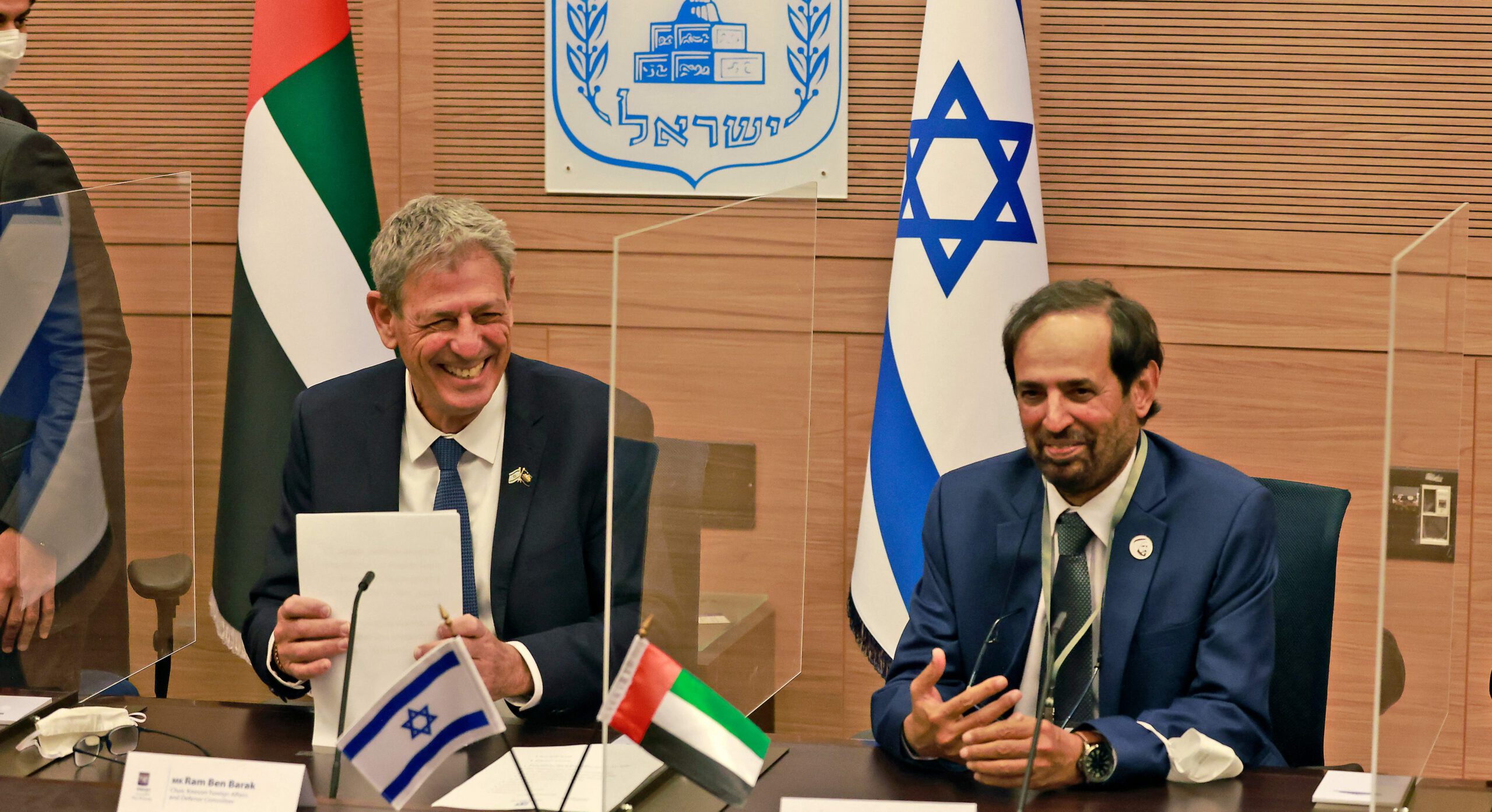
Two years on, what is the state of the Abraham Accords?
Two years after the signing of the Abraham Accords, progress in developing relations between Israel and its Arab neighbors has achieved mixed results, opening up some greater cooperation in the security sphere but failing to change Arab publics’ minds due to the lack of movement on the Israeli-Palestinian conflict.
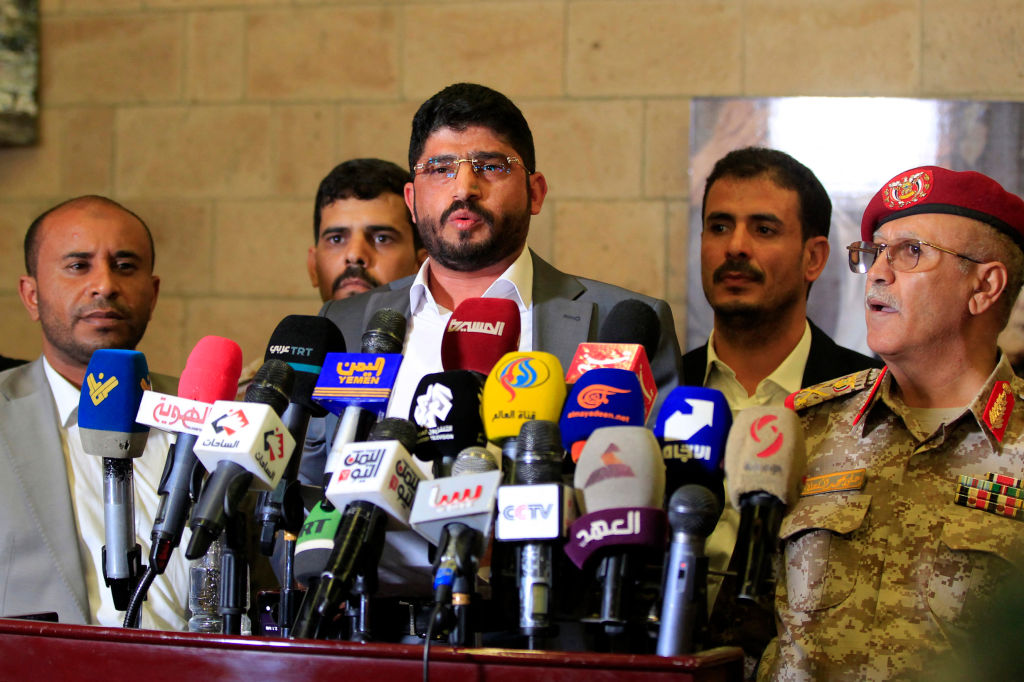
Now in the fifth month of a ceasefire, what are the prospects for a negotiated end to the Yemeni Civil War, and the beginning of a sustained peace? MEI Distinguished Sr. Fellow on U.S. Diplomacy and Director of the Arabian Peninsula program Gerald Feierstein discusses these questions with two outstanding scholars who have followed and written extensively about Yemen over the years. Fatima Abo Alasrar is a nonresident scholar at MEI and a Senior Analyst for the Washington Center for Yemeni Studies.
Hospitable Thoughts: Saudi artist Abdulnasser Gharem’s New York show explores control and authority
When acclaimed Saudi artist Abdulnasser Gharem opened his first solo show in New York City last week, it closed the circle on a story that began more than two decades ago on Sept. 11, 2001, and the wars and chaos that followed. The 49-year-old Gharem, a seminal figure in and pioneer of Saudi Arabia’s contemporary art scene, hopes his exhibition Hospitable Thoughts, at the Marc Straus Gallery through Oct. 16, will spark a “new cultural dialogue.”
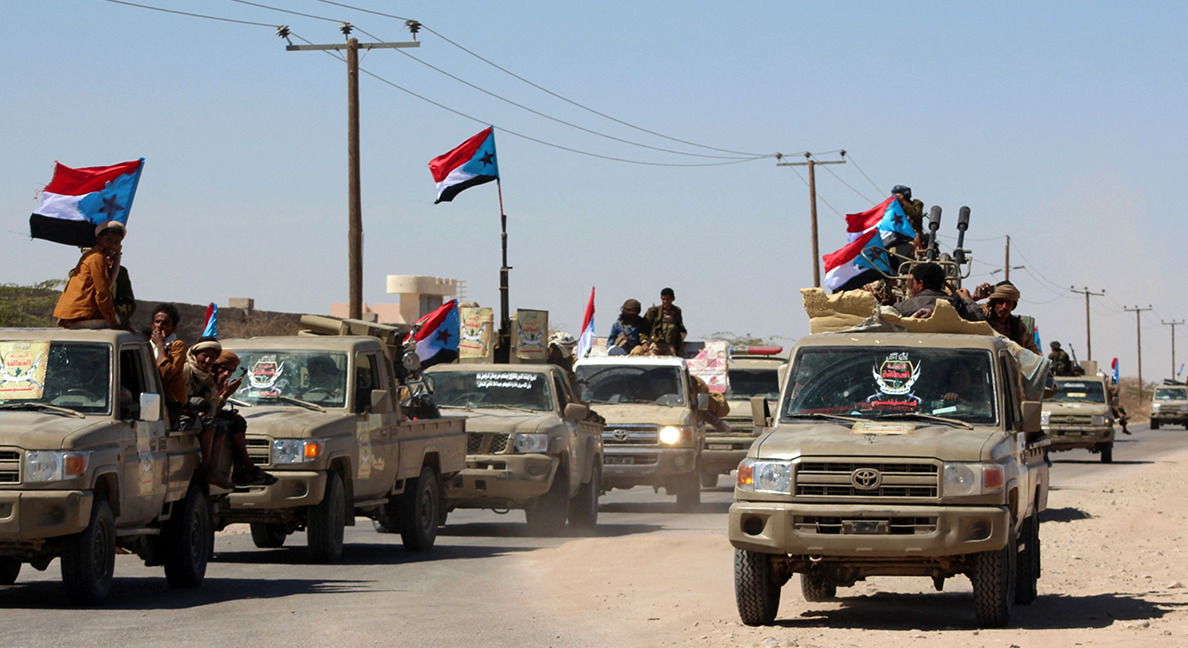
Emirati-backed forces eye Yemen’s energy heartland
The battle for control of the Yemeni heartland and its energy resources has reached a turning point. Yemen’s internationally recognized institutions are, once again, in crisis. In fact, the current infighting within the “government camp” threatens both the long-stalled implementation of the 2019 Riyadh Agreement and the political legitimacy of the newly-established Presidential Leadership Council.
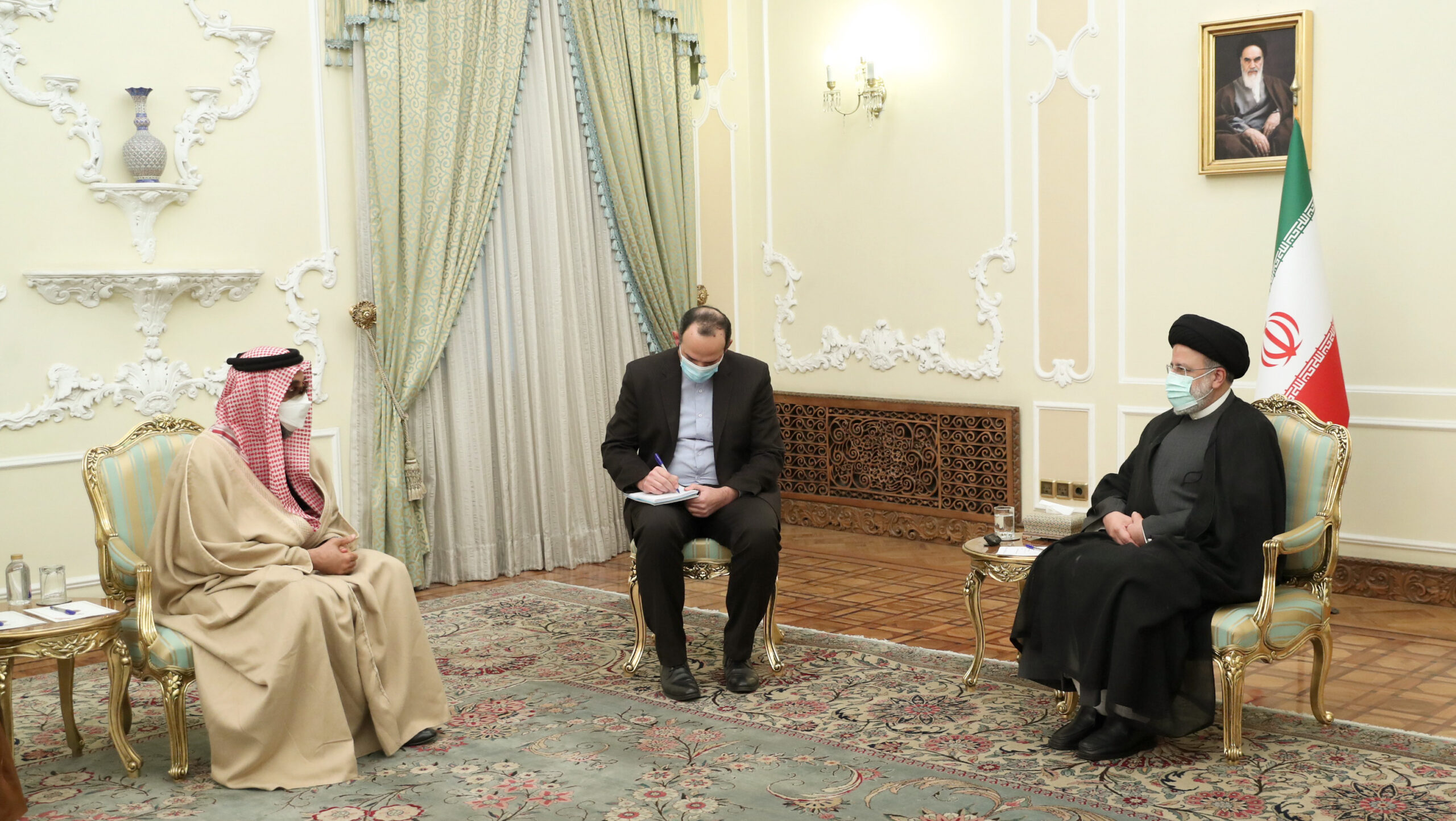
The diplomatic ice is breaking in the Gulf. What does that mean for the region?
The announcements in mid-August that both the United Arab Emirates and Kuwait will be returning their ambassadors to Tehran after six years provided the latest indication that the diplomatic ice has started to break in the Gulf region.
Trump Didn’t Kill the Carter Doctrine—It Was Born Dead
The United States and its Gulf Arab partners need a new security arrangement that effectively shares the burden of defending against Iranian hostility and goes beyond deterrence.
The July 2022 leaders’ meeting took good steps on energy and food security, but Egypt and Saudi Arabia can help take the I2U2 to the next level when it comes to regional security.
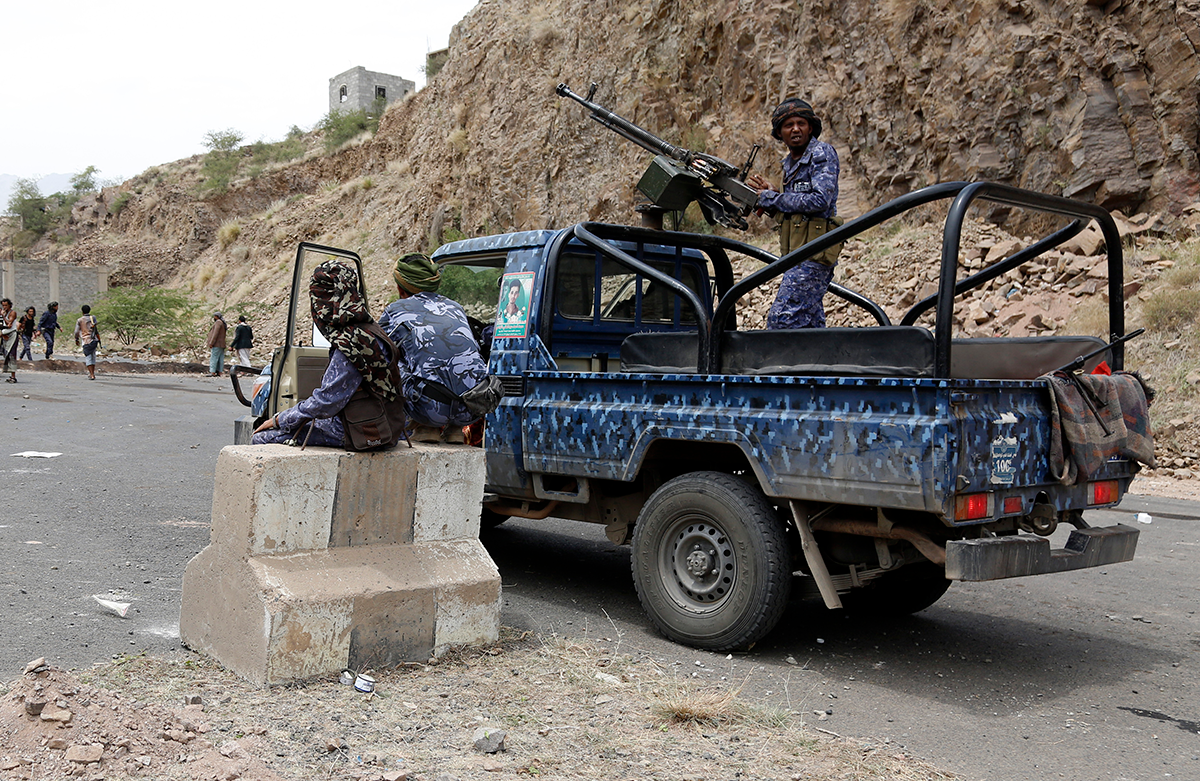
There is no shortage of U.N. interest in Taiz or concern over the Houthis’ blockade and truce violations in the city, but pressure on the Houthis to commit to relieving the humanitarian suffering of the Taizi people remains lacking.